


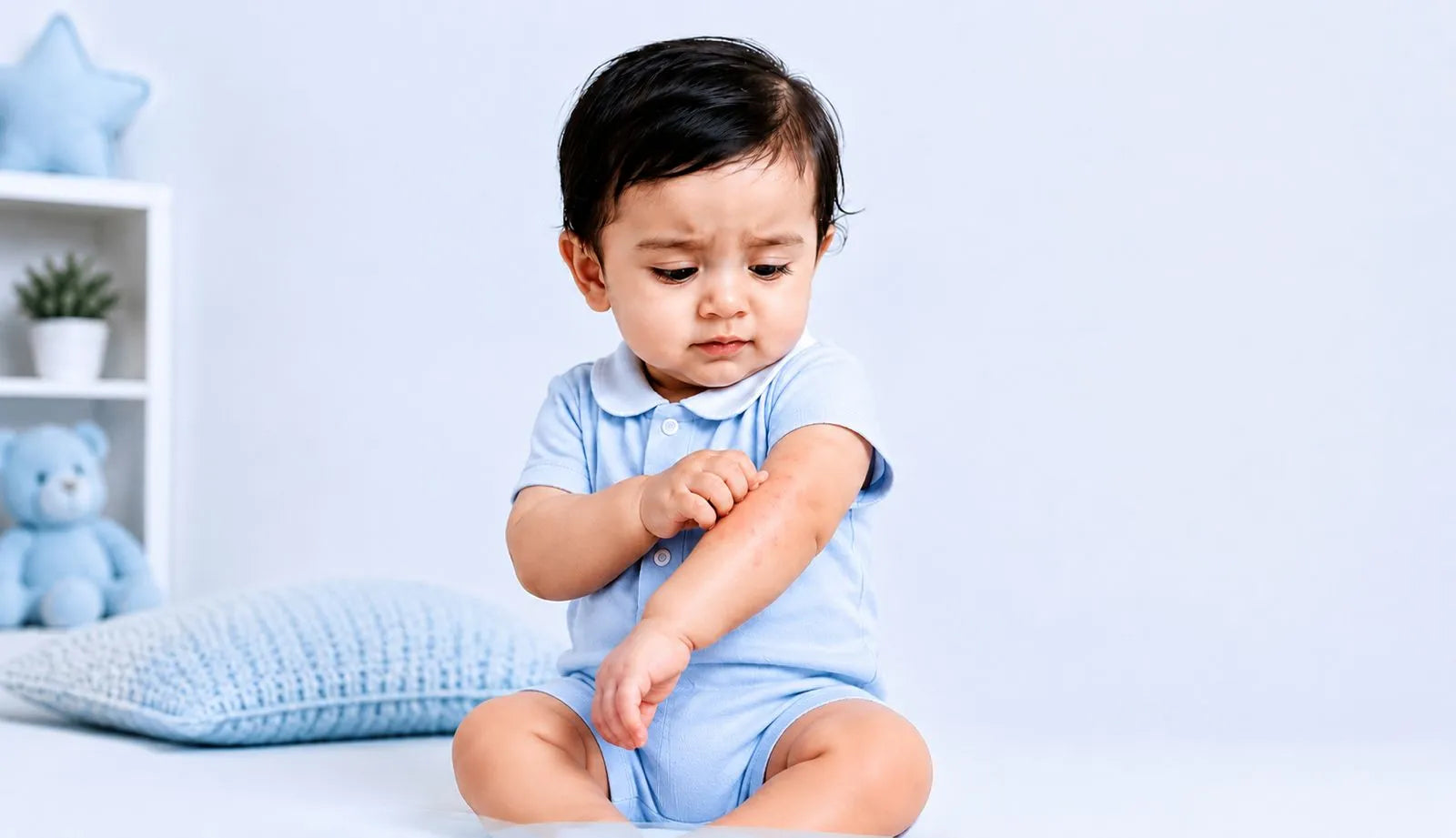
Your kid calls a shirt "itchy" the second winter hits, even though they wore the same kind of fabric all summer without a word. Or they come in from playing outside completely soaked, and it wasn't even that warm out. This usually isn't your kid being difficult. It's the fabric material not matching the season, and it's a much bigger factor in those daily clothing fights than most parents give it credit for.
So let's actually go through it - what cotton, cotton-spandex, and fleece are each good at, and which one fixes which seasonal headache.
Why Fabric Material Matters More for Kids Than Adults
Fabric material is just what a garment's made from and how it's built - fibre type, weave or knit, fabric weight. For adults this is mostly a style or durability question. For kids it's more immediate than that. It decides whether they're comfortable enough to actually keep the clothes on.
Kids don't usually have the words for "this fabric doesn't breathe" or "this seam is bothering me." They just say it's itchy, or weird, or they won't wear it - and the real cause is almost always one of three things: the fabric traps heat, it's the wrong weight for the weather, or it's fighting against how much they're moving.
Cotton Is Still the Safest Bet Most of the Time
Cotton fabric material is the default for a reason. It breathes, it's soft, and it doesn't hold heat against the skin the way synthetic fabric can - which matters a lot for a kid who sweats easily or has skin that reacts to anything rough.
It works well for:
-
Everyday t-shirts, uniforms, underclothing
-
Warm or humid weather, where airflow matters most
-
Sensitive skin, since it rarely causes irritation
-
Layering under something warmer in colder months
Where it falls short: cotton on its own barely stretches. Good for sitting at a desk, less good for a kid doing cartwheels in the backyard. It's also not much use for real cold without extra layers on top.
Cotton-Spandex Is for the Kid Who Won't Sit Still
This is basically cotton with its one weak spot fixed. Add a small percentage of spandex (sometimes called elastane) to a cotton fabric, and suddenly it stretches with movement and actually bounces back into shape afterward - instead of just going baggy over time the way stretched-out cotton does.
Kids need this more than adults do, mostly because they're never still. Climbing, running, sitting cross-legged, doing whatever counts as a cartwheel that day - cotton spandex fabric handles all of it without holding them back or losing its shape after a dozen washes.
Good for:
-
Leggings, joggers, anything meant to move with the body
-
Sports days, PE kits, high-activity clothing
-
School uniforms for kids who are hard on their clothes
-
Anything that needs to survive constant stretching
Fleece Solves the Winter Complaints - But Only in Winter
Fleece is thick, insulated, and built for one job: keeping the cold out. The reason it works so well is simple - the fabric is woven with tiny air pockets trapped between the fibers, and that trapped air acts like a buffer, holding body heat in instead of letting it escape. It's usually made from pure polyester, or cotton blended with polyester, depending on how much warmth it needs to deliver.
Good for:
-
Winter jackets and cold-weather sleepwear
-
Layering over a cotton base for warmth without bulk
-
Kids who run cold or live somewhere genuinely cold
Where it falls short: it doesn't breathe like cotton does, so it's the wrong call for mild weather or anything high-activity - a kid will overheat and end up sweating inside it, which defeats the point.
Quick Comparison: Cotton vs Cotton-Spandex vs Fleece
|
Fabric |
Best Season |
Stretch |
Breathability |
Best For |
|
Cotton |
Summer, everyday |
Low |
High |
T-shirts, uniforms, sensitive skin |
|
Cotton-Spandex |
All seasons, active wear |
High |
Medium-High |
Leggings, joggers, sportswear |
|
Fleece |
Winter |
Low-Medium |
Low |
Jackets, cold-weather layering |
A Few Other Fabric Types Worth Knowing
Cotton, cotton-spandex, and fleece cover most of a kid's wardrobe, but a few other fabric types show up often enough to mention.
|
Fabric Type |
Known For |
Common Use |
|
Mesh |
Very breathable, open-weave |
Sportswear panels, summer activewear |
|
Interlock/Pique knit |
Holds shape well, slightly thicker |
Polos, structured tees |
|
Denim |
Heavy fabric material, built for durability |
Jeans, jackets |
|
Jersey |
Soft, lightweight, drapes well |
Everyday tees, casual dresses |
If you're wondering what mesh fabric material actually is - it's a loosely knitted or woven fabric with small visible holes, built to move as much air as possible. That's why it shows up in sportswear panels and summer clothes where ventilation matters more than warmth.
Is the Cheapest Fabric Material Ever Worth It?
If cost is tight, polyester and polyester blends are usually the cheapest fabric material around, and they're not a bad call for occasional-wear items. But for anything worn daily and against skin for hours - school clothes, everyday basics - the savings tend to show up later as complaints about itching or overheating, not as a good deal.
Cotton and cotton-spandex (typically a 95% cotton / 5% spandex blend) cost a bit more upfront but usually save money in the long run, mostly because they don't end up getting refused, outgrown fabric-wise, or replaced early.
The Short Version
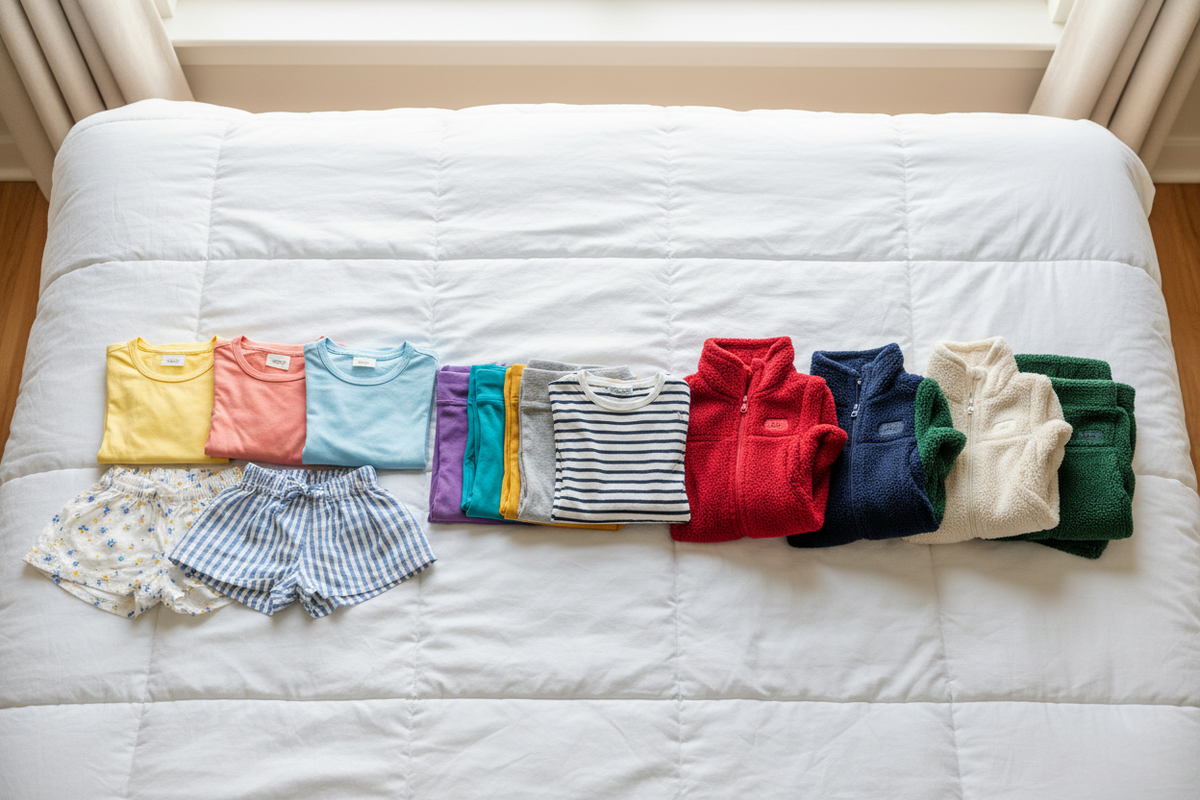
Cotton for everyday and warm weather. Cotton-spandex for anything active or for a kid who's hard on clothes. Fleece layered over cotton once it's actually cold. Getting this right quietly fixes a lot of clothing arguments - half the time, a "difficult" kid is just a kid stuck in the wrong fabric for the day.
At One Friday, we pick fabric by season and use case for exactly this reason - so the clothes work with your kid's day instead of against it.
Looking for clothes built for the weather you're actually dressing for? Explore One Friday's kidswear collection - cotton, cotton-spandex, and fleece, matched to how kids move and where they're moving in it.
Author Bio
The One Friday Editorial Team brings years of experience in children’s fashion and retail to deliver well-researched, trustworthy content. We carefully curate style tips, product insights, and practical advice to help parents make informed choices for their children’s wardrobes. Dedicated to quality and authenticity, we ensure every post reflects One Friday’s commitment to comfort, style, and the evolving needs of families.
Popular Searches
Blazer For Boys | Fashionable T shirt for girls | Kids Footwear | Small Girls Dress | Party wear Dress for Boys | Clothes for infants | Girls Party Shoes | Summer Wear for Kids | Kids accessories | Kids Clothing

Share:
Boys' Night Suits Guide: Fix Restless Nights With the Right Fabric and Fit
Why Does My Kid's Clothing Keep Sticking? The Static Electricity Problem No One Talks About