



Babies - Shop By Age


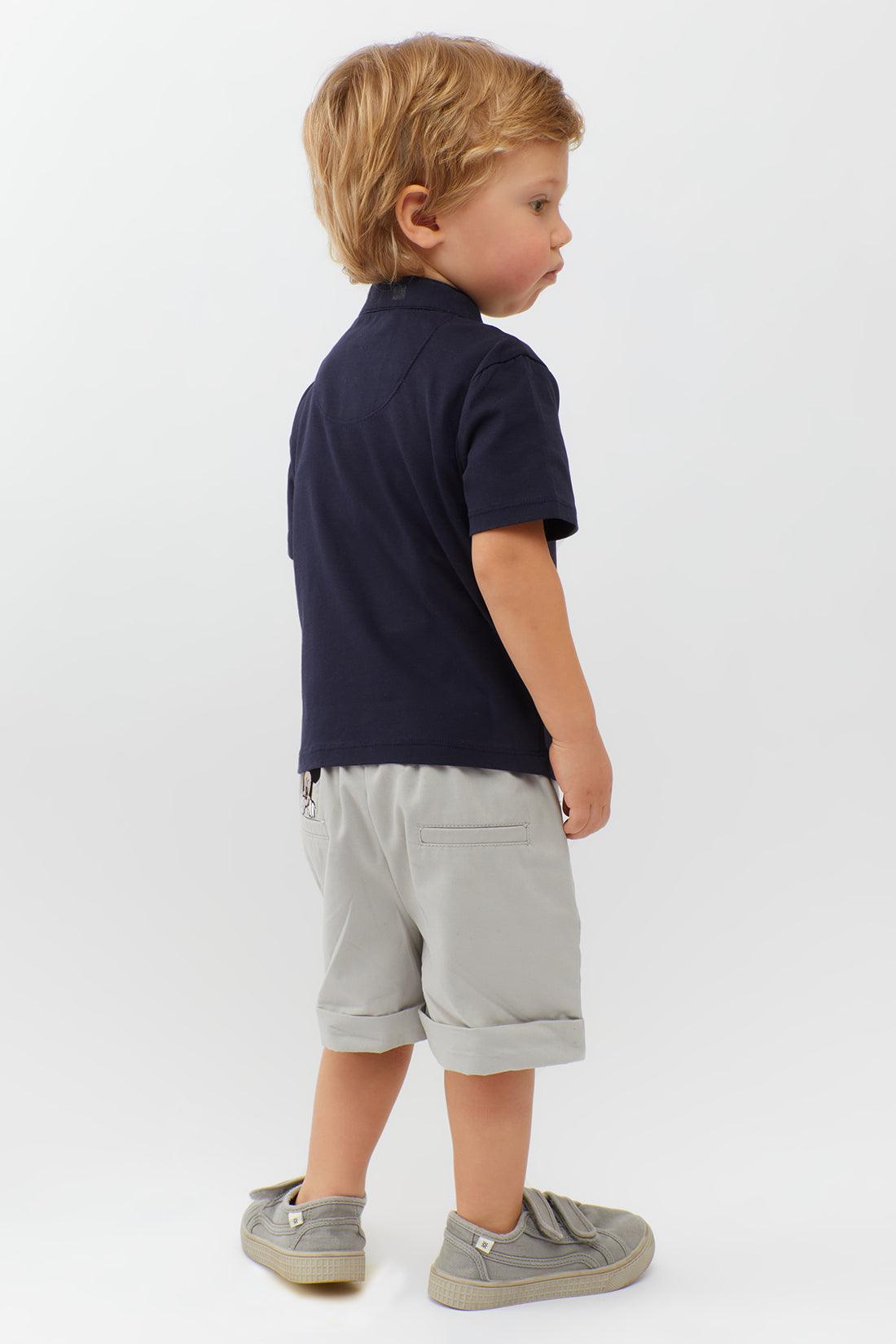
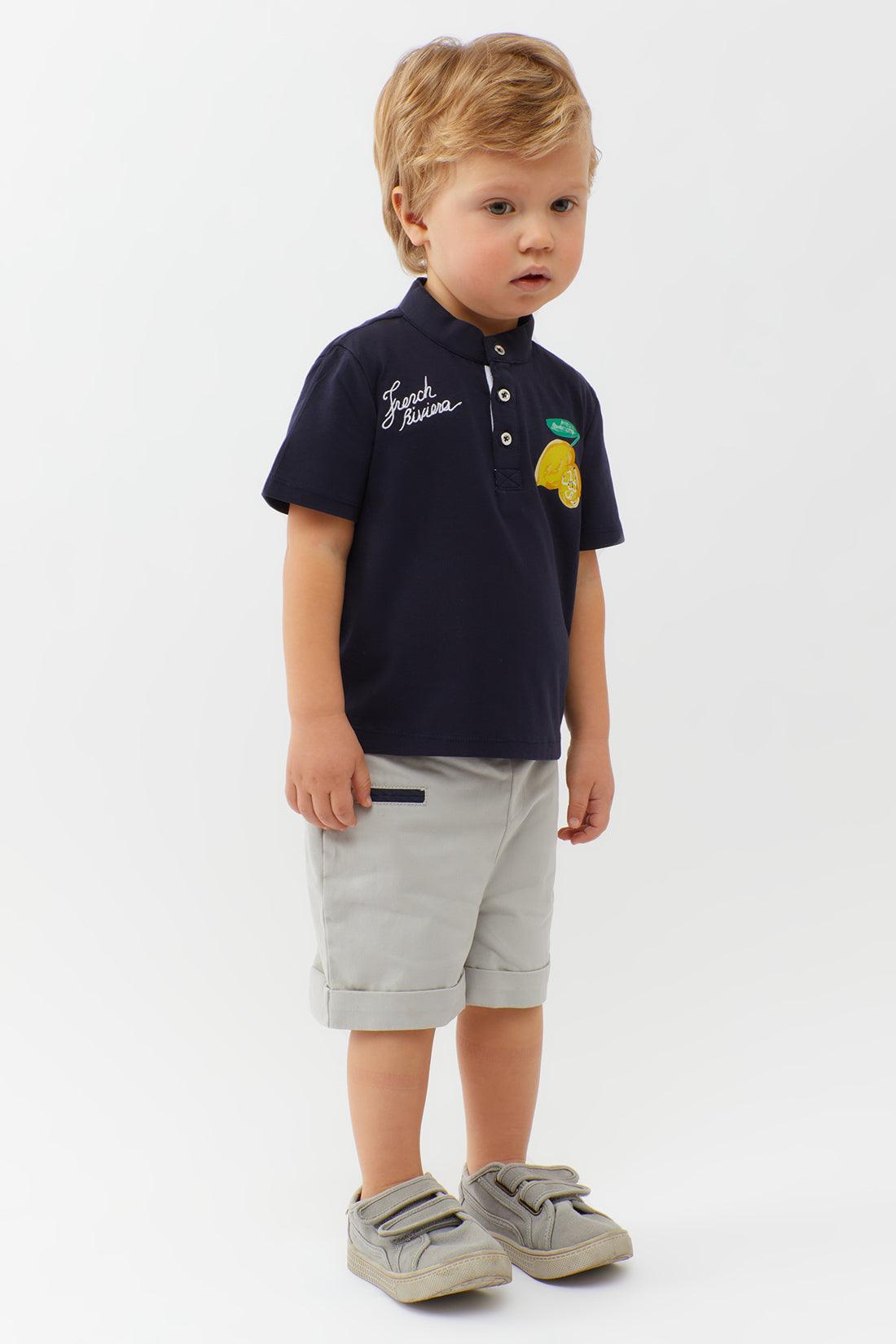
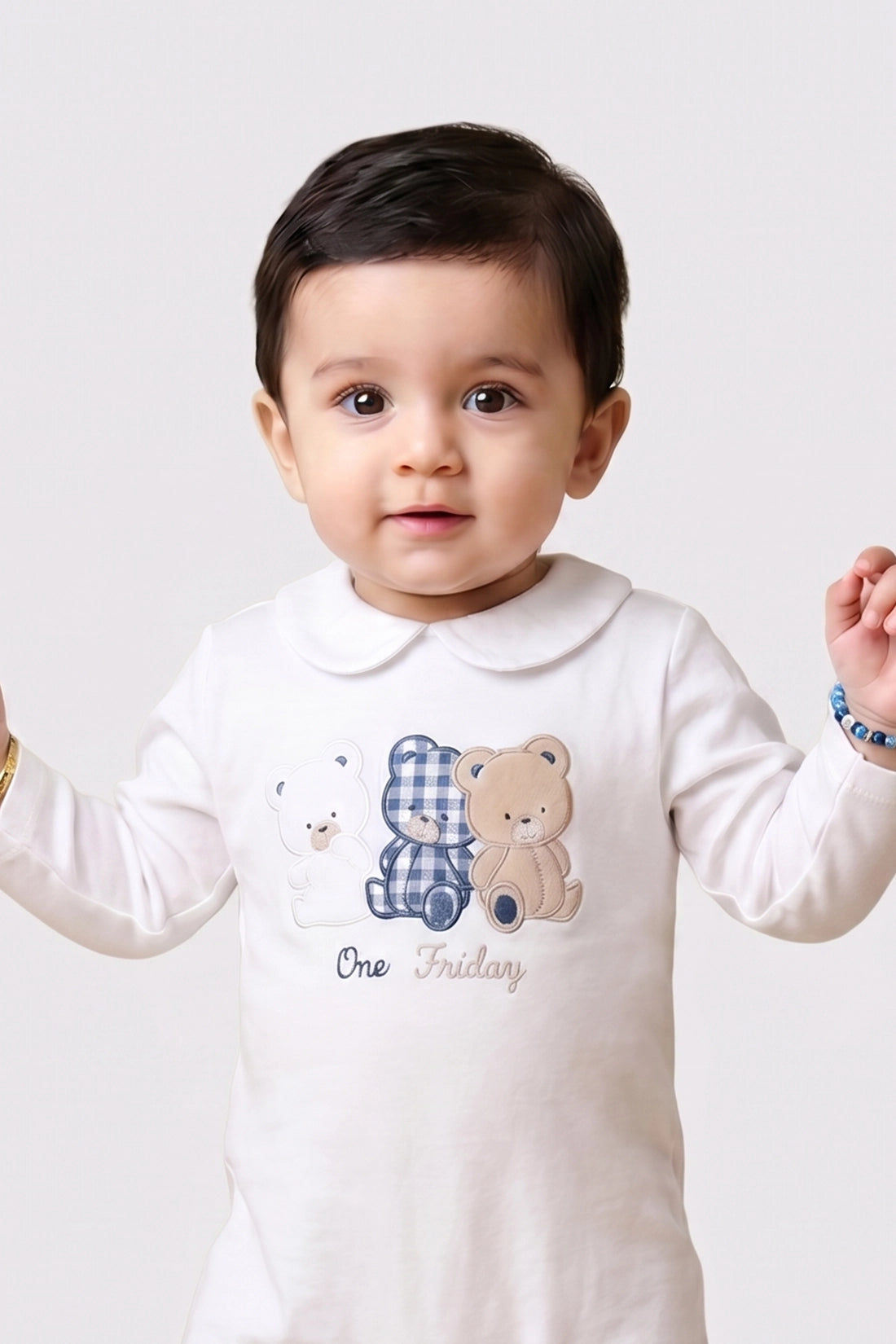
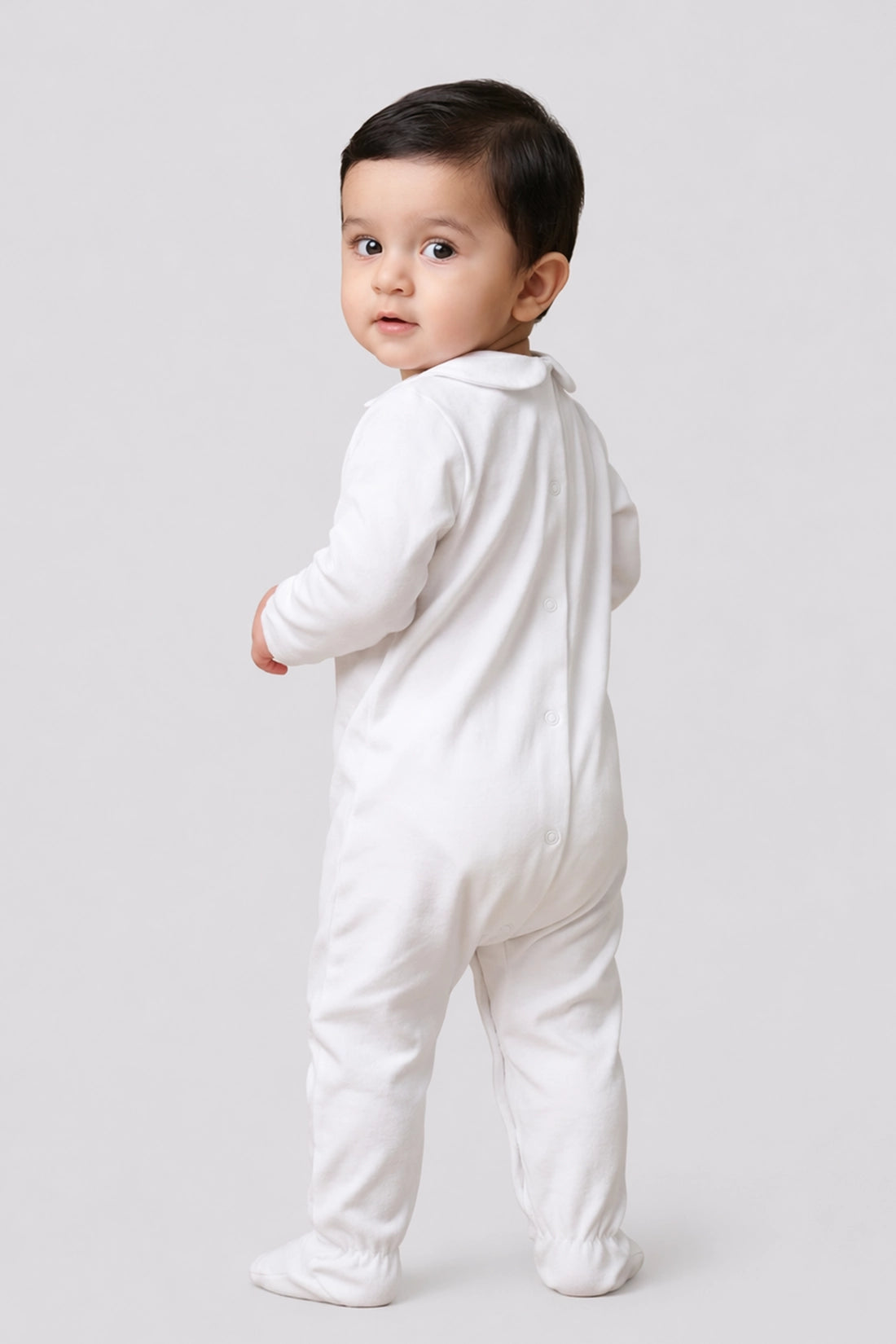
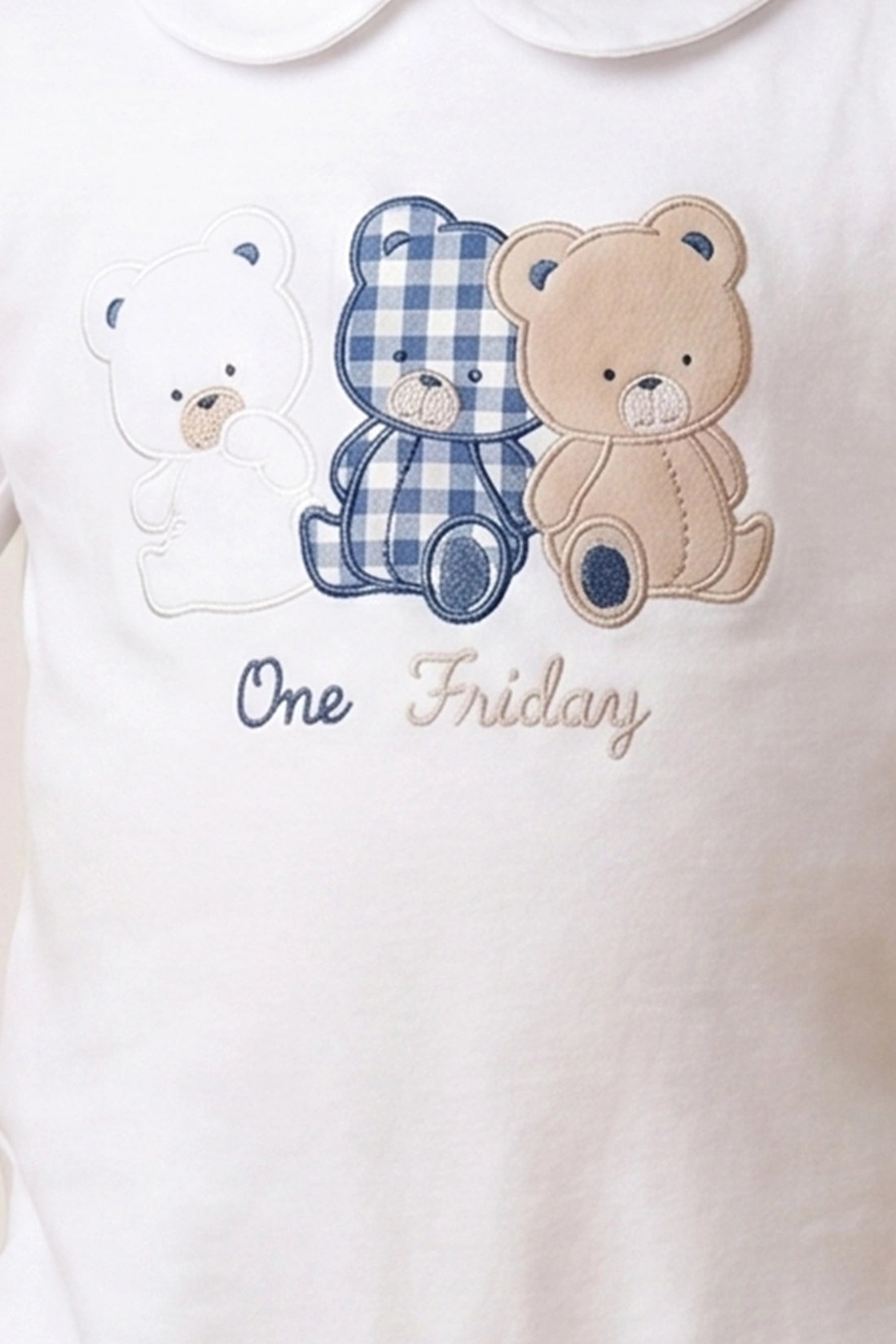
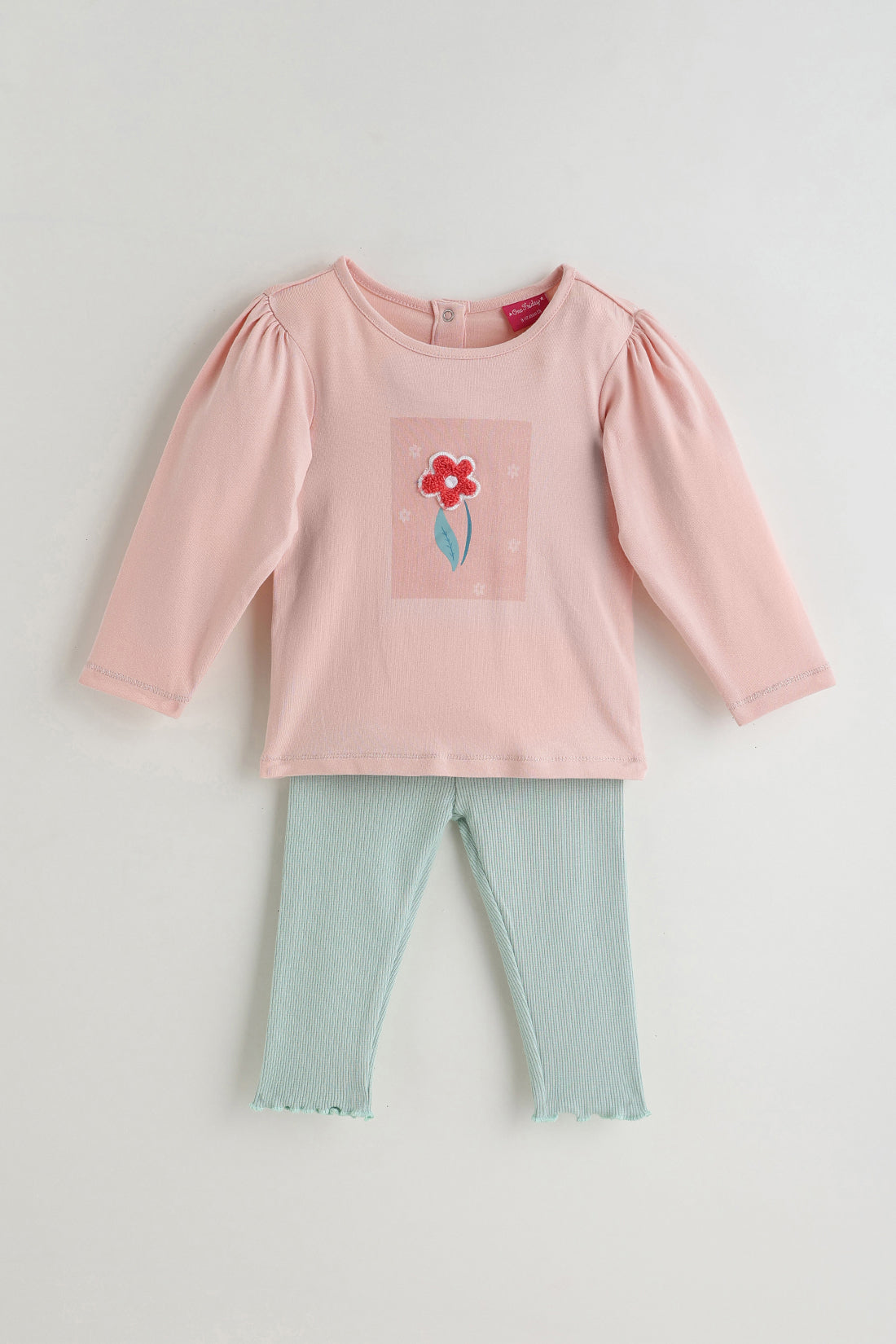


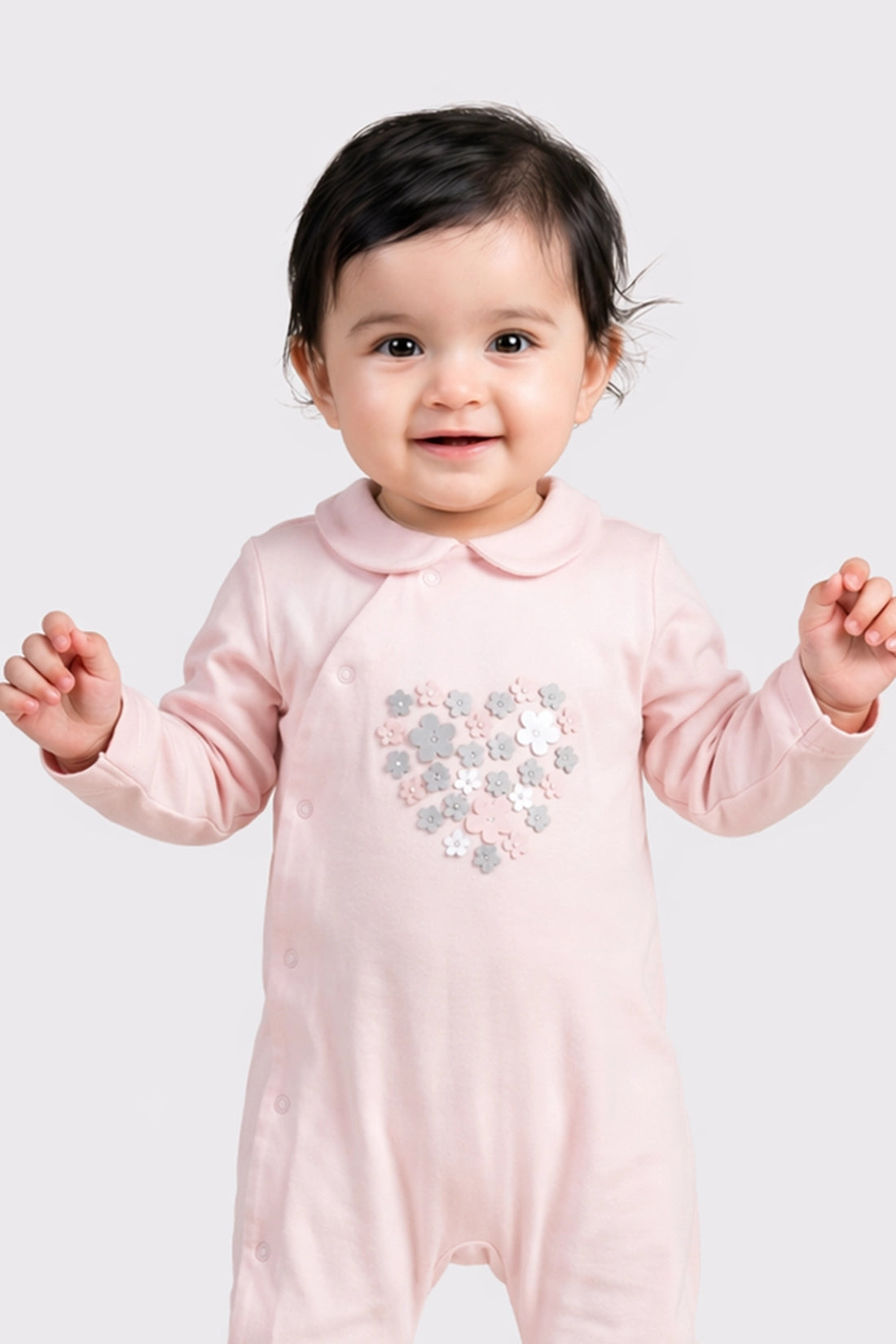
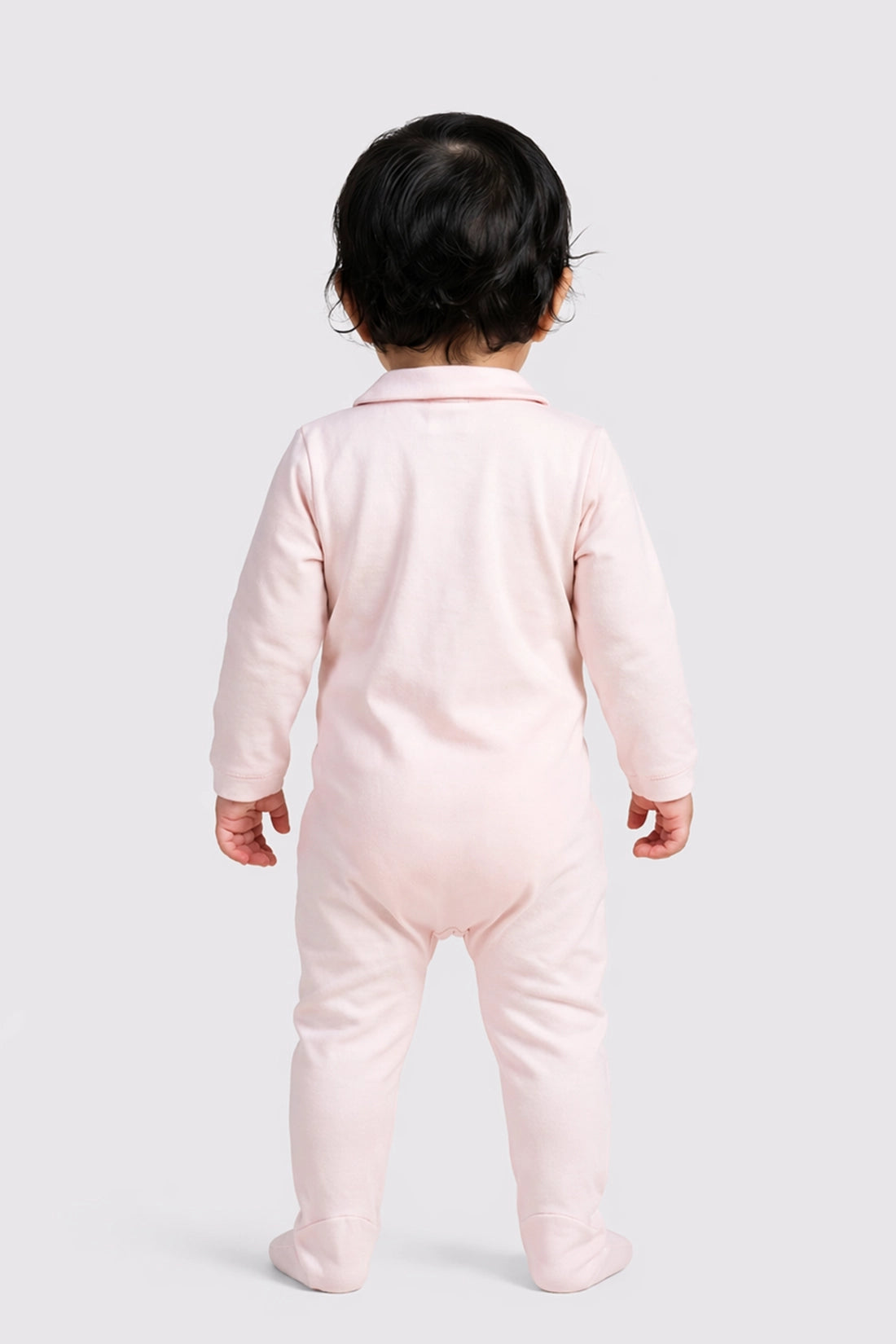
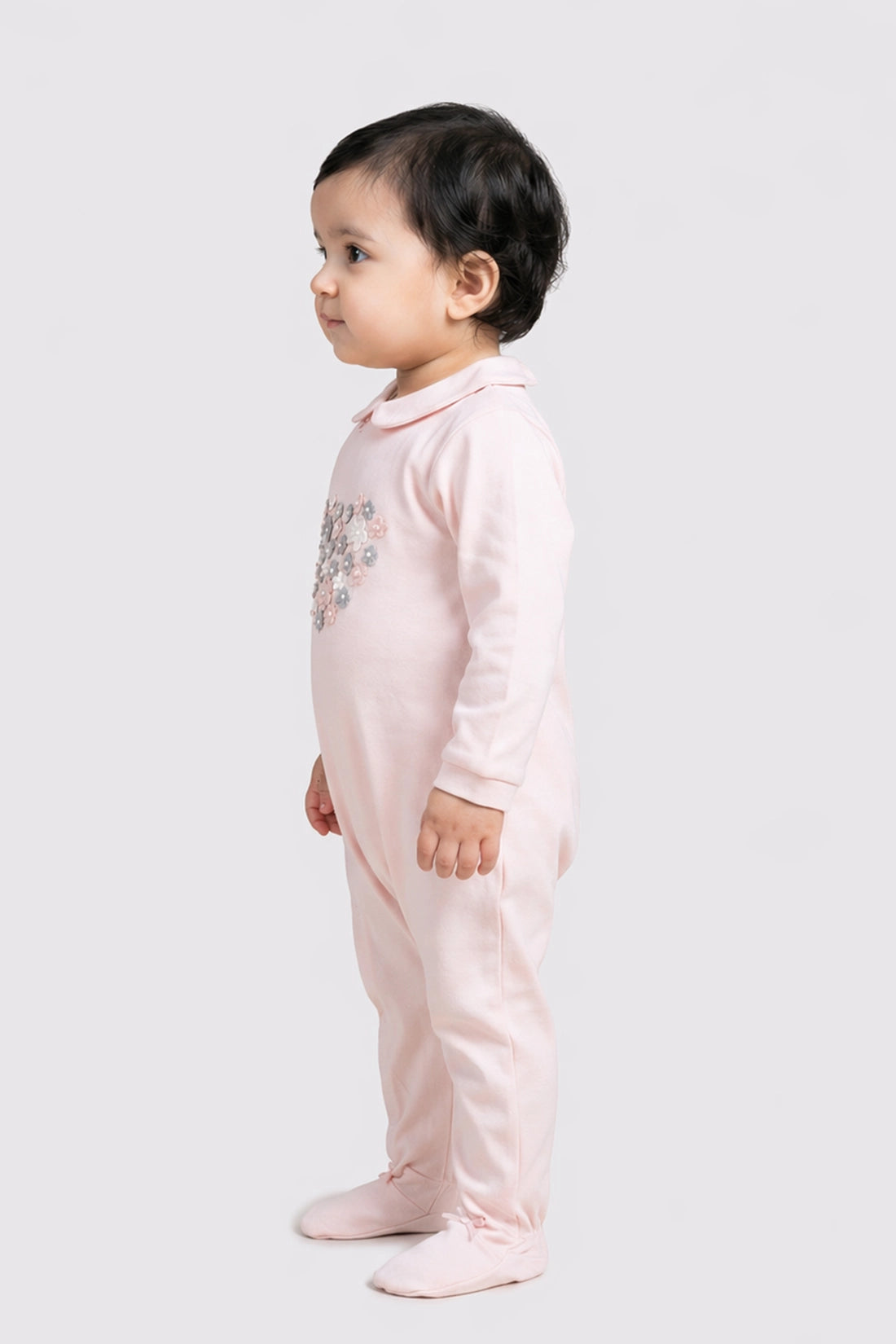
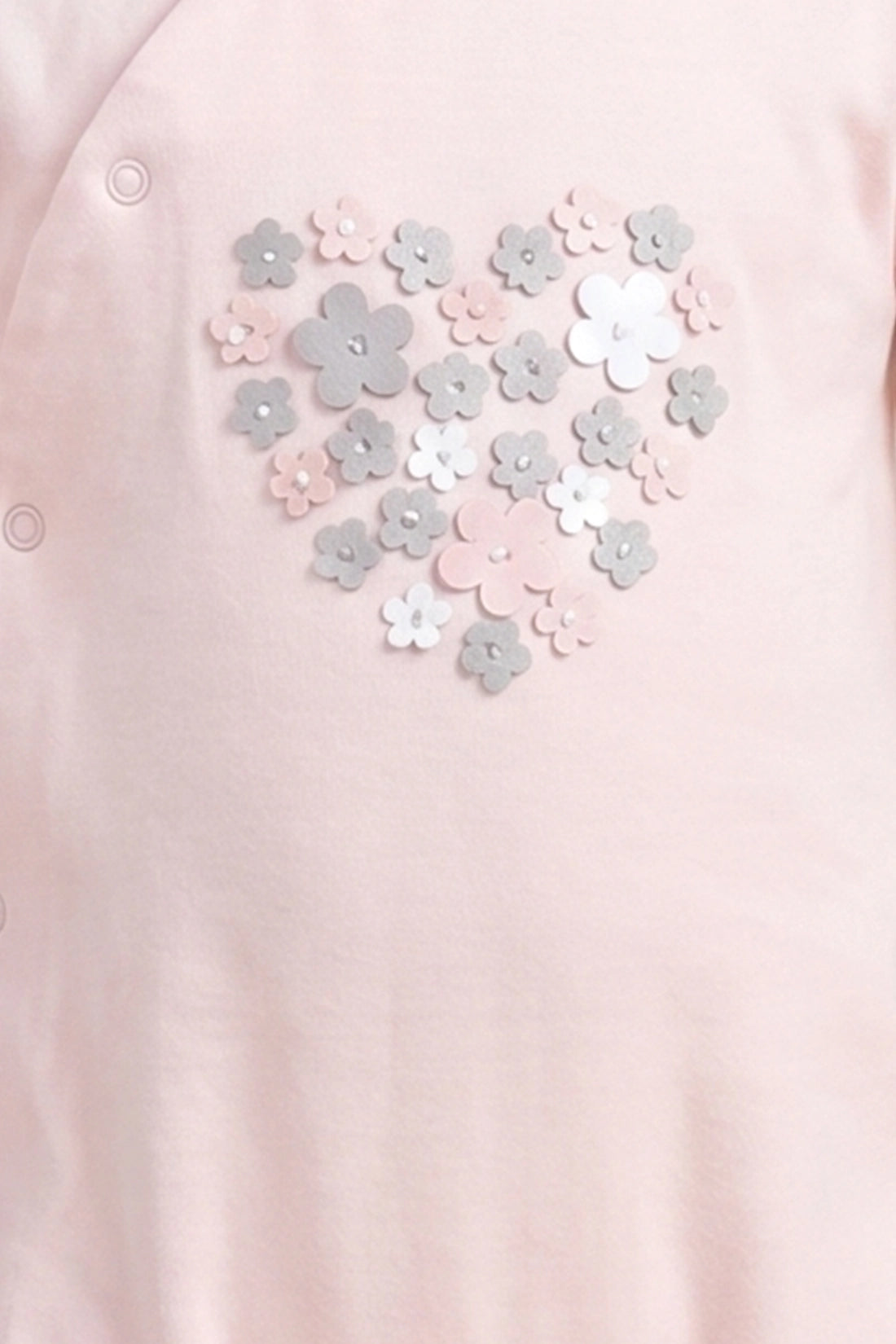
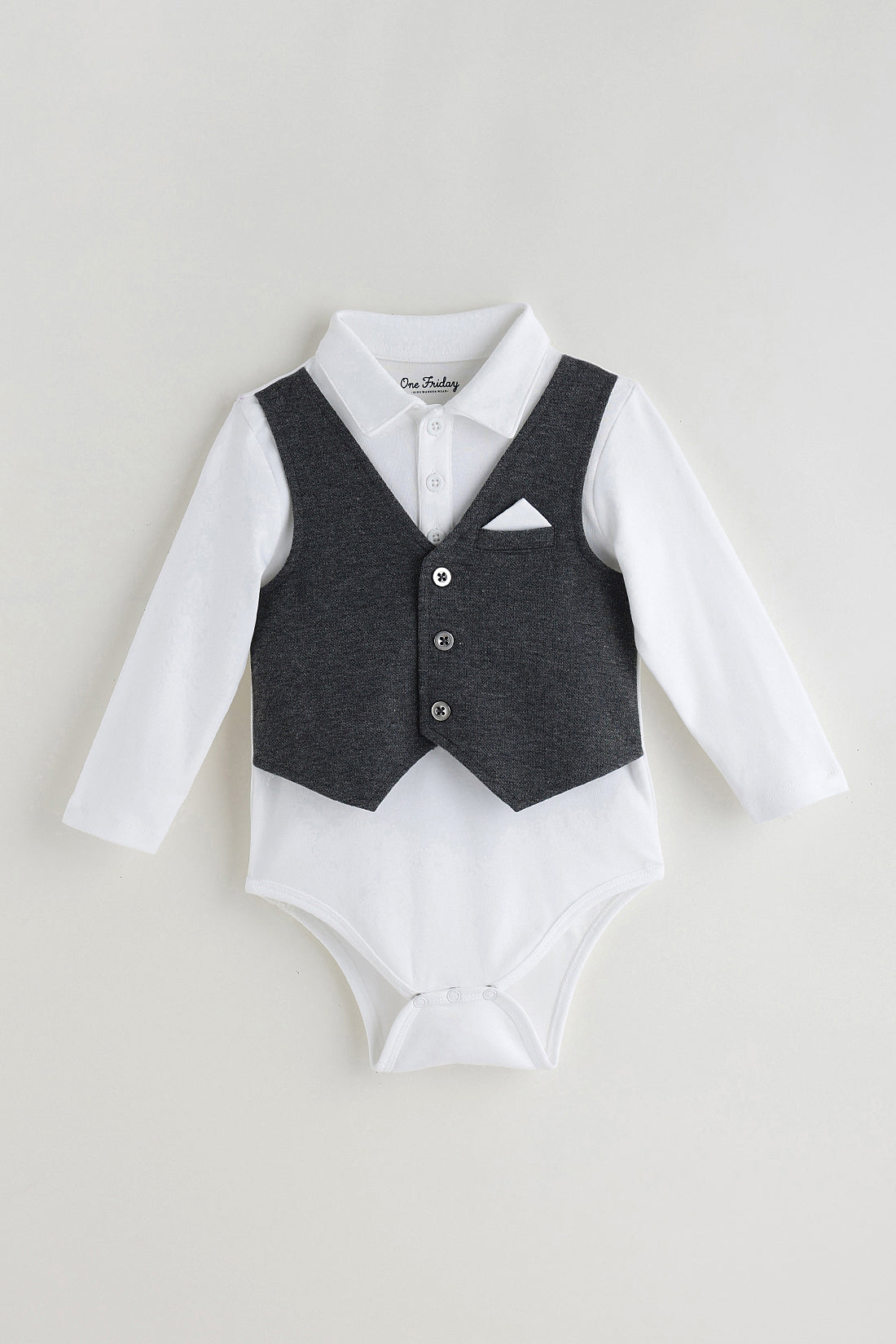
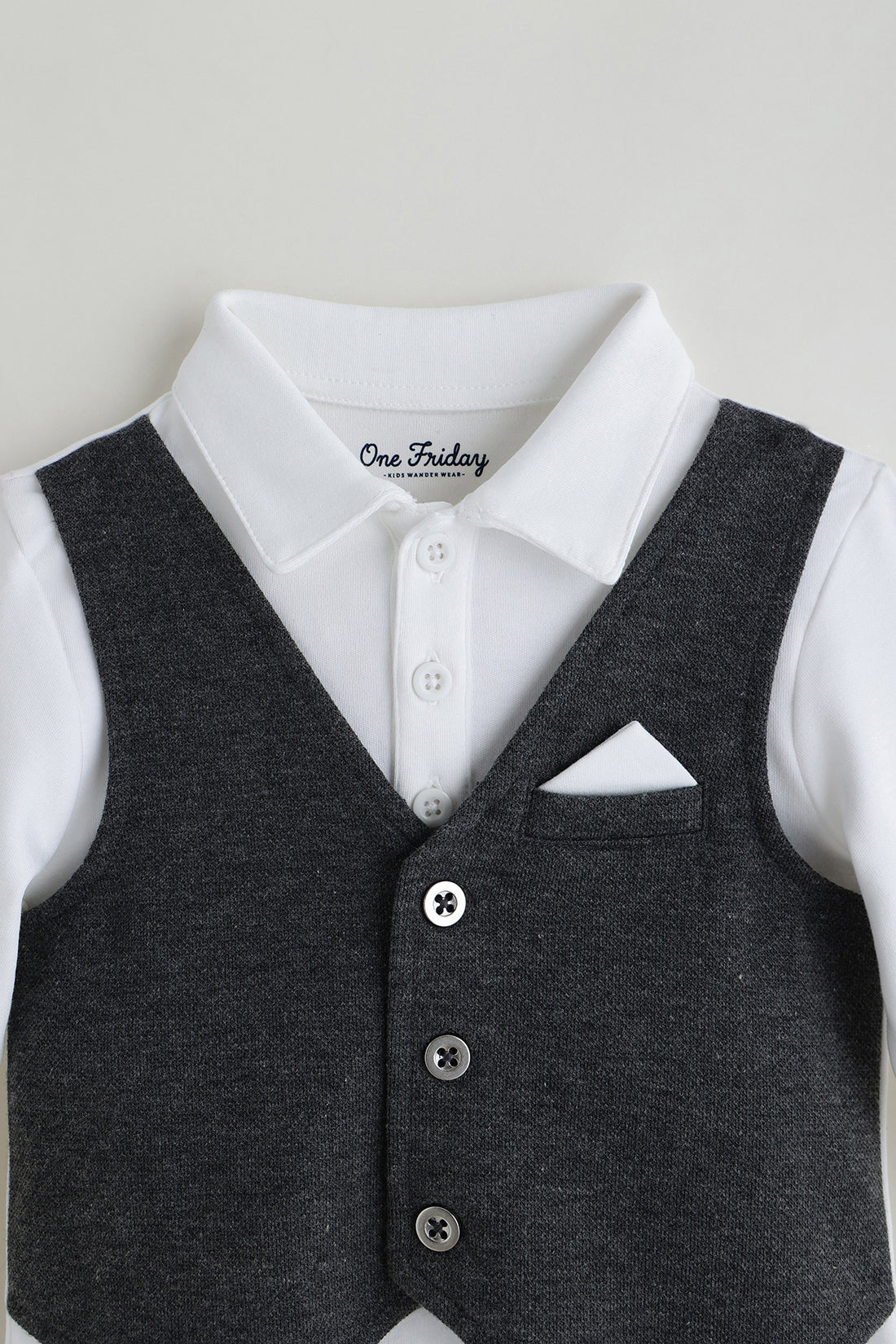



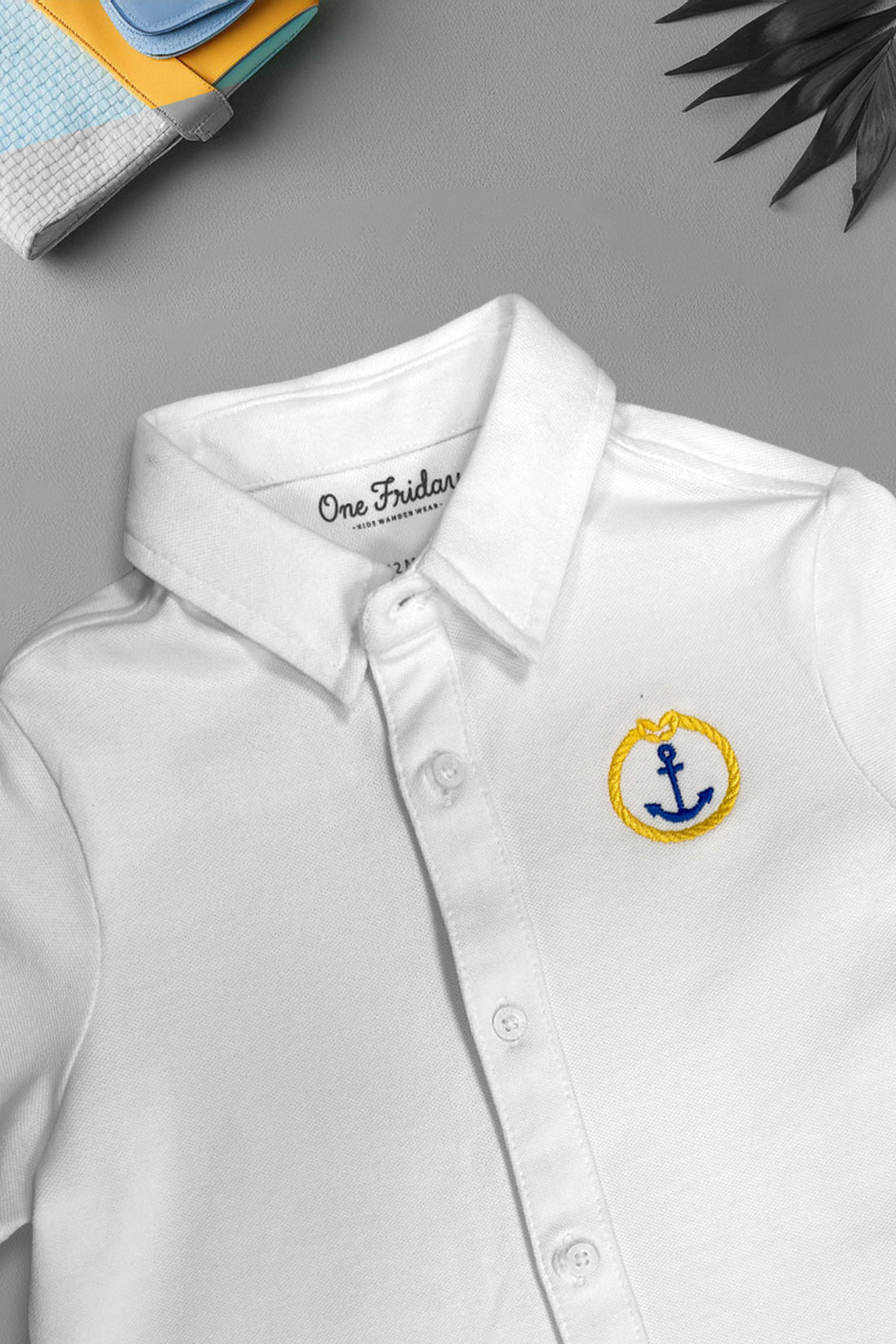
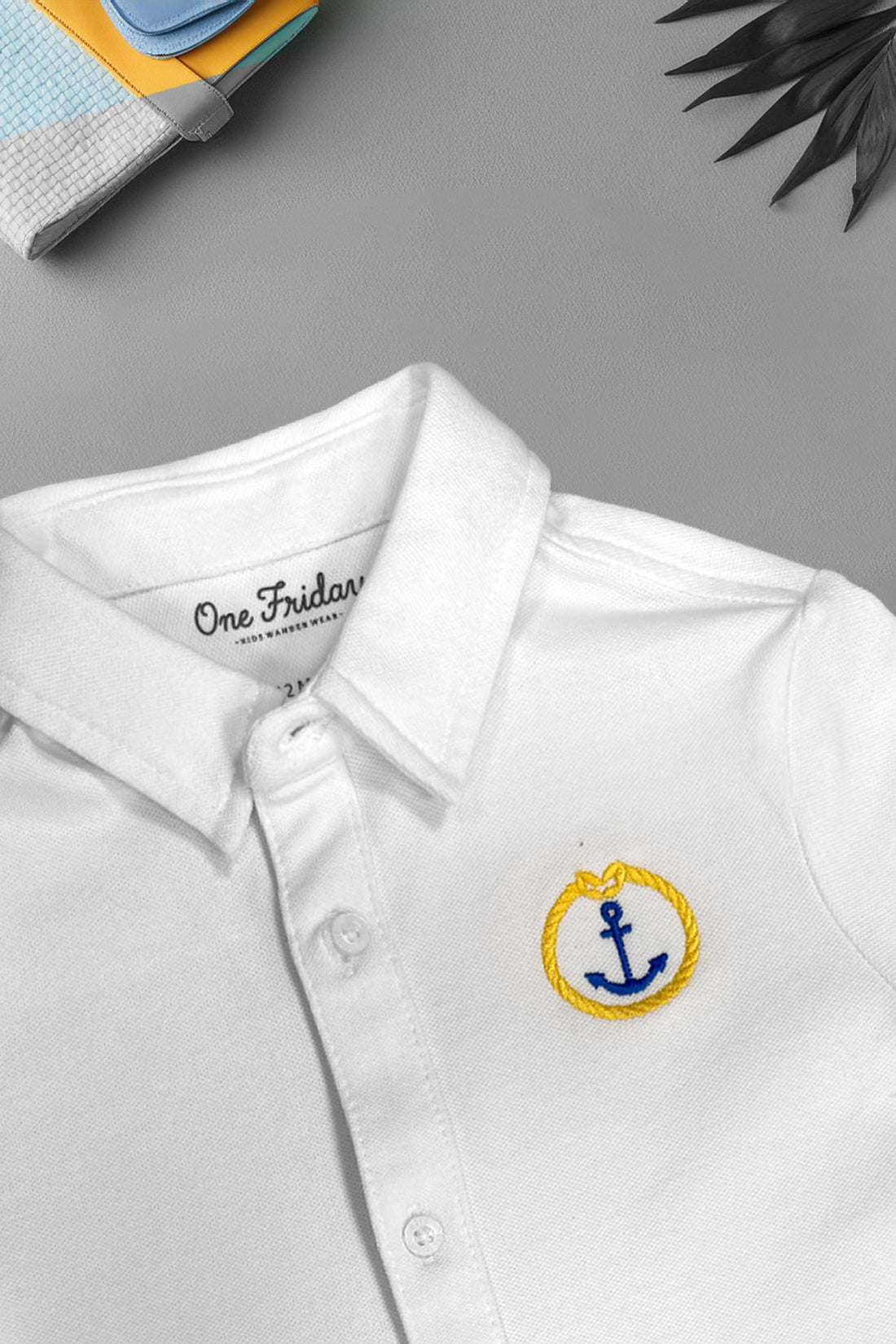
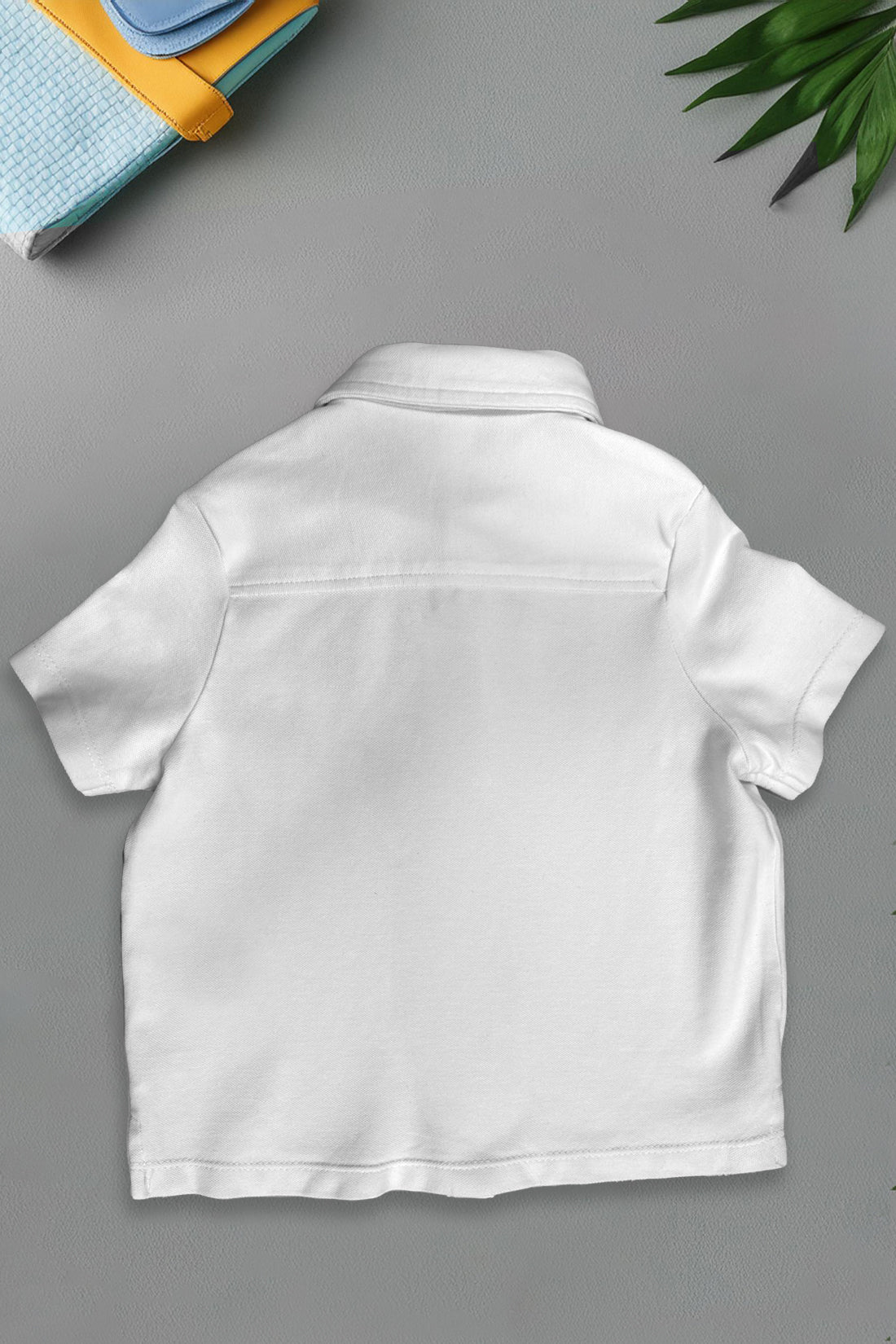


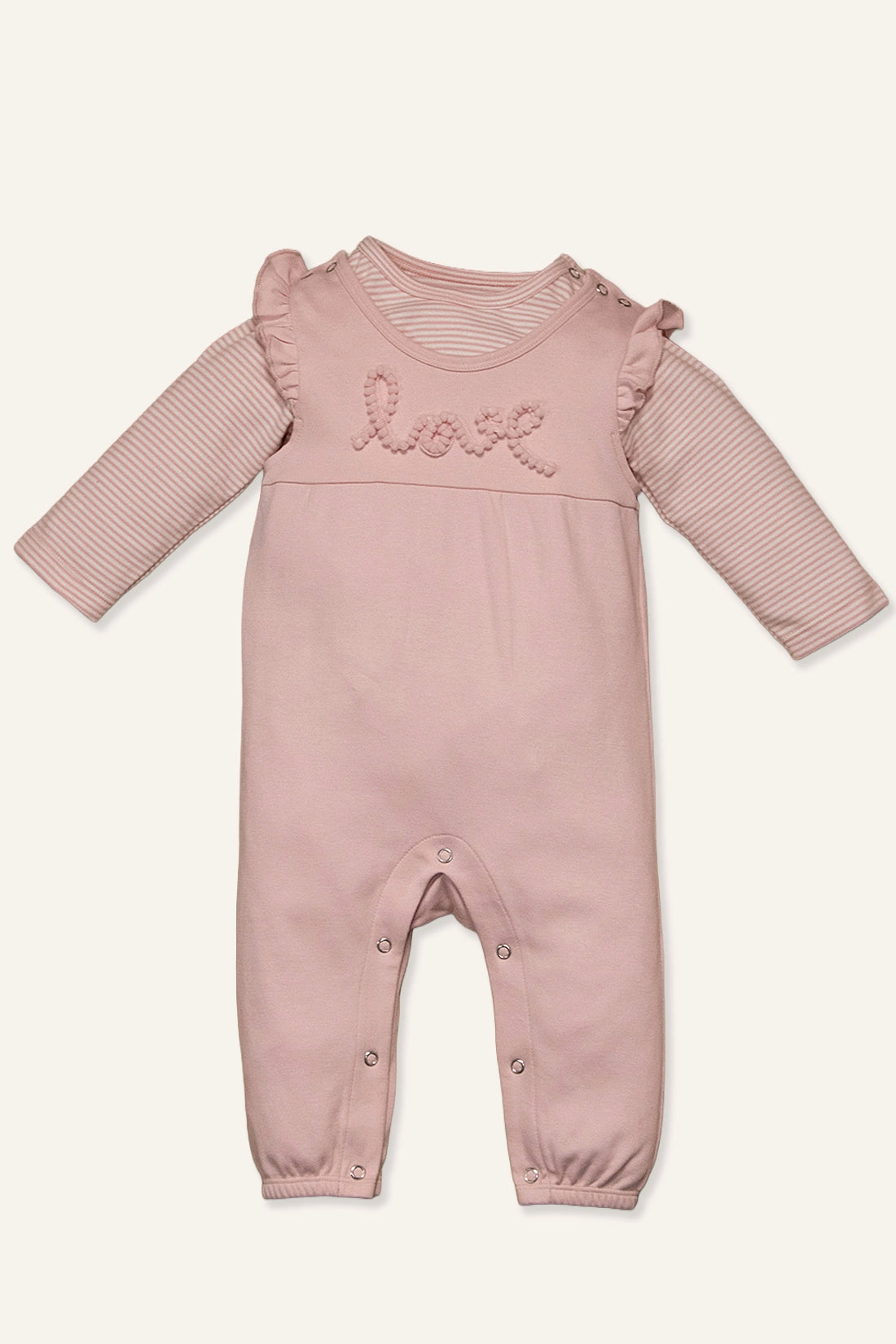
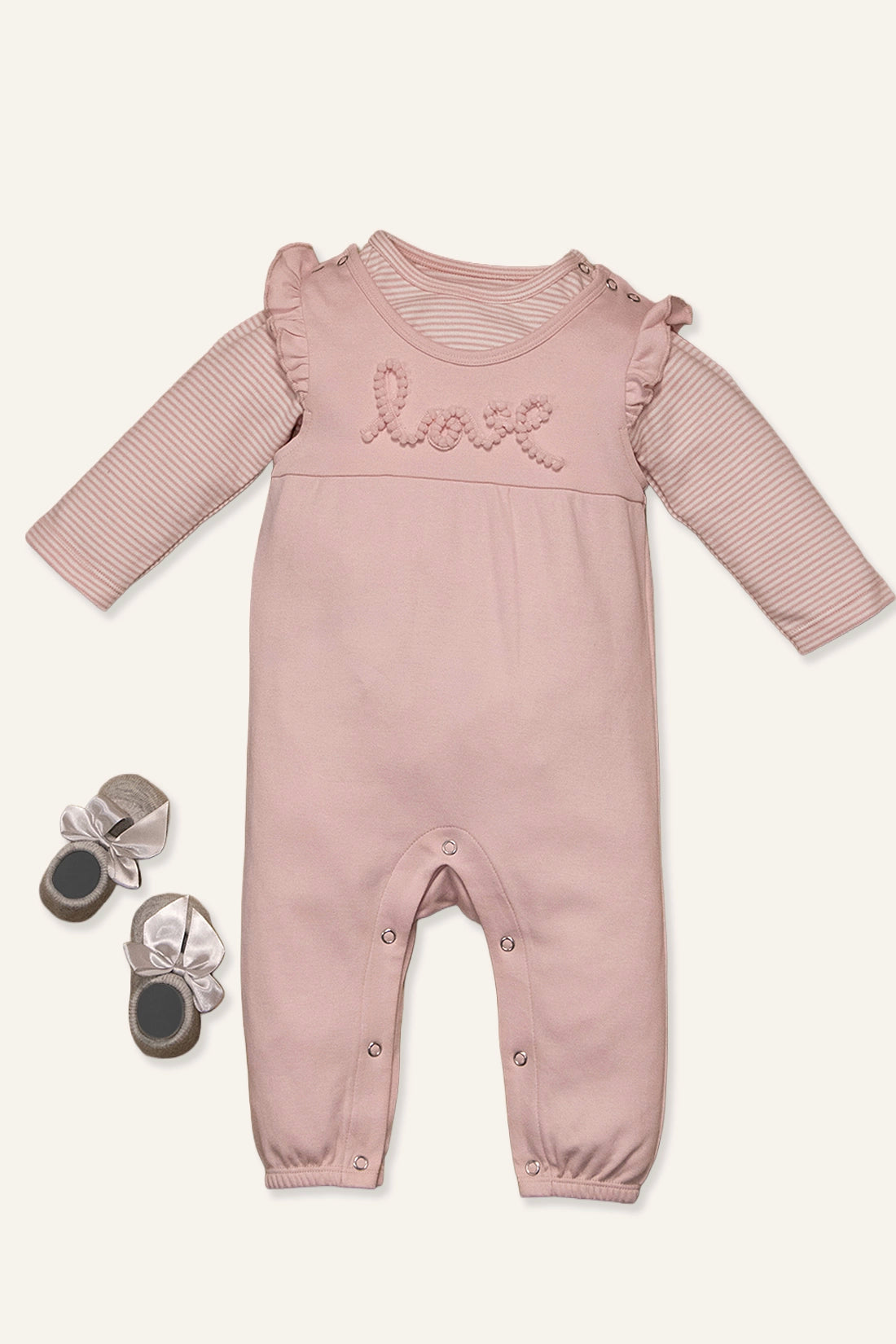
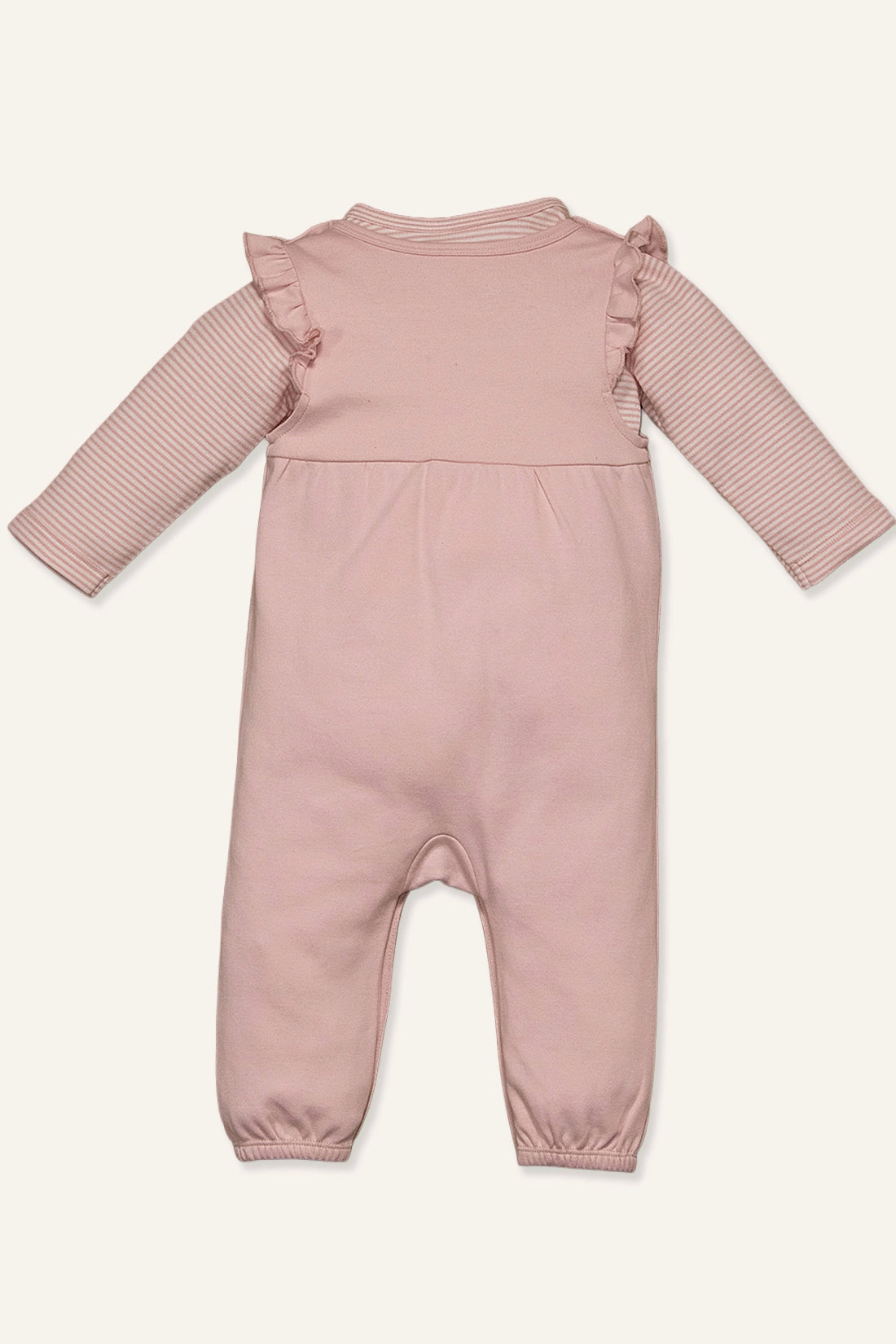
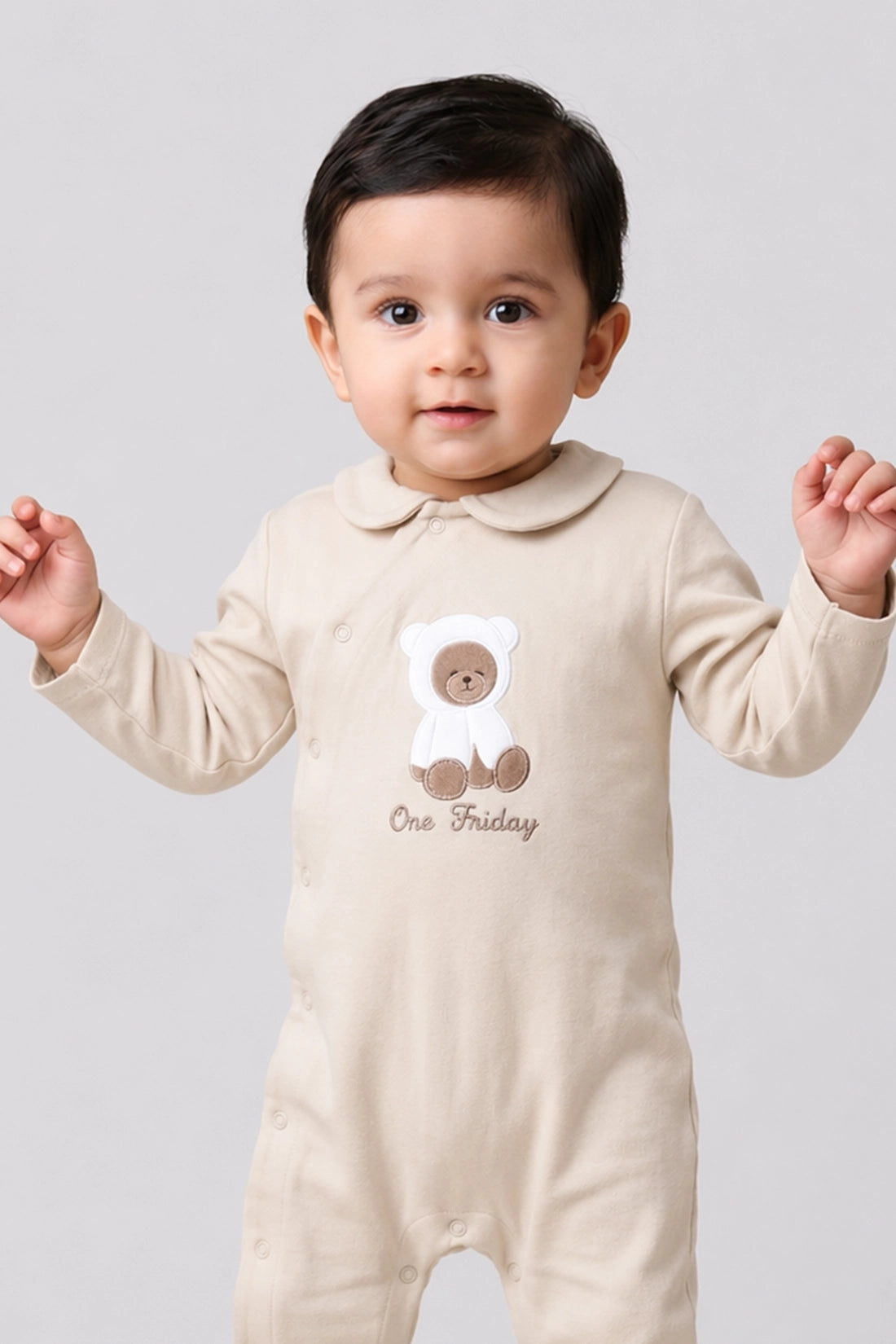


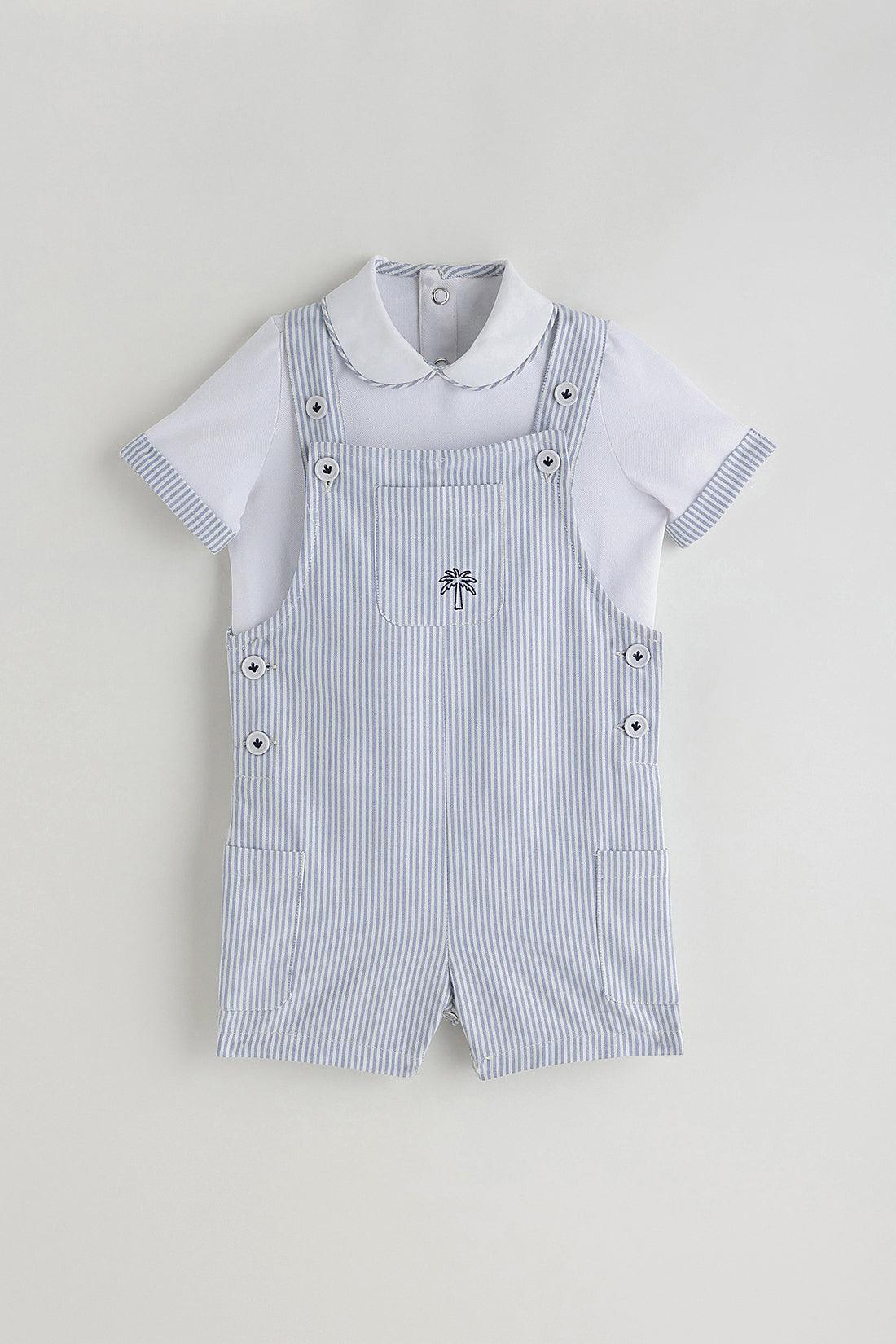
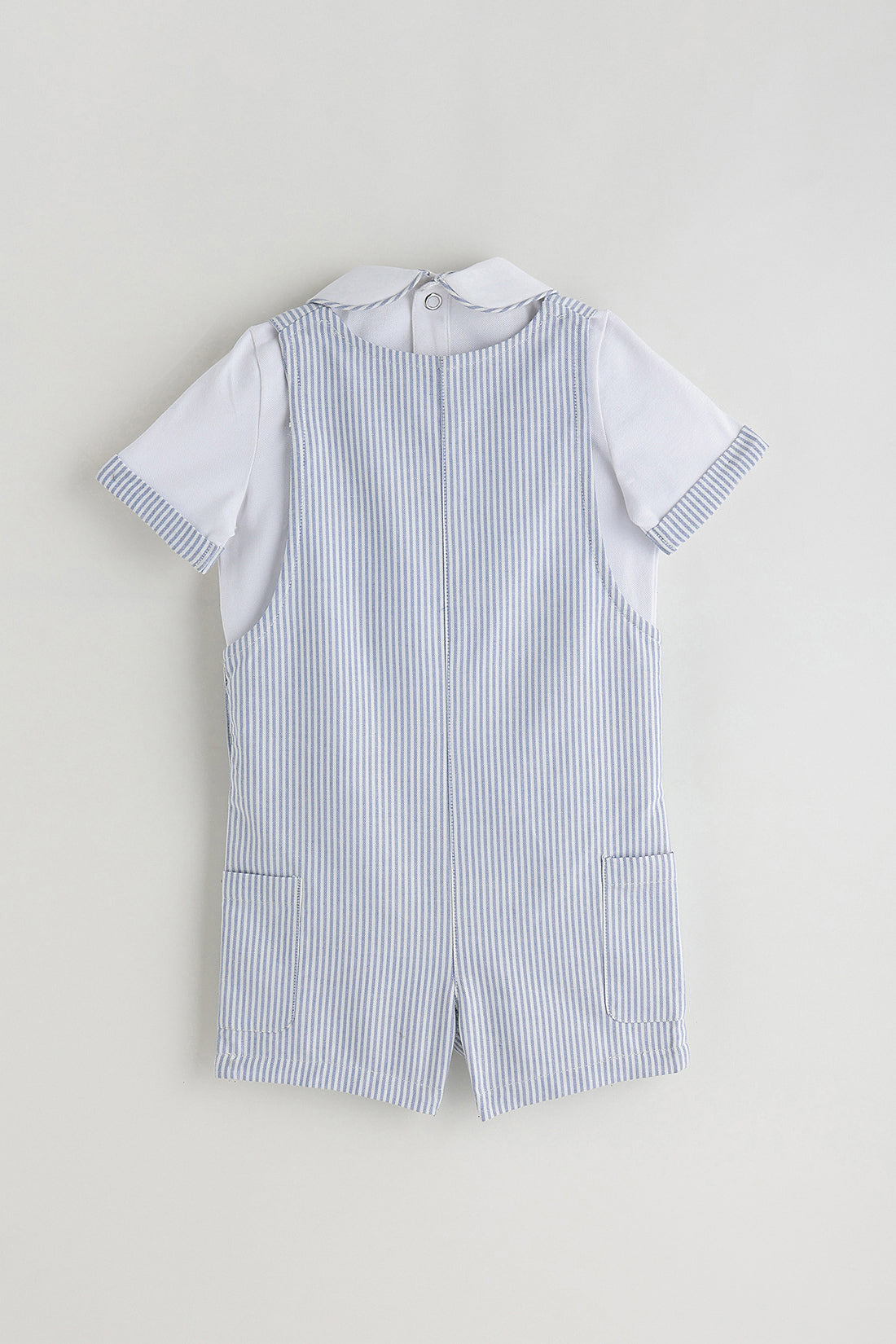
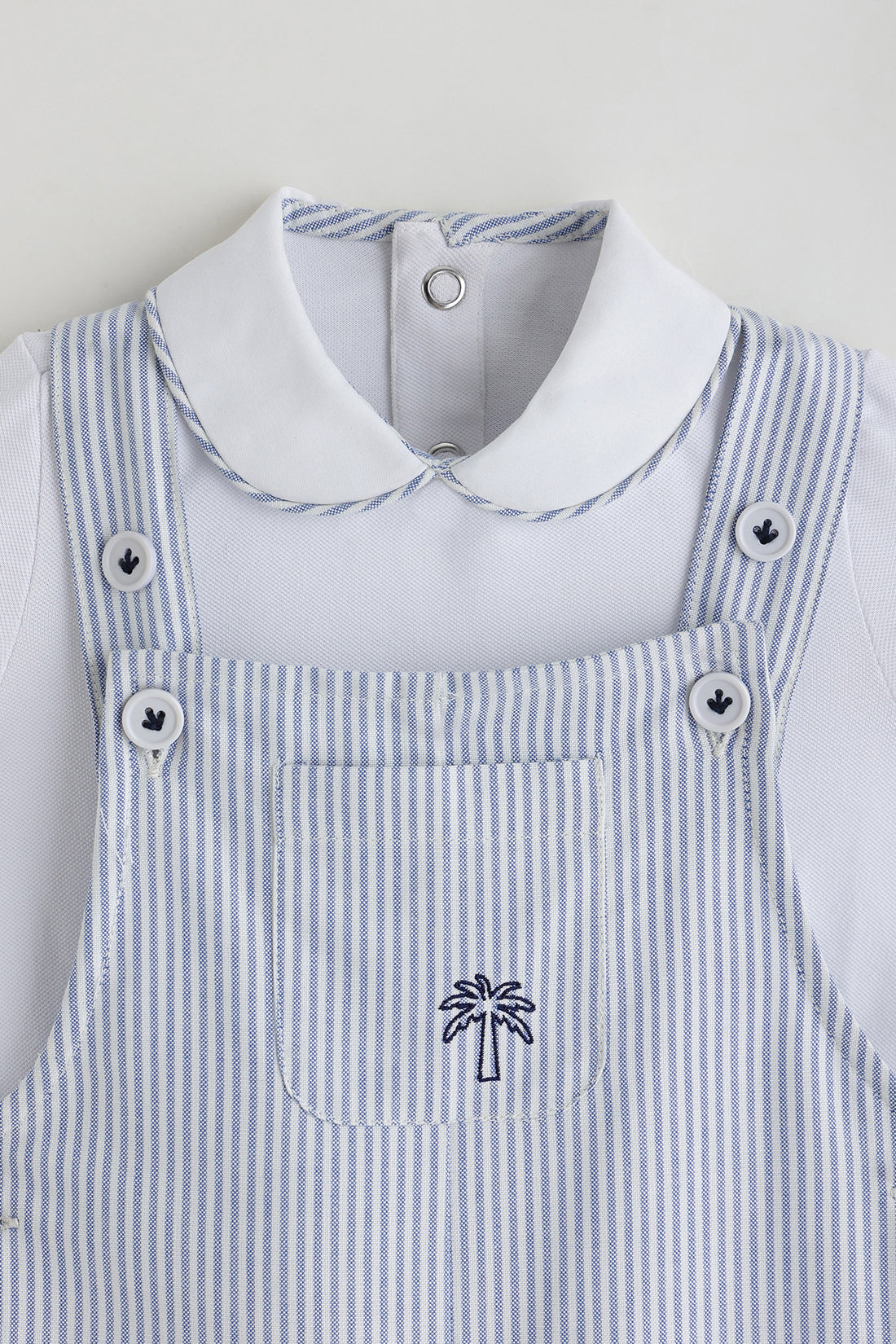
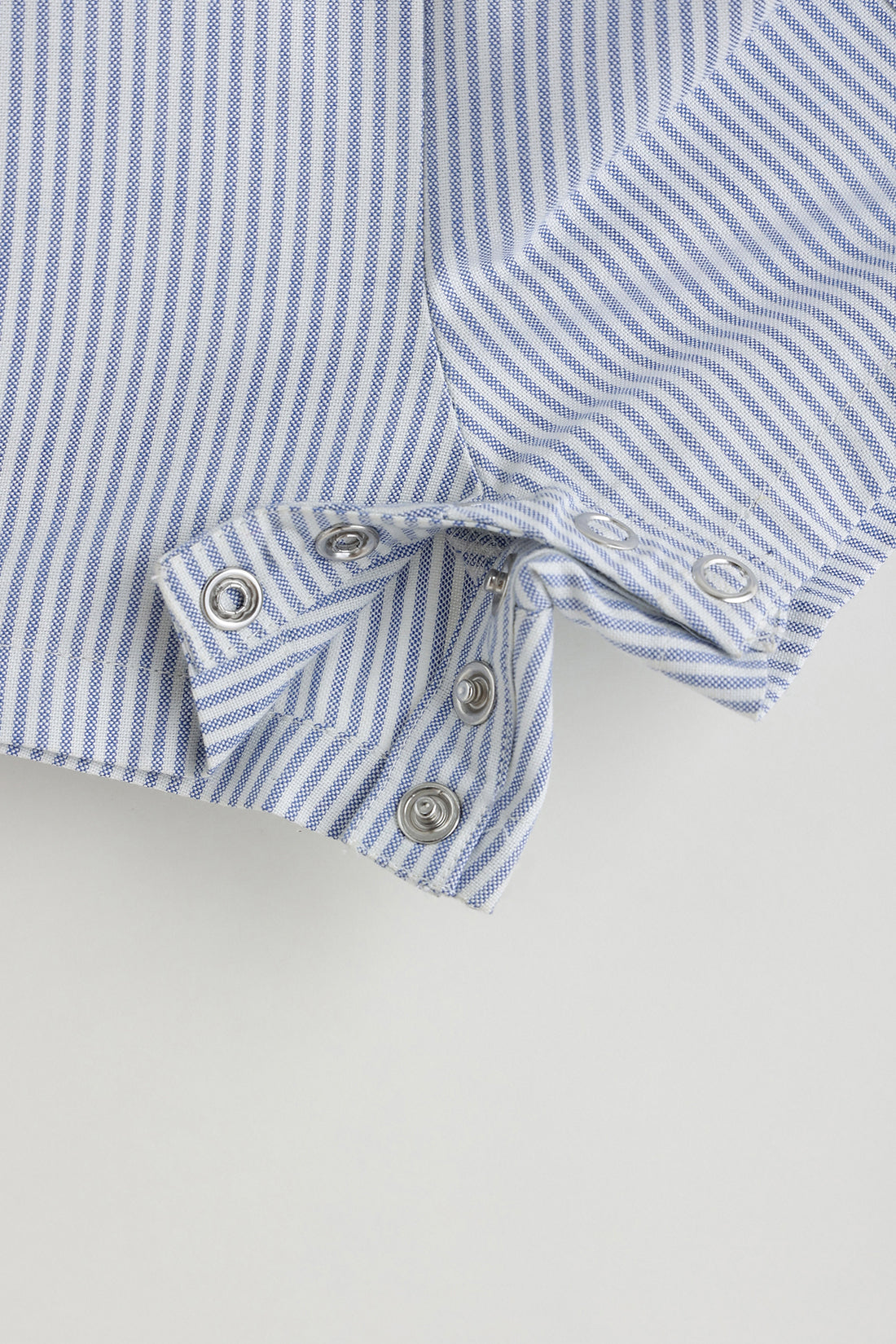




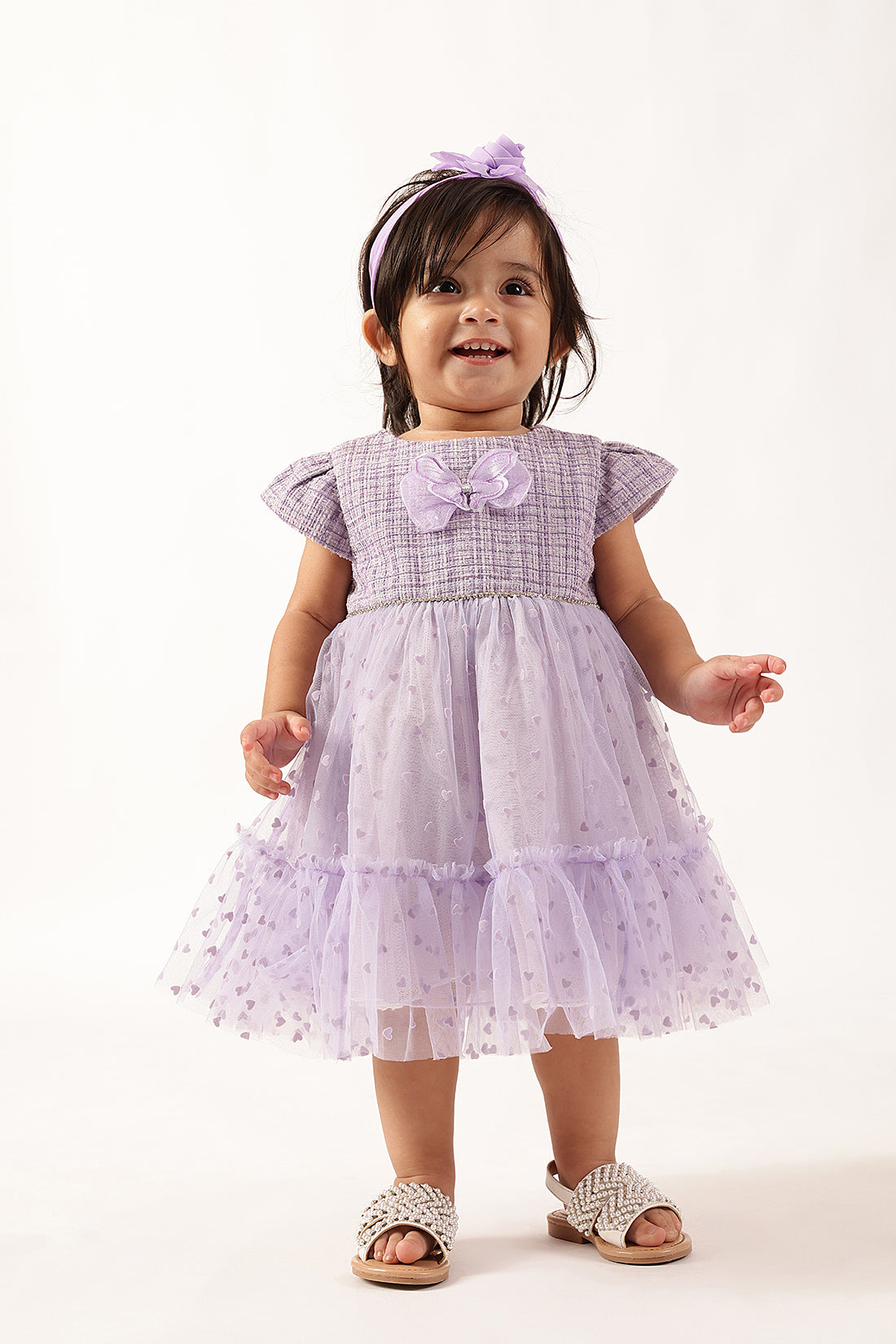
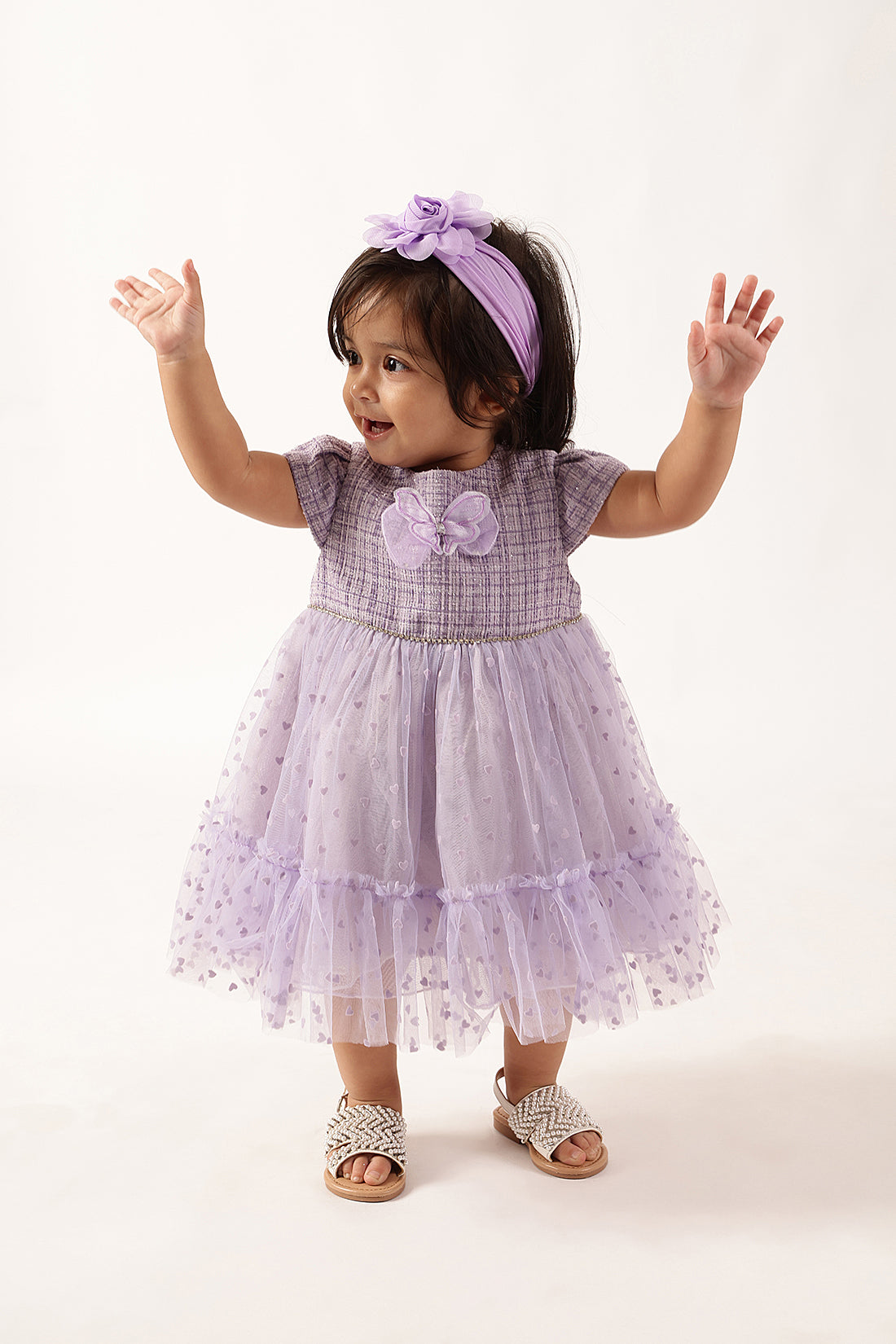
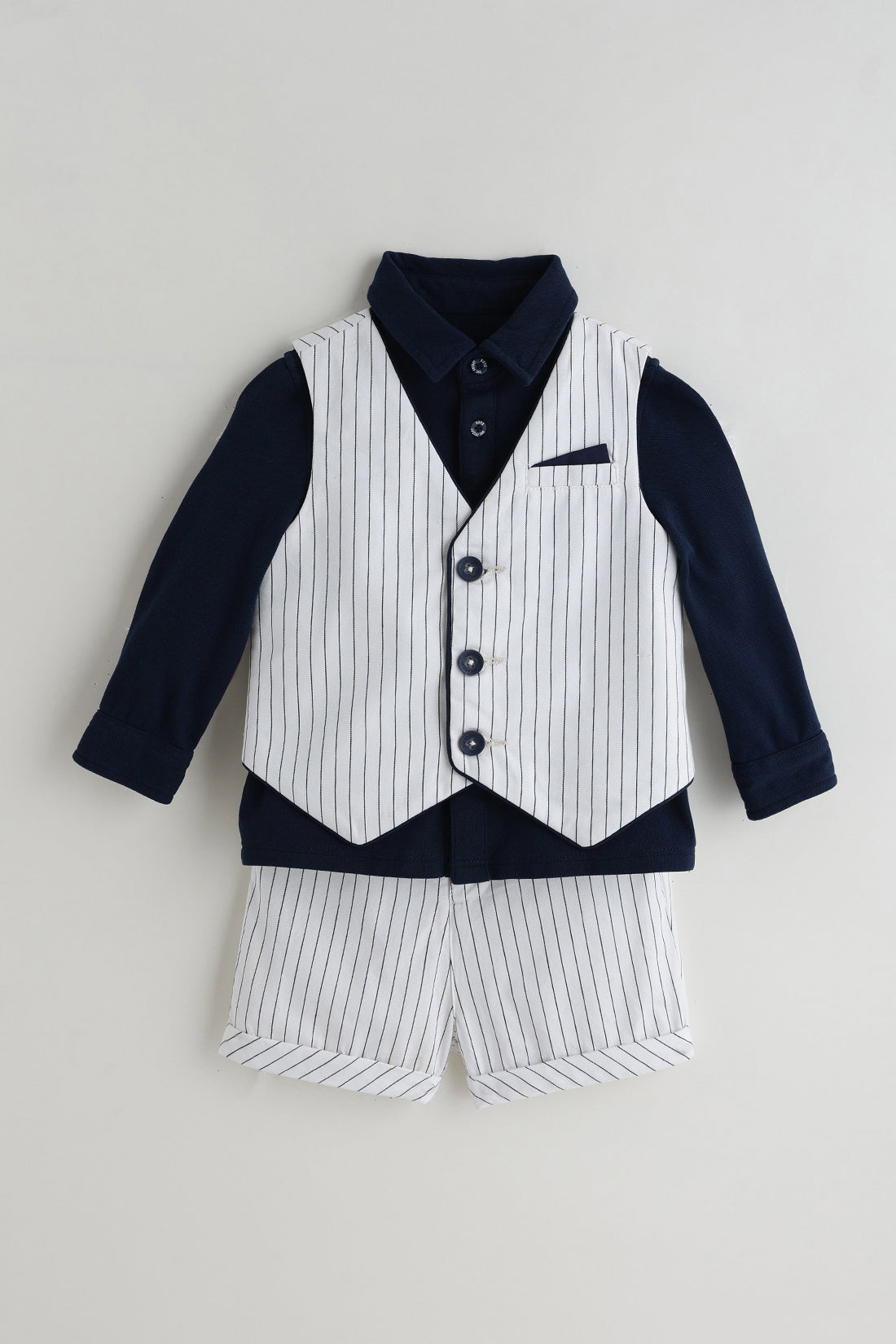
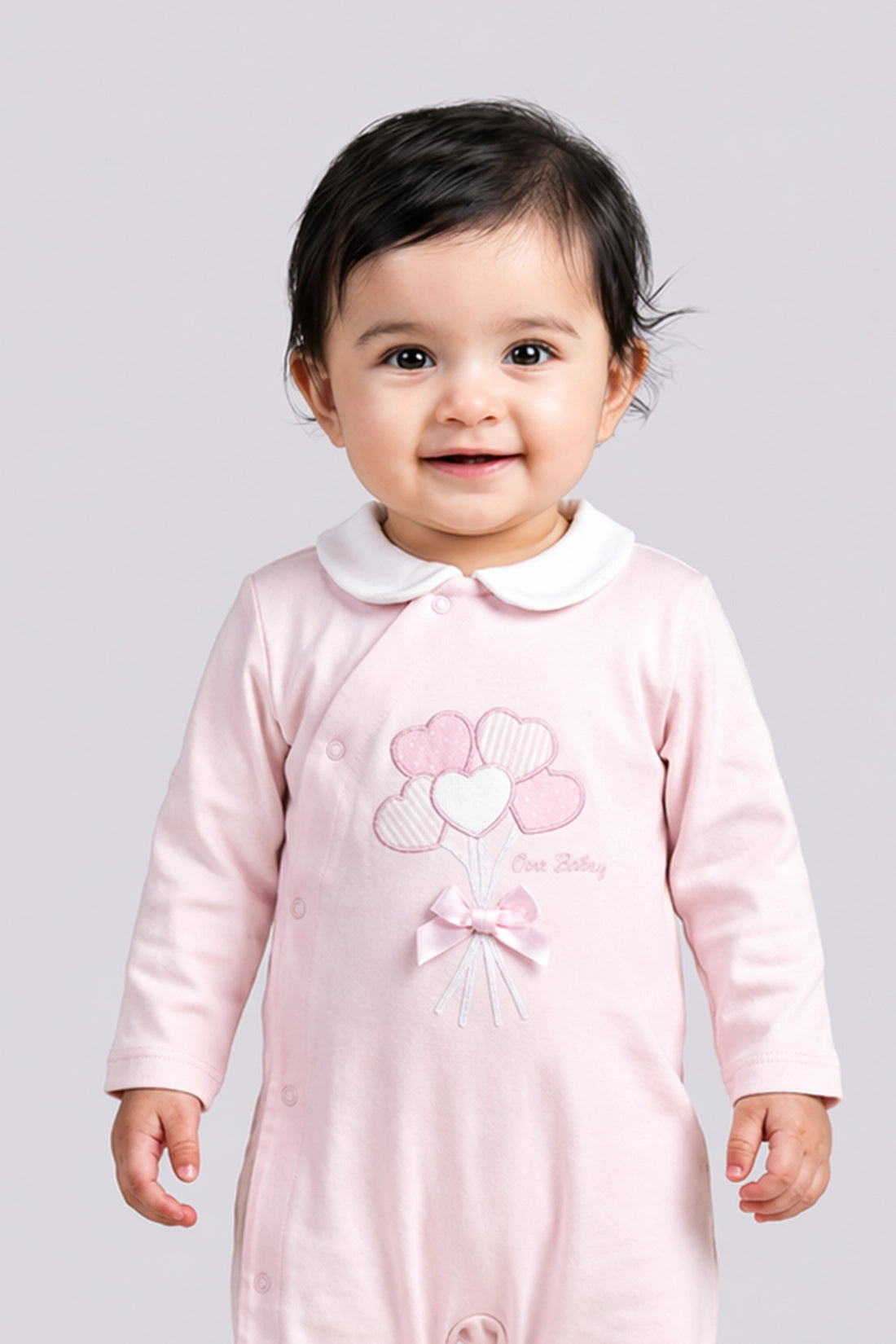
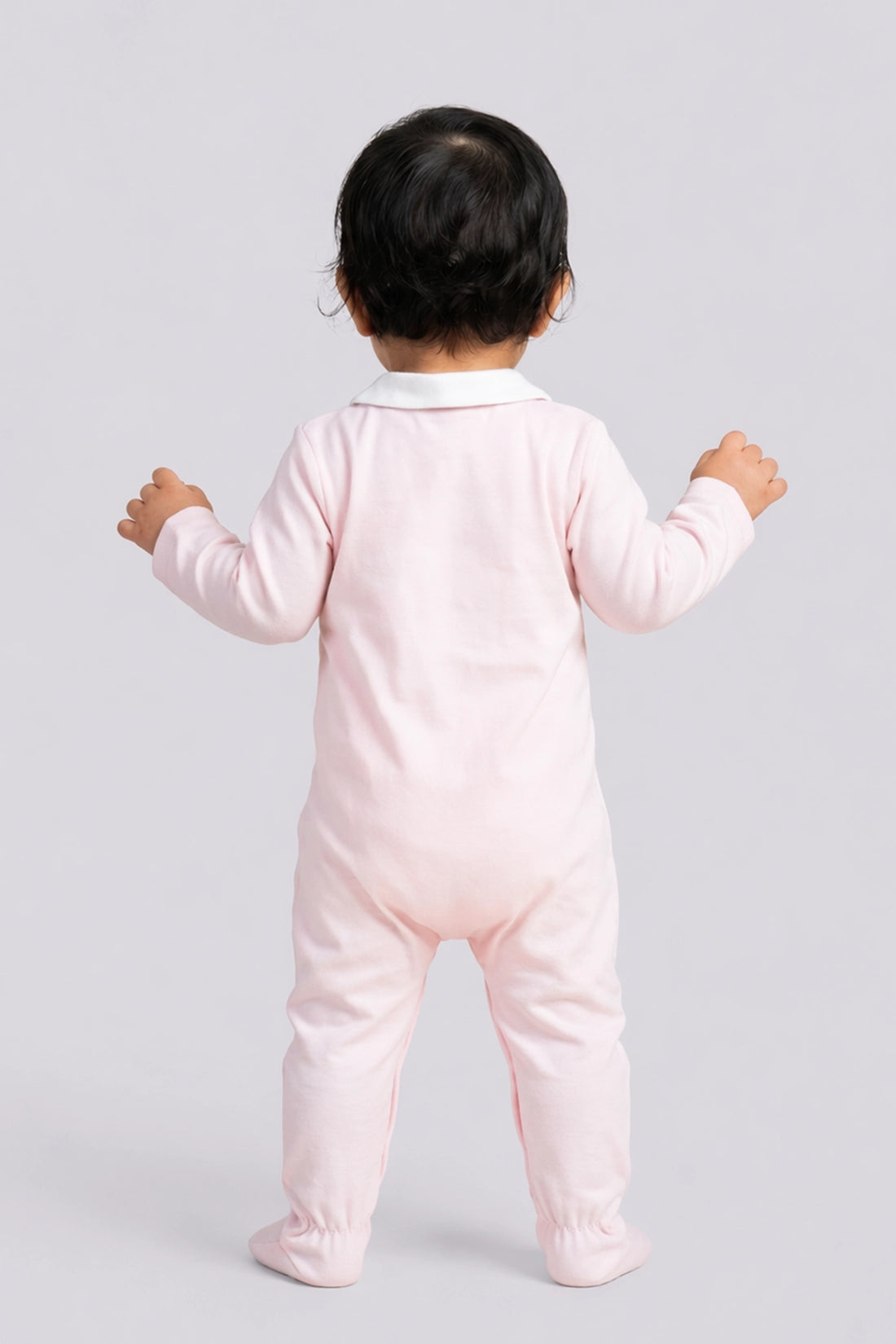
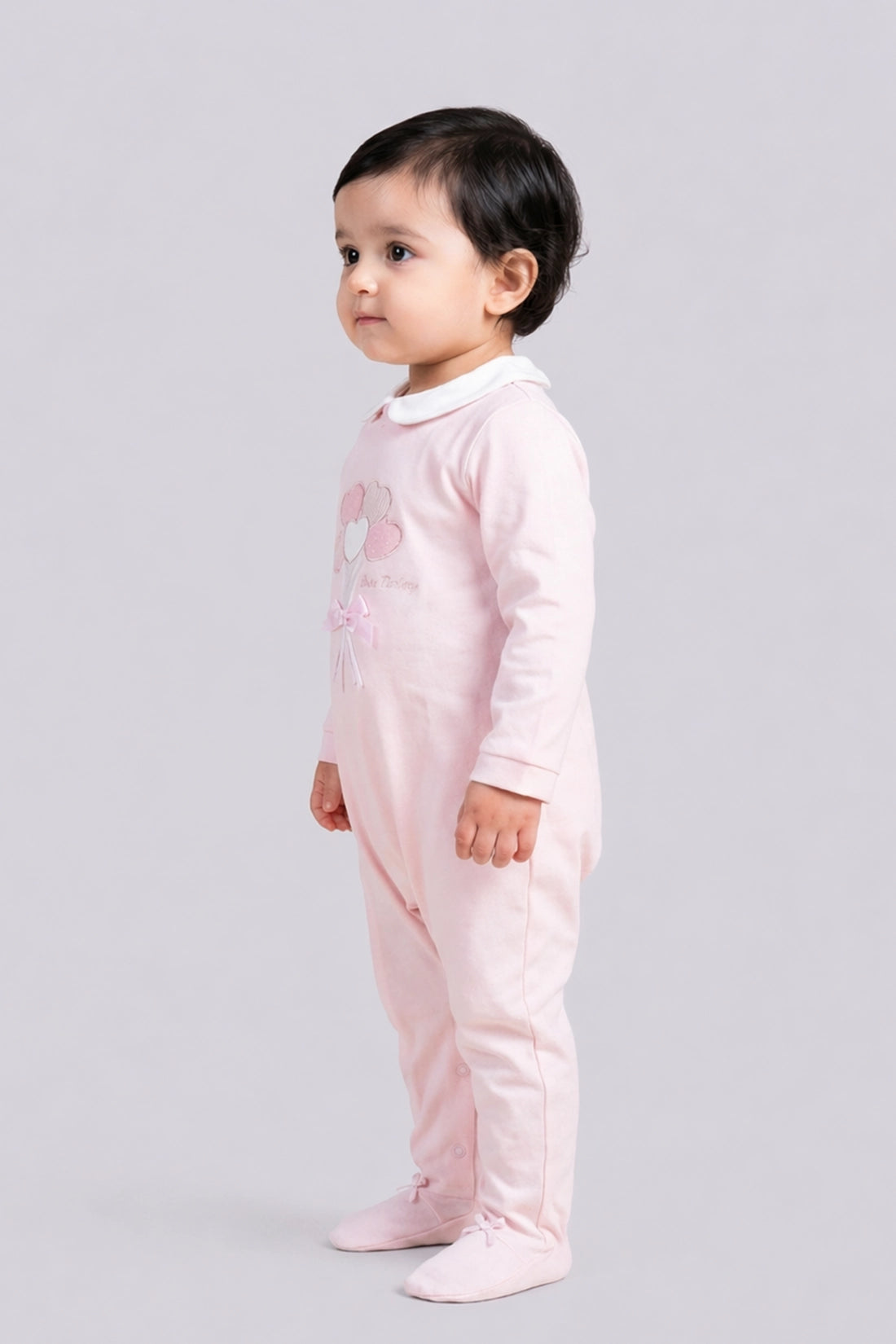
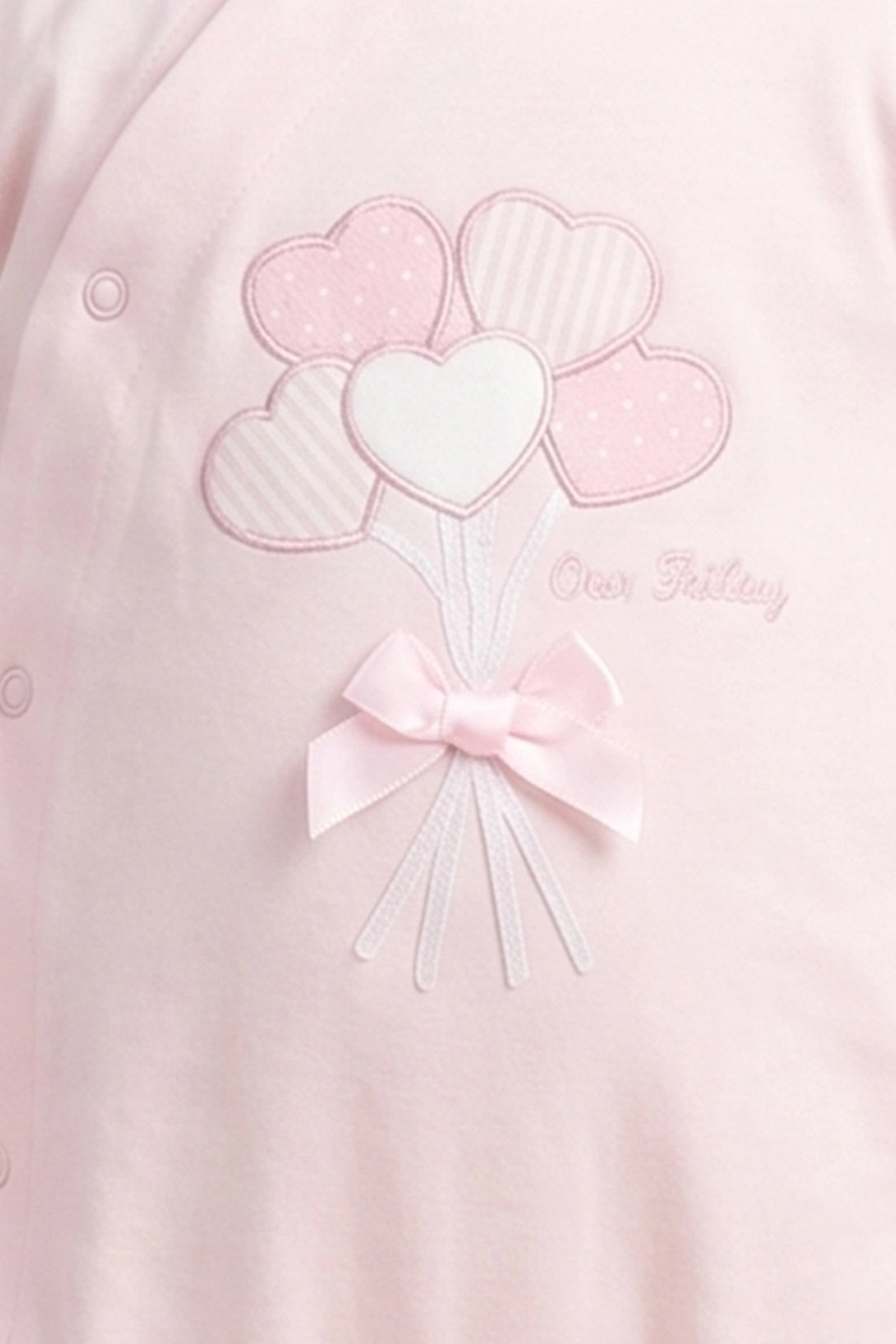
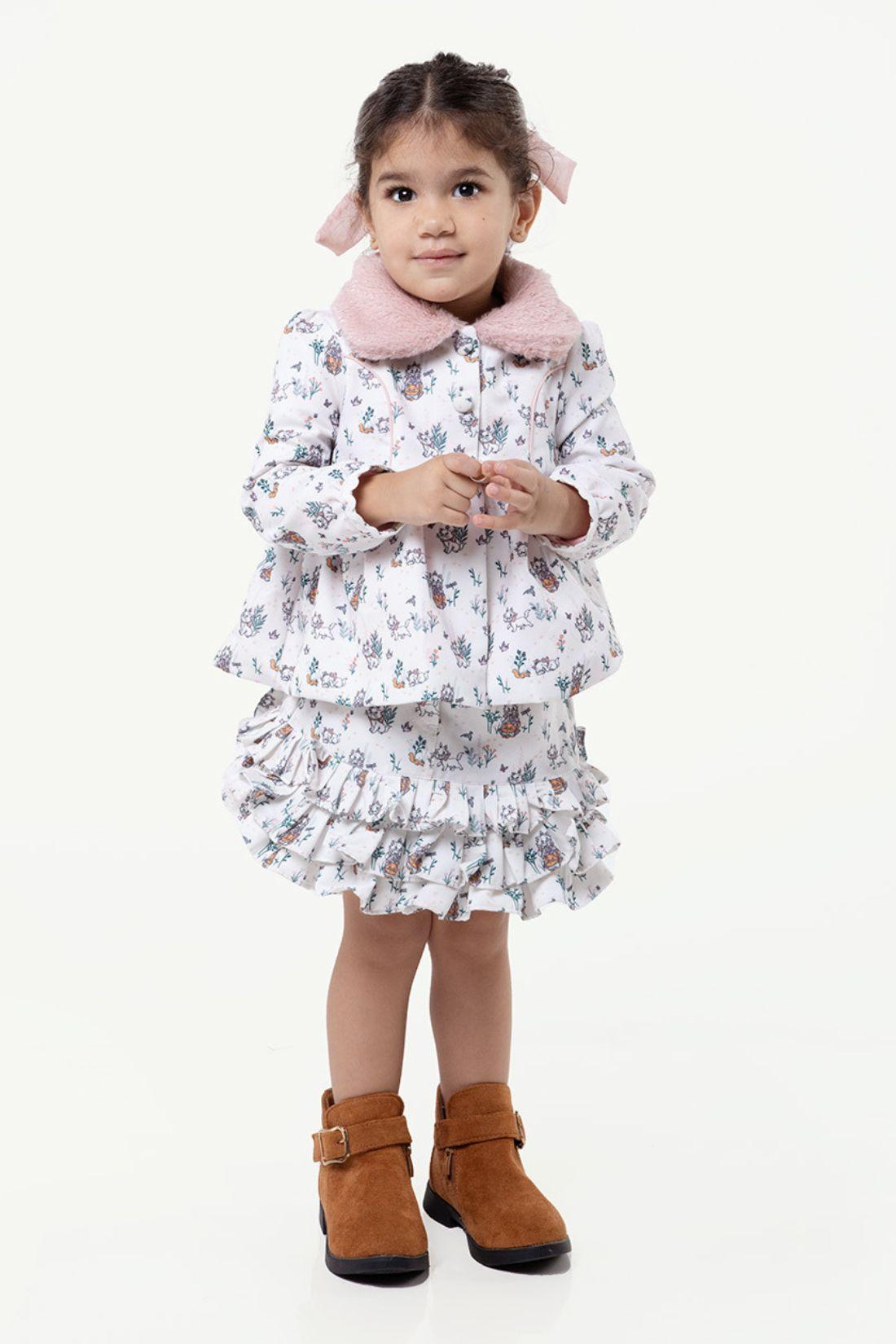
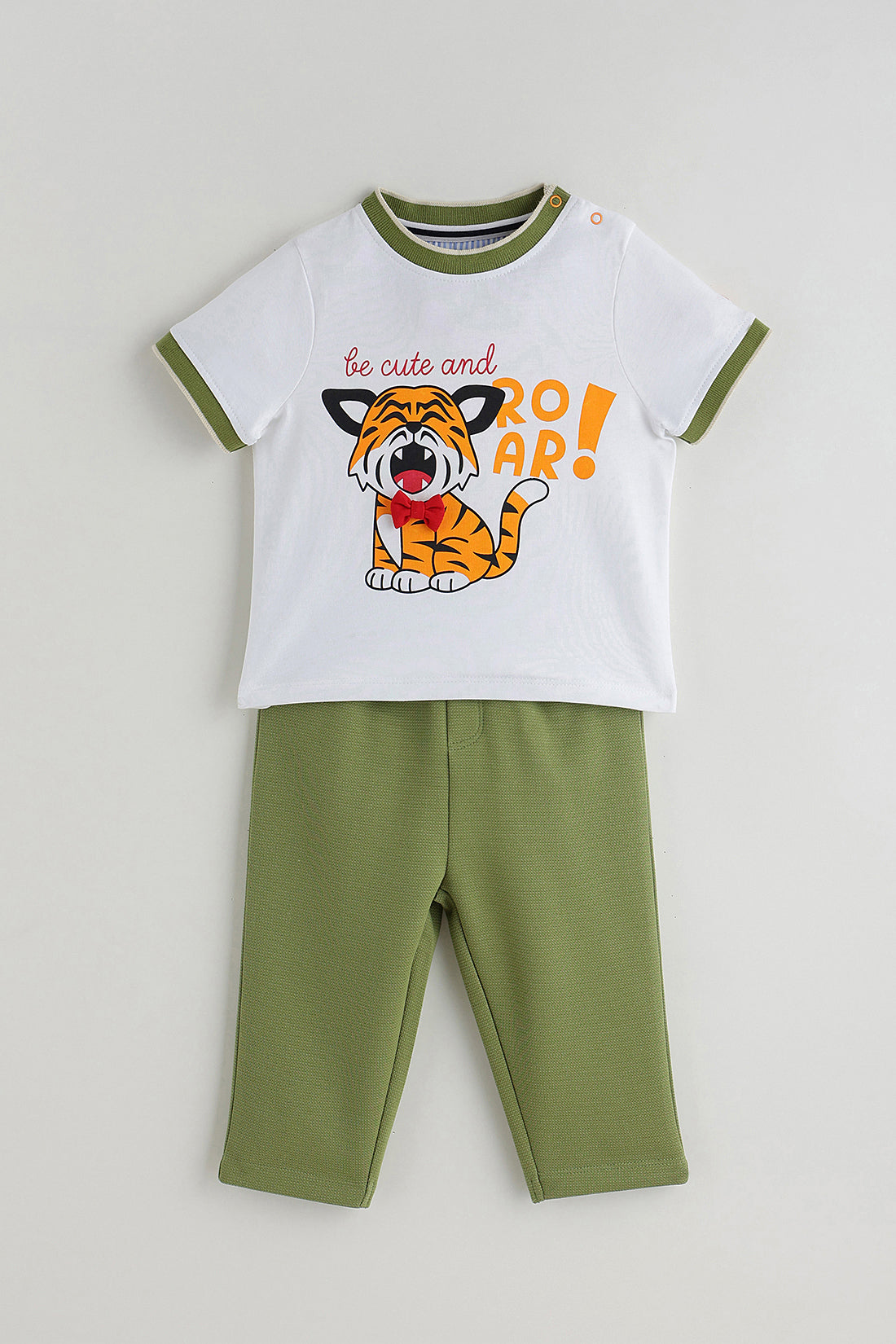



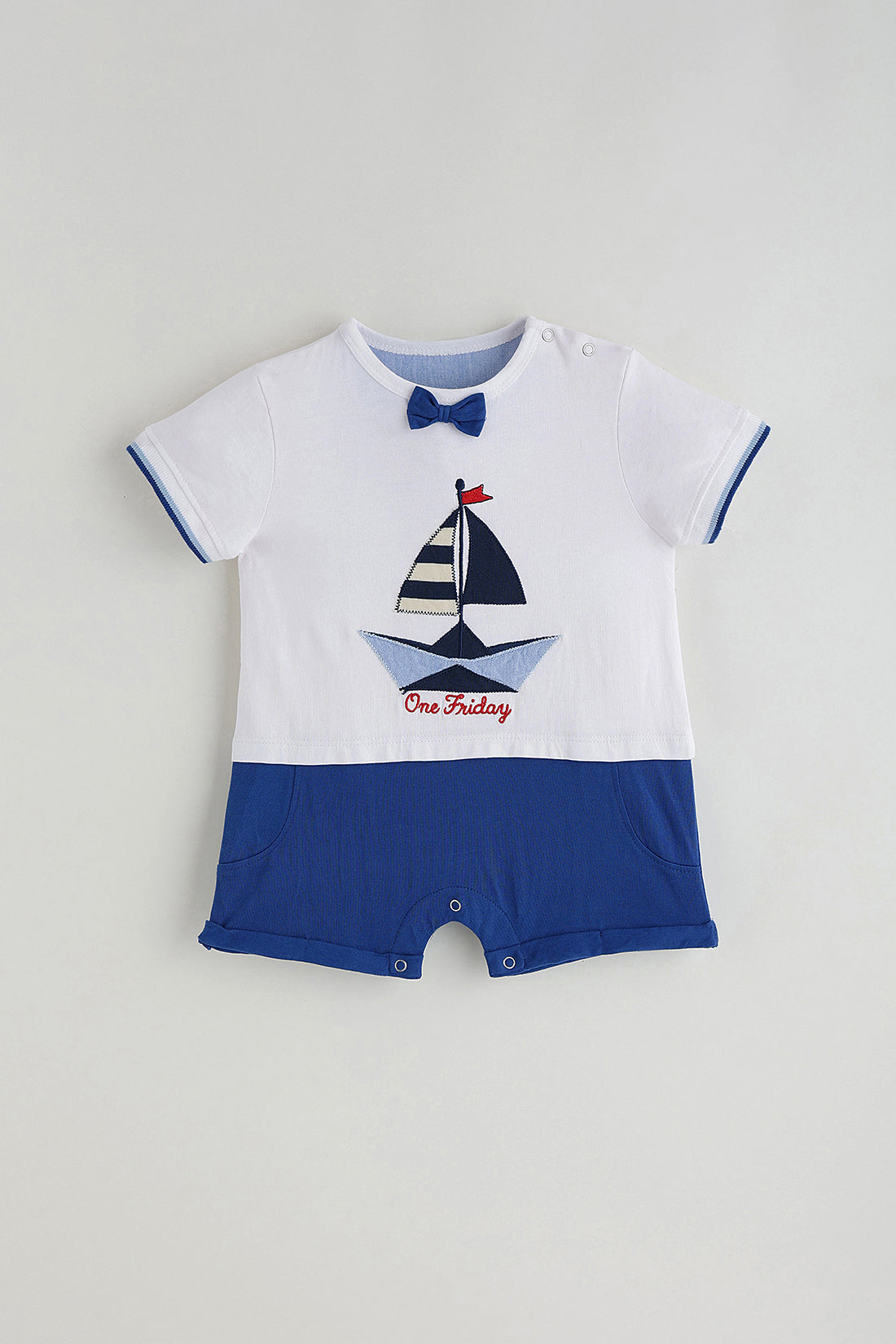
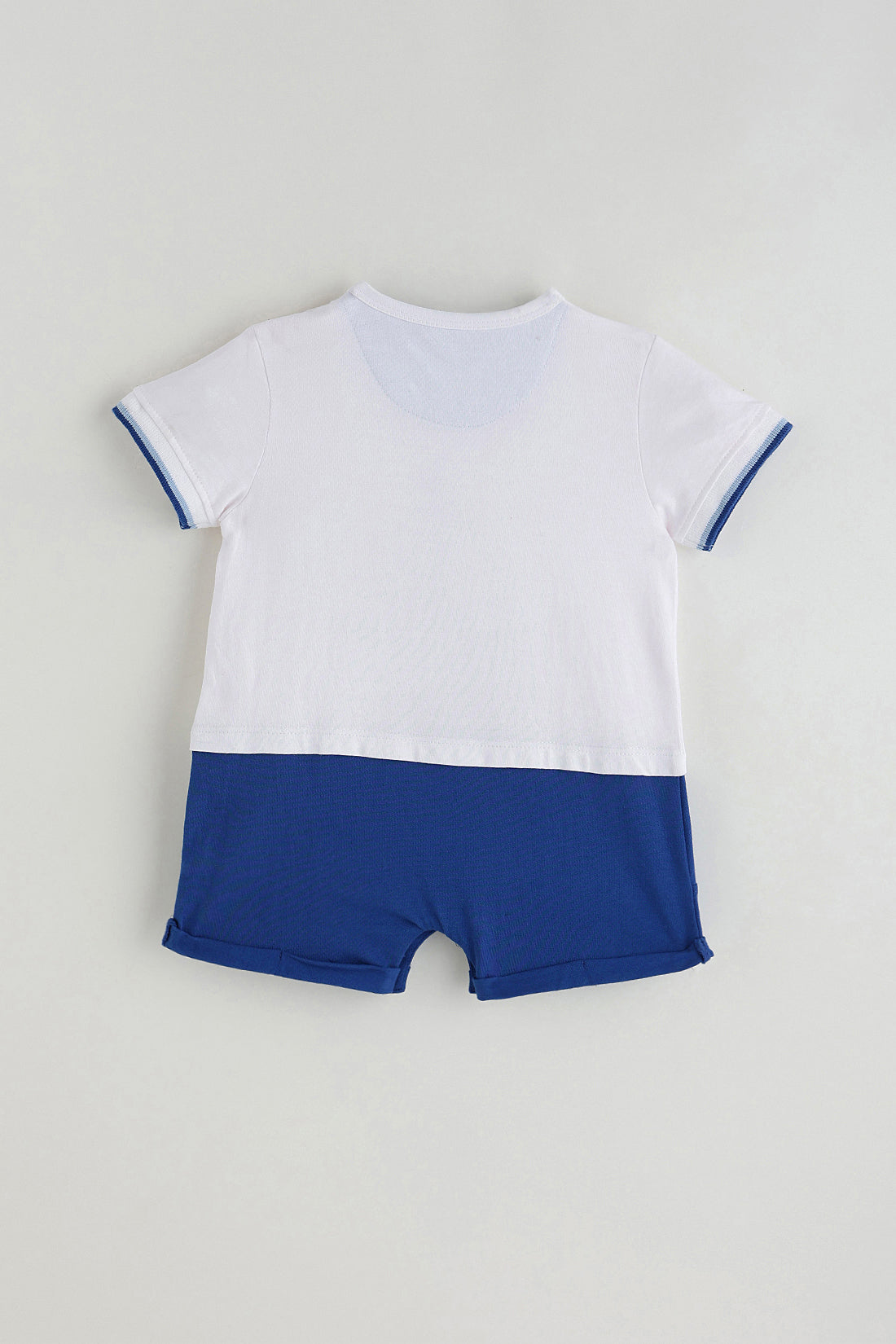
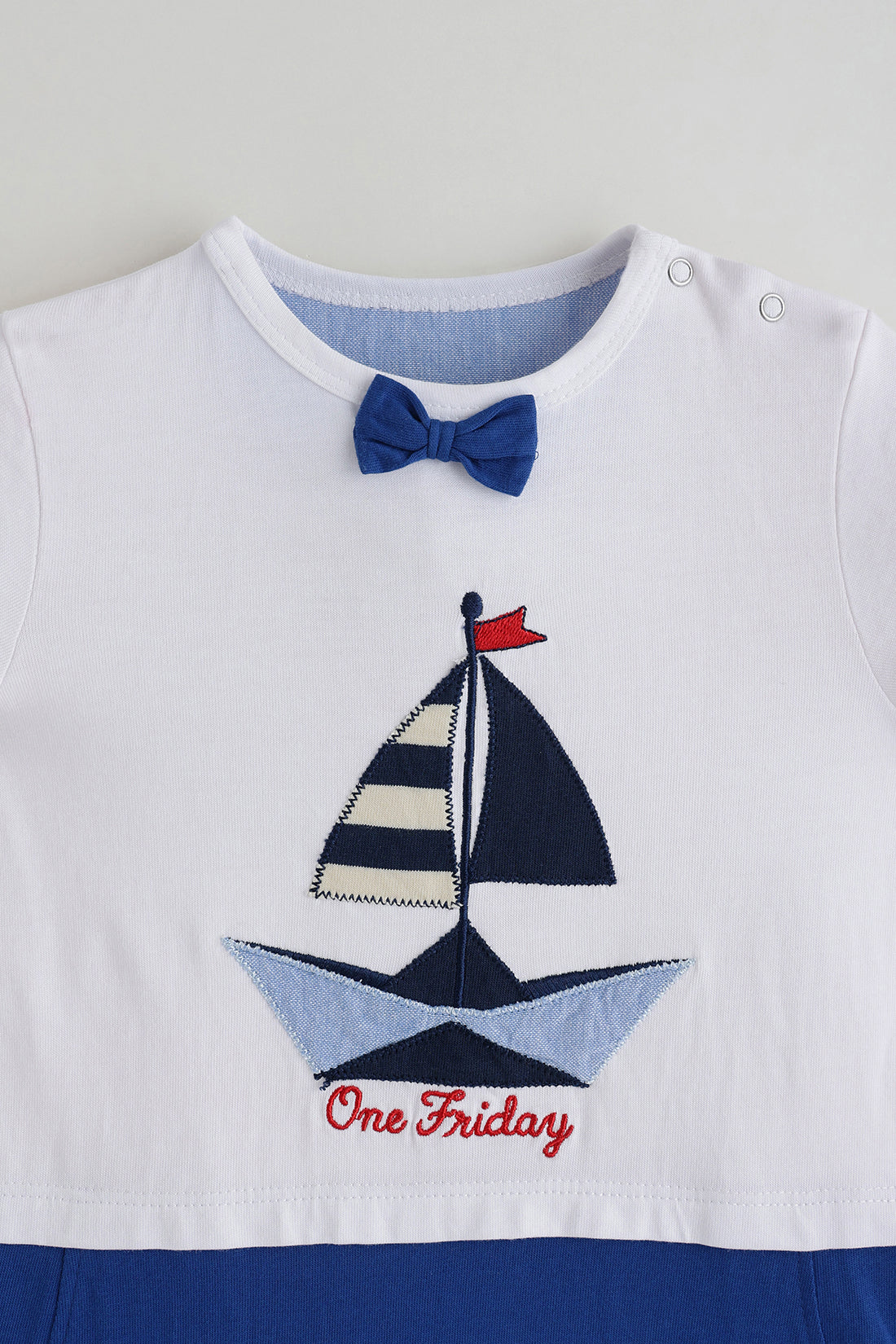


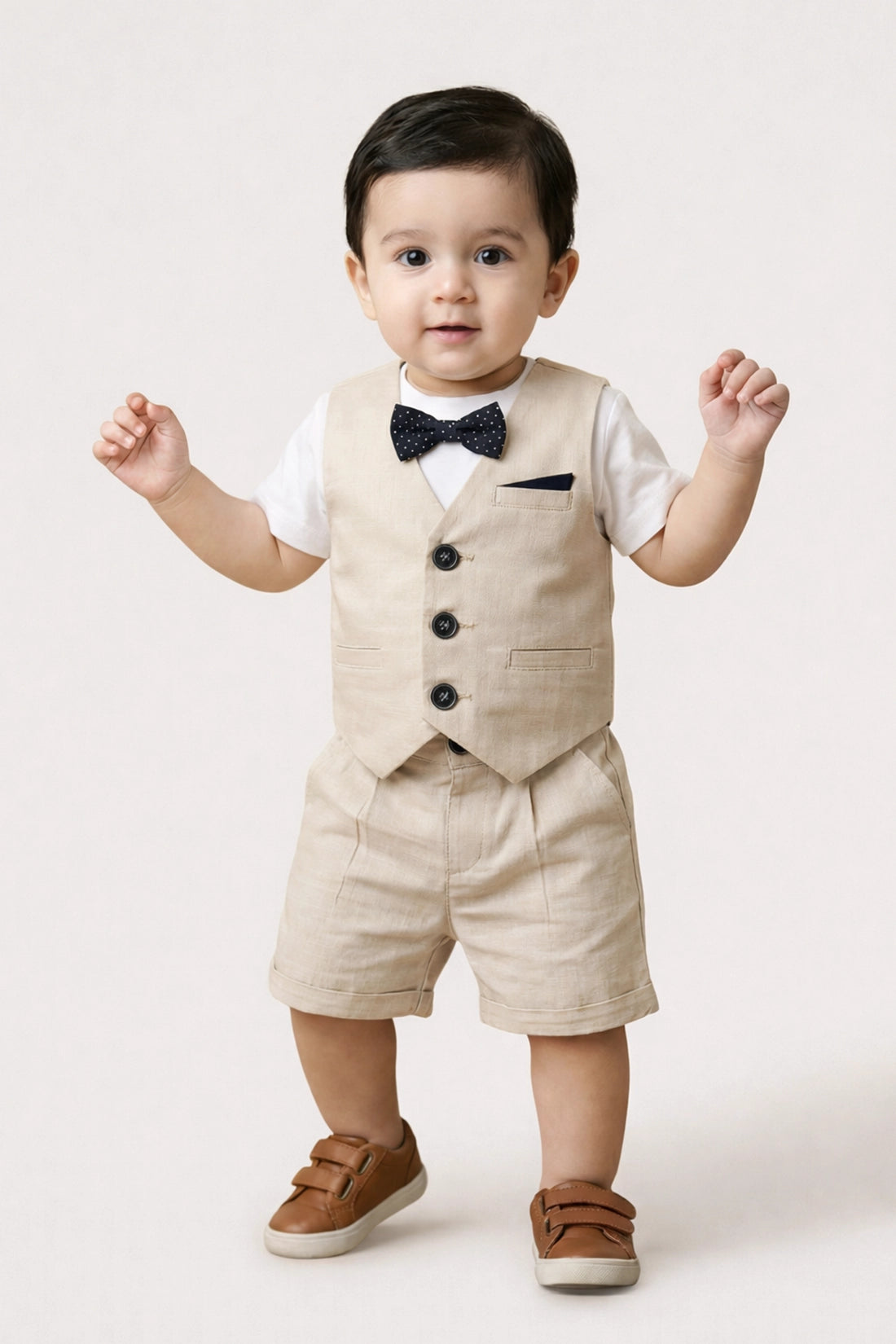
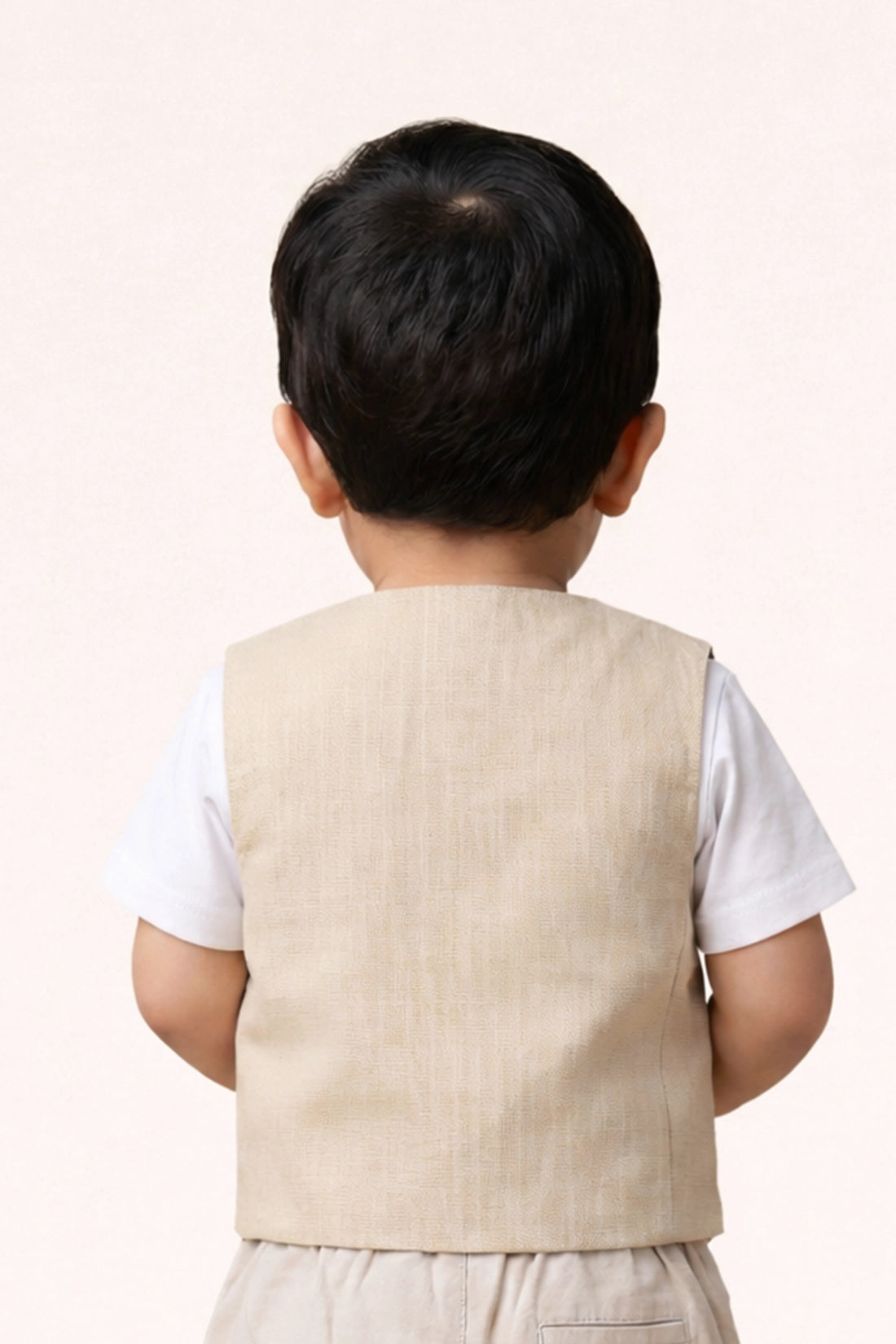
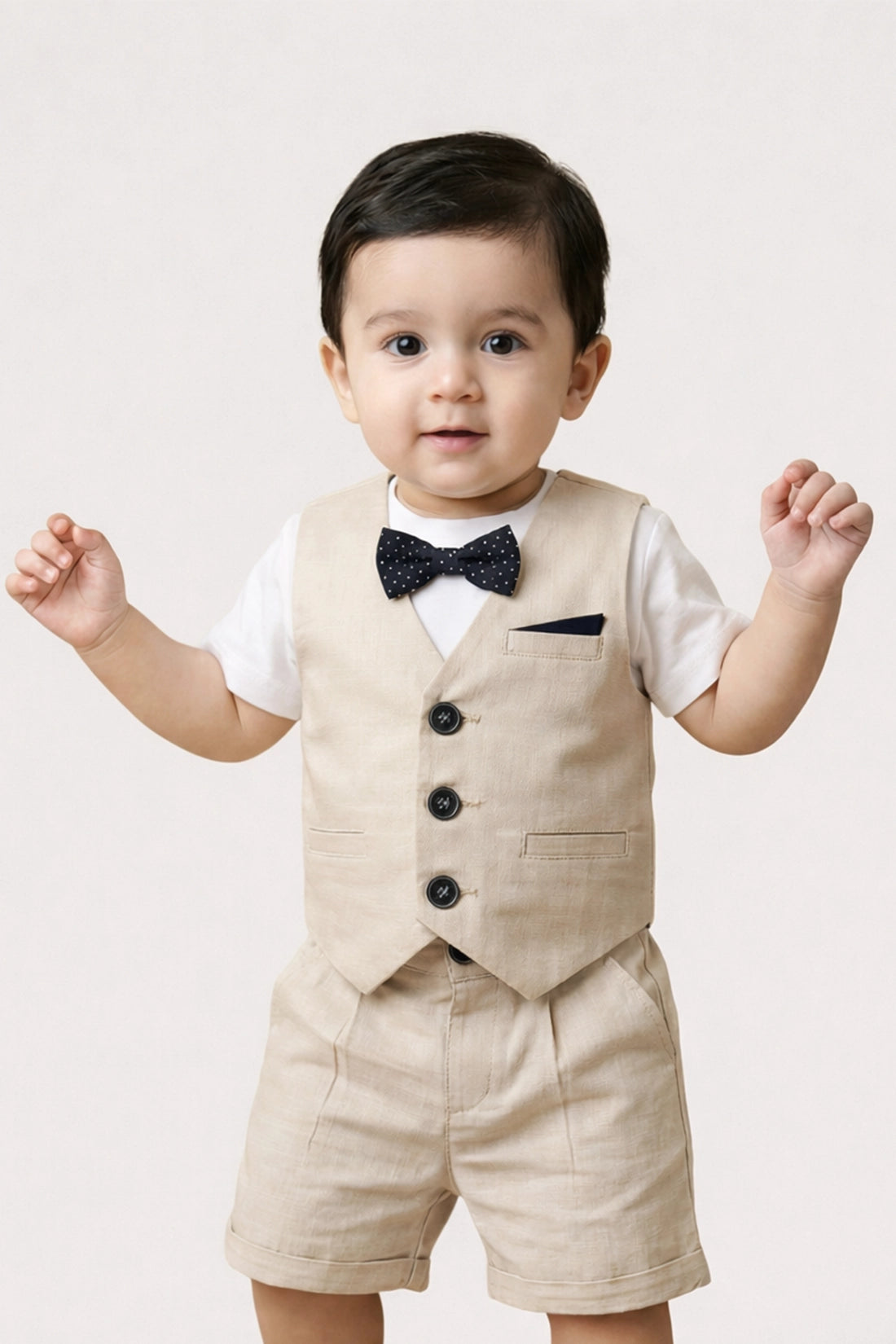
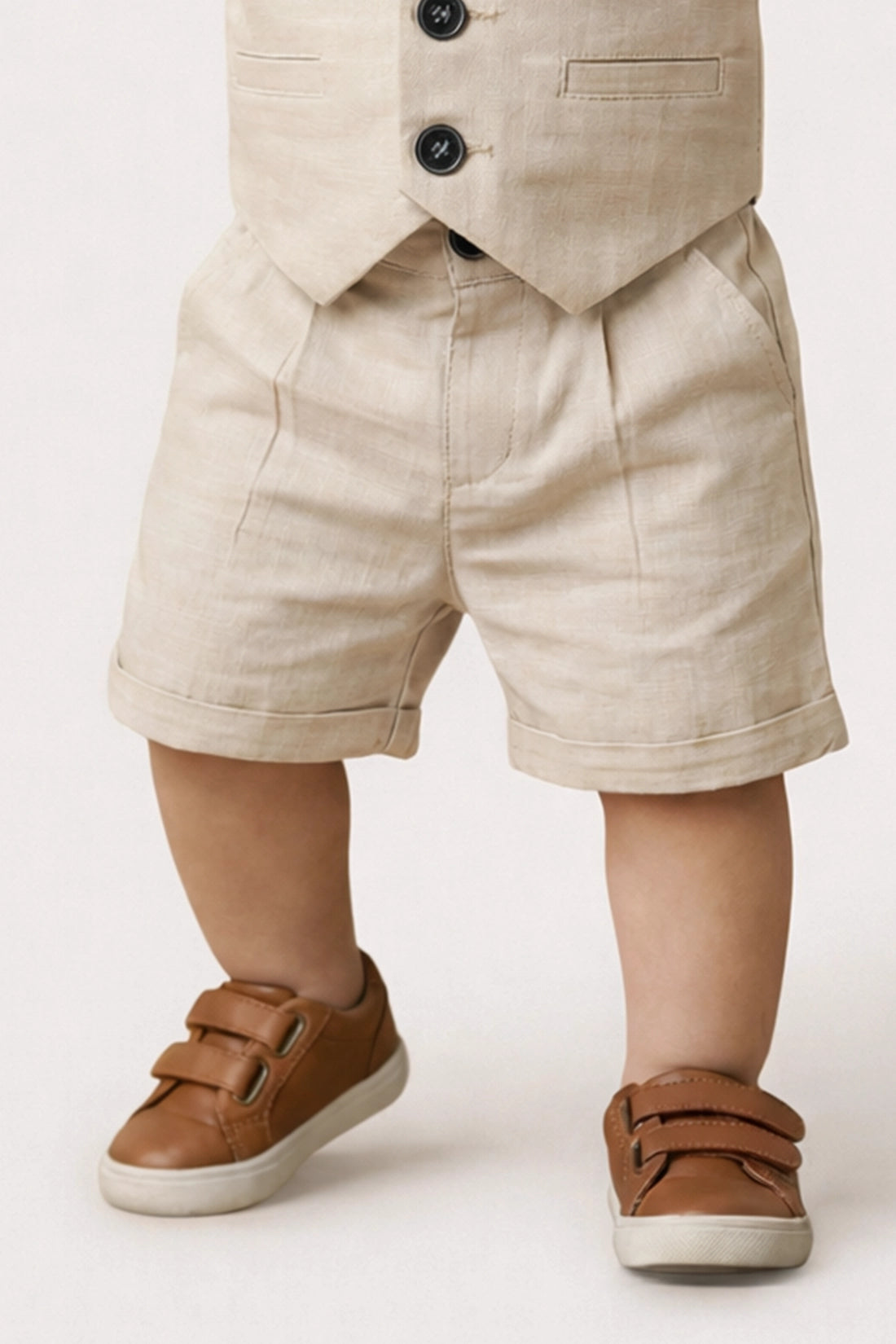
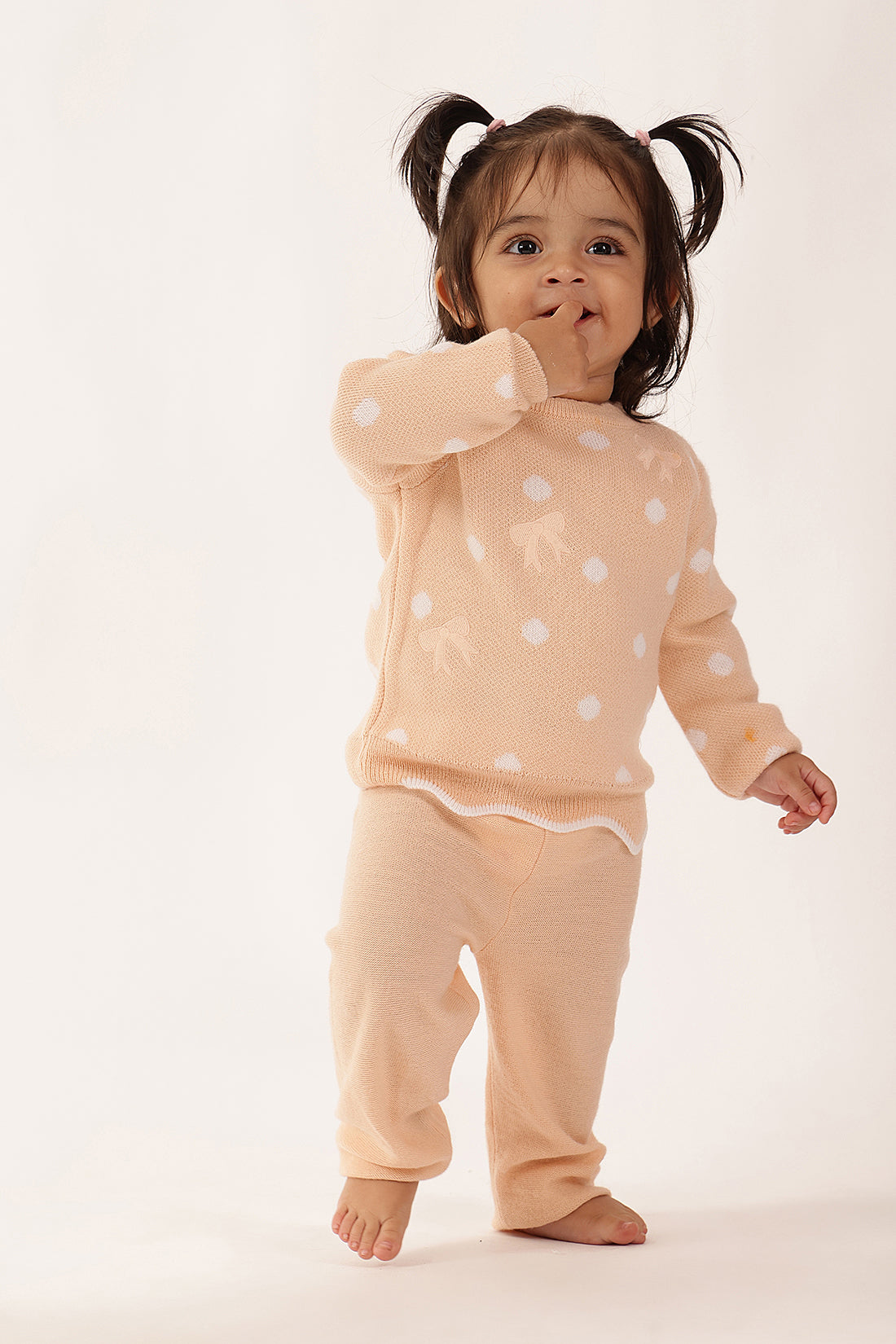
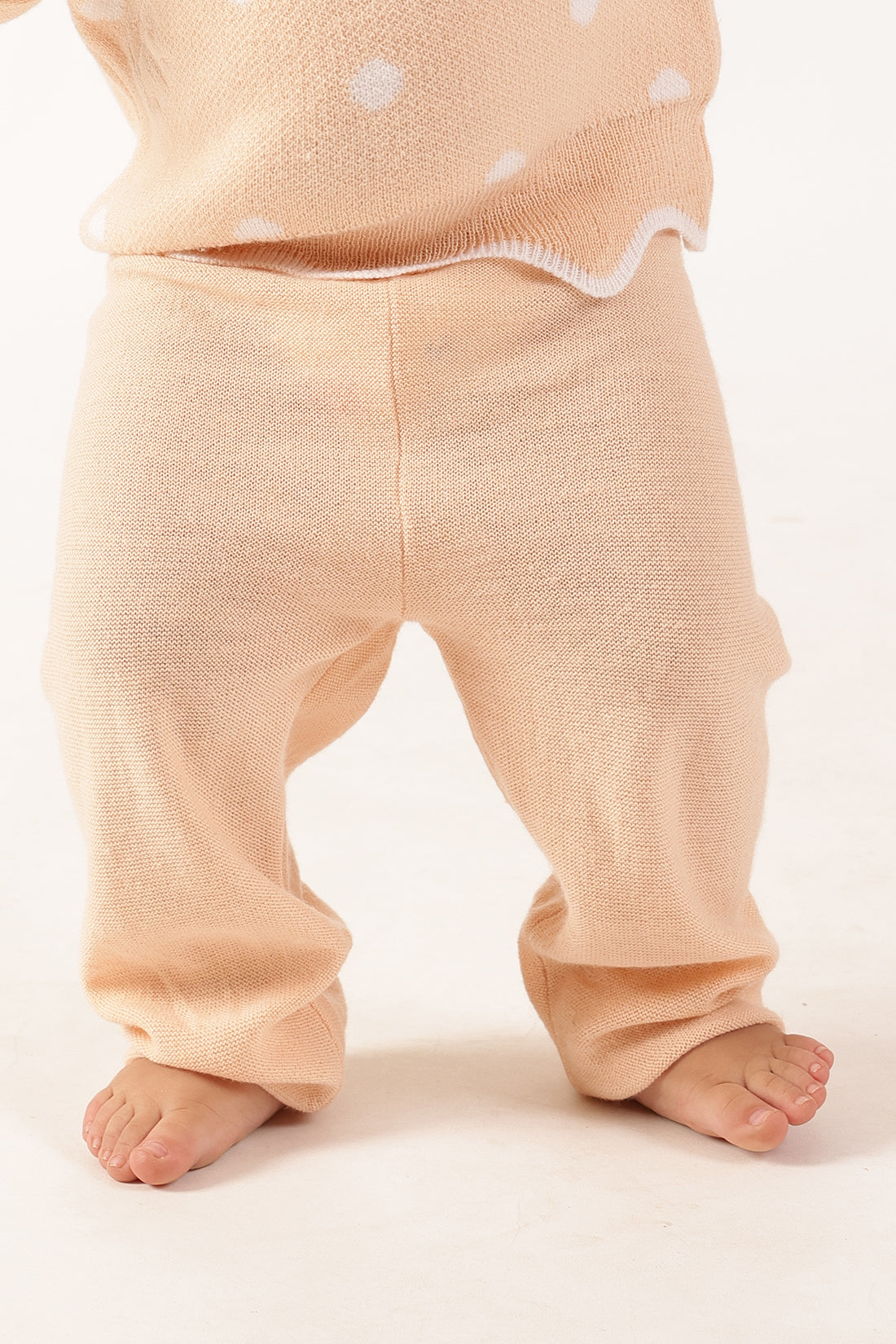


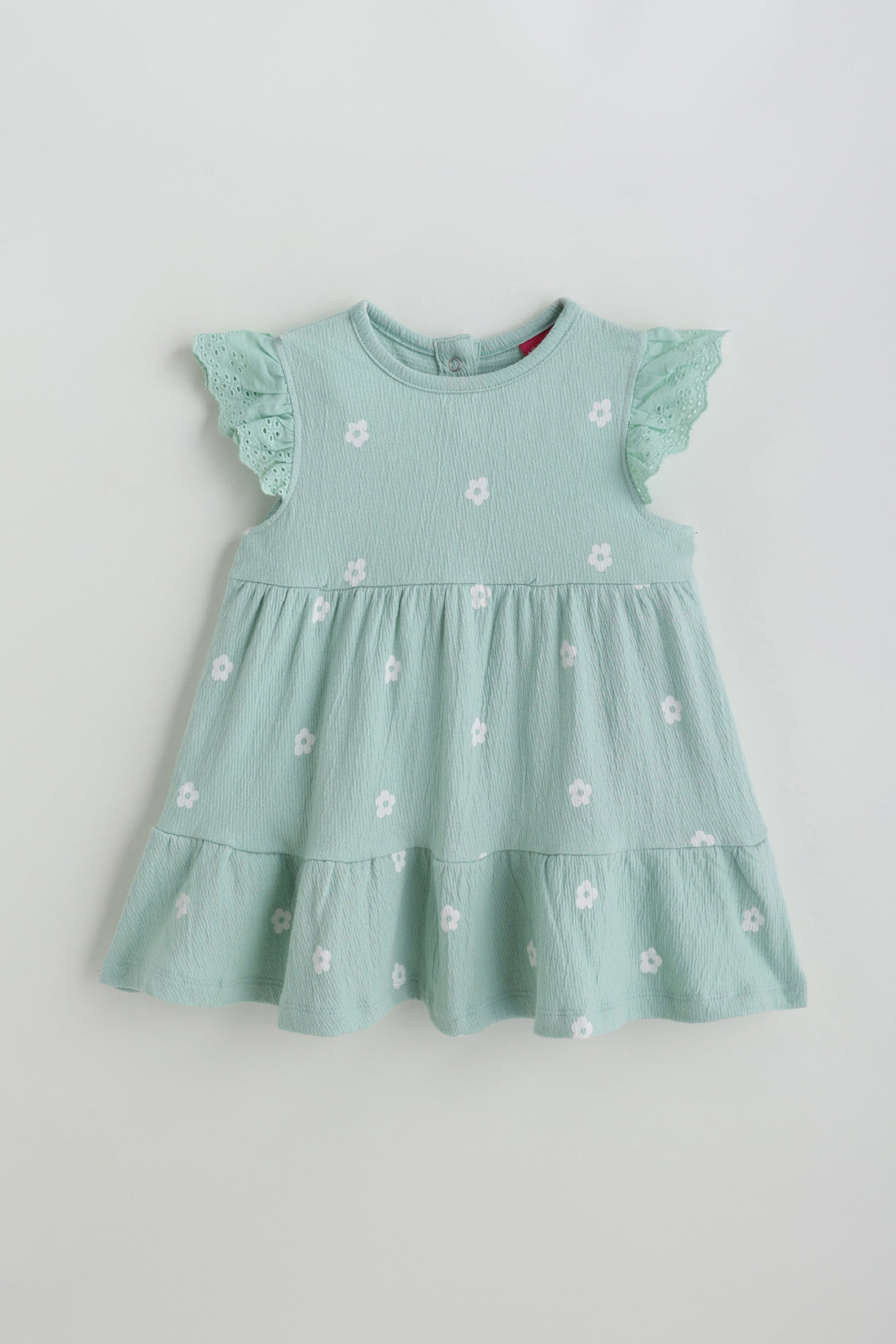
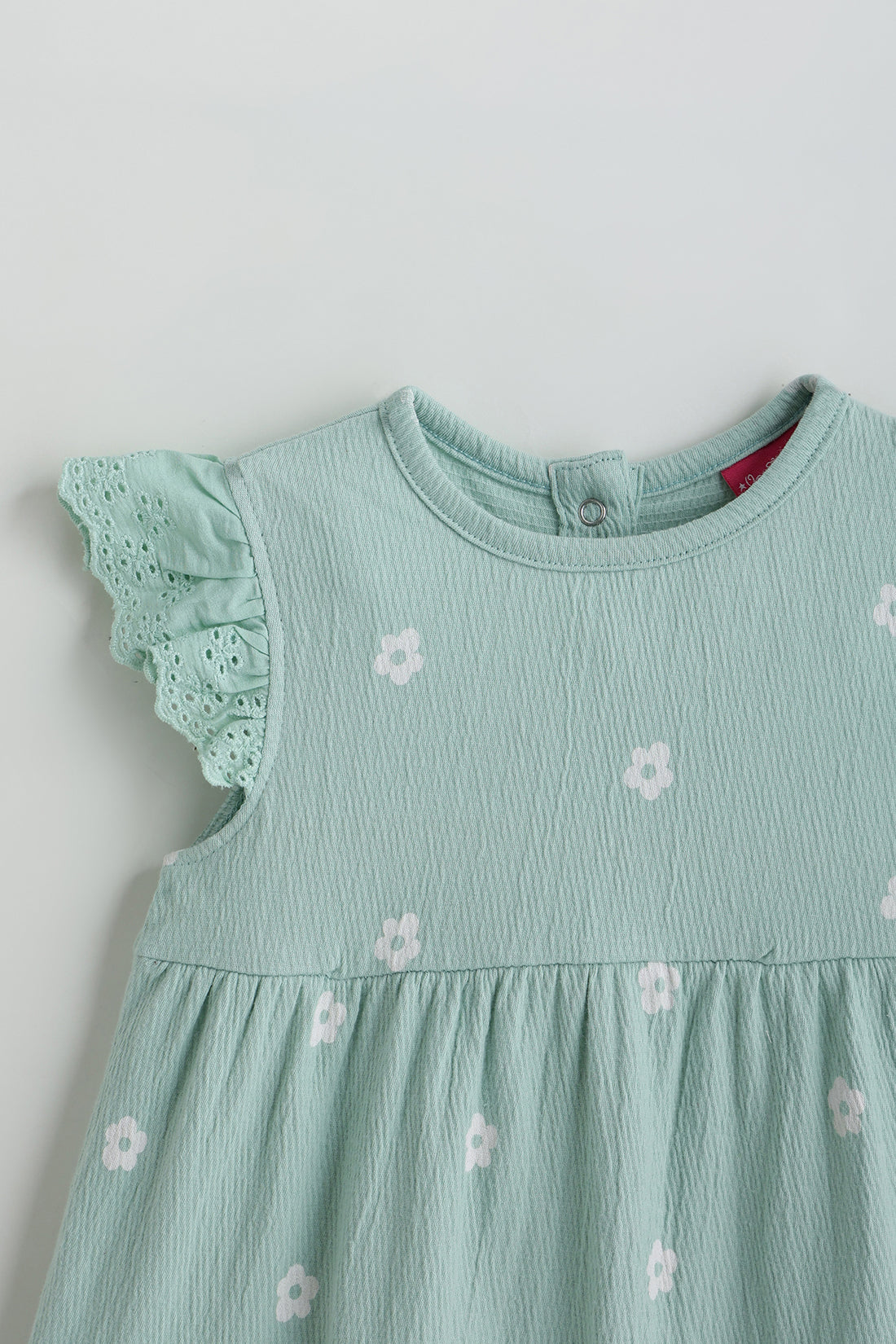


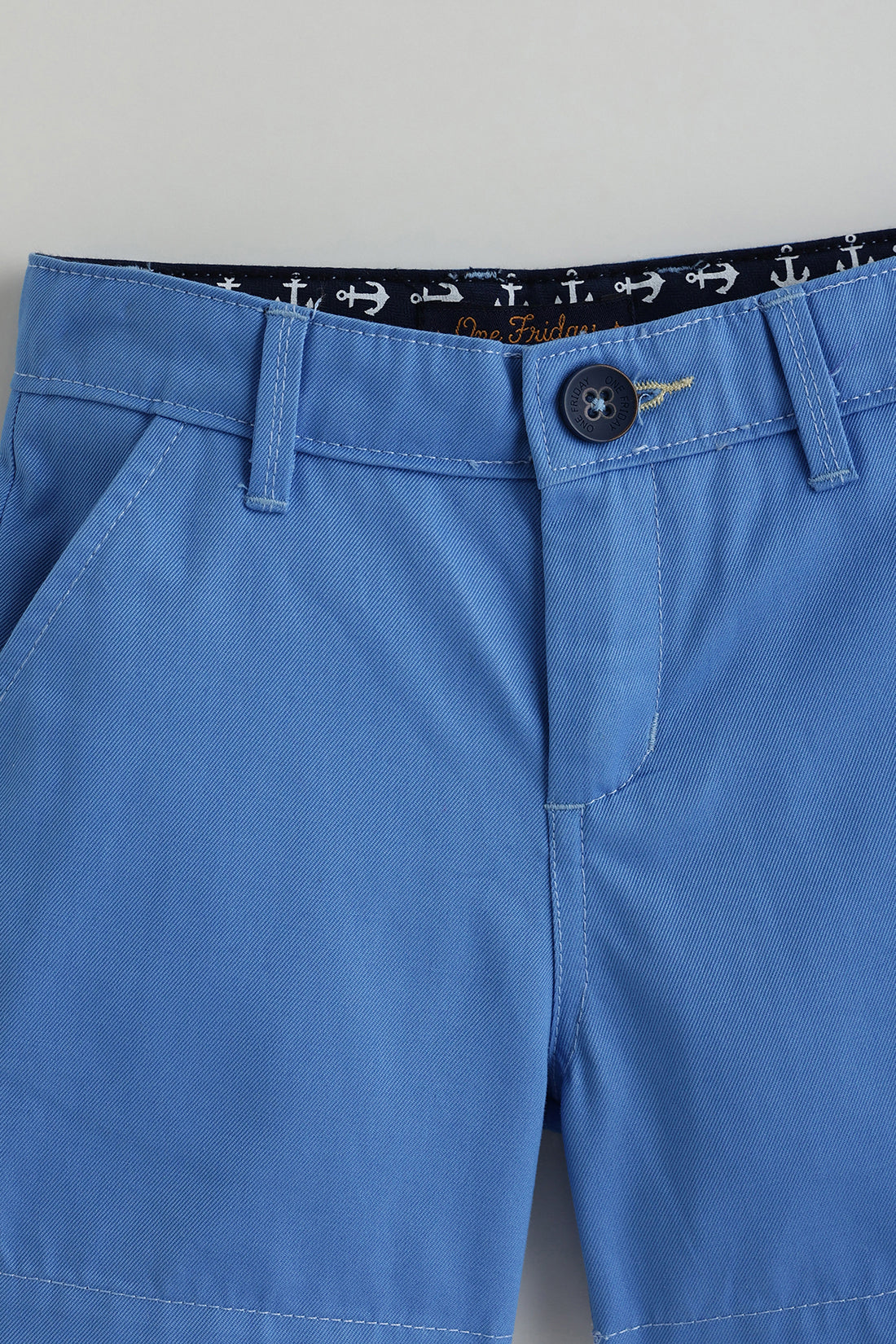
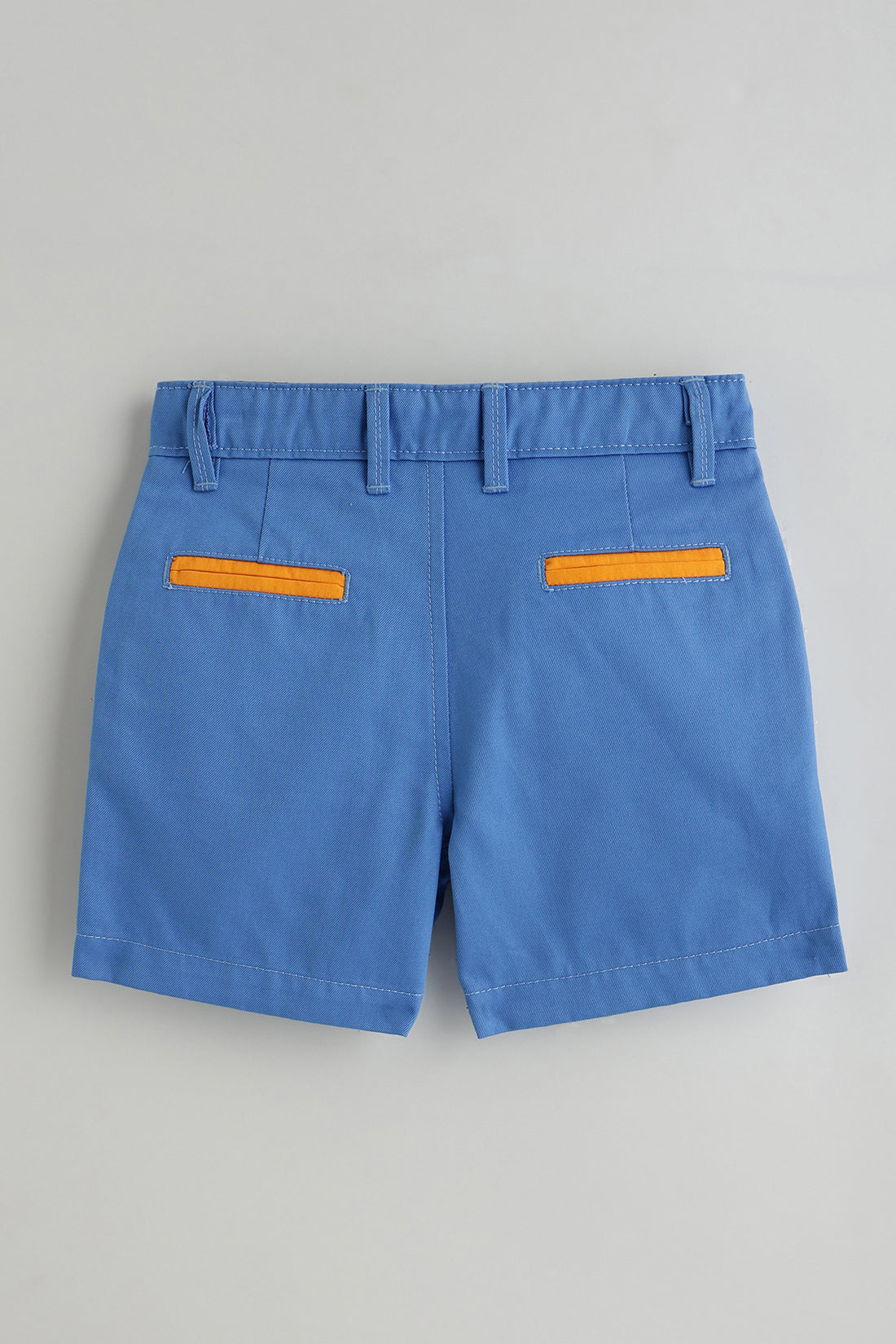
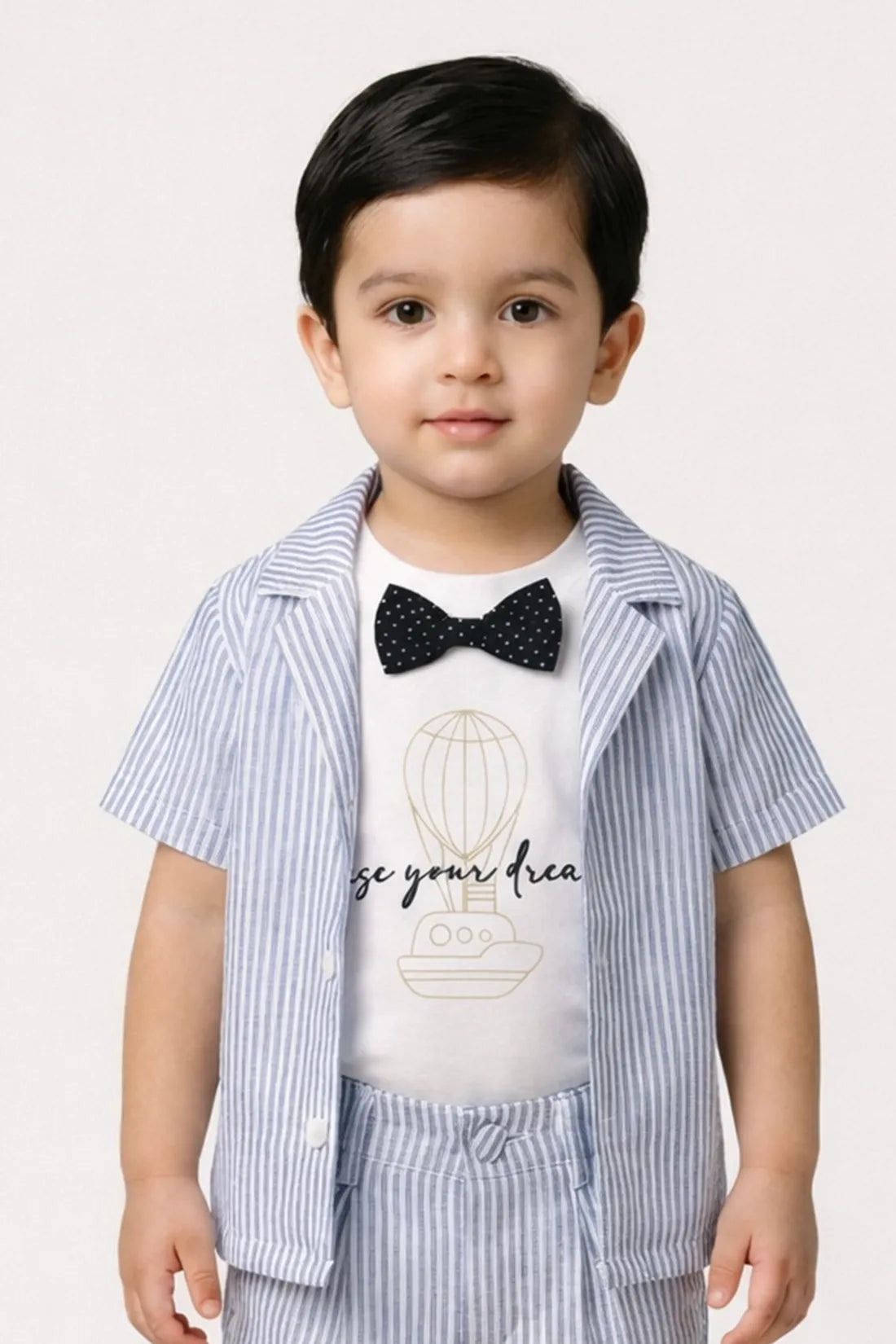
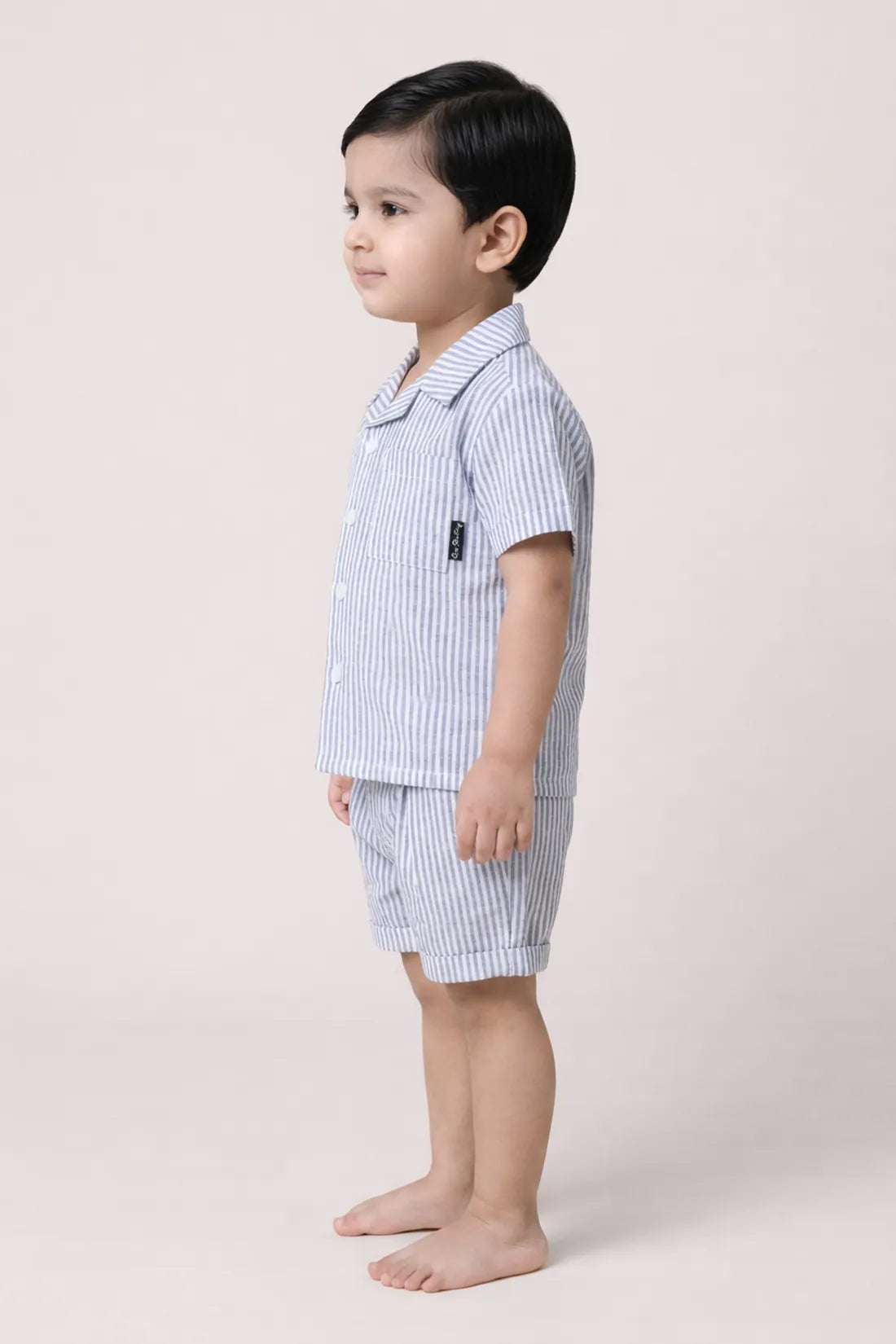
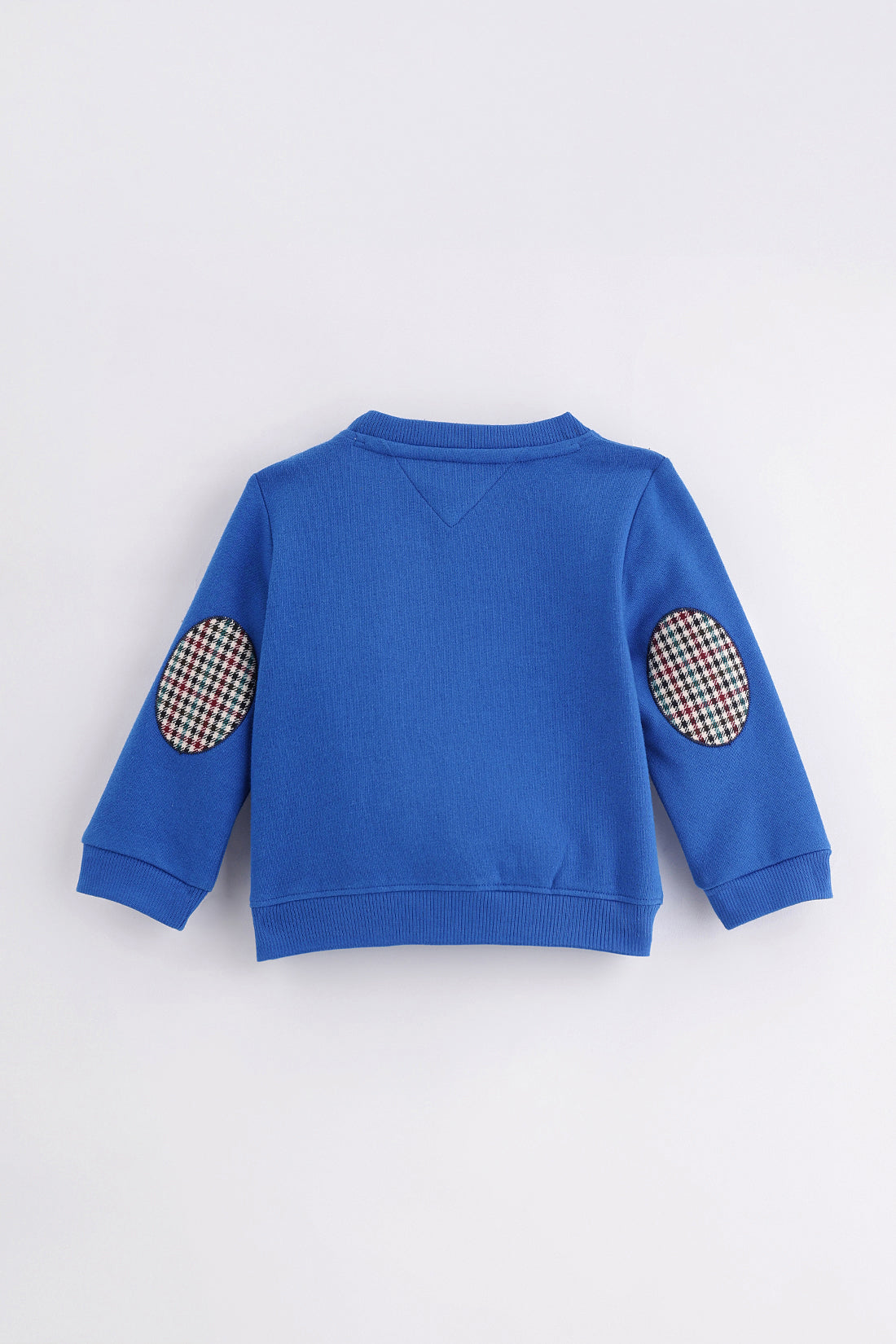
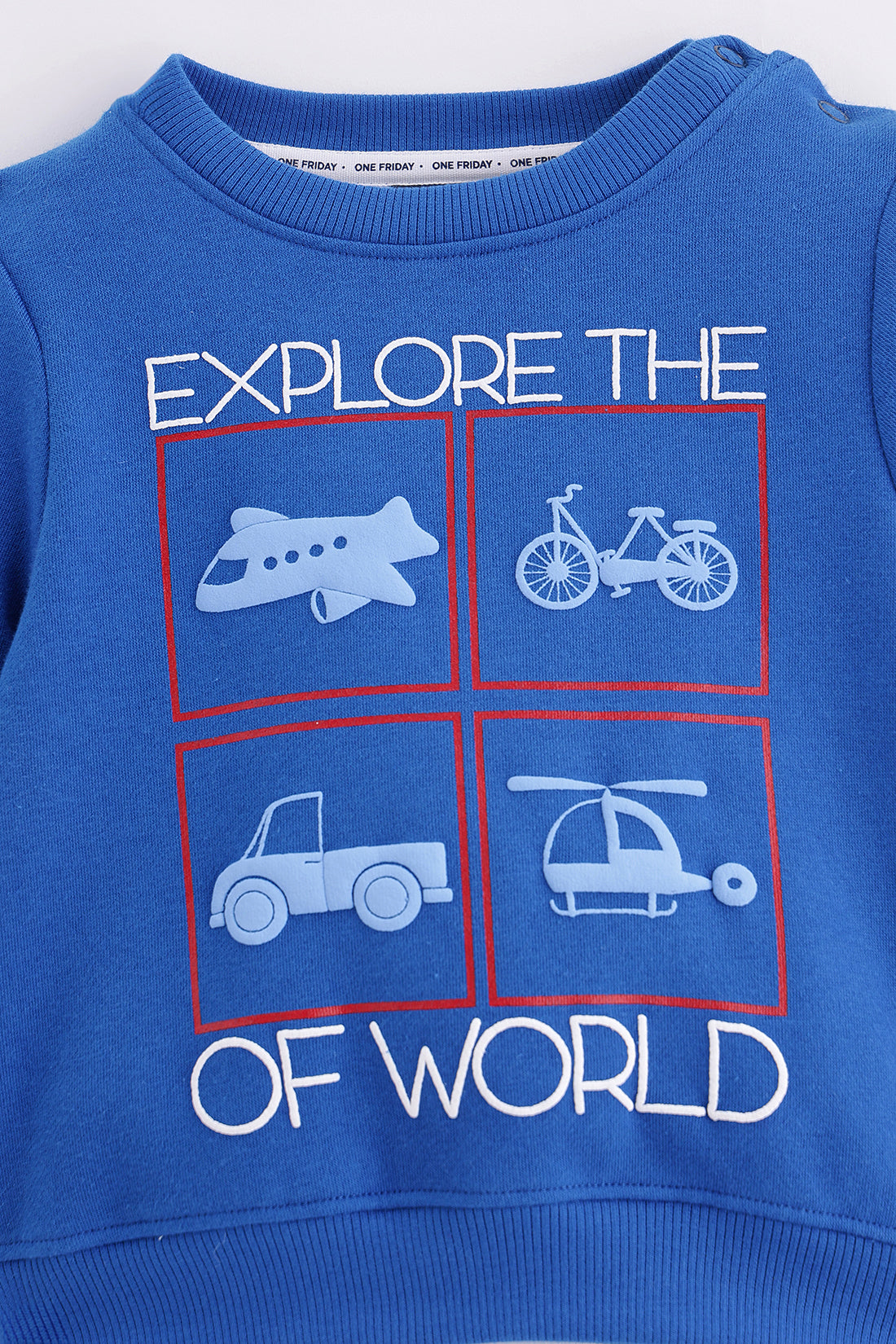


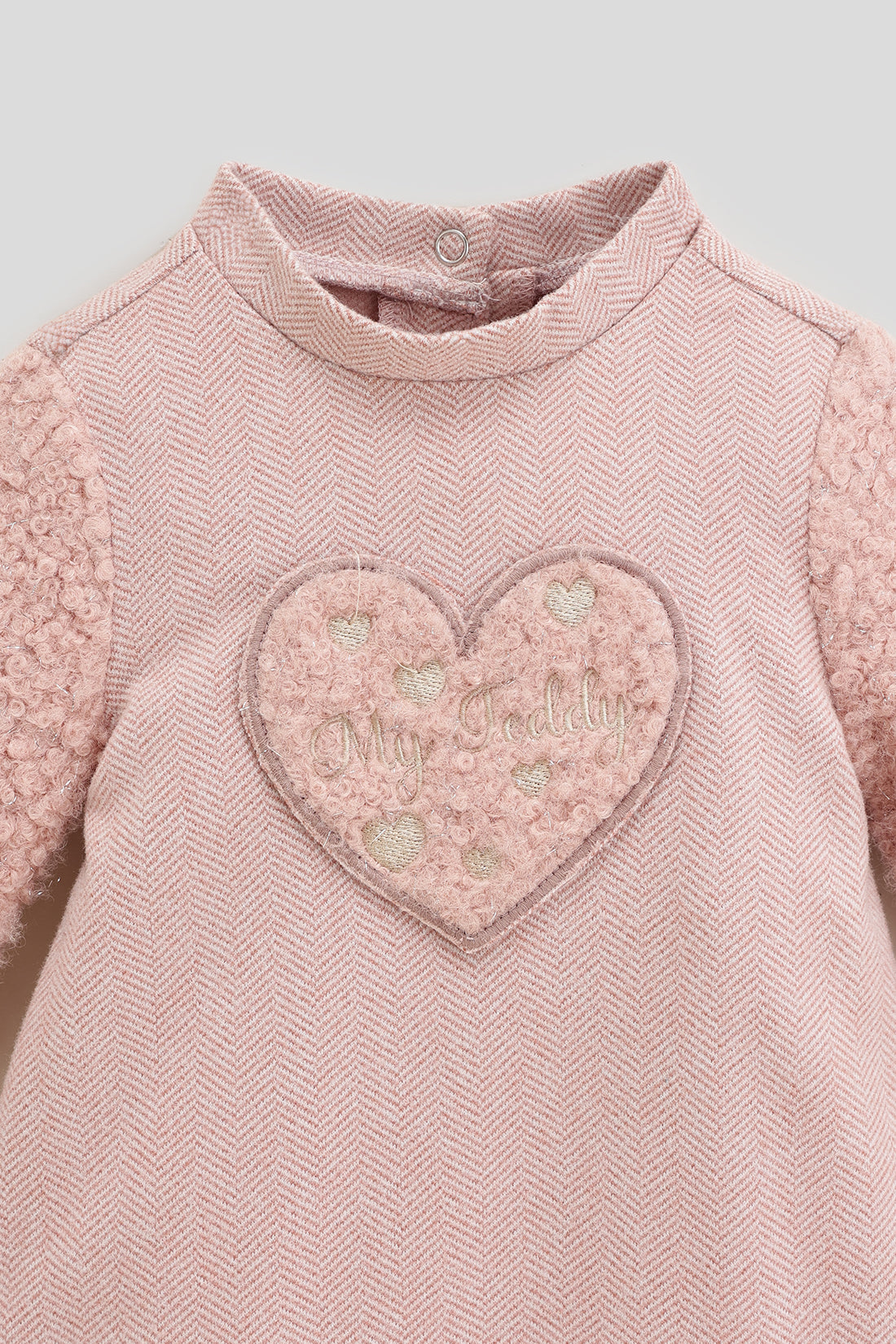


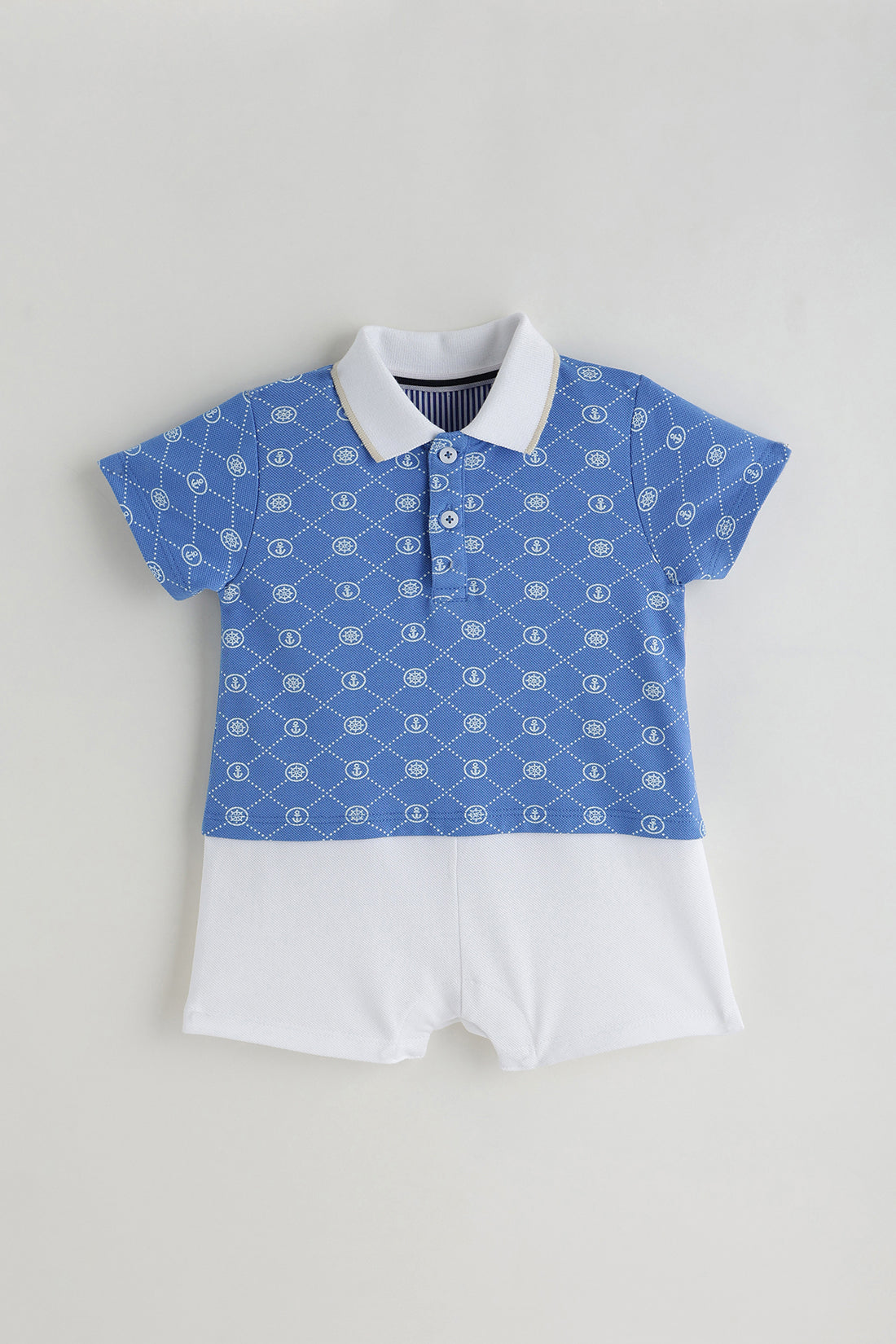
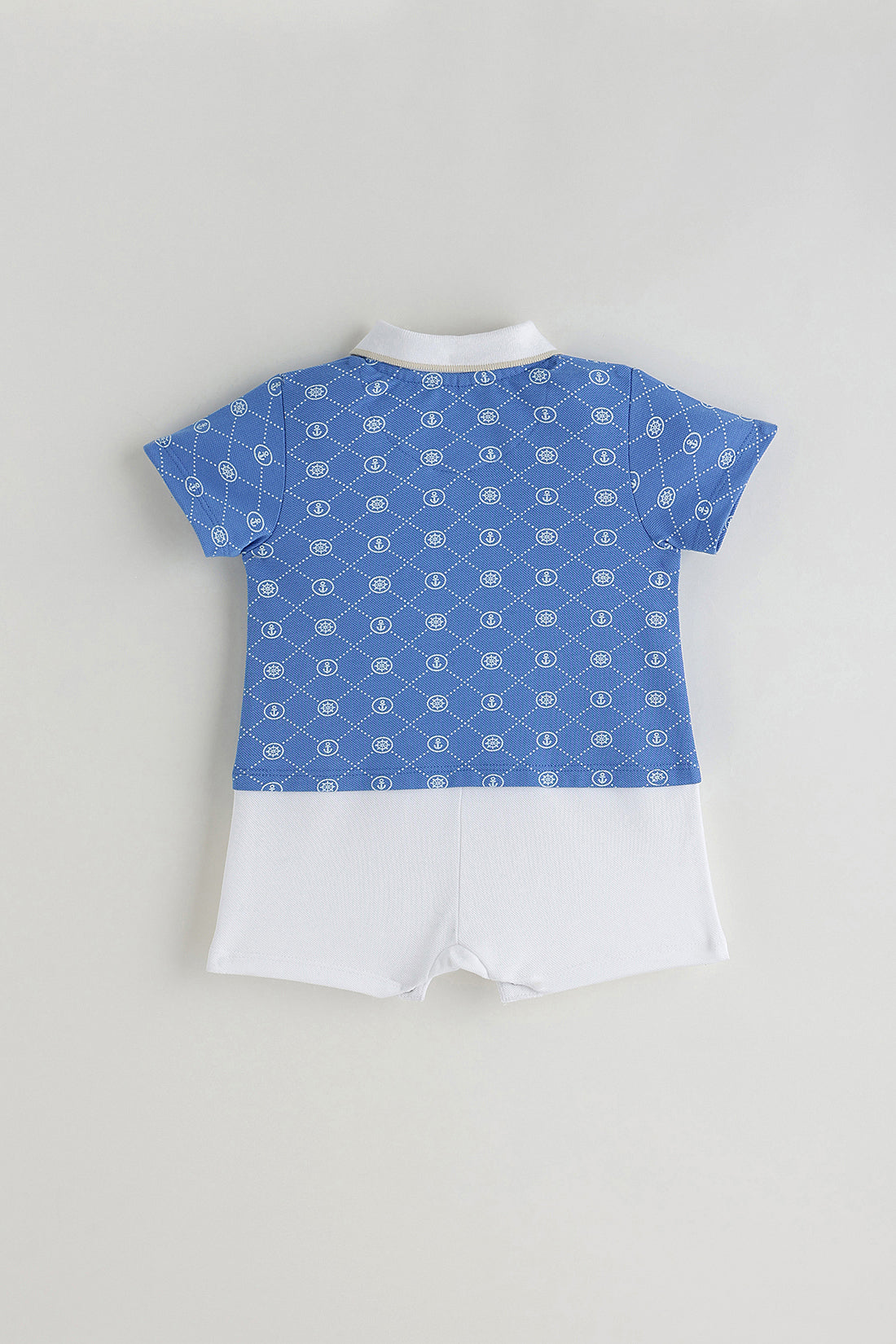
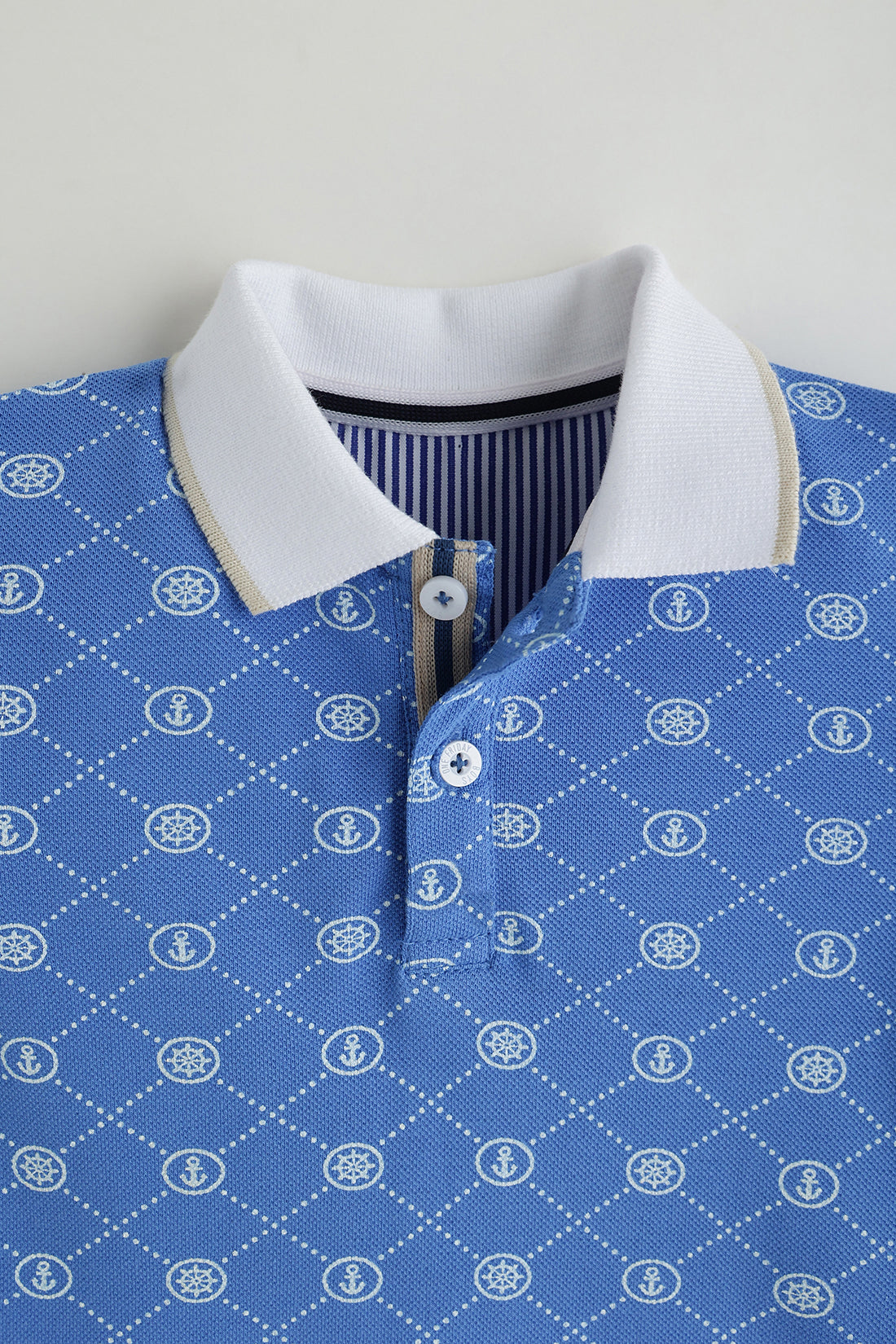
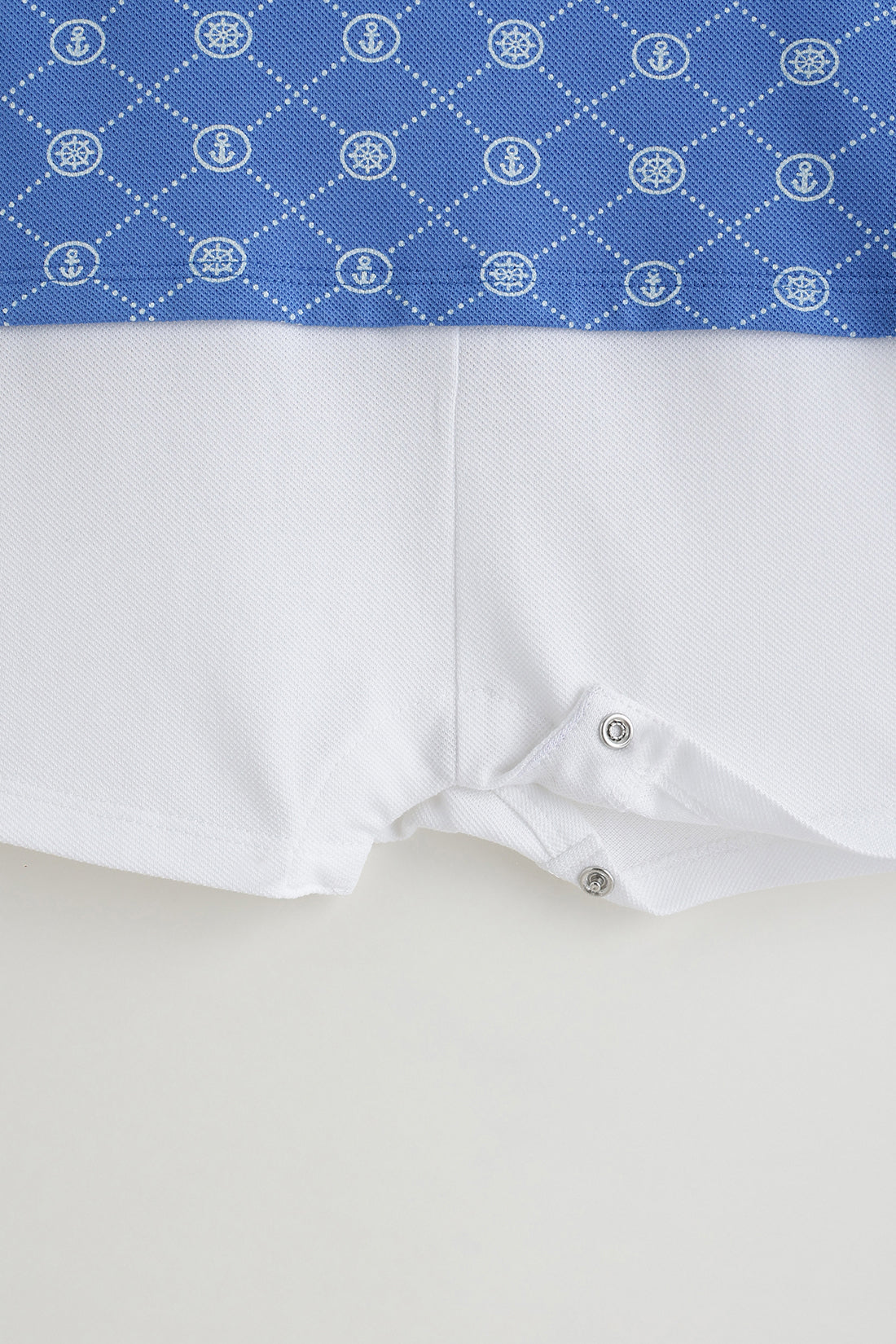
Shop Baby Clothes By Age – Newborn to 24 Months
The first two years bring the fastest, most unpredictable growth your child will ever go through — a newborn outfit can be snug within weeks, and "12–18 months" can mean very different things depending on your baby's build. This page groups our baby collection by age stage so you can shop for exactly where your baby is right now, with sizing guidance to help you buy a little ahead rather than exactly to the month.
Baby Age & Sizing Guide
| Age | What to Expect | What to Prioritise |
|---|---|---|
| 0–3 months | Fastest growth window, frequent changes, delicate skin | Soft cotton, envelope necklines, easy snap closures |
| 3–6 months | Rolling, reaching, more alert and active | Stretch fabrics, room at the shoulders and hips |
| 6–12 months | Sitting, crawling, teething, first solids (more mess) | Durable, easy-wash fabrics, secure fastenings |
| 12–24 months | First steps, more independence, longer wear per outfit | Room to move, pull-on styles for early self-dressing |
Why Baby Sizing Runs Differently From Kids' Sizing
Baby clothing is typically labelled by age in months rather than by height or age in years, because growth in this window is so fast that yearly sizing would be almost meaningless. Even so, babies vary widely — a baby in the 90th percentile for height may need the next size up well ahead of the label. Checking the weight and height range printed on each size chart, rather than the age alone, gives a far more reliable fit.
What to Prioritise at Each Stage
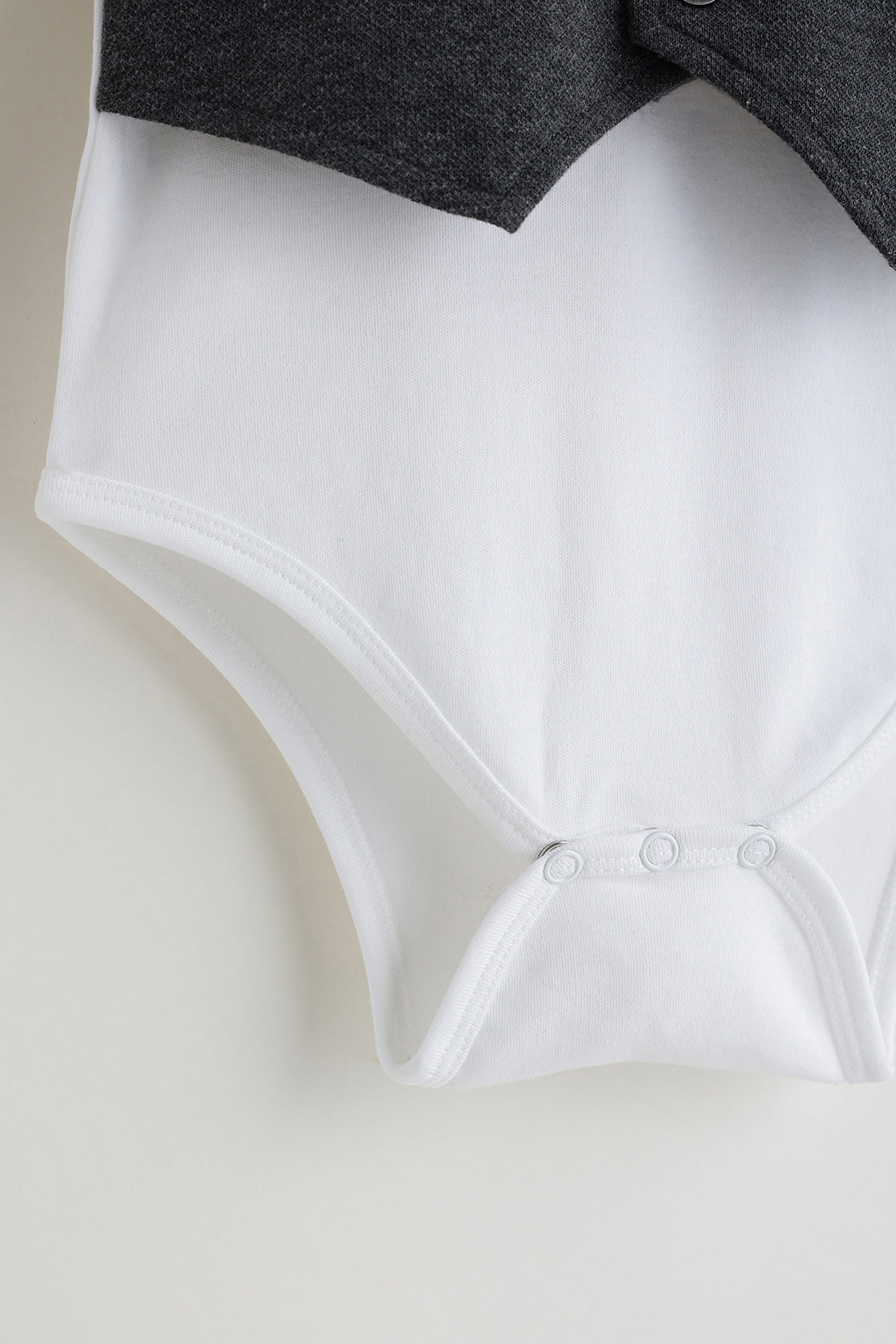
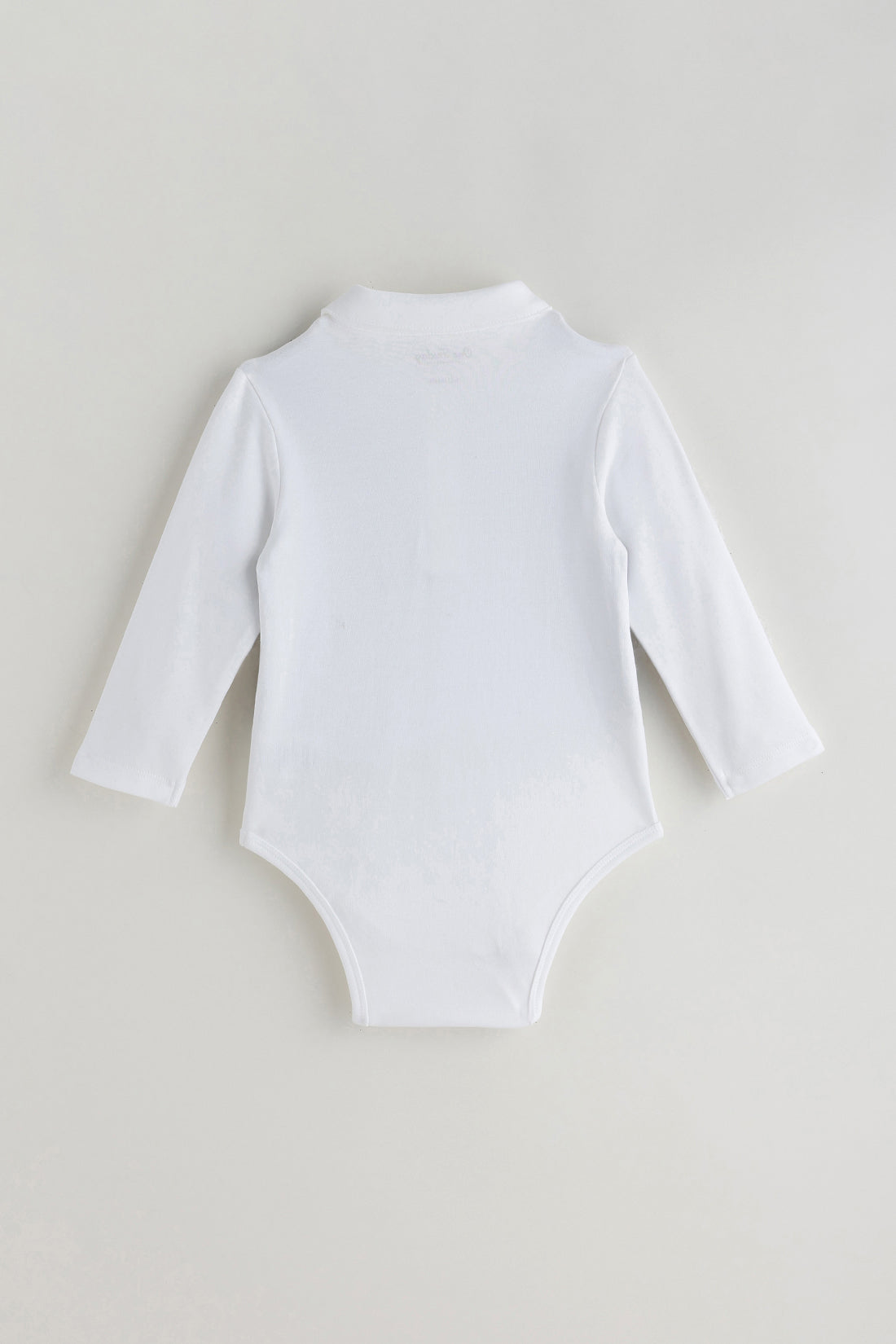
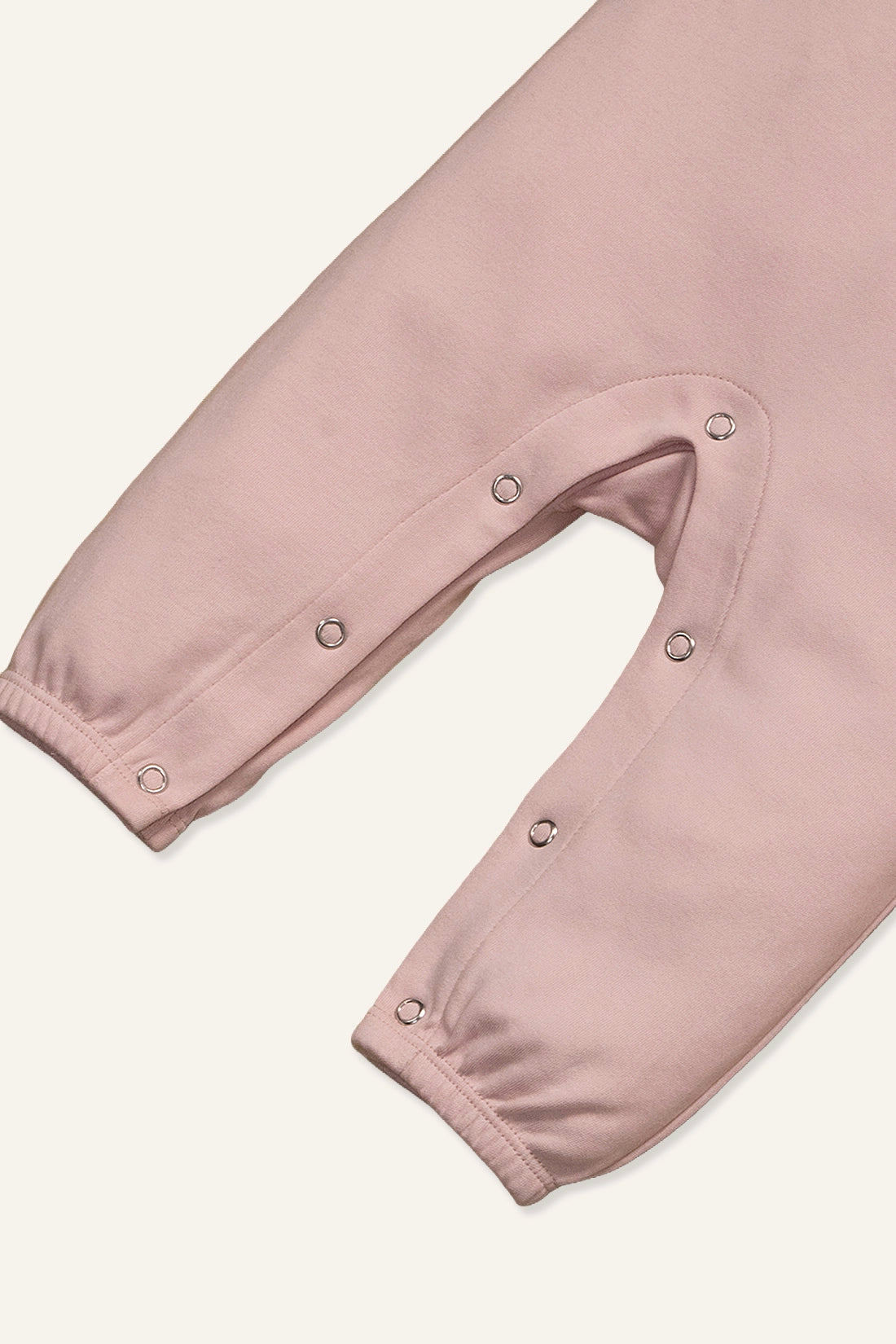
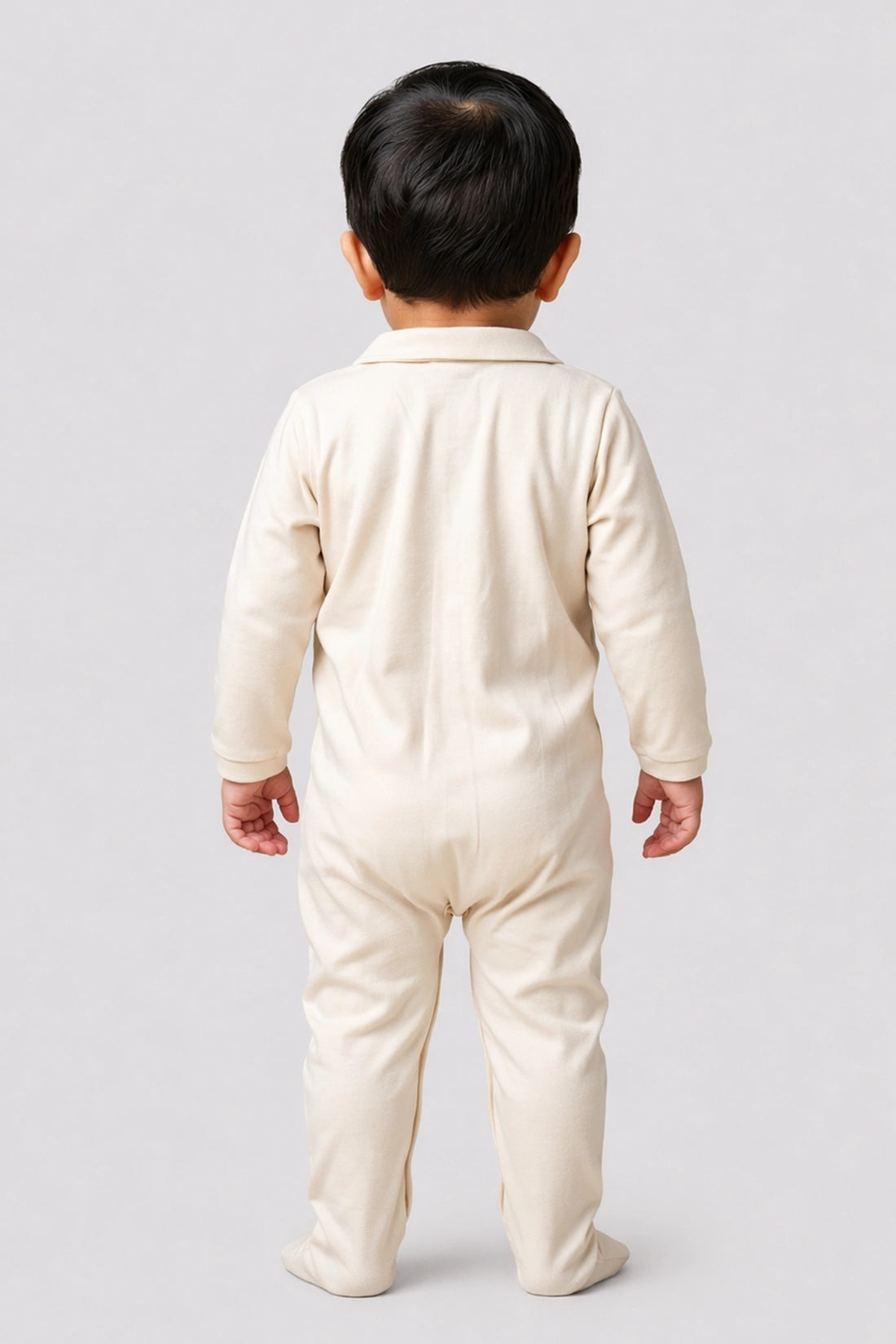
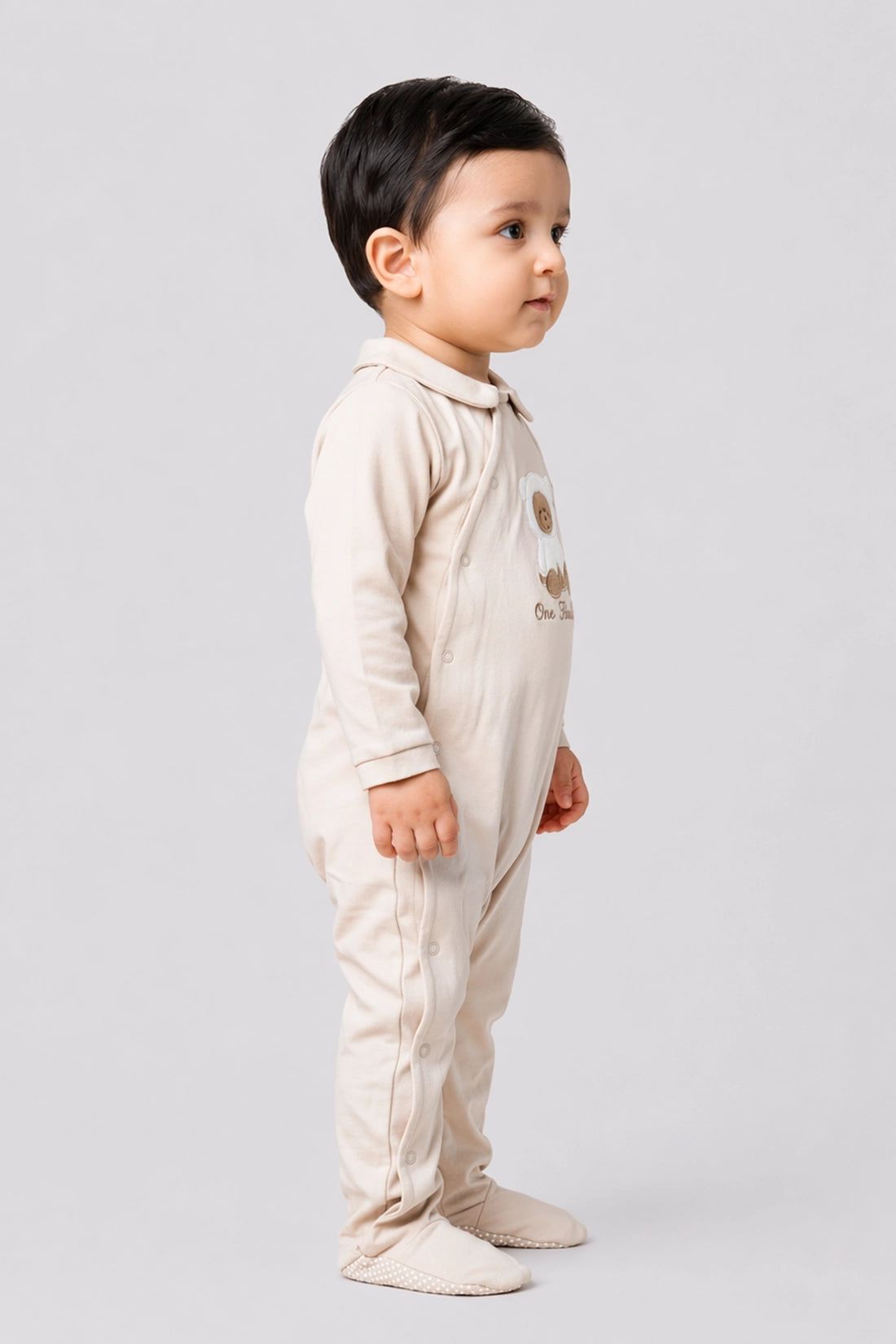
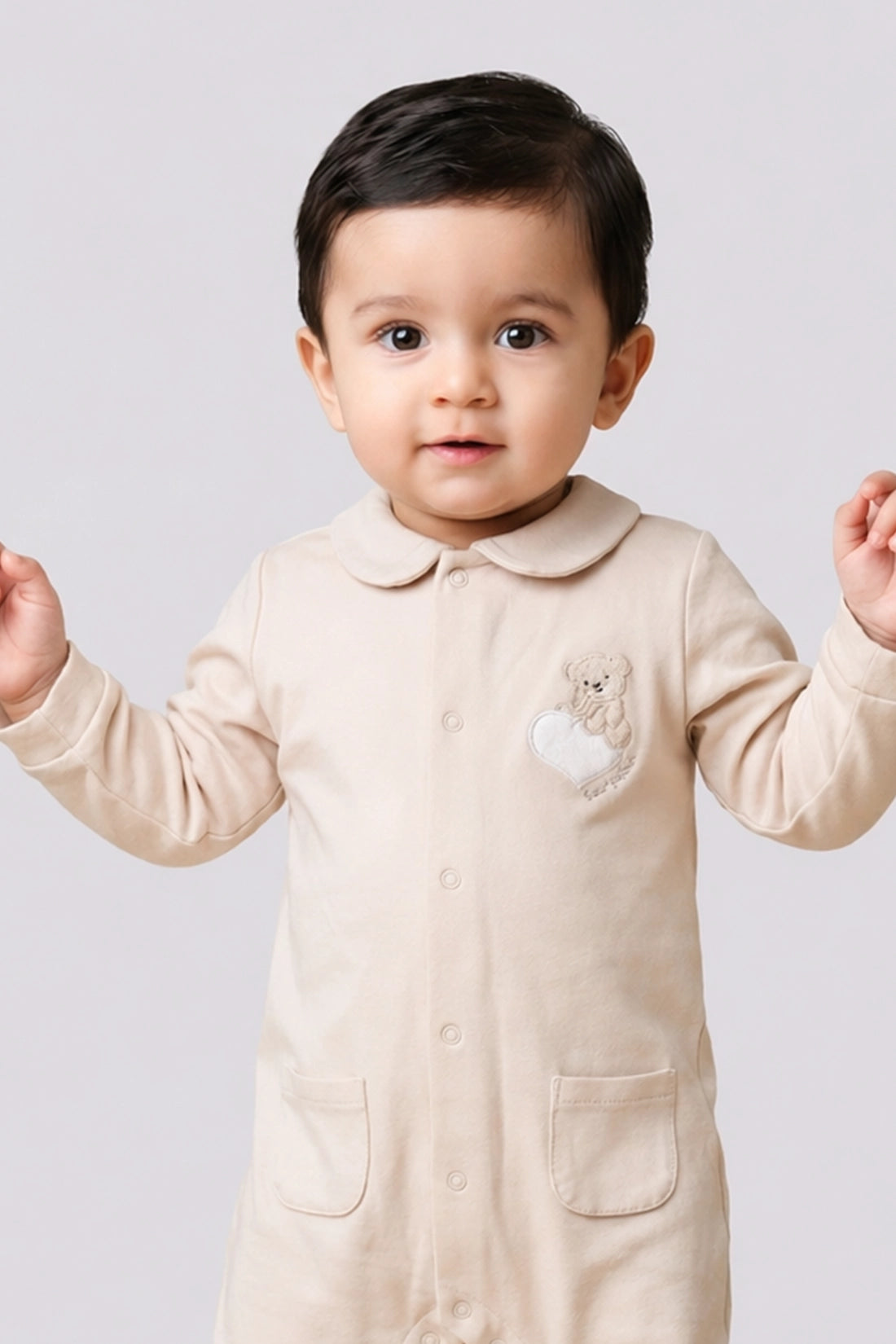
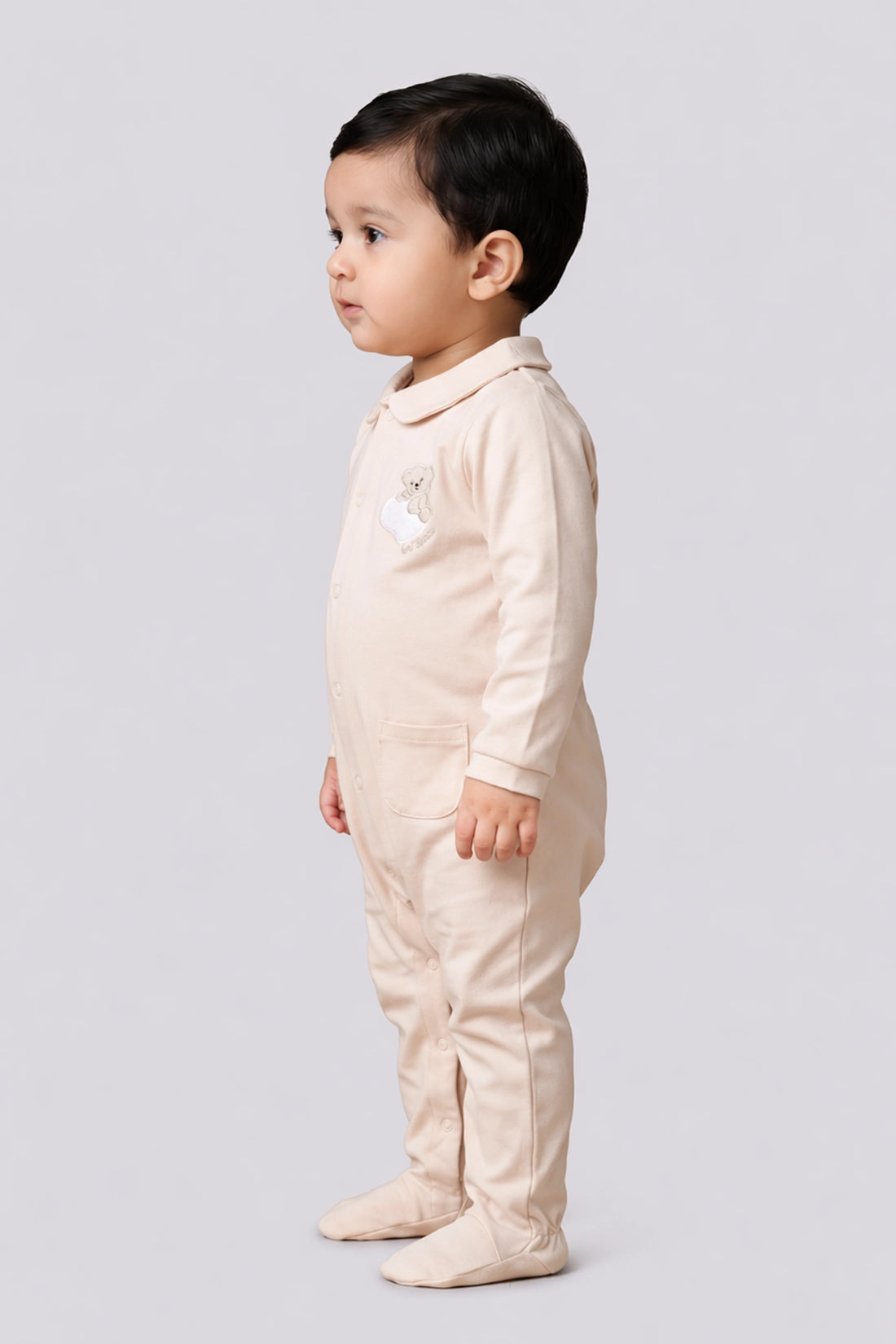
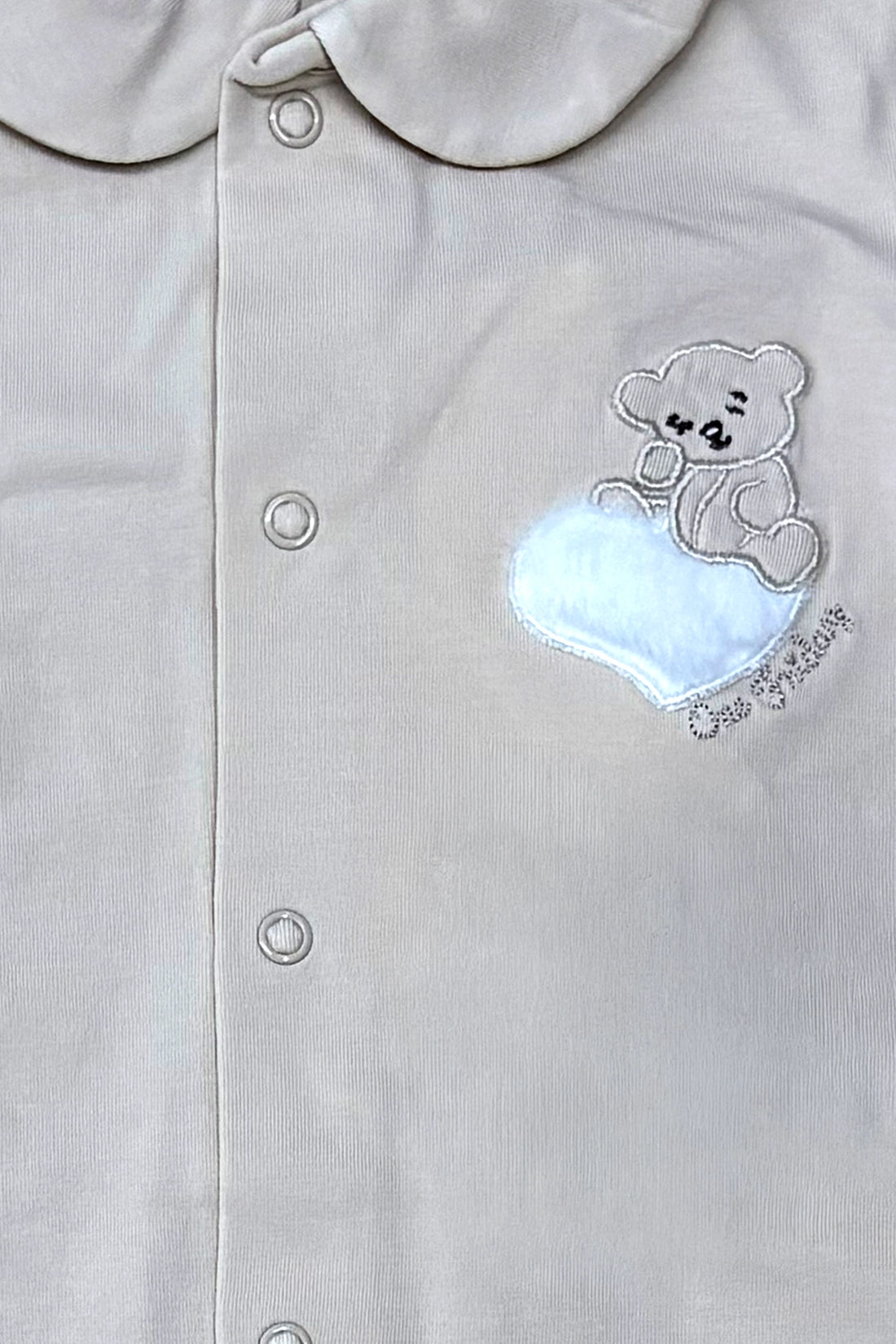
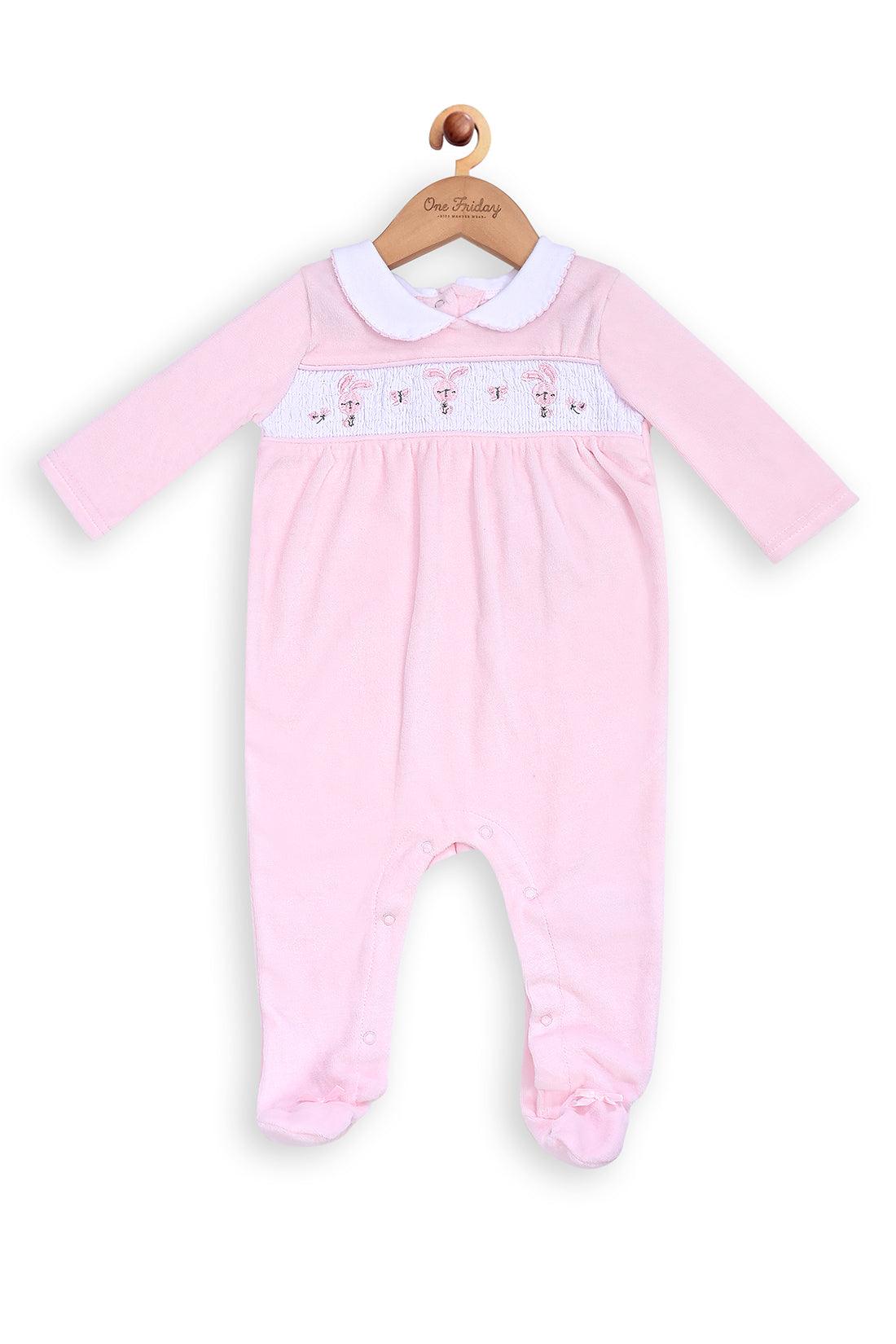
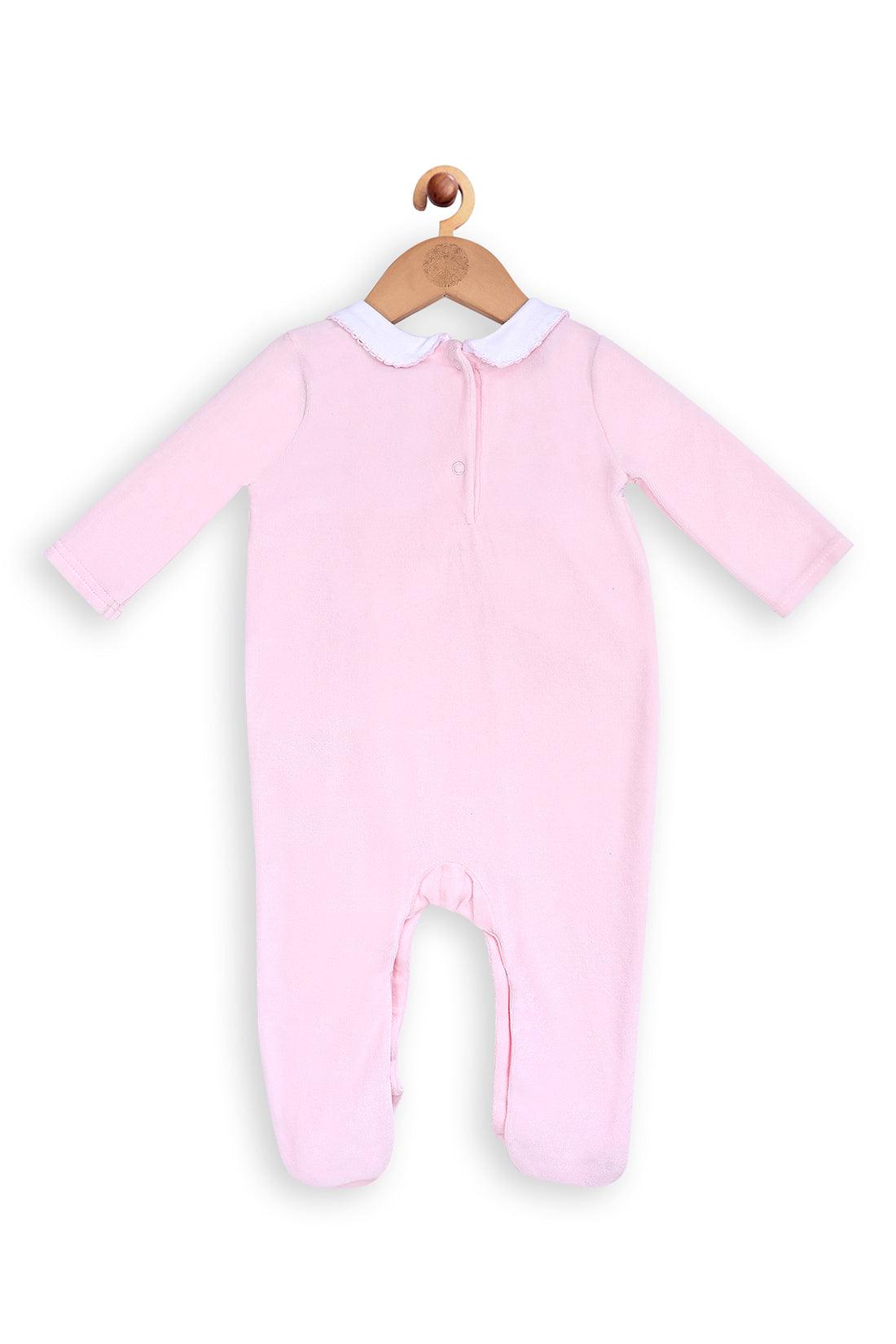
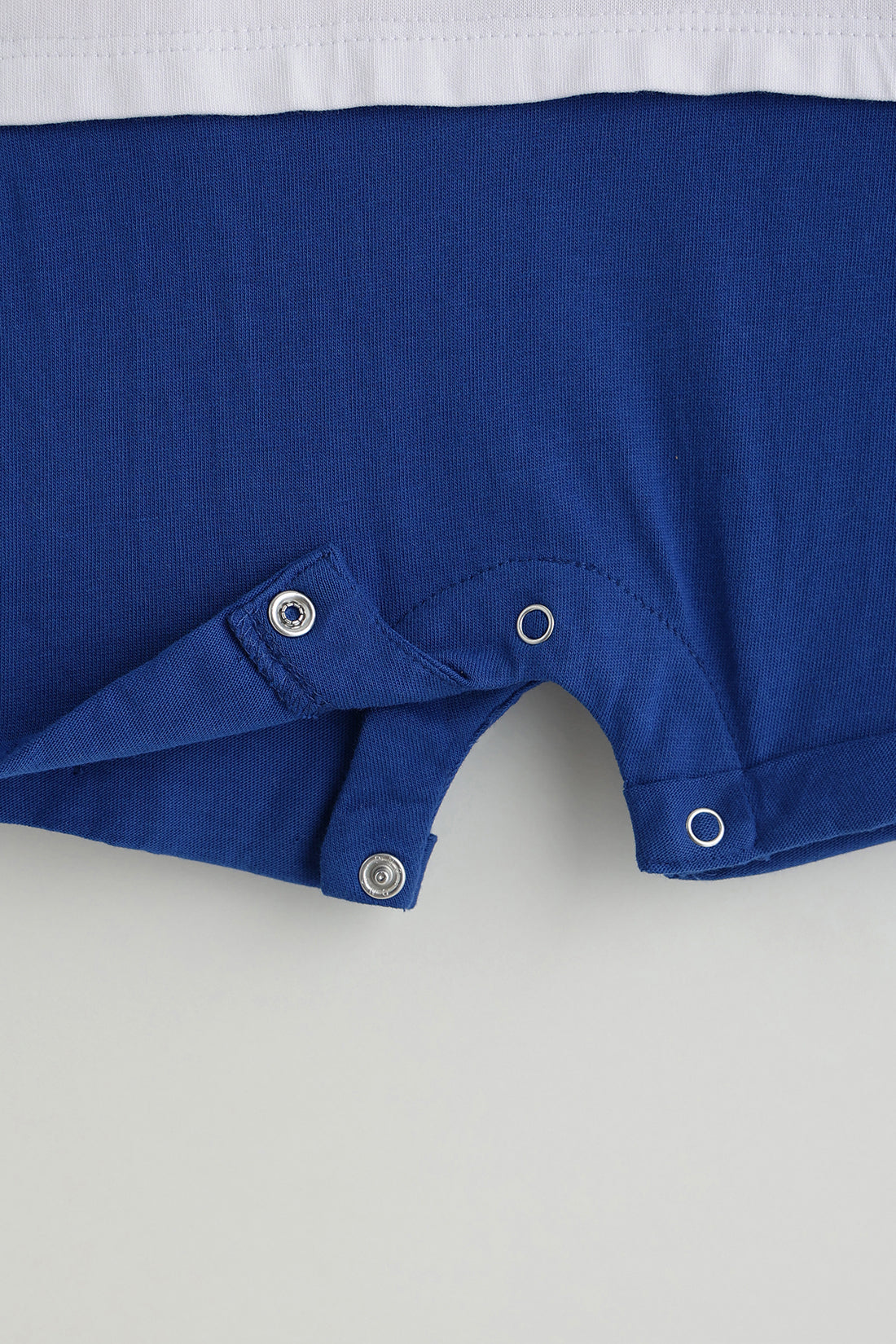
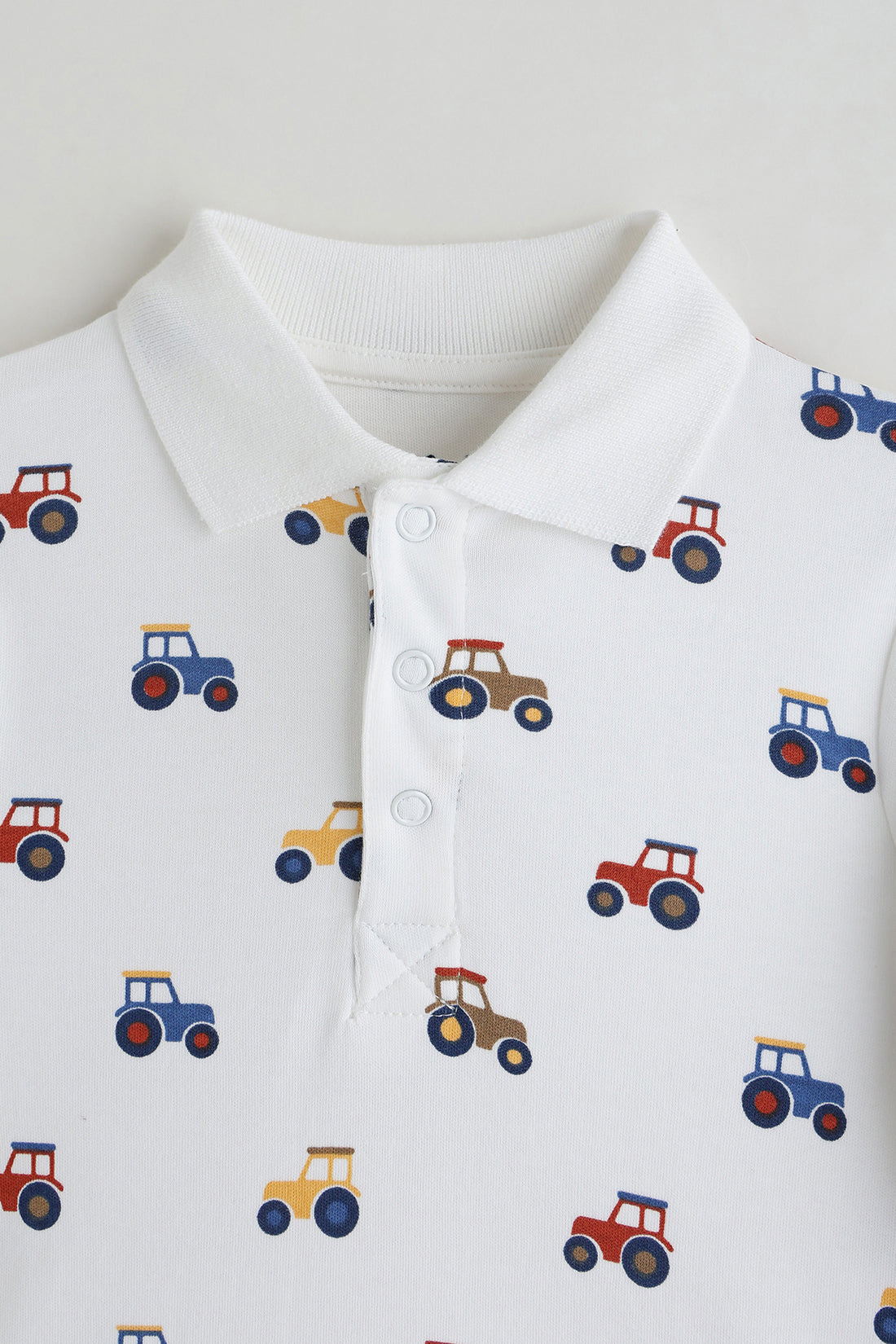
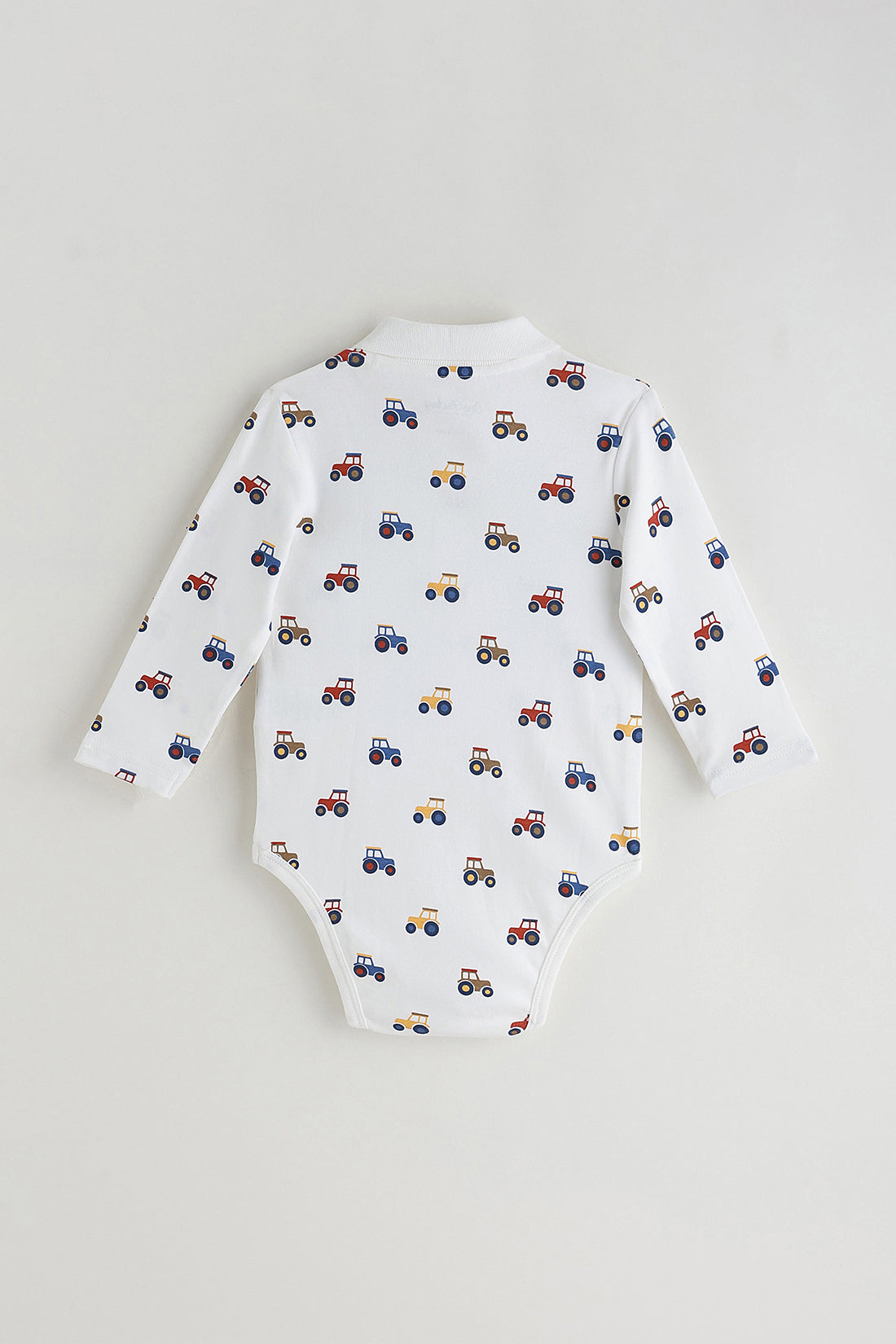
- 0–3 months: Softness and ease of changing matter most. Envelope necklines and front snap closures make nappy changes and outfit swaps faster, especially at 3am.
- 3–6 months: As babies start rolling and reaching, look for stretch fabrics that move with them rather than restrict.
- 6–12 months: Crawling and mess go together — easy-wash, durable fabrics earn their keep here, along with secure fastenings baby can't easily undo.
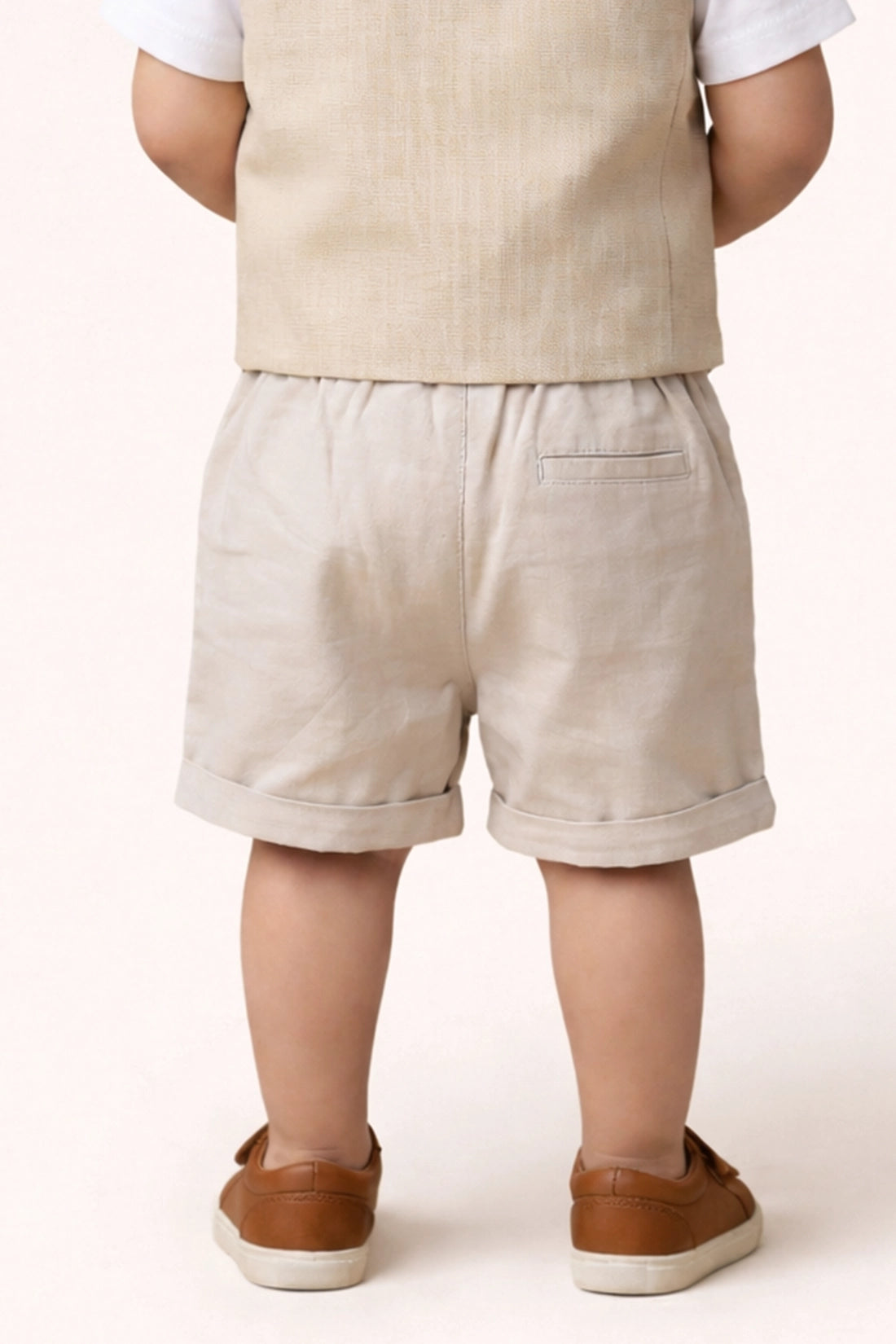
- 12–24 months: First steps mean more time upright and more wear per outfit. Pull-on bottoms support early attempts at self-dressing.
Building a Newborn-to-Toddler Wardrobe
Because growth is so fast in this window, it rarely makes sense to buy a full wardrobe in one size. A practical approach: stock the current size lightly, and buy the next size up in advance for a handful of essentials, so you're never caught short mid-growth-spurt. Rompers and easy sets that don't rely on a precise fit tend to have the longest useful window.
Why Choose One Friday for Baby Clothing
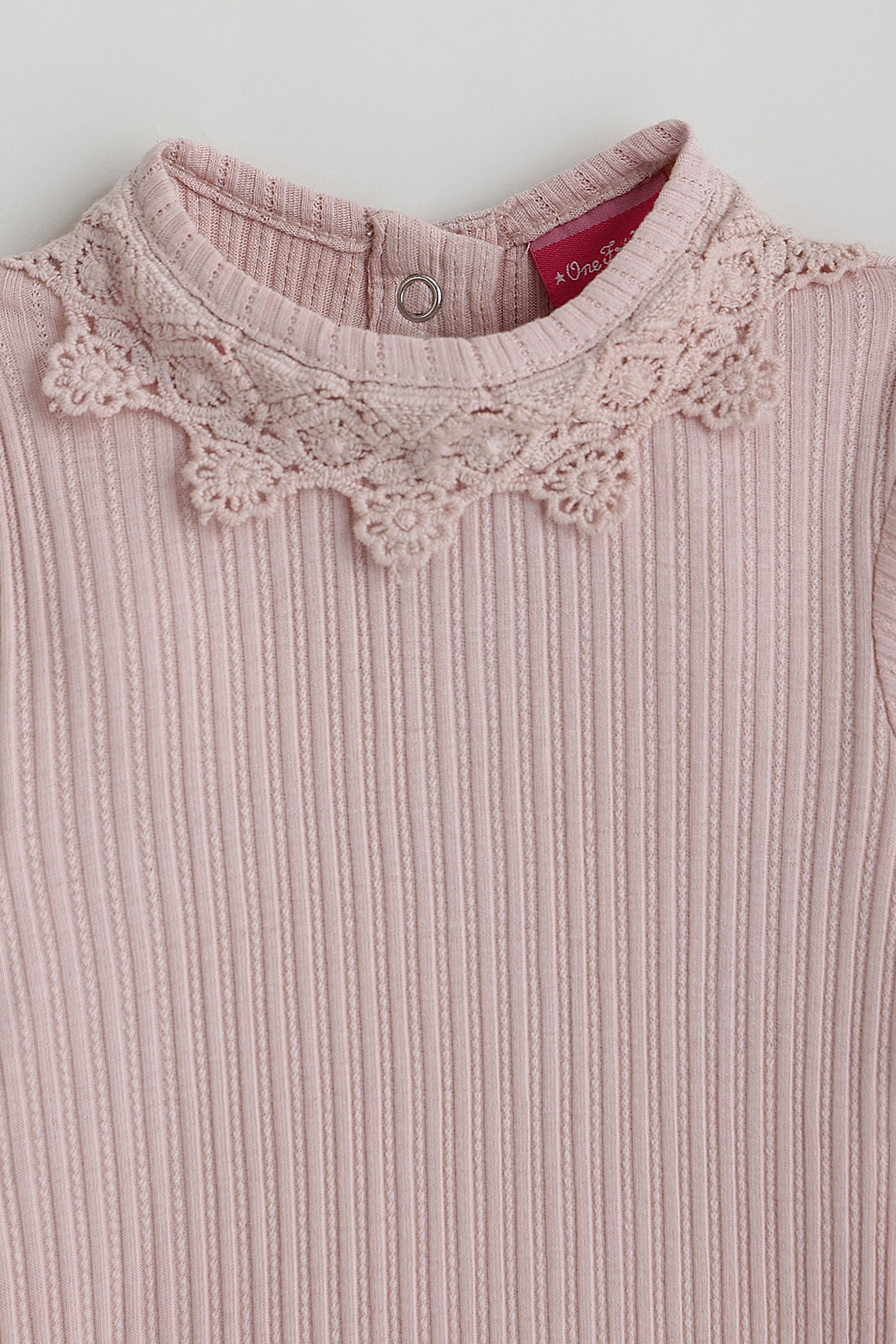
- Fabrics chosen specifically for newborn and infant skin sensitivity.
- Easy-access designs for fast nappy changes and quick outfit swaps.
- Sizing guidance by weight and height, not age alone, for a more reliable fit.
- A range that grows with your baby from the first days through to toddlerhood.
Frequently Asked Questions
1. My baby is bigger than average — should I size up?
Yes. Check the weight and height range on the size chart rather than the age label. If your baby is tracking above average for their age, size up a stage for a more comfortable fit and longer wear.
2. What clothing is best for the first month after birth?
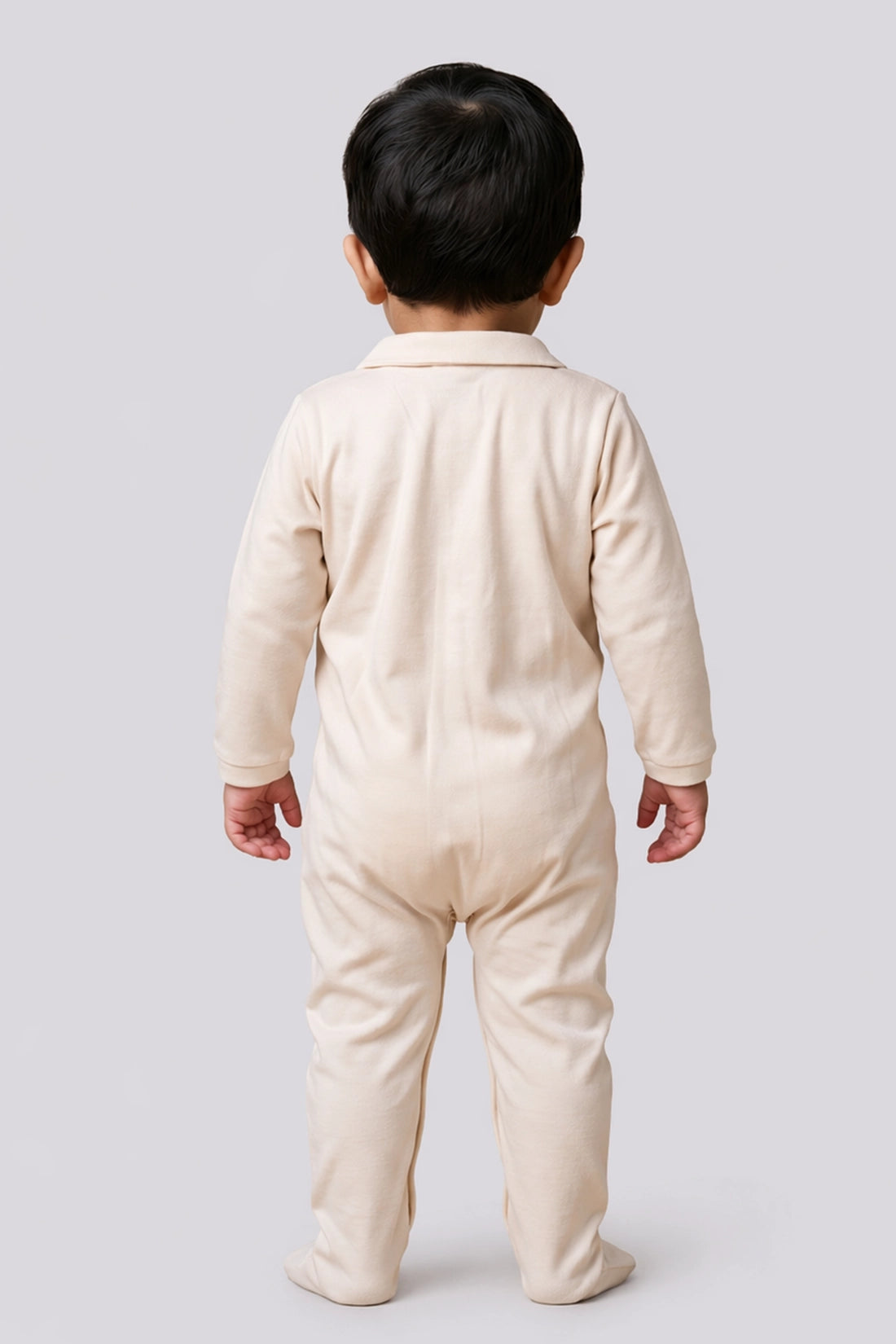
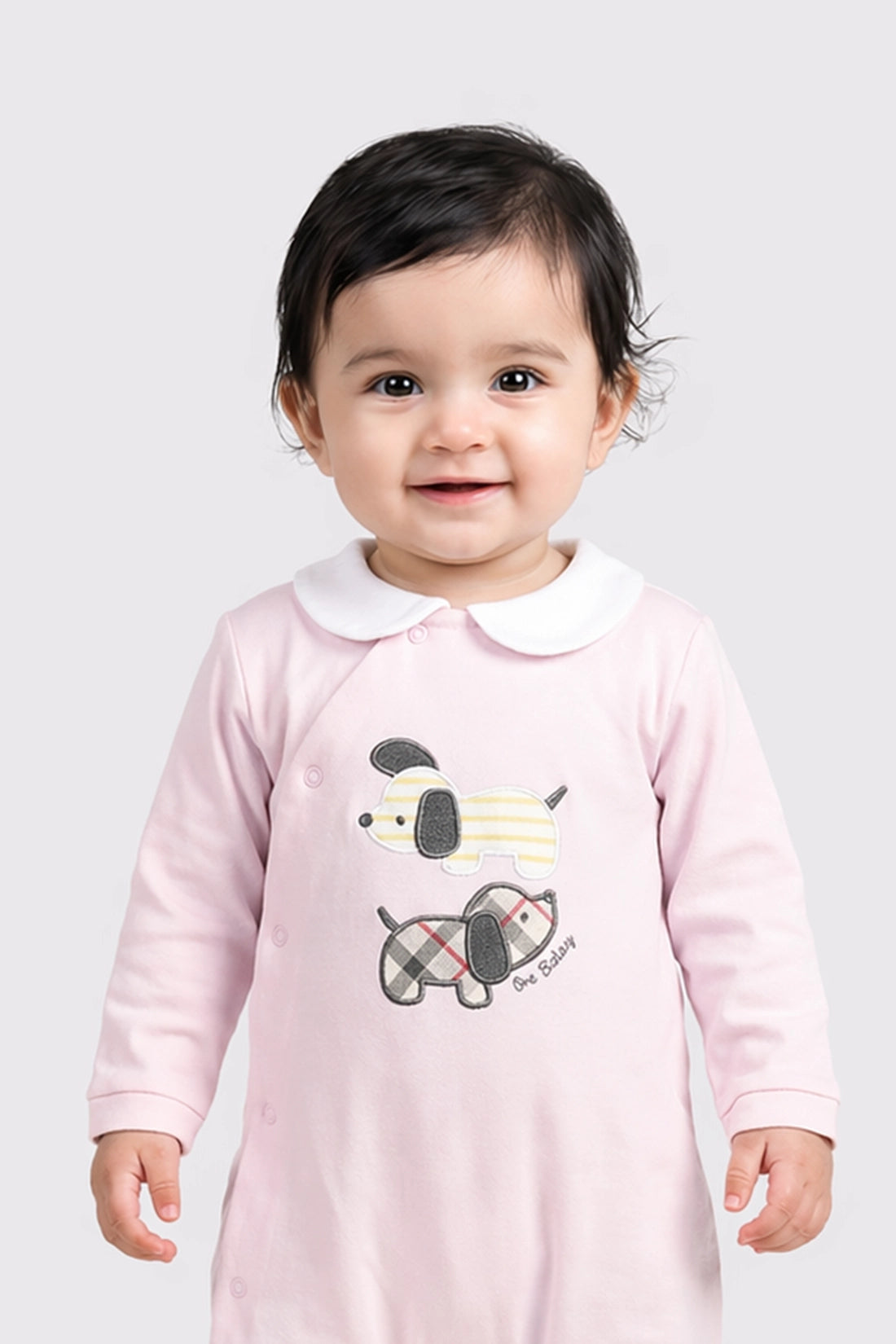
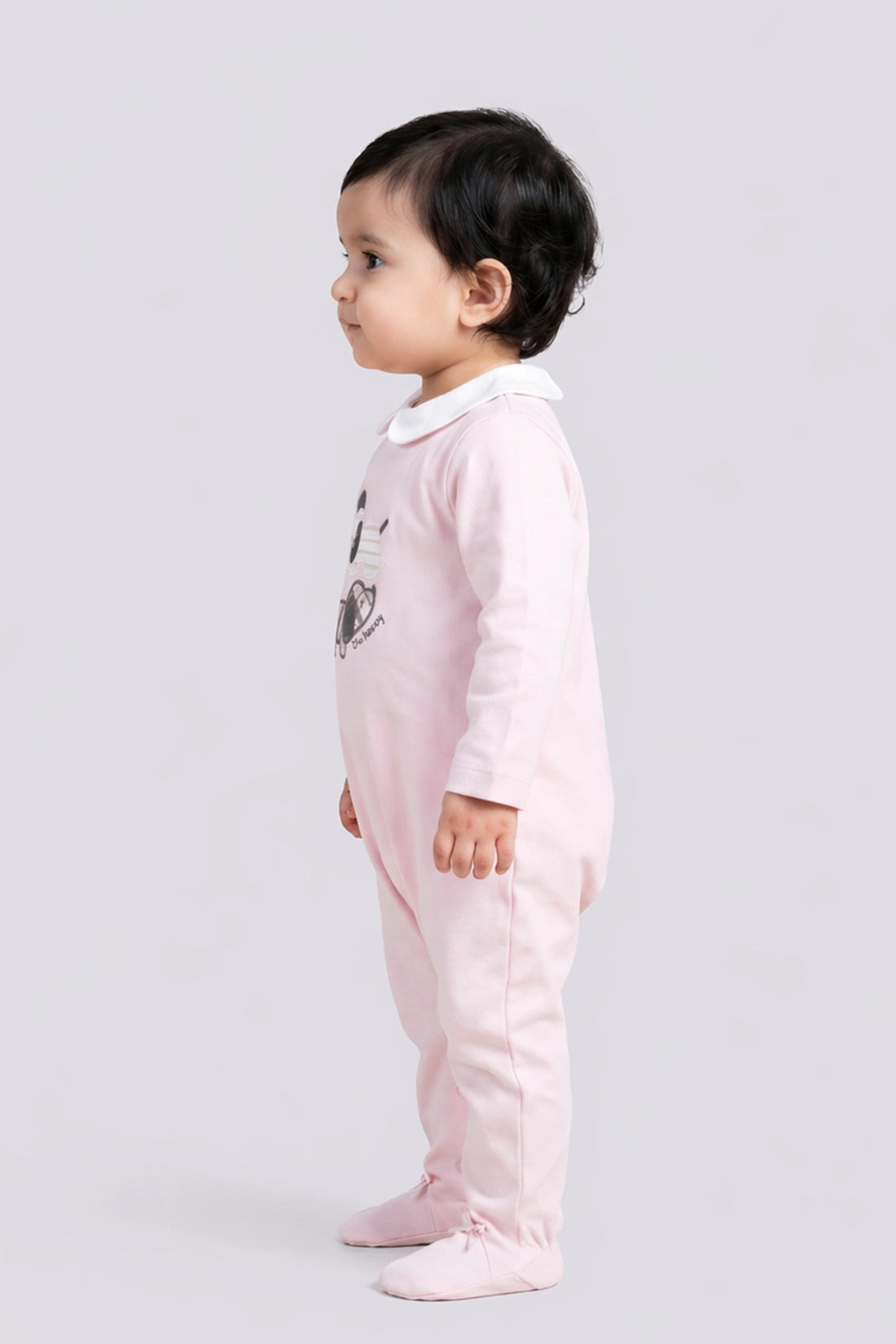
Soft cotton rompers and sleepsuits with envelope necklines and front snap closures are ideal — they're gentle on newborn skin and make frequent changes quick and easy.
3. How many outfits do I need for a newborn?
Newborns often go through several outfit changes a day, so 6–8 rompers or sleepsuits in the current size is a practical starting point, alongside a couple of pieces in the next size up.
4. When should I switch from rompers to separates?
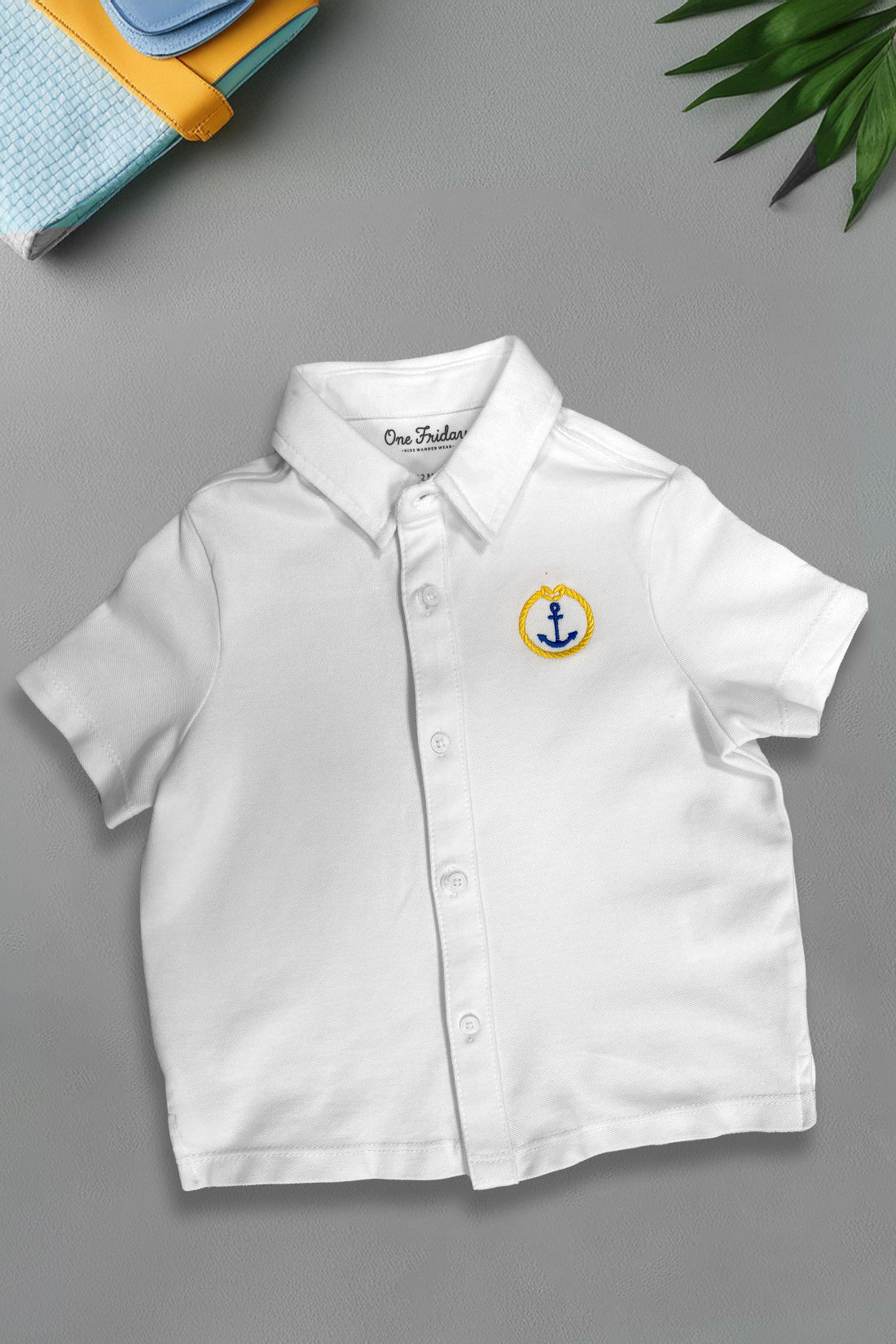
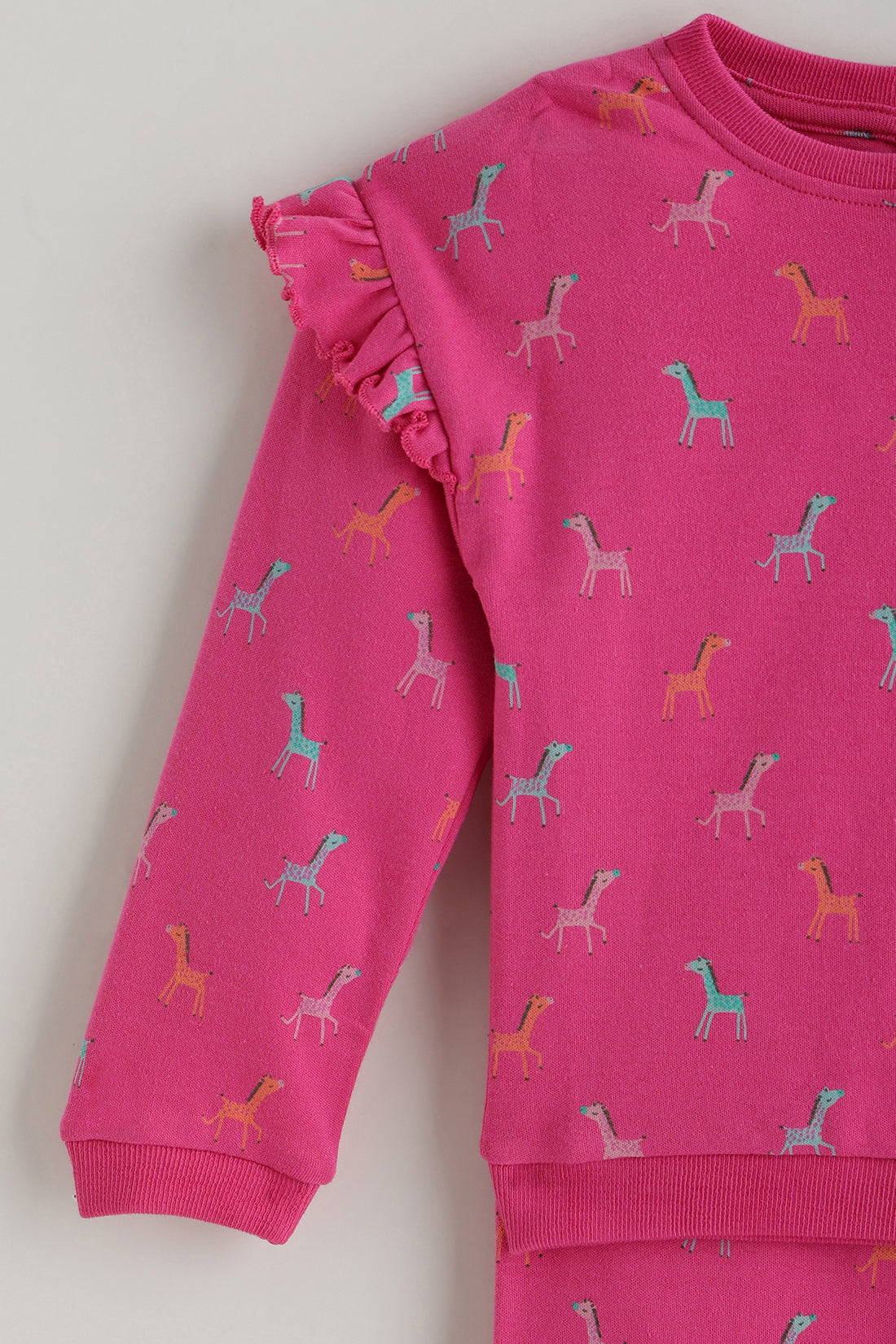
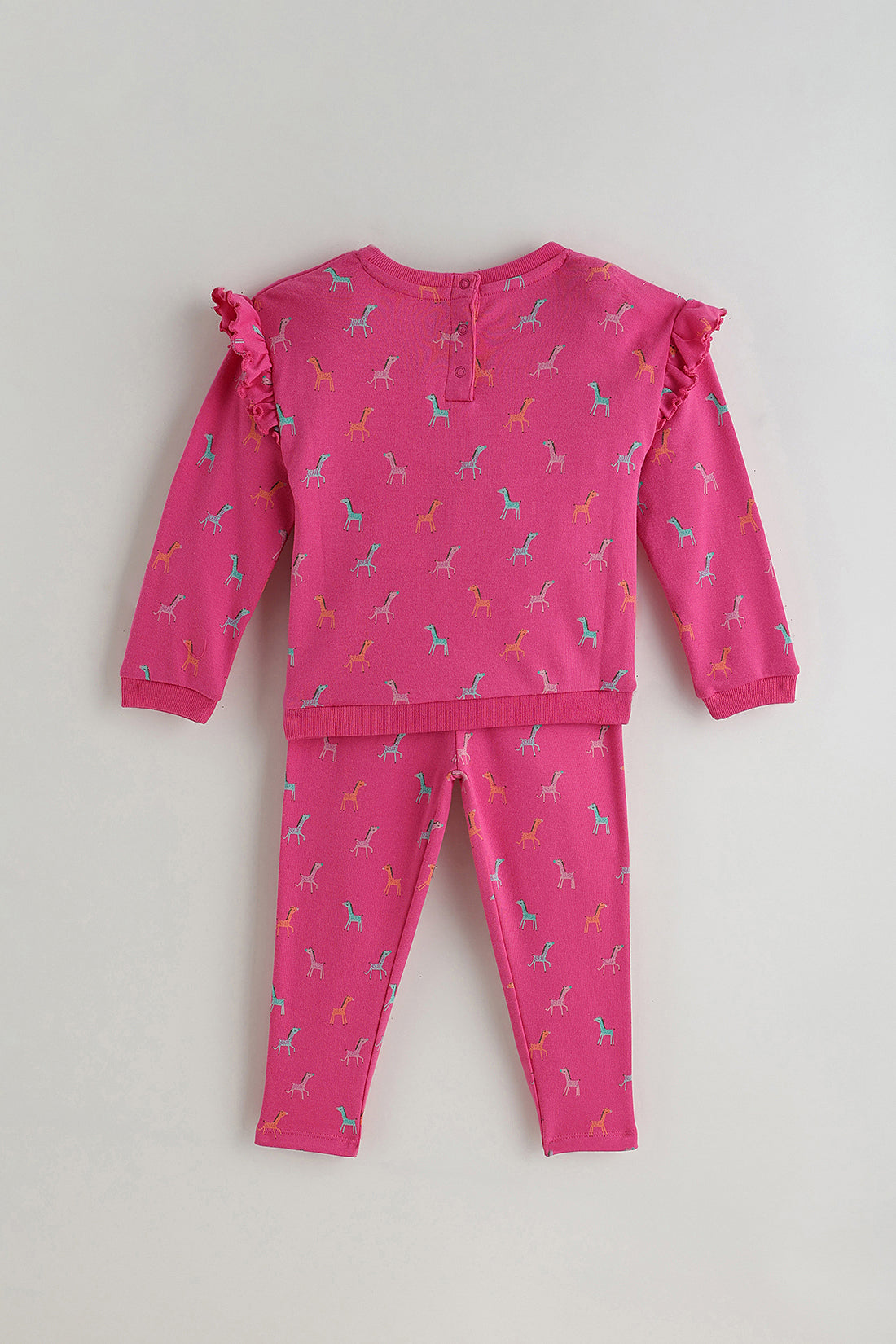
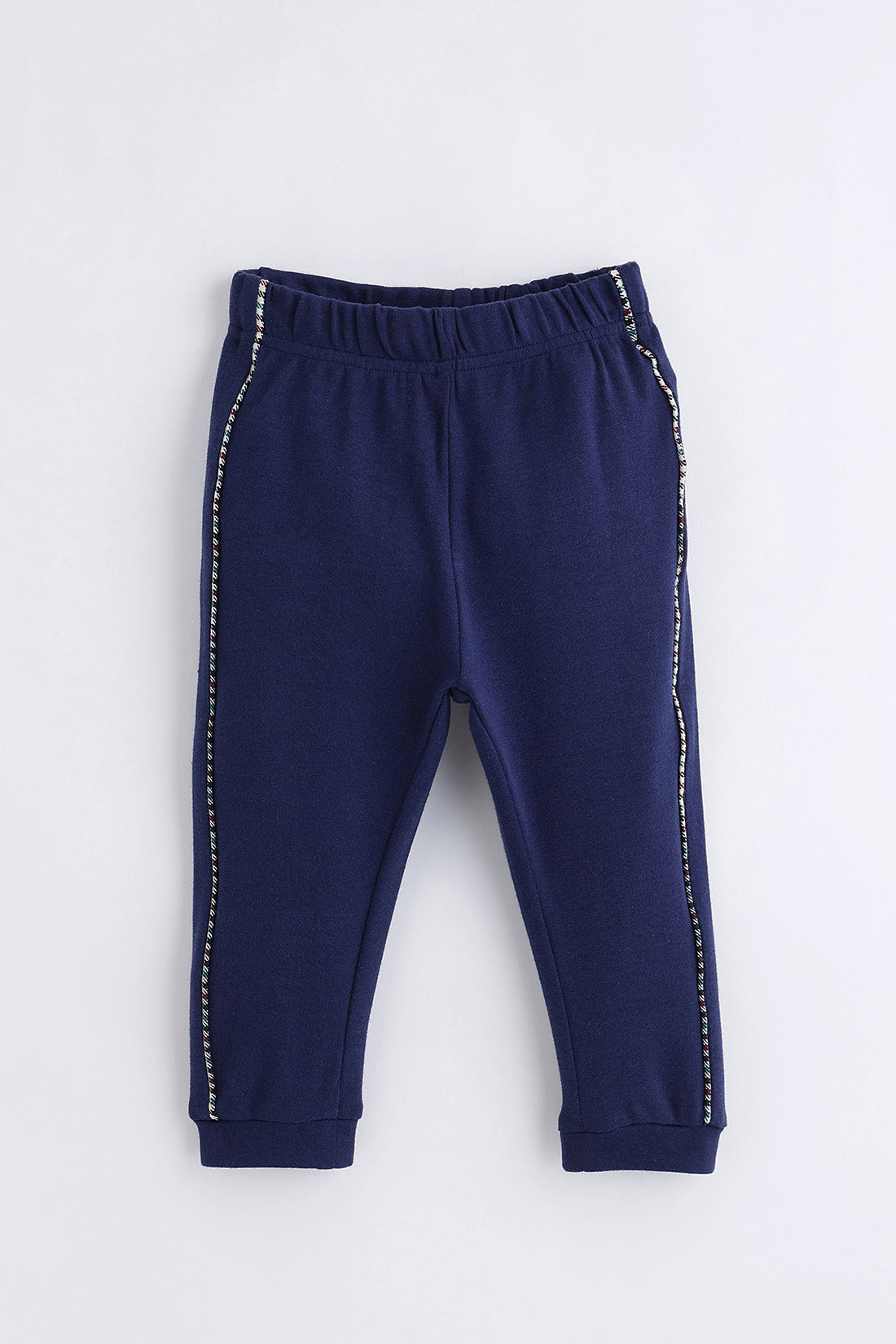
Most parents move toward separates (tops and bottoms) around 6–12 months, once babies are more active and separates make nappy changes and mobility easier than all-in-one rompers.
5. What should I look for once my baby starts crawling?
Durable, easy-wash fabrics and secure fastenings matter most at this stage — crawling means more contact with floors and more mess, so clothes need to hold up to frequent washing.
6. Is it better to buy true-to-size or slightly bigger for babies?
Slightly bigger is usually the safer choice. Babies grow quickly and unpredictably, so a little extra room means the outfit stays wearable and comfortable for longer instead of being outgrown within weeks.
