


Every parent has had this exact fight - you've picked out a perfectly nice outfit, your kid puts it on, and within minutes they're pulling at it, refusing to wear it, or just melting down for no reason you can immediately point to. Half the time, it's not the outfit itself. It's static electricity, and it's a lot more common in kids' clothes than most parents realise.
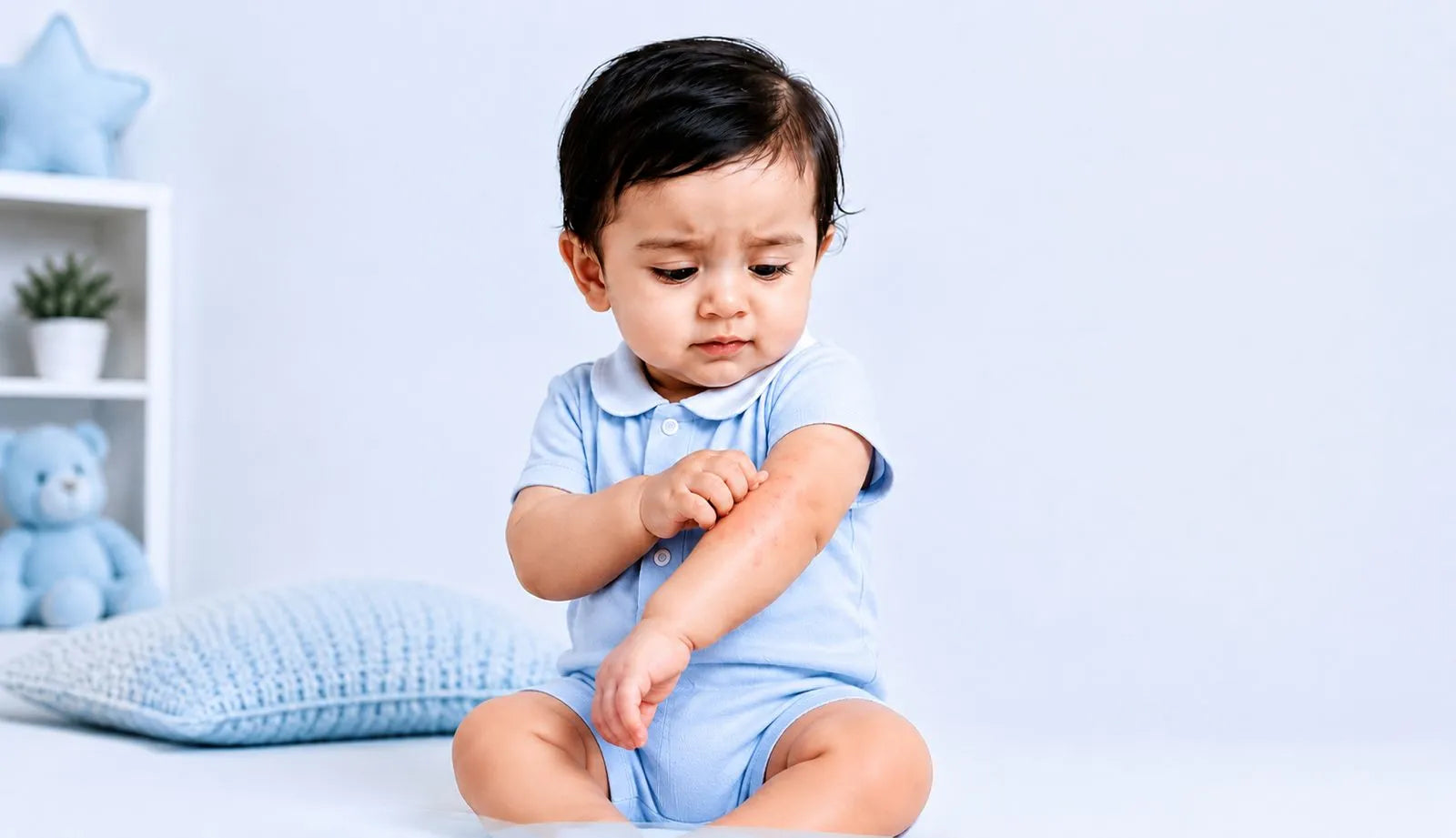
It can be easily dismissed as the whining of a fussy child. However, the sensation caused by static is physical - fabric sticking to the skin, hairs sticking up, and tiny shocks whenever anything that touches any metal object - and for a child who doesn’t yet know how to say it, it’s simply “I don’t want to wear this.”
What Makes Static Electricity Occur in Kids’ Clothing?
The occurrence of static electricity in clothes happens because two dissimilar materials rub against each other and electrons move between them. Synthetic fabrics like polyester, nylon, and acrylic are especially prone to this because they don't hold moisture the way natural fibres do - and dry fabric holds onto that charge instead of letting it dissipate.
This is why static cling in clothes is so much more common in winter or in air-conditioned rooms. Low humidity means less moisture in the air to help the charge disperse, so it just sits there, waiting to zap someone or cling to whatever's nearby - usually a kid's own skin or hair.
Why Does Static Cling Bother Kids More Than Adults?
Children also tend to wear a lot of synthetic clothing and don't even realize it - like fleece jackets, synthetic school uniforms, nylon leggings - and they are even more sensitive to any sort of discomfort in sensory terms. An itchy feeling or a tiny zap of static electricity is enough to make a child uncomfortable, particularly a young child who lacks the vocabulary to describe why something feels strange rather than simply refuses to put it on.
There's also more friction involved. Kids move constantly - running, rolling around, sitting on carpet - all of which generates more rubbing between fabric layers than an adult sitting at a desk all day. More movement means more static build-up, more often.
How Can You Tell If It's Static and Not Just a Fit Issue?
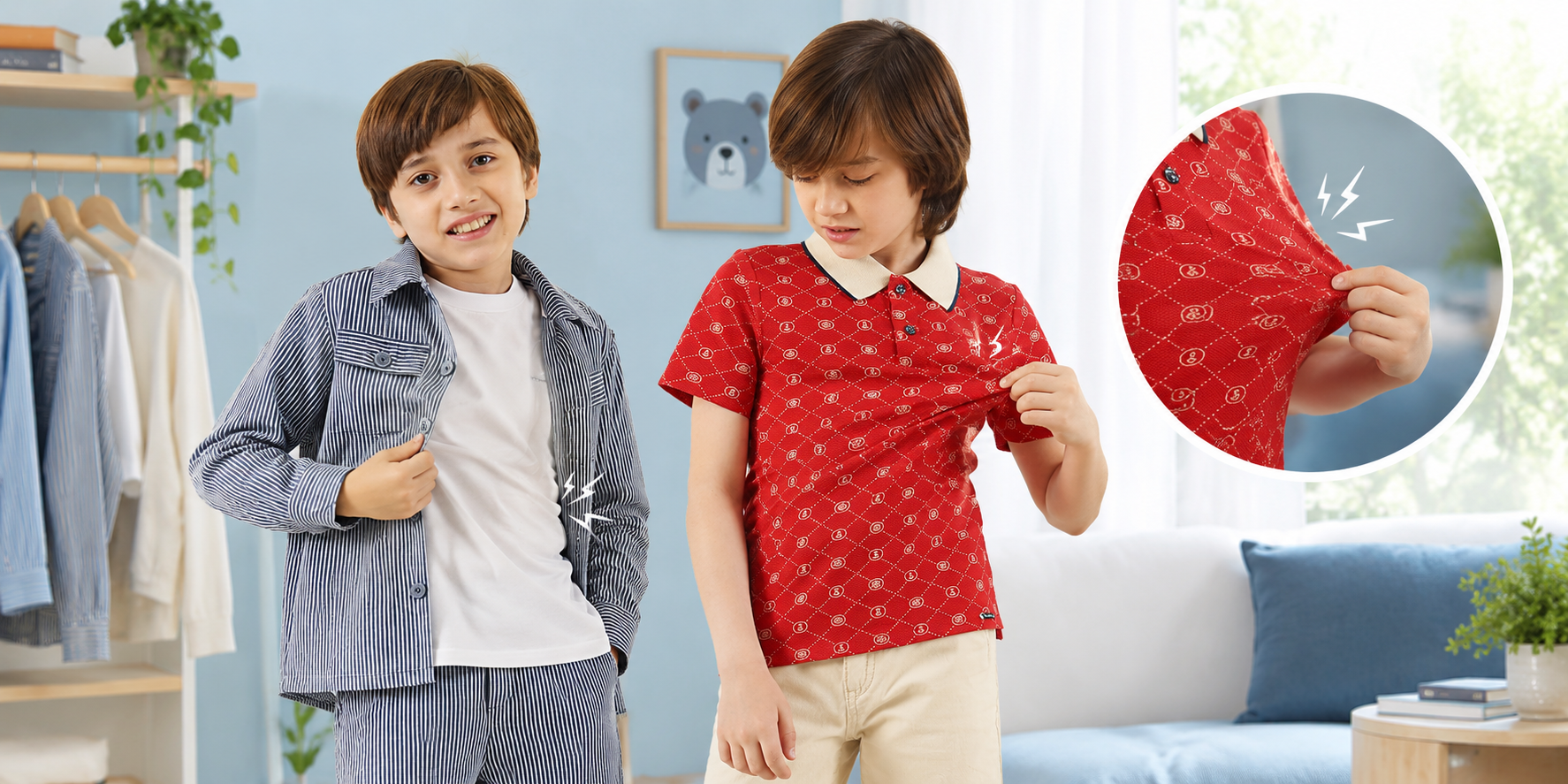
A few signs point specifically to static rather than a garment that's simply uncomfortable or ill-fitting: the fabric visibly clings to skin or to itself (a skirt sticking to leggings underneath, for example), there's visible hair standing up or flyaway strands after getting dressed, or your kid mentions a small shock or "zap" when touching a door handle or another person. If the complaint started right after switching to a synthetic-heavy outfit, or during a particularly dry or cold spell, static's a likely culprit.
How to Get Rid of Static Cling in Kids' Clothes?
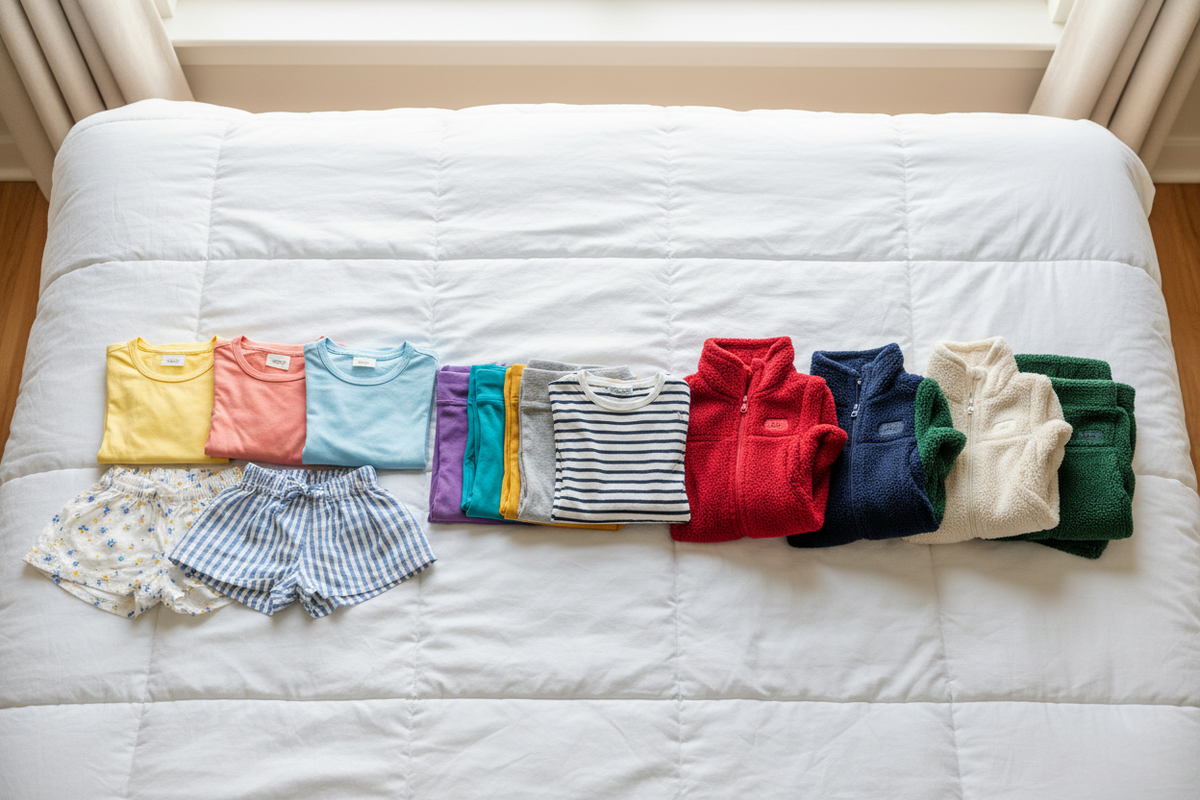
A few simple habits go a long way. Sticking to natural fibres like cotton for base layers - t-shirts, underwear, leggings worn under other clothes - reduces how much static builds up in the first place, since cotton holds a bit of moisture and doesn't generate charge the way synthetics do.

A fabric softener or a dryer sheet in the wash cycle also helps, since these coat fibres with a thin layer that reduces friction and static build-up. If static keeps happening on days you're not doing laundry, a quick swipe of a dryer sheet directly on the clothing, or a light mist of water on the fabric, can neutralise the charge in the moment.
Layering matters too - avoiding two synthetic layers rubbing directly against each other (like a nylon legging under a polyester dress) cuts down on friction-generated static significantly.
Does the Season Make Static Cling Worse?
Yes, noticeably. Cold, dry air - whether from winter weather or indoor heating - pulls moisture out of both fabric and skin, and less moisture means static charge has nowhere to go, so it lingers. This is why static electricity complaints spike in colder months and largely disappear once humidity picks back up. If your kid's static issues seem to come and go with the seasons, that's a strong sign it's genuinely static and not the clothing itself.
At One Friday, we lean toward natural, breathable fabrics for exactly this reason - fewer static surprises, fewer meltdowns over clothes that just feel "off," and one less thing to fight about on a school morning.
Looking for clothes that don't fight back? Check out One Friday's kidswear collection, made with natural, breathable fabrics that keep static to a minimum.
Author Bio
The One Friday Editorial Team brings years of experience in children’s fashion and retail to deliver well-researched, trustworthy content. We carefully curate style tips, product insights, and practical advice to help parents make informed choices for their children’s wardrobes. Dedicated to quality and authenticity, we ensure every post reflects One Friday’s commitment to comfort, style, and the evolving needs of families.
Popular Searches
Blazer For Boys | Fashionable T shirt for girls | Kids Footwear | Small Girls Dress | Party wear Dress for Boys | Clothes for infants | Girls Party Shoes | Summer Wear for Kids | Kids accessories | Kids Clothing

Share:
Best Fabrics for Kids Clothing (Cotton vs Cotton-Spandex vs Fleece) by Season
7 Signs Your Baby's Clothing Is Causing Irritation