


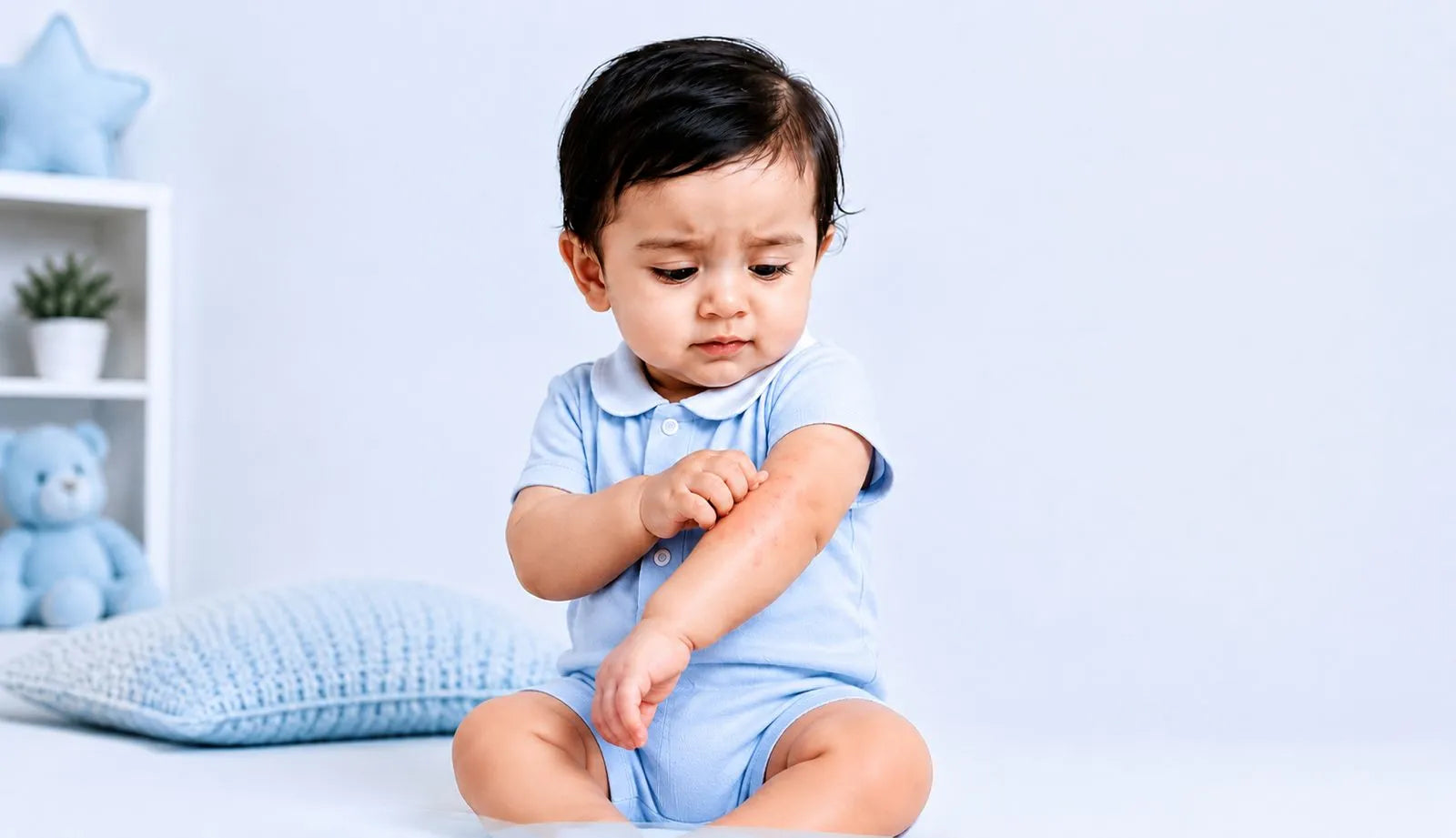
If your kid keeps waking up at 2 a.m., kicking off blankets, or complaining that something feels "itchy" or "too tight" right before bed, the problem might not be the mattress, the room temperature, or a bad dream. It's often the night suit itself. Boys' night suits get treated like an afterthought in most wardrobes - bought in bulk, rarely fitted properly, replaced only when they're visibly too small - but the fabric and fit of what a kid sleeps in has a direct effect on how well they actually sleep.
Here's how to actually get this right, by age, season, and fabric.
Why Does the Right Night Suit Actually Matter for Sleep?
Kids move a lot more during sleep than adults do - rolling around, kicking off covers, tangling themselves in loose fabric. A night suit that's too tight restricts that movement and can wake a child up when they try to shift positions. One that's too loose bunches up, rides up, or twists around the body, which is just as disruptive. And the wrong fabric for the season means a kid is either sweating through the night or waking up cold - both of which interrupt sleep without an obvious cause the next morning.
If your kid seems restless, overheated, or is waking up more than usual, checking what they're actually sleeping in is a reasonable first step before assuming it's something more complicated.
What Should You Look for in a Baby Boy Night Suit?
For infants and toddlers, comfort and safety come before anything else - a baby boy night suit needs soft fabric, a safe fit, and a design that works for how much (or how little) they can move on their own.

What to check before buying:
-
Soft, breathable fabric (cotton) against the skin
-
Flat, tagless seams that won't dig in or irritate
-
Footed design for infants who can't kick off blankets themselves
-
Roomy two-piece sets for toddlers who move around more
-
Easy-access snaps or zips for night-time diaper changes
What Changes as Boys Get Older?
The needs shift quite a bit once you're past the toddler years, and this is where a lot of parents keep buying the same style out of habit instead of adjusting for what actually works at each stage.
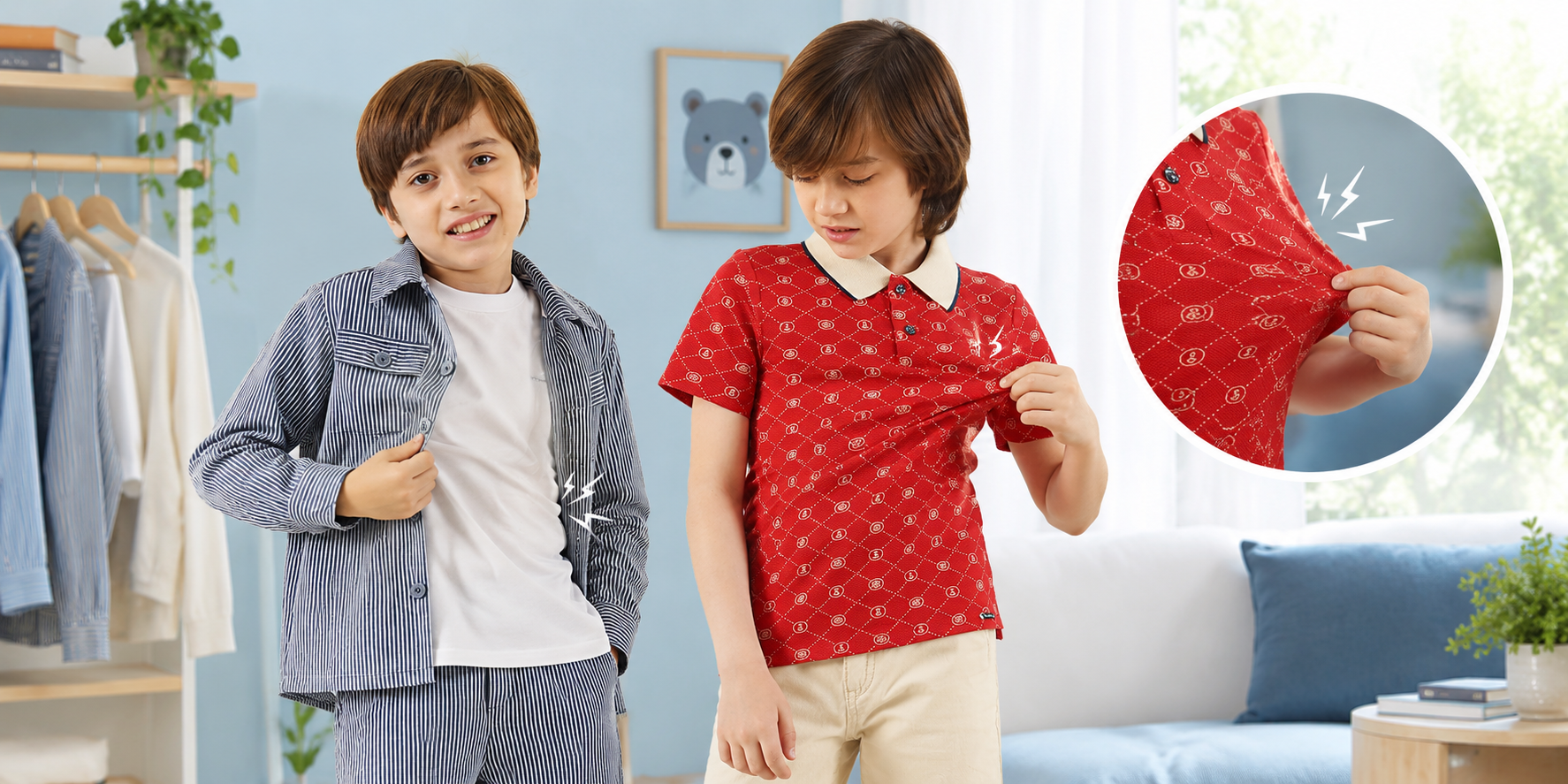
A night suit for a 12 year old boy needs to account for a body that's changing shape and size faster than it used to - looser, more adult-like cuts tend to work better than the snug toddler-style fits, since growth spurts at this age can be sudden. Comfort around the shoulders and waistband matters more too, since kids this age are more likely to notice (and complain about) anything that feels restrictive.
By the time you're shopping for a night suit for a 13 year old boy, sizing starts to resemble adult sizing more closely, and preferences start mattering - some boys want something closer to loungewear, not "kids' pyjamas," even for sleep. Fabric quality becomes more important too, since older kids are more sensitive to anything that feels rough, too thick, or too synthetic against the skin after a full day at school or sports.

How Should Season Change Your Baby Boy Night Suit Design Choices?
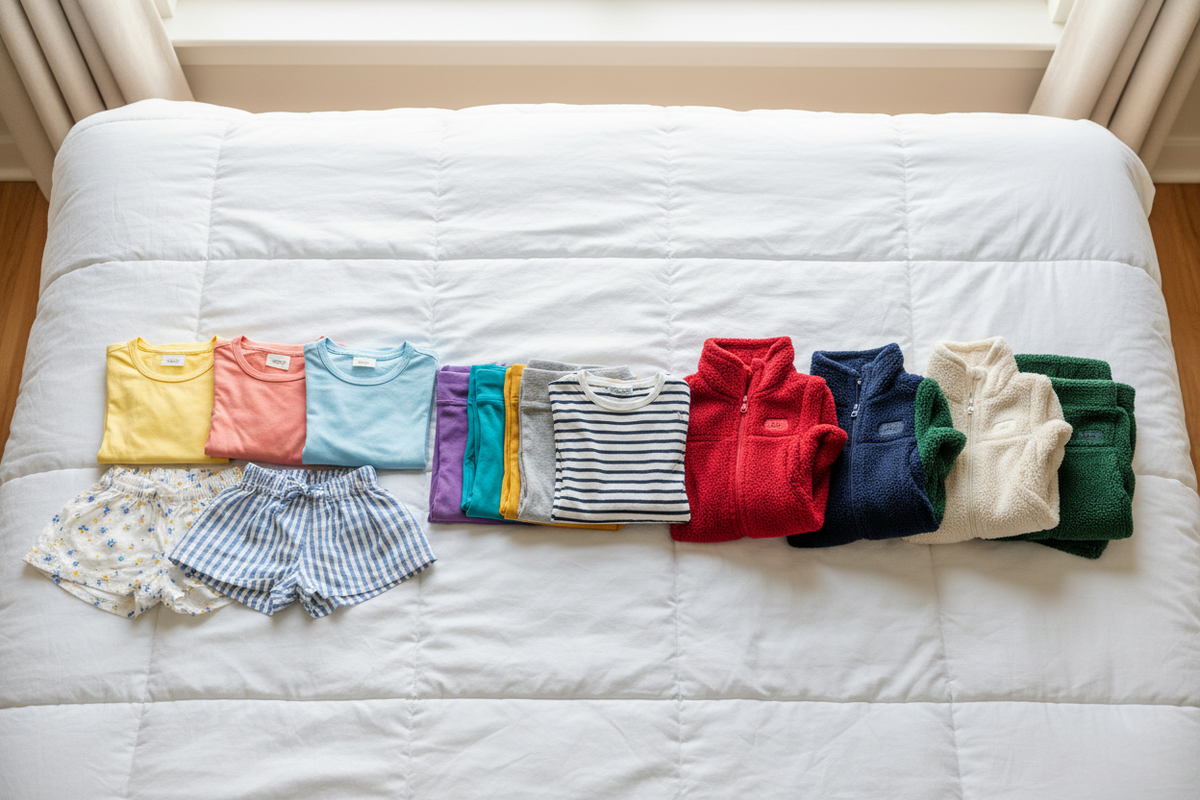
Season affects sleep comfort more than most parents account for - a night suit that worked fine a few months ago can suddenly cause restless nights once the weather shifts. If you're only buying one round a year, it's worth having at least a lighter set and a warmer set rather than expecting one fabric weight to work year-round.
|
Season |
Best Fabric |
Sleeve/Length |
What to Avoid |
|
Summer |
Lightweight single-jersey cotton |
Short sleeves, shorts or capris |
Heavy or synthetic fabric that traps heat |
|
Winter |
Cotton-fleece or brushed cotton |
Full sleeves, full-length pants |
Thin fabric with no insulation |
|
Monsoon/Humid |
Breathable, quick-drying cotton |
Short to mid-length sleeves |
Fabric that stays damp or feels clingy |
How Do You Pick the Right Size?
Sizing mistakes are one of the most common reasons a night suit disrupts sleep instead of helping it, and age-based charts don't always match how a specific kid is actually built. When in doubt between two sizes, sizing up slightly is usually the safer choice - a loose night suit is less disruptive than a tight one.
|
Age Group |
Fit Priority |
Sizing Tip |
|
Infants (0-2 yrs) |
Footed design, room to kick |
Choose by weight/height chart, not age alone |
|
Toddlers (2-5 yrs) |
Roomy torso, easy movement |
Slightly loose over snug |
|
Kids (6-11 yrs) |
Balanced fit, not restrictive at shoulders |
True to current size |
|
12-13 yrs |
Looser, adult-like cut |
Size up for growth spurts |
Which Fabric Actually Works Best for Sleep?
Cotton remains the most reliable choice across almost every age group - it breathes well and doesn't trap heat the way synthetic blends can. If you're buying for both seasons, it's worth having a slightly heavier set and a lighter set rather than assuming one fabric works year-round.
Quick fabric checklist:
-
100% cotton or cotton-rich blends (95% cotton / 5% elastane is a common blend for added stretch) for everyday sleep
-
Cotton-fleece or brushed cotton (around 180-220 GSM) for winter warmth
-
Lightweight single-jersey cotton (around 120-140 GSM) for summer or humid climates
-
Avoid heavy synthetic blends - they trap heat and don't breathe well overnight
-
Flat seams and tagless labels for babies and younger toddlers
How Do You Know If the Fit Is Actually Right?
The night suit should let a kid comfortably curl their knees up and stretch their arms overhead without the fabric pulling tight anywhere.
Signs the fit is off:
-
Red marks from waistband elastic the next morning → too tight
-
Fabric bunching at knees, elbows, or ankles during sleep → too loose
-
Kid frequently pulling at collar or cuffs before bed → poor fit or fabric irritation
-
Visible restriction when raising arms overhead or curling knees → too tight
-
night suit twisted around the body by morning → too loose or slippery fabric
It's also worth resisting the urge to size up "for growing room" too aggressively - an oversized night suit can bunch and twist overnight just as much as one that's too small.
The Fix Might Be Simpler Than You Think
Most parents troubleshoot restless nights by adjusting bedtime routines, cutting screen time, or fiddling with the thermostat and rarely think to check what their kid is actually sleeping in. But fabric and fit are two of the easiest things to get right, and they're often the reason none of those other fixes seem to work. Before you overhaul the whole bedtime routine, it's worth ruling out the one thing touching your kid's skin for eight hours a night.
At One Friday, we build our night suits around exactly this - breathable cotton, fits that move with kids at every age, and options for every season - because sometimes better sleep really is that simple.
Looking for night suits that actually help your kid sleep better? Check out One Friday's collection of boys' night suits, designed for real comfort across every age and season.
Author Bio
The One Friday Editorial Team brings years of experience in children’s fashion and retail to deliver well-researched, trustworthy content. We carefully curate style tips, product insights, and practical advice to help parents make informed choices for their children’s wardrobes. Dedicated to quality and authenticity, we ensure every post reflects One Friday’s commitment to comfort, style, and the evolving needs of families.
Popular Searches
Blazer For Boys | Fashionable T shirt for girls | Kids Footwear | Small Girls Dress | Party wear Dress for Boys | Clothes for infants | Girls Party Shoes | Summer Wear for Kids | Kids accessories | Kids Clothing

Share:
How to Wash Kids' Clothes Without Damaging the Fabric
Best Fabrics for Kids Clothing (Cotton vs Cotton-Spandex vs Fleece) by Season