



Kids - Shop By Age




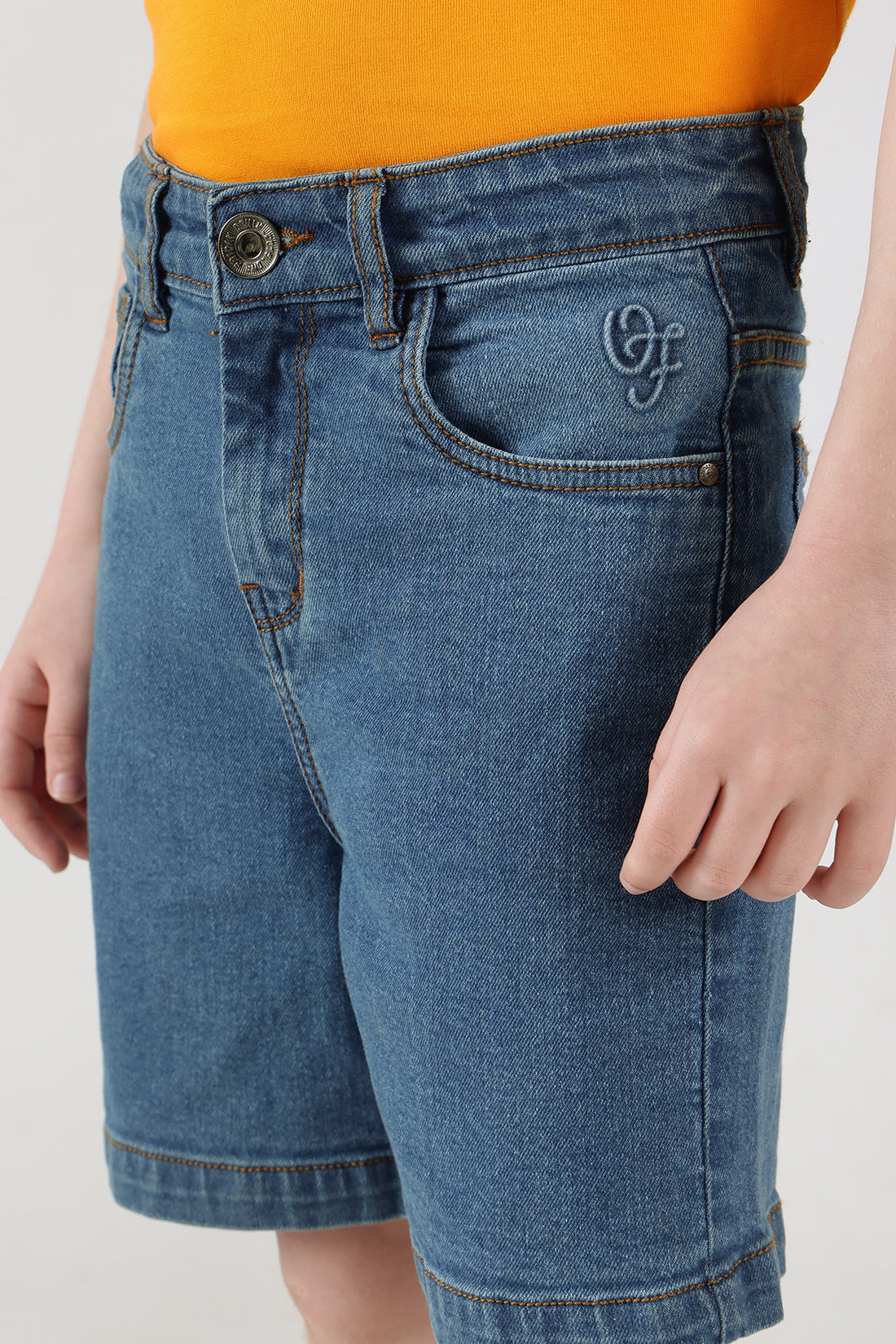


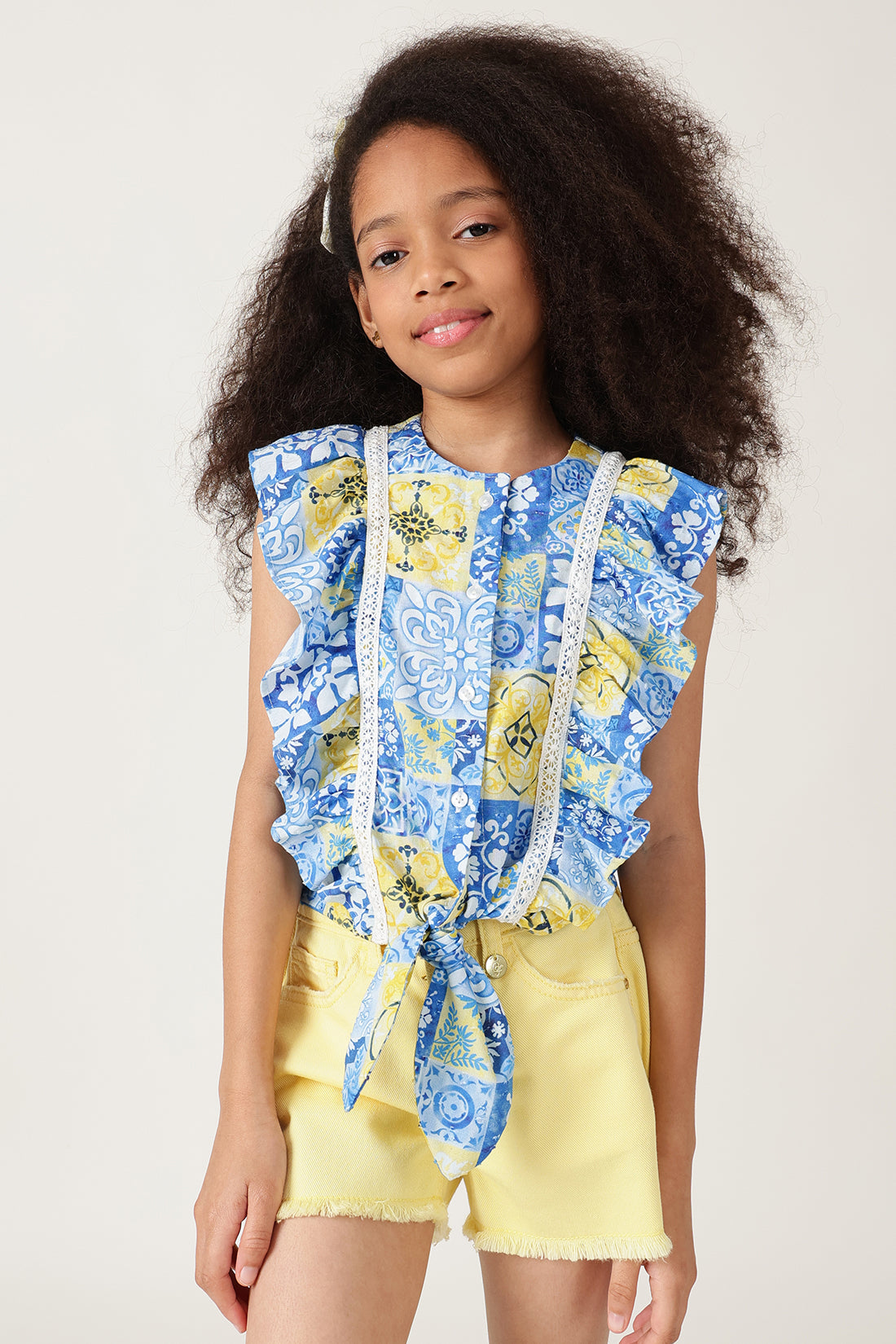
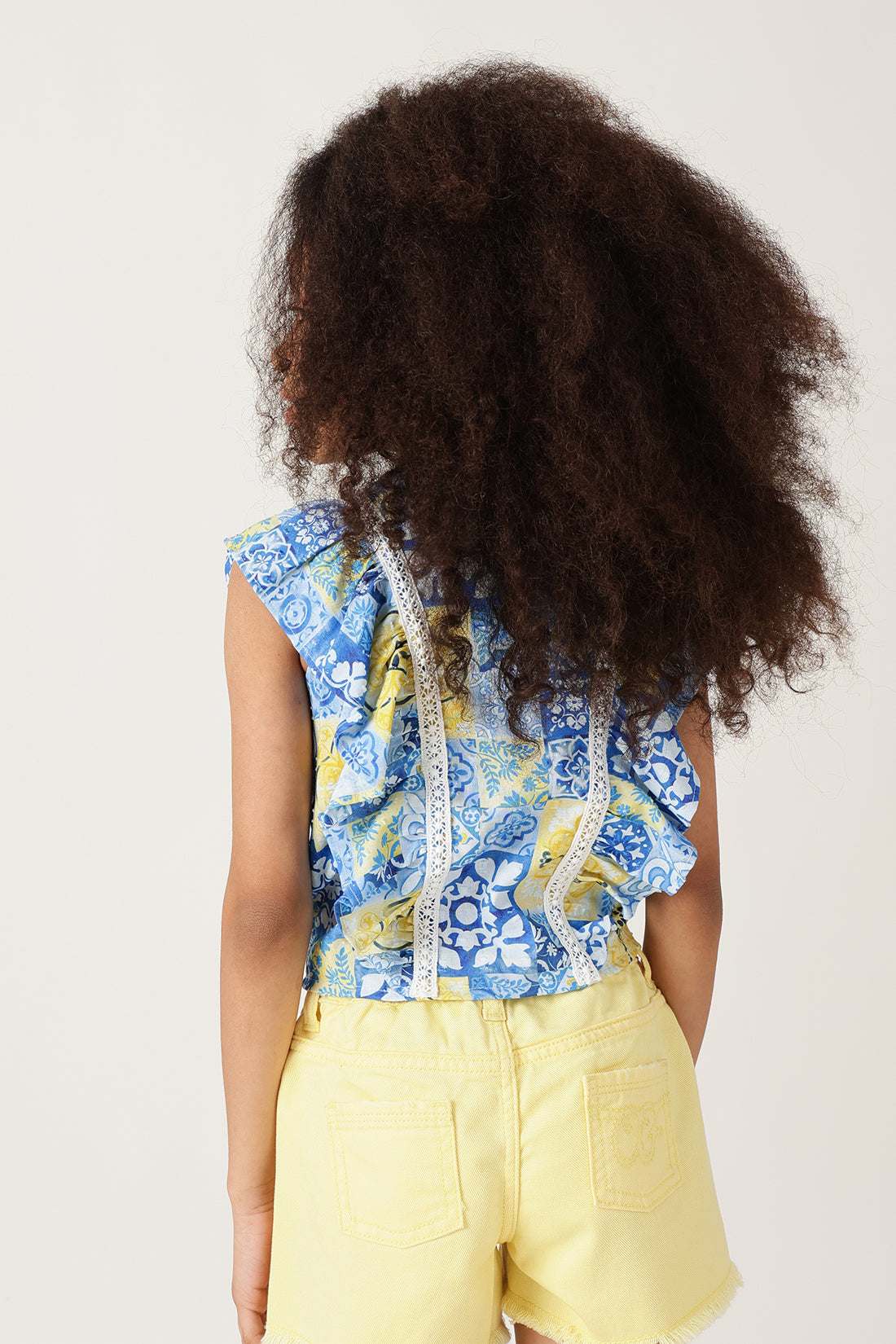
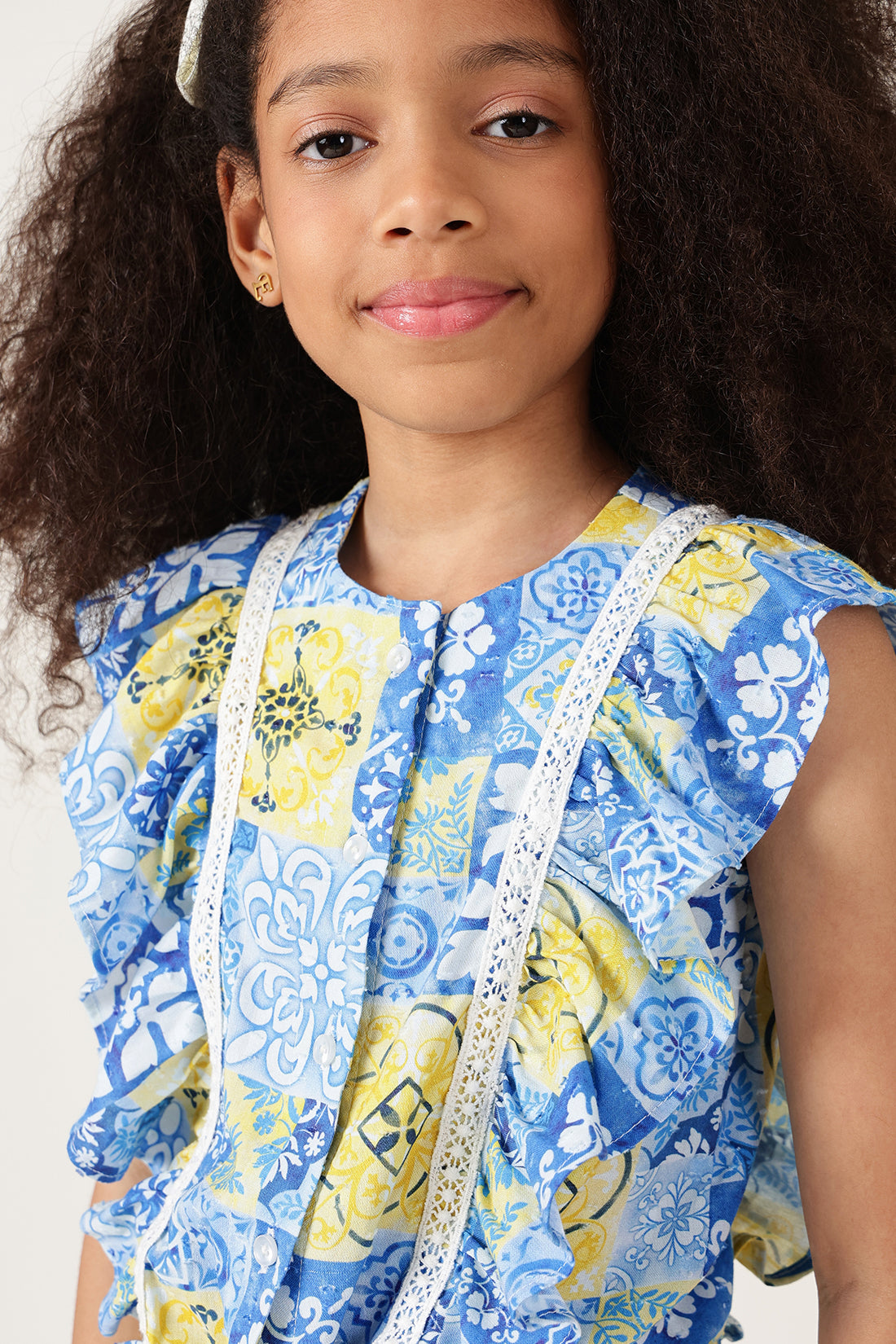
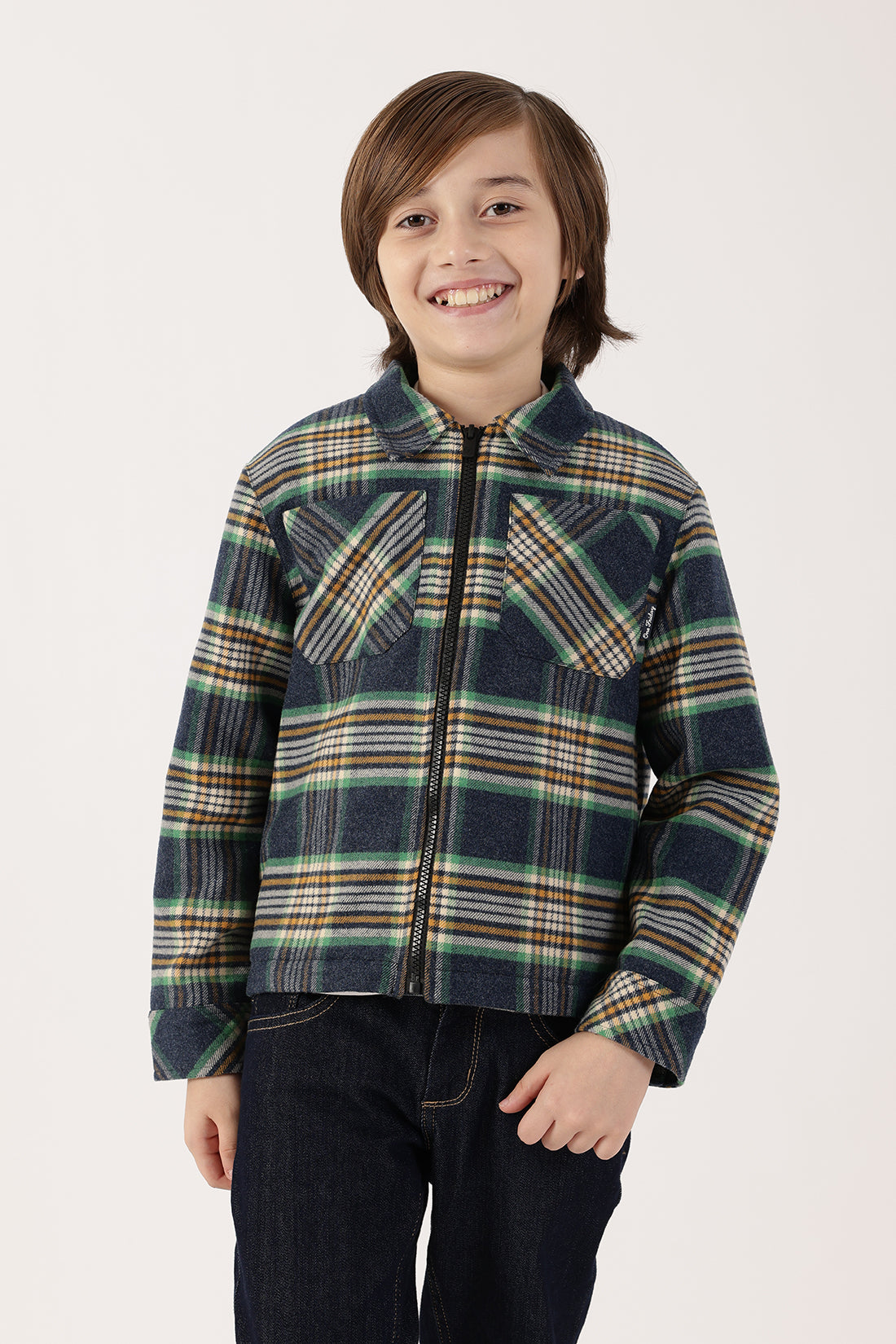
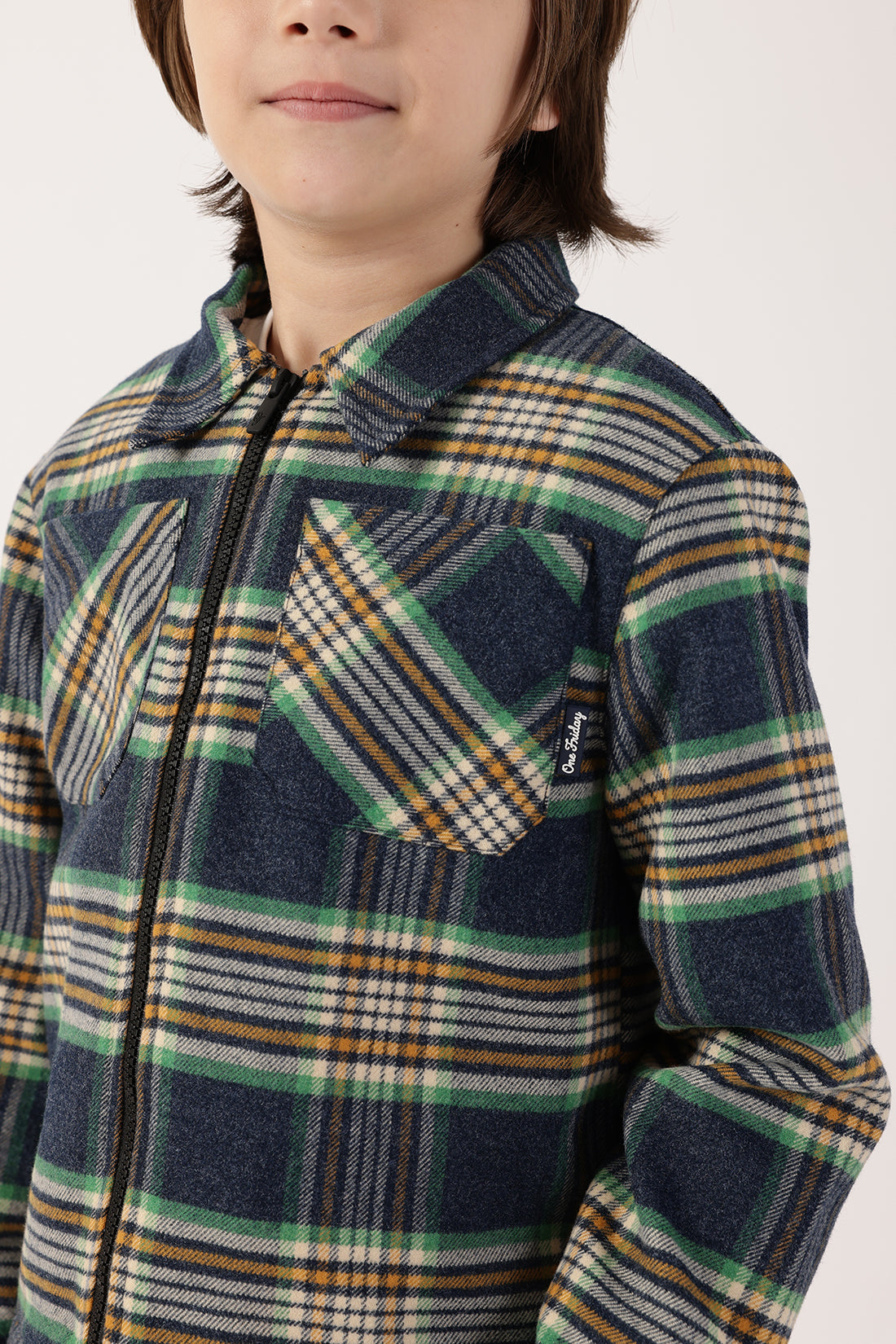
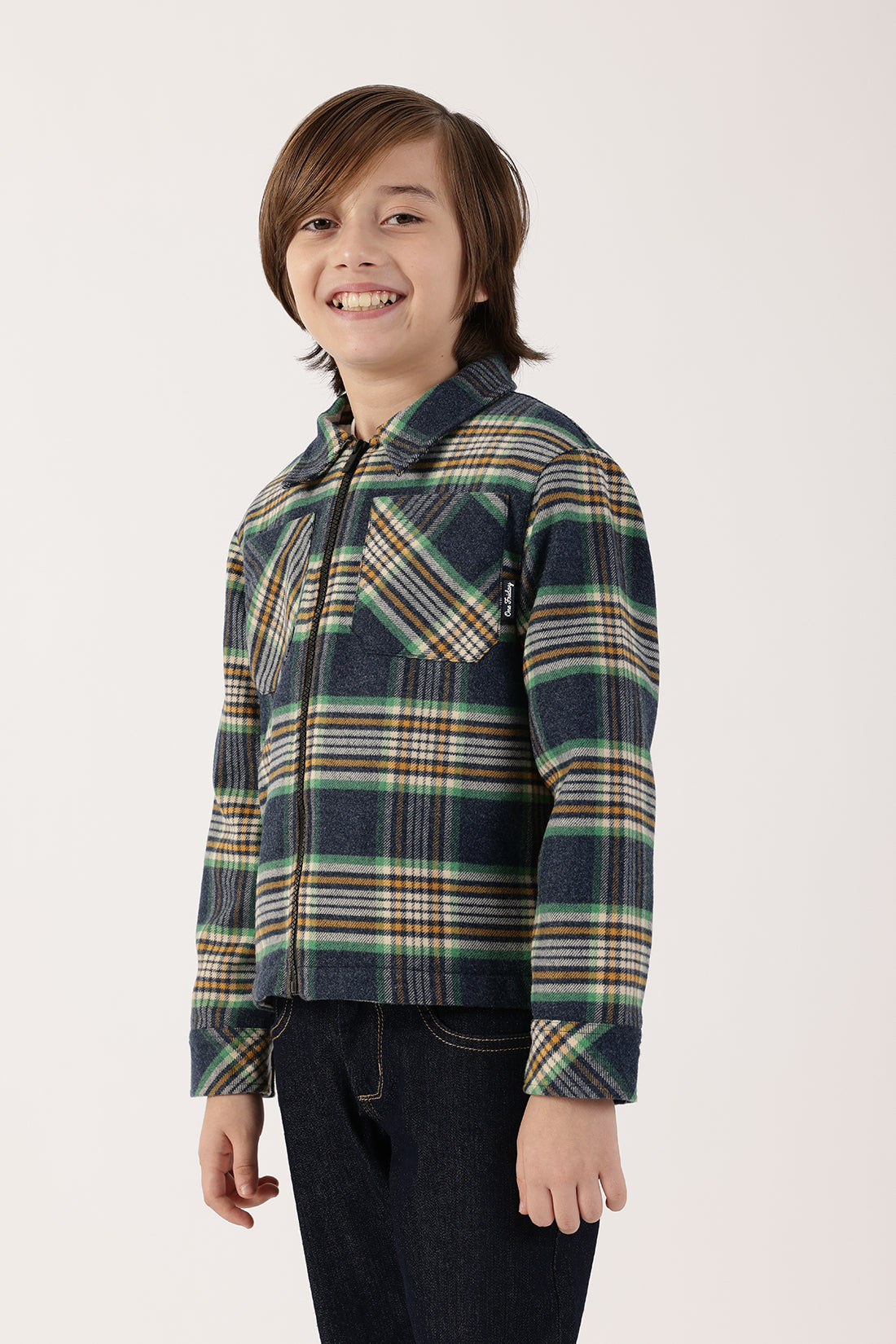
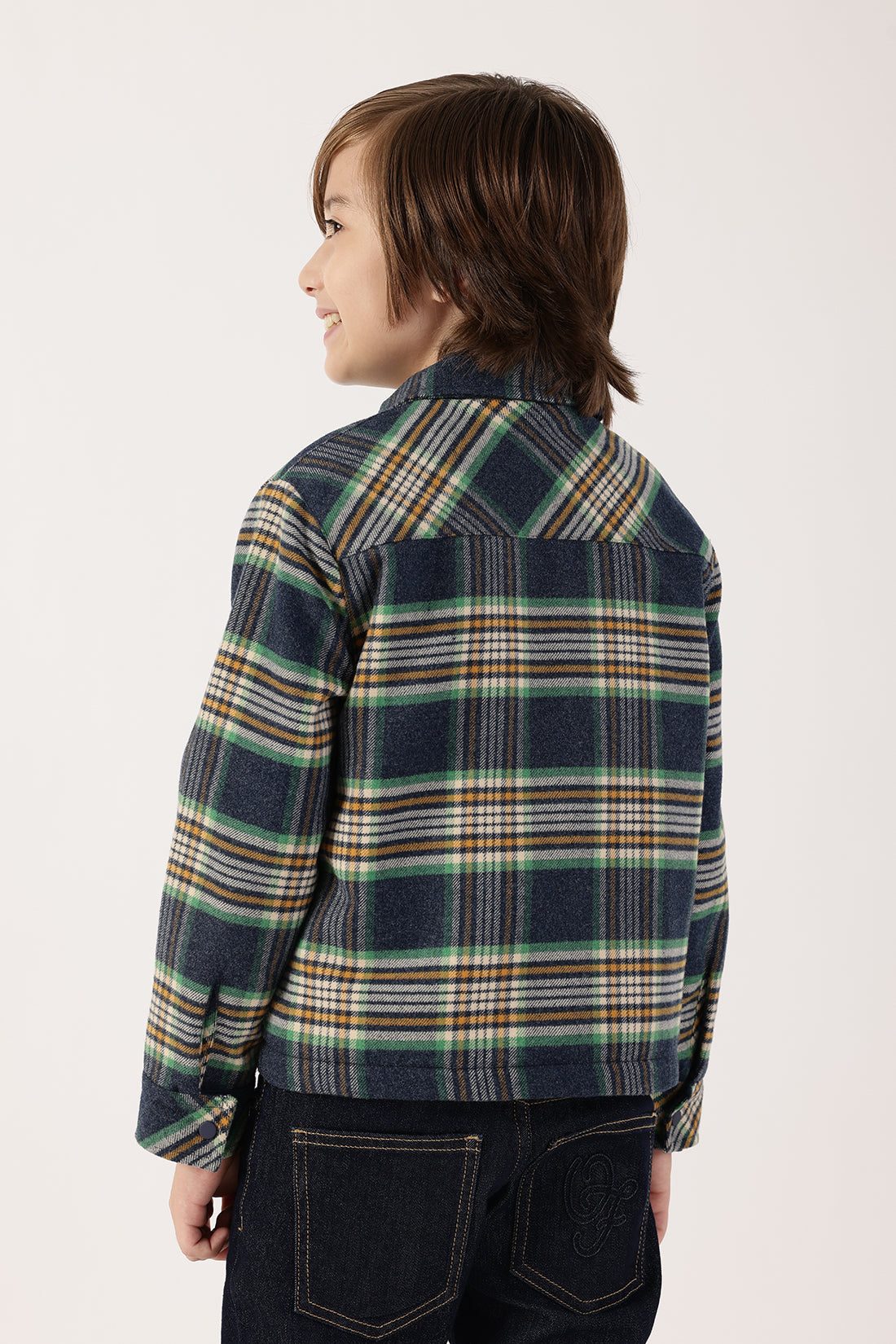
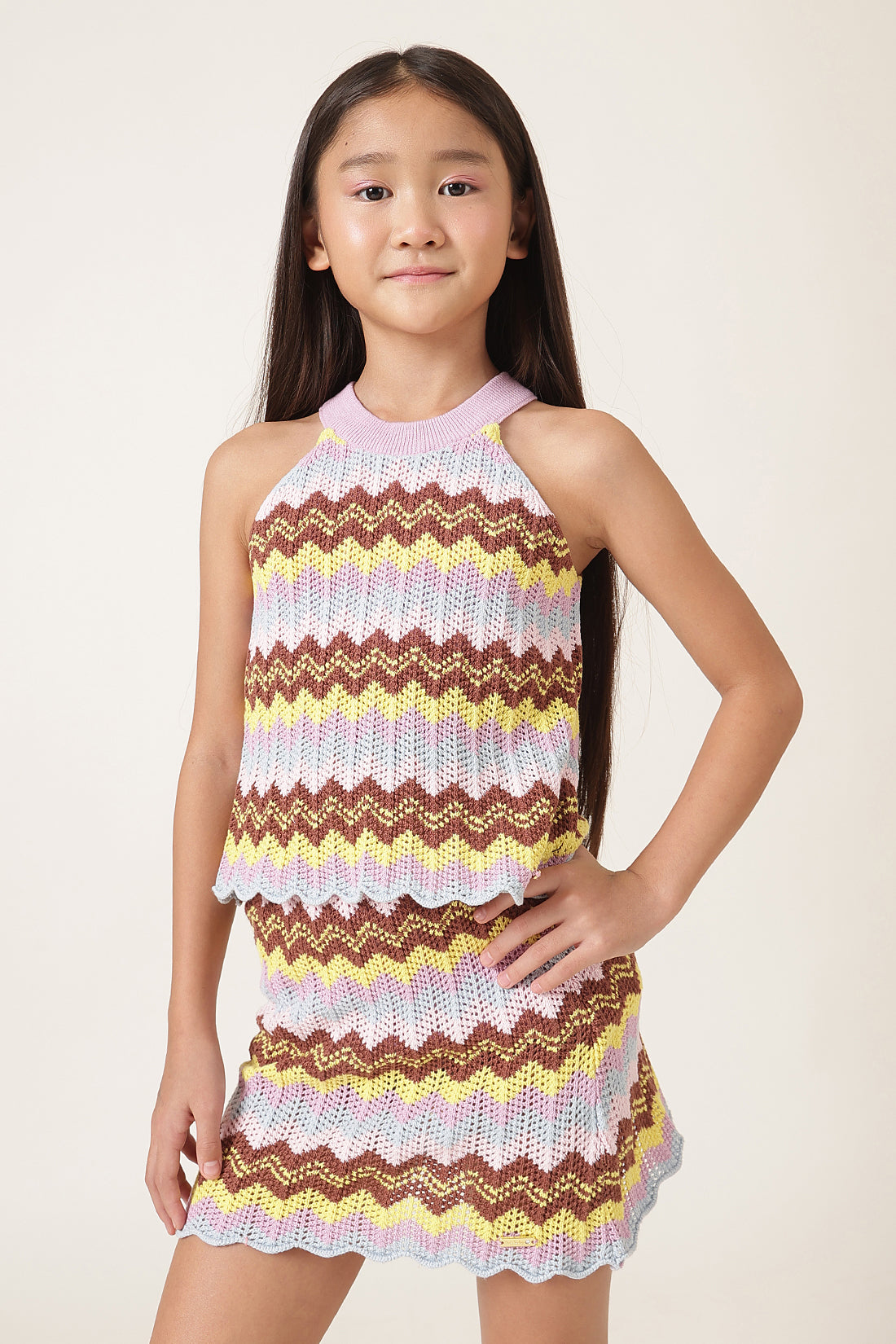
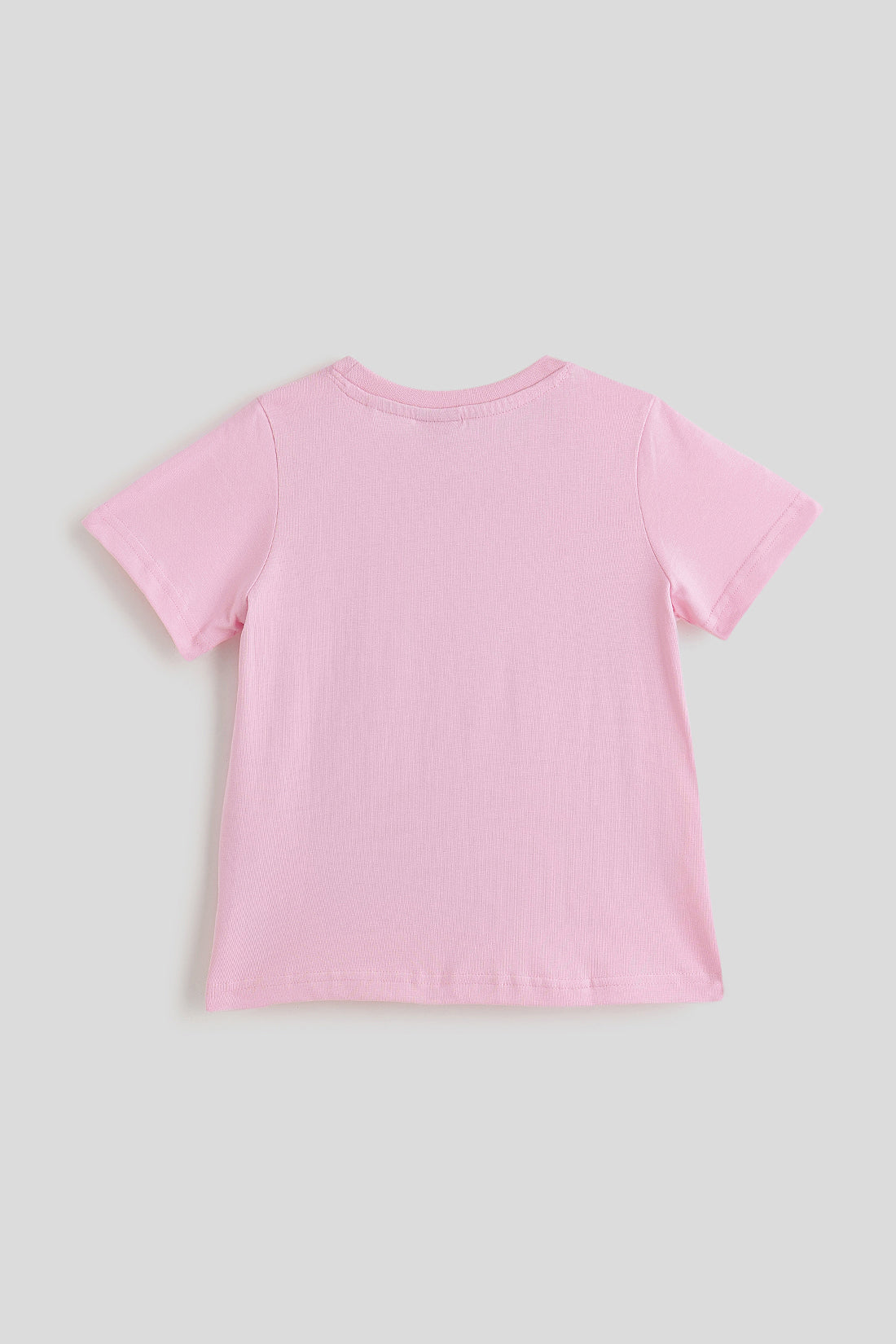
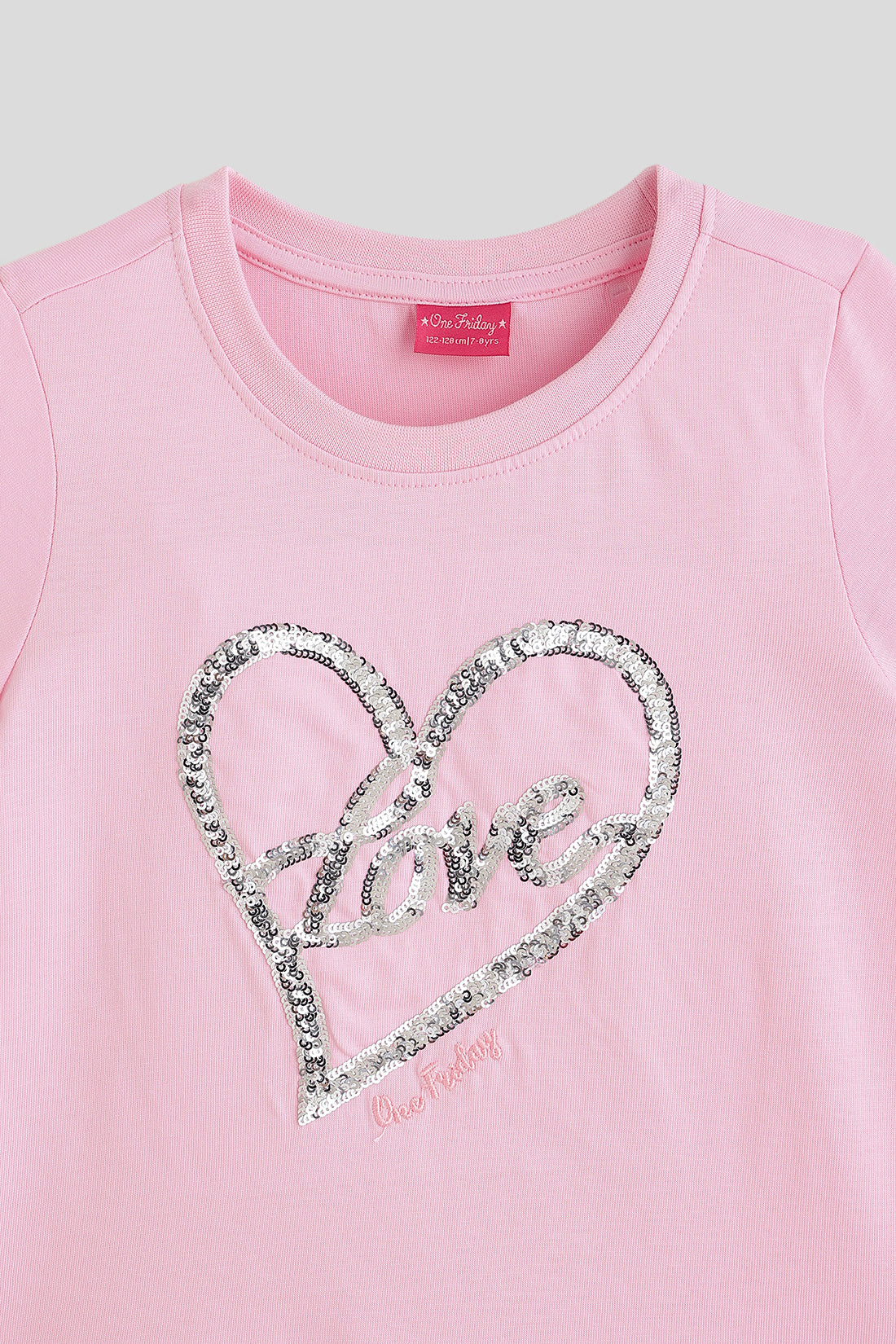


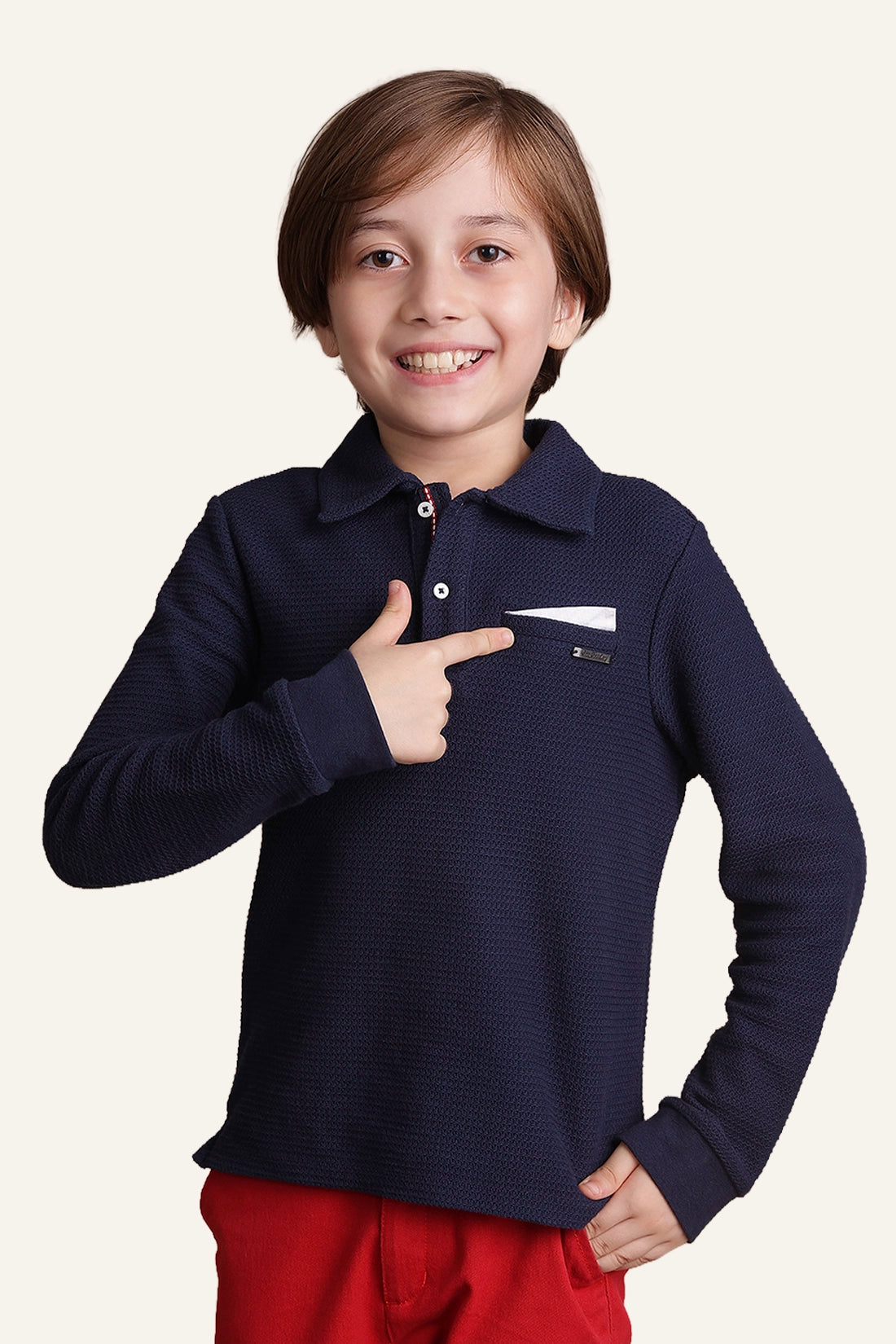
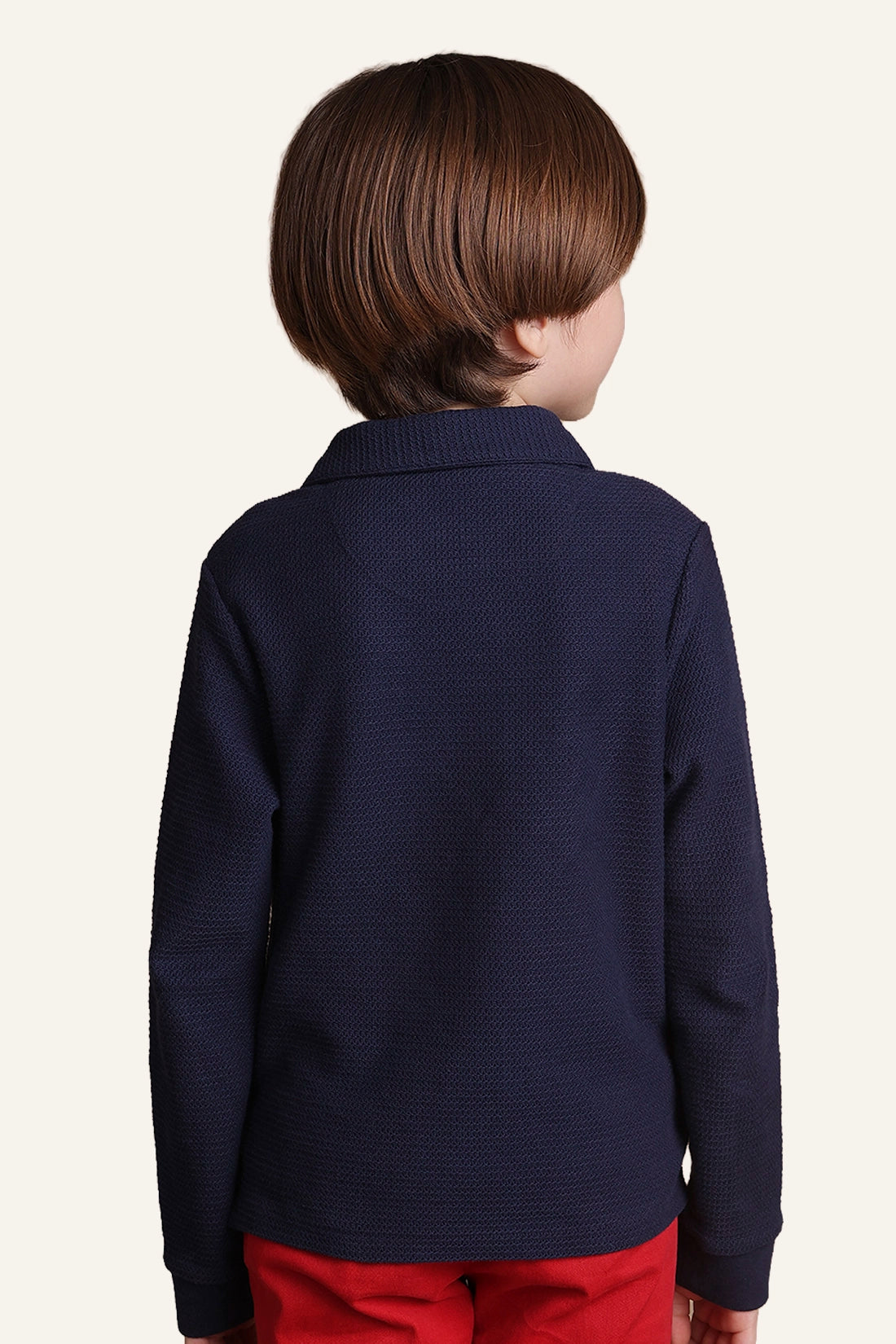
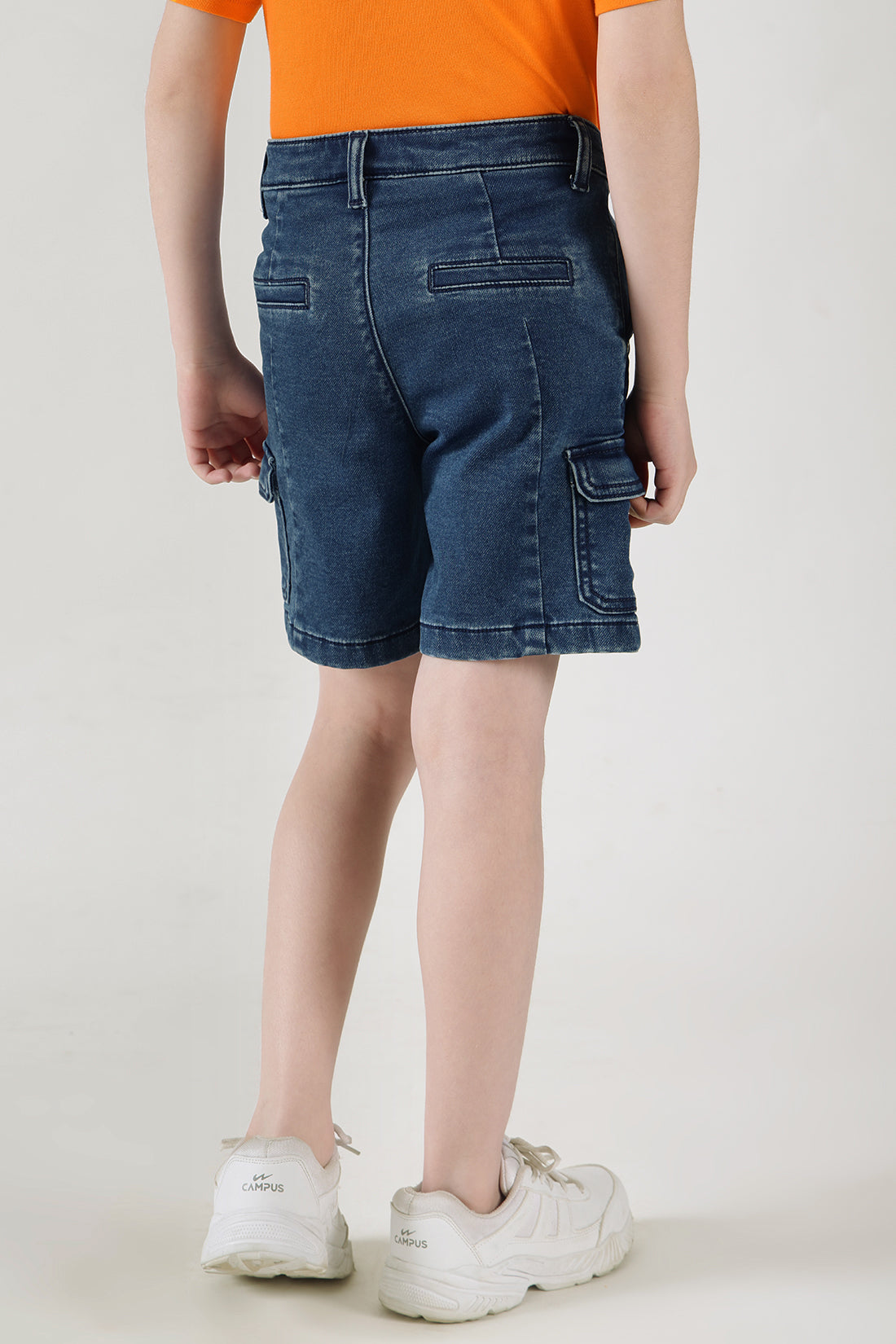
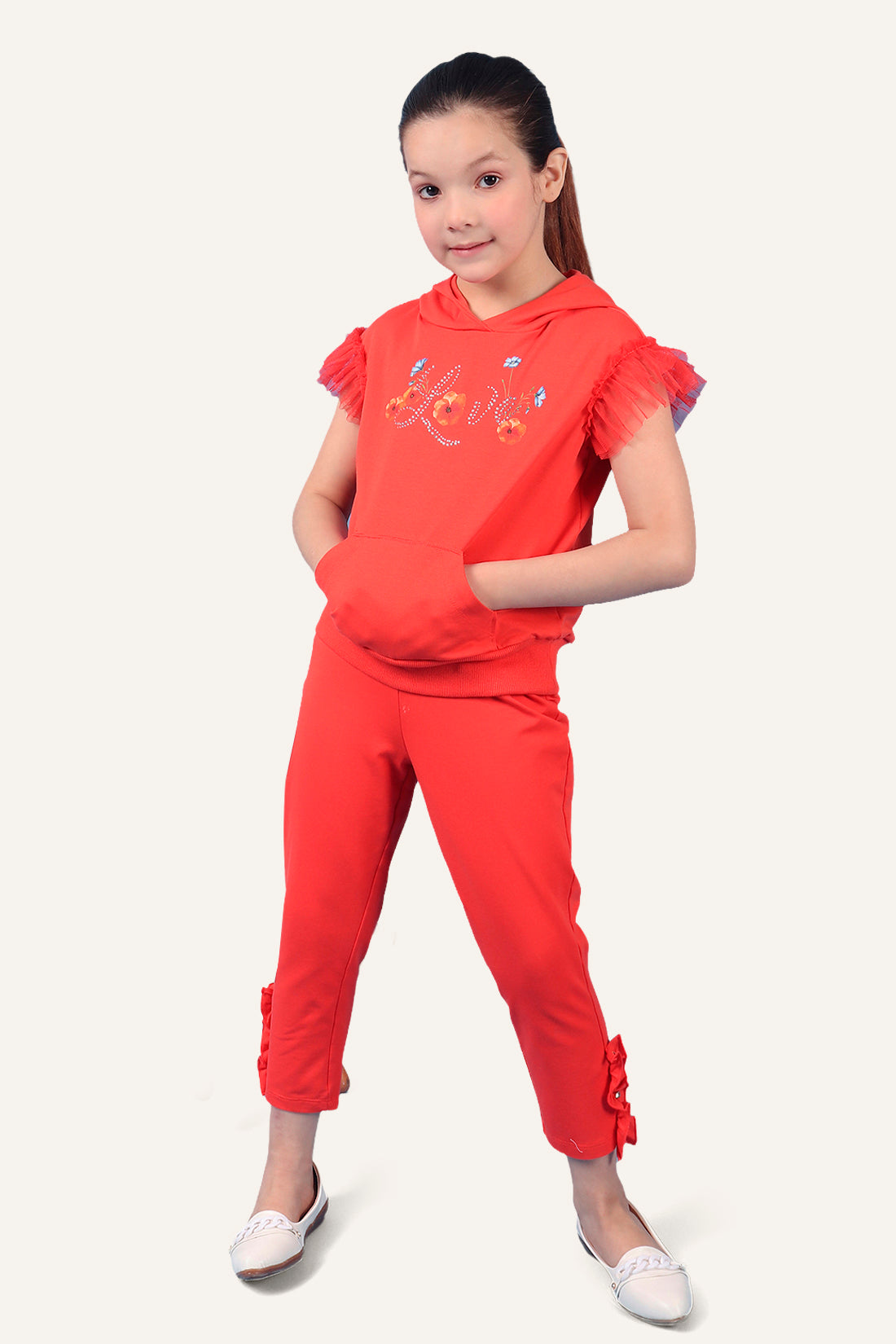
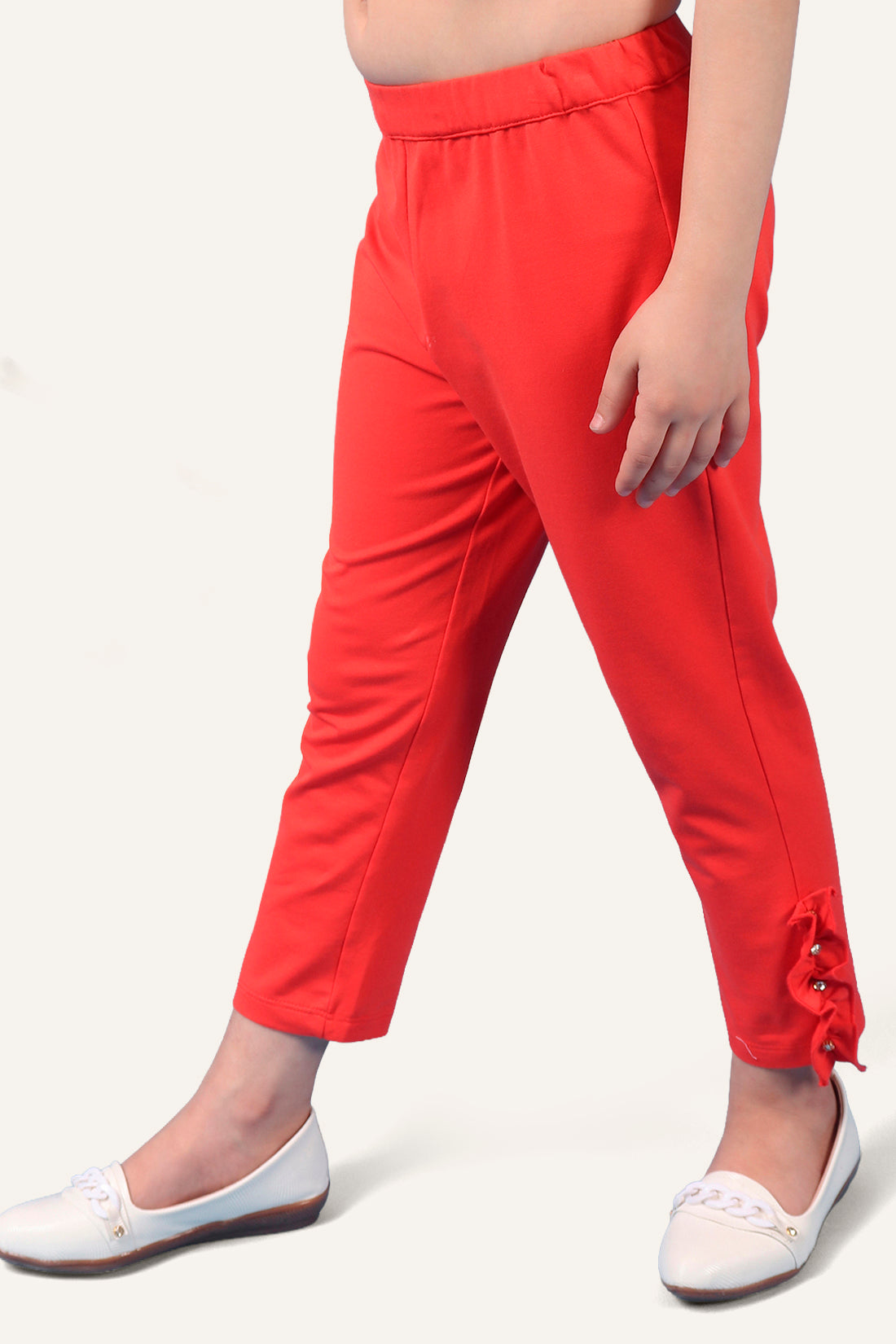
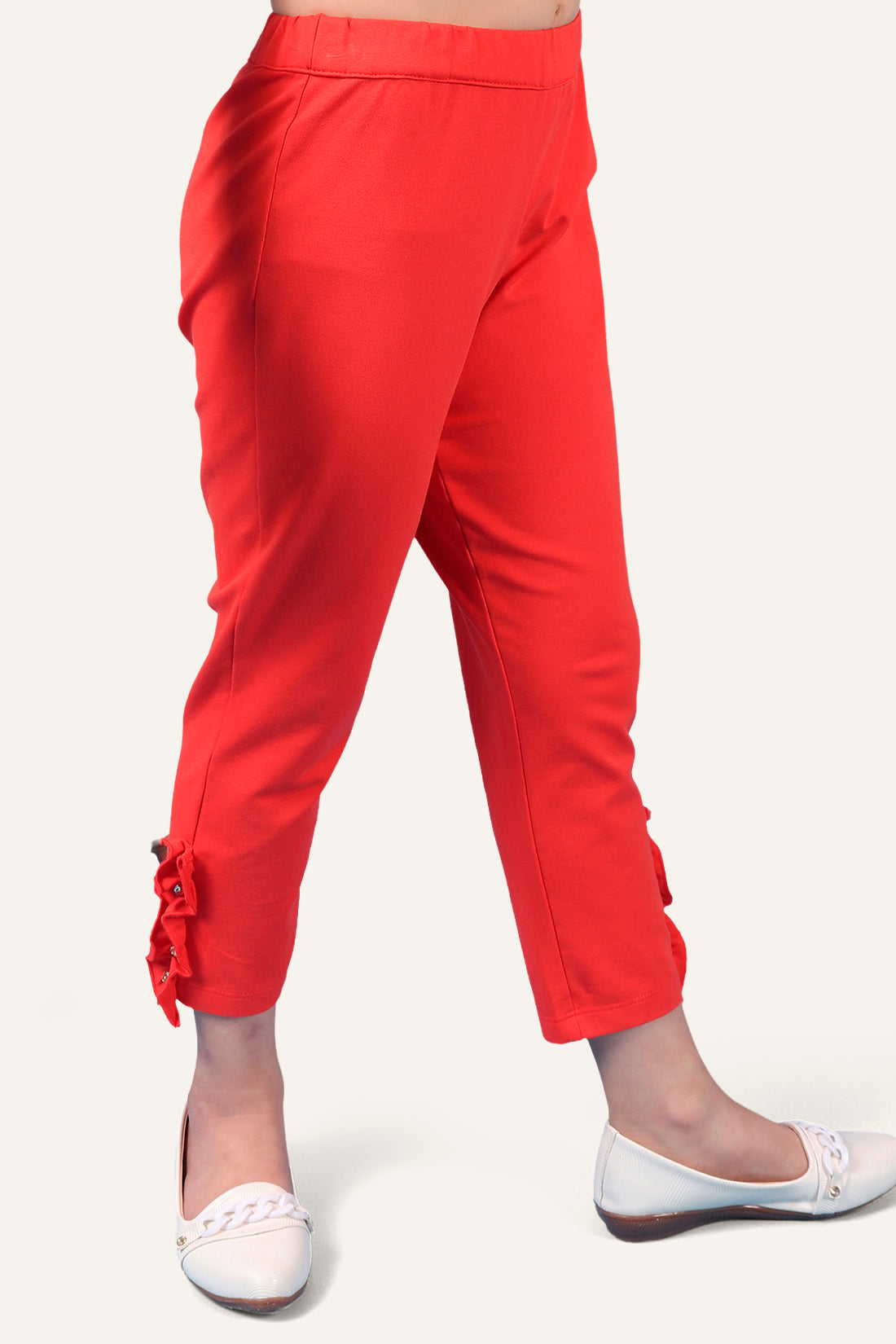
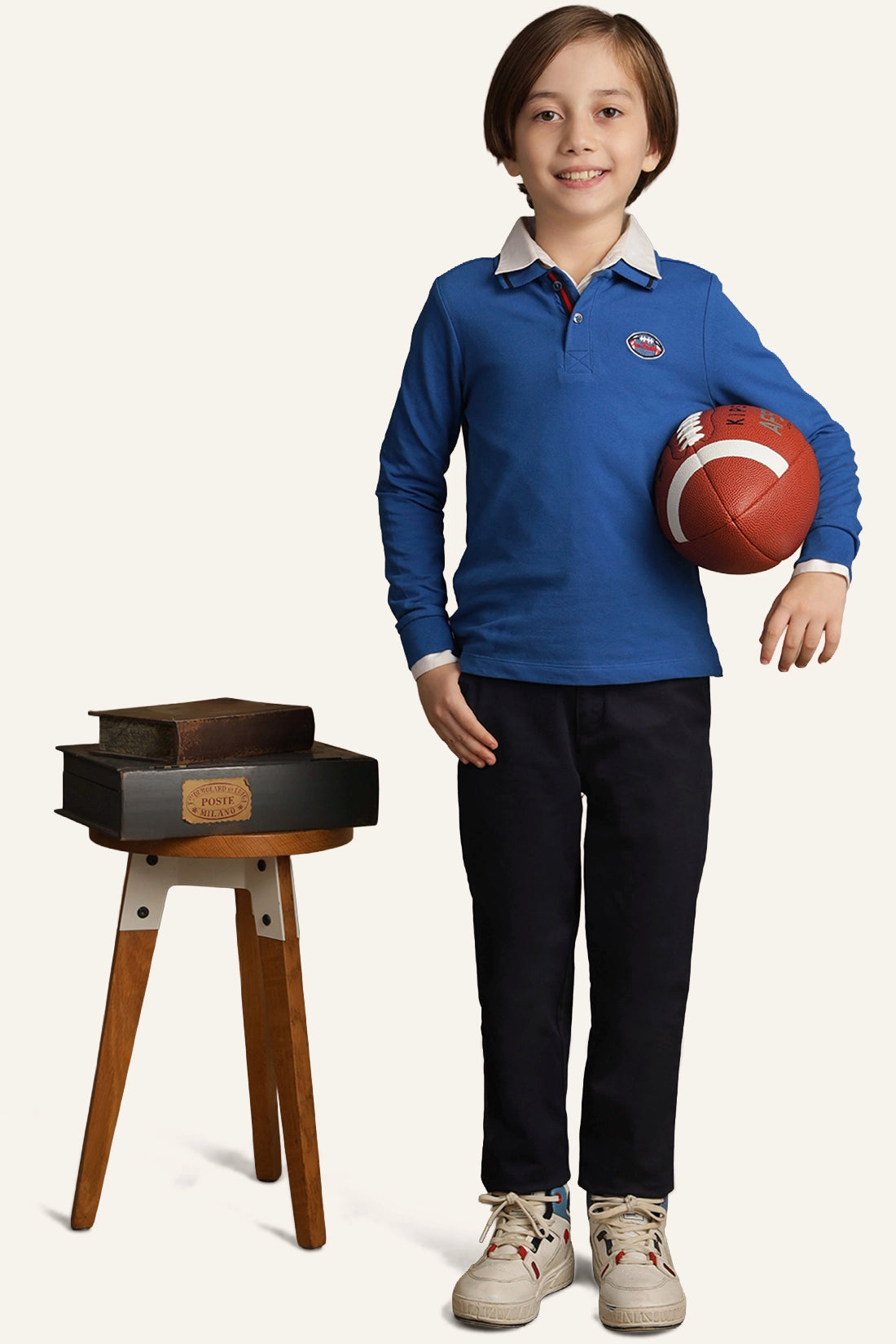
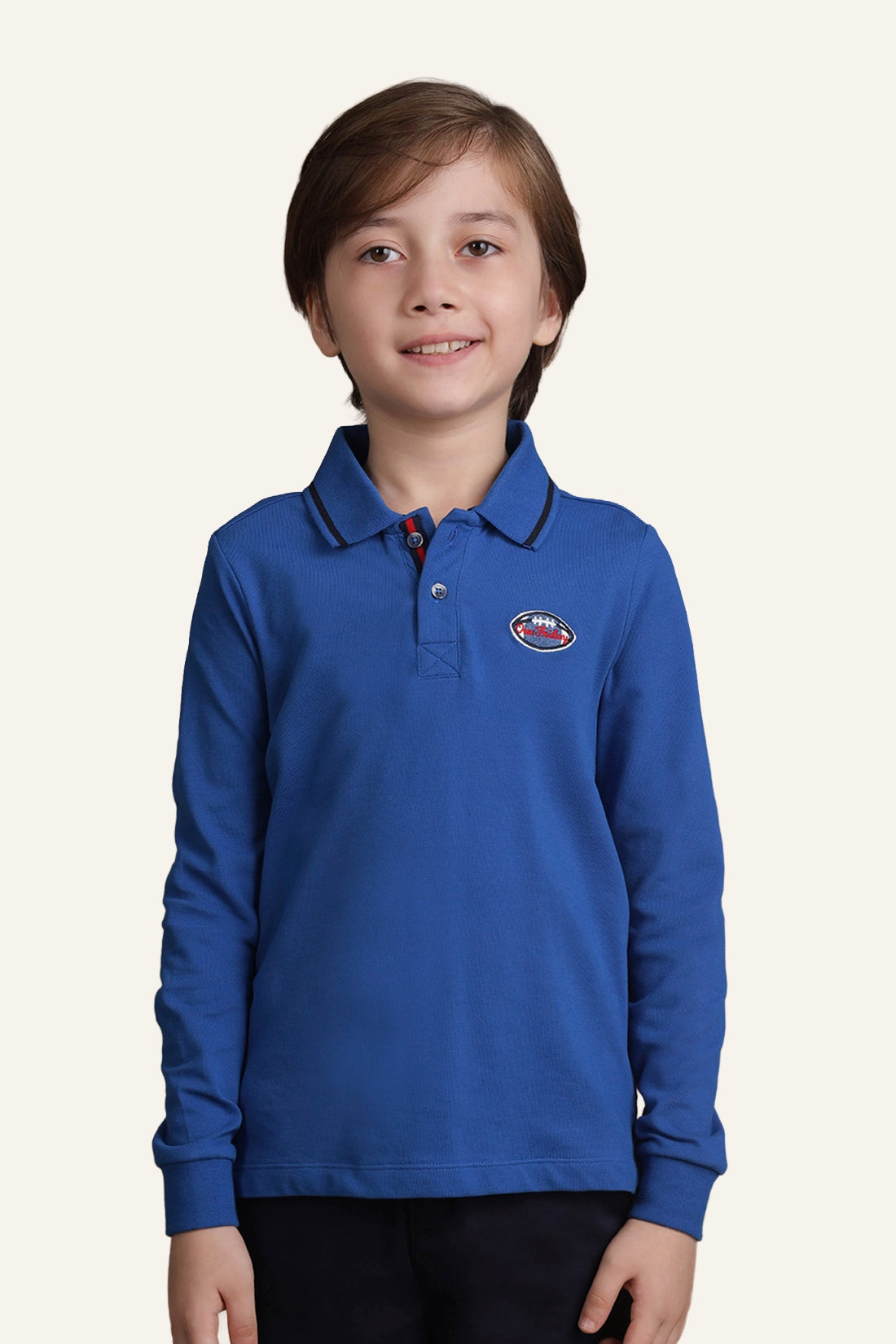
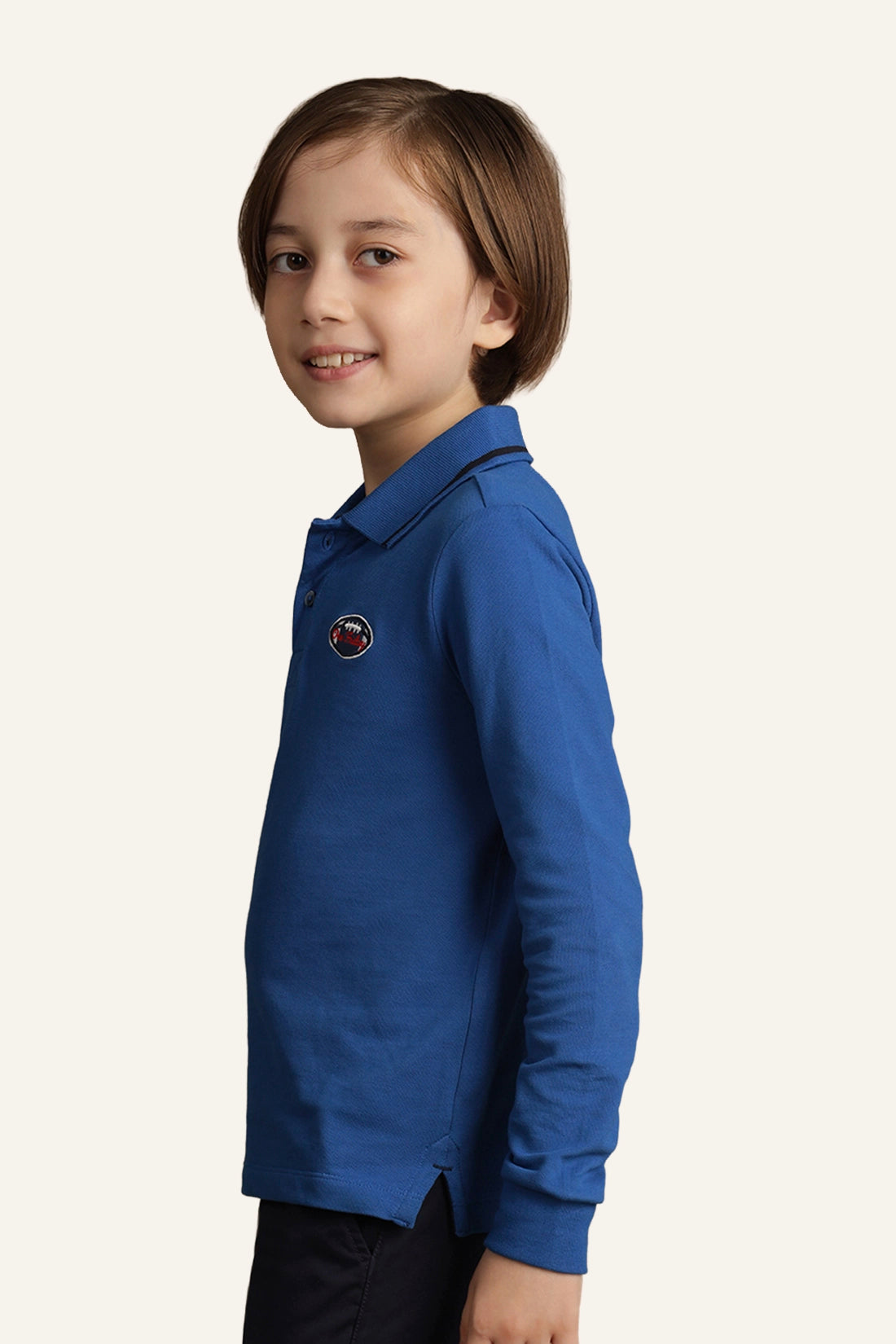
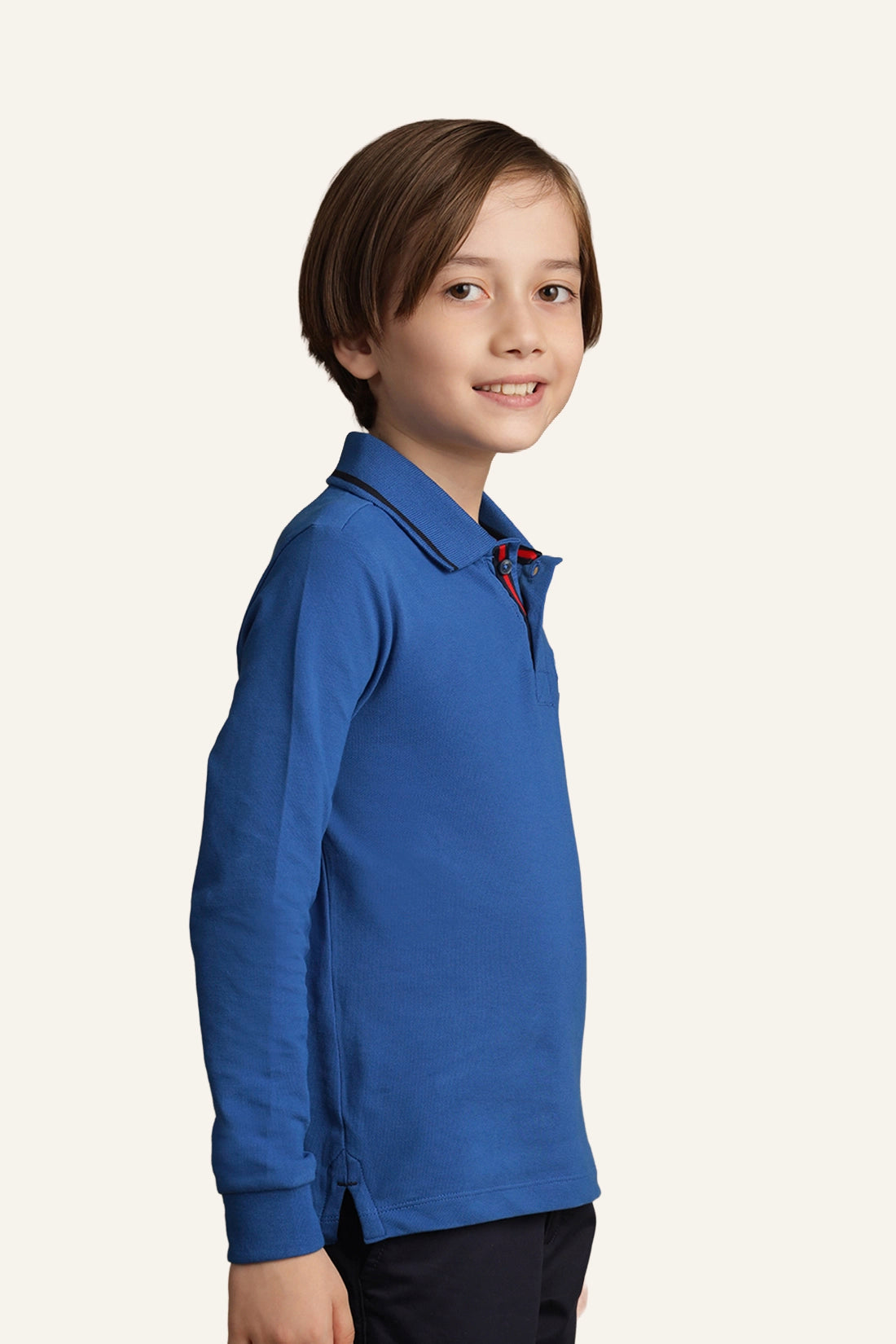
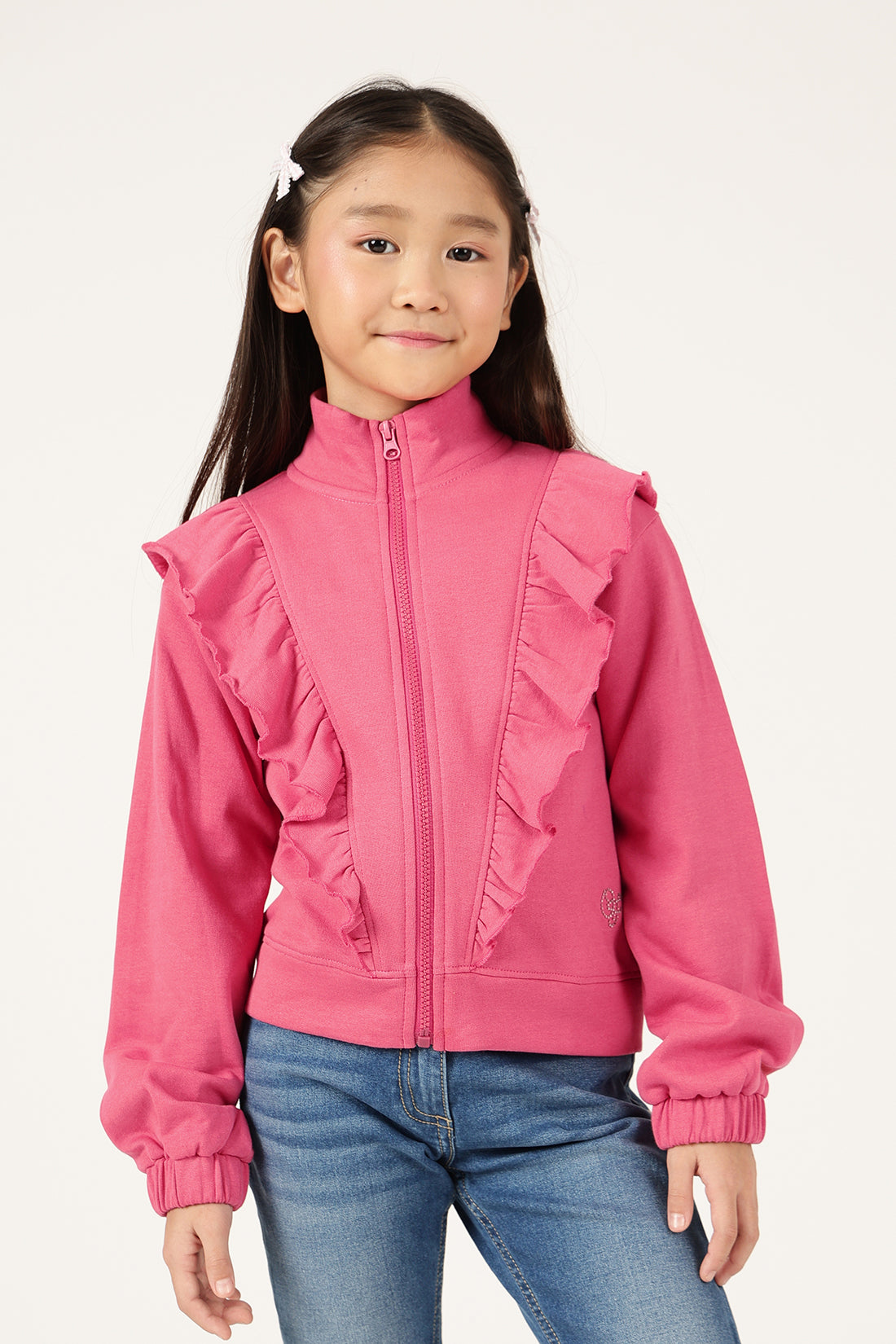
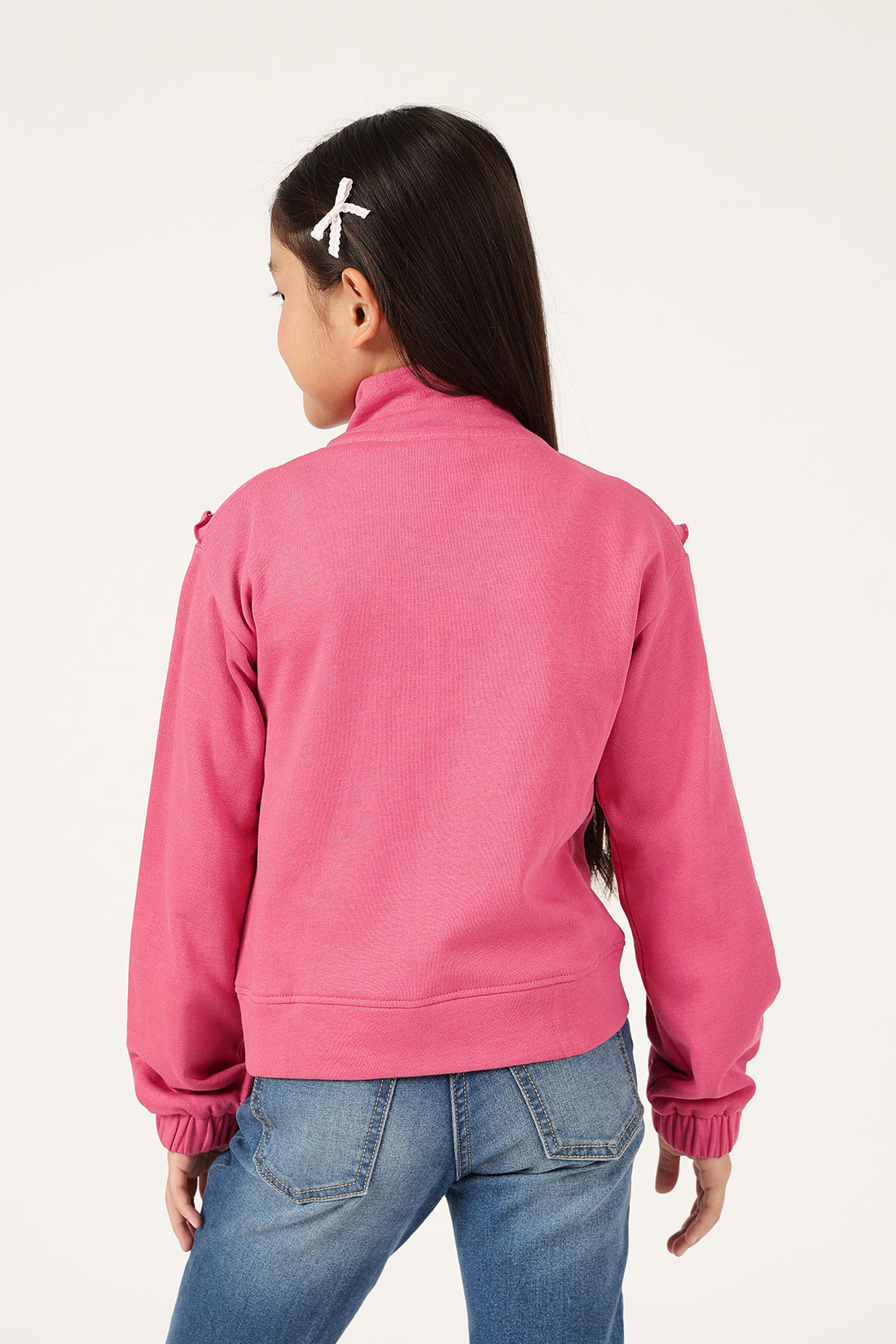
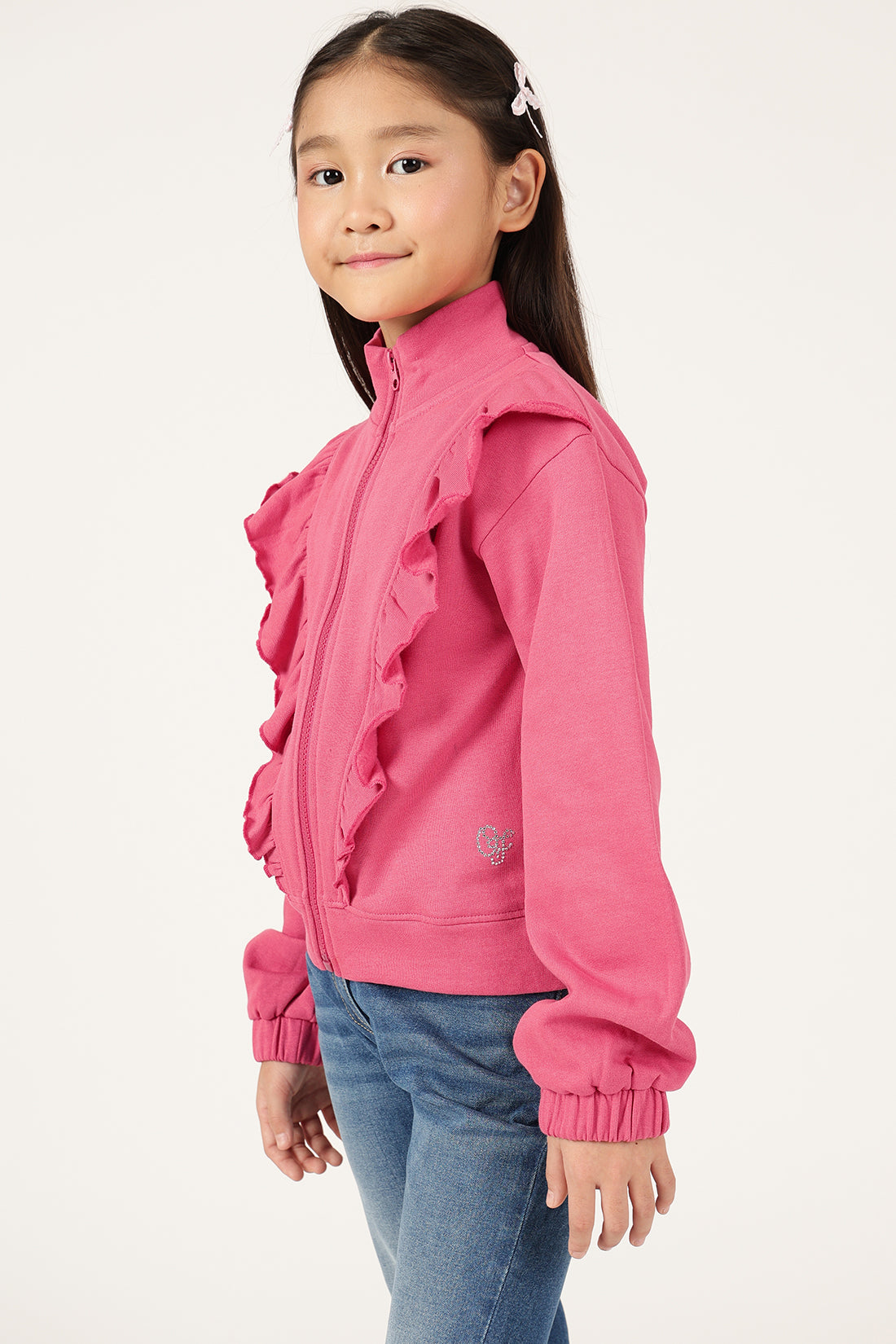
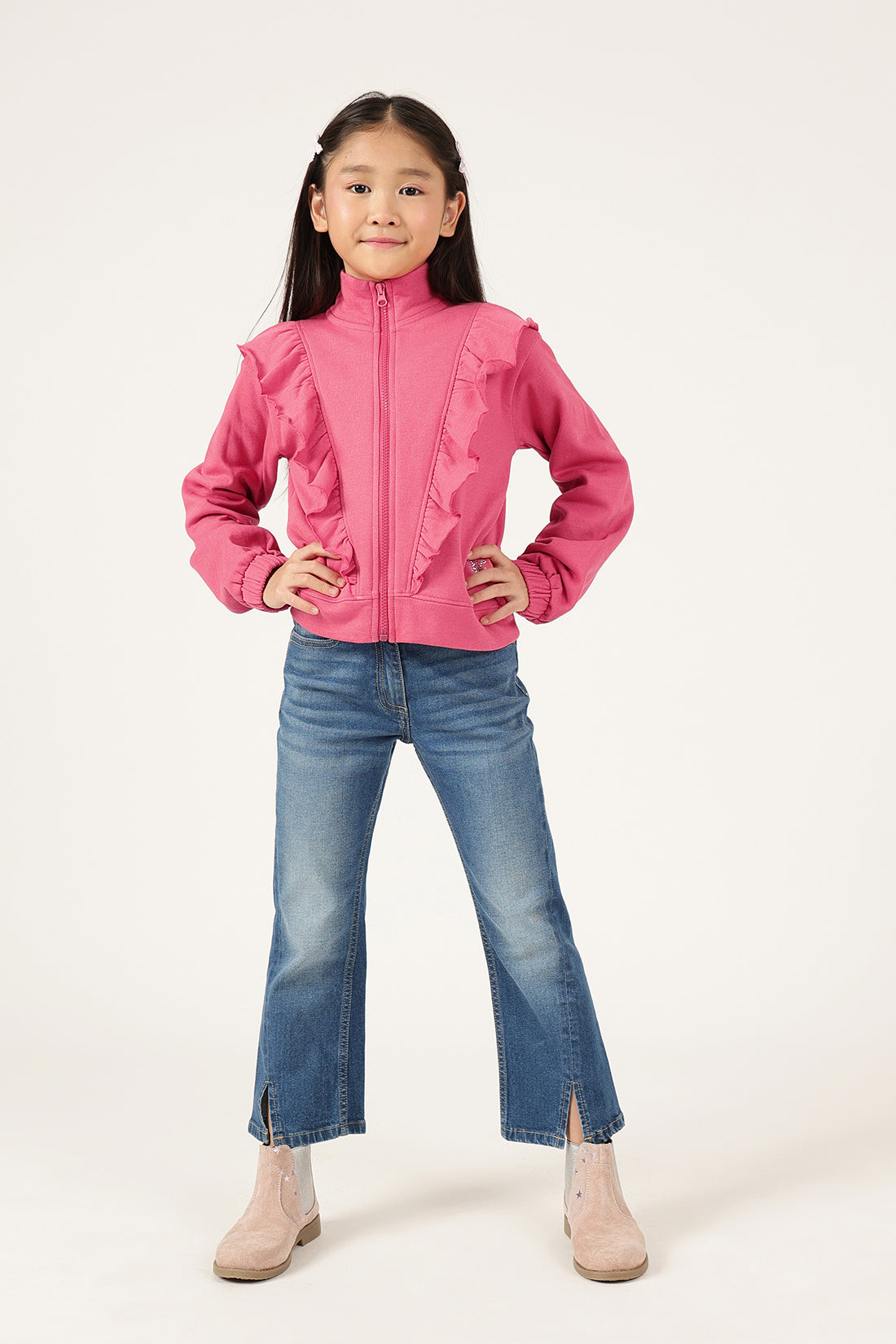
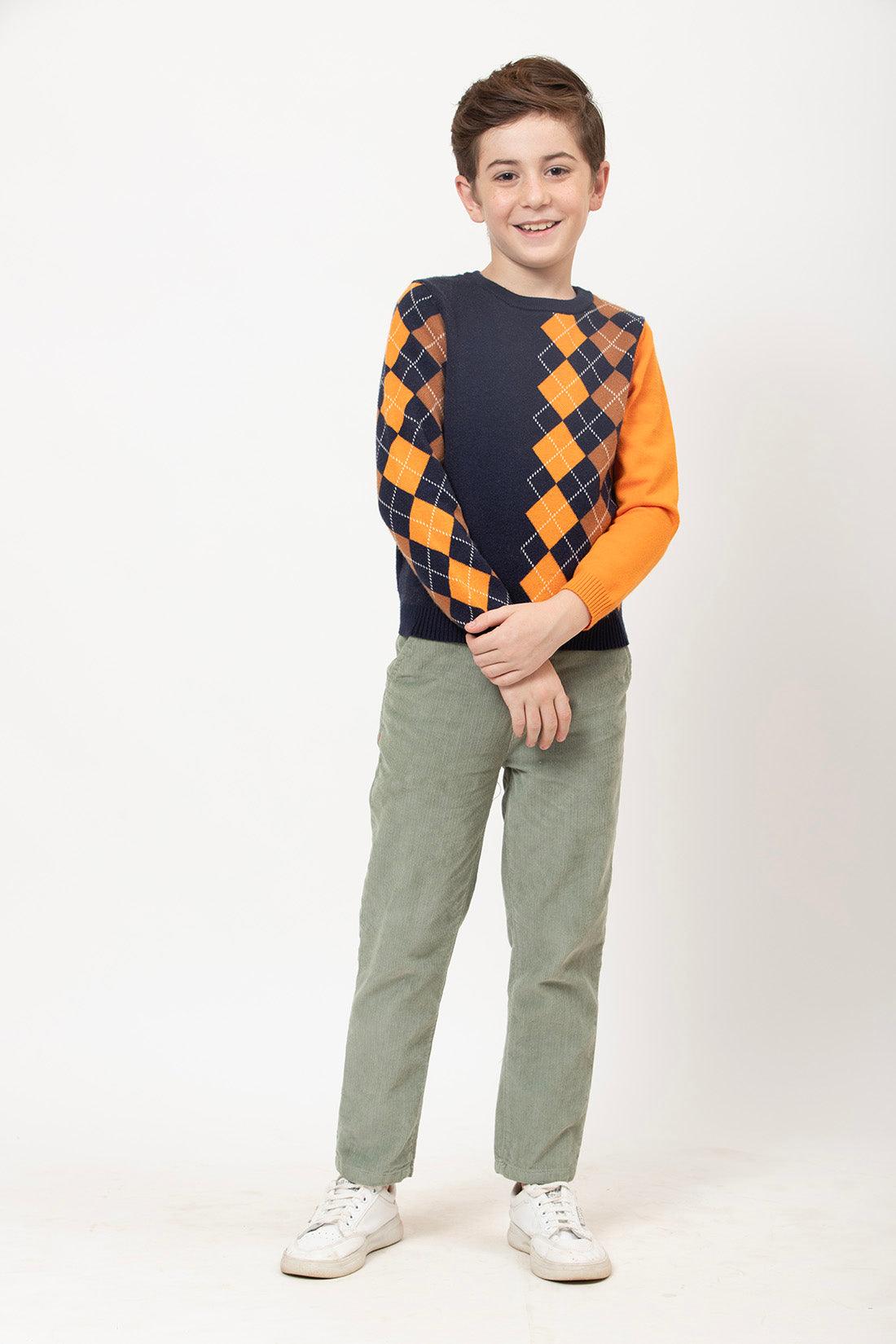
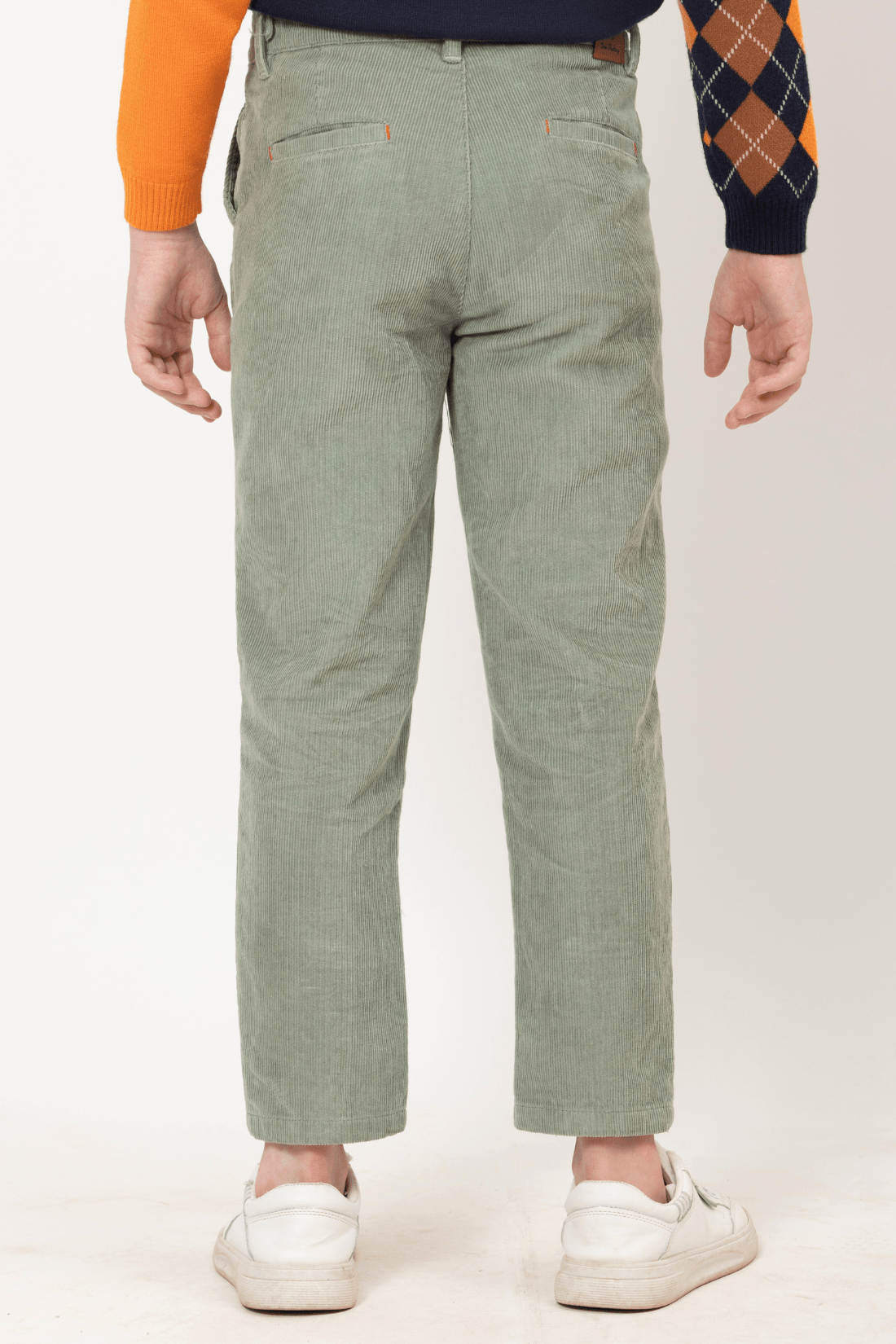
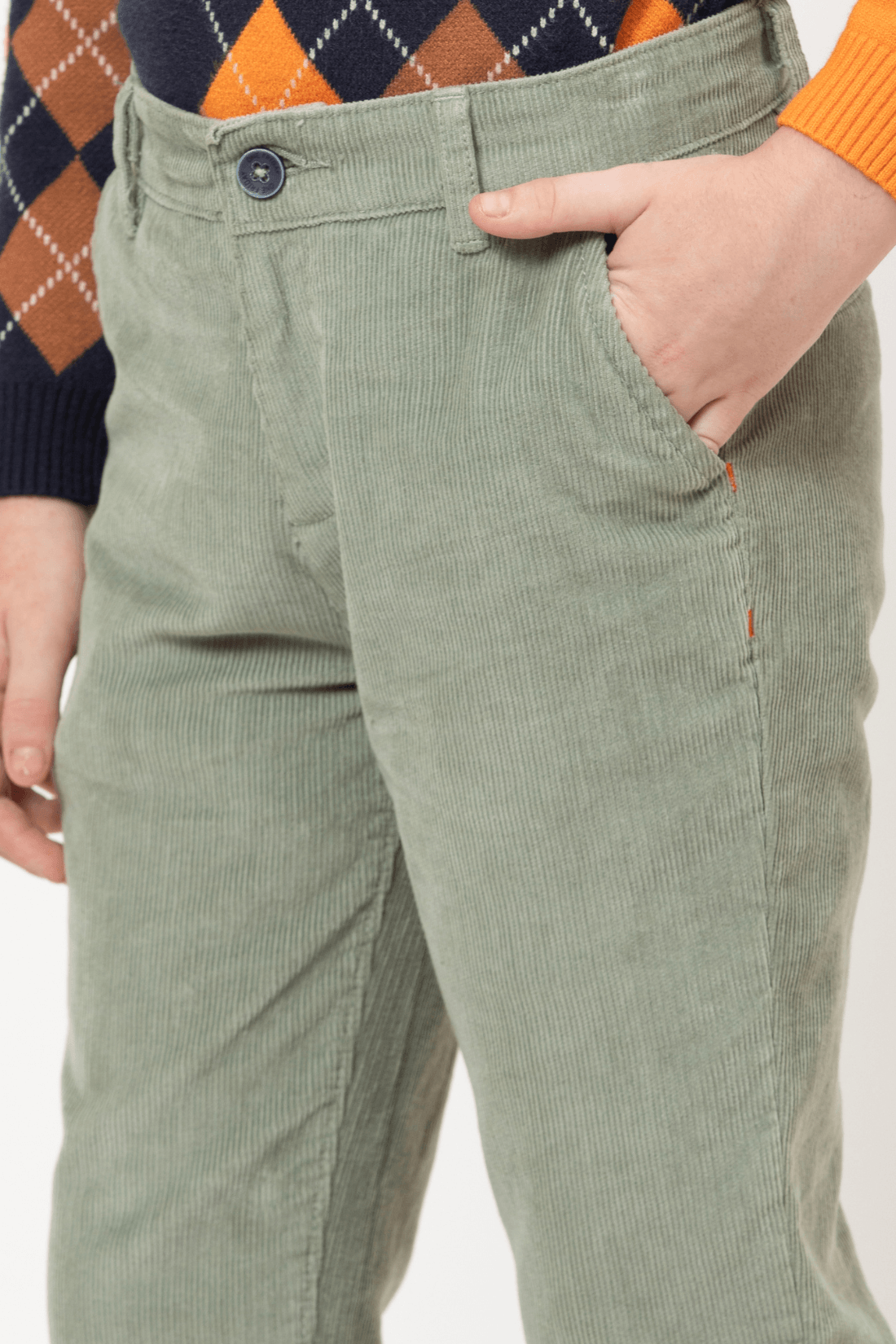


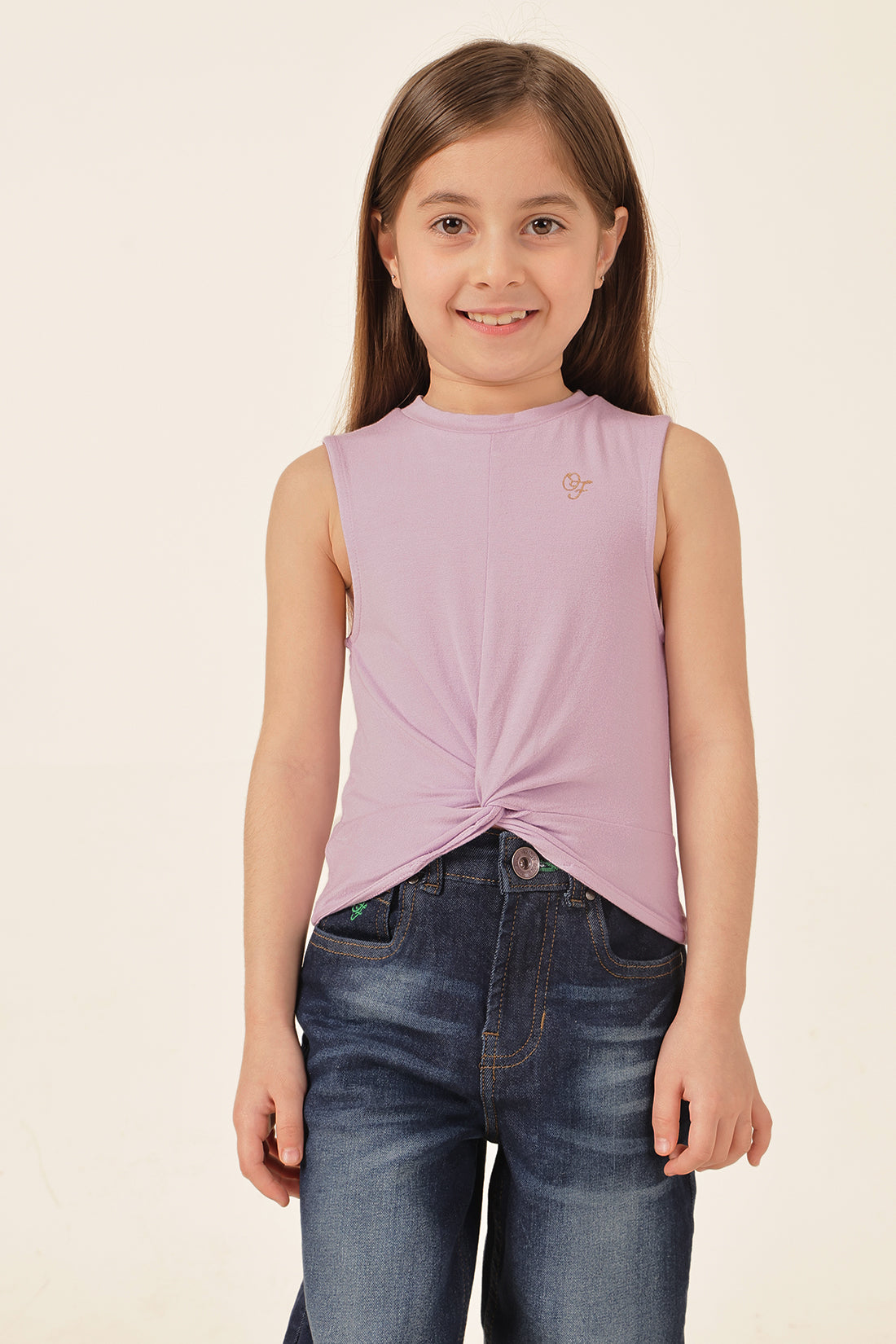
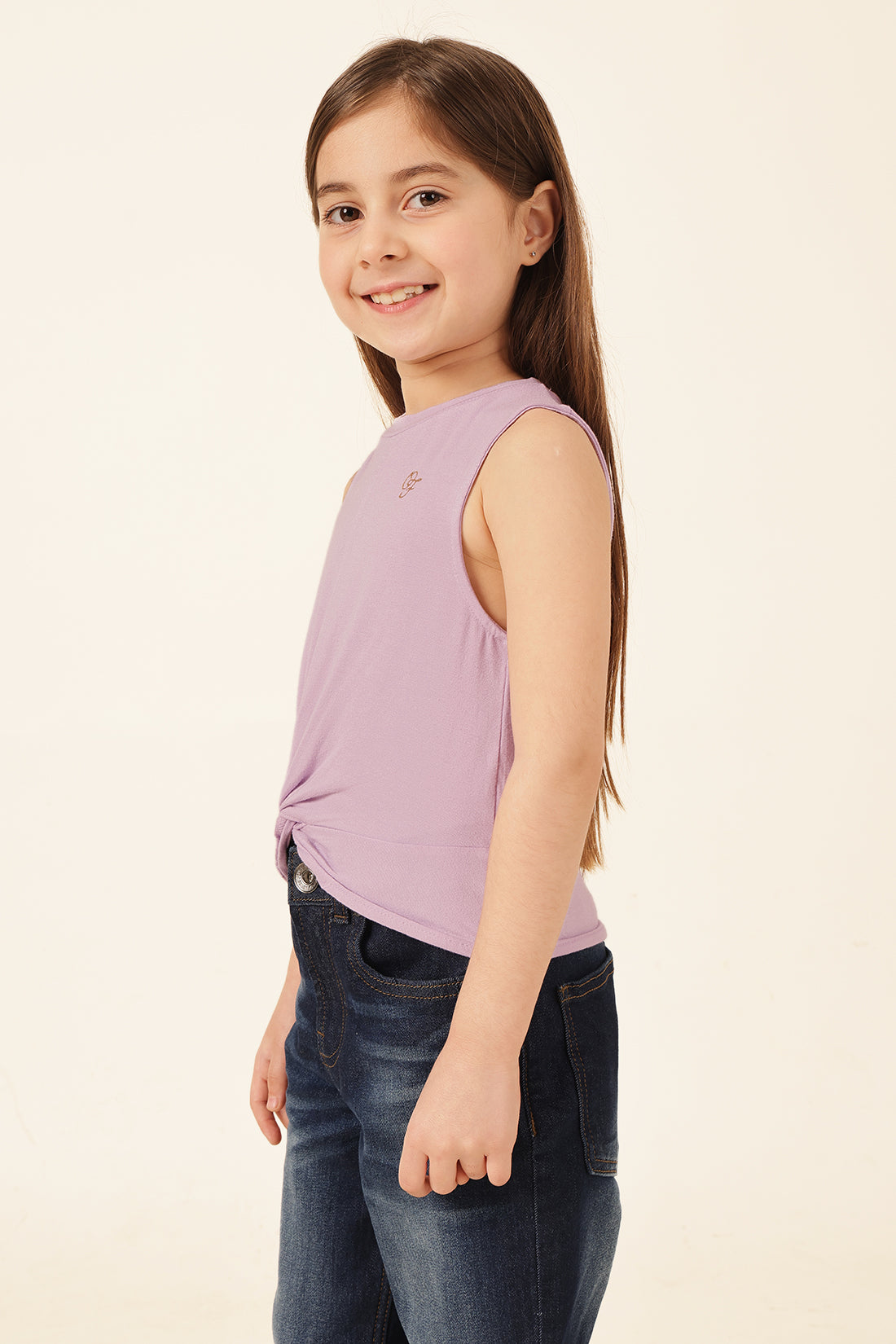
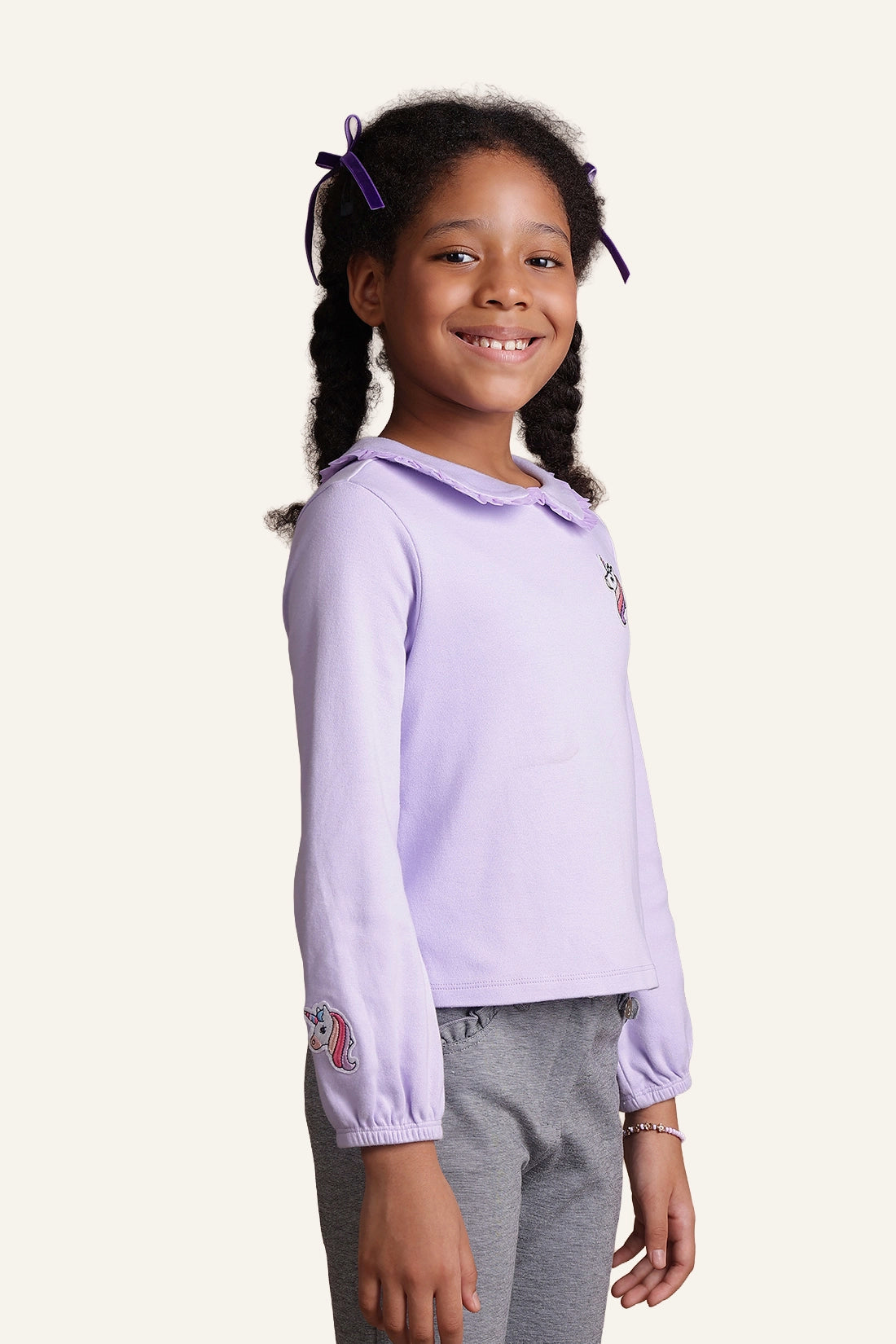
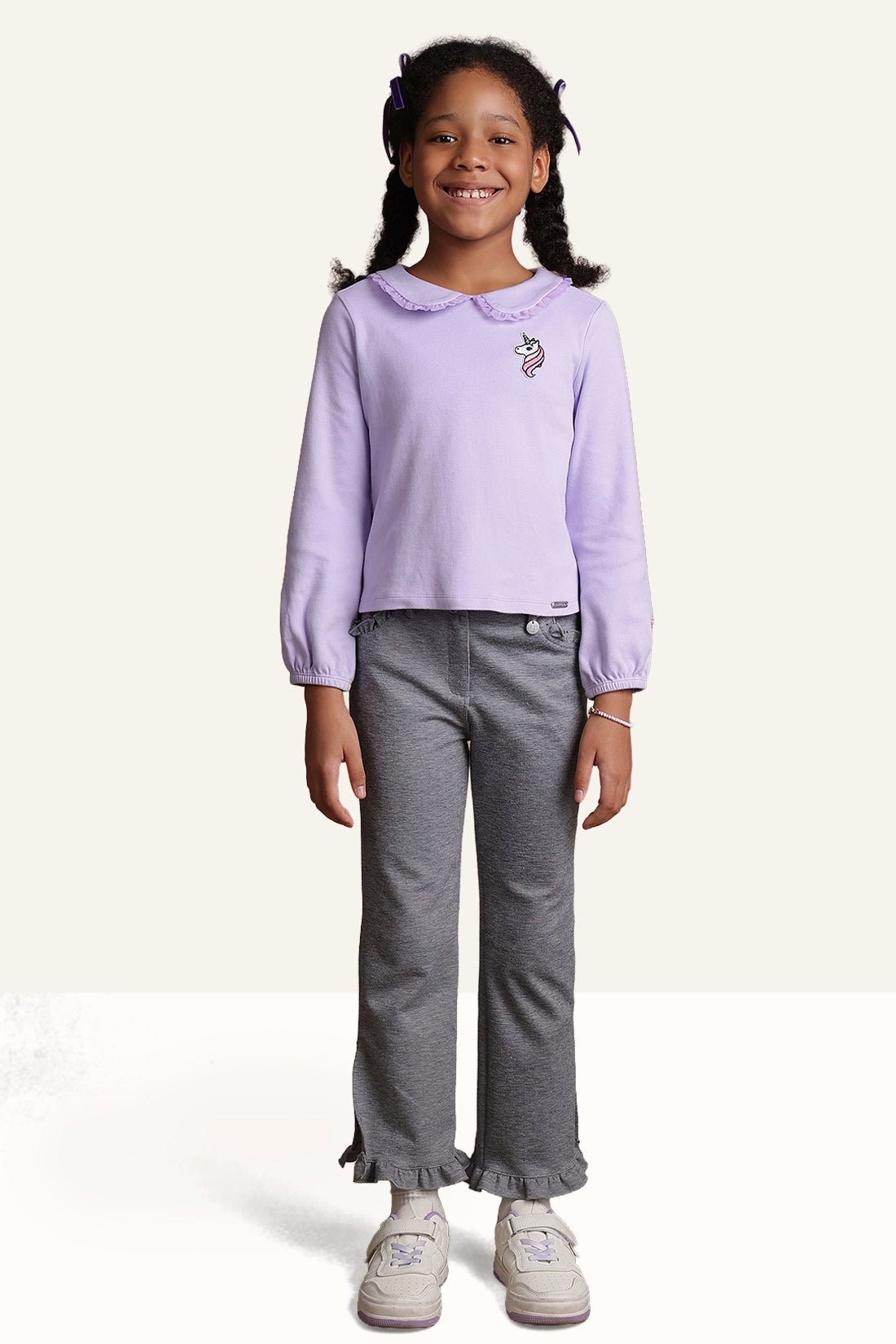


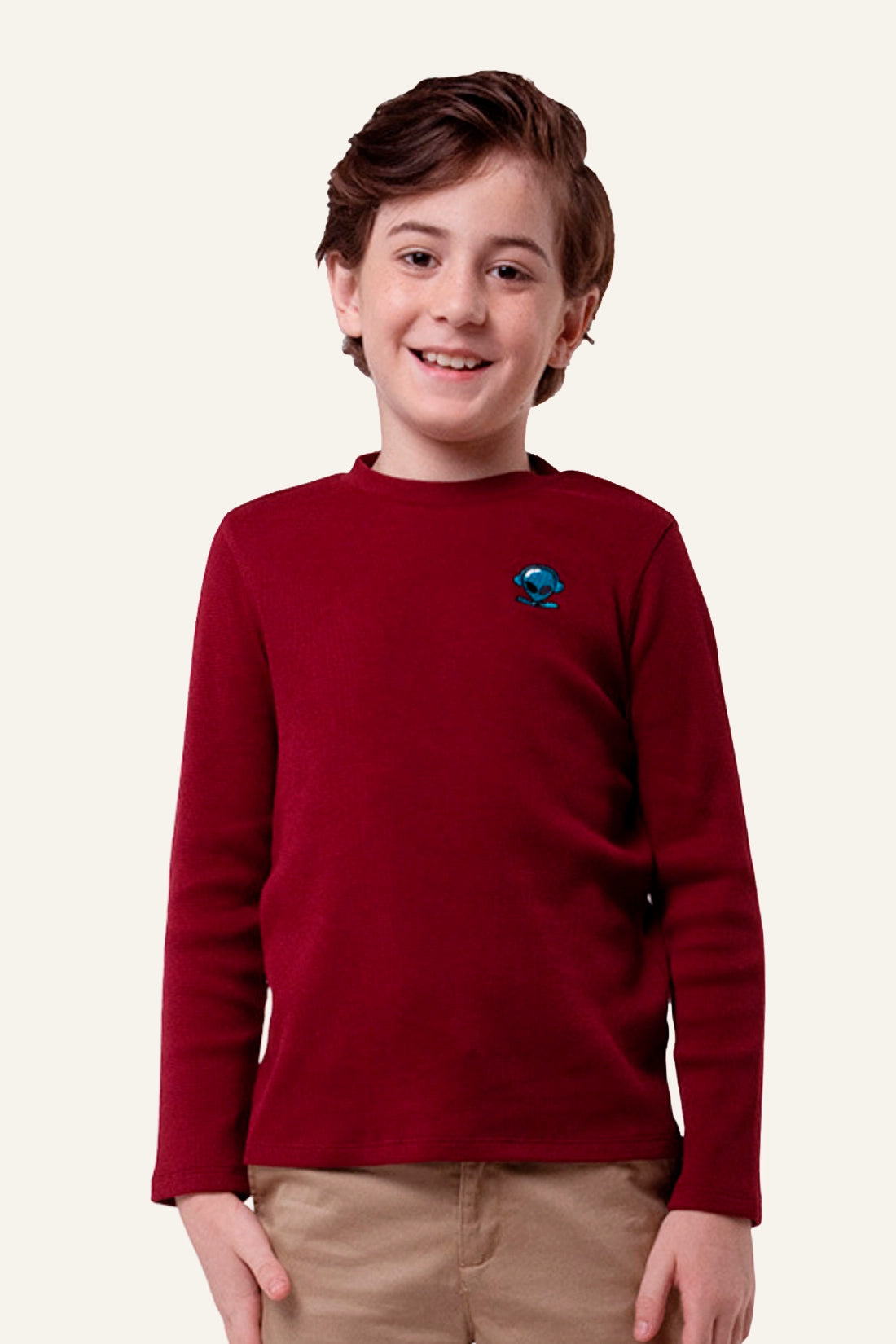


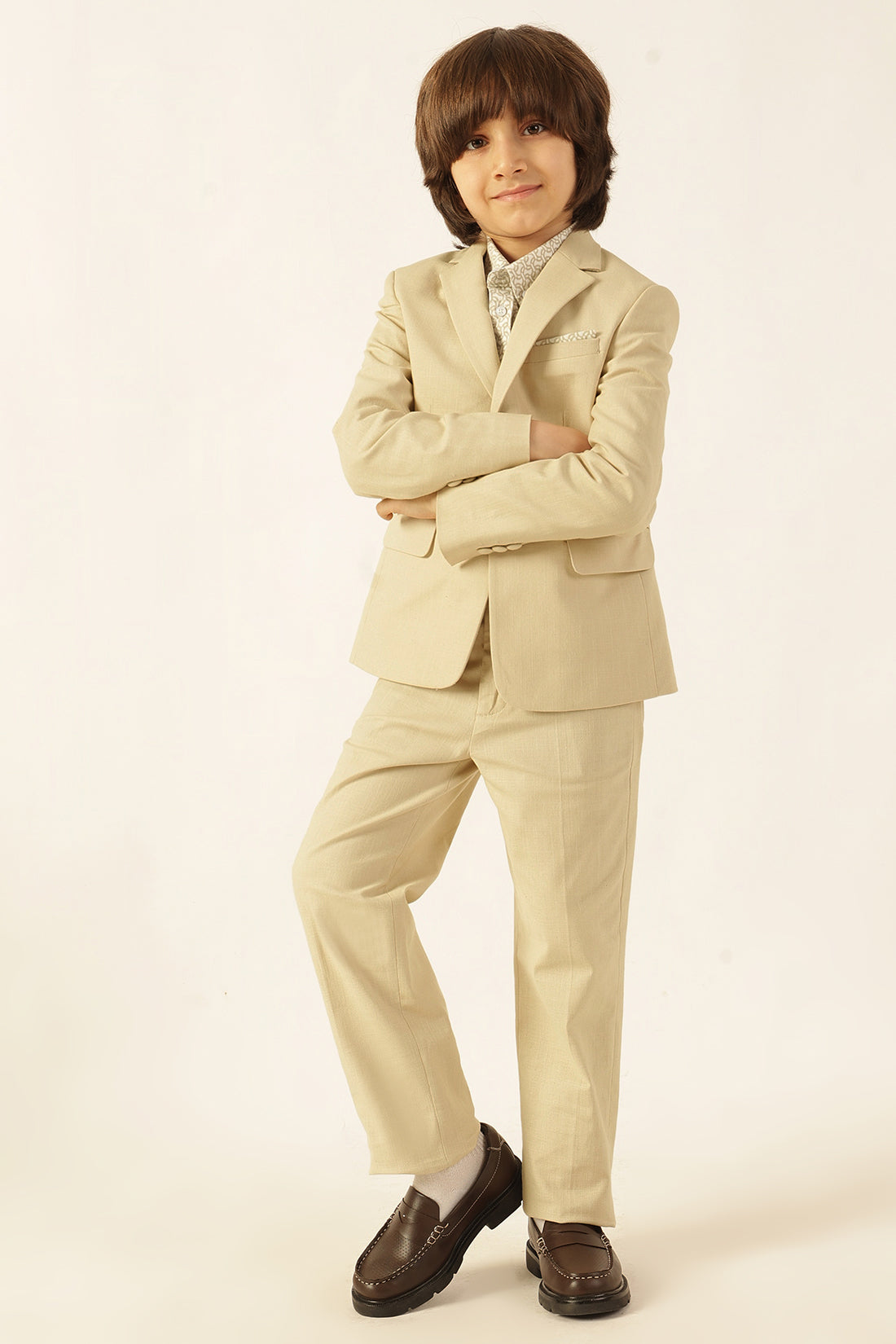
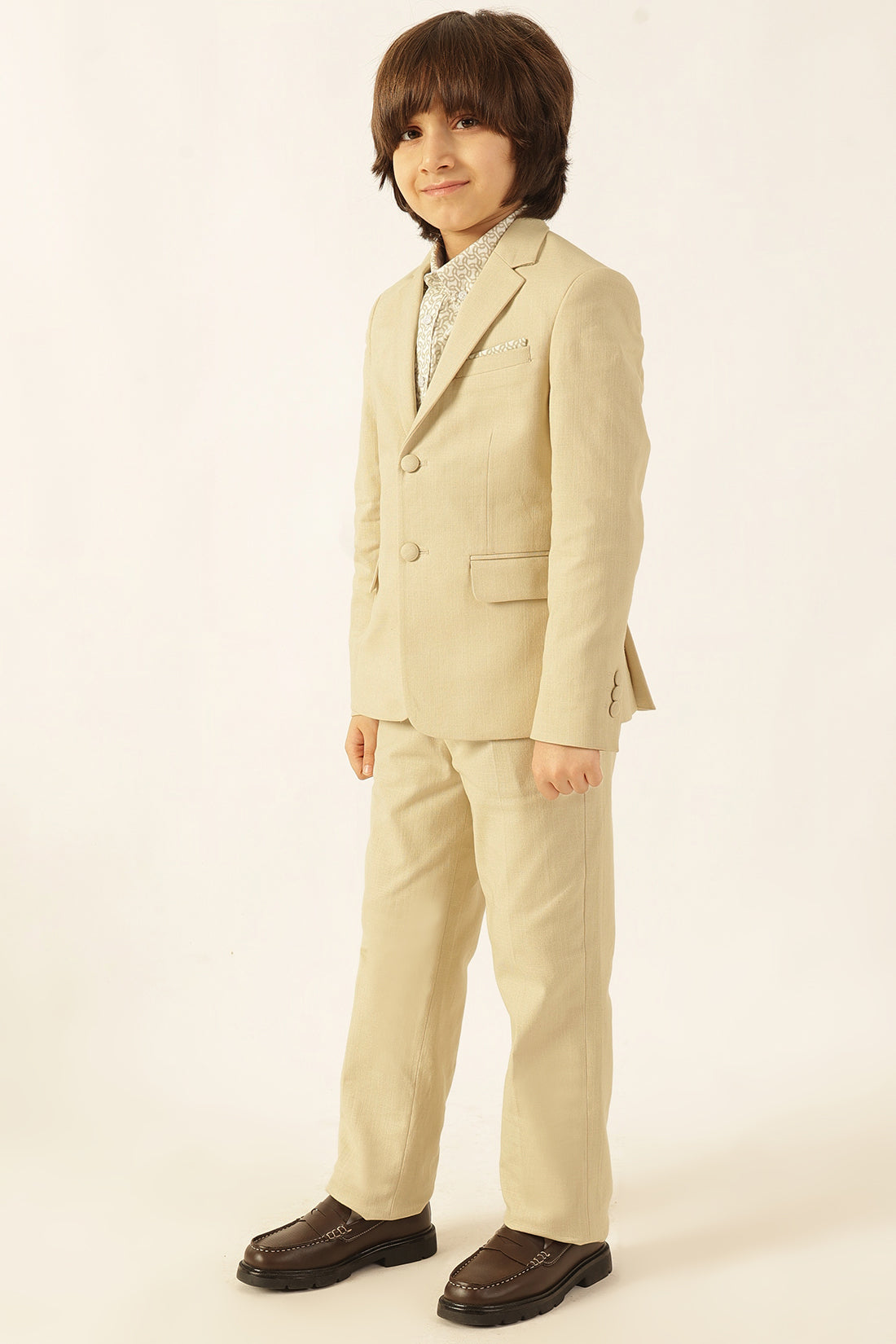
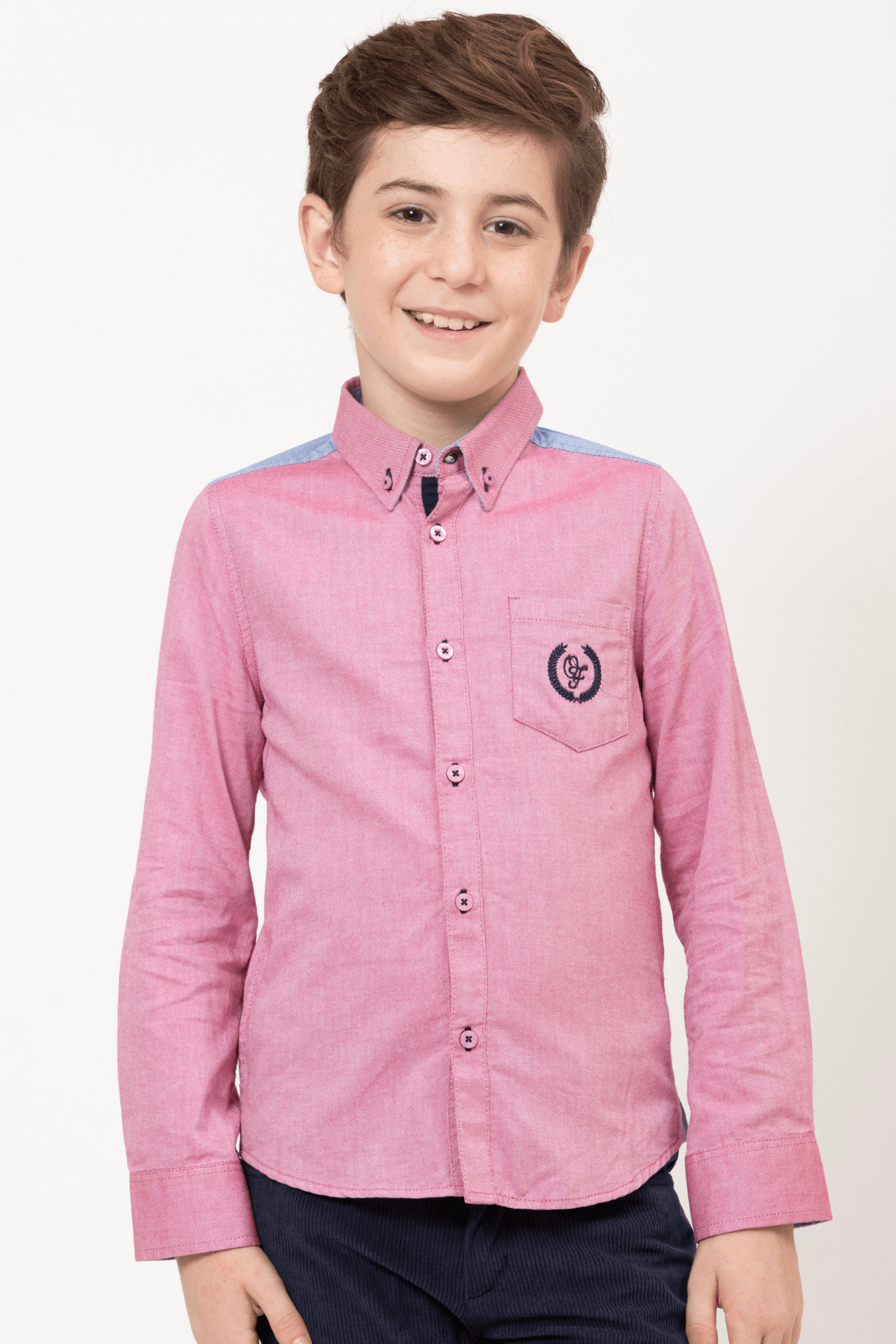
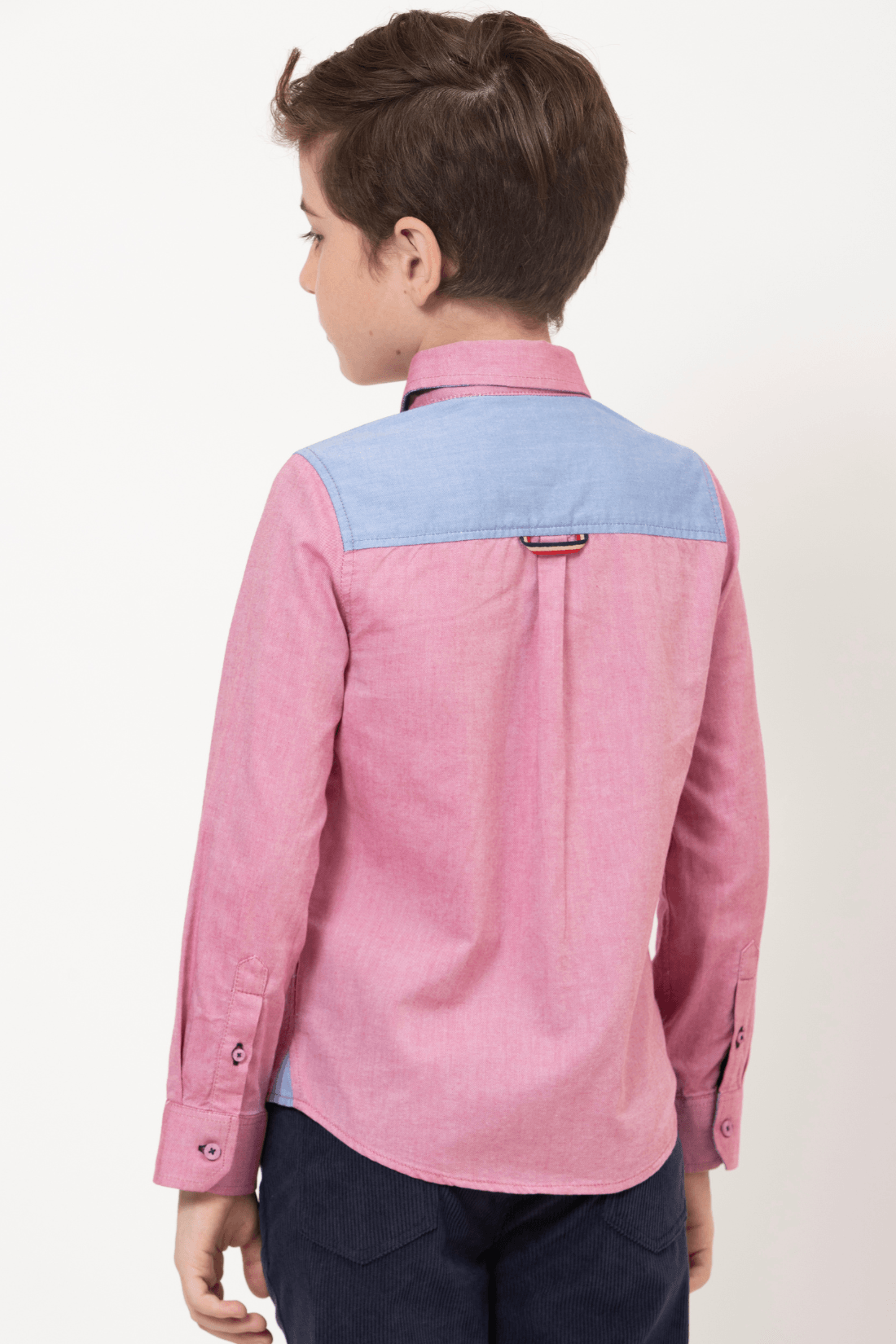
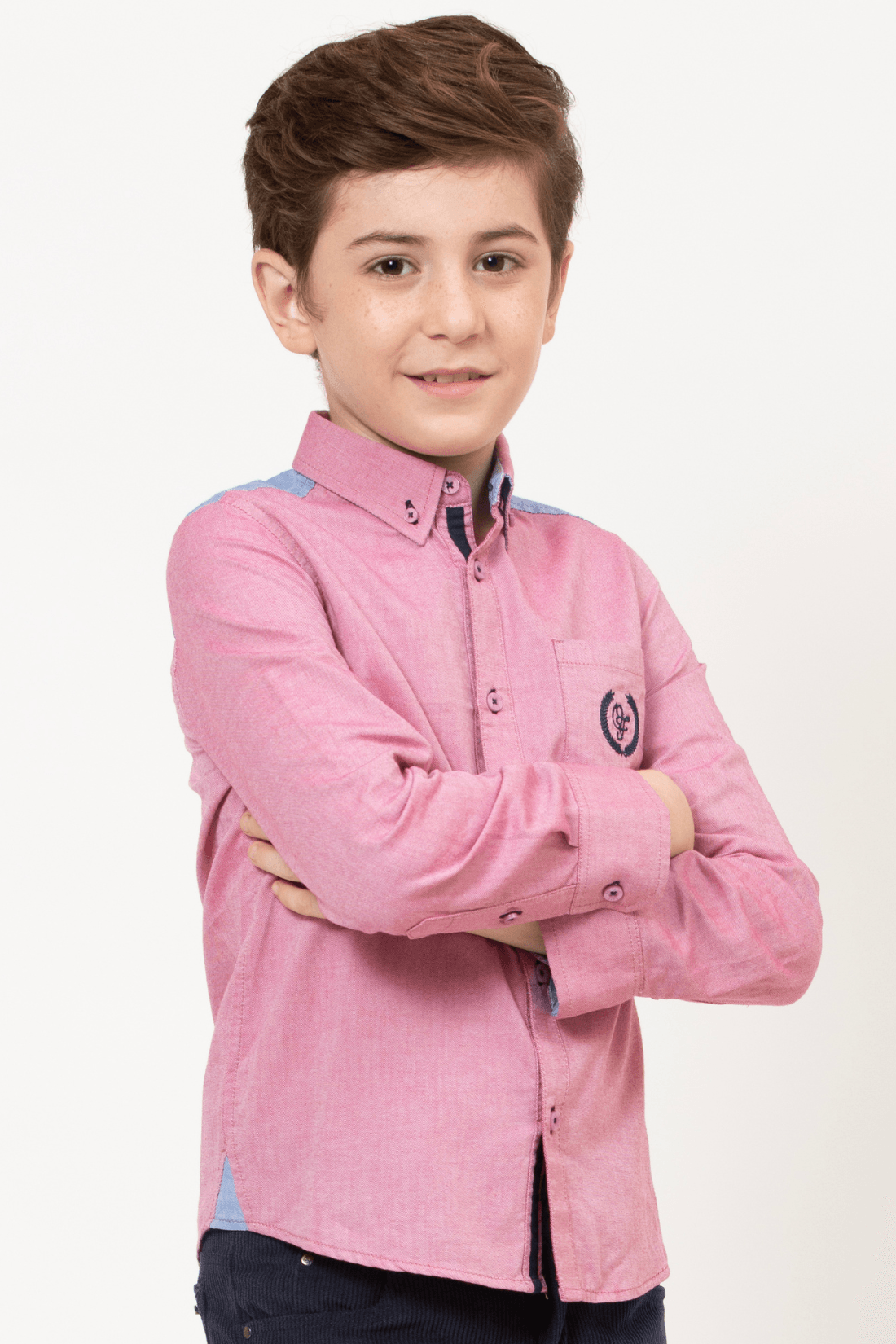
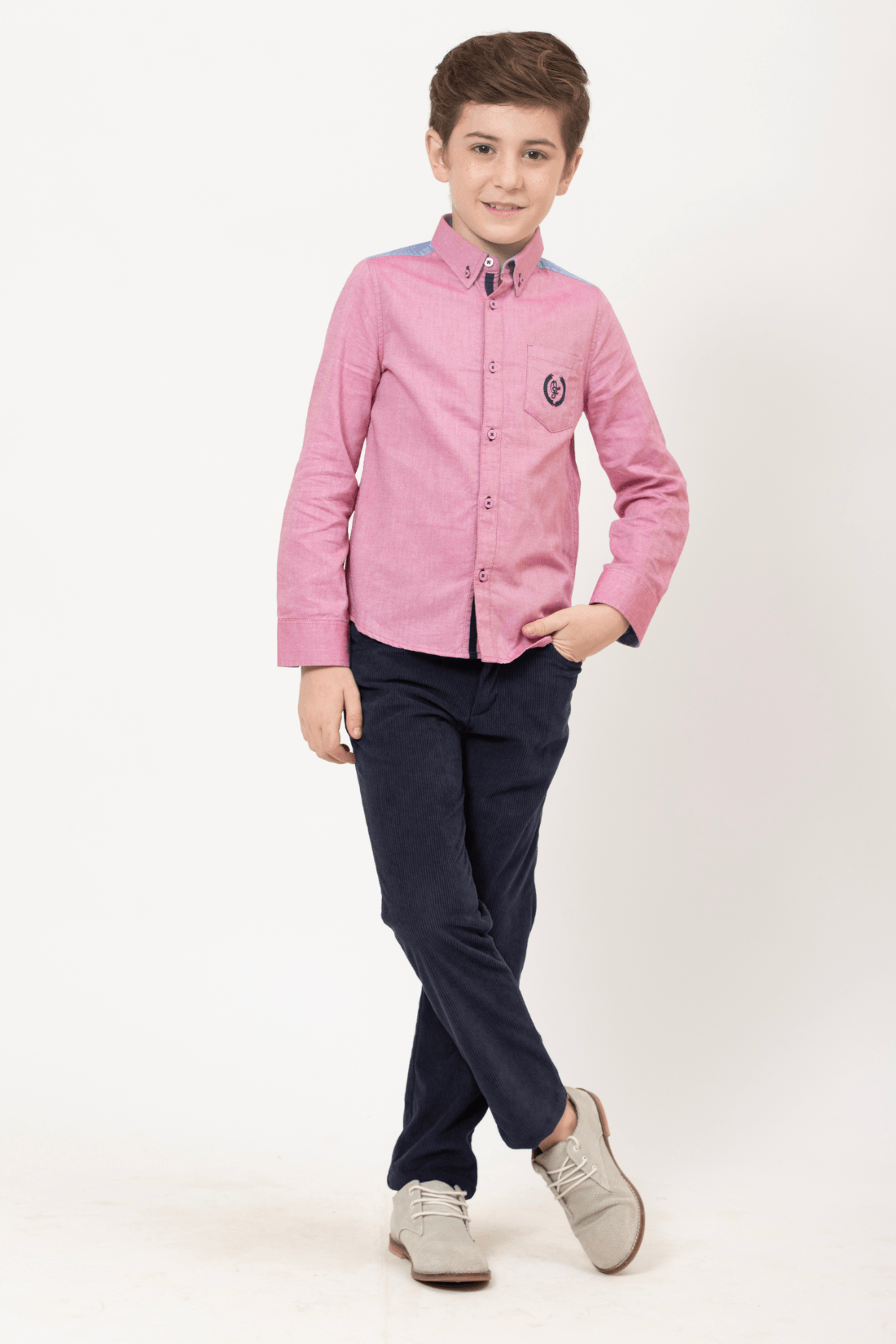
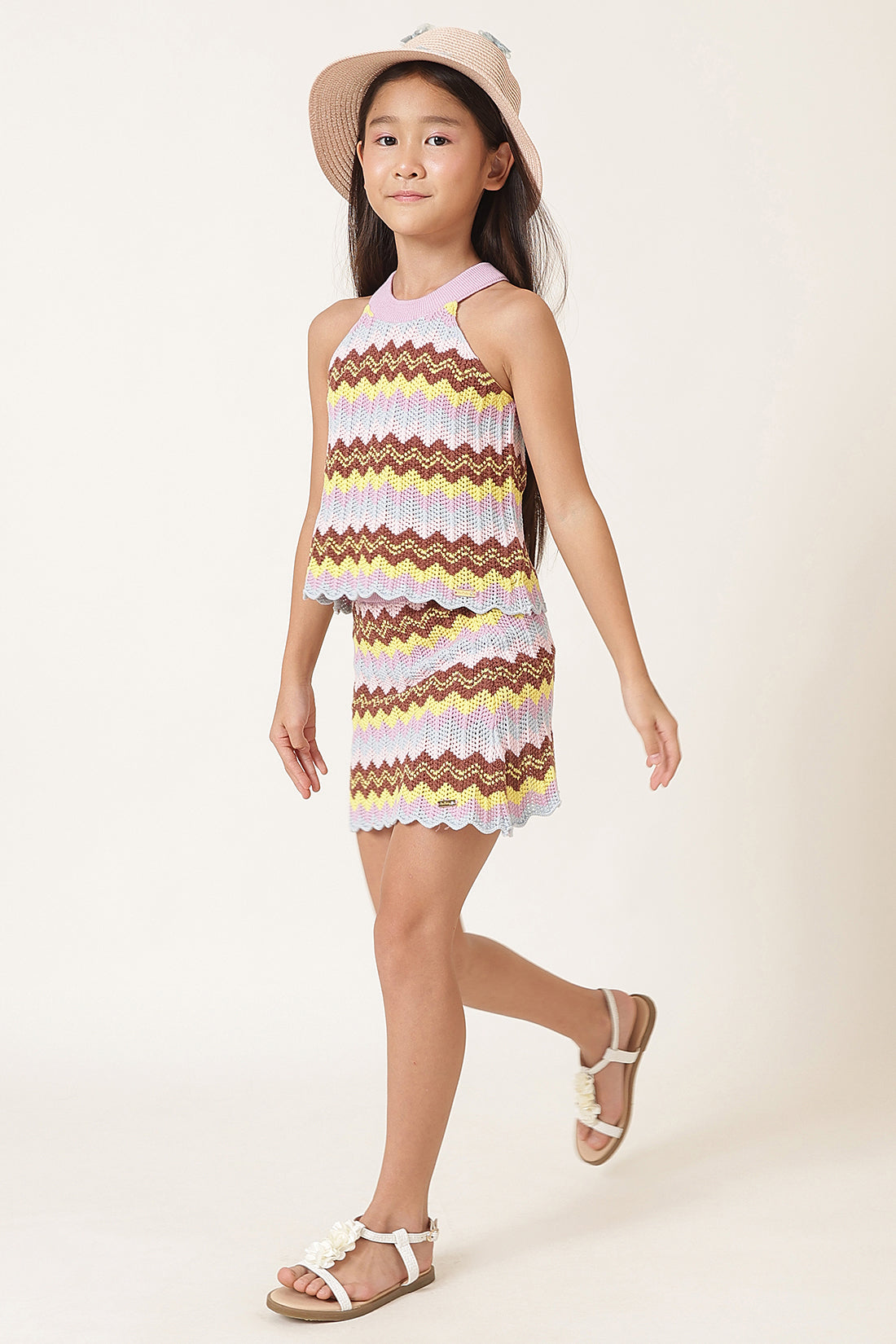
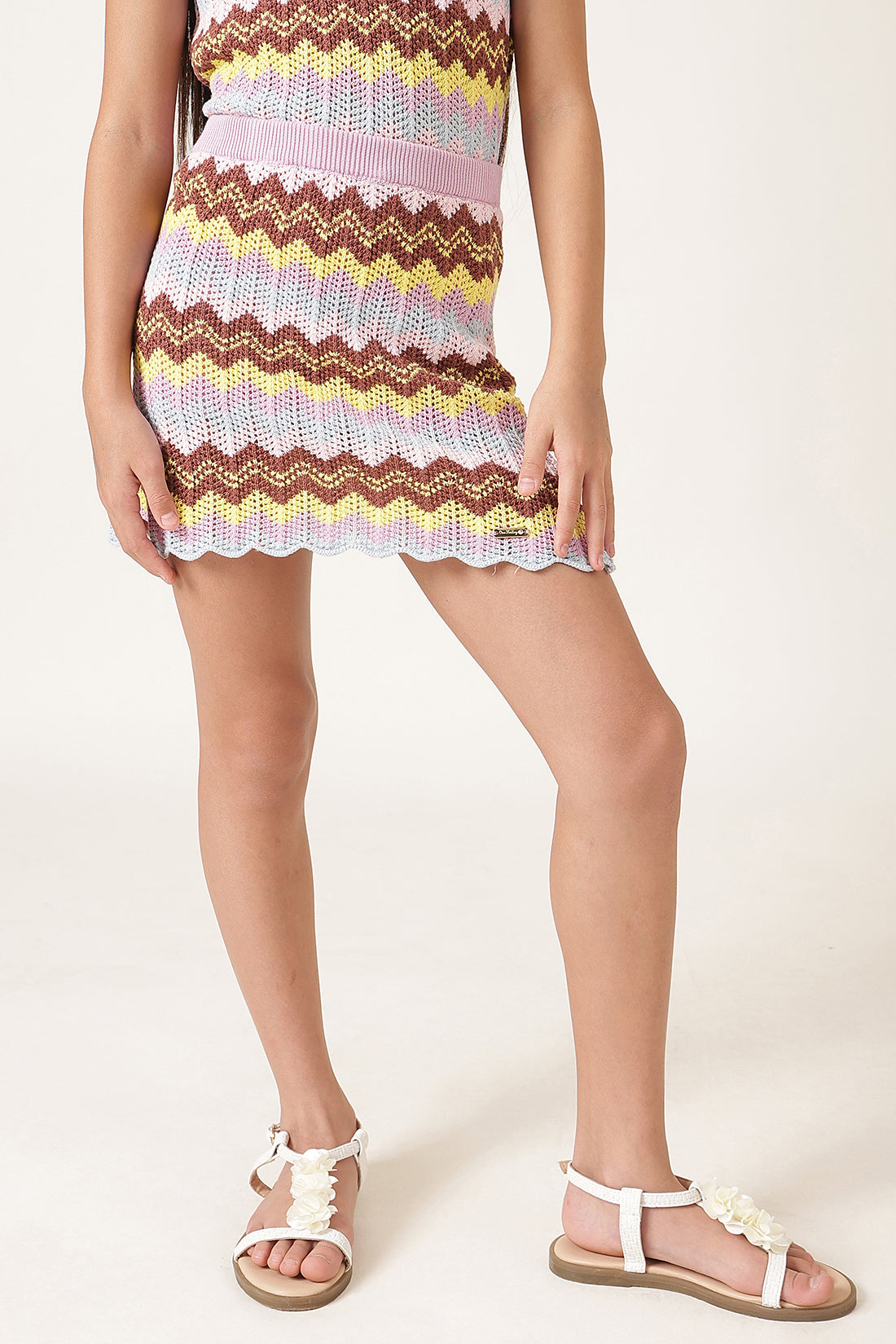
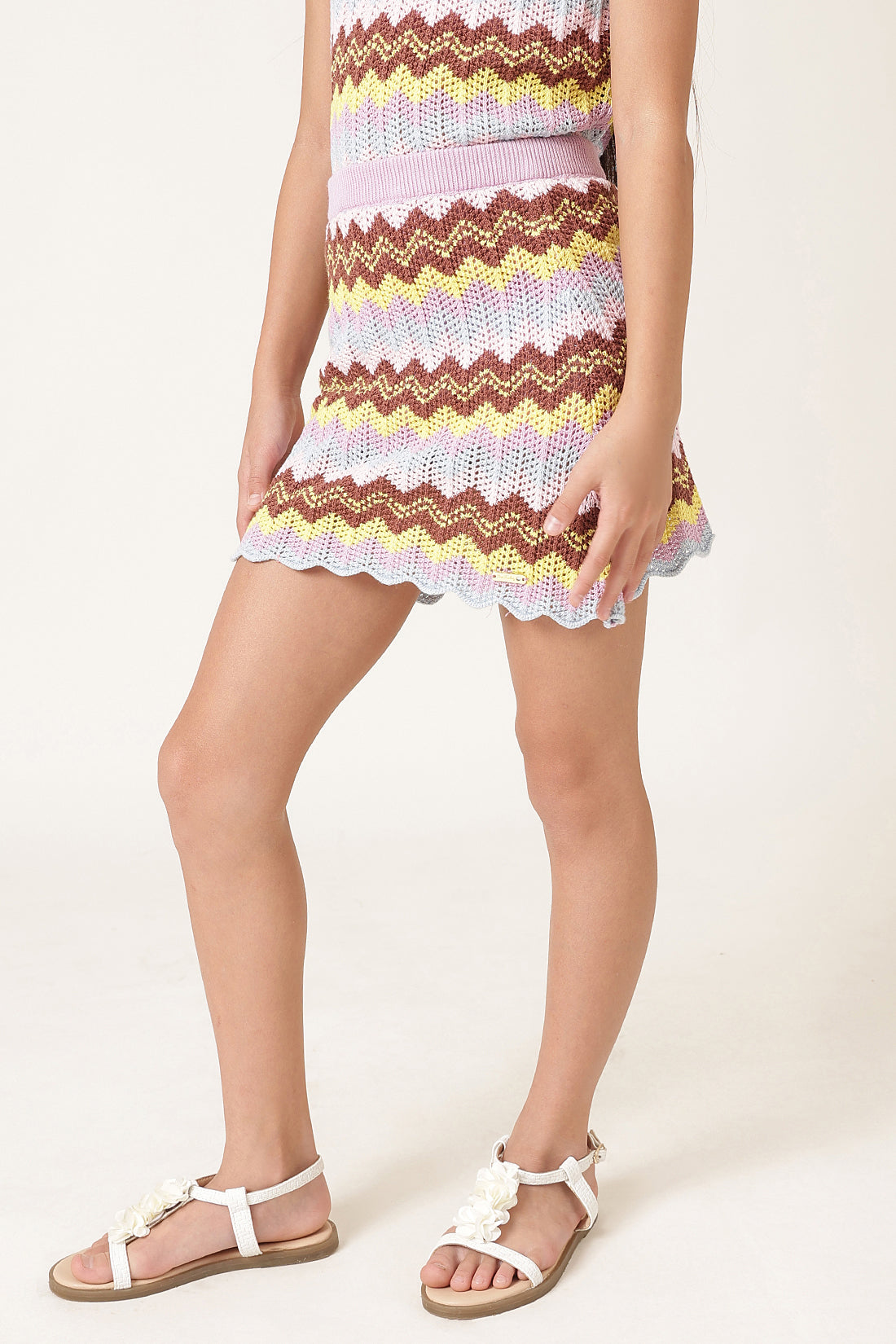
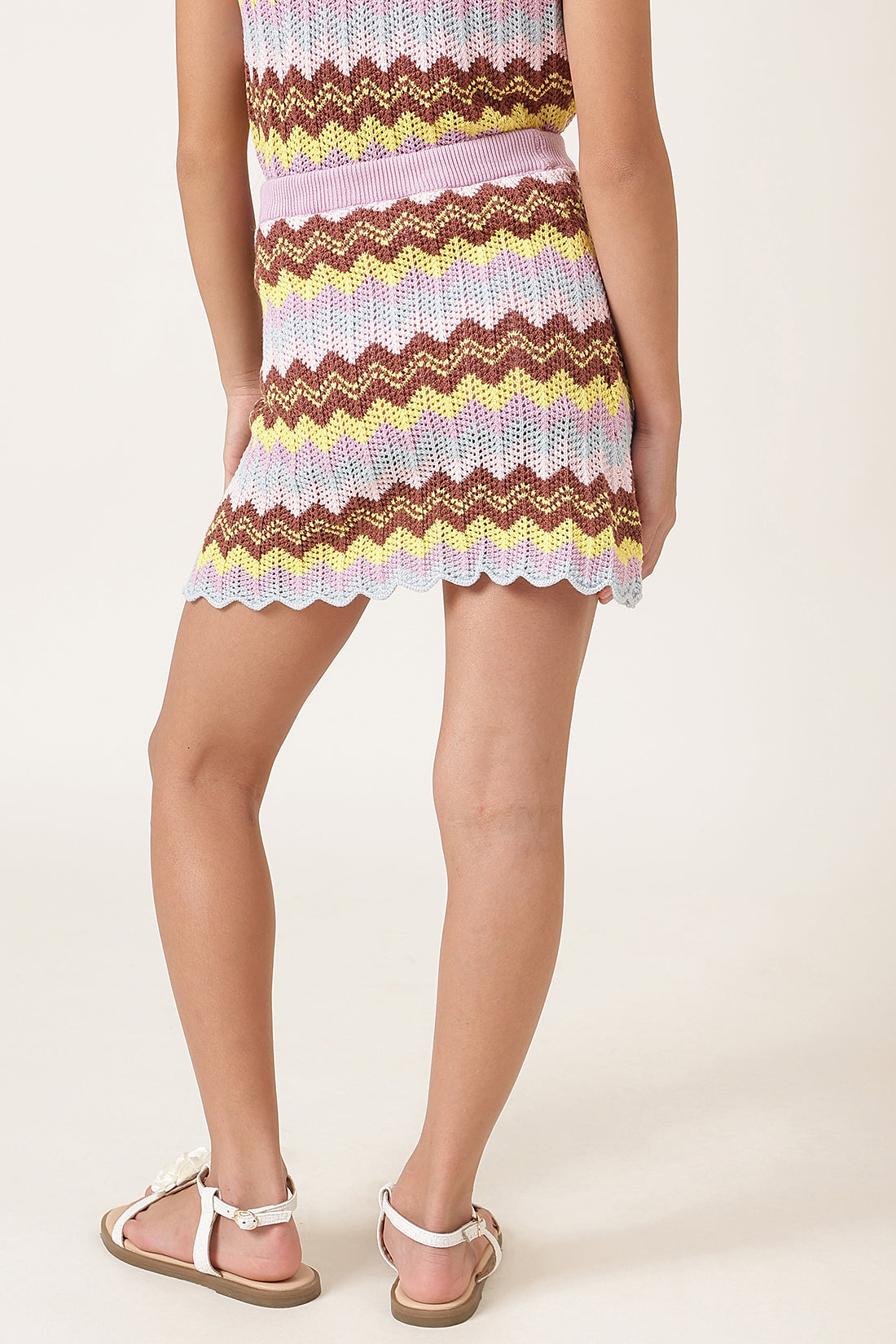


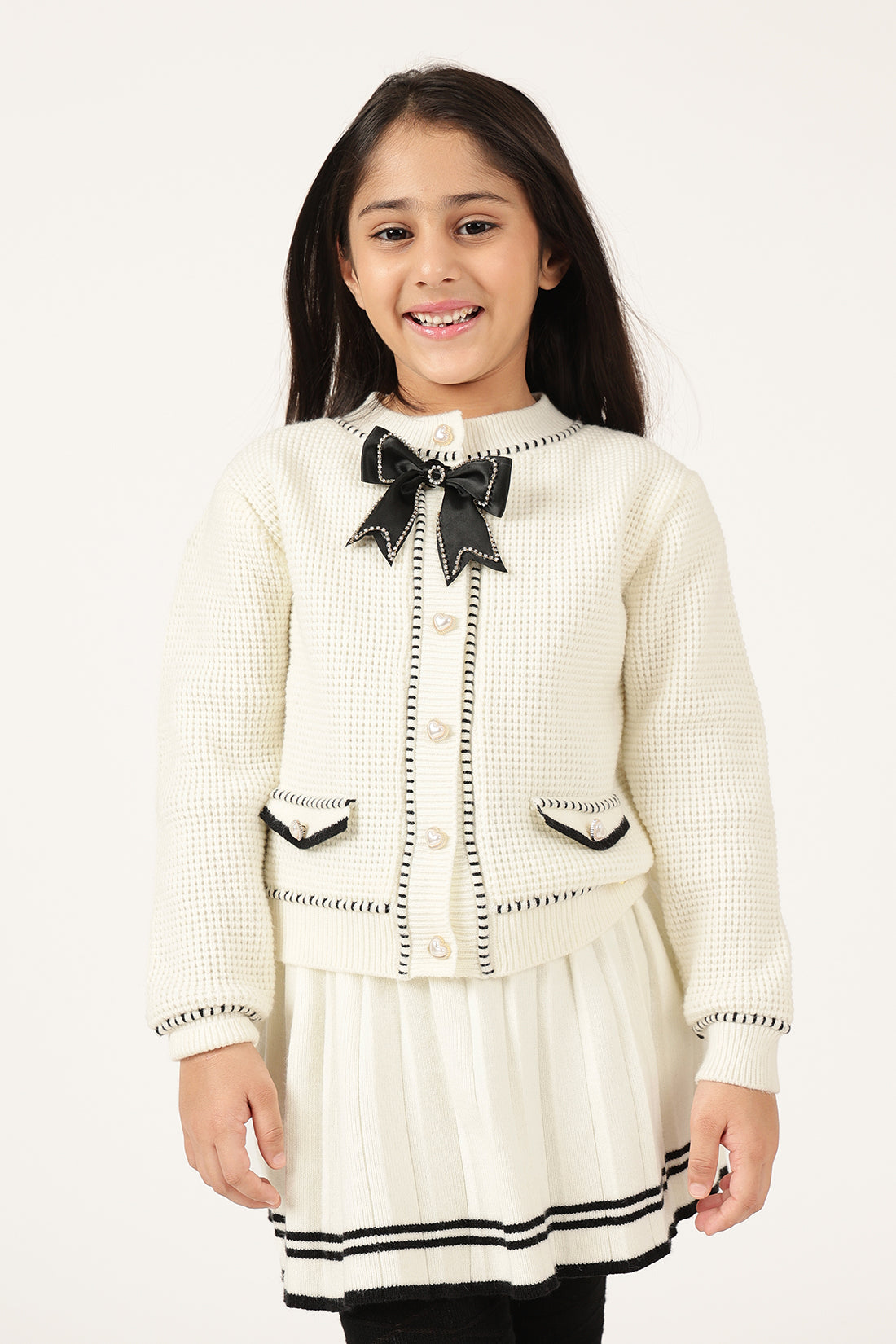
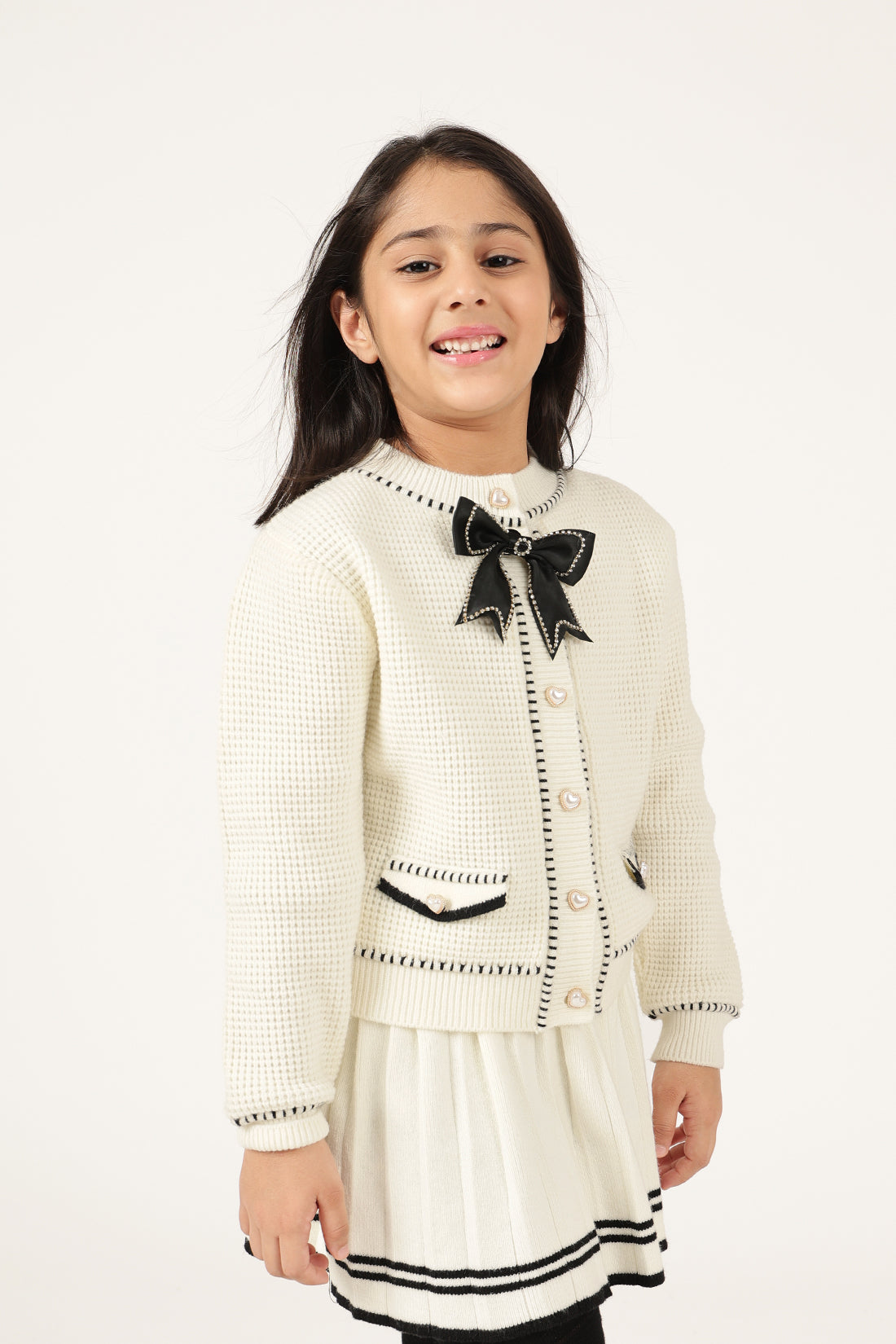
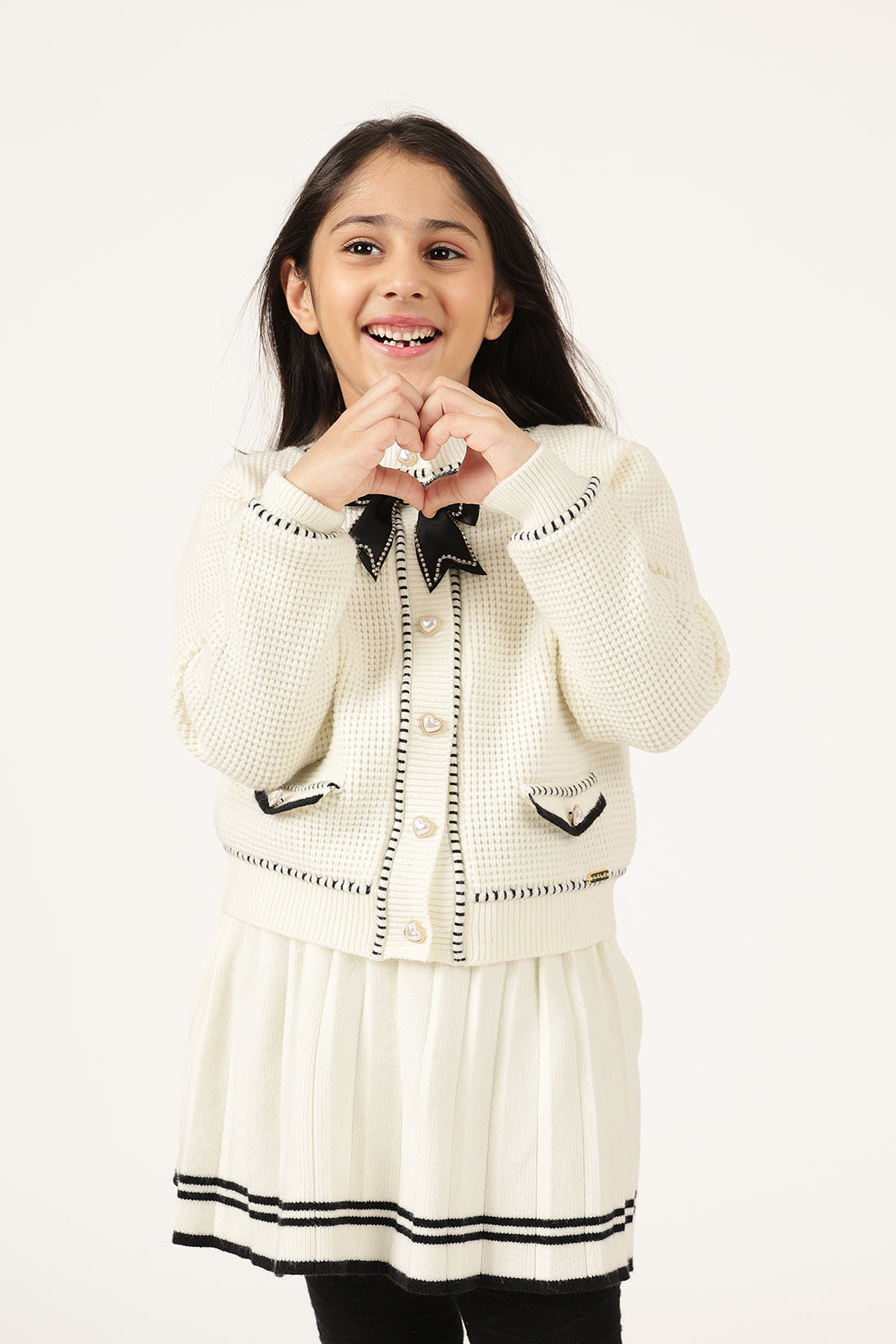
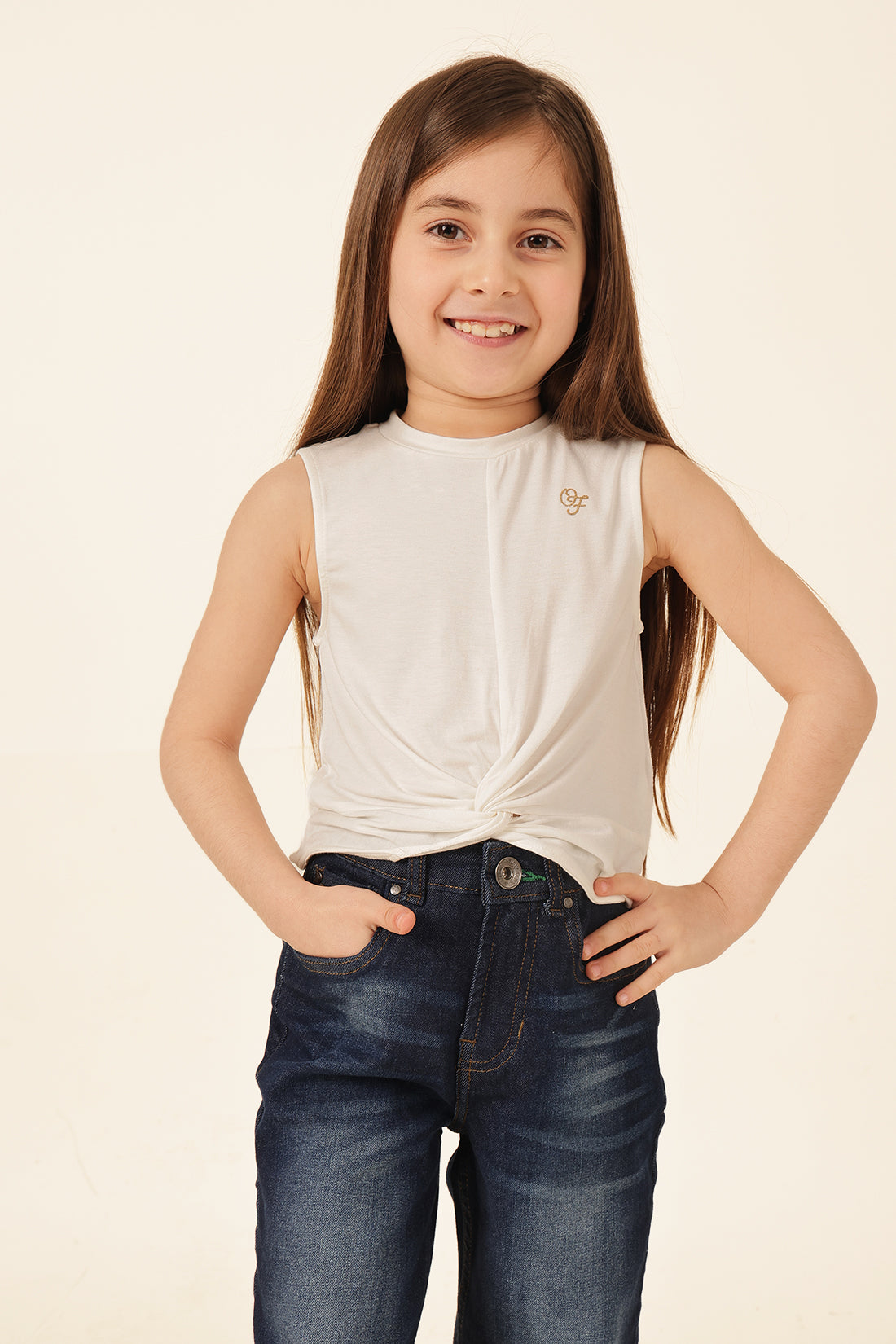
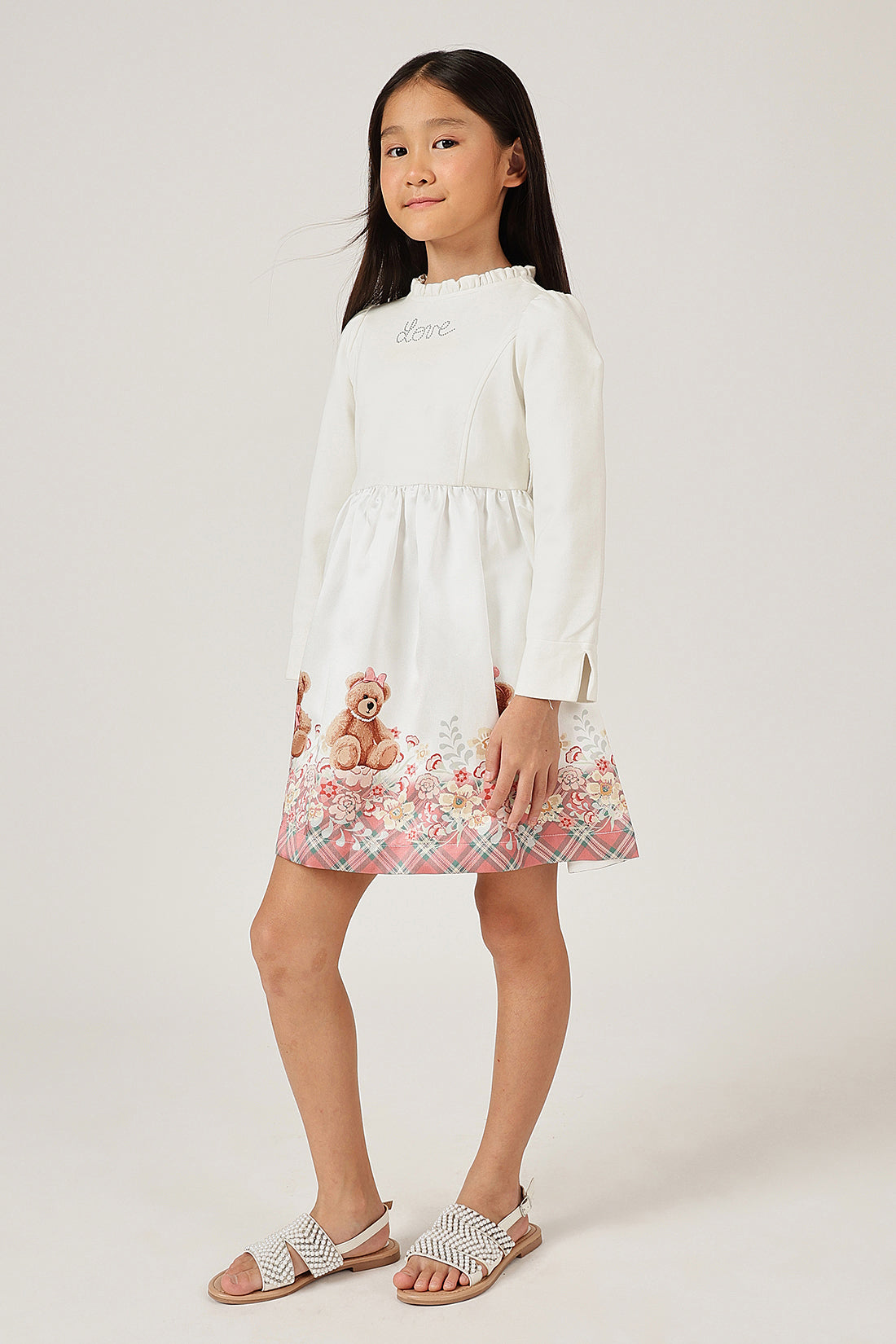
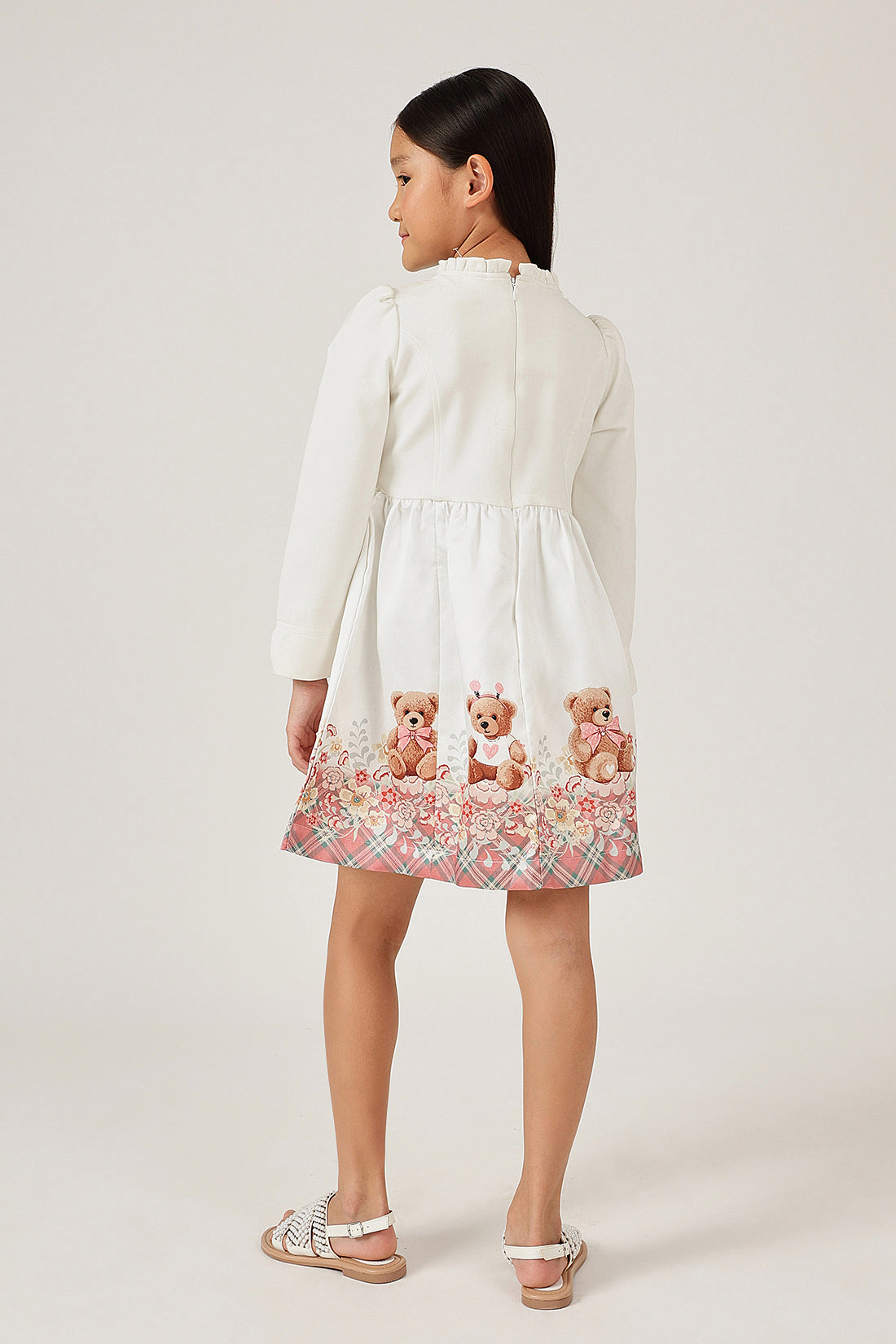
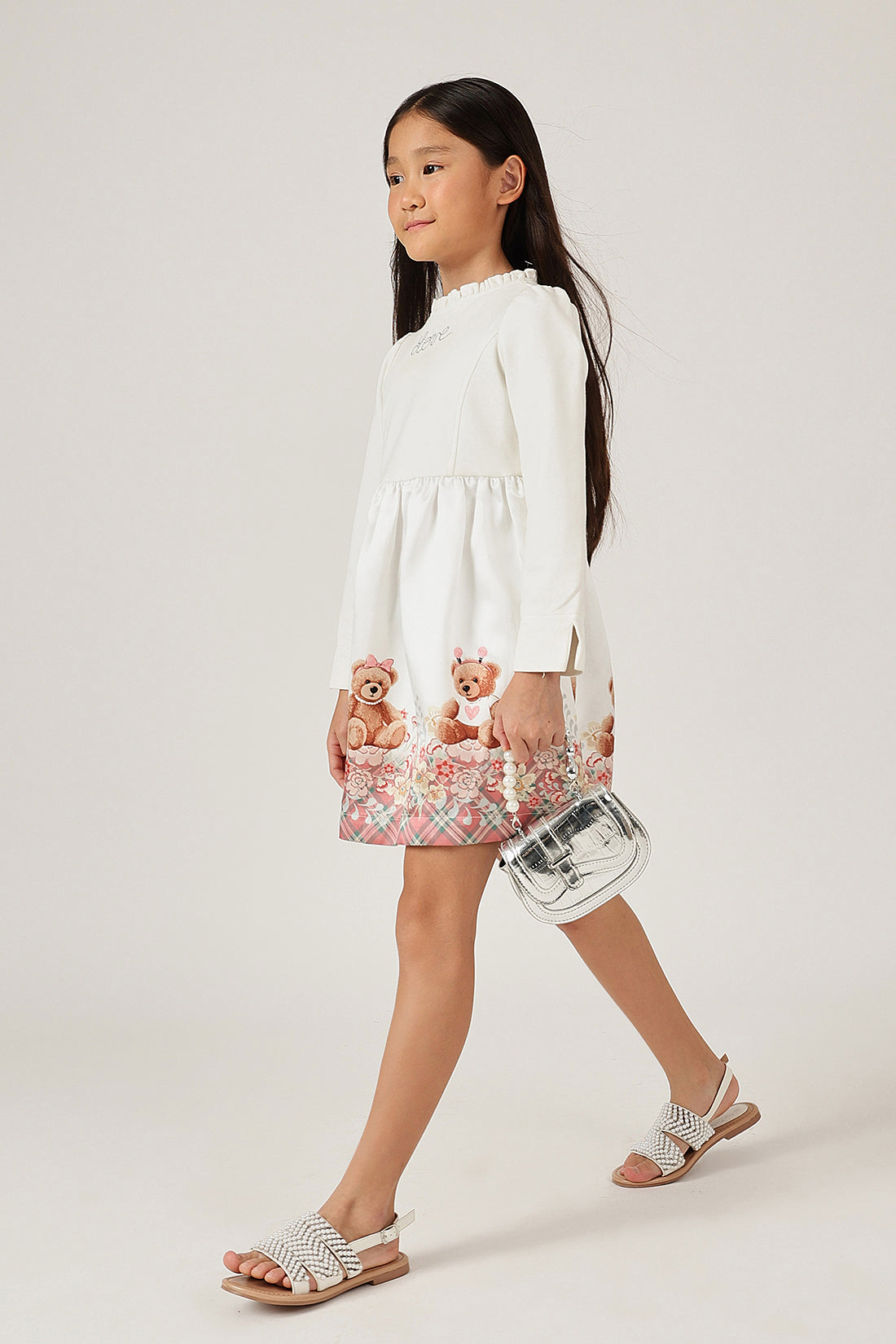
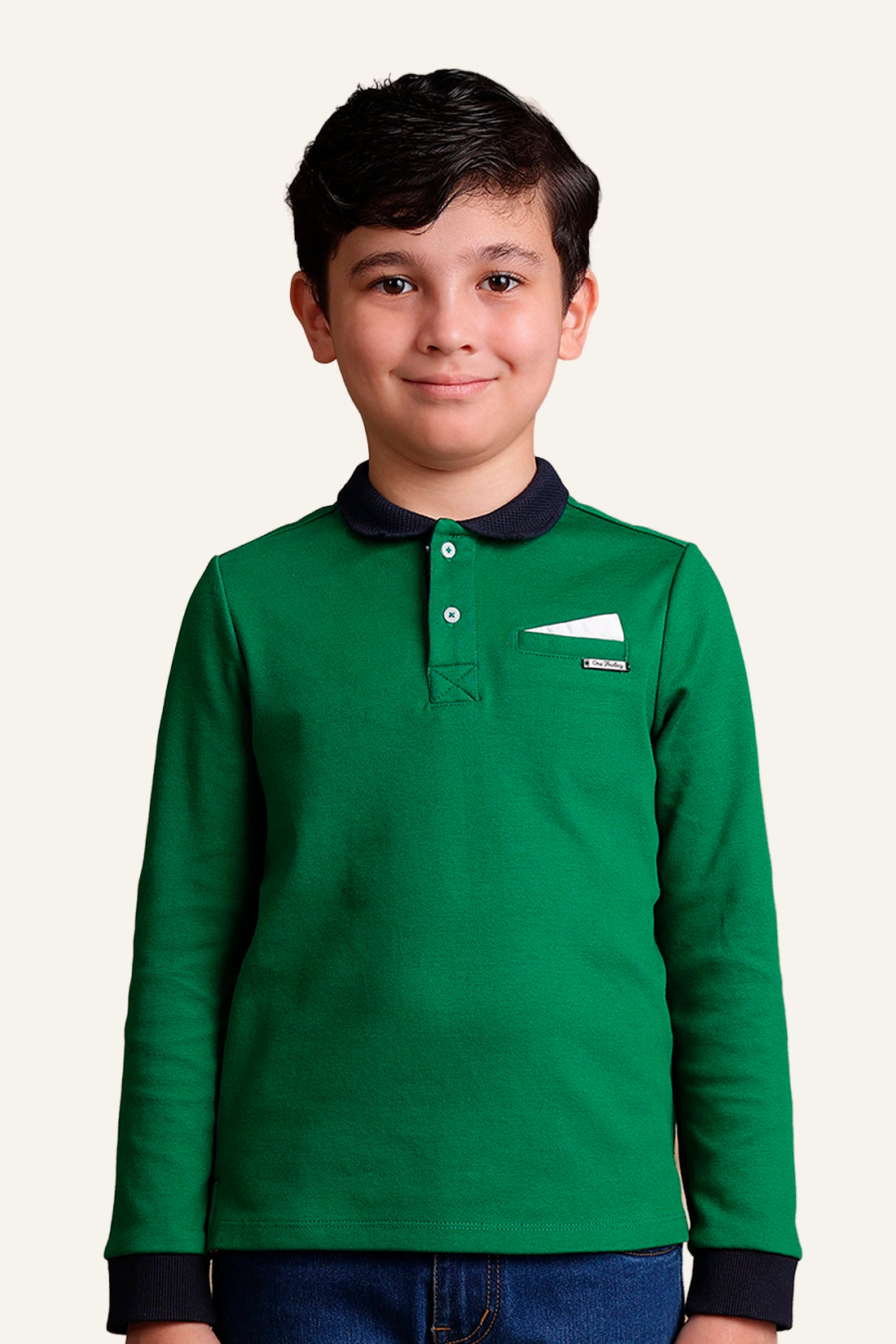
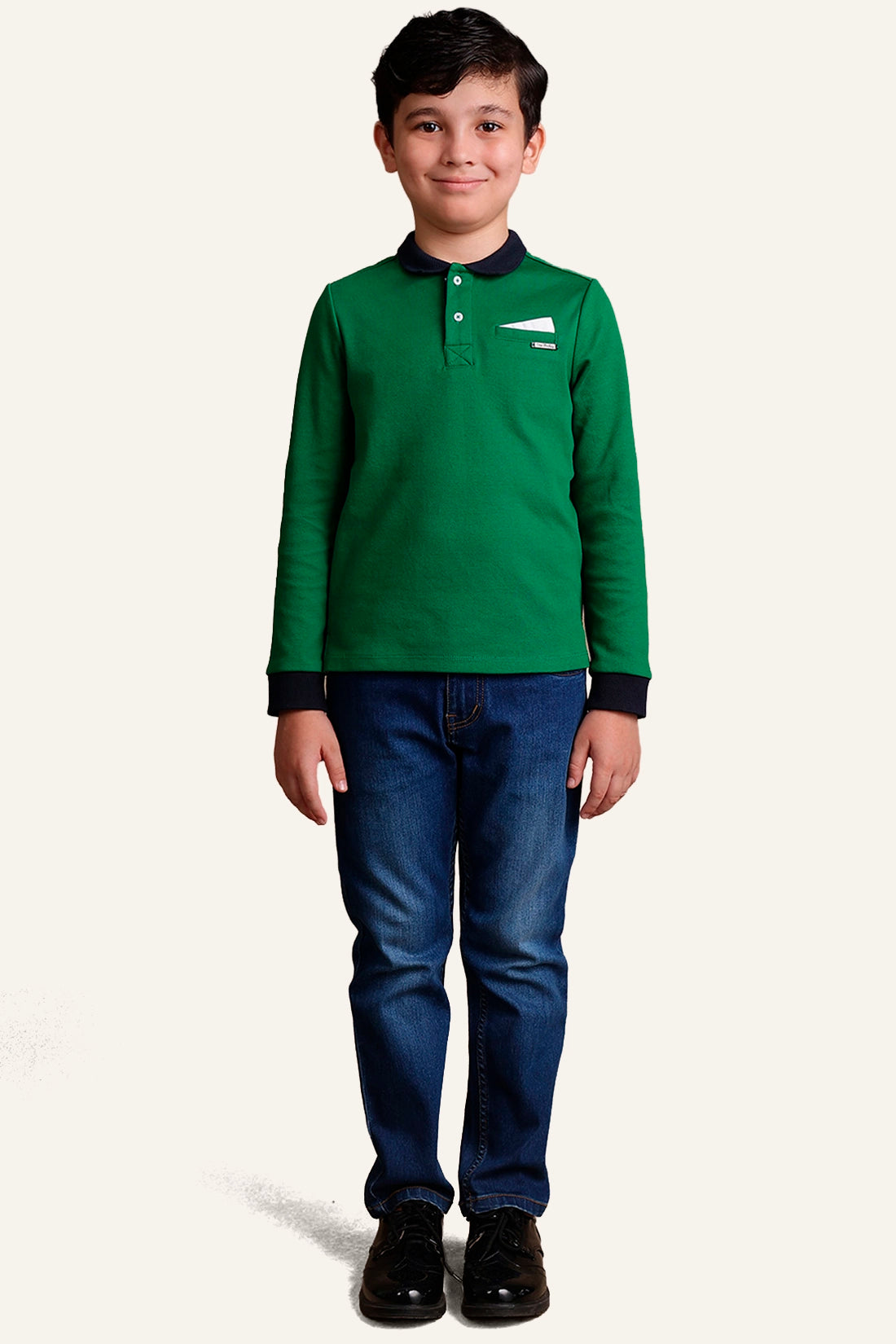
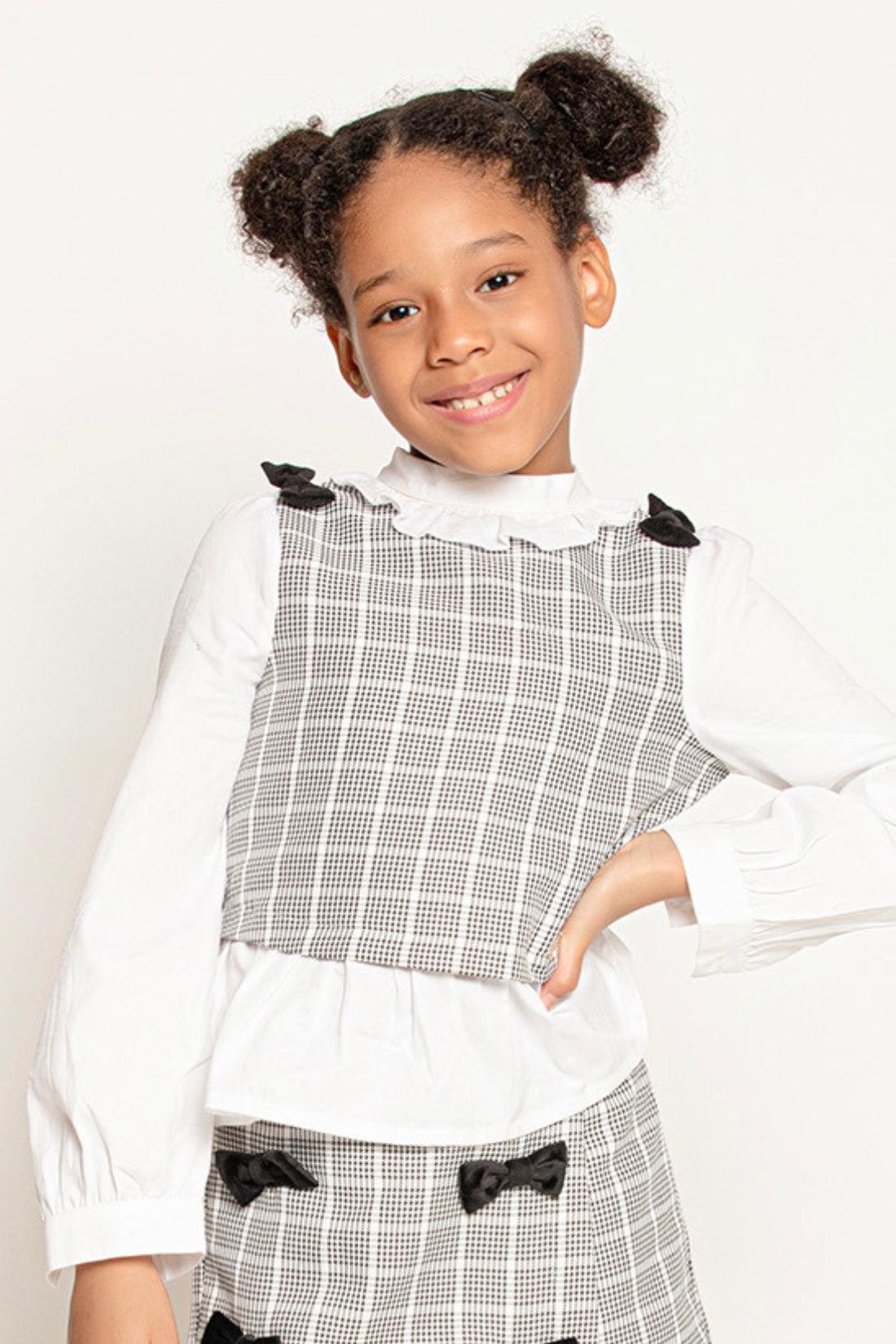
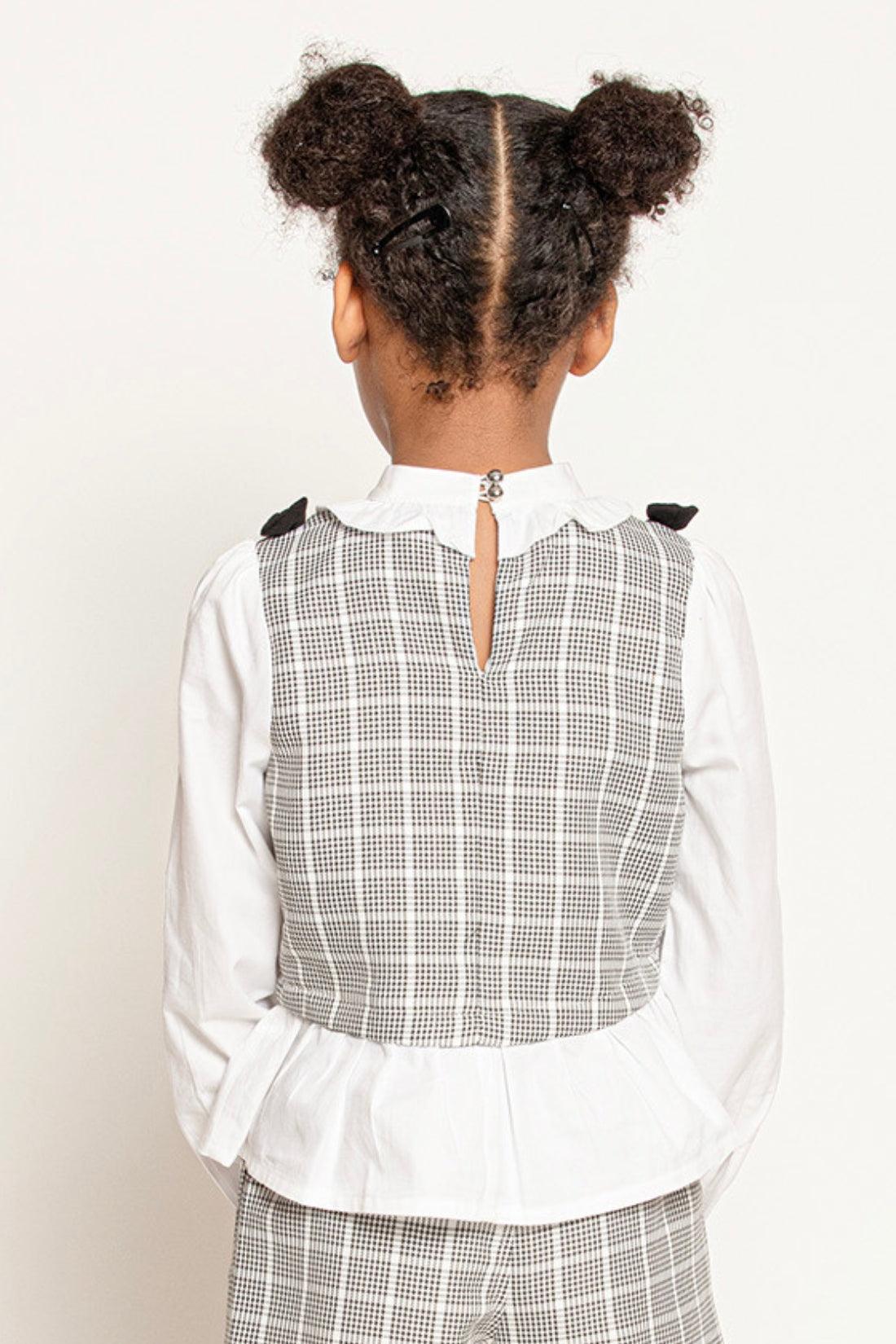
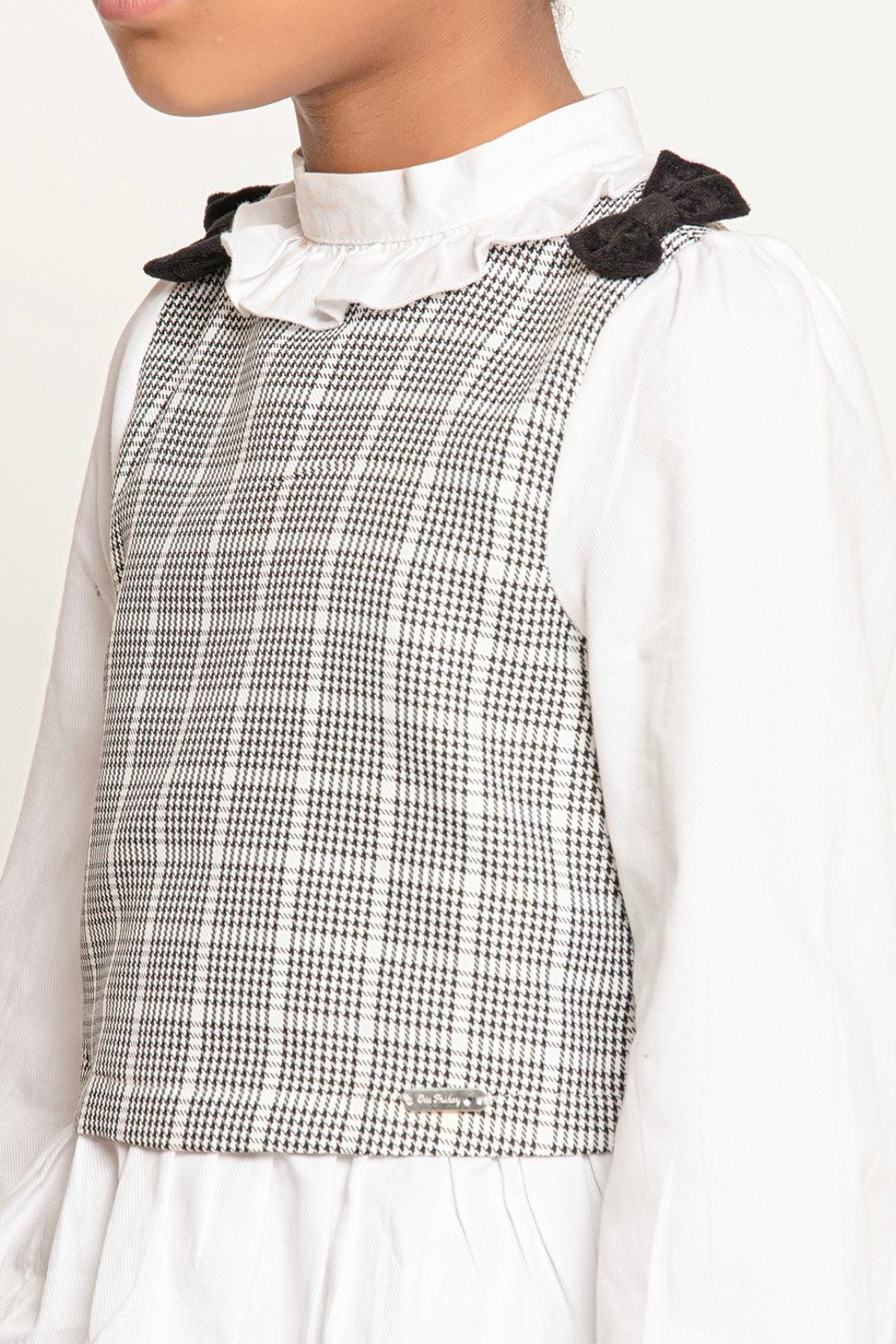
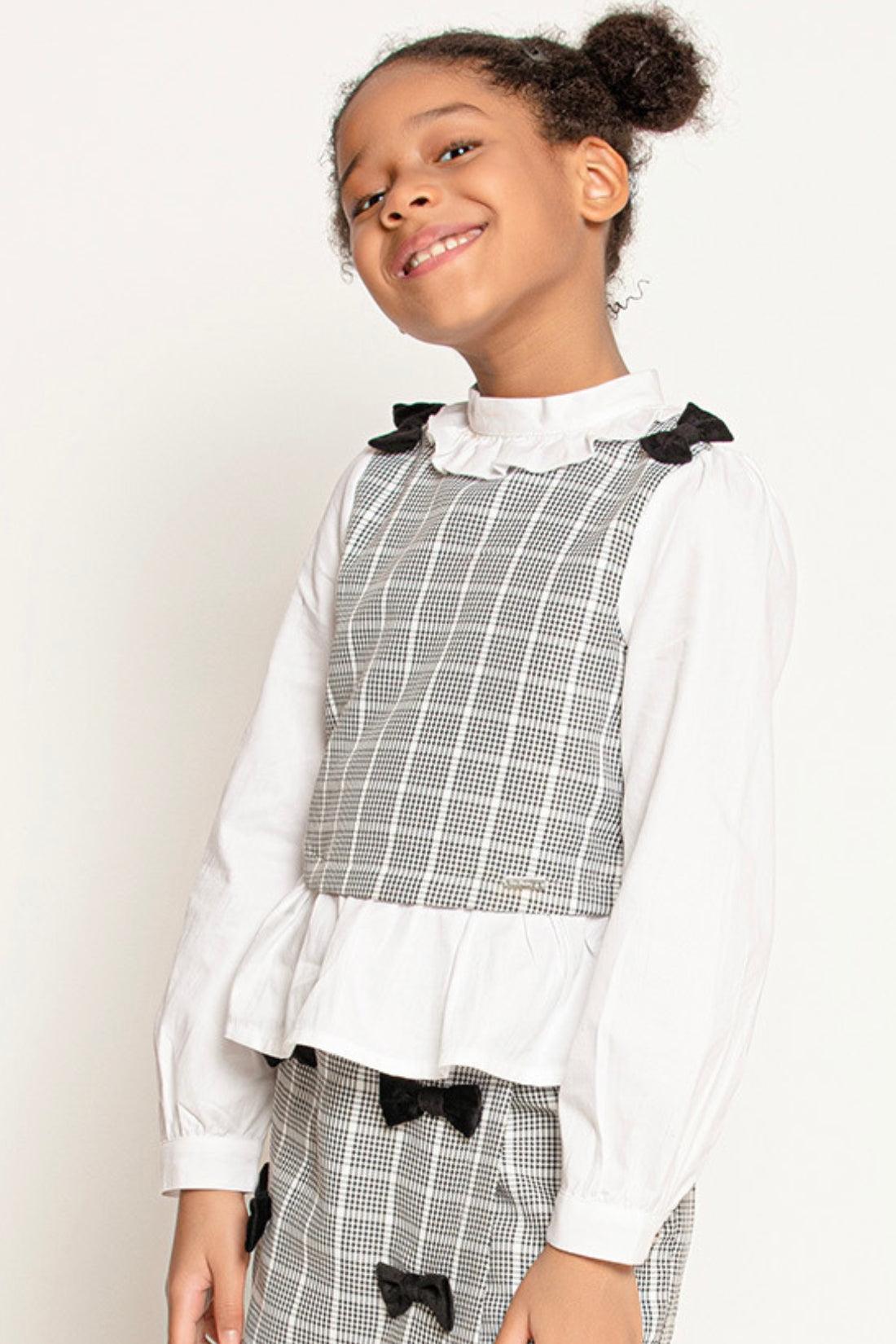
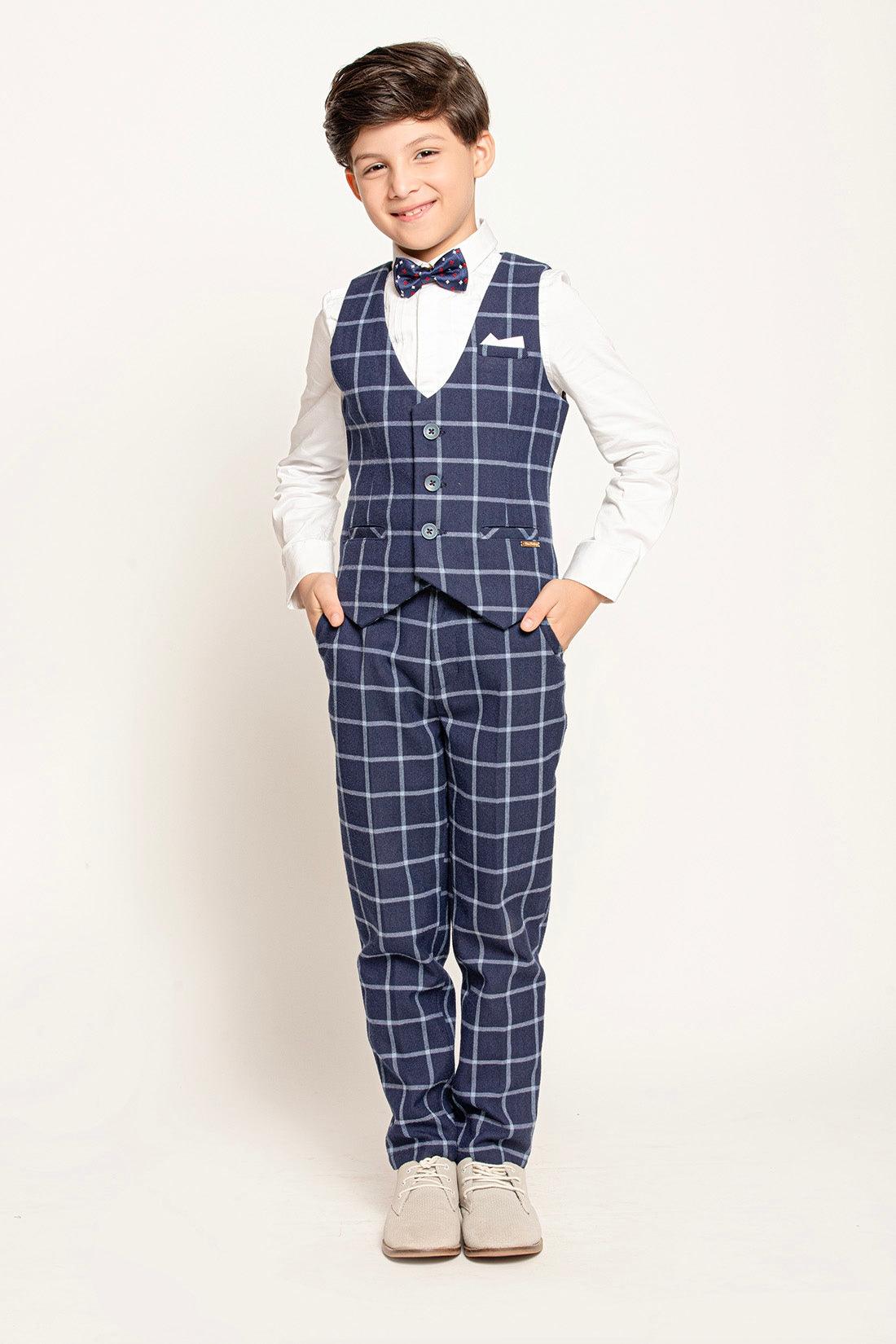



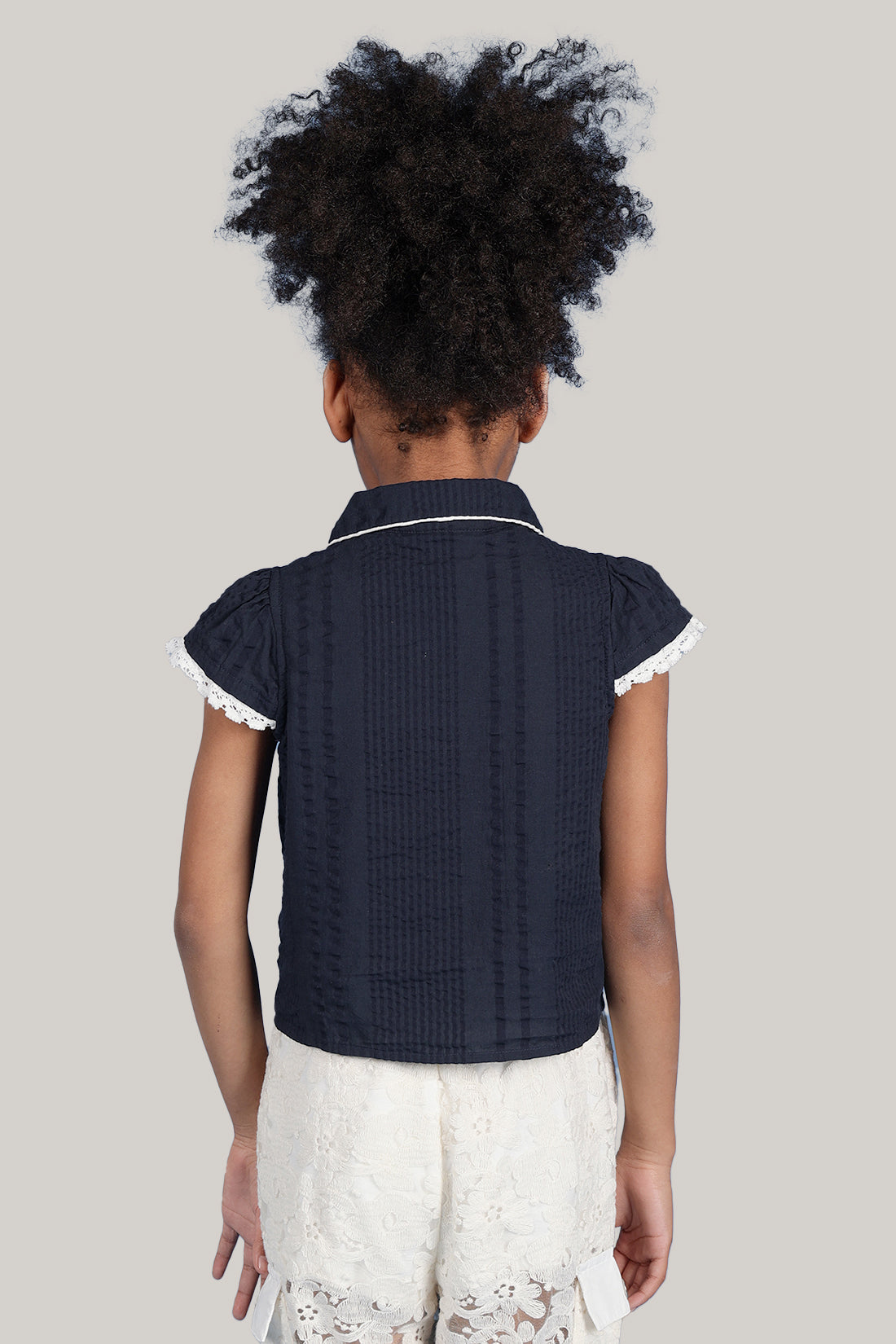
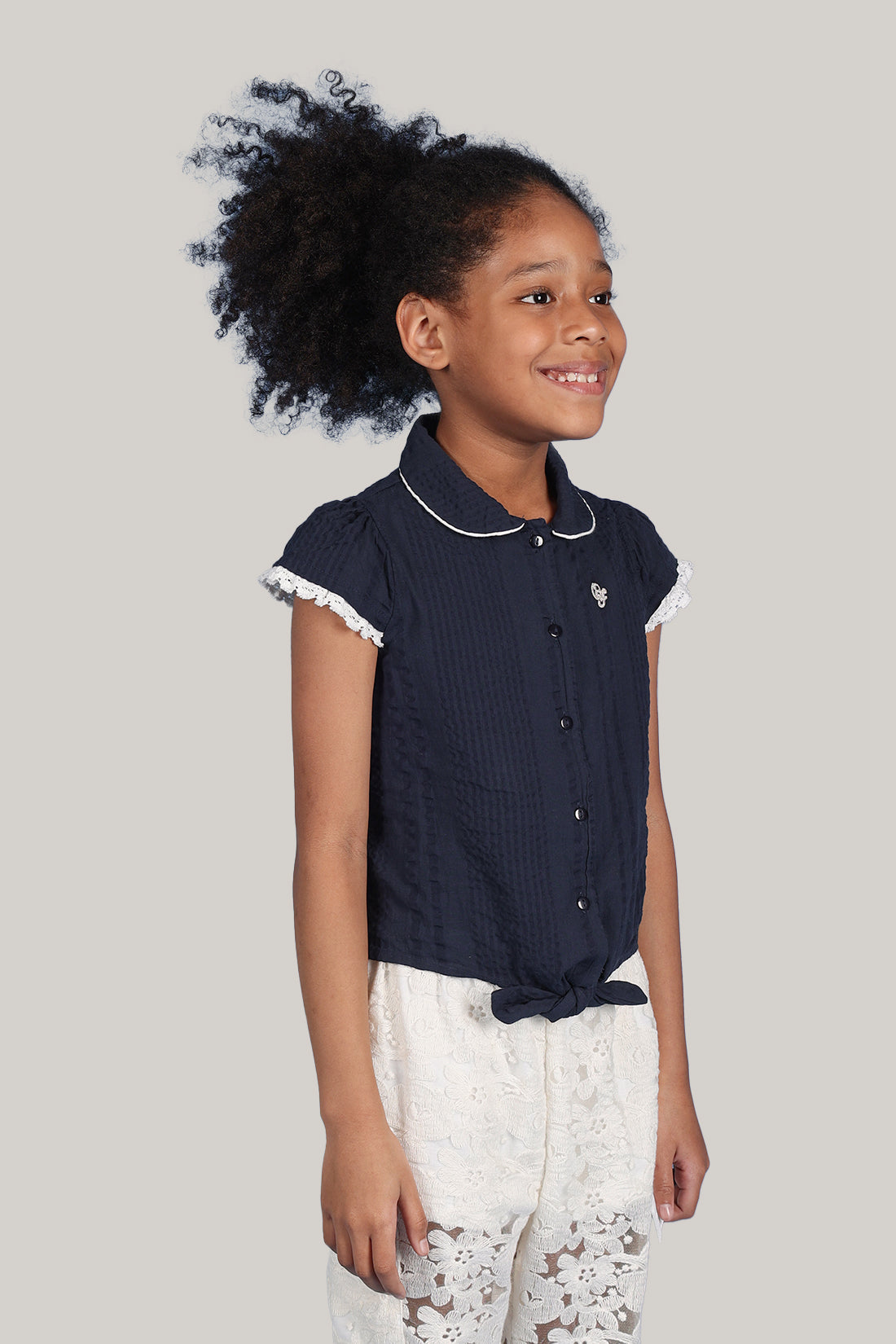


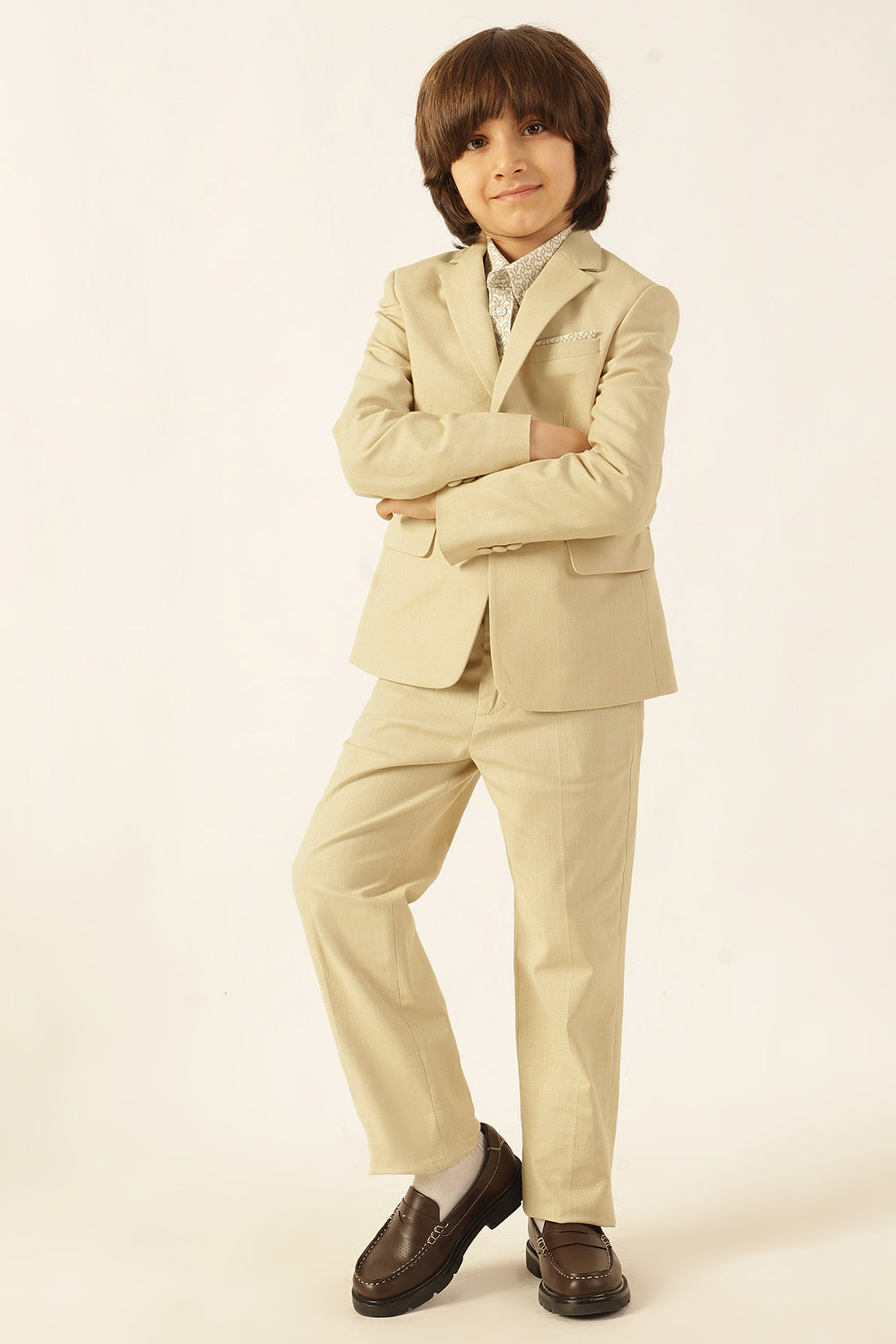
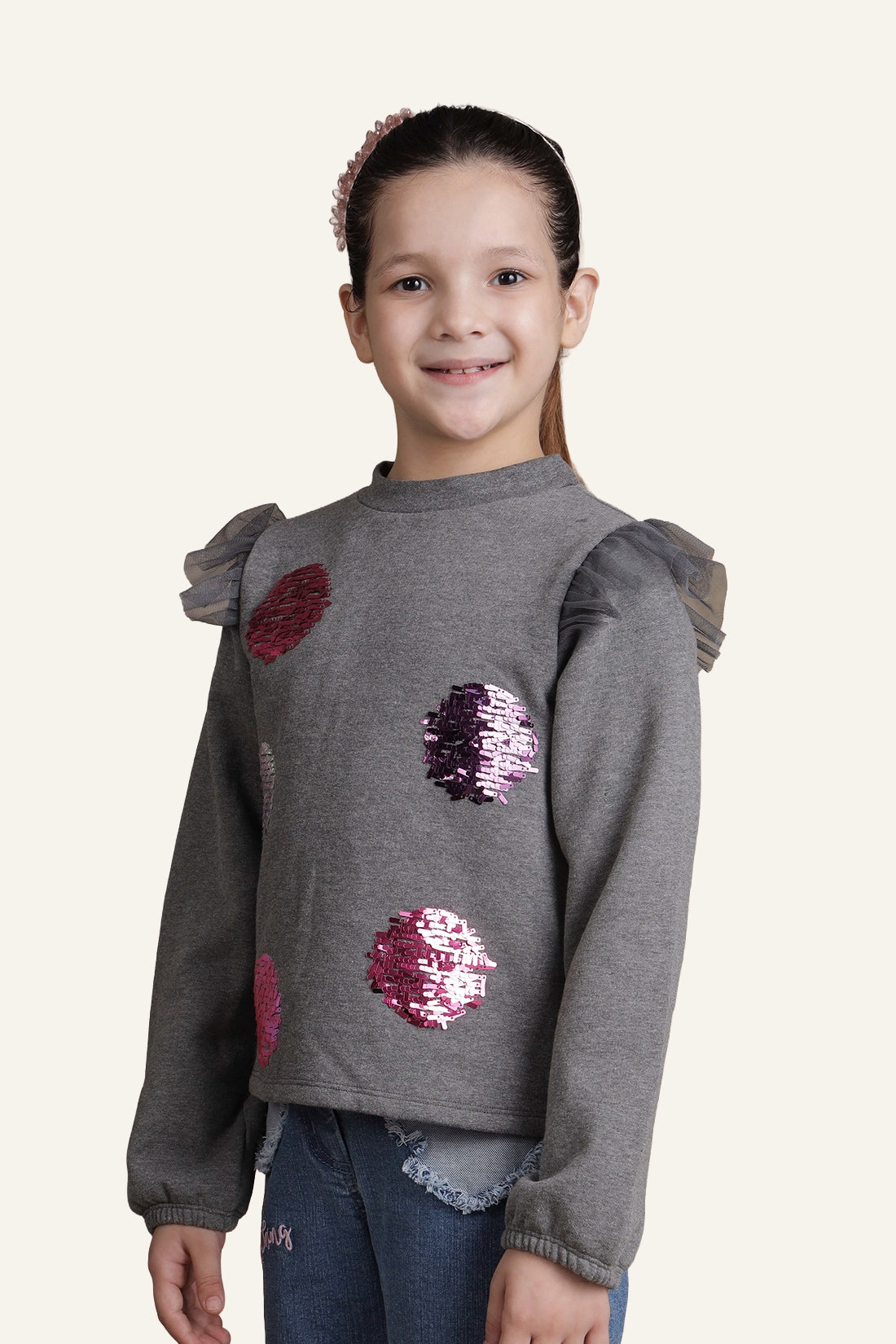
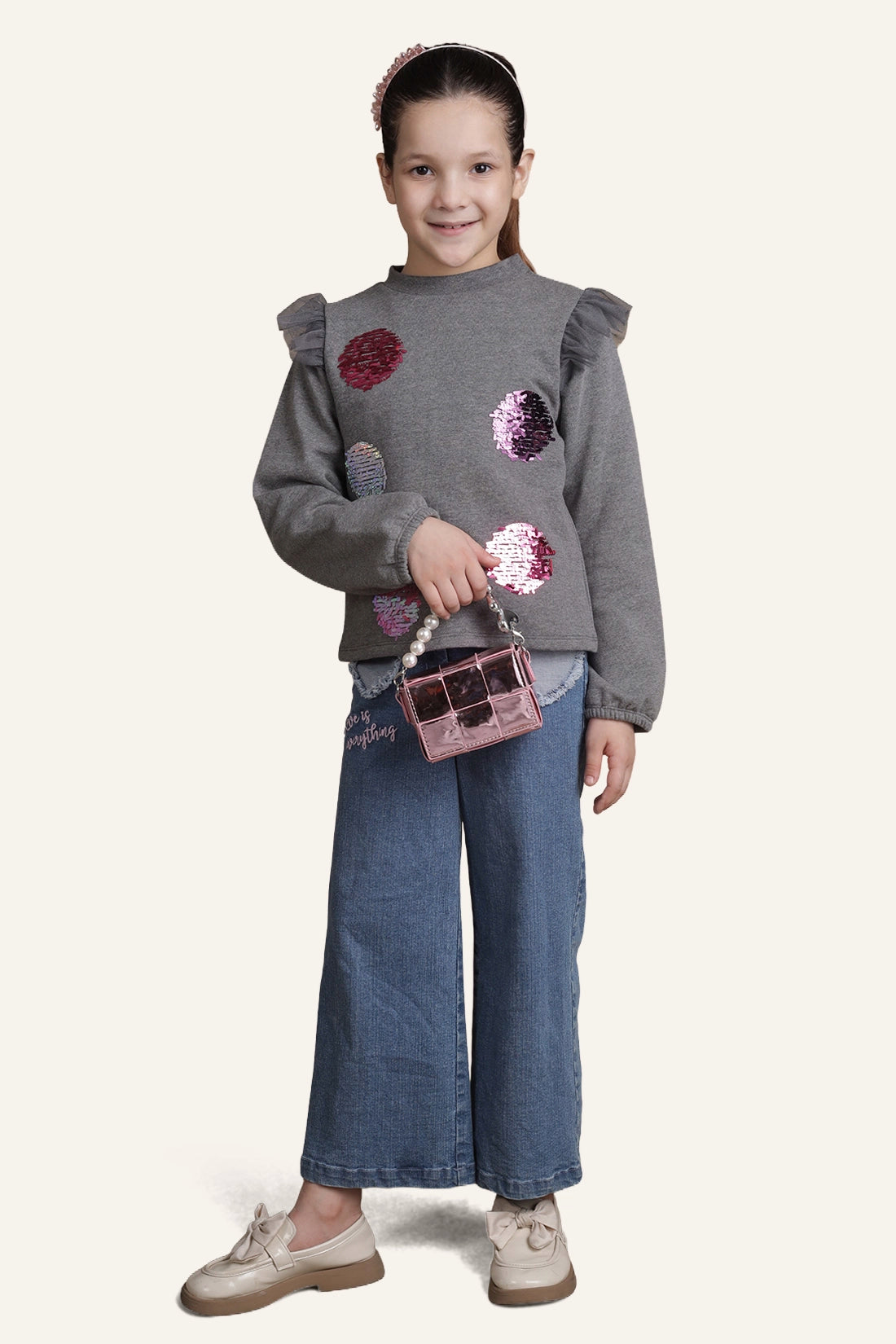
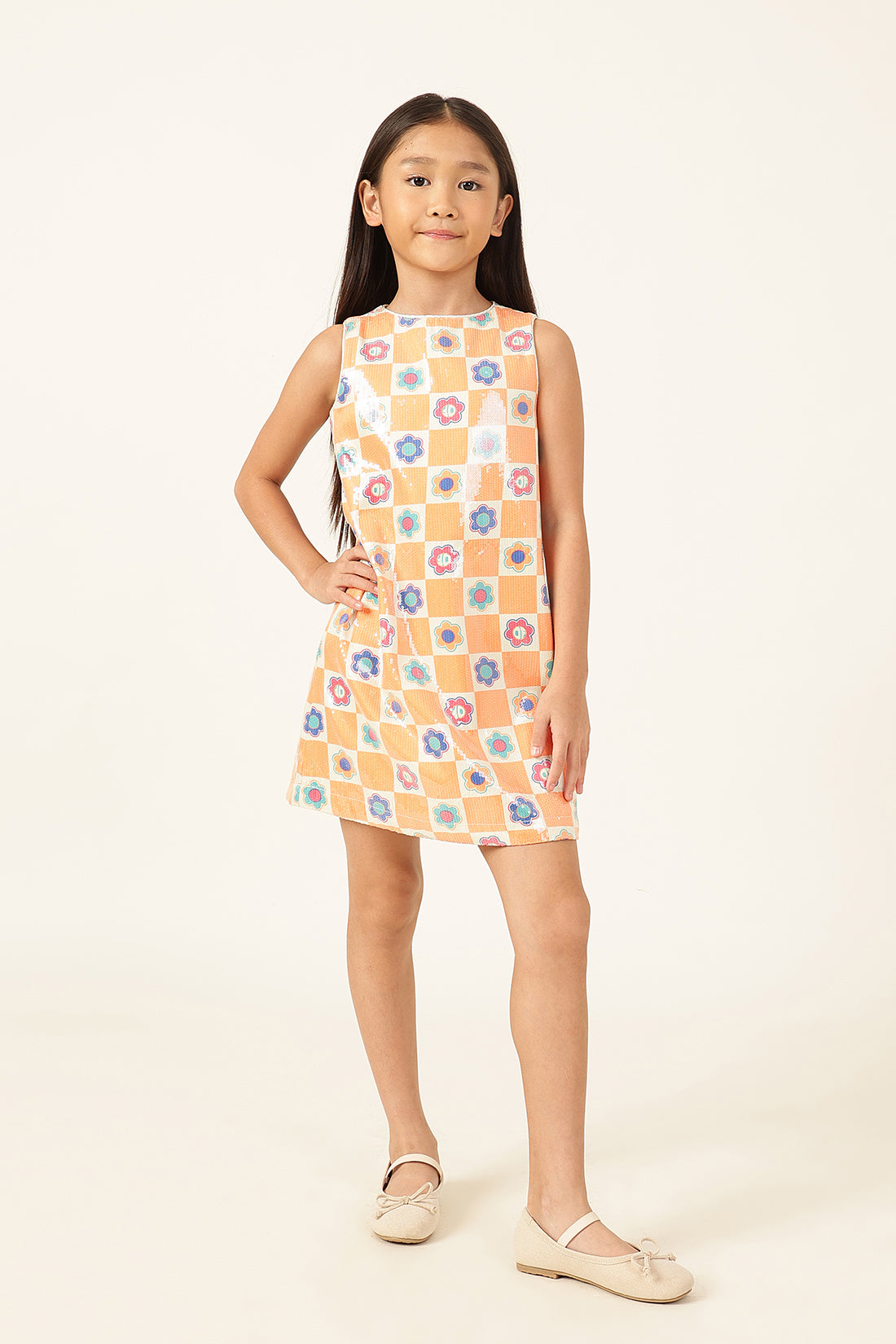
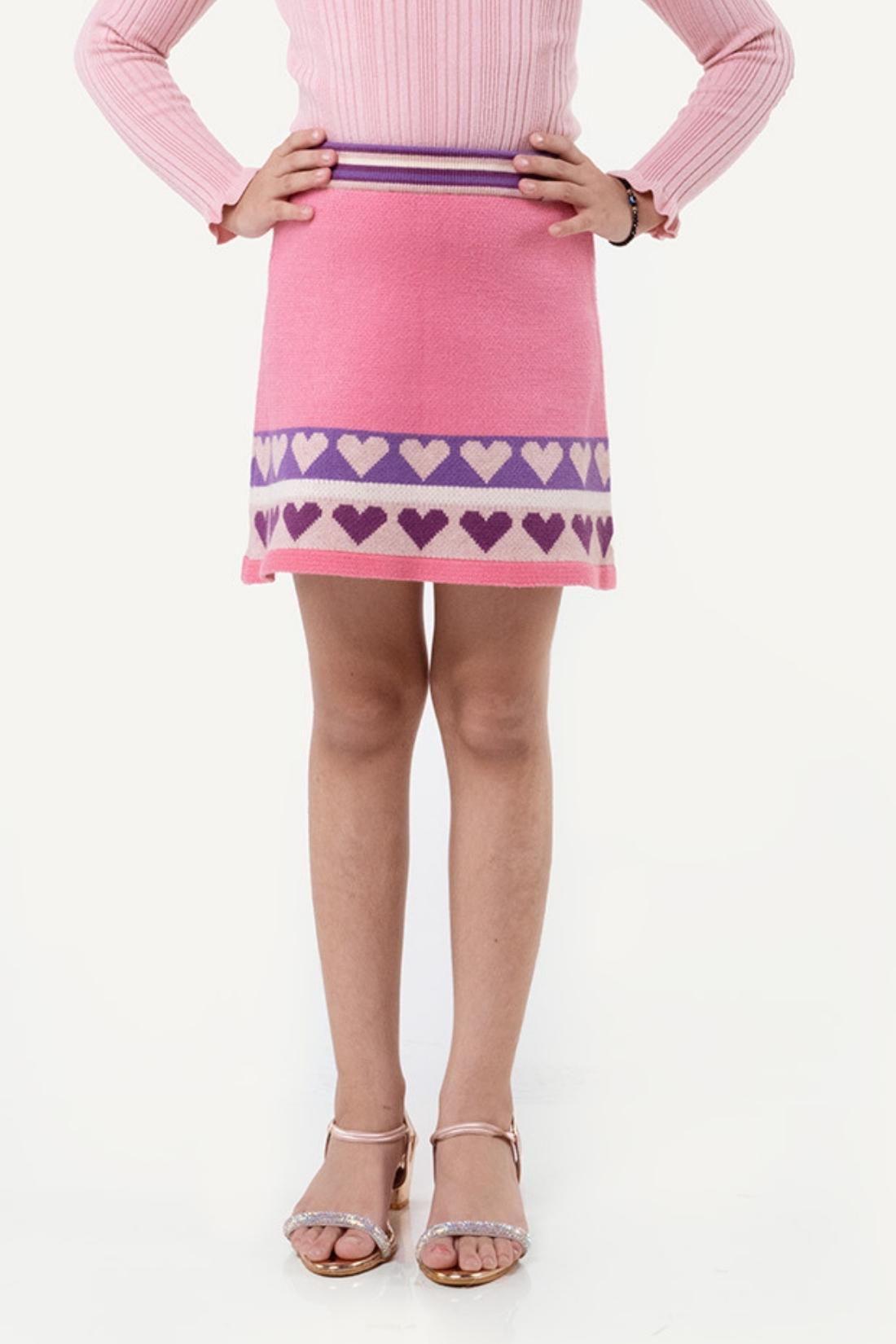
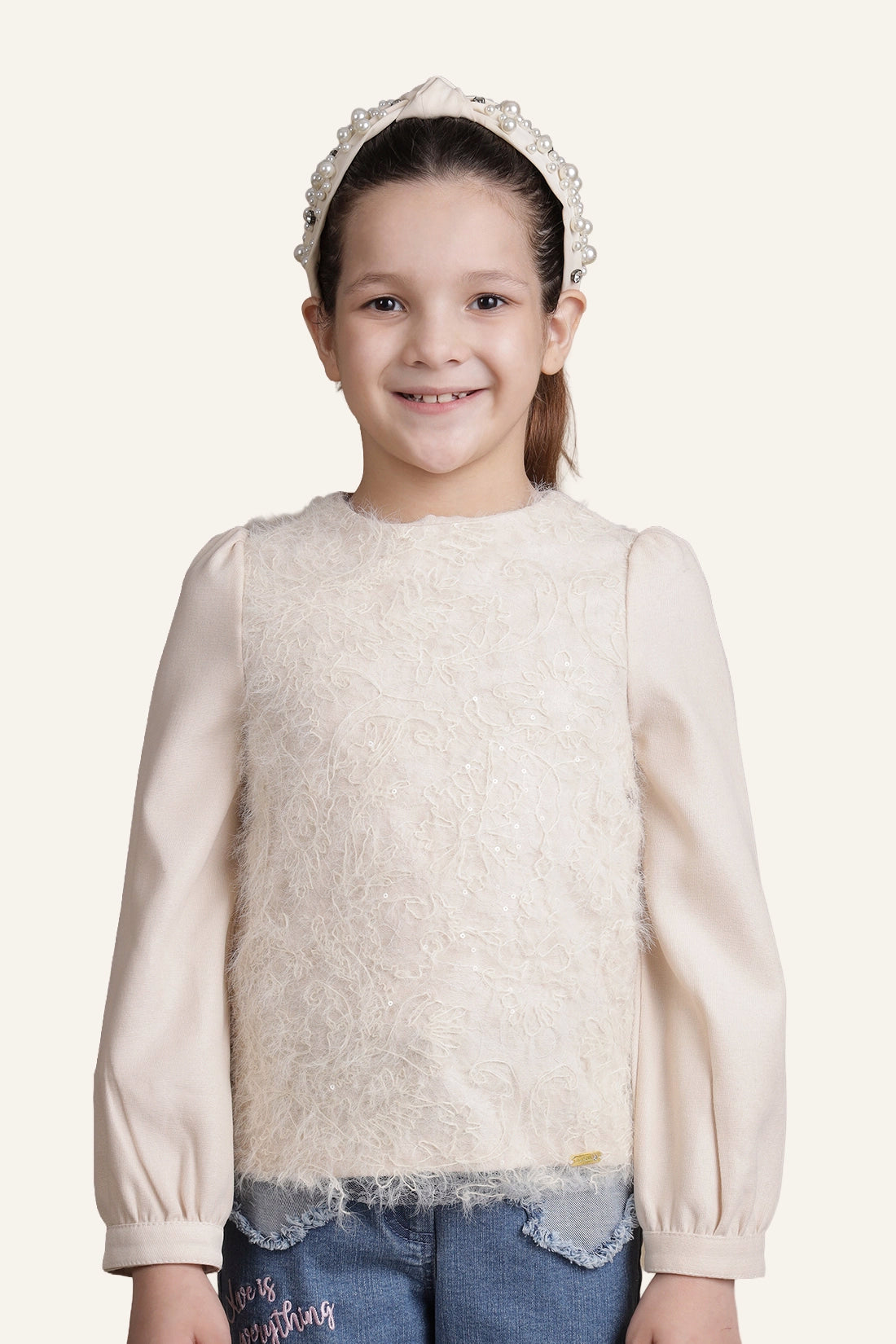
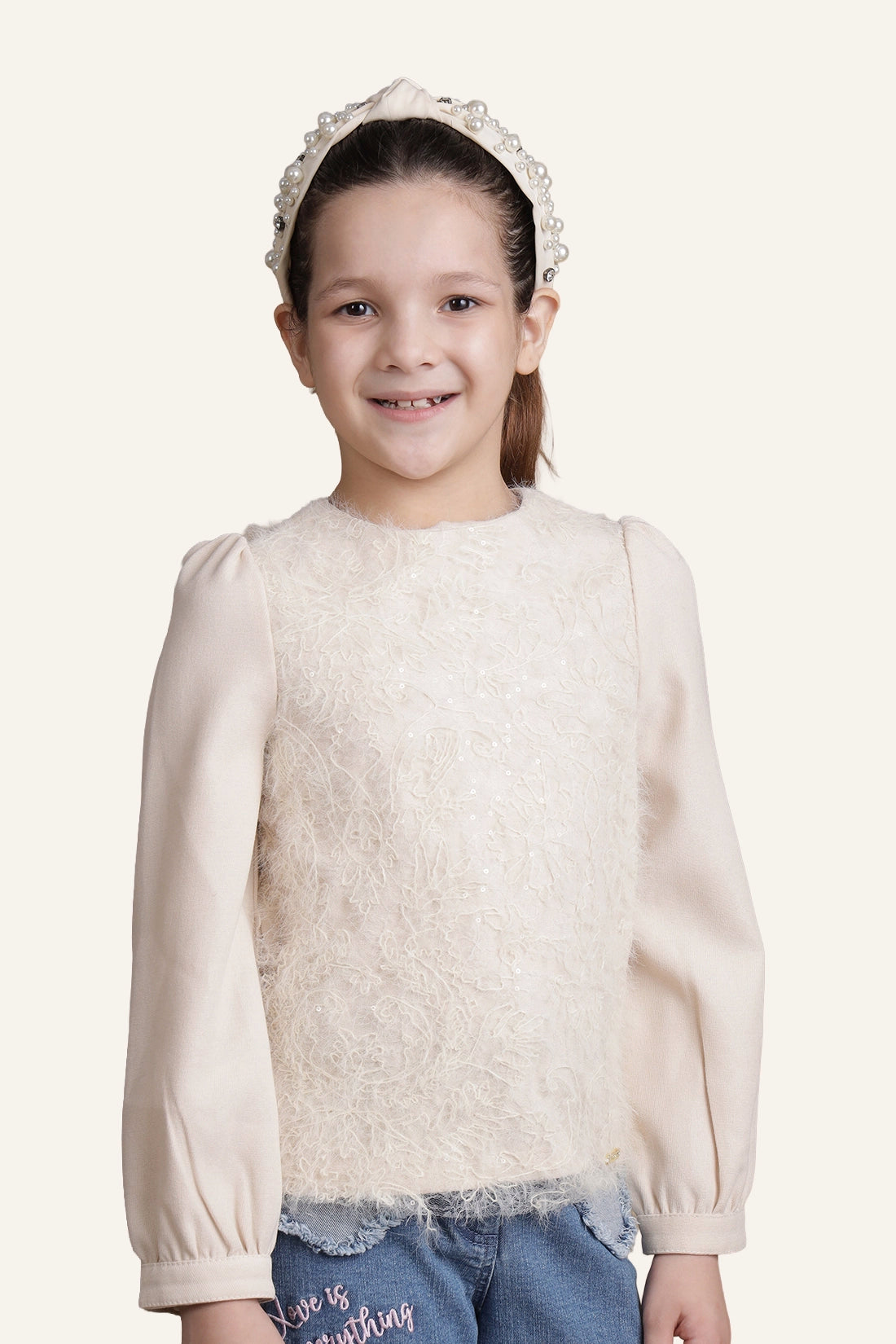
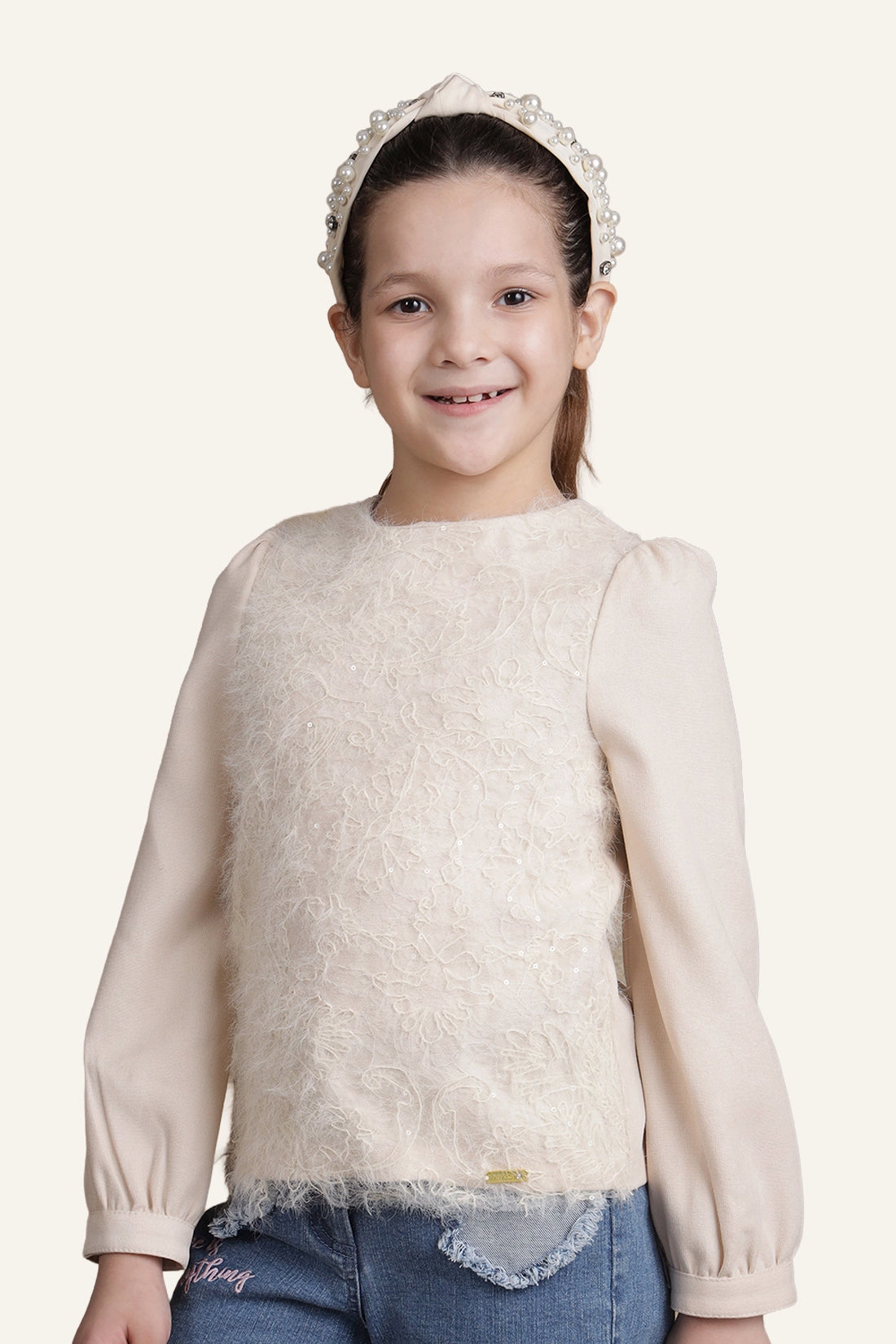
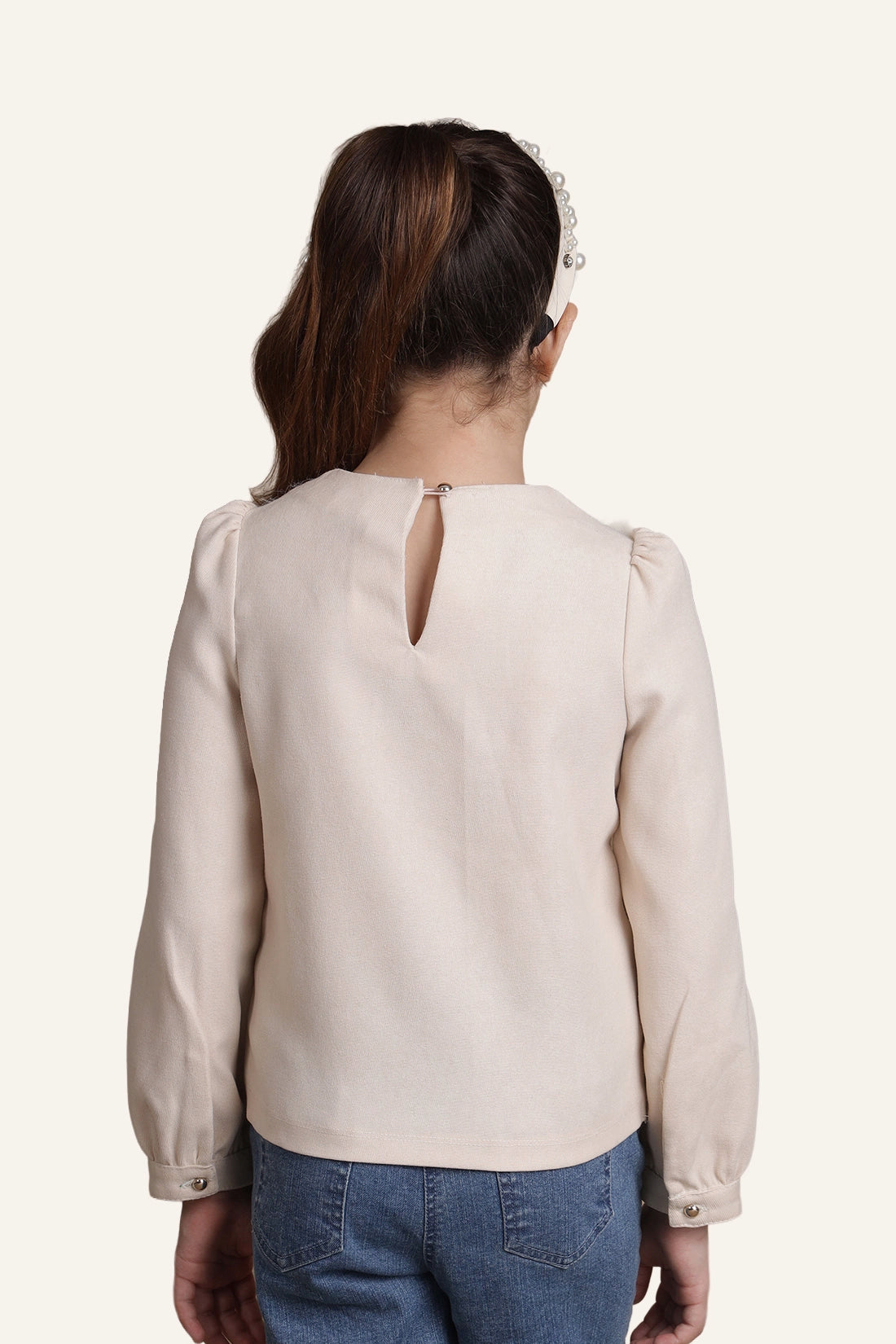
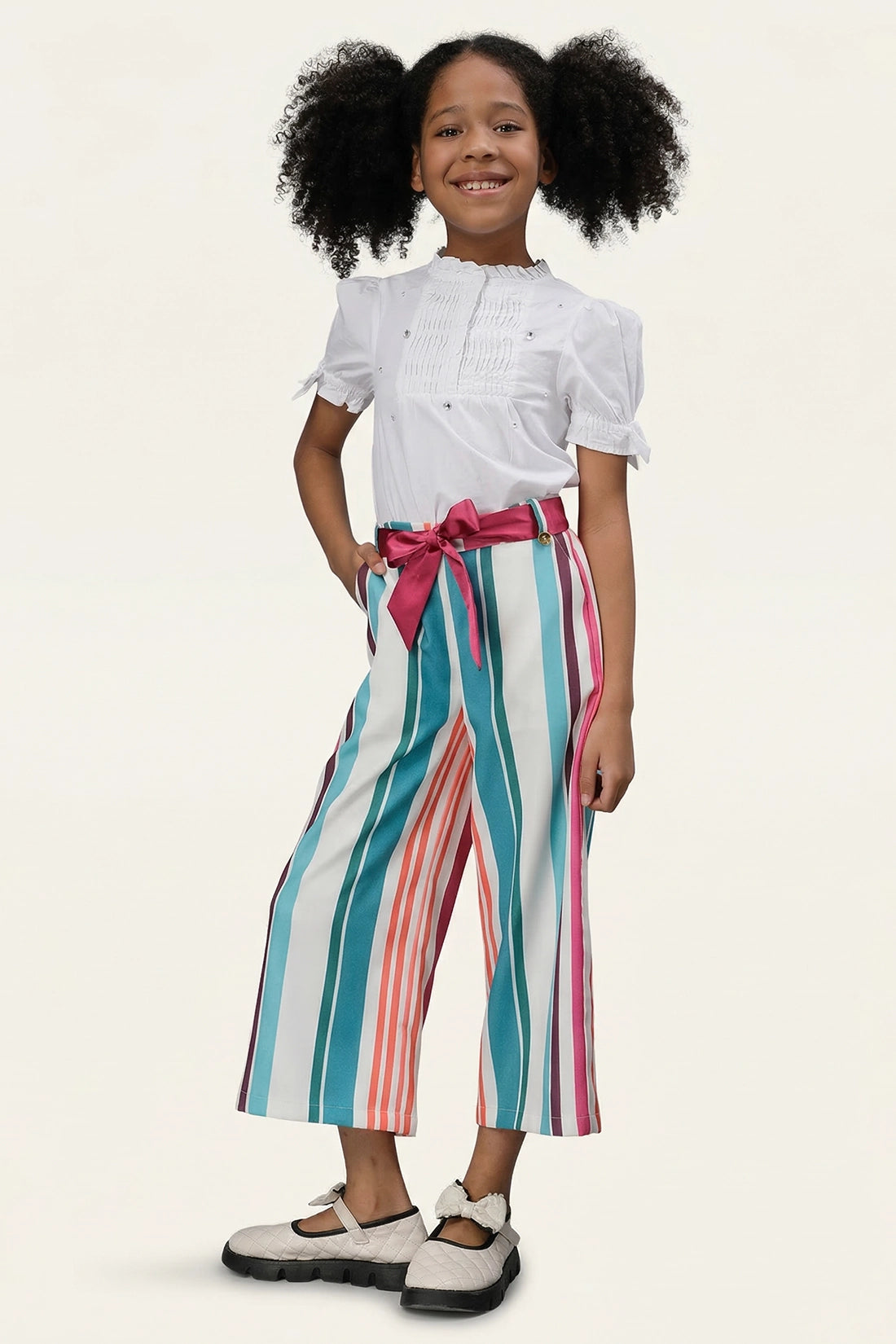
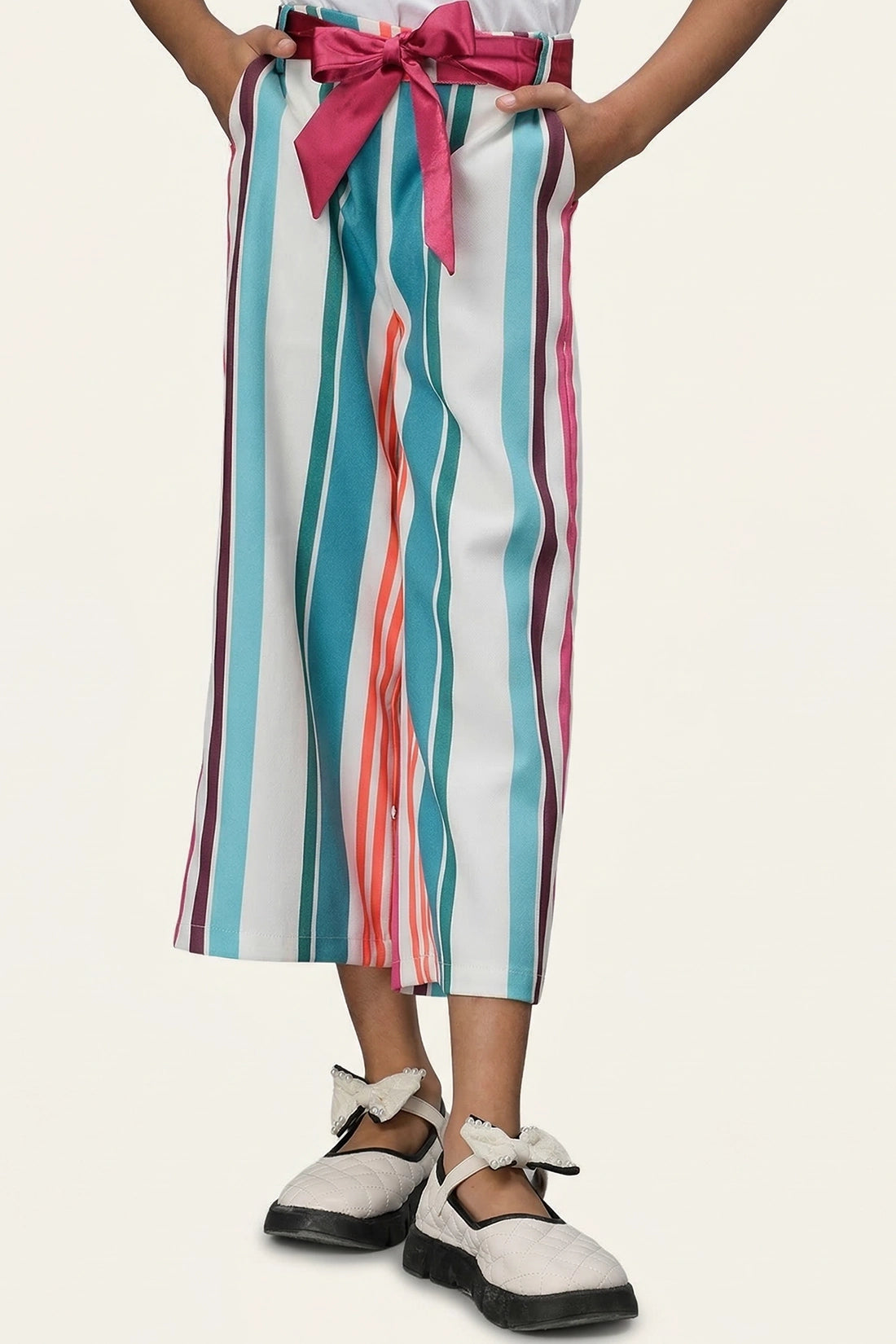
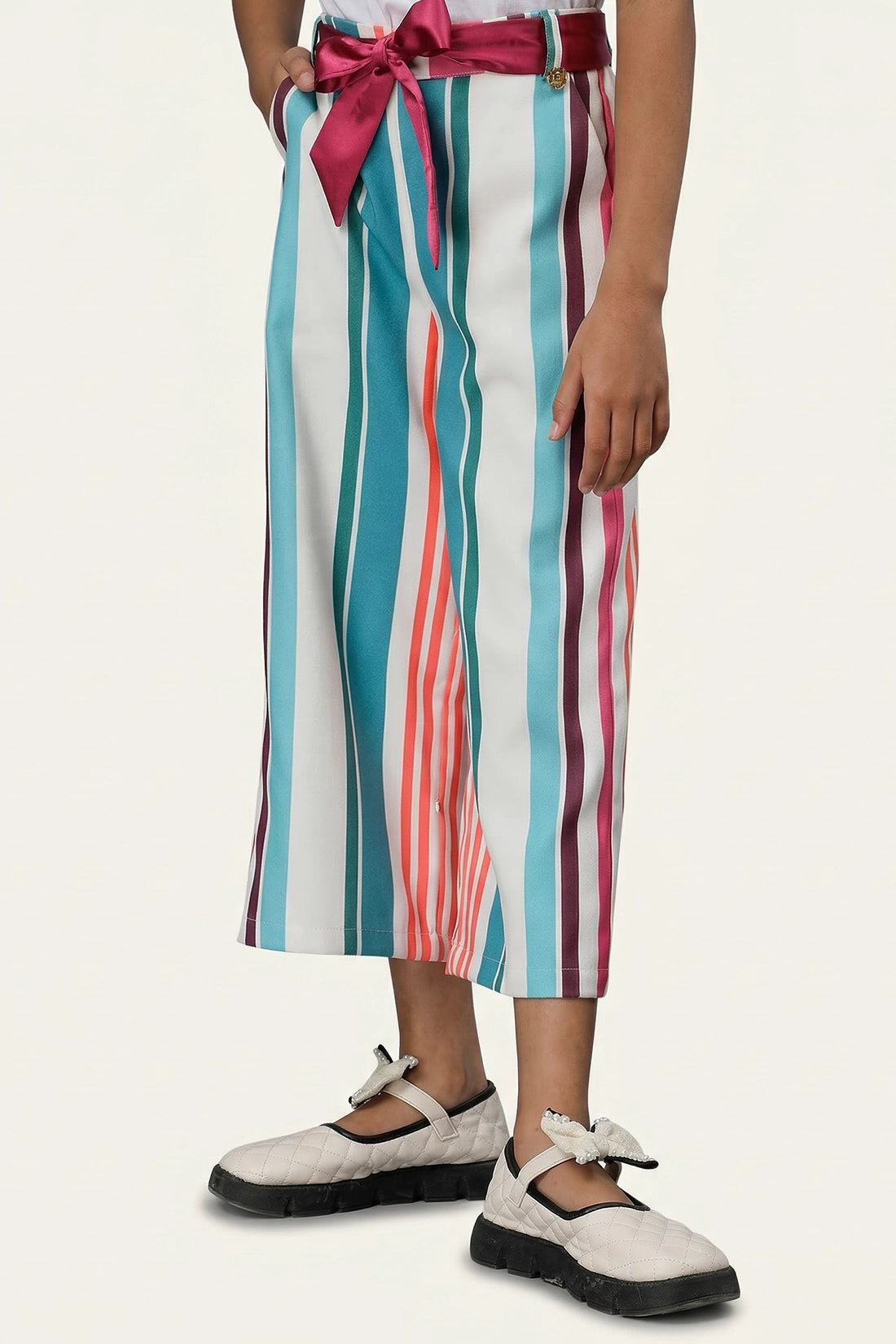
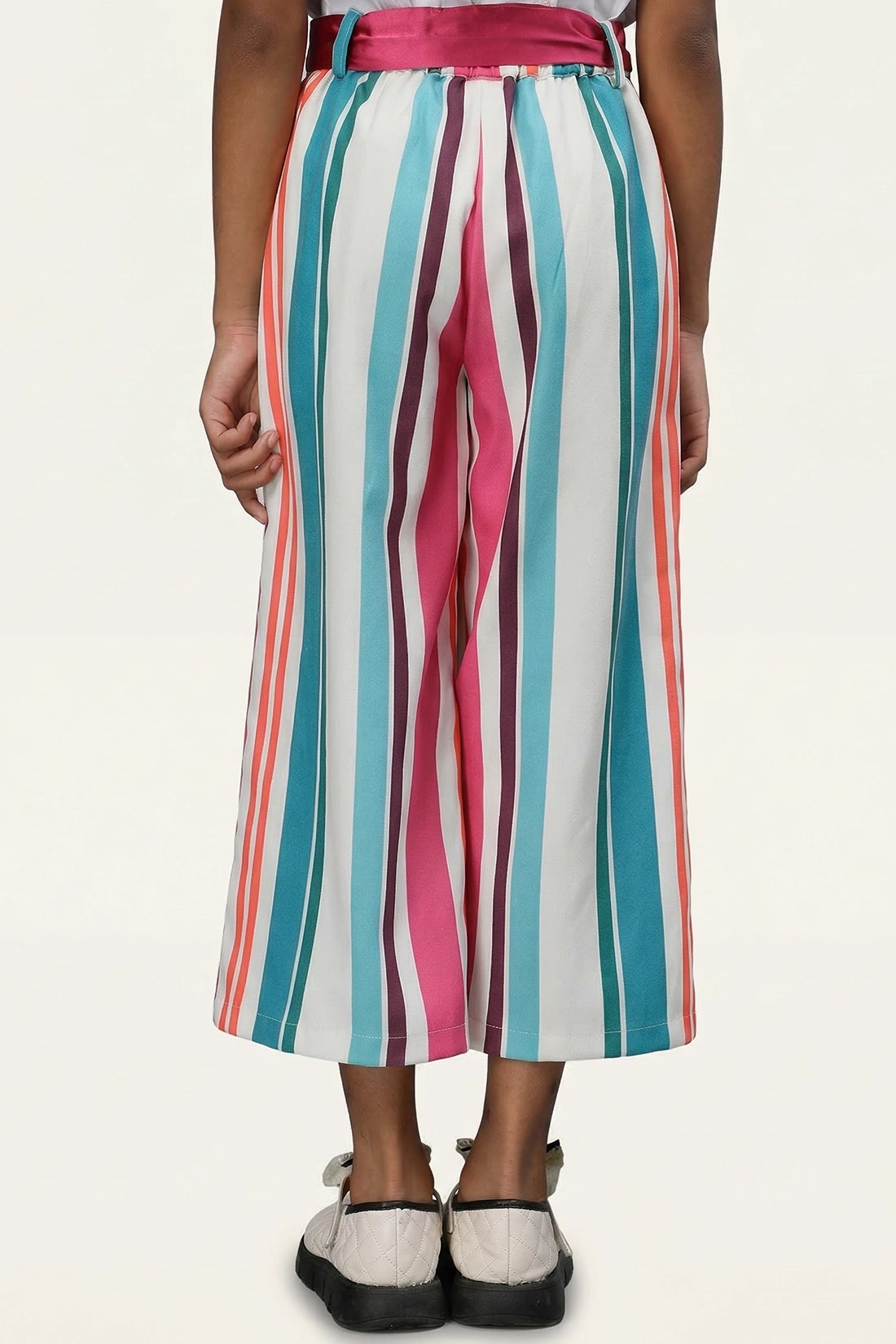
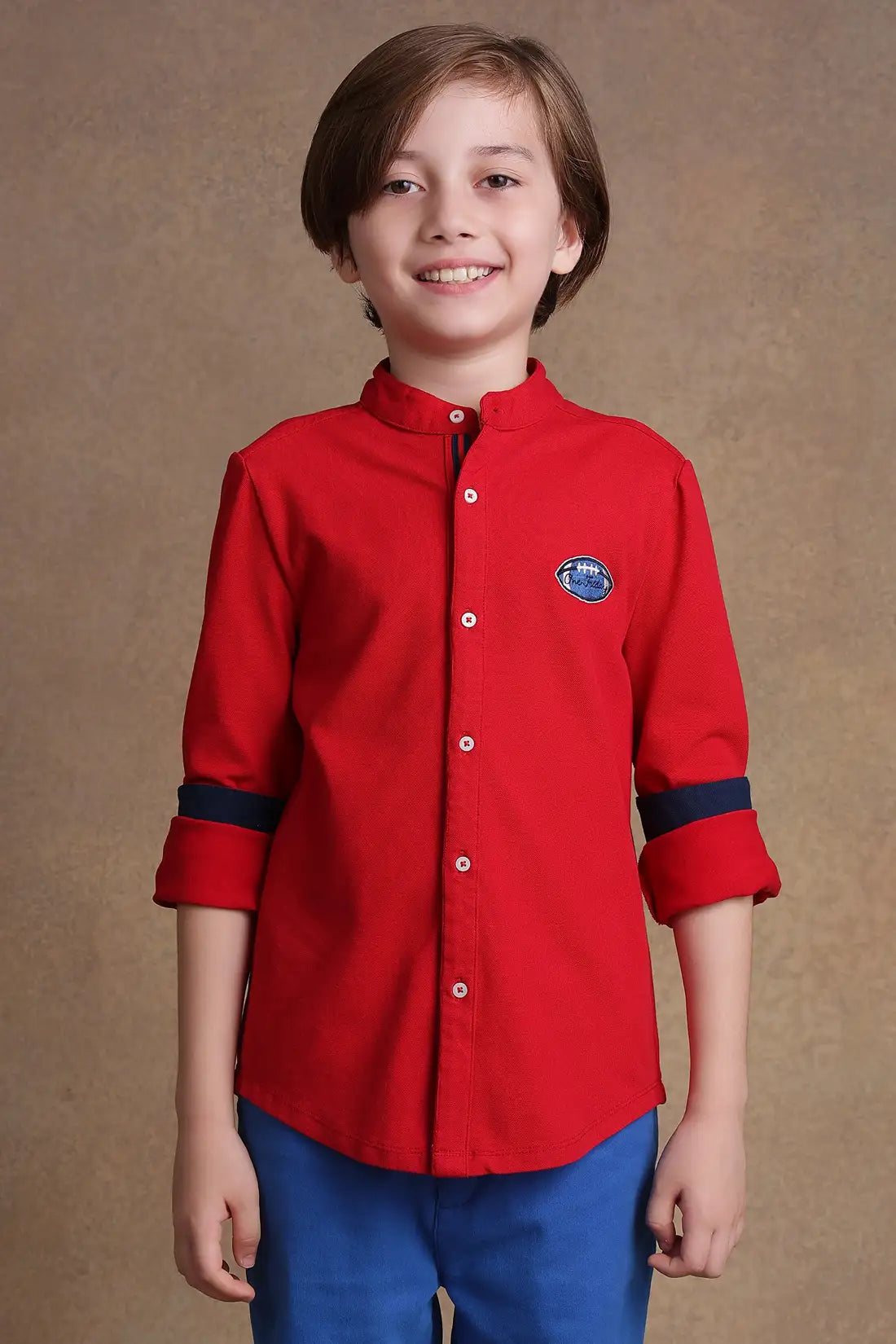
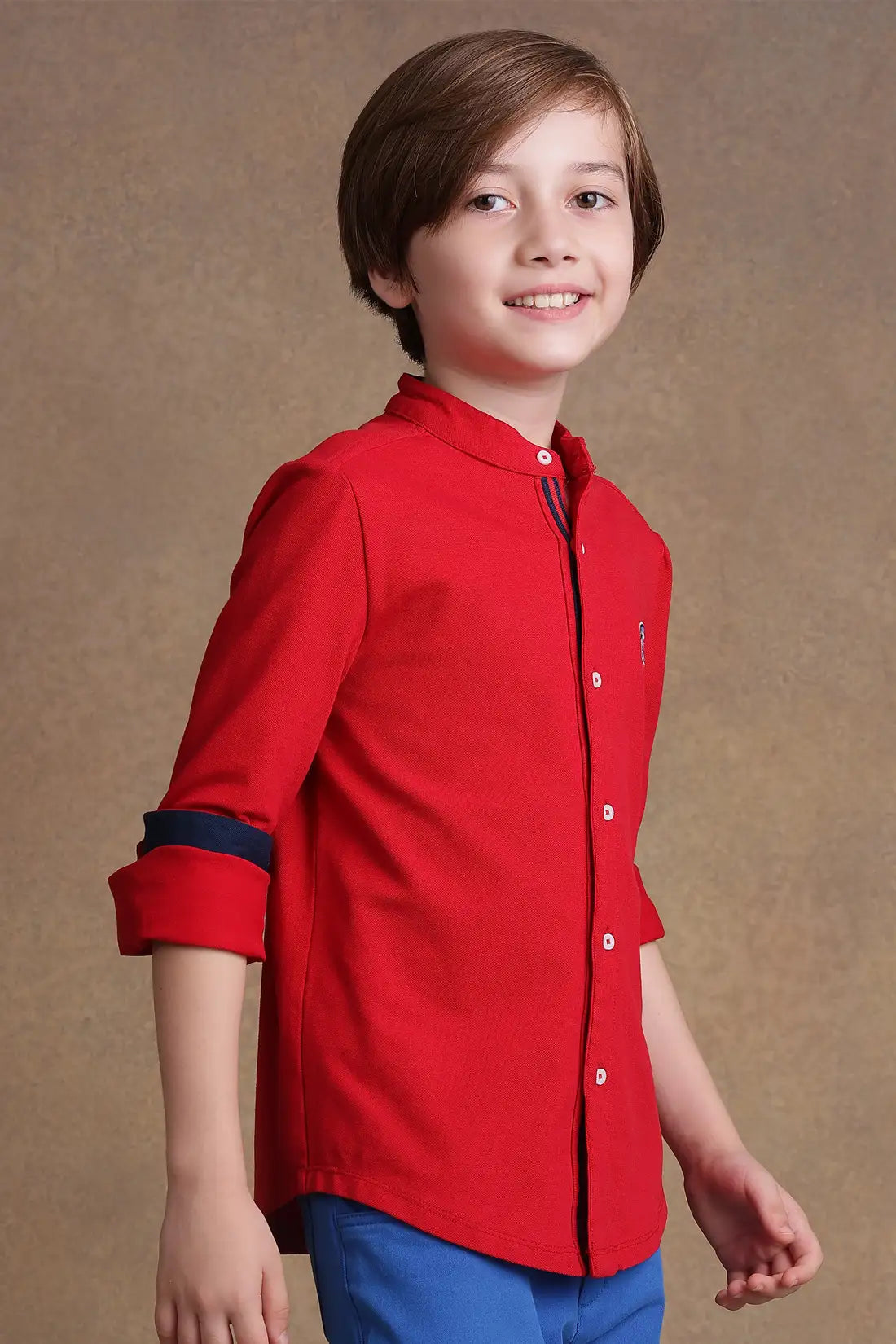
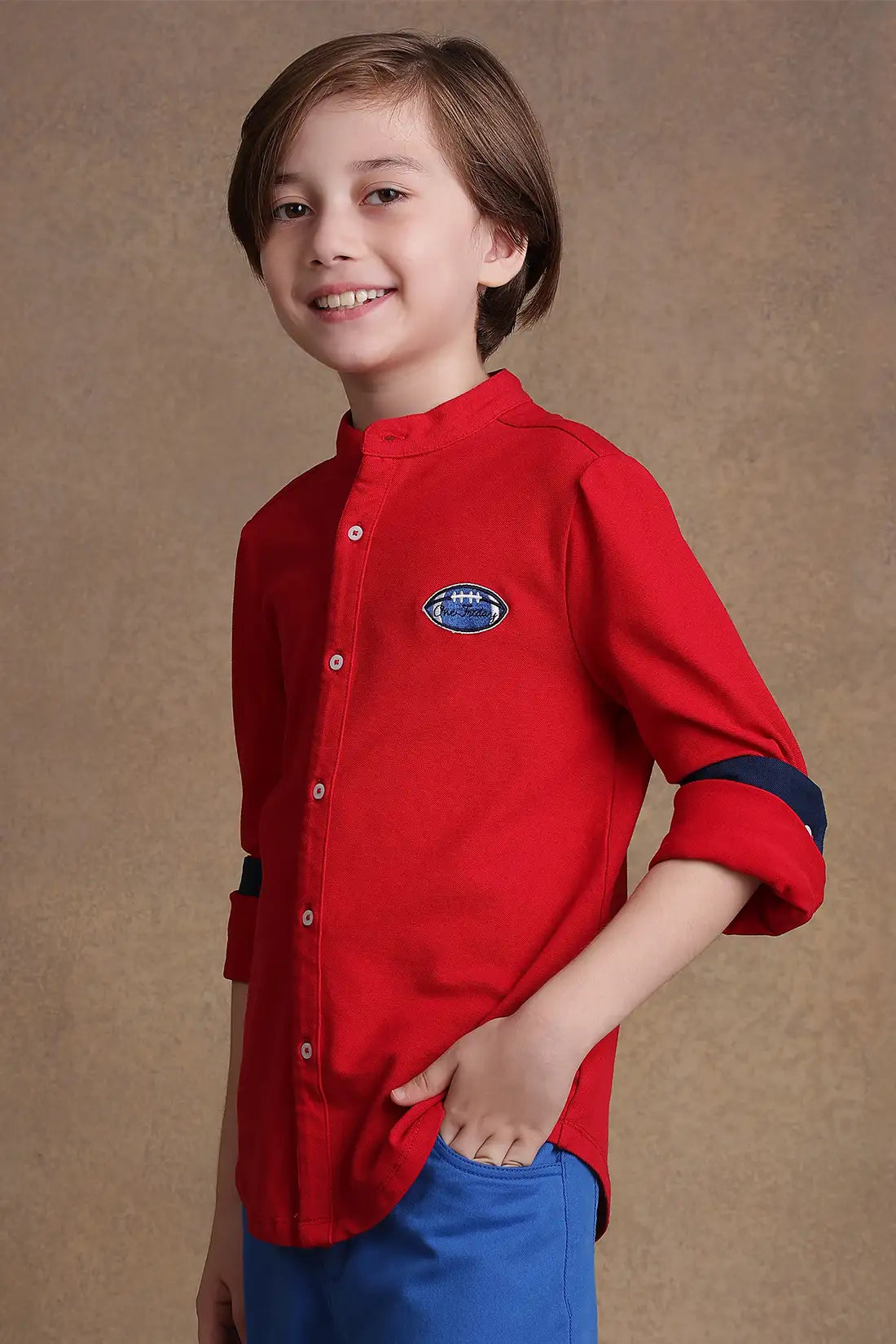


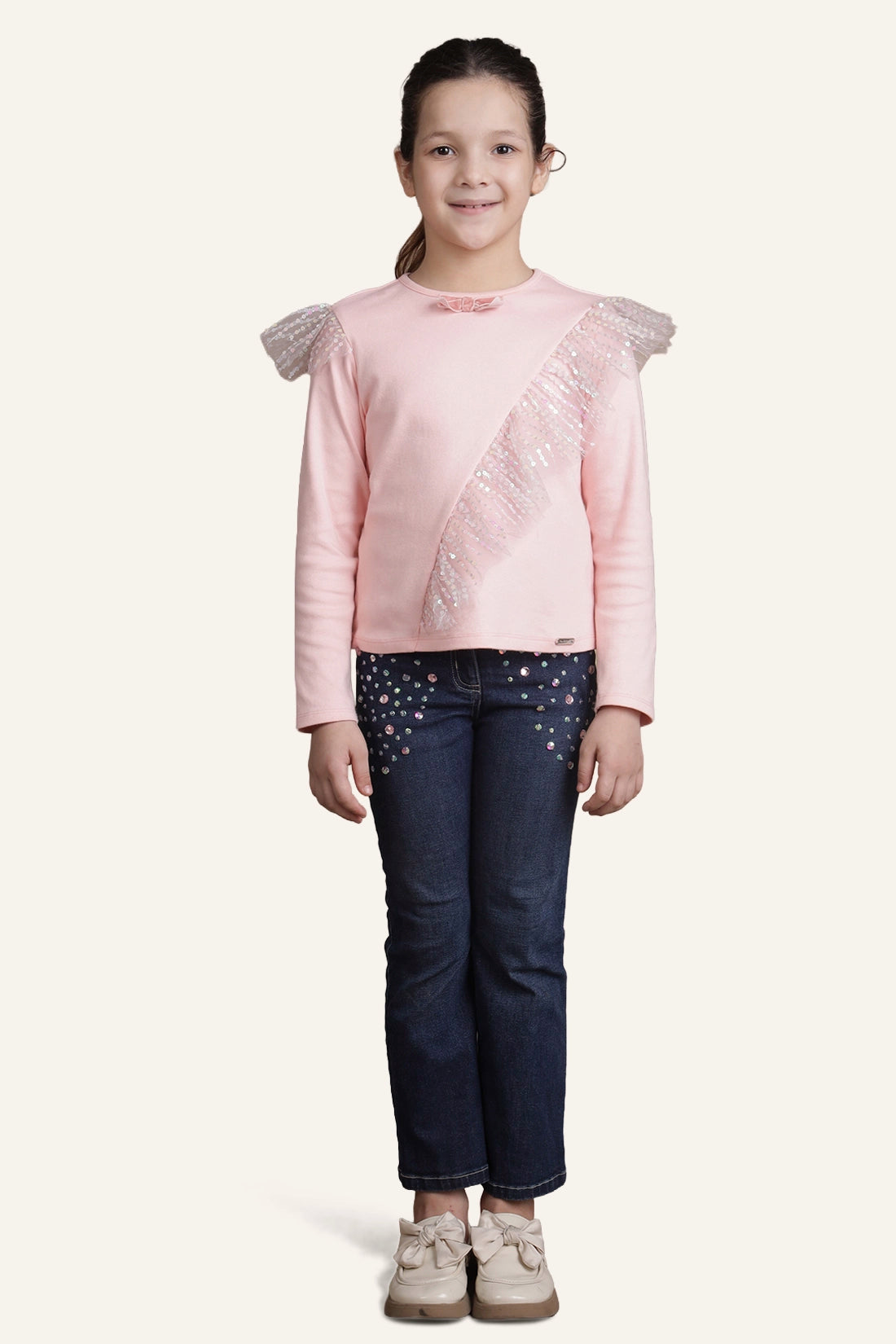
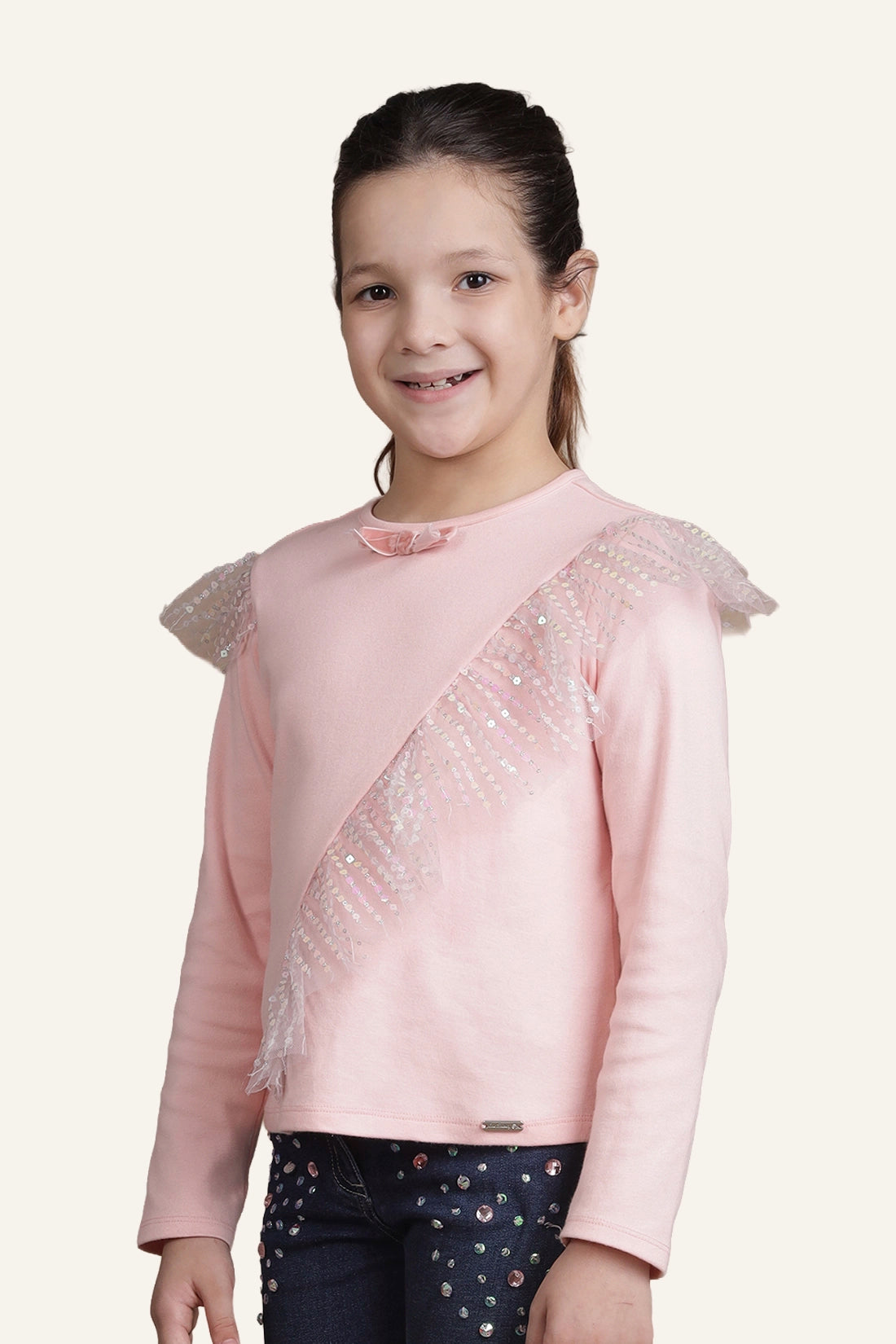
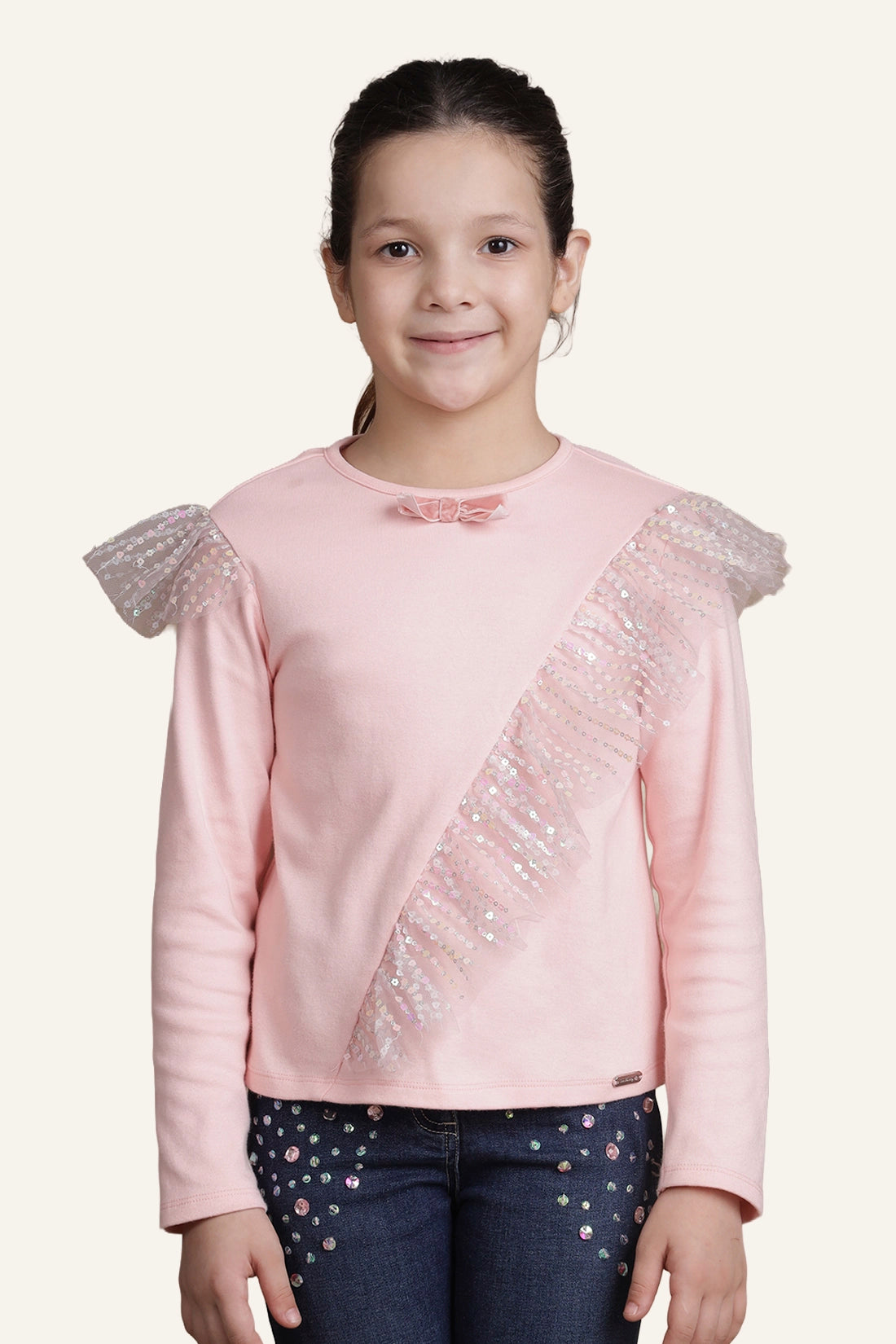
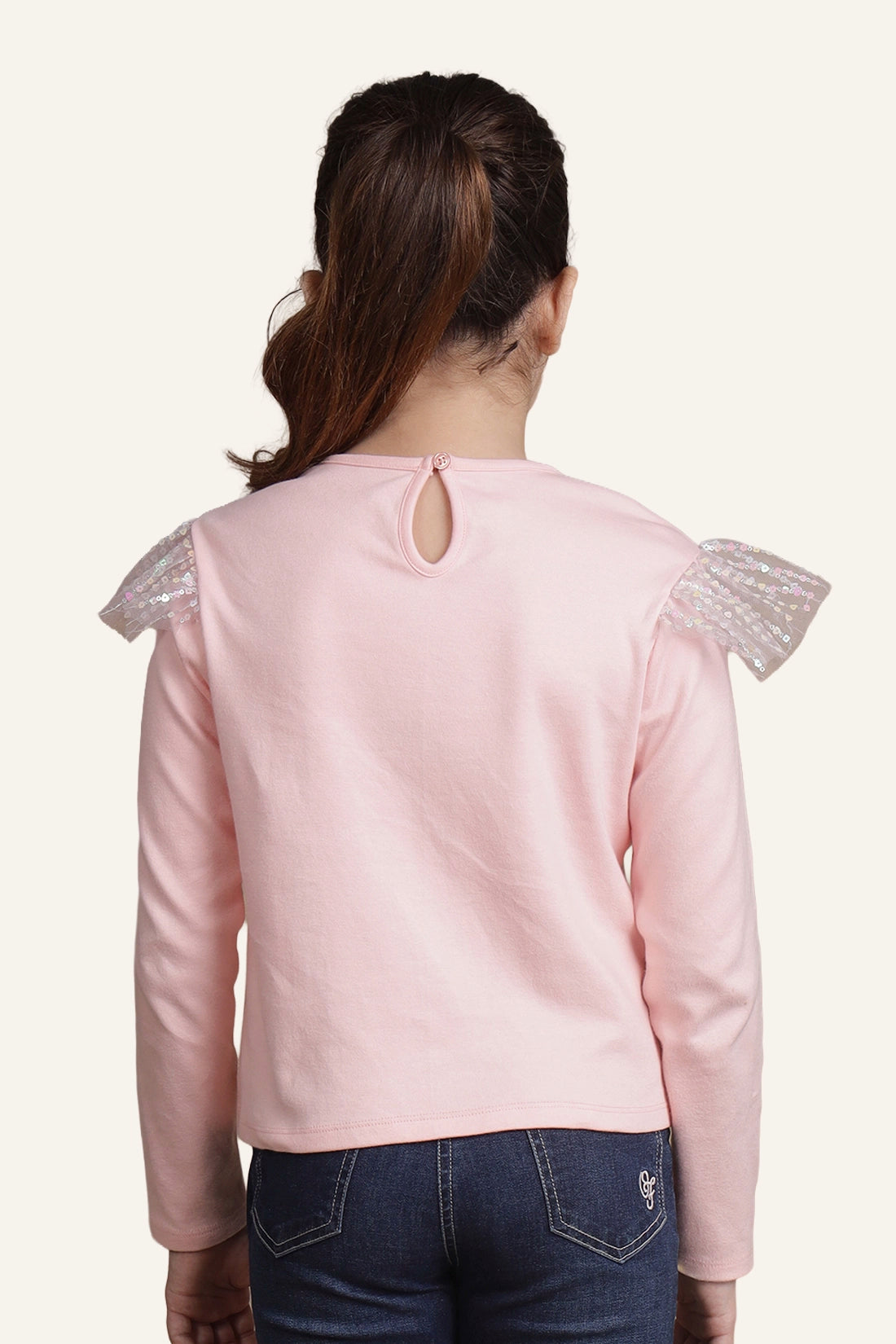
Shop Kids Clothing By Age – Find the Right Fit From 0 to 12 Years
Buying clothes for a child is rarely as simple as picking a size off a rack. A 4-year-old and a 6-year-old can wear the same "size", and two 4-year-olds can need completely different sizes. Age is a starting point, not a guarantee — which is exactly why we've organised this hub around age bands, so you can jump straight to the stage your child is actually at, then fine-tune with the size chart on each product.
Whether you're dressing a newborn for the first time, kitting out a toddler who's suddenly outgrown everything, or shopping for a pre-teen who has very firm opinions on what they will and won't wear, this page is your starting point across One Friday's full range — boys, girls, and babies, sizes 0 to 12 years.
Age Guide: What to Expect at Each Stage
| Age Range | What Changes | What to Prioritise |
|---|---|---|
| 0–24 months | Rapid growth, frequent outfit changes, sensitive skin | Soft fabrics, easy snap/zip closures, room to move |
| 2–4 years | Toilet training, high activity, early self-dressing | Elastic waistbands, pull-on fits, durable knees |
| 5–8 years | School wardrobes, structured routines, more occasions | Easy-care fabrics, mix-and-match separates |
| 9–12 years | Personal style emerges, less parent input on choices | Some choice in colour/style, age-appropriate fits |
Why Age Alone Isn't Enough — And What to Check Instead
Children of the same age can vary by several centimetres in height and a full size in build, so age labels on clothing are a helpful sorting tool, not a precise fit guide. The more reliable approach is to check your child's actual height, chest, and waist measurements against the size chart on each product page — every listing on One Friday includes one. If your child is between two sizes, sizing up is almost always the safer choice: a slightly roomy fit is comfortable immediately and buys a few extra months of wear as they grow.
Shop by Life Stage
- Babies (0–24 months): Our baby clothing range covers rompers, sleepsuits, and first outfits in soft, breathable fabrics designed for sensitive newborn skin.
- Toddlers (2–4 years): Easy-dressing basics and playwear built for constant motion — browse girls' and boys' collections.
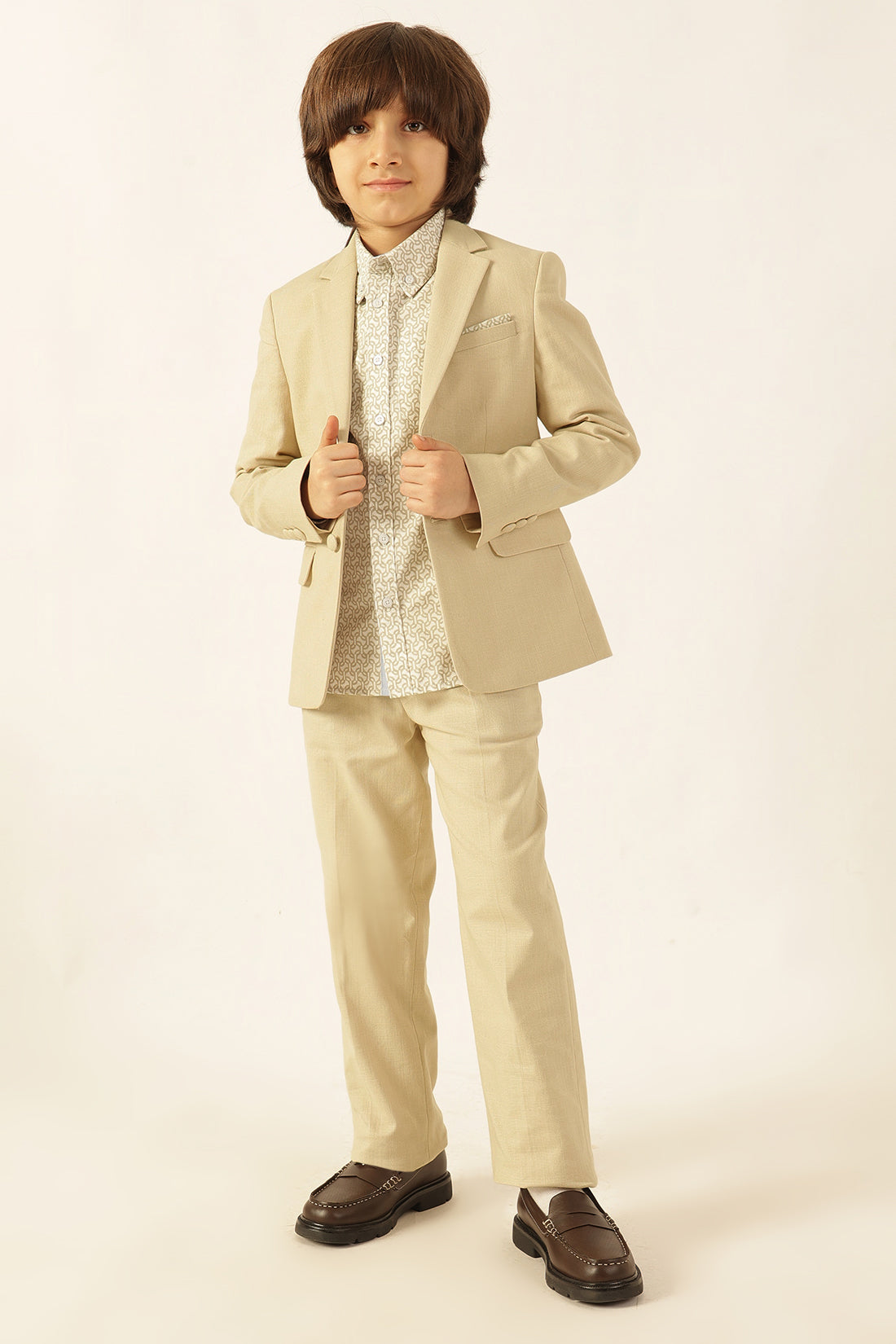
- School-age (5–8 years): Durable everyday wear plus smarter options for school events and family occasions.
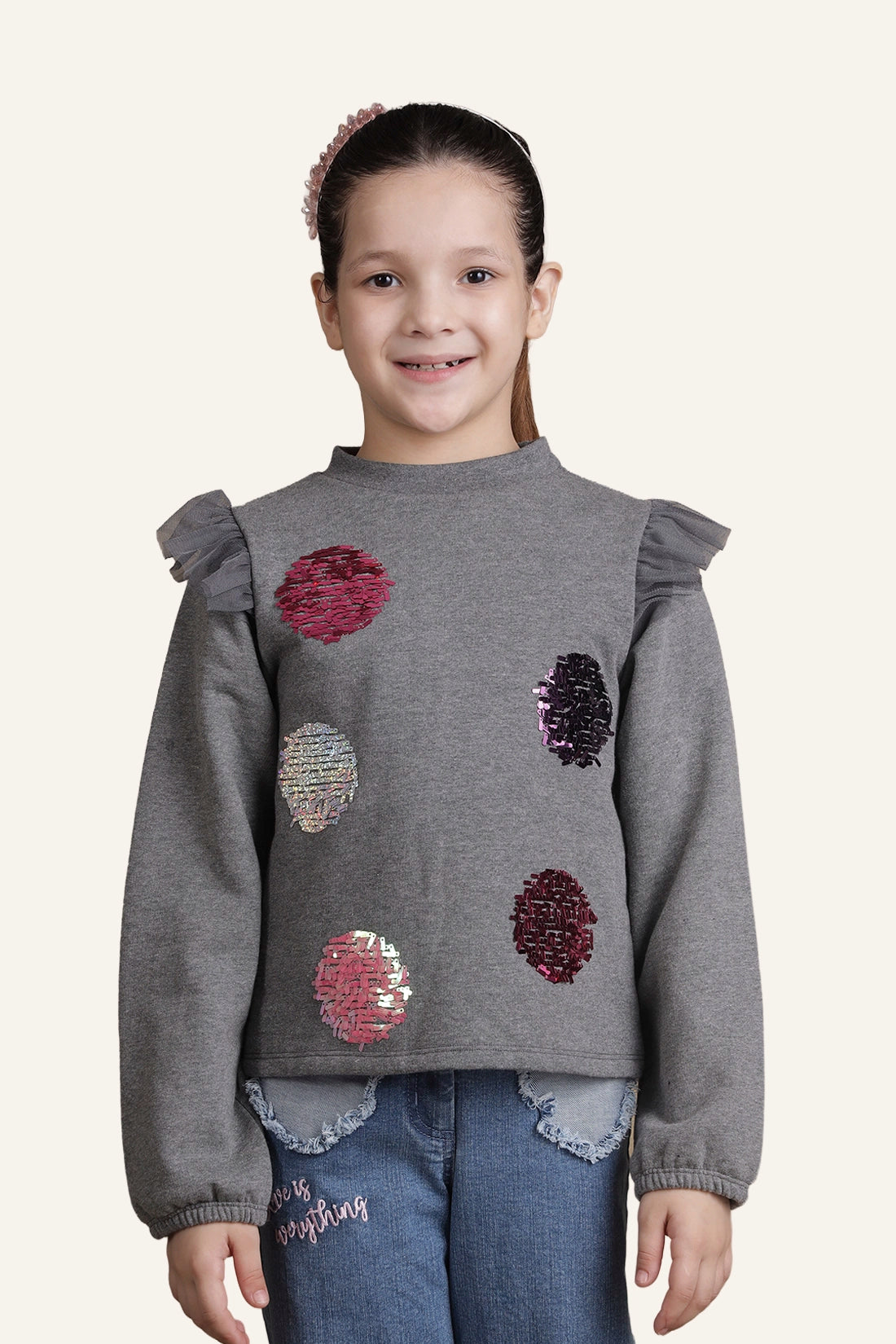
- Pre-teens (9–12 years): Styles with a bit more personal expression, still built for real movement and easy care.
Building a Wardrobe That Grows With Them
A practical approach at any age is to buy slightly ahead rather than exactly to size — a garment with a little room lasts through a growth spurt instead of being outgrown in a month. For fast-growing stages (especially 0–4 years), look for adjustable waistbands, roll-up cuffs, and stretch fabrics that flex with your child rather than clothes they'll grow out of within weeks.
Why Parents Shop One Friday Across Every Age
- Consistent sizing logic from newborn through pre-teen, so you're not relearning size charts at every stage.
- Soft, tested fabrics chosen for children's comfort and skin sensitivity, not scaled-down adult fashion.
- A style range that grows with your child — playful and practical for toddlers, more expressive for pre-teens.
- Clear size guides on every product page, built from real body measurements, not age guesswork.
Frequently Asked Questions
1. How do I know what size to buy if my child is between two ages?
Check your child's height, chest, and waist against the size chart on the product page rather than relying on the age label. When in doubt, choose the larger size — a slightly roomy fit is comfortable now and lasts longer as they grow.
2. What should I buy first for a newborn baby?
Start with soft rompers, sleepsuits, and easy-access outfits with snap or zip closures for quick changes. Newborn skin is especially sensitive, so soft, breathable cotton is the safest fabric choice for the first few months.
3. How often should I expect to update my toddler's wardrobe?
Toddlers (2–4 years) typically move up a size every 3–6 months during active growth phases. Buying with a little room to grow, and choosing adjustable waistbands, helps stretch each size a little further.
4. What's different about shopping for a school-age child versus a toddler?
School-age children (5–8 years) need a wardrobe built around routine — durable everyday basics that wash well, plus a few smarter outfits for school events. Mix-and-match separates tend to offer more value than single outfits at this stage.
5. How do I handle a pre-teen who wants more say in what they wear?
At 9–12 years, offering a choice within a curated range works better than picking everything for them. Our pre-teen sizing includes a broader mix of colours and styles so there's room for their preferences within age-appropriate options.
6. Are your size charts consistent across boys, girls, and baby collections?
Each garment type has its own size chart based on real body measurements, shown on every product page. While the general age-to-size logic is consistent, always check the specific chart for the item you're buying, since fits vary by style.
