


Every parent has been there - standing in front of a rack of children's clothes, wondering whether to choose cotton or linen. The outfit may look adorable, but what really matters is how your child will feel wearing it. Will it keep them cool during a day at the park? Is it gentle enough for sensitive skin? Will it survive frequent washing?
Fabric plays a much bigger role in children's clothing than many parents realize. Kids are constantly moving, playing, and exploring, which means their clothes need to be breathable, comfortable, and durable. In the linen vs cotton debate, both are natural fabrics loved by parents, but each offers different benefits depending on the season and your child's lifestyle.
In this guide, we'll compare cotton and linen for comfort, sensitive skin, summer heat, durability and everyday care, so you can choose the right fabric for your child's wardrobe.
Why Fabric Choice Matters for Kids
Children spend hours running around, climbing playgrounds, attending school, and enjoying outdoor activities. Unlike adults, they rarely sit still for long. Their clothing should help regulate body temperature, allow unrestricted movement, and feel comfortable from morning until bedtime.

The wrong fabric can make children feel hot, uncomfortable, or irritated, especially during warmer months. Choosing the best fabric isn't simply about appearance - it's about ensuring your child stays comfortable throughout the day. So, let's first understand what these fabrics are all about.
What Is Cotton?
Cotton is a natural fibre made from the cotton plant and is one of the most commonly used fabrics in children's clothing. It's soft, breathable and gentle against the skin, making it a comfortable choice for babies, toddlers and older children.
For parents, cotton is also practical. It can handle frequent washing, is relatively easy to care for and works for everything from school uniforms and playwear to pajamas and T-shirts. Since cotton absorbs moisture, it can also help children stay comfortable during active days.
The GSM (grams per square metre) tells you how lightweight or heavy the fabric is. In kidswear, cotton commonly falls around 100–180 GSM, although the exact weight varies by garment and weave. Lightweight cotton around 100–130 GSM has a softer, airier feel and works well for summer T-shirts, dresses and onesies. Mid-weight cotton around 140–180 GSM offers more structure, making it a better fit for uniforms, trousers, layering pieces and clothes that need to hold their shape through regular wear and washing.
What Is Linen?
Linen is a natural fabric made from the fibres of the flax plant, and it has been valued for centuries because of its exceptional breathability. Although it feels slightly crisp when new, it becomes softer after every wash.
One of linen's biggest advantages is its ability to allow air to circulate freely, which is exactly what makes it one of the most breathable fabric options available for children's clothing. It absorbs moisture quickly and dries faster than many other fabrics, making it especially suitable for warm climates and summer vacations. For kidswear, linen typically falls in the 100-200 GSM (grams per square meter) range - lighter weaves around 100-130 GSM work best for everyday summer clothing, while mid-to-heavier weights of 150-200 GSM show up in more structured pieces like jackets and occasion wear. Linen clothing often has a relaxed, effortless look that works well for family outings, celebrations, and holiday wardrobes.
Linen Fabric vs Cotton: What's the Difference?
Both fabrics are excellent choices for children, but they perform differently in everyday situations.
|
Feature |
Cotton |
Linen |
|
Softness |
Soft from the first wear |
Becomes softer over time |
|
Breathability |
Excellent |
Outstanding |
|
Moisture-Wicking |
Good |
Excellent |
|
Comfort in Hot Weather |
Very Good |
Excellent |
|
Durability |
Durable for everyday use |
Extremely durable |
|
Wrinkle Resistance |
Wrinkles less |
Wrinkles easily |
|
Ease of Fabric Care |
Easy to wash and maintain |
Requires a little more care |
|
Best For |
Everyday wear, school, play |
Vacations, summer outings, occasions |
|
Weight |
100 to 180 GSM |
100-200 GSM |
Which Fabric Is Better for Sensitive Skin?
This is one of the most common concerns among parents, especially if a child has sensitive or easily irritated skin.
Cotton generally comes out ahead because it feels exceptionally soft against the skin from the very beginning. High-quality cotton minimizes friction and is less likely to cause discomfort during long hours of wear. That's why cotton is often recommended for babies and younger children.
Linen is also a natural and skin-friendly fabric, but its slightly textured surface may not feel as soft initially. The good news is that linen becomes smoother with each wash, making it increasingly comfortable over time.
For children with particularly sensitive skin, cotton is usually the safer everyday choice.
What Is the Best Fabric for Summer?
If your child loves playing outdoors during the warmer months, breathability becomes a priority - and this is where the best fabric for summer really comes down to linen vs cotton.
Linen naturally allows more airflow through the fabric, helping heat escape more efficiently. It also absorbs sweat quickly and dries faster, reducing that sticky feeling many children experience on hot days. Its open weave makes it one of the most breathable fabric choices for peak summer heat.
Cotton performs very well in summer too, especially lightweight cotton fabrics. However, during extremely hot or humid weather, linen has a slight advantage because of its superior cooling properties.
For Indian parents, climate makes this choice especially relevant. During peak summer months (April to June), when temperatures regularly cross 40°C in many parts of the country, linen's superior airflow and quick-drying nature make it especially useful for outdoor playwear. During the monsoon season, however, humidity levels soar, and linen's tendency to wrinkle and feel damp in sticky weather can work against it - lightweight cotton often manages humidity better, since it absorbs moisture without clinging to the skin the way linen can in a heavy, muggy atmosphere.
If you're packing for a beach vacation or planning outdoor family activities, linen can help children stay comfortable for longer.
Linen vs Cotton: Which Is Easier to Care For?
Children's clothes go through plenty of wear and tear, from food spills and playground stains to craft projects and frequent washing. So when choosing between linen vs cotton, ease of care can be just as important as softness or breathability.
Cotton is generally the easier option for busy parents. Most cotton garments can be machine washed in cold to lukewarm water, around 30°C, and usually need little ironing. This makes cotton particularly practical for everyday pieces such as T-shirts, schoolwear, pajamas and play clothes that need regular washing.
Linen needs a little more attention. It can usually be machine washed on a gentle cycle with cold water, while delicate or embellished pieces may be better hand washed. Linen also wrinkles more easily, so it can be gently ironed on low to medium heat while slightly damp. However, many parents like its naturally relaxed, lived-in look, especially for summer outfits.
If easy maintenance is a priority, cotton has the edge. If you're happy to put in a little extra care for a lightweight, airy fabric, linen can be a worthwhile choice for summer and special occasions.
Which Fabric Lasts Longer?
When buying children's clothes, durability matters. Parents want outfits that can keep up with active lifestyles while still looking good after repeated washes.
Linen is one of the strongest natural fibers available, thanks to its long flax fibers, which create a tighter, more resilient weave that resists stretching and tearing. Well-made linen garments can maintain their quality for years, even through active play.
Cotton is durable enough for everyday wear and can handle frequent washing, although lighter cotton fabrics may gradually thin or develop pilling over time. Linen's stronger fibres give it an advantage in long-term durability, particularly when the garment is properly cared for.
Which Fabric Is Better for Everyday Wear?
Instead of asking which fabric is universally better, the real question is: when will your child actually wear it?
For school, playdates, errands, and everyday activities, cotton remains the most practical choice - it's soft, durable, easy to maintain, and holds up well through daily wear and frequent washing. If you're shopping for school clothes, casual T-shirts, leggings, or pajamas, cotton is usually the better investment.
Linen, on the other hand, shines during vacations, family gatherings, and warm-weather events, where its breathable, lightweight nature offers exceptional comfort in particularly hot climates. Linen-cotton blends (often 55% linen, 45% cotton) are also worth considering, since they soften linen's natural stiffness and cut down on wrinkling while still staying breathable.
Rather than picking one fabric over the other, most parents find a mix works best - cotton for daily wear, and linen or blends for occasions and peak summer heat.
Conclusion
Choosing between cotton and linen doesn't have to be an either-or decision. Cotton works best for school, play, and daily adventures, while linen is the go-to for vacations and warm-weather comfort. For parents who want a bit of both, cotton-linen blends (typically 55% linen, 45% cotton) are widely available in kidswear and offer a practical middle ground — softer and less prone to wrinkling than pure linen, but more breathable than pure cotton, making them a smart pick for summer occasion wear.
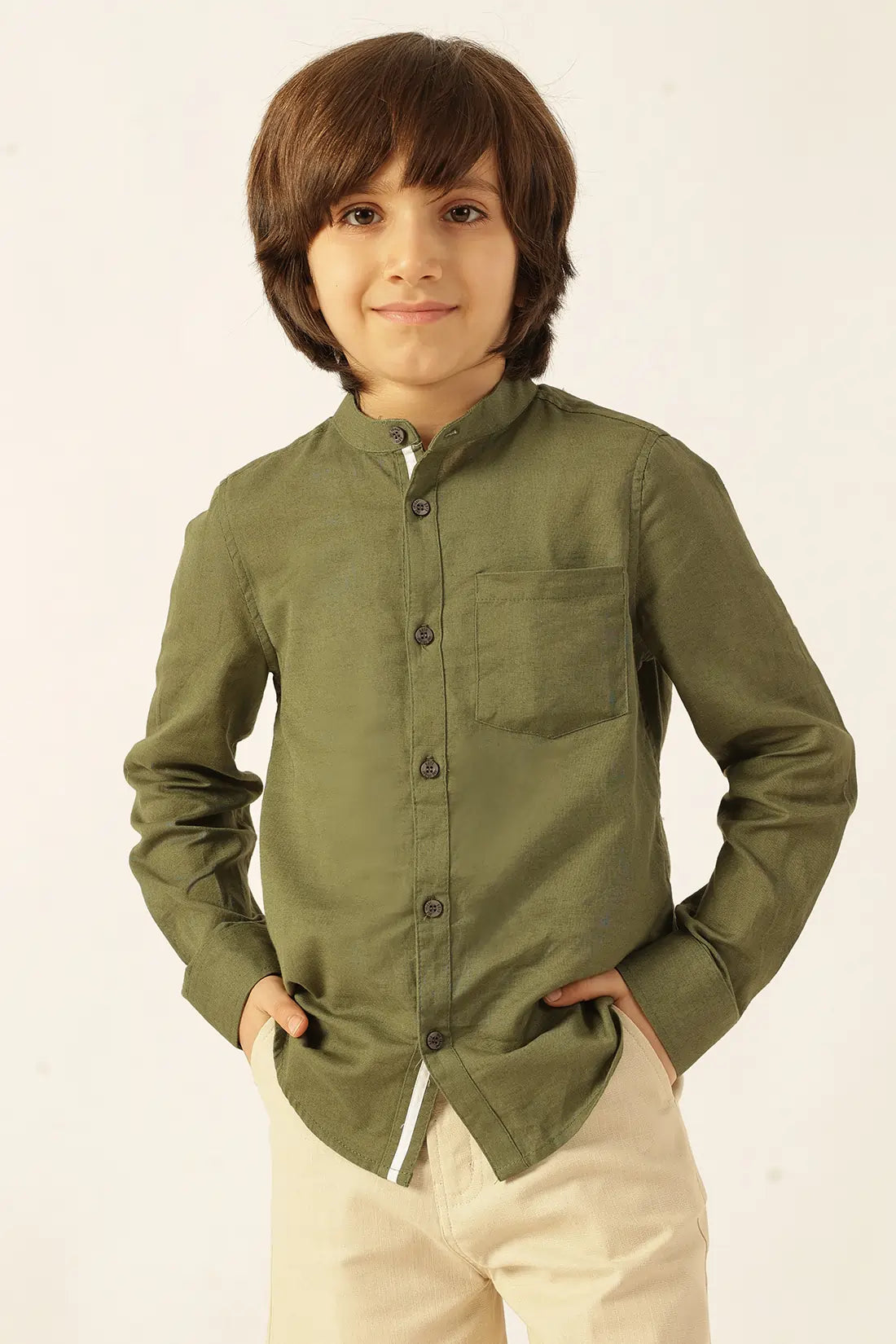
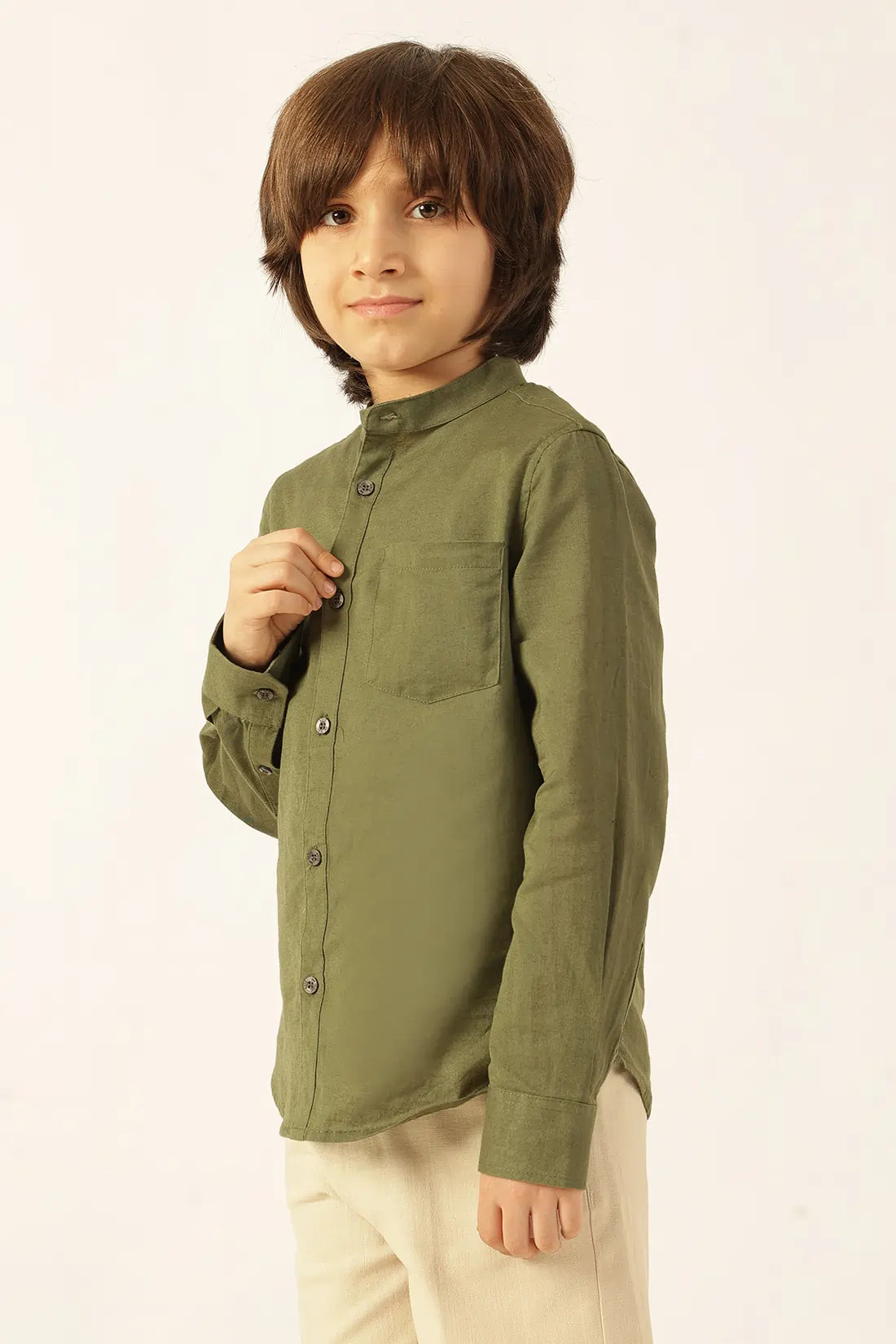
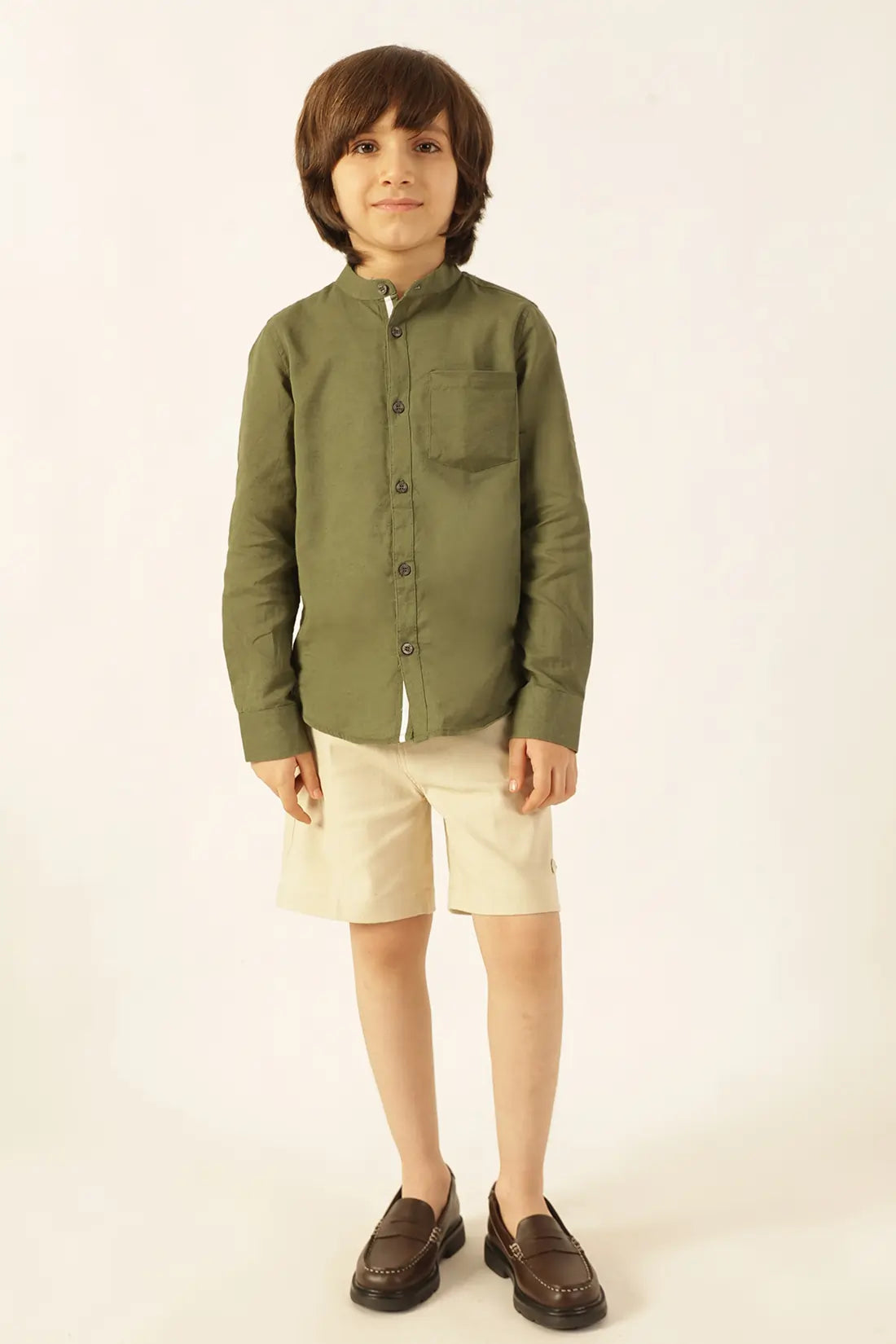
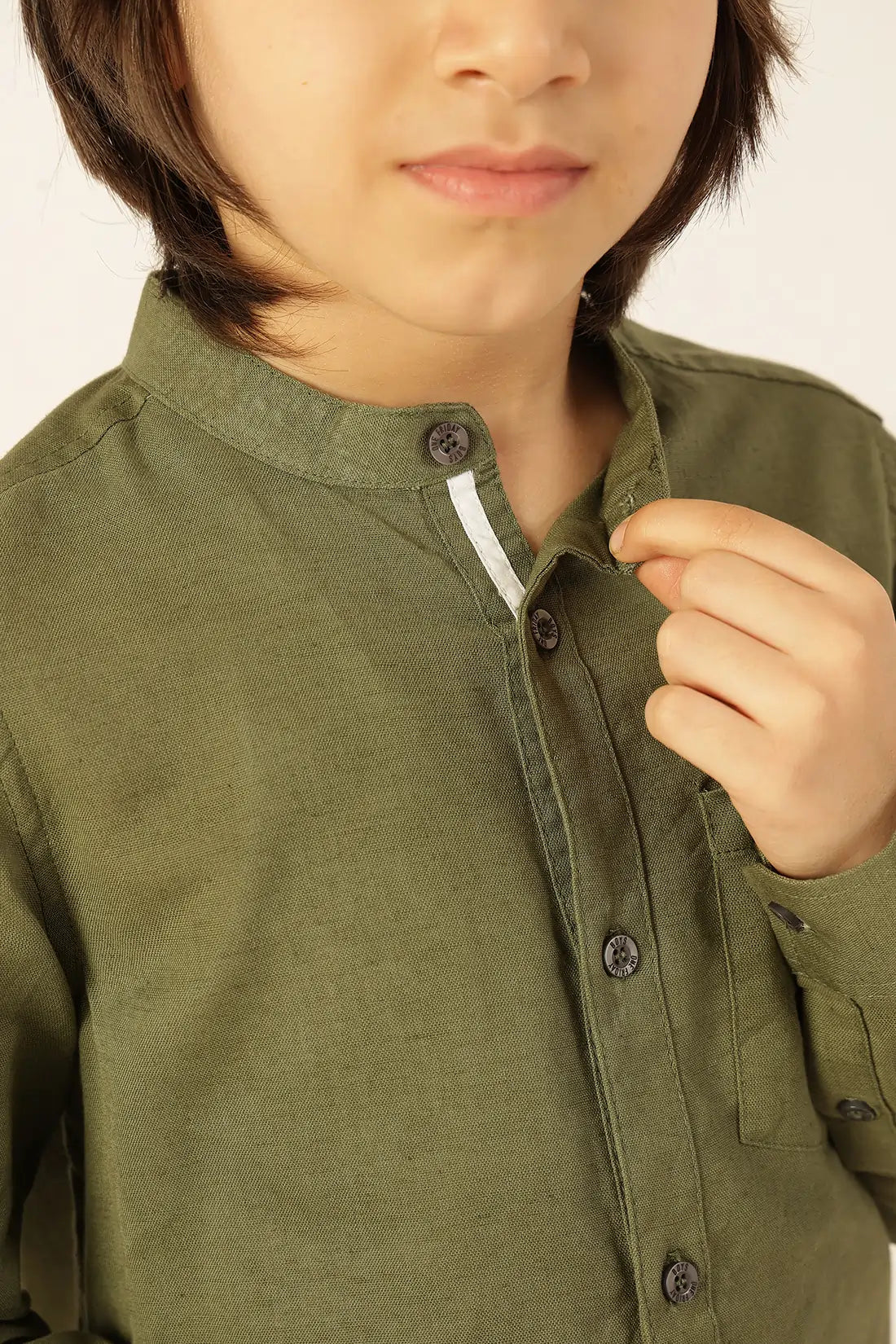
At OneFriday, our children's collections are thoughtfully crafted across both fabrics - from everyday cotton essentials built for school and play, to breathable linen pieces designed for warm-weather outings and special occasions - so parents don't have to choose just one. Understanding when each fabric, or blend, works best helps you shop smarter and keep your child comfortable through every season.
Frequently Asked Questions
Is cotton or linen better for kids?
Cotton is generally better for everyday wear because it's softer, easier to maintain, and comfortable for all-day use. Linen is an excellent choice for hot weather and special occasions thanks to its superior breathability.
What is cotton?
Cotton is a soft, breathable natural fibre grown from the cotton plant, widely used in children's clothing for its gentleness on skin and ease of care.
What is linen?
Linen is a natural fabric woven from the fibres of the flax plant, known for being one of the most breathable and durable options for warm-weather clothing.
Is linen good for children's sensitive skin?
Yes. Linen is a natural fabric that's gentle on the skin, although cotton is usually softer from the first wear.
Which fabric is cooler in summer?
Linen is considered one of the coolest natural fabrics because it allows more airflow and dries quickly after absorbing moisture, making it the best fabric for summer heat.
Does cotton last longer than linen?
Both fabrics are durable, but linen fibers are naturally stronger and tend to last longer with proper care.
Can children wear linen every day?
Absolutely. Linen is comfortable enough for daily wear, especially during summer, though many parents prefer cotton for school and everyday activities because it's easier to maintain.
What's the easiest fabric care routine for kids' clothes?
Cotton requires the least effort - most garments are machine washable, dry quickly, and need little to no ironing. Linen needs slightly more care, including occasional ironing to reduce wrinkles.
Author Bio
The One Friday Editorial Team brings years of experience in children’s fashion and retail to deliver well-researched, trustworthy content. We carefully curate style tips, product insights, and practical advice to help parents make informed choices for their children’s wardrobes. Dedicated to quality and authenticity, we ensure every post reflects One Friday’s commitment to comfort, style, and the evolving needs of families.
Popular Searches
Blazer For Boys | Fashionable T shirt for girls | Kids Footwear | Small Girls Dress | Party wear Dress for Boys | Clothes for infants | Girls Party Shoes | Summer Wear for Kids | Kids accessories | Kids Clothing







Share:
Rakhi Photoshoot Ideas for Siblings: A Complete Styling & Posing Guide