



Kids Winter Collection
New
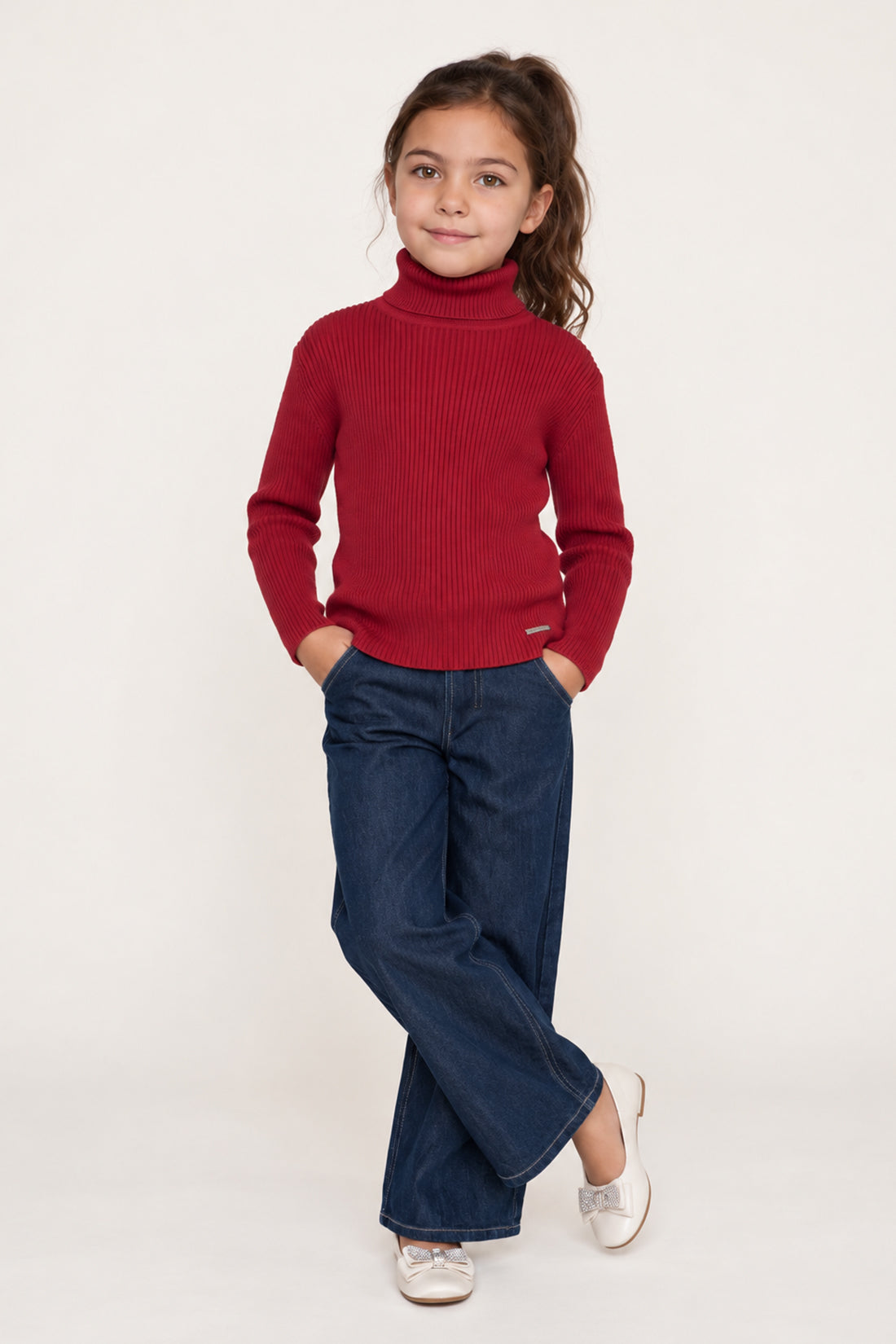
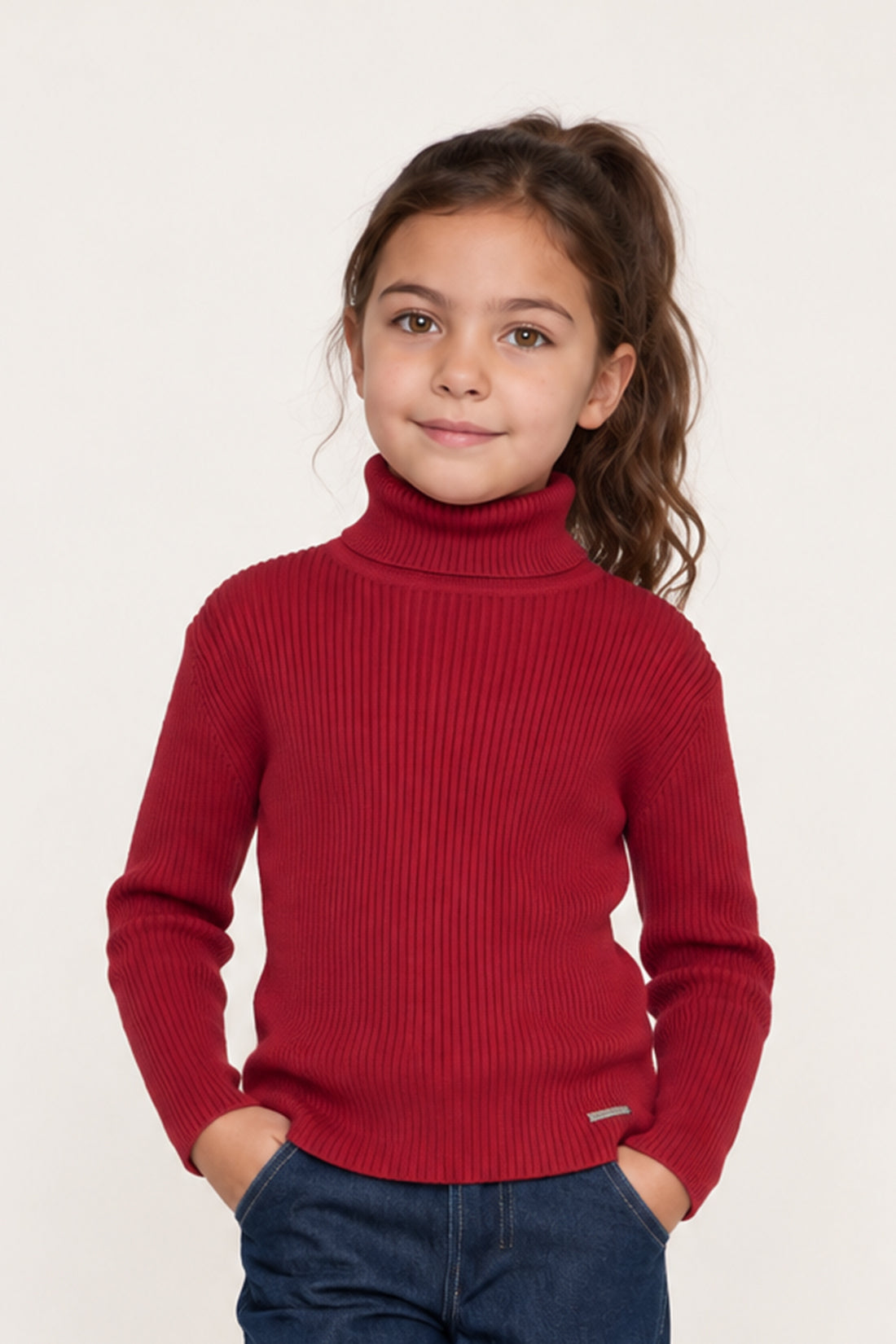
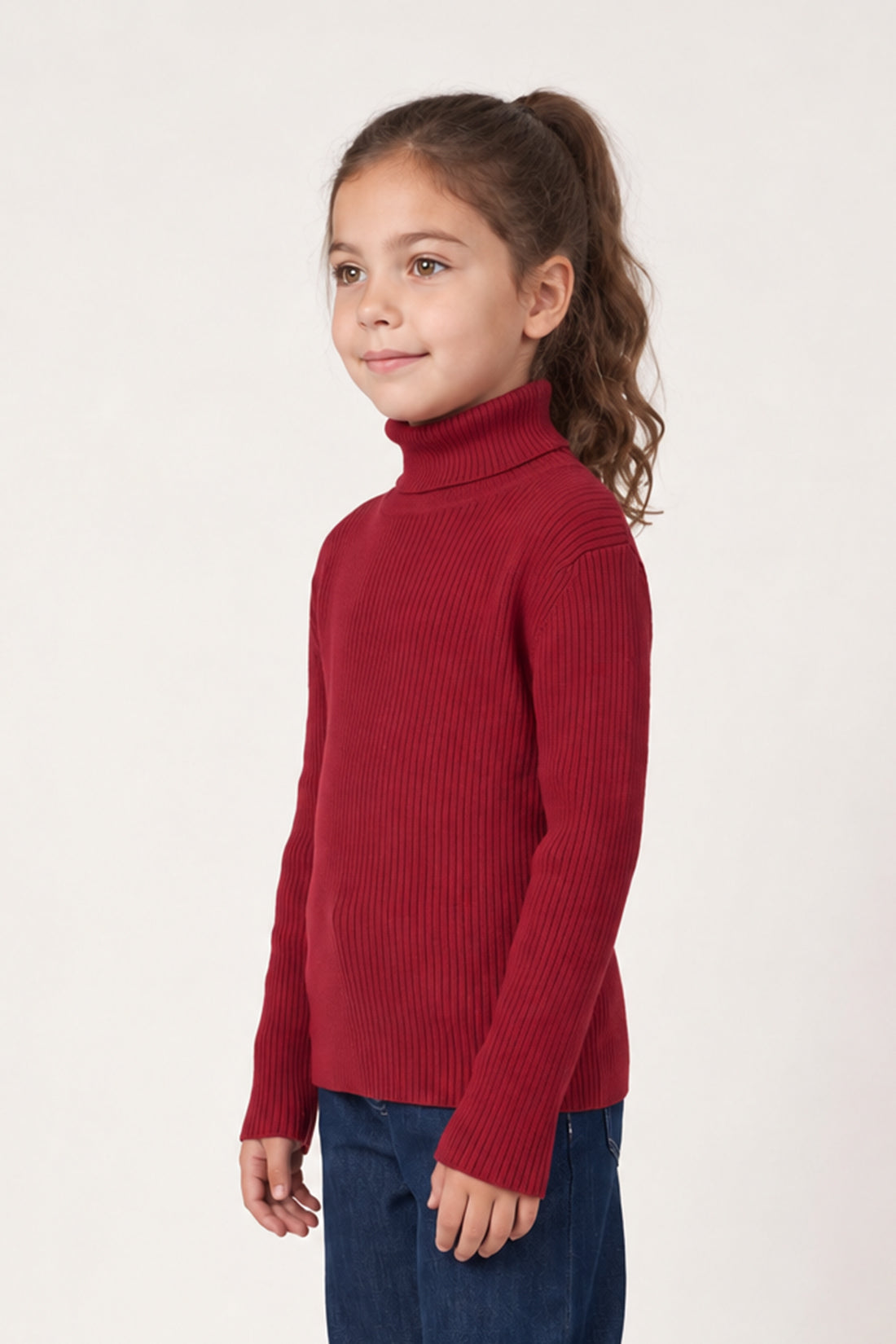

MRP
₹1,999.00
New
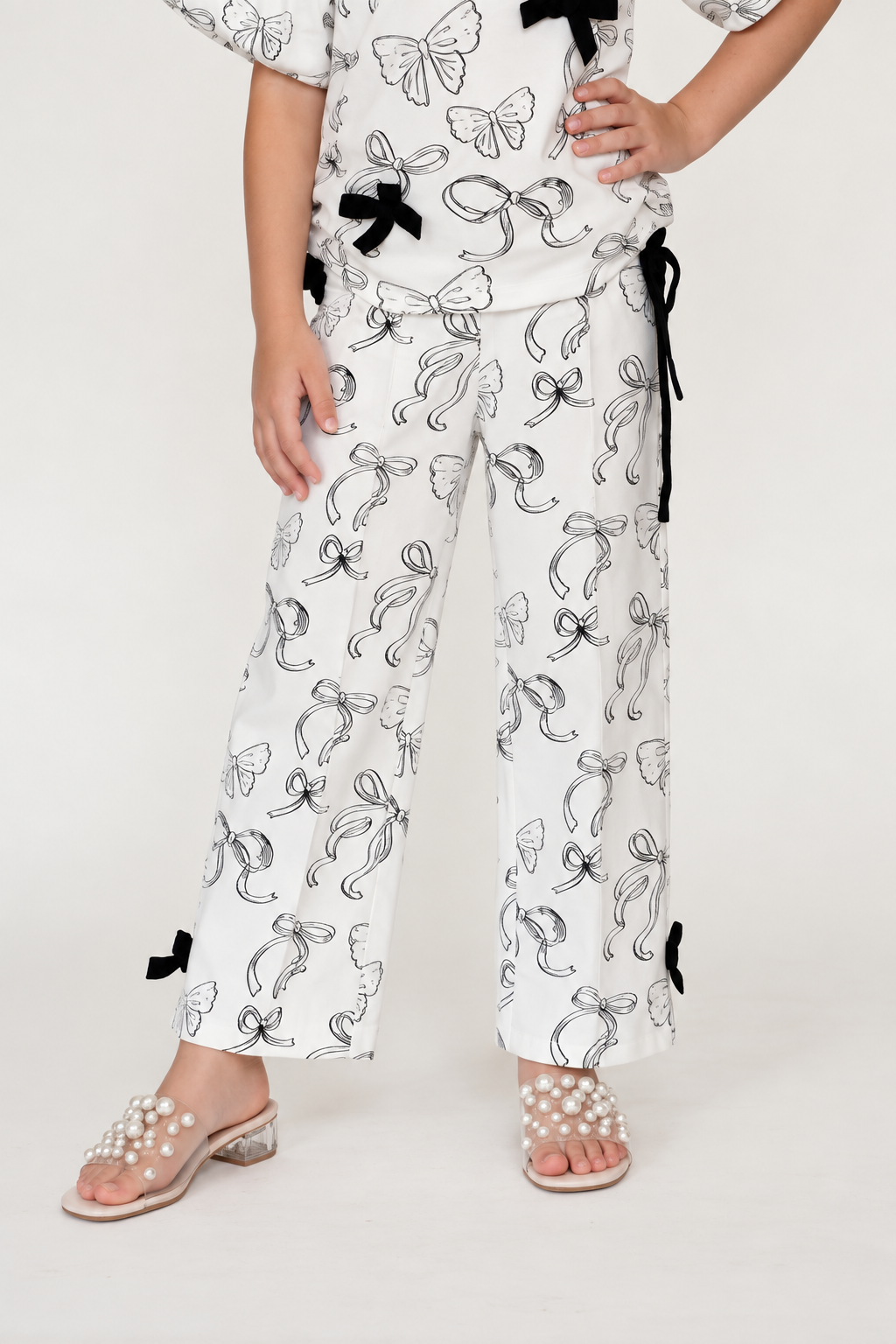
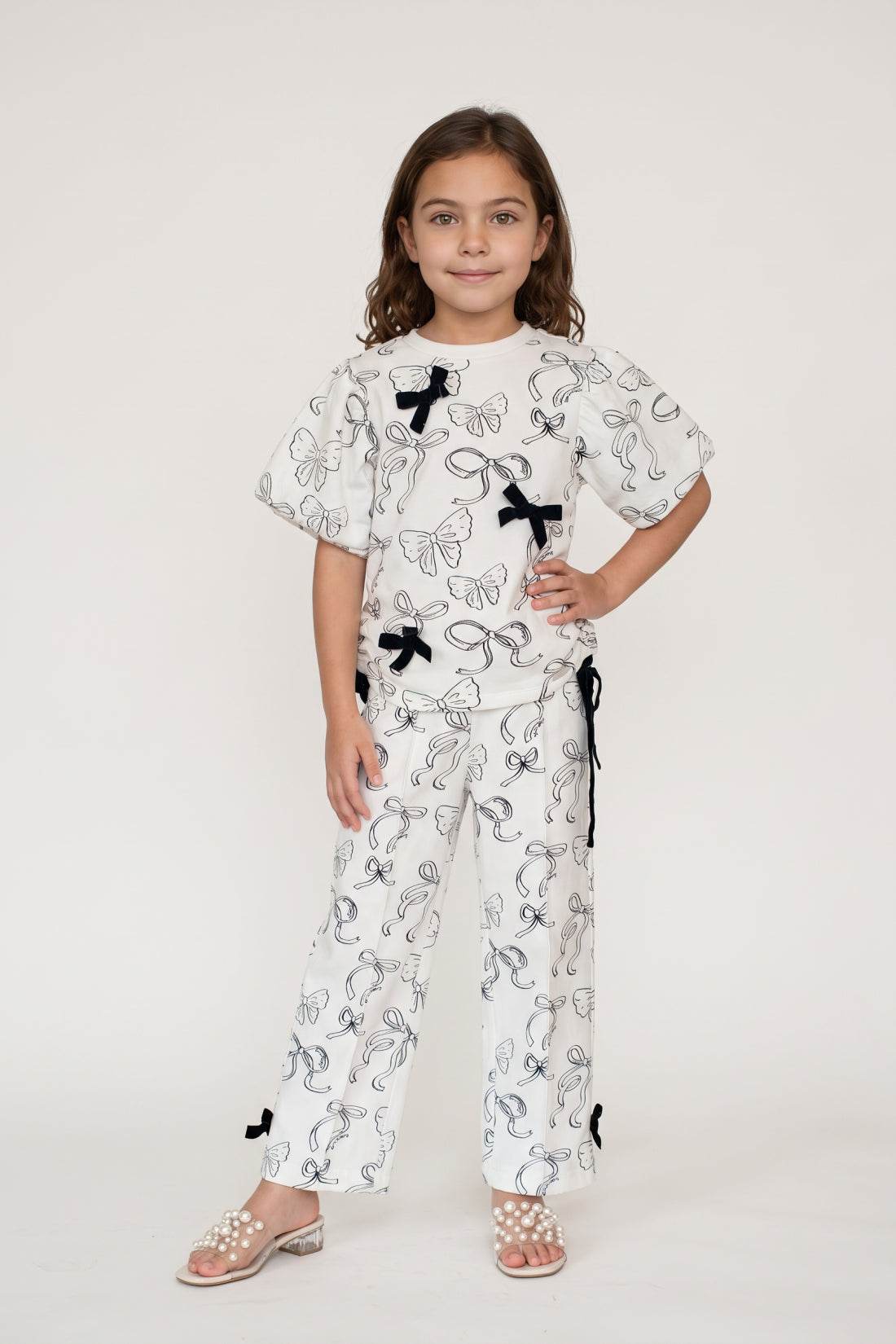
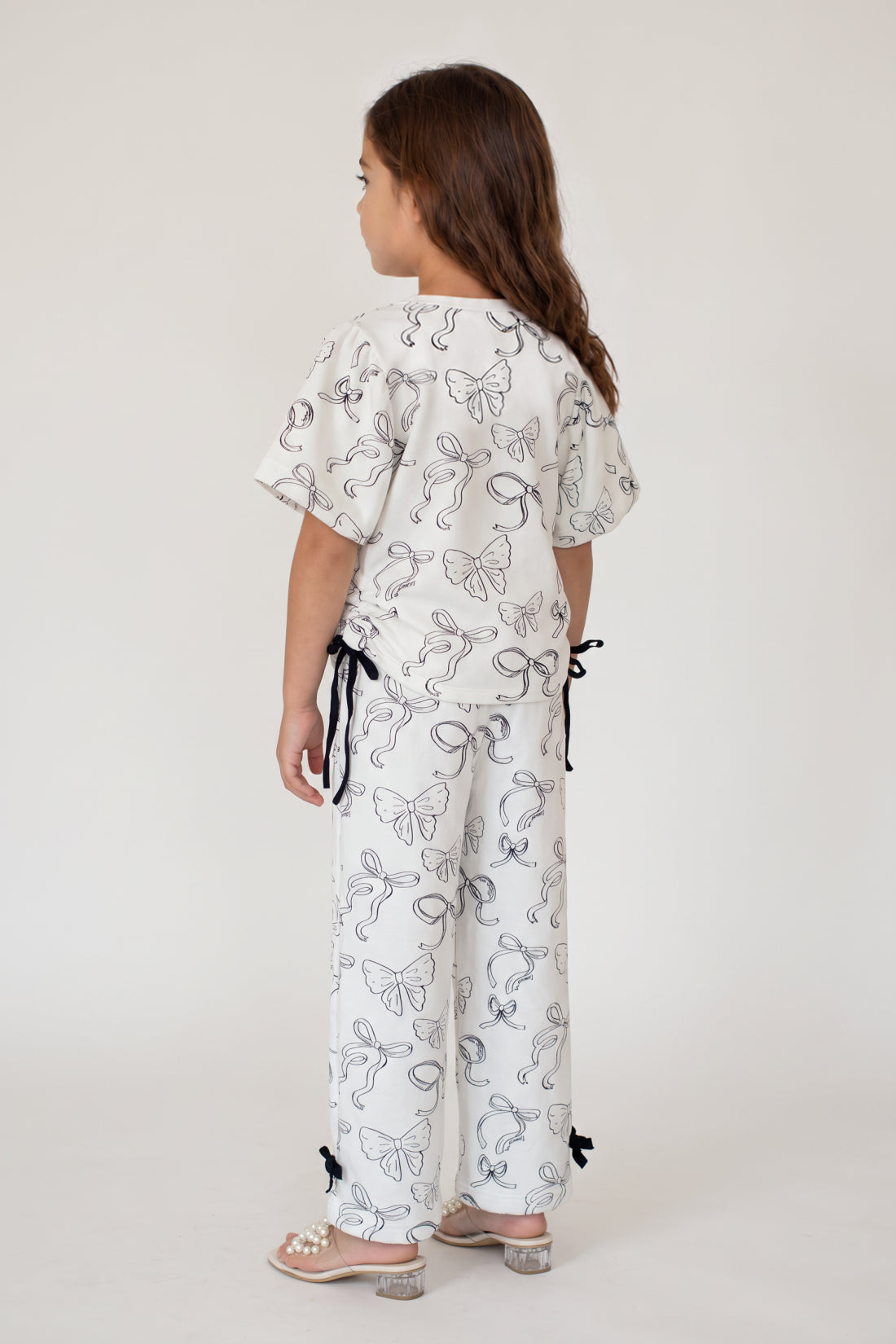
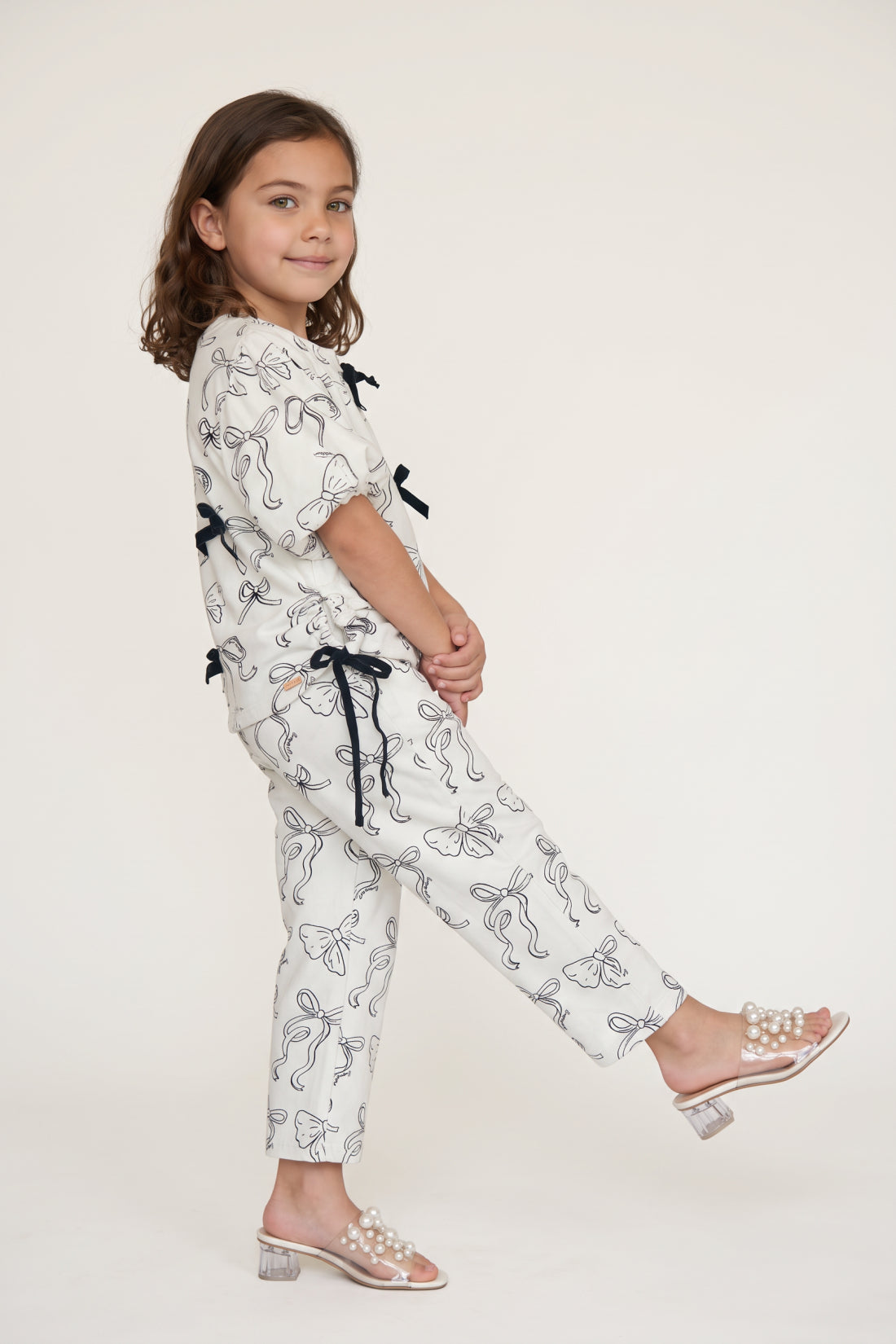
MRP
₹1,599.00
New
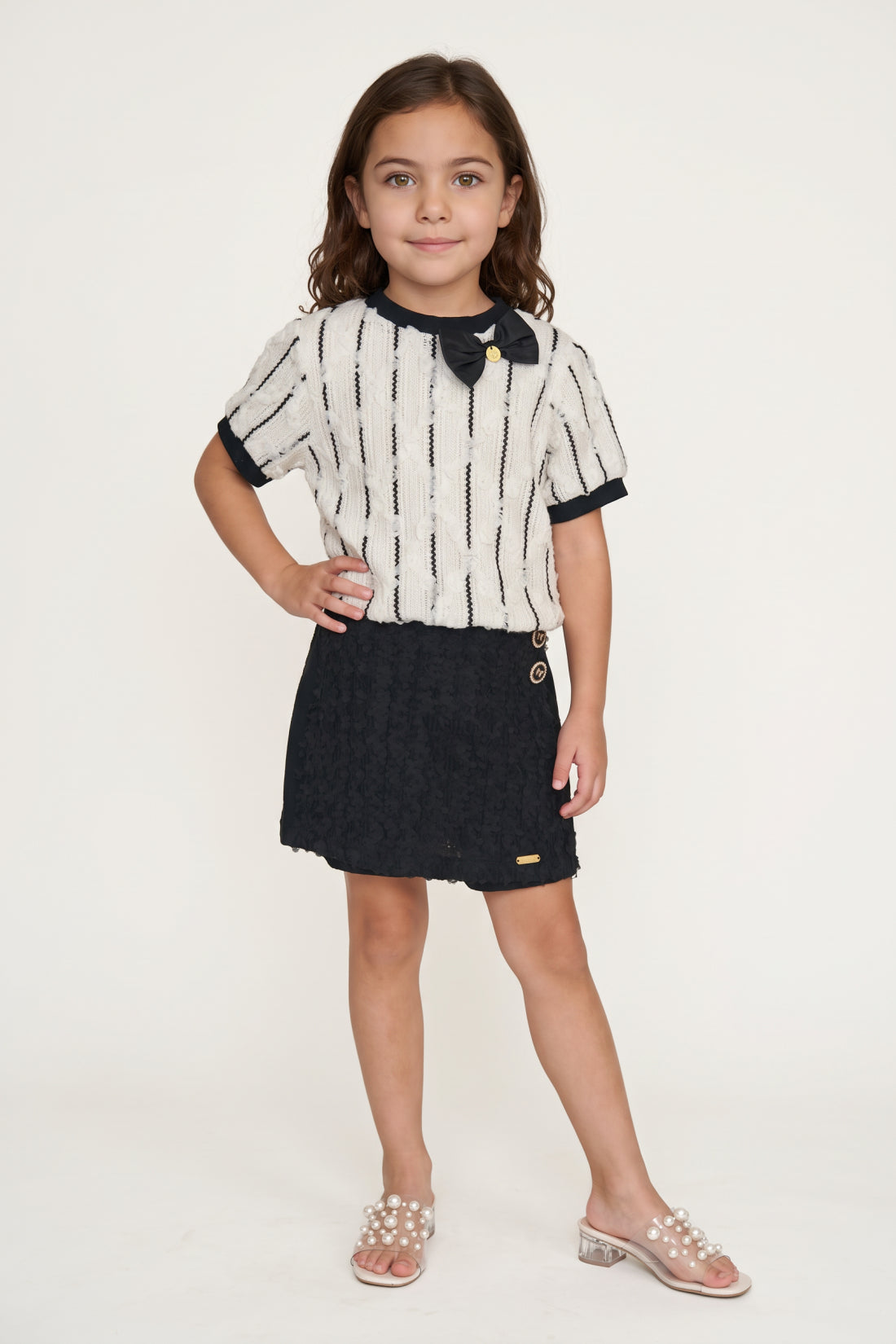
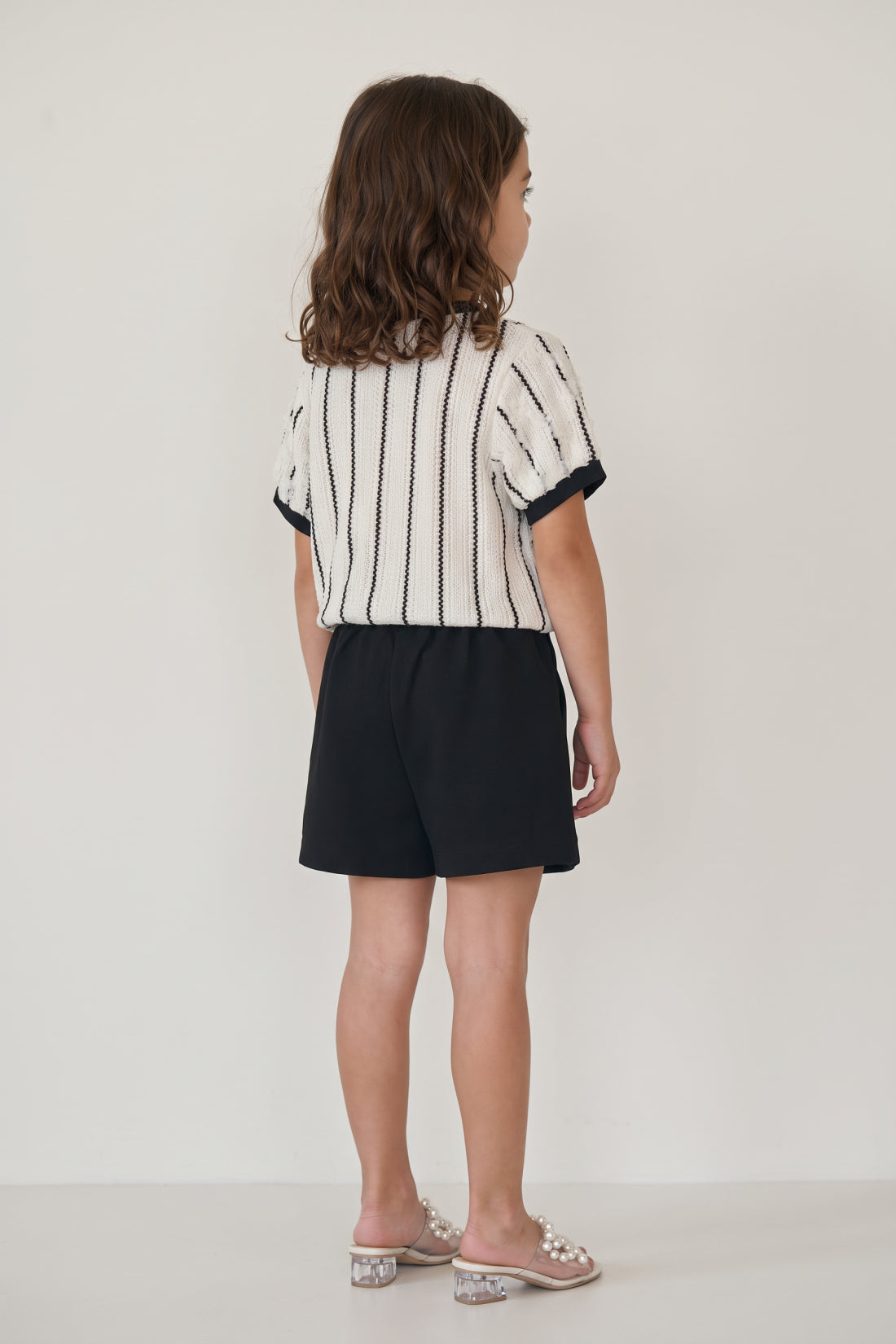
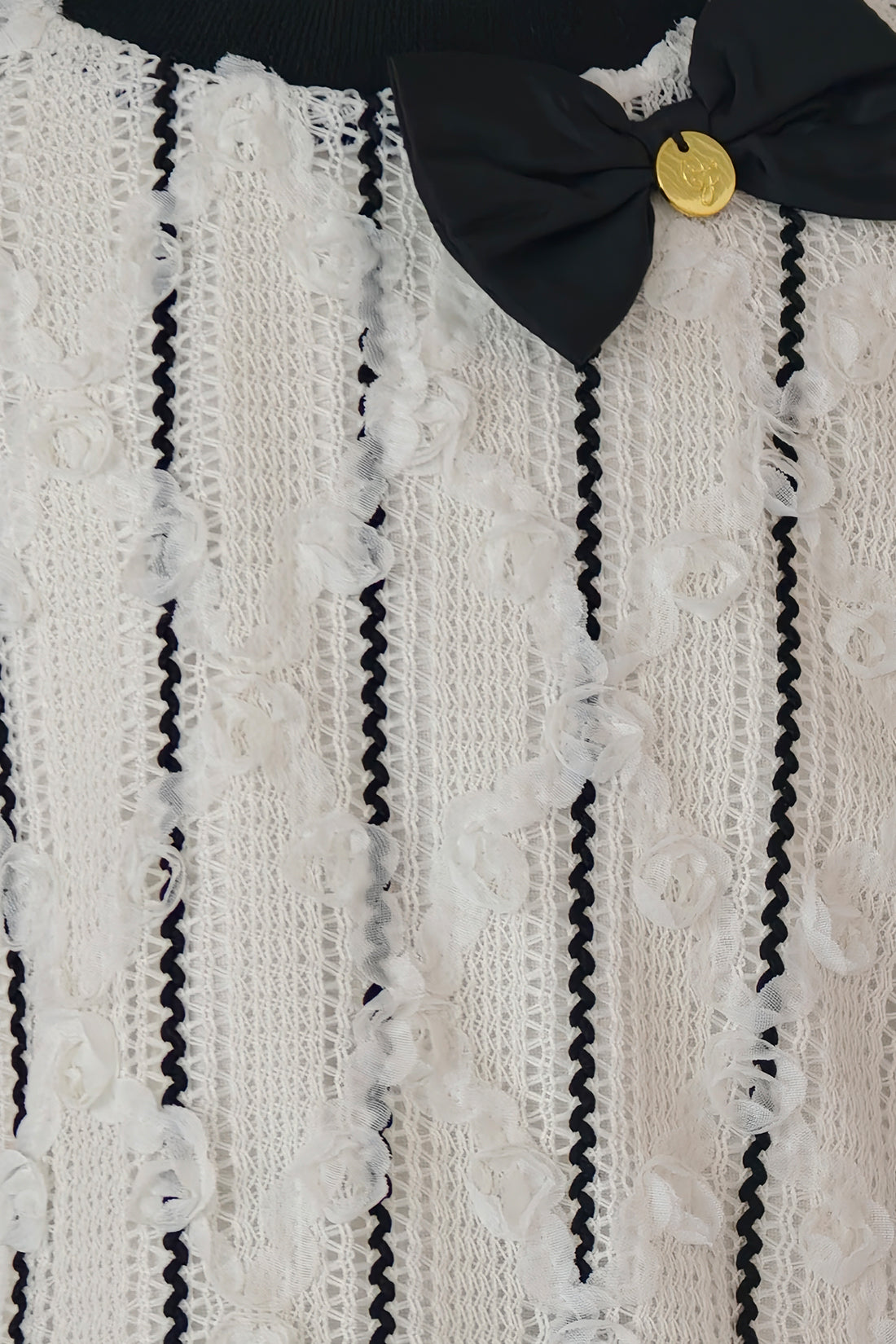
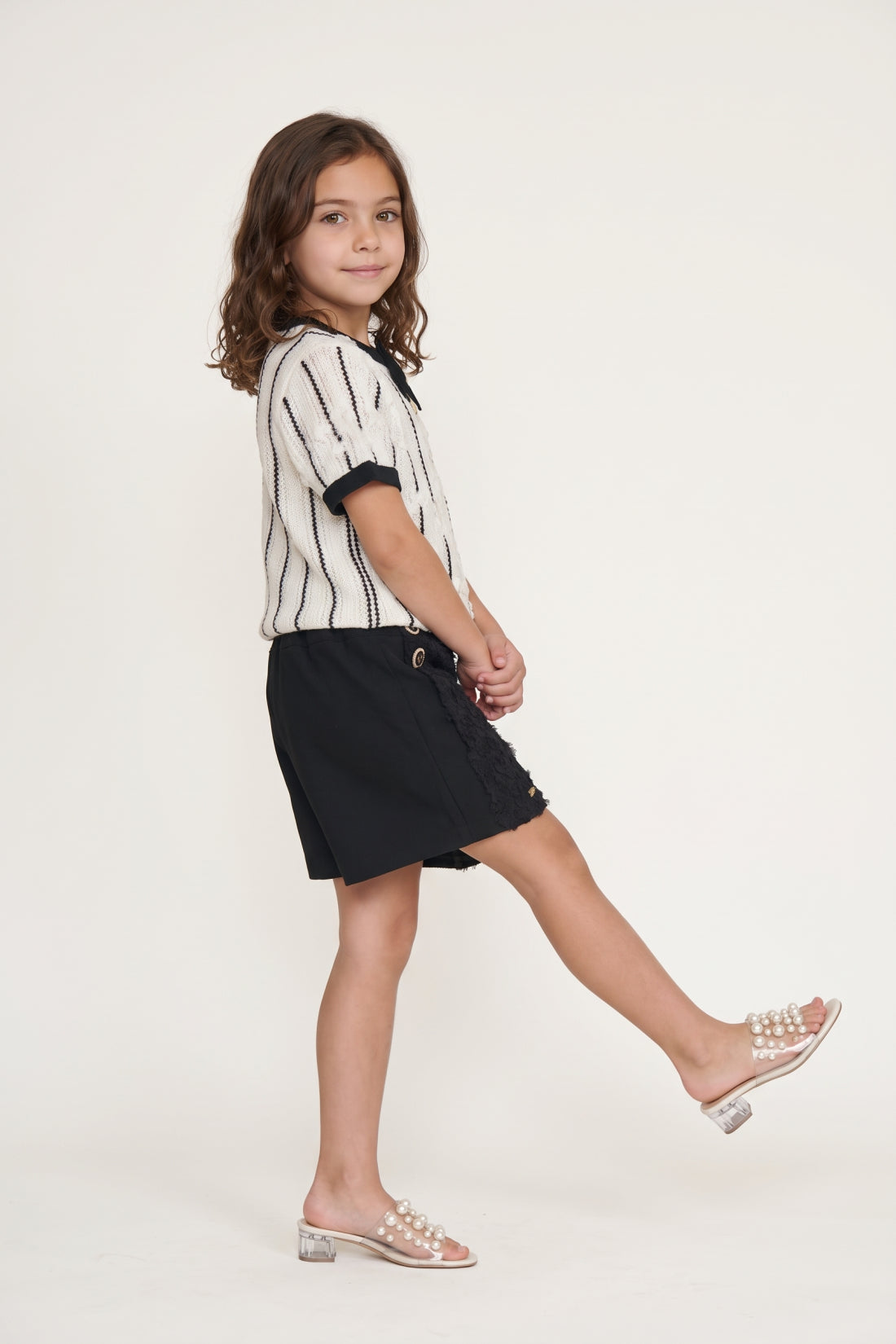
MRP
₹2,099.00
New
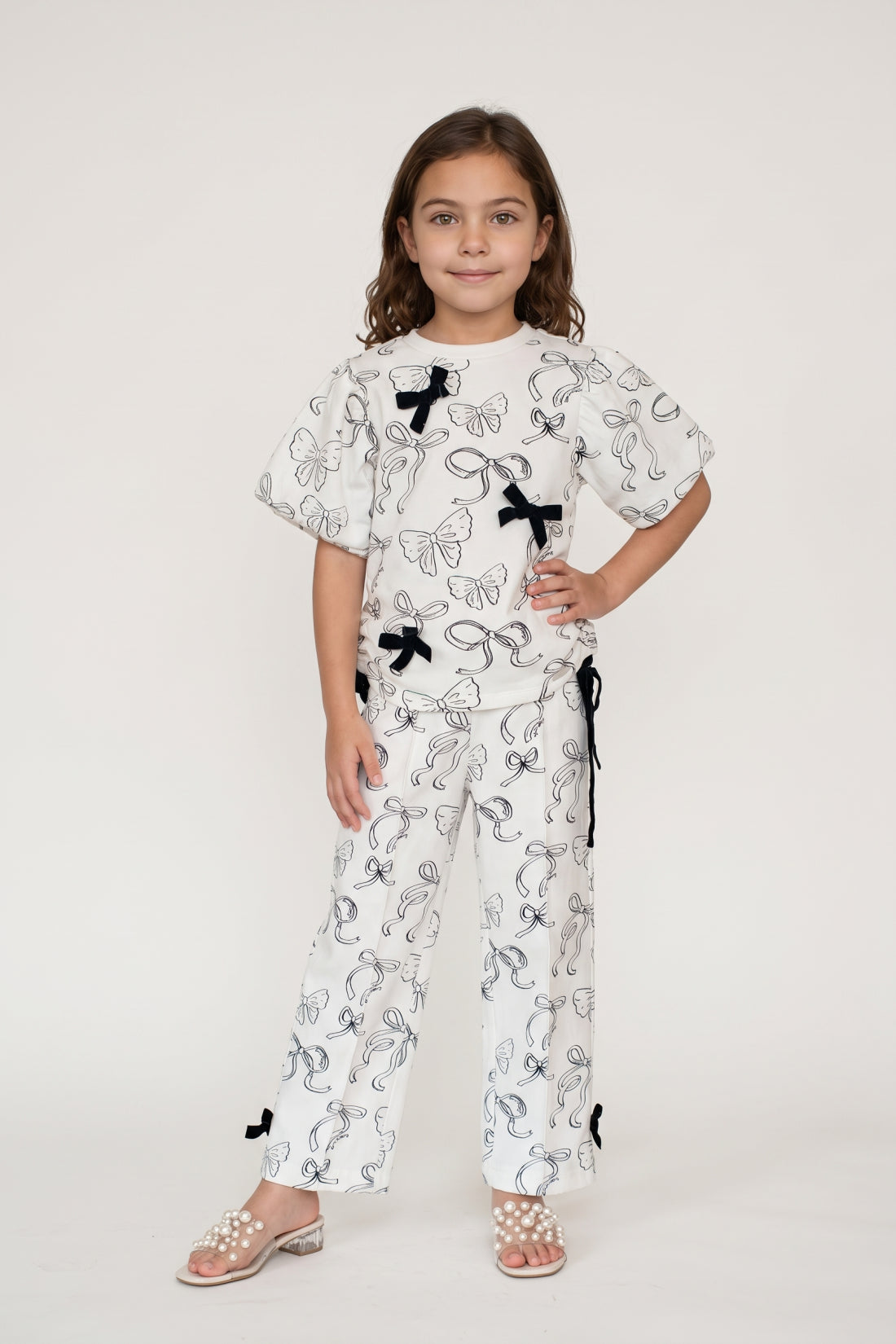
MRP
₹1,599.00
New
MRP
₹1,699.00
New
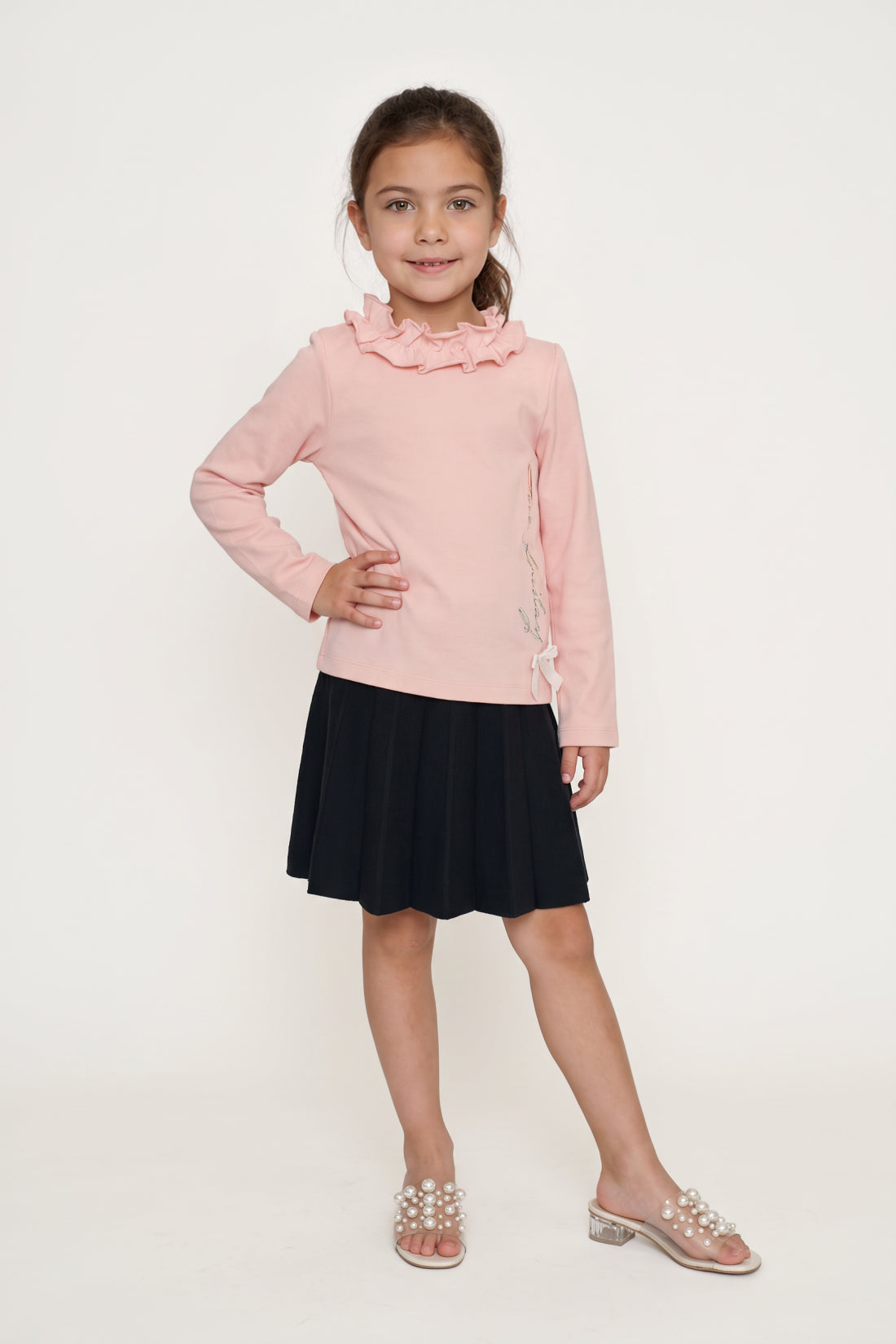
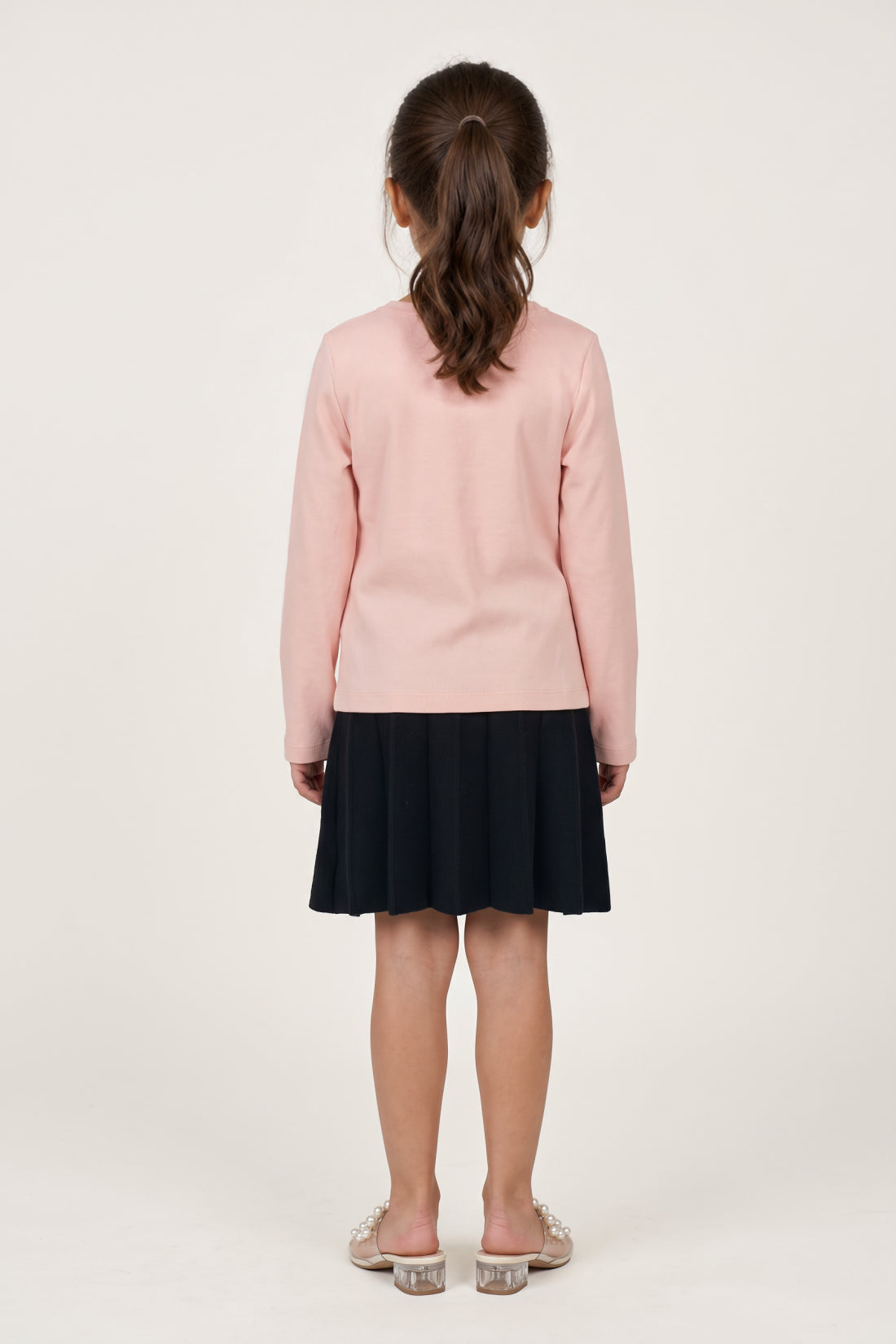
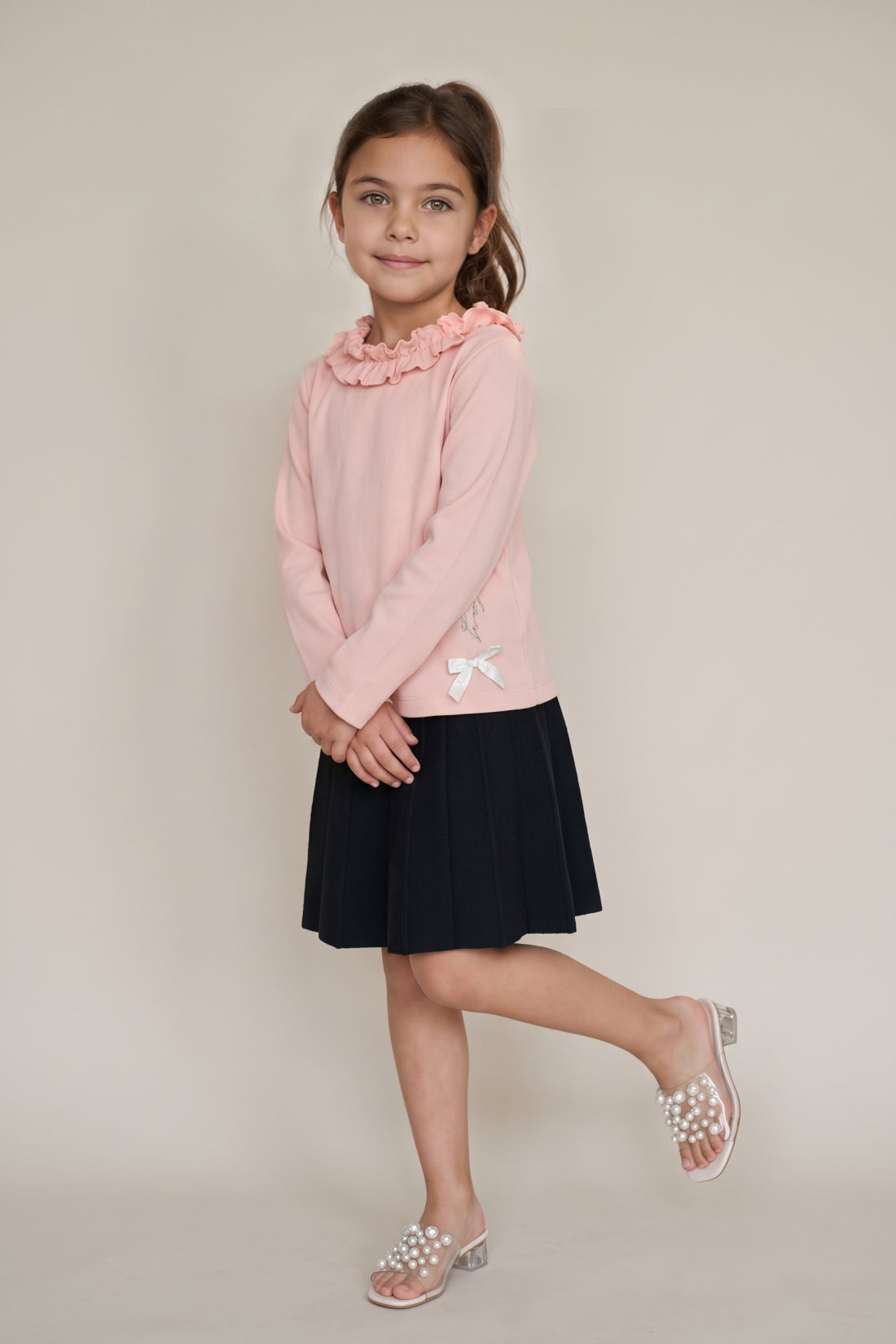
MRP
₹1,599.00
New
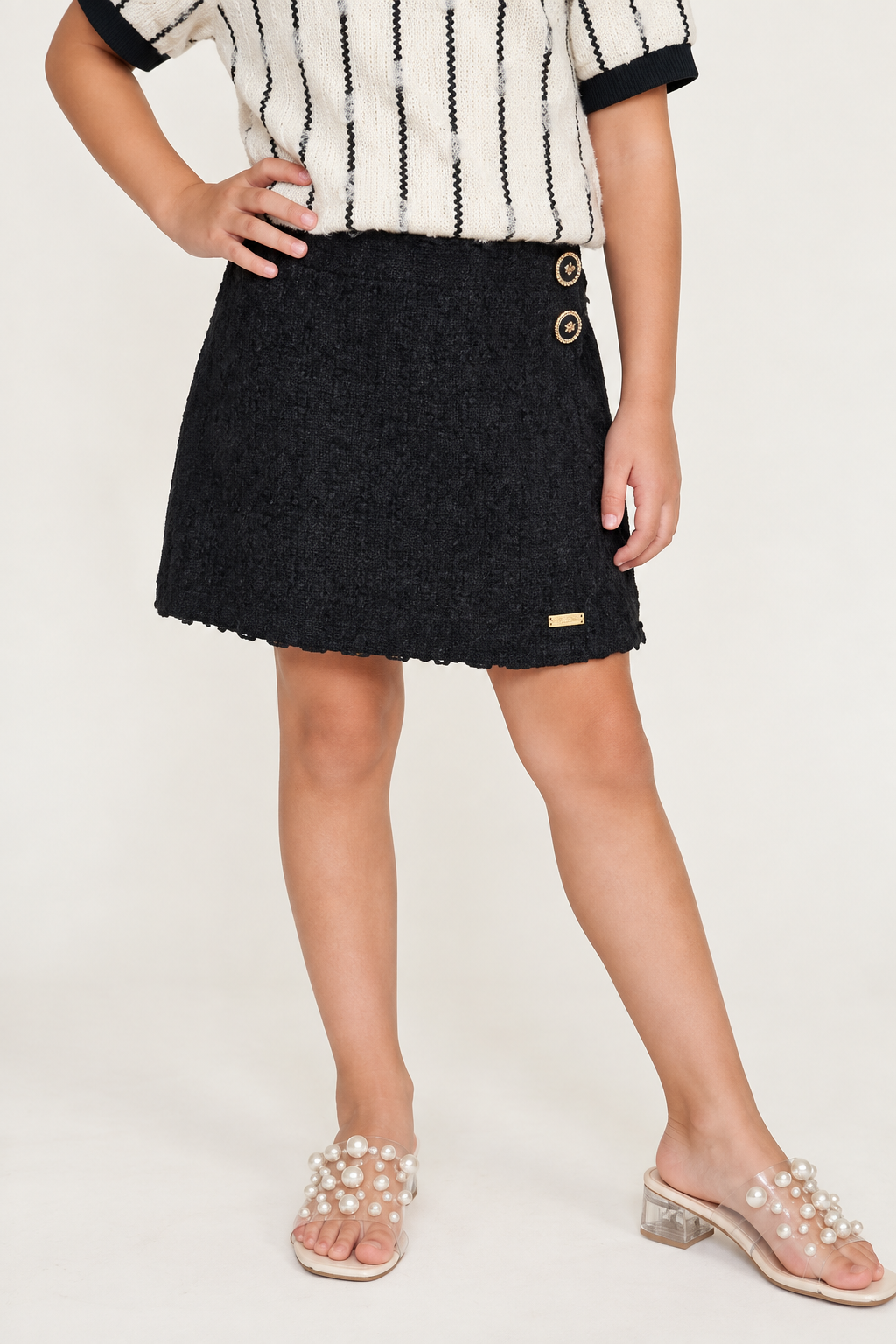
MRP
₹1,599.00
New
MRP
₹2,299.00
New
MRP
₹1,999.00
New
MRP
₹1,999.00
New
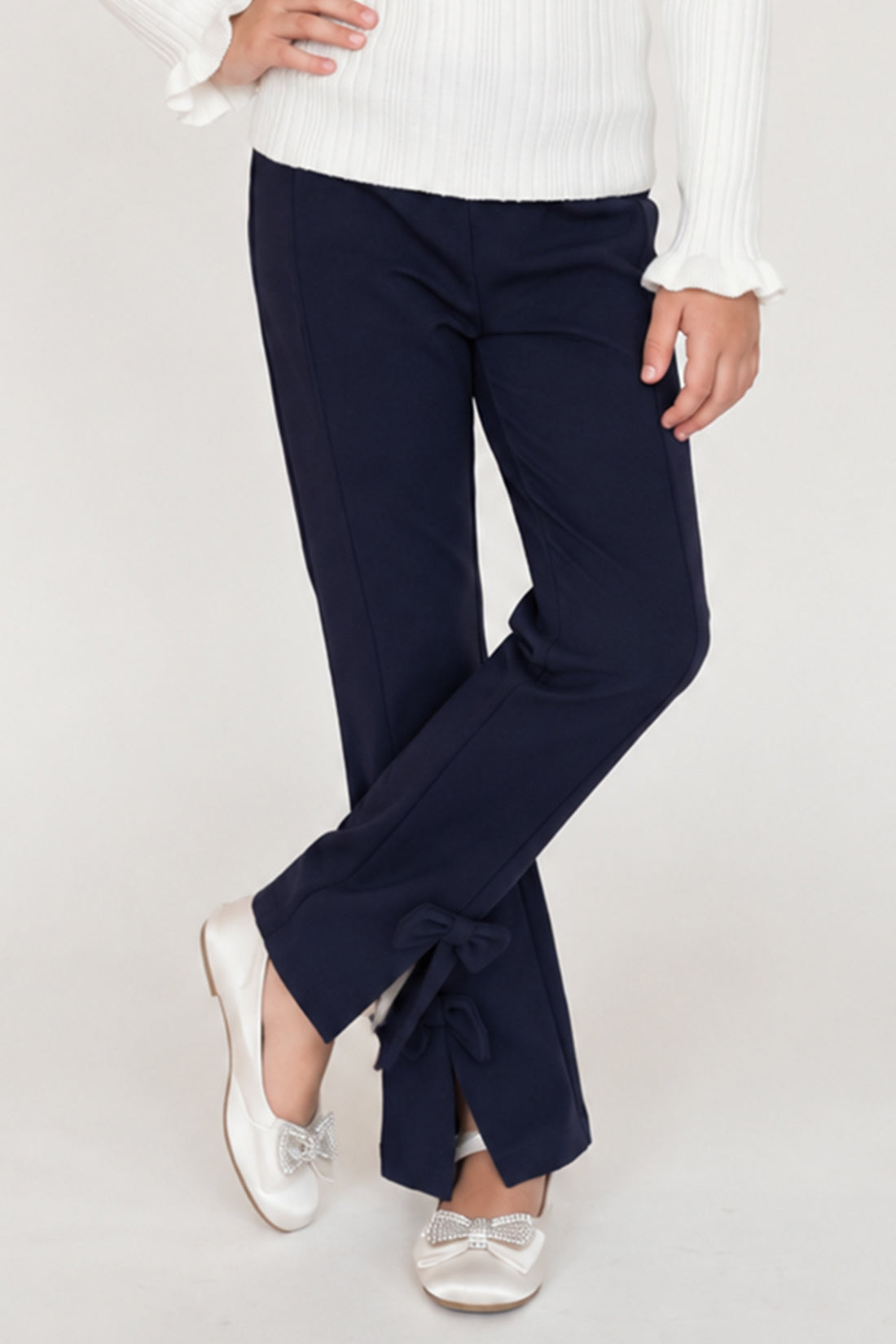
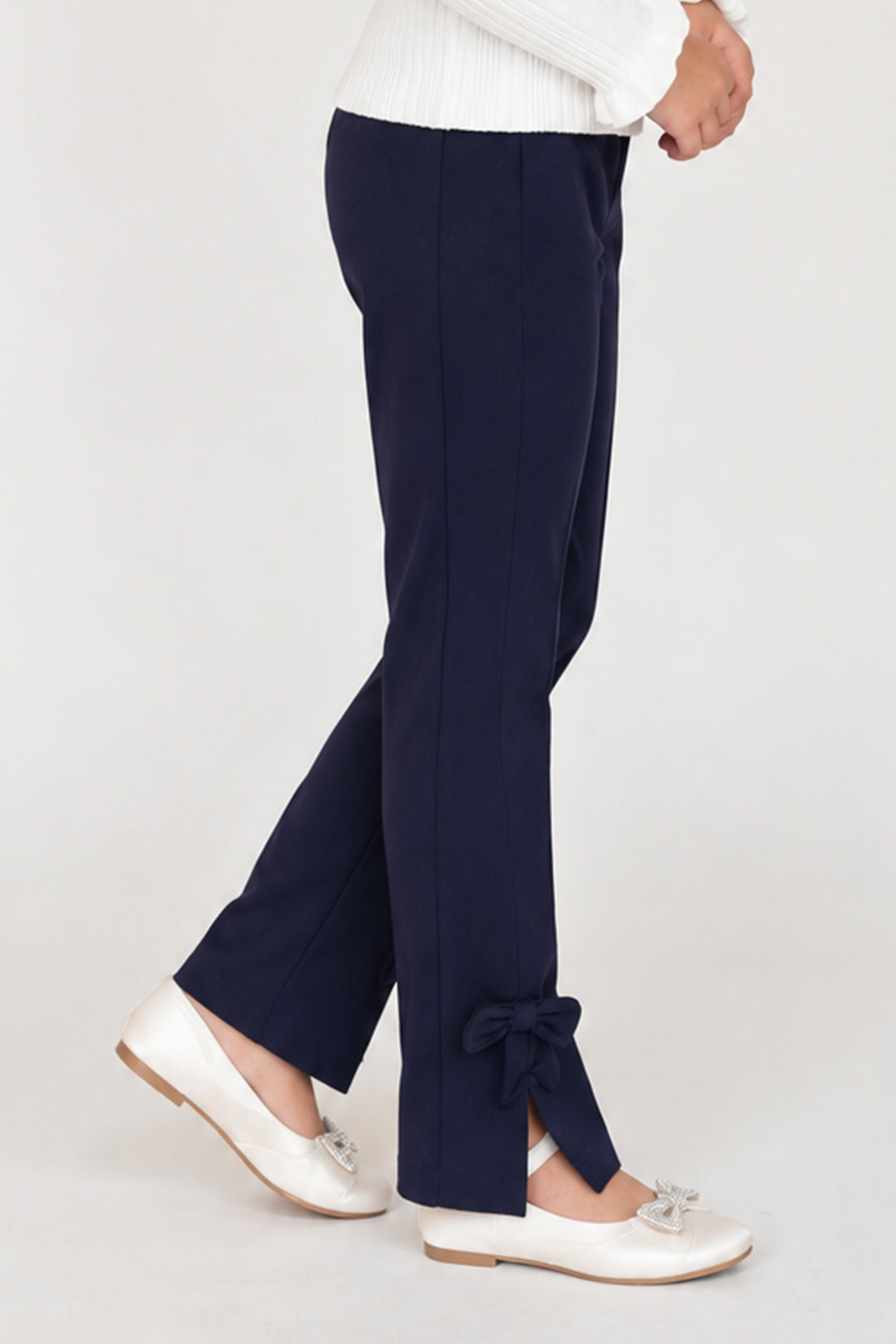
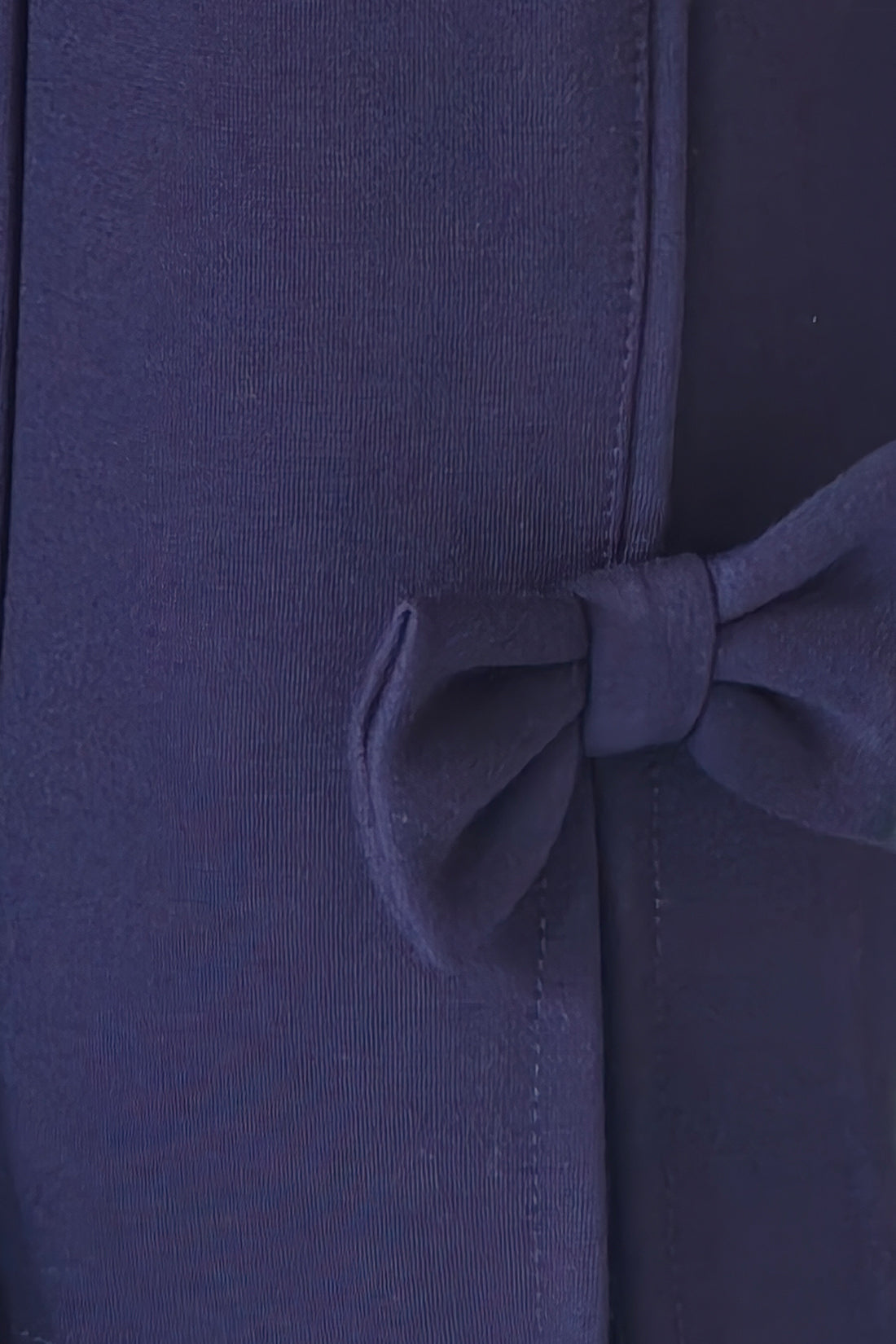
MRP
₹1,399.00
New
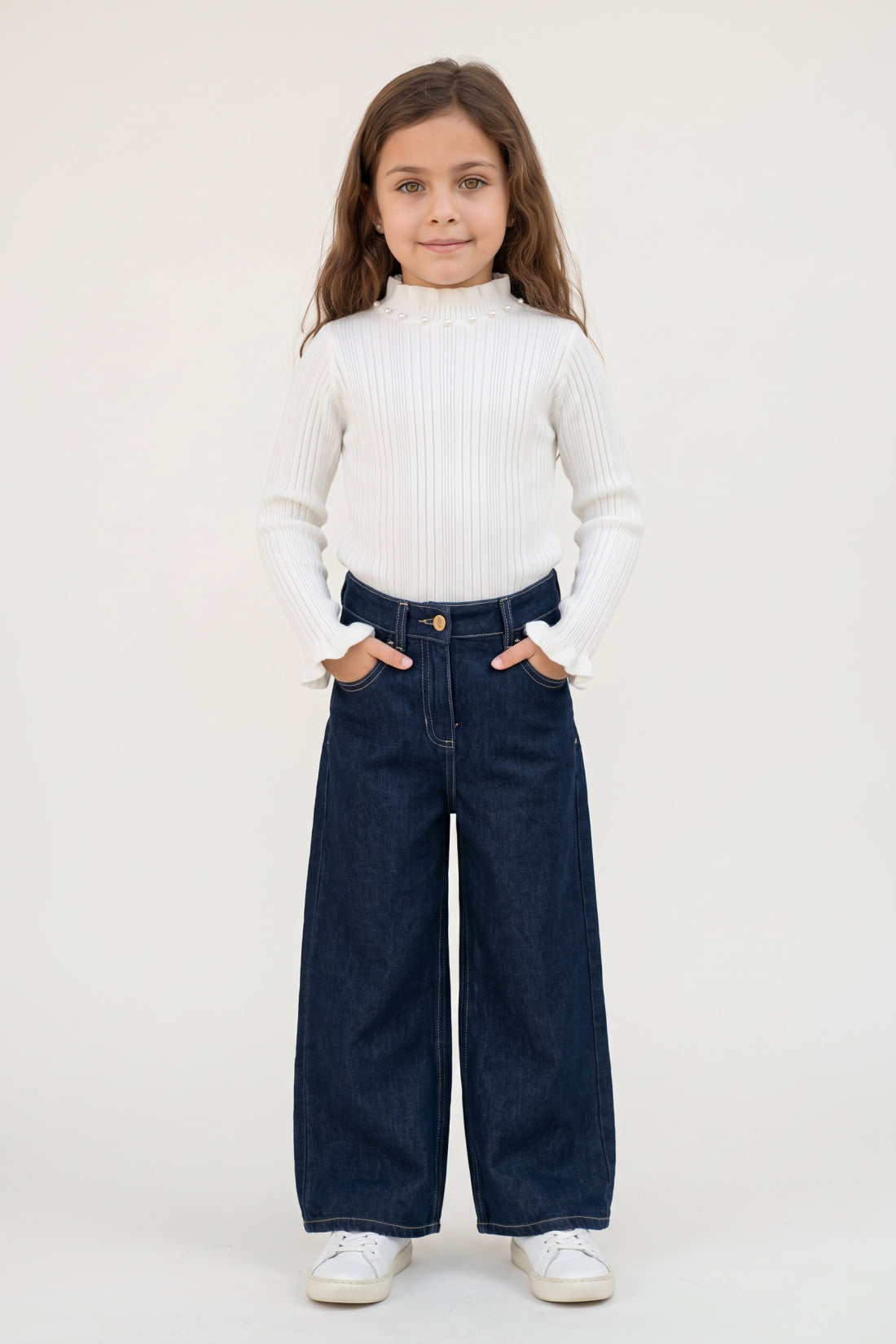
MRP
₹1,699.00
New
MRP
₹2,399.00
New
MRP
₹2,199.00
New
MRP
₹1,899.00
New
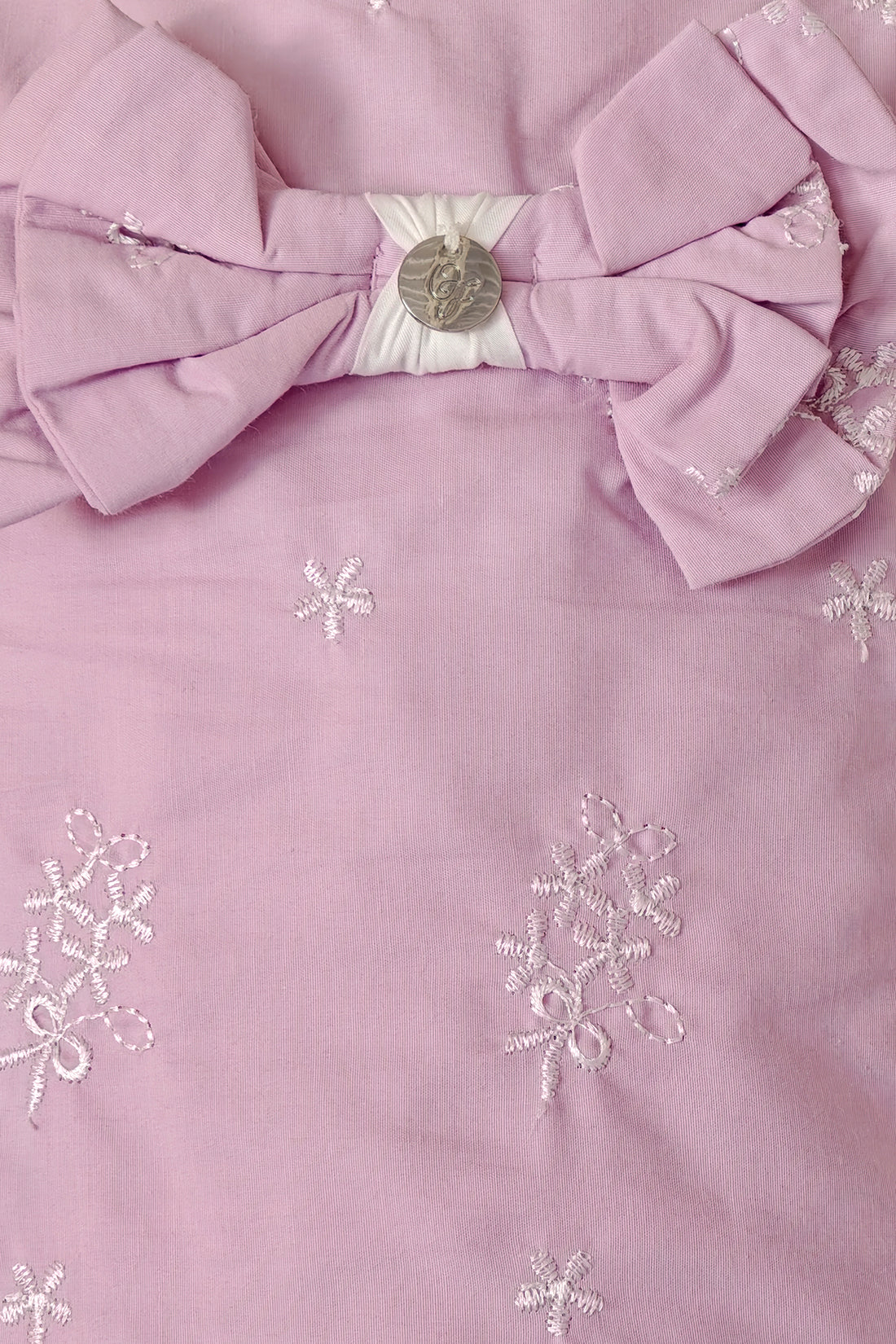
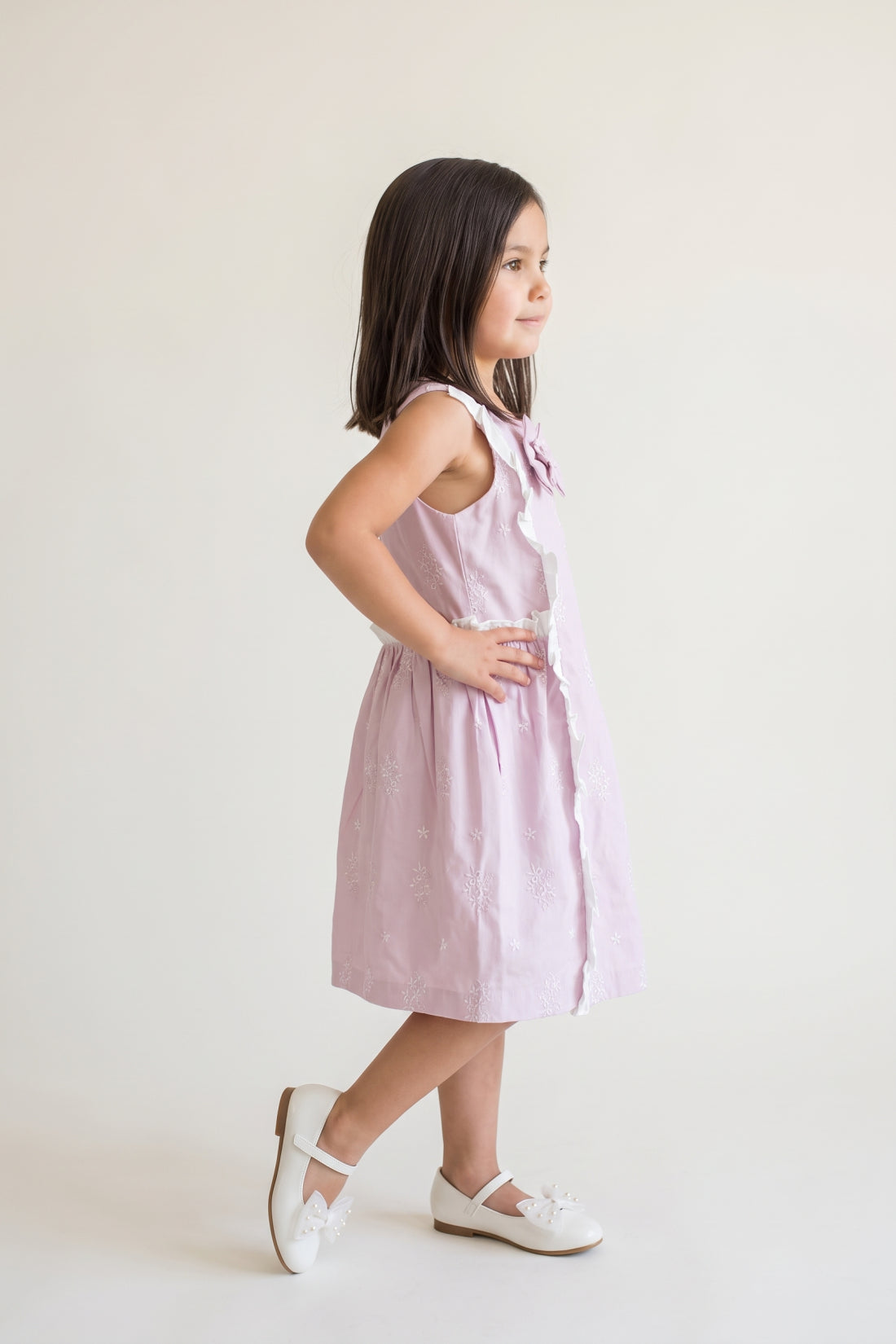
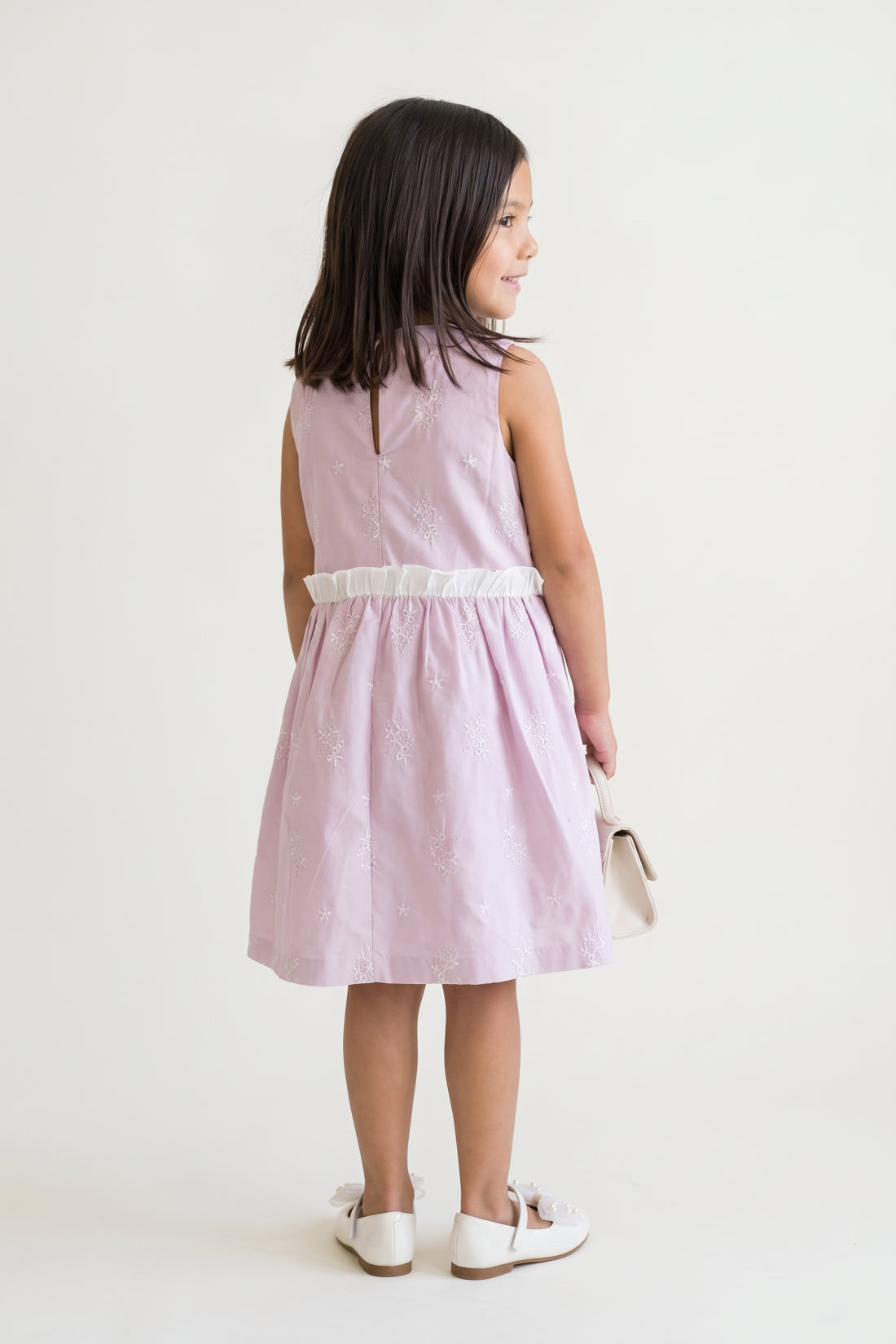
MRP
₹1,799.00
New
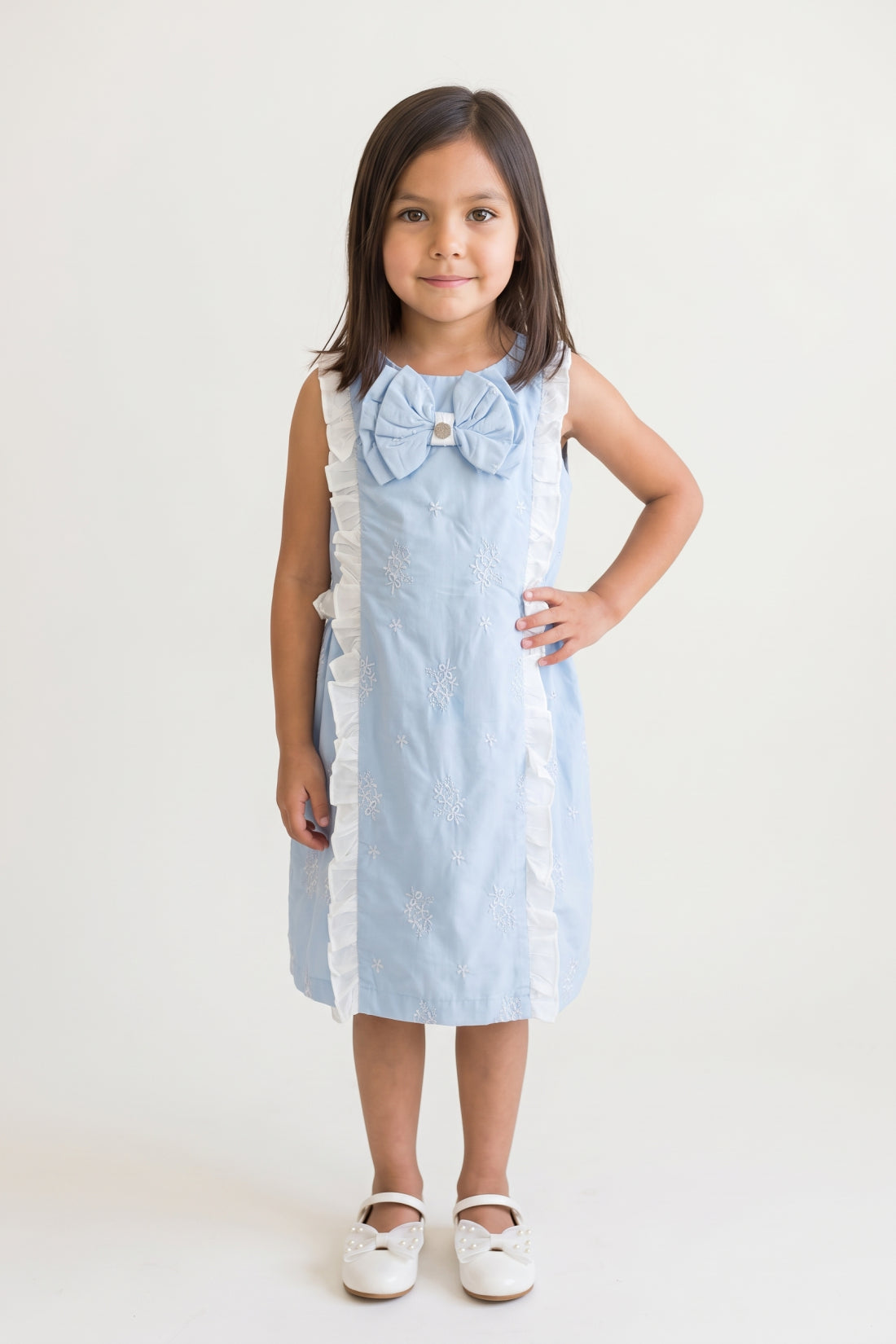
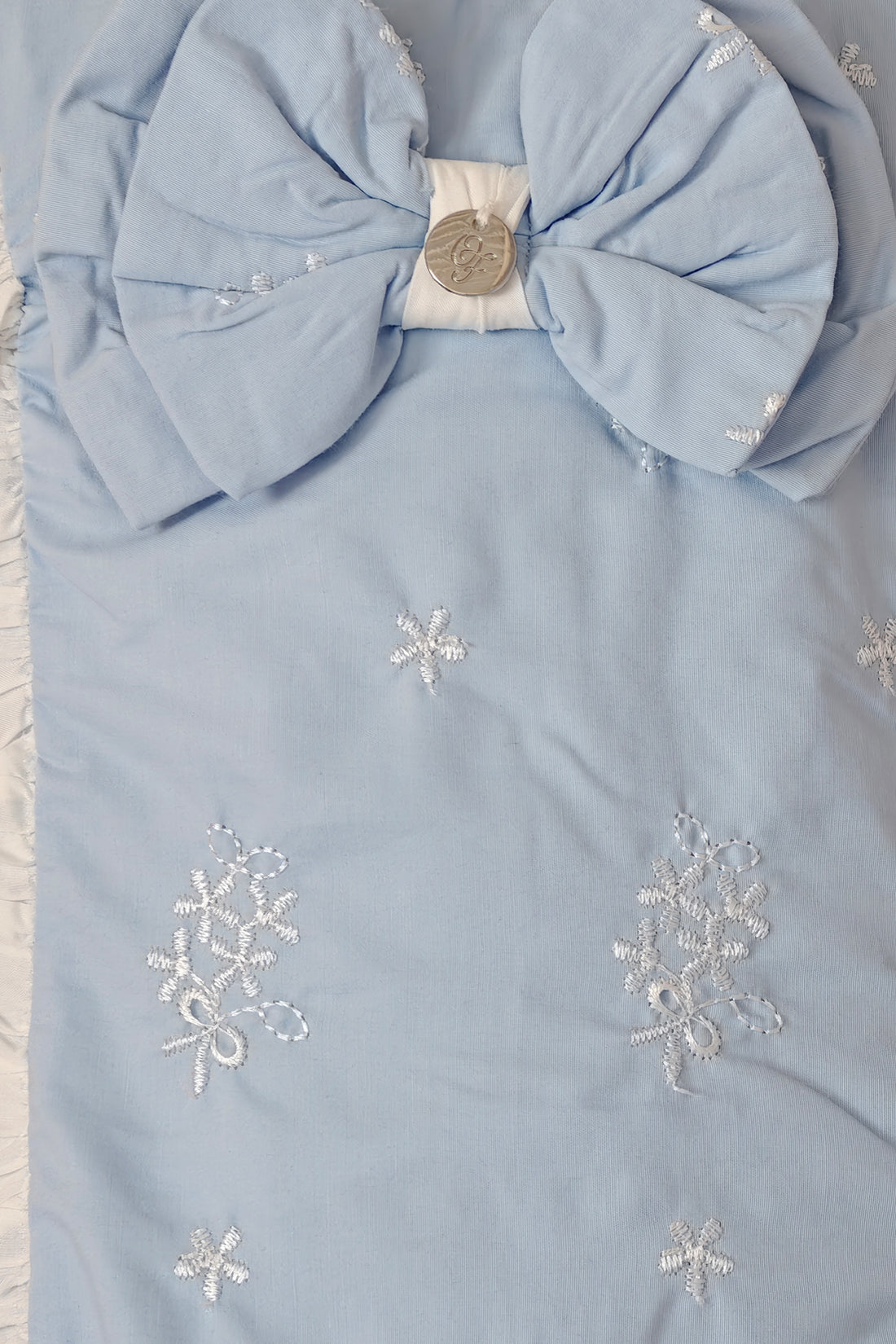
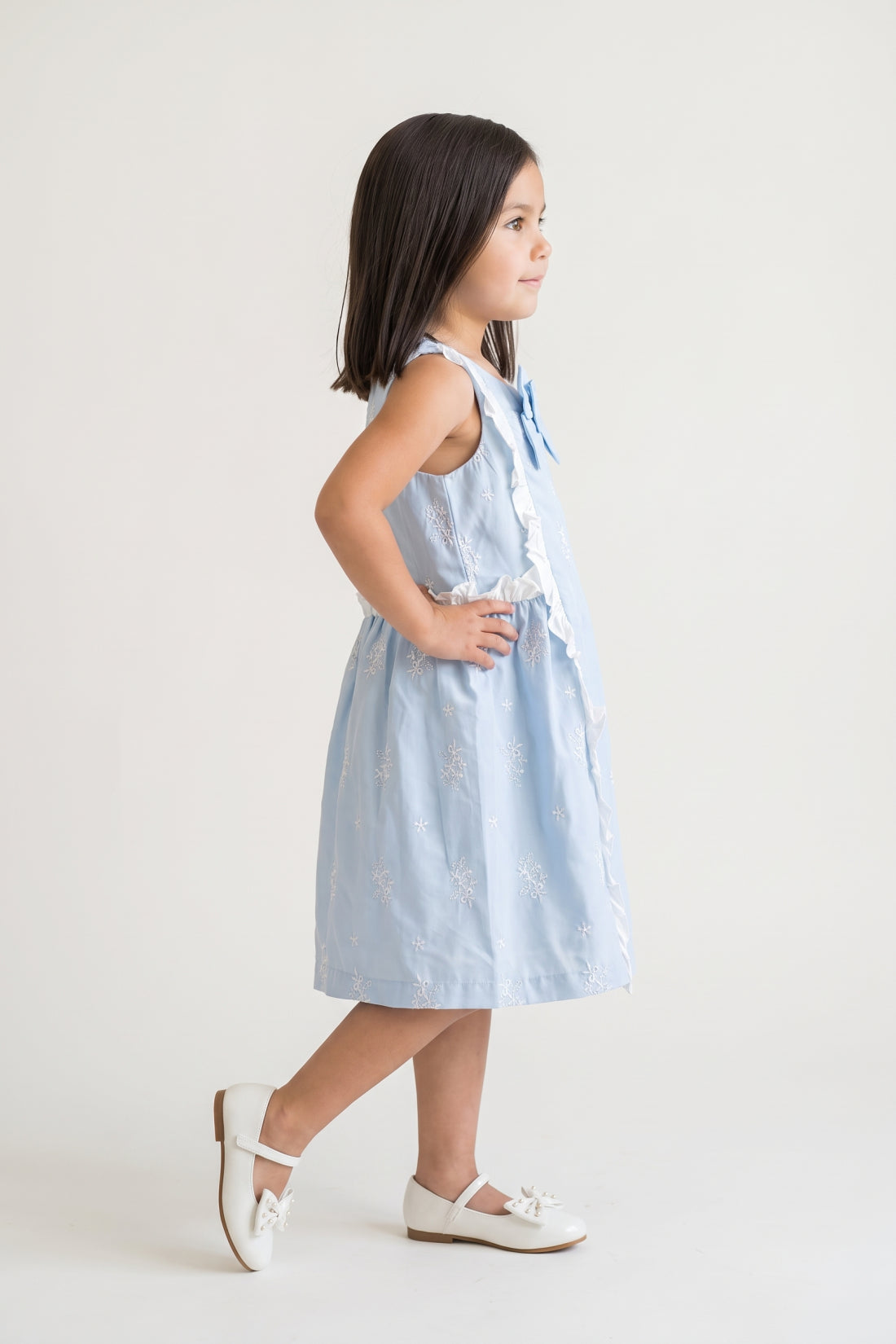
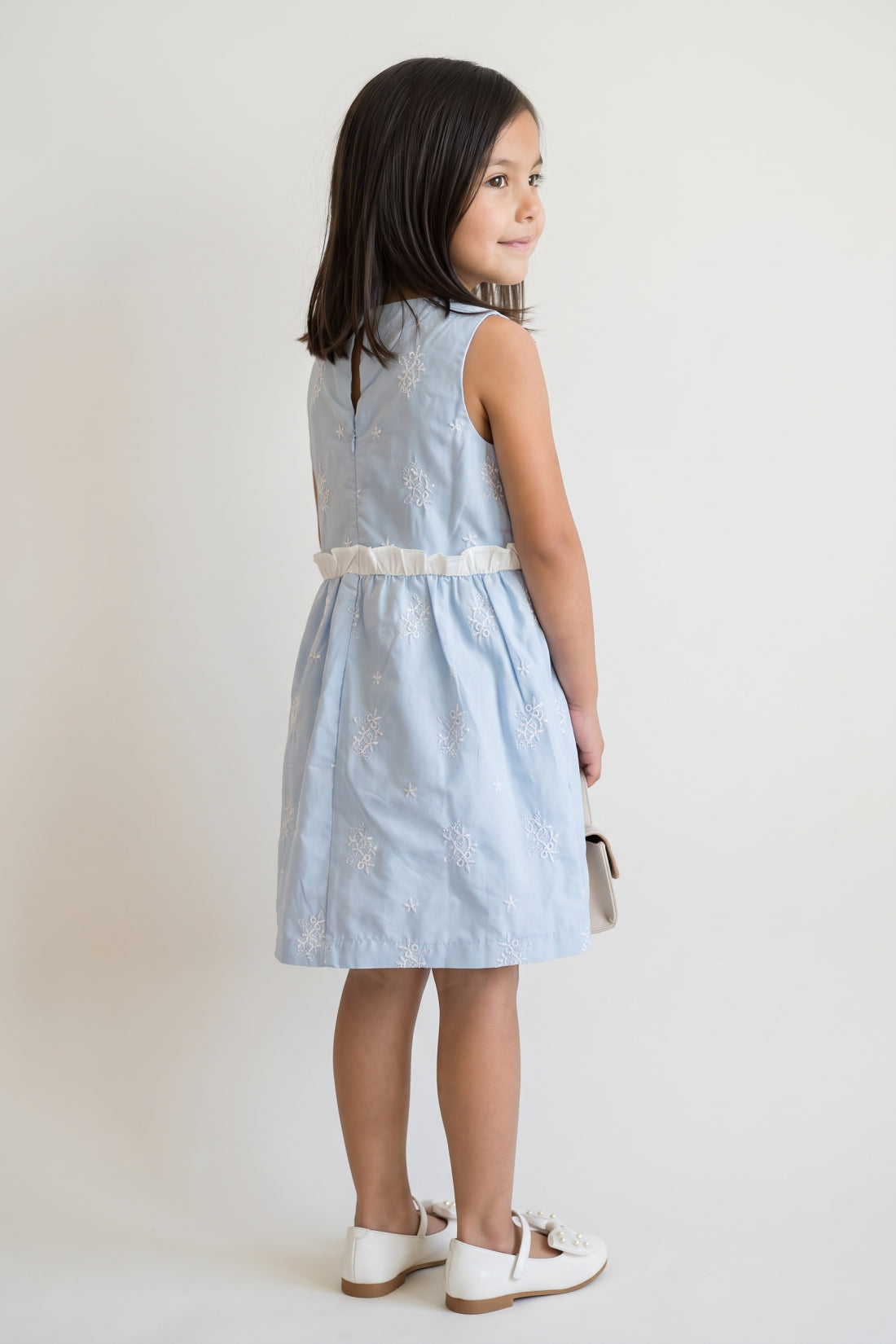
MRP
₹1,799.00
New
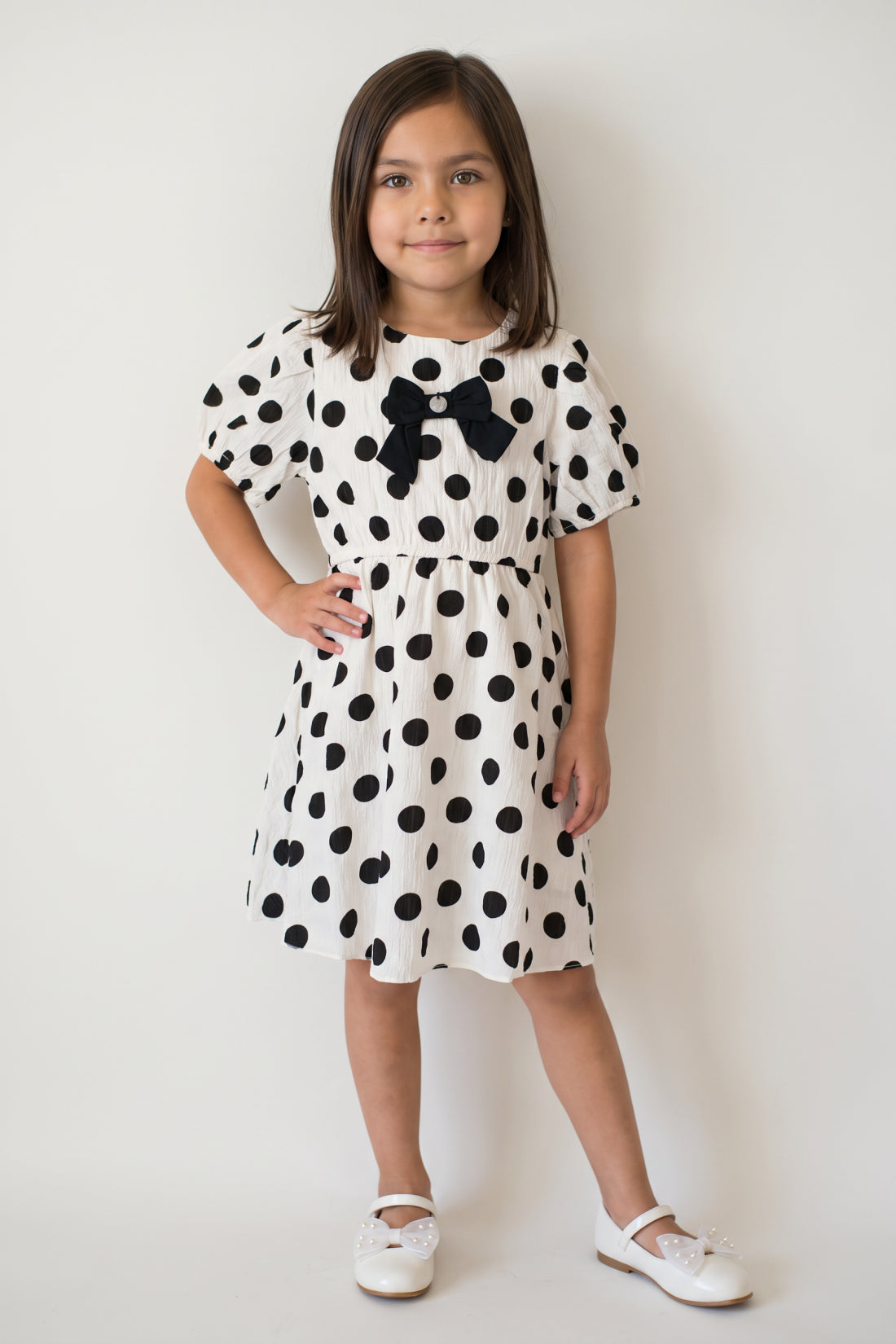
MRP
₹1,499.00
New
MRP
₹2,399.00
New
MRP
₹2,199.00
New

MRP
₹2,199.00
New
MRP
₹2,299.00
New
MRP
₹2,299.00
New
MRP
₹2,399.00
New
MRP
₹2,299.00
New
MRP
₹2,999.00
New
MRP
₹2,999.00
New
MRP
₹2,199.00
New
MRP
₹2,399.00
New
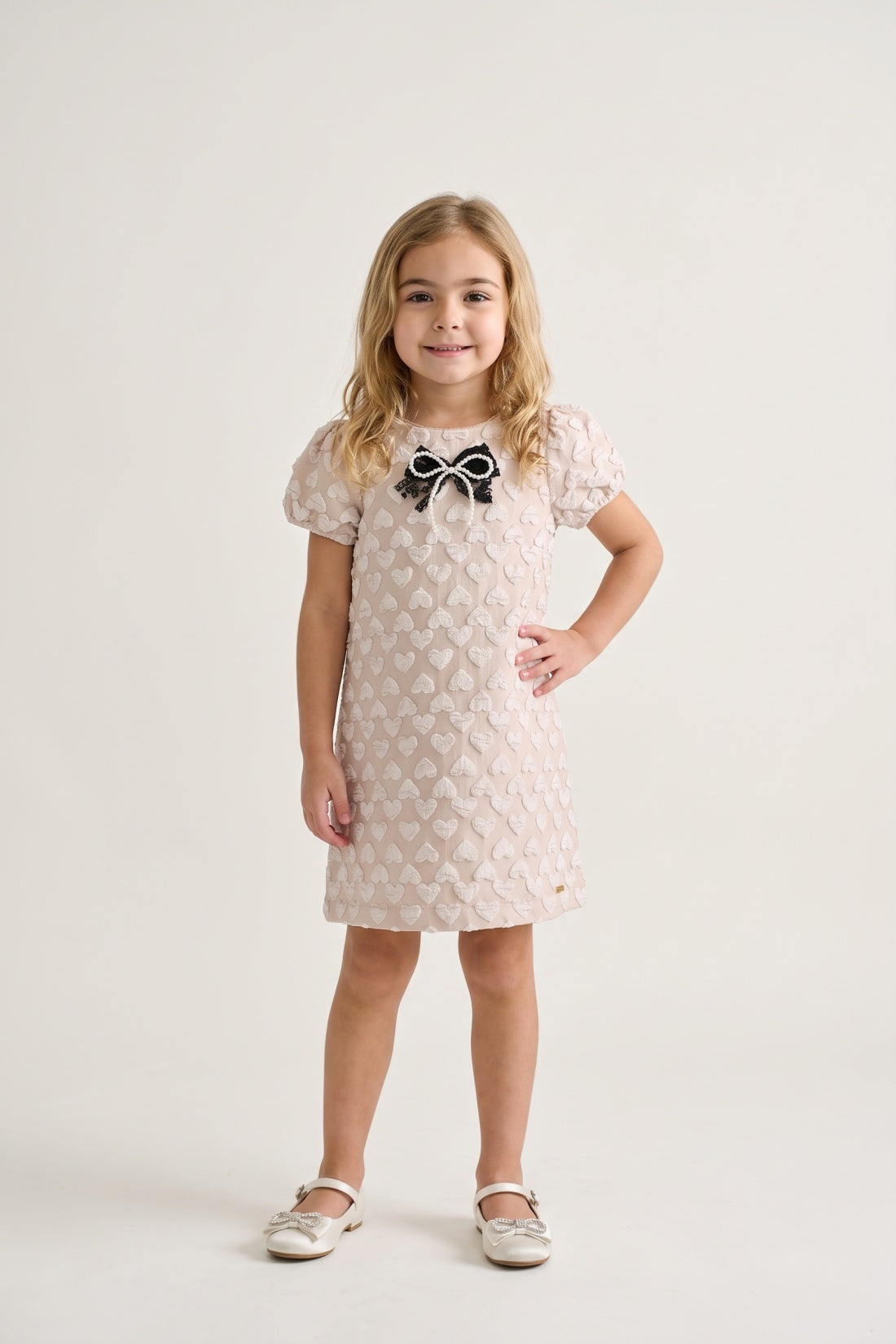
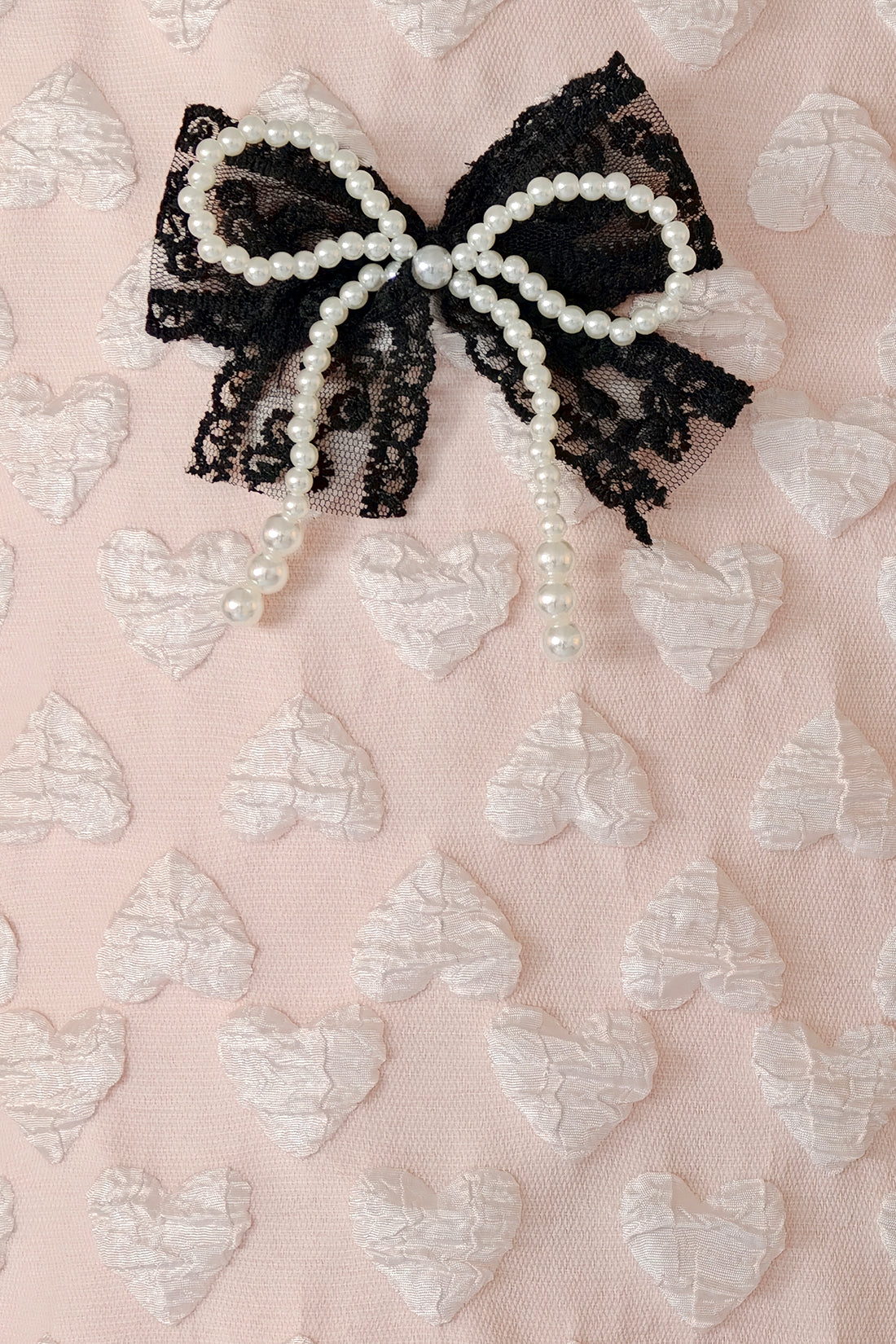
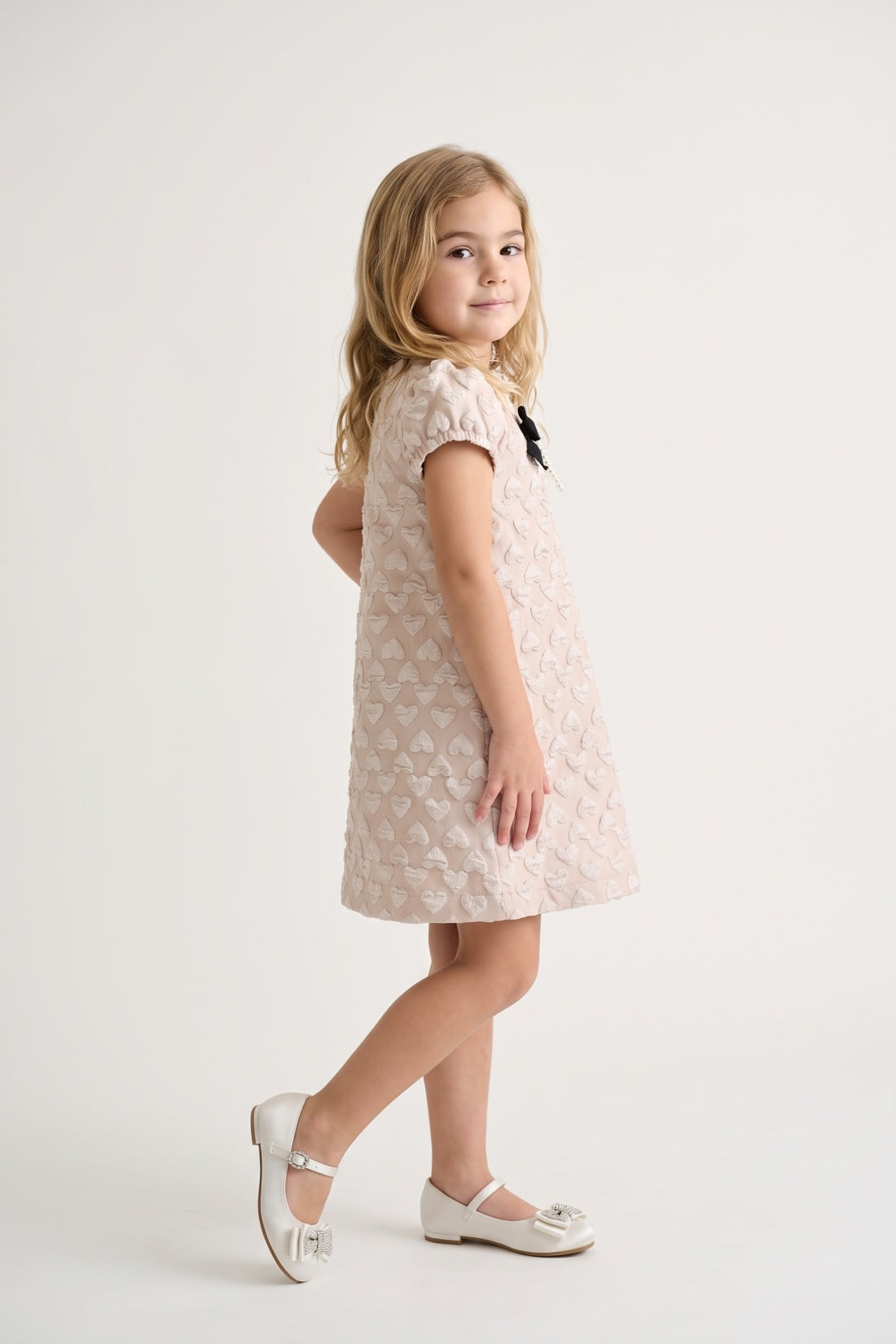
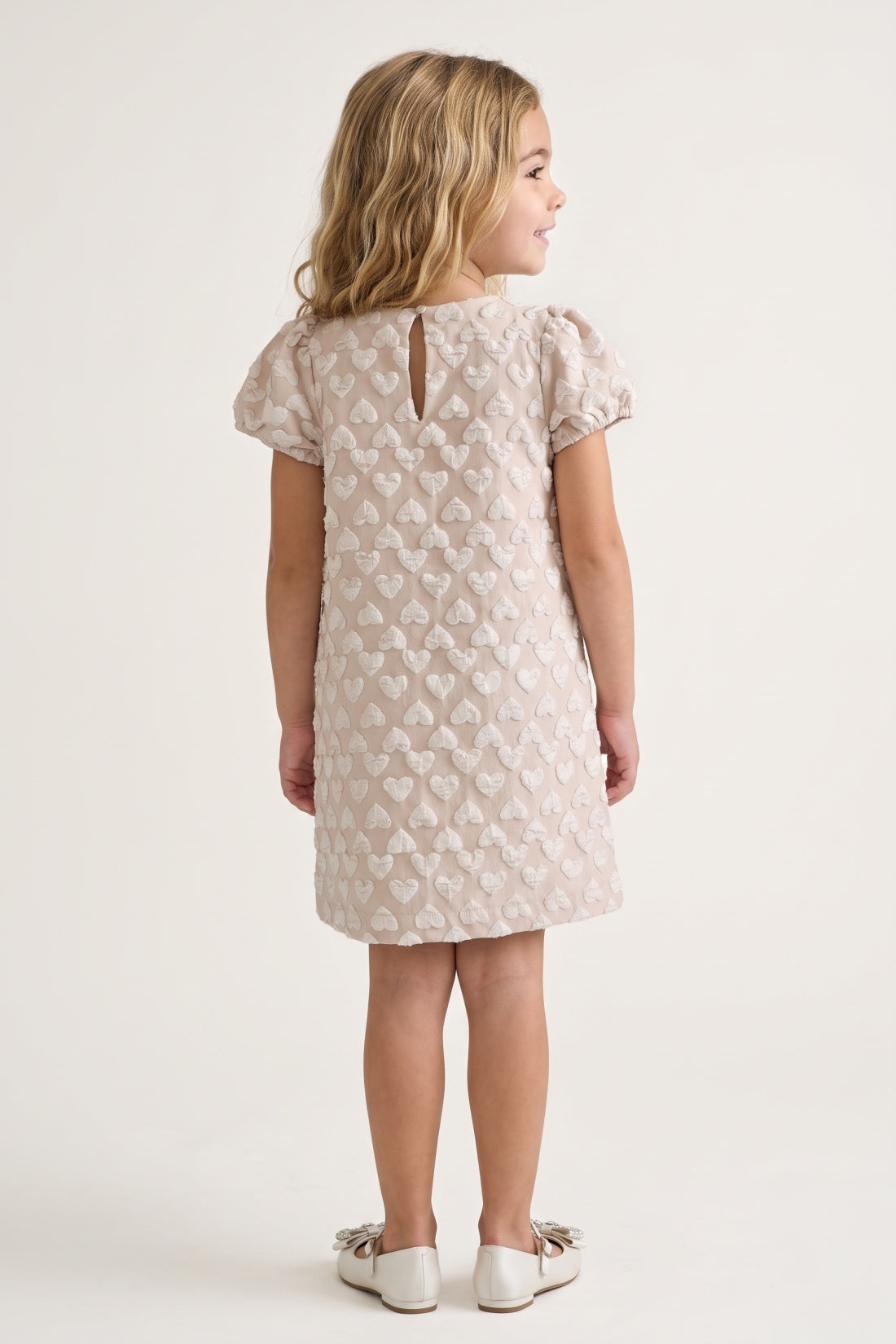
MRP
₹2,199.00
New
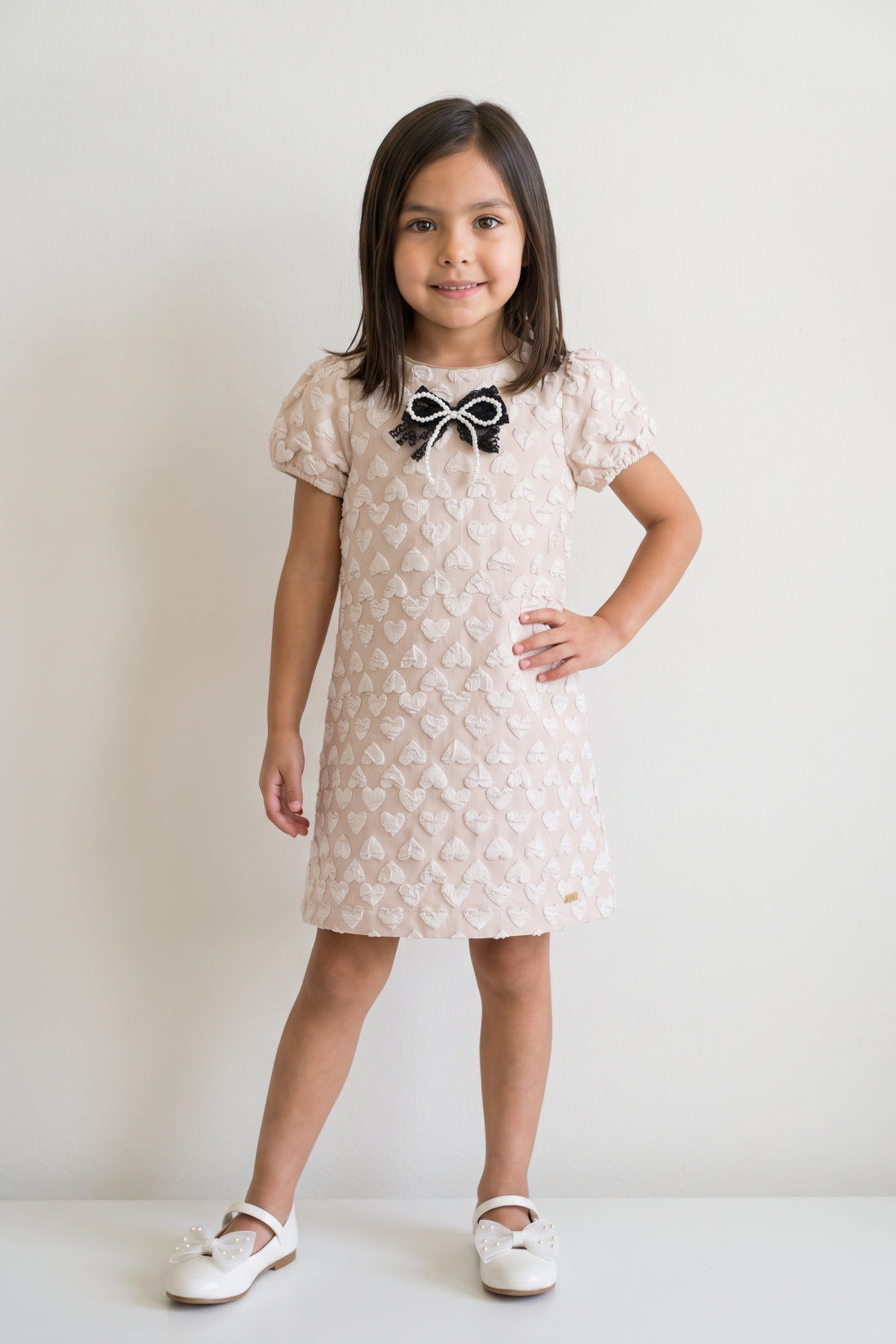

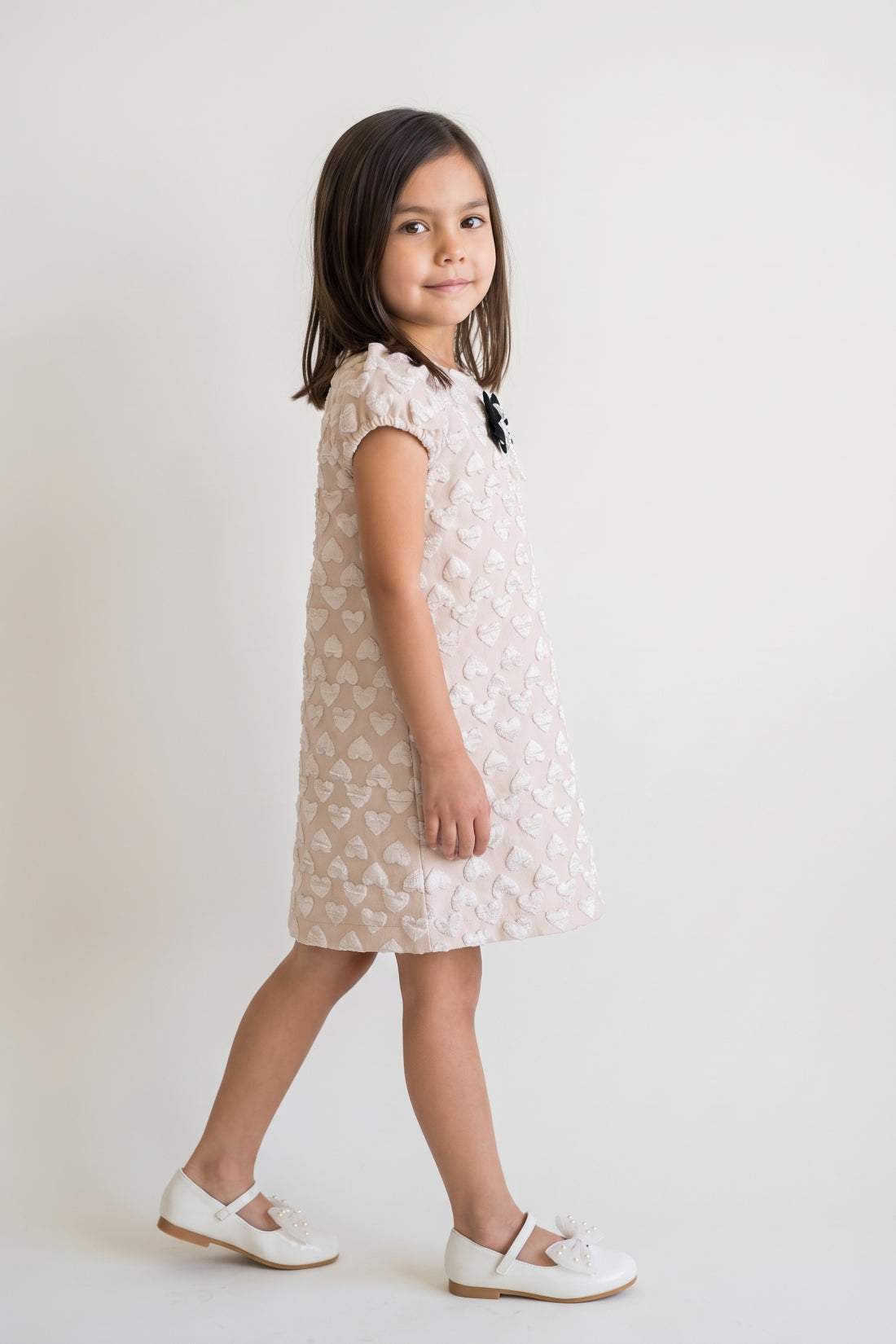
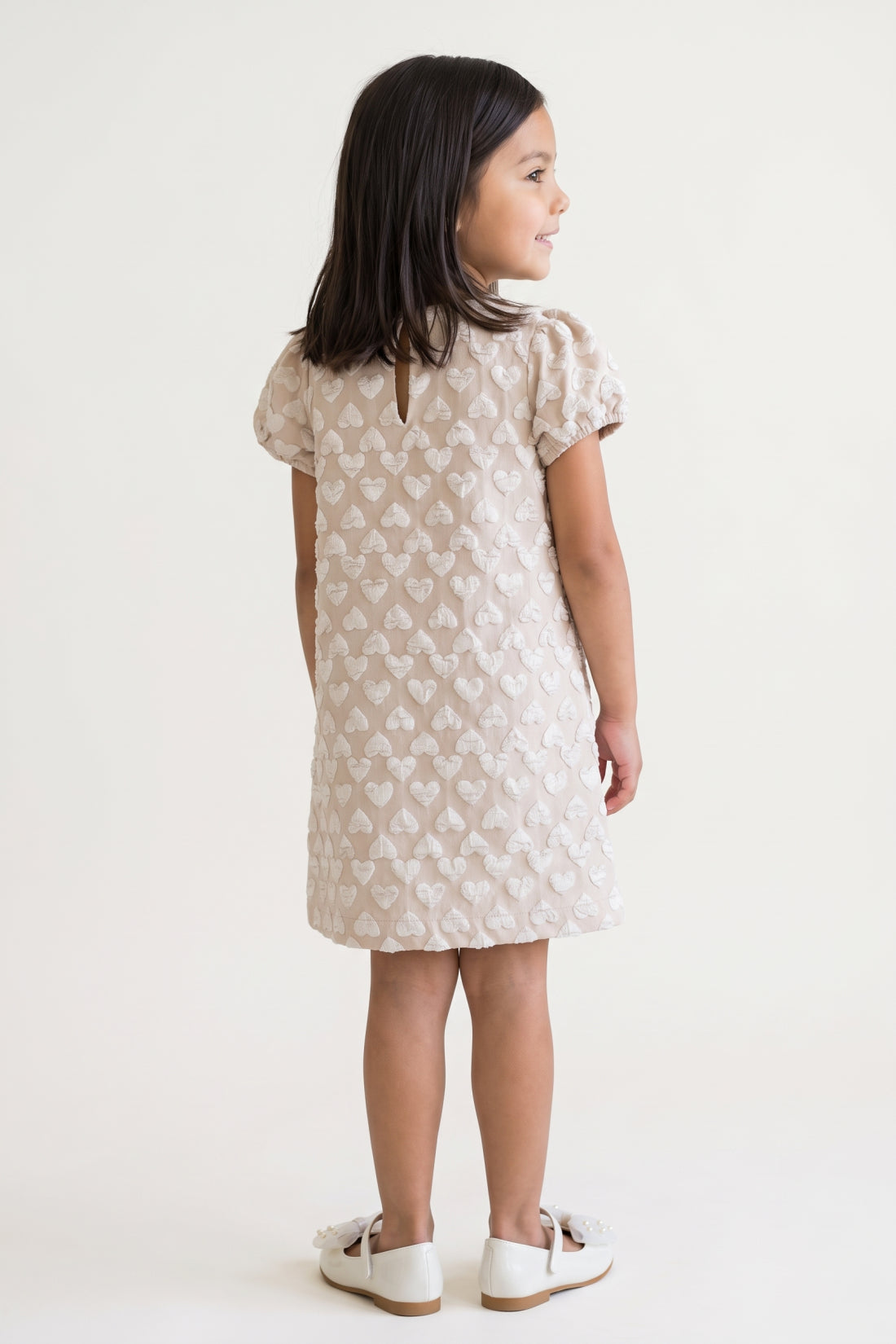
MRP
₹2,199.00
New
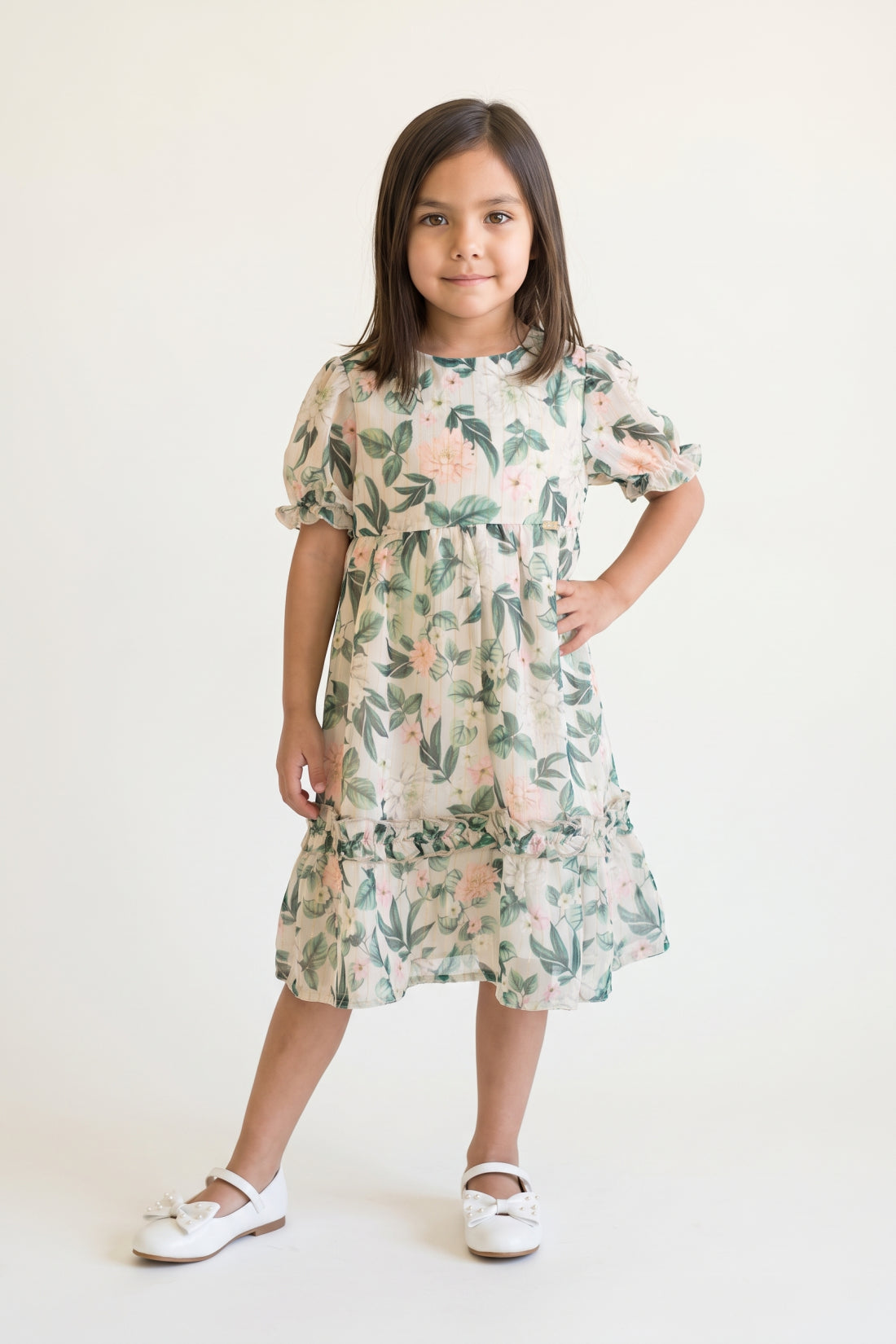
MRP
₹1,599.00
New
MRP
₹1,699.00
New
MRP
₹1,499.00
New
MRP
₹1,699.00
New
MRP
₹1,899.00
New
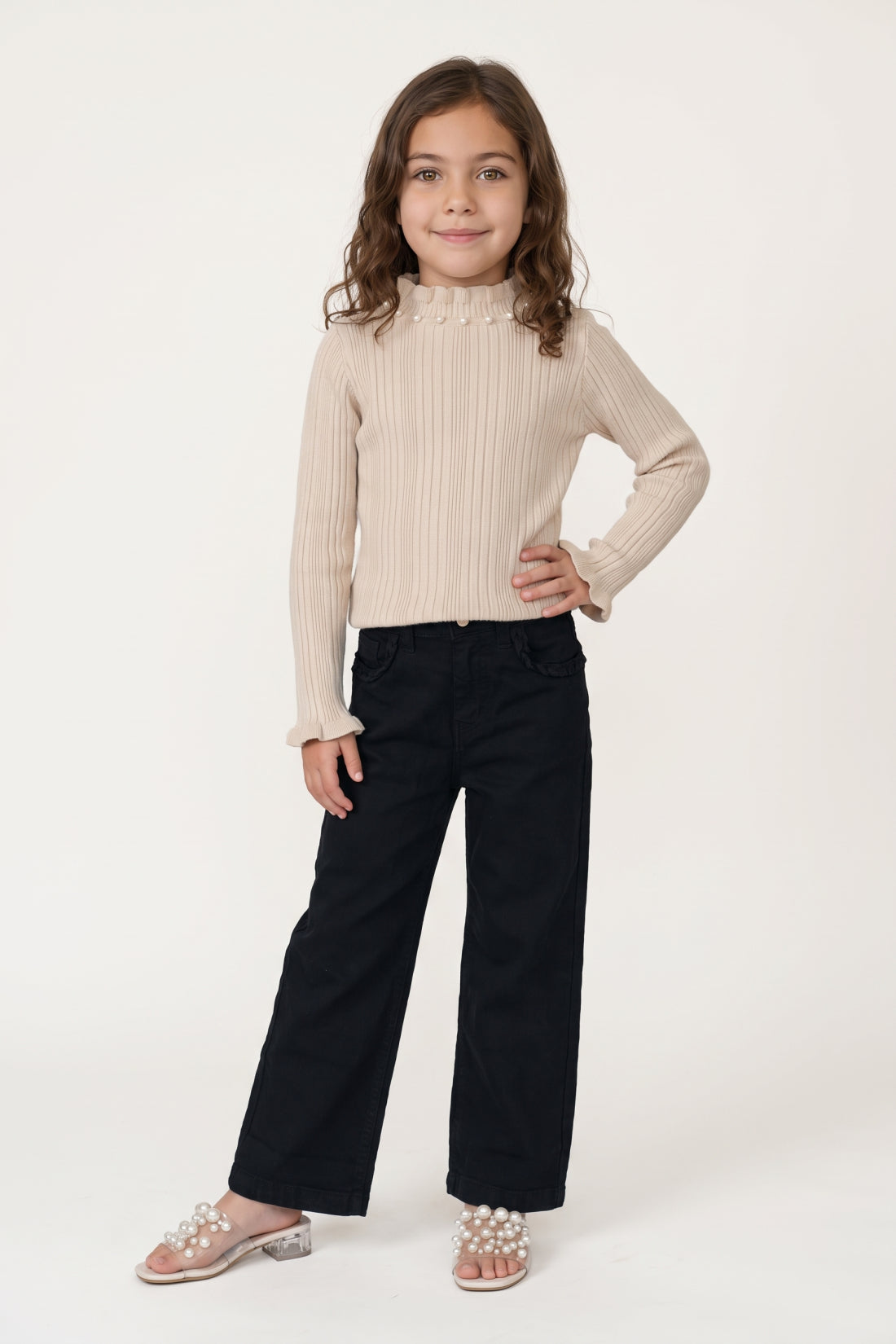
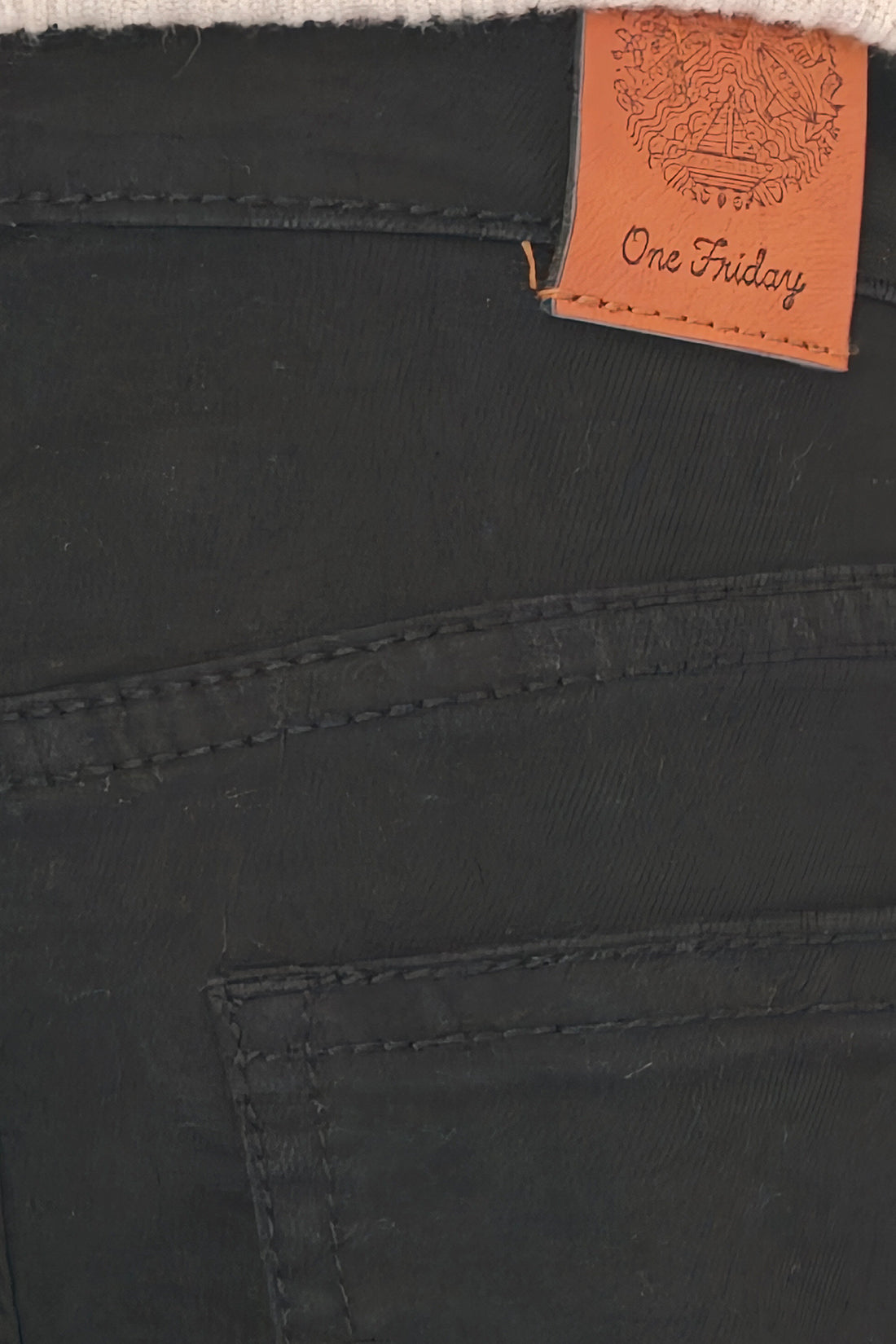
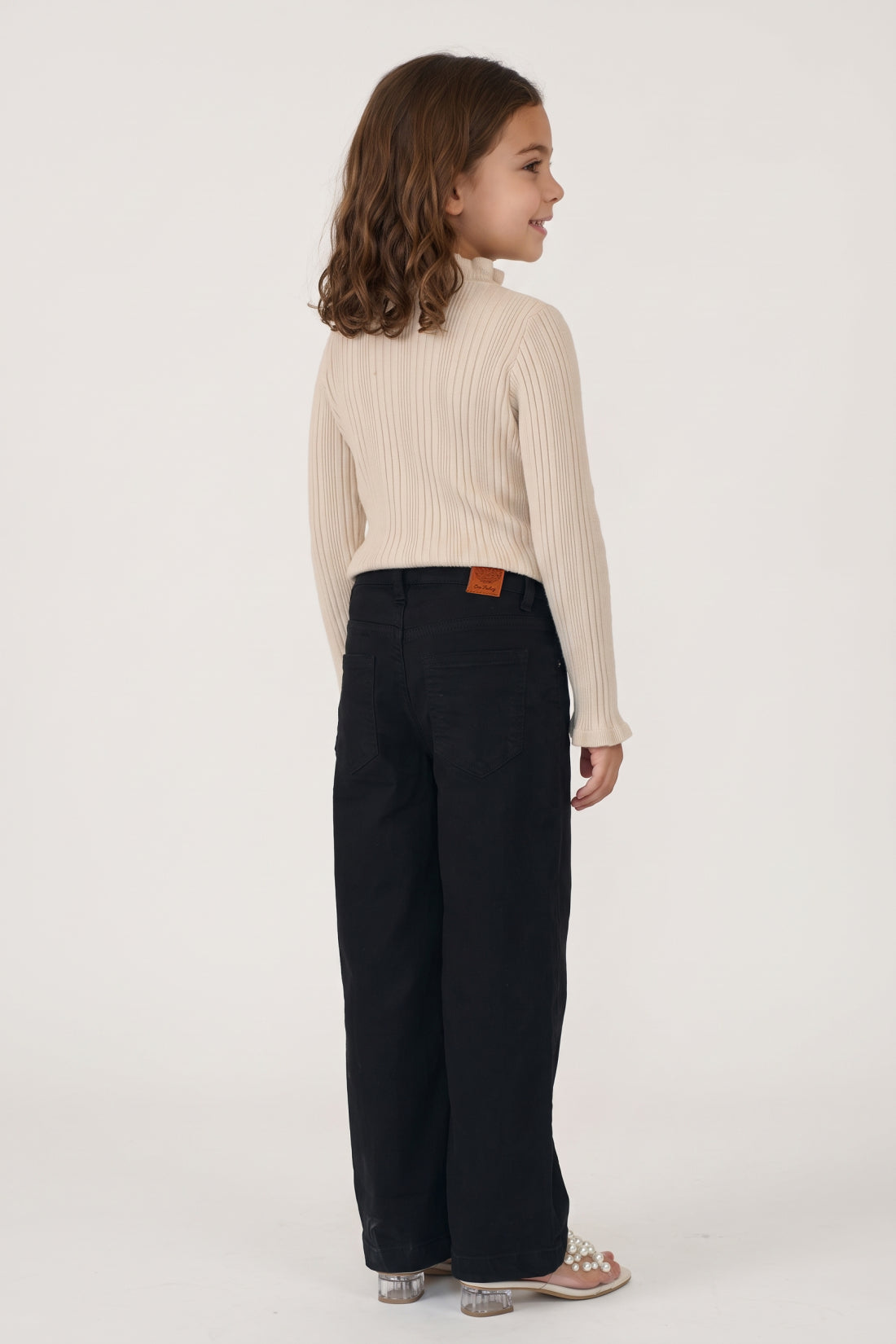
MRP
₹1,799.00
New
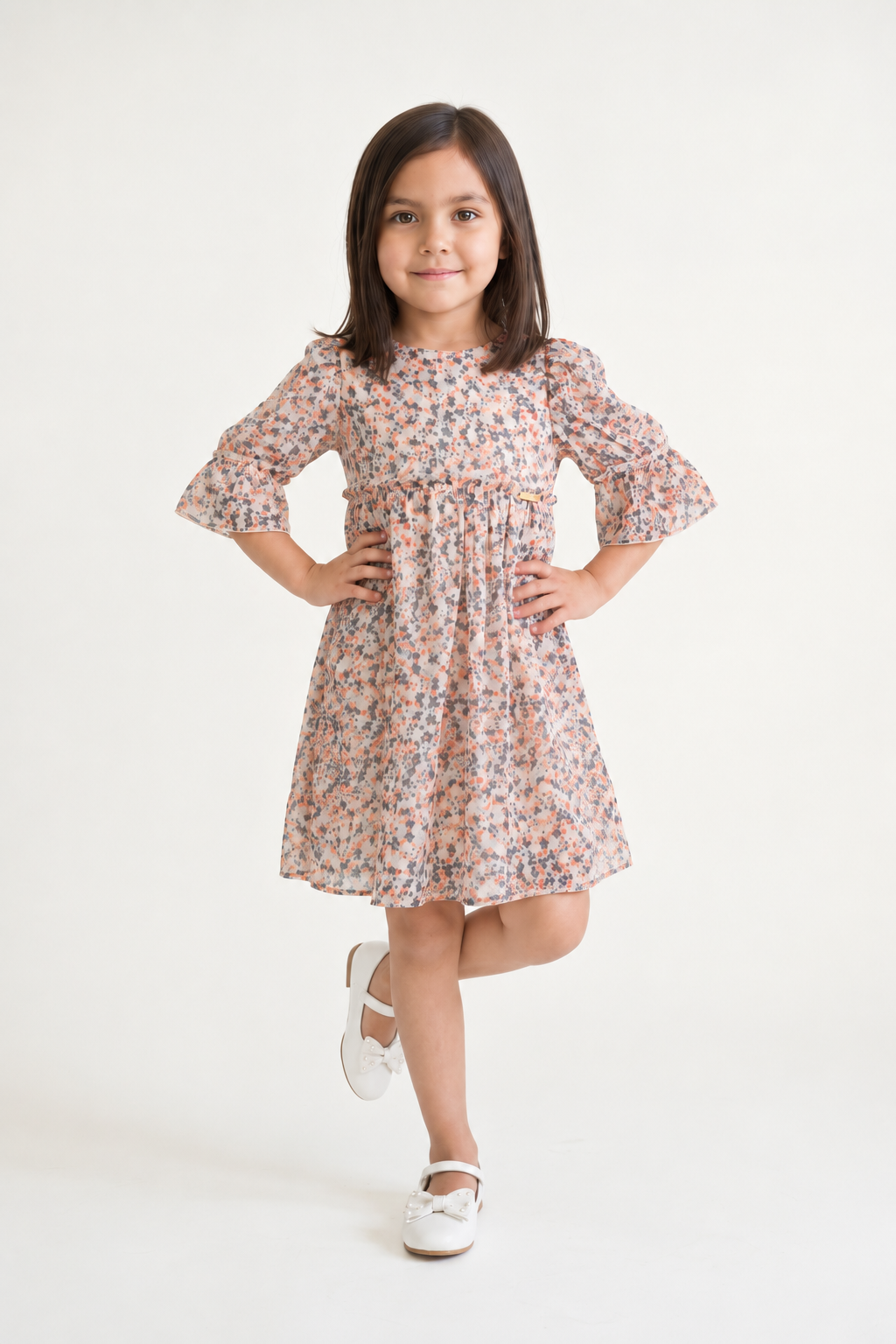
MRP
₹1,799.00
New
MRP
₹1,699.00
New
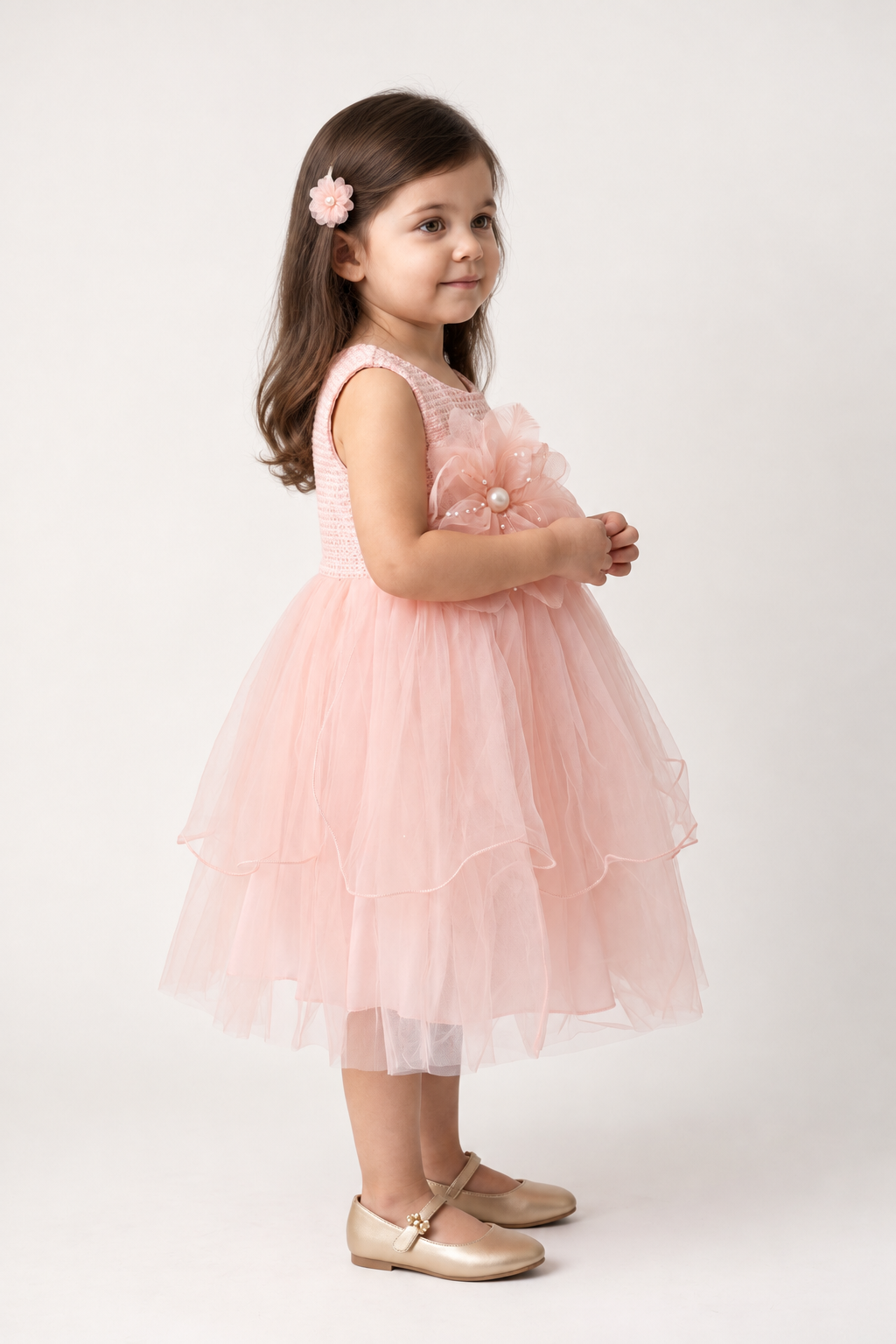
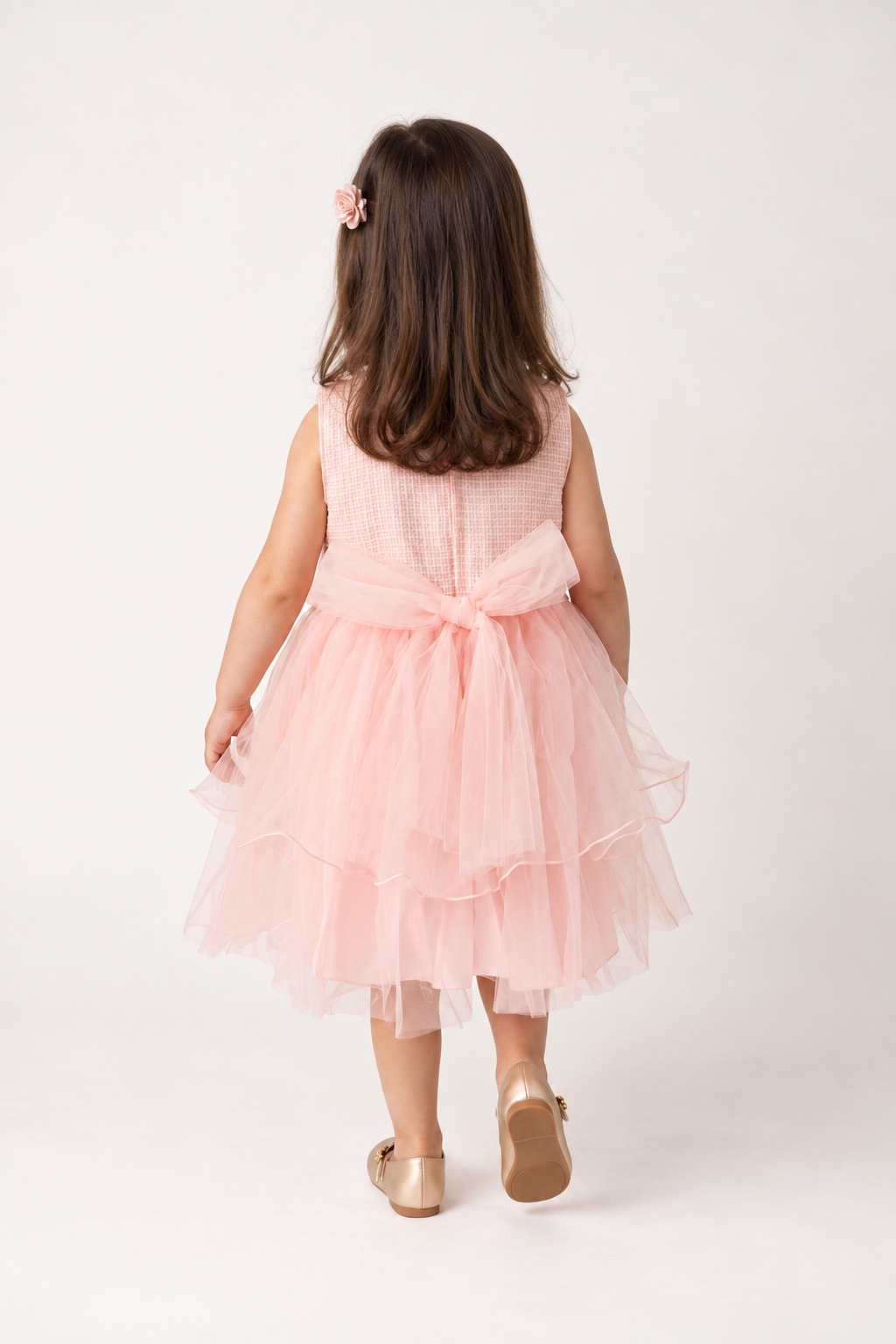
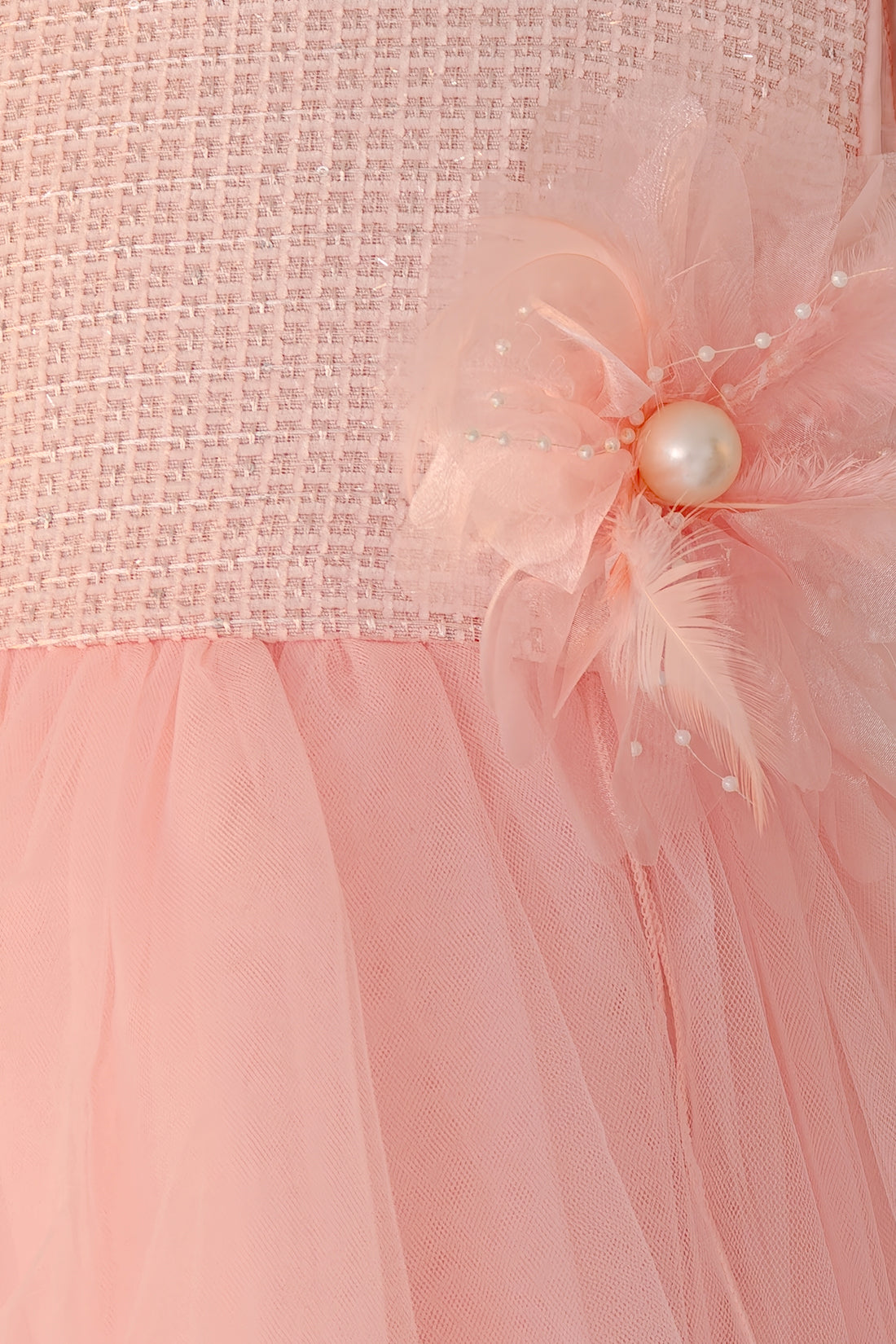
MRP
₹3,999.00
New
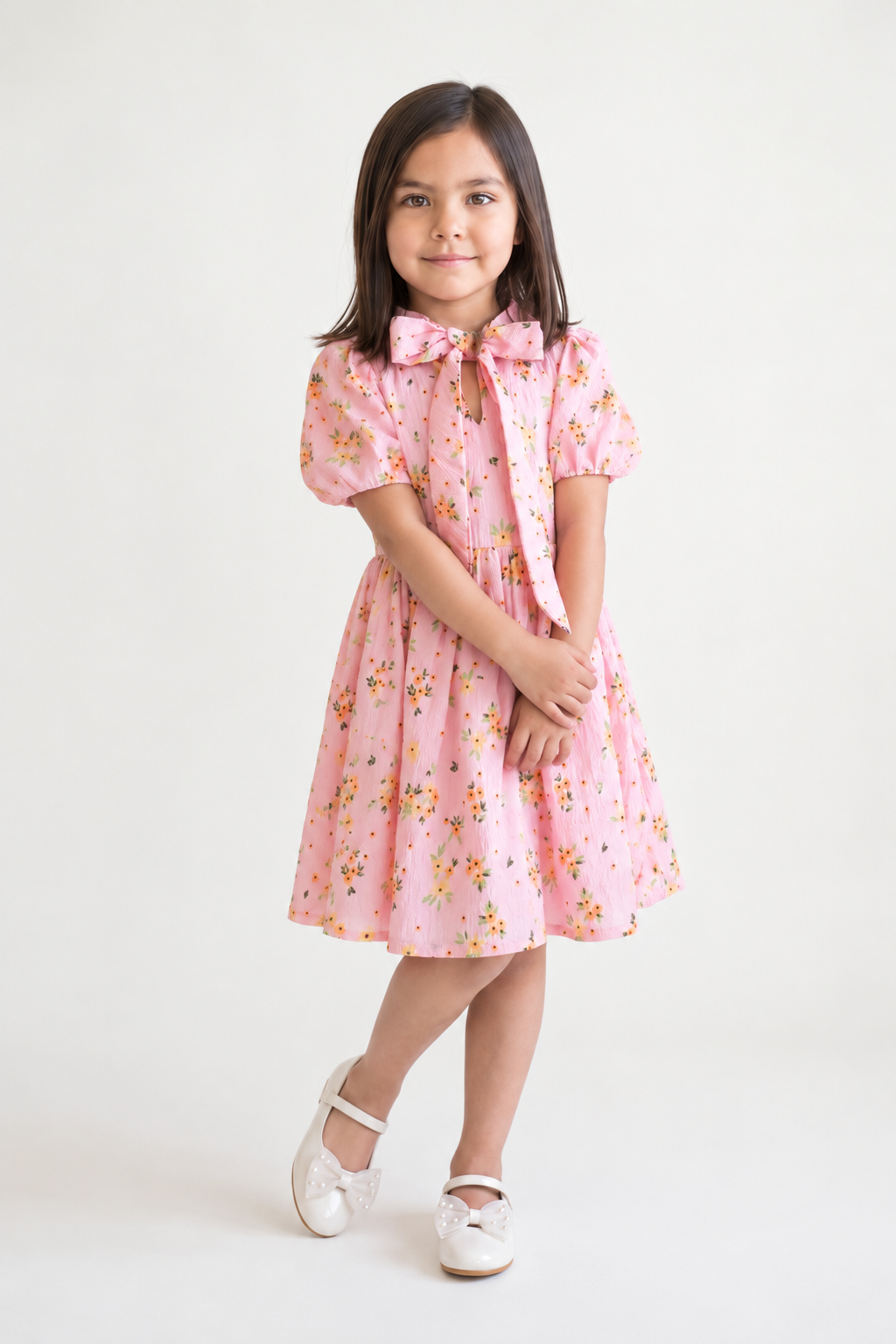
MRP
₹1,599.00
New
MRP
₹2,299.00
New
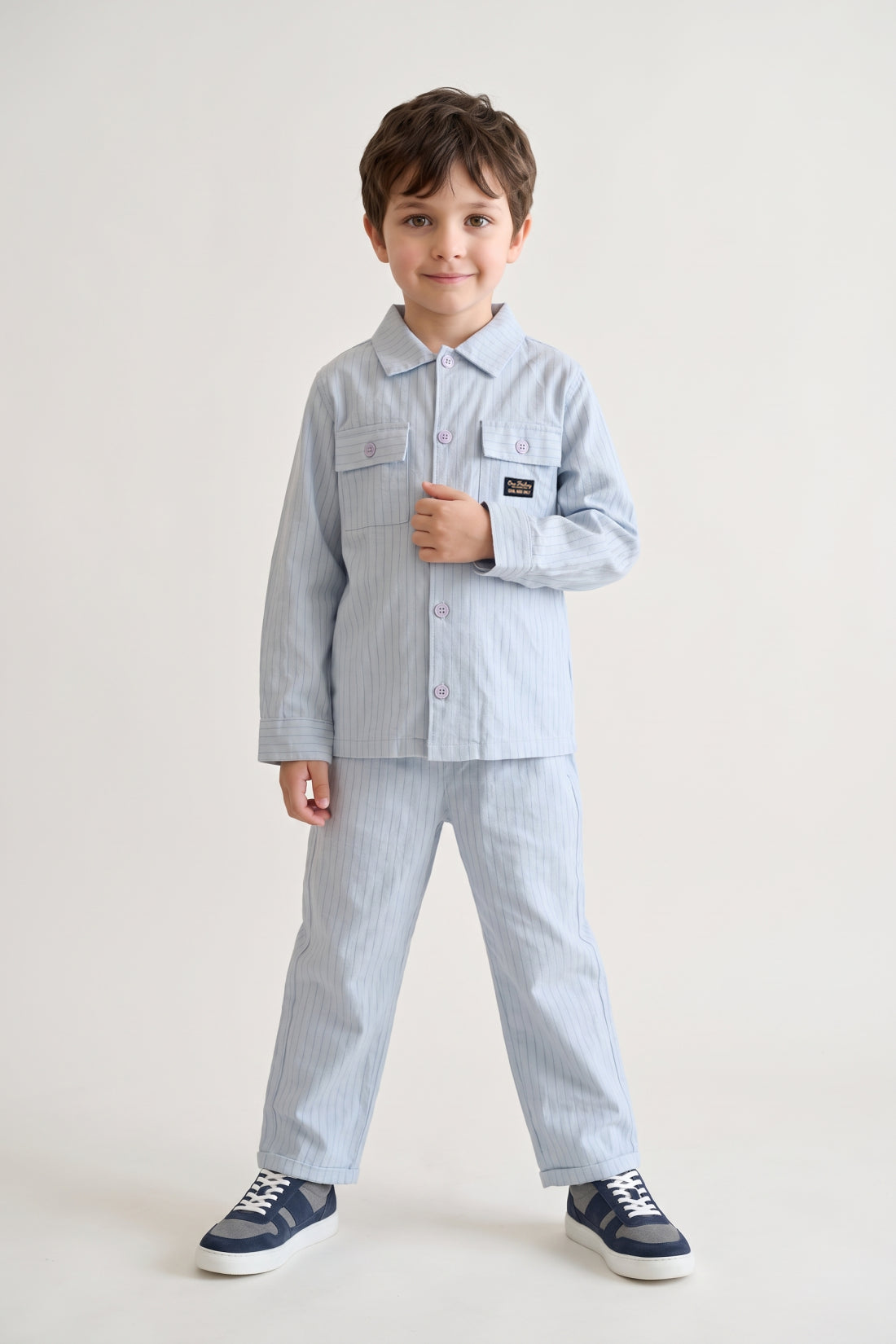
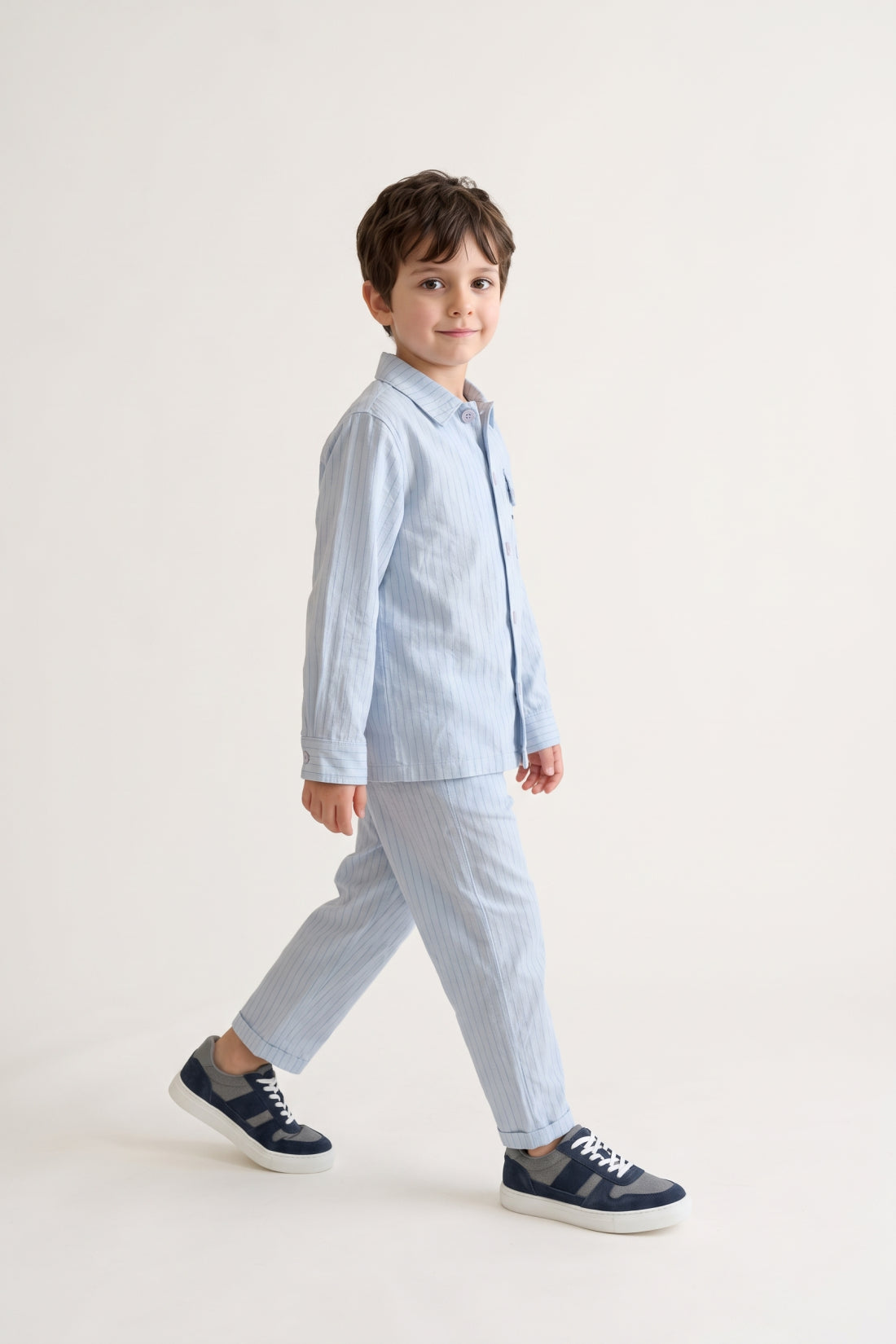
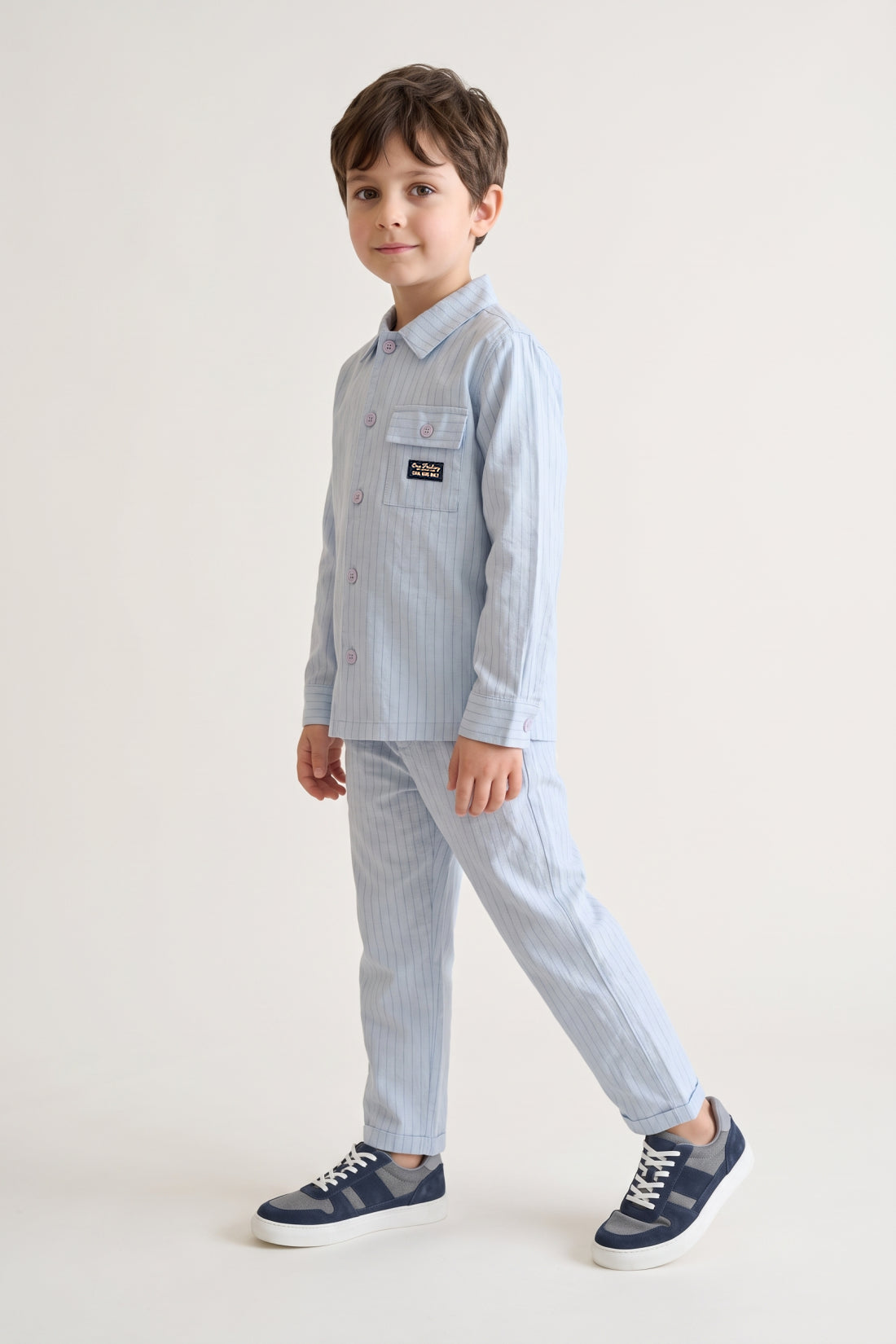
MRP
₹1,499.00
New
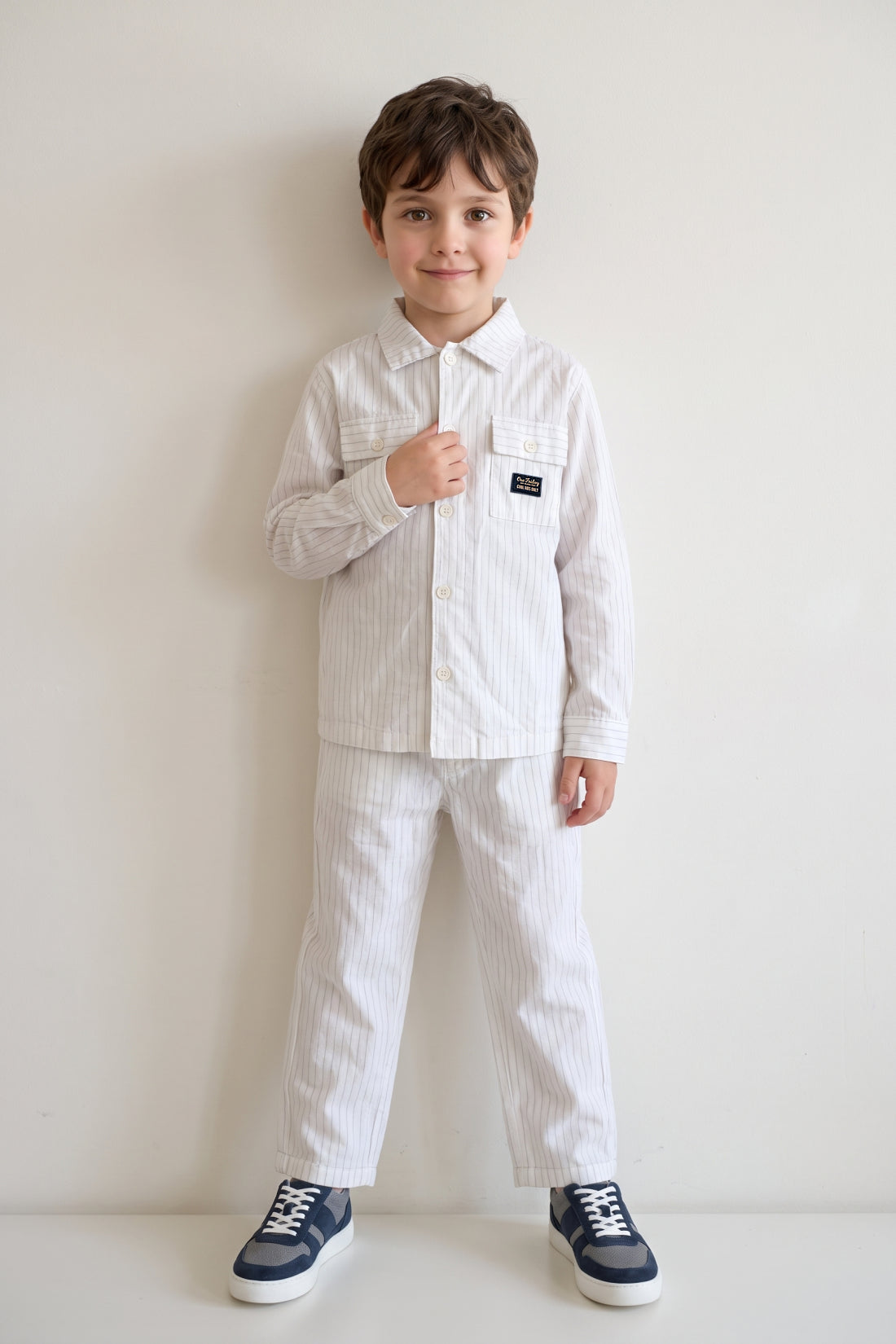
MRP
₹1,699.00
Sale
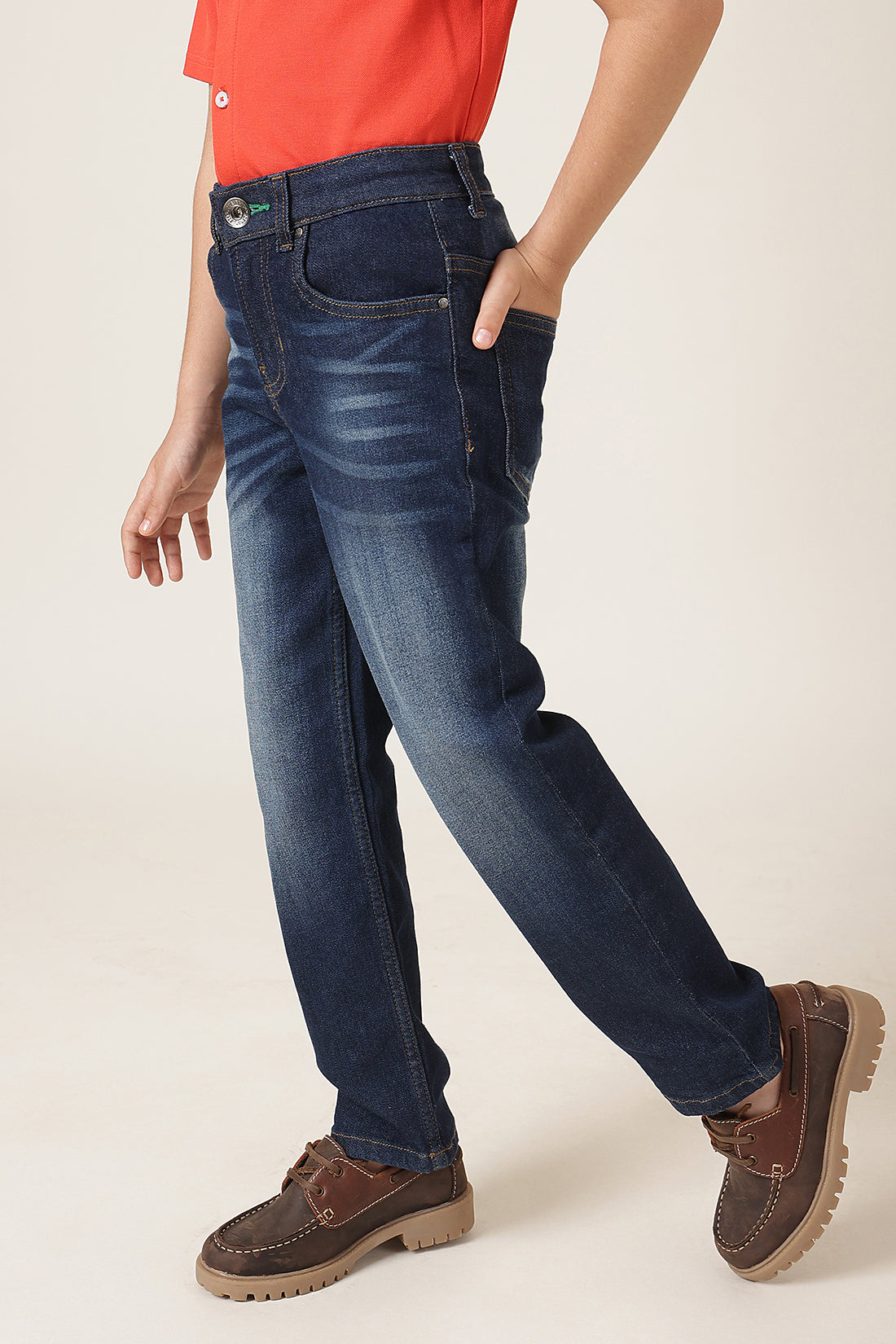
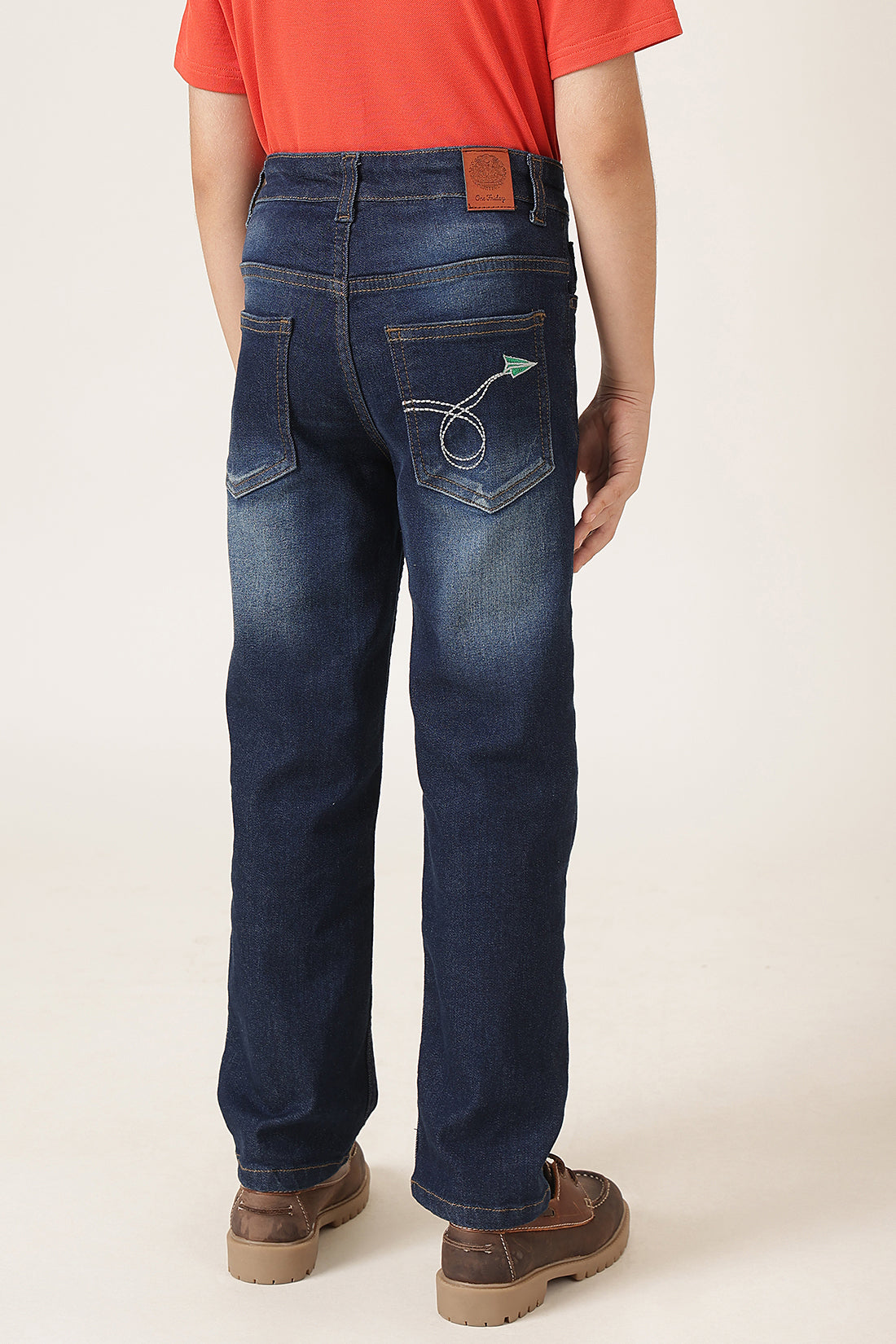
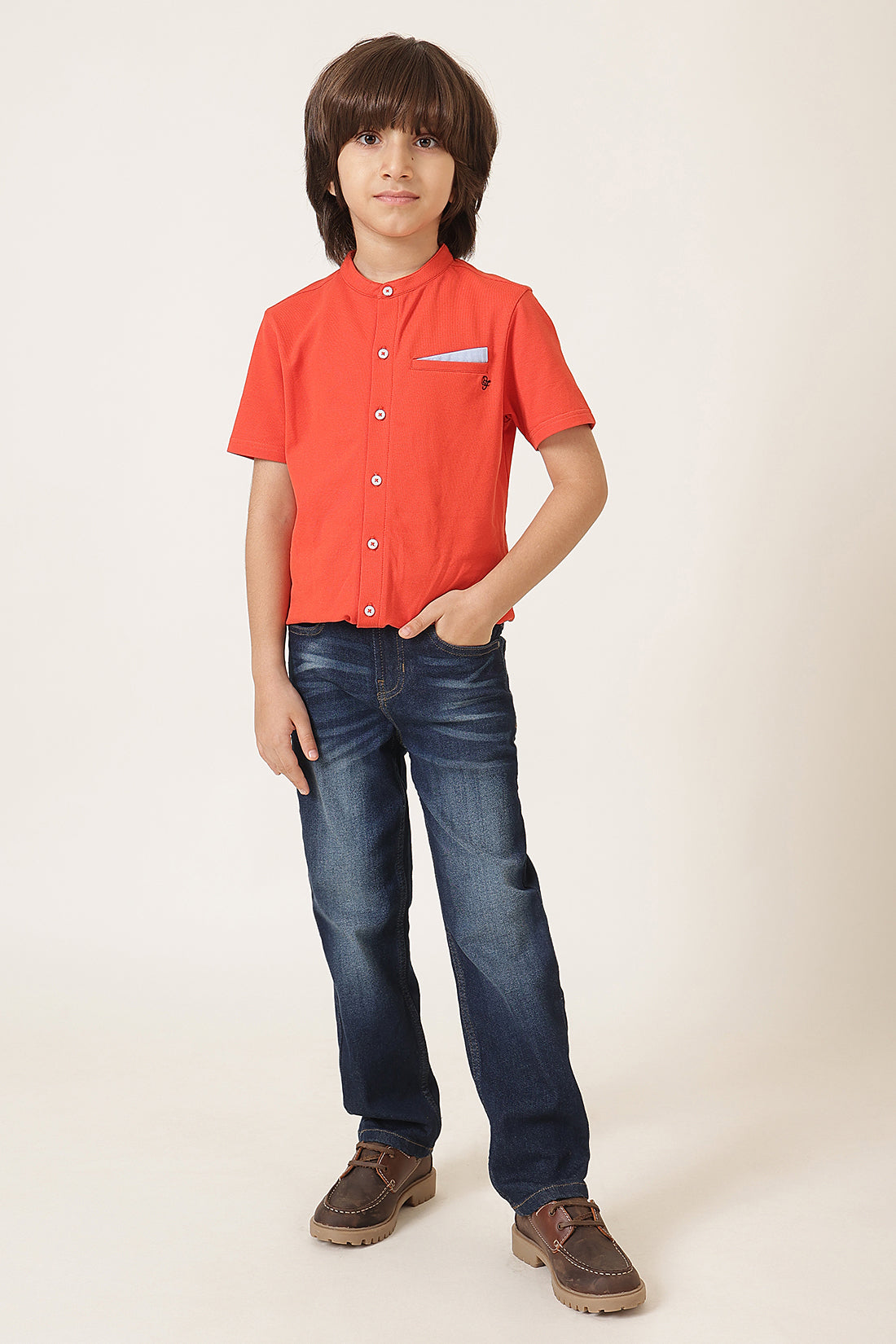
MRP
₹1,599.00
New
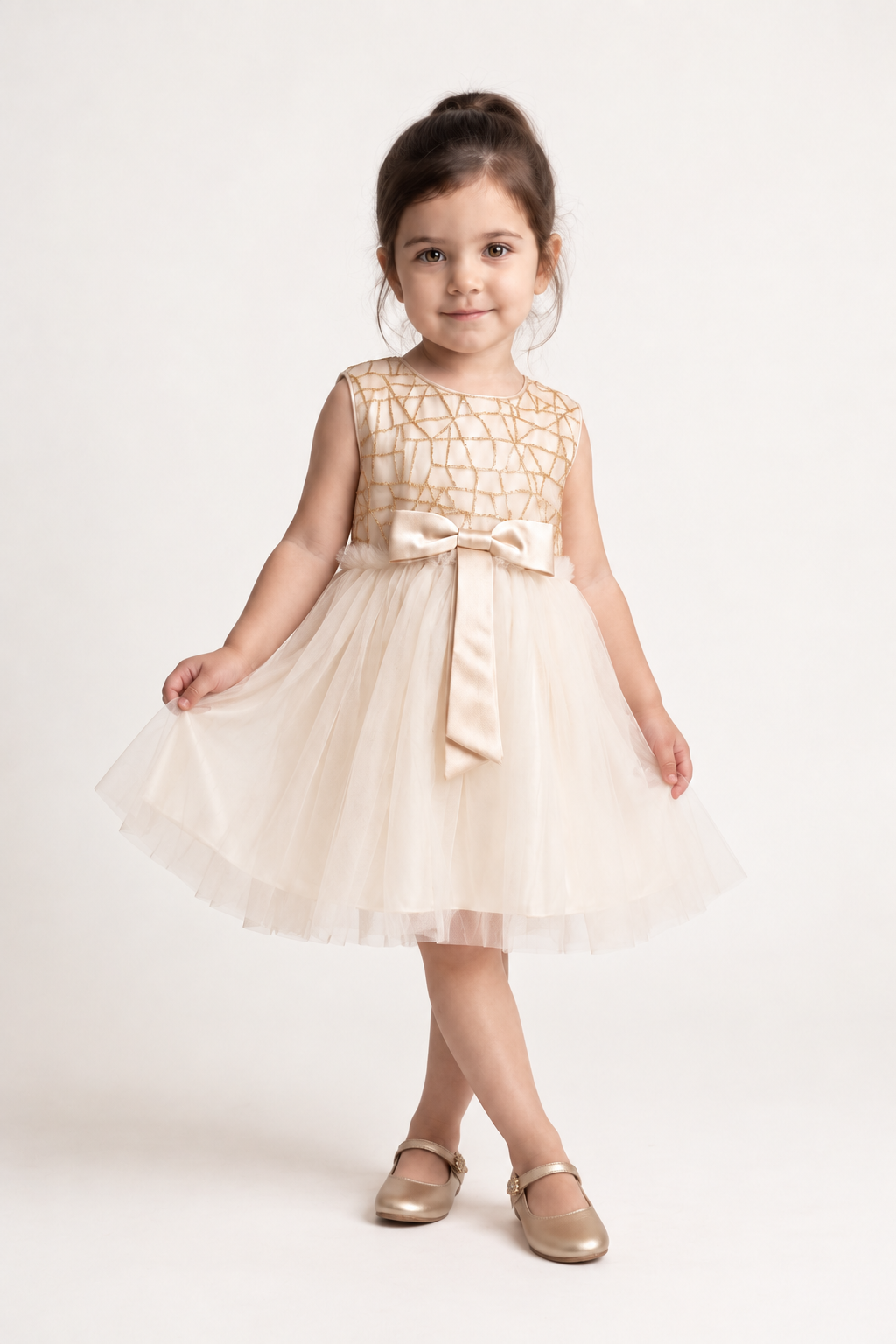
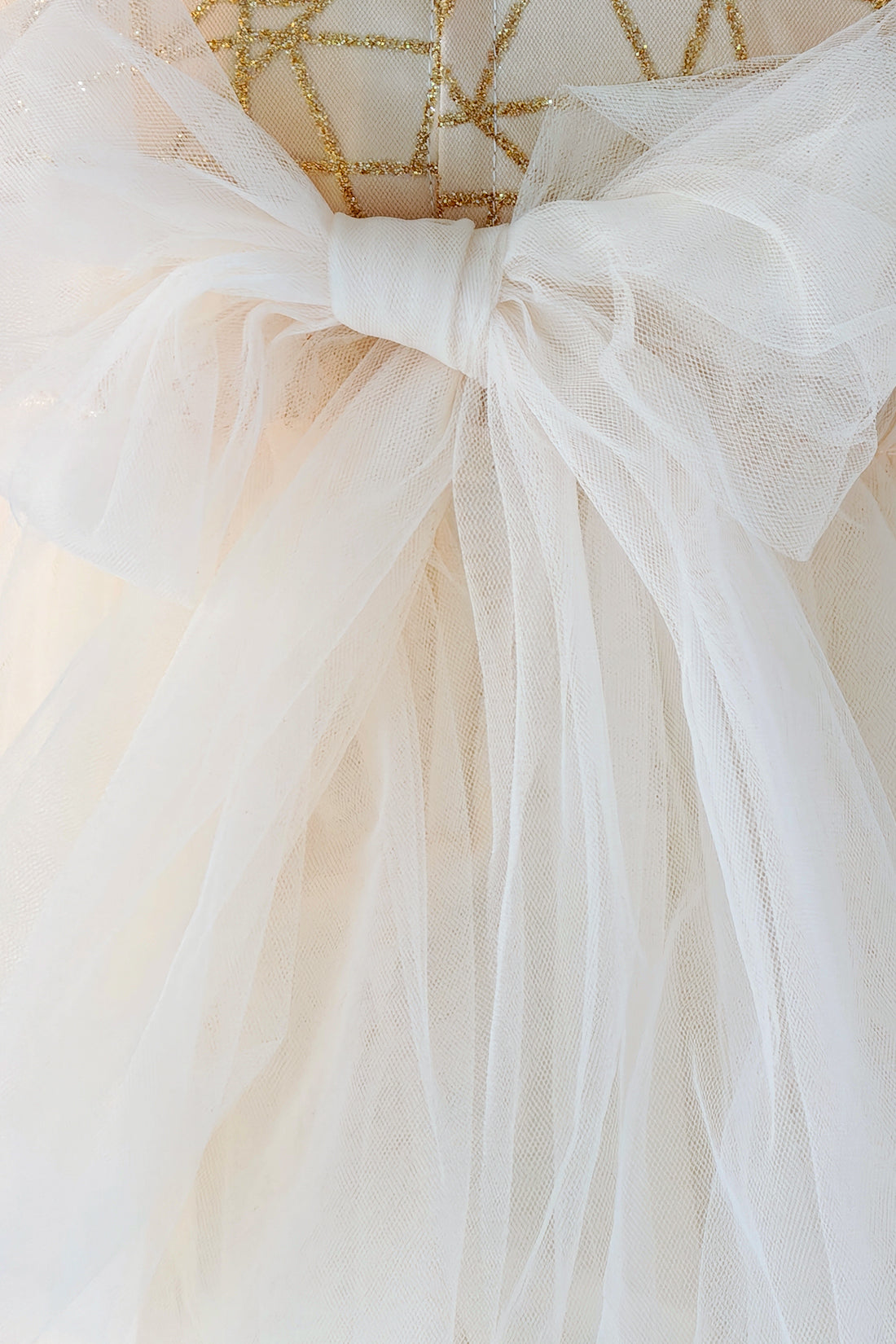
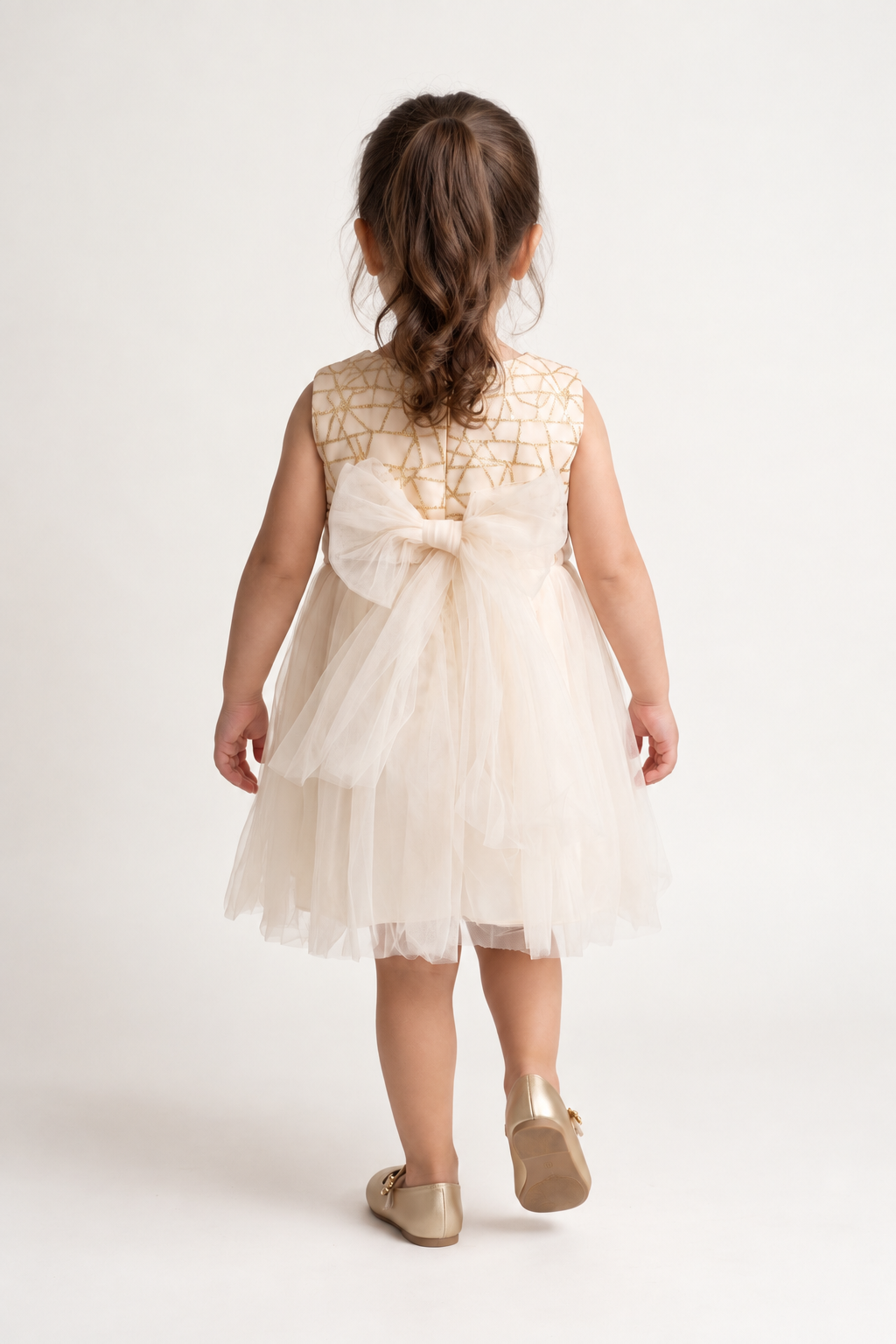
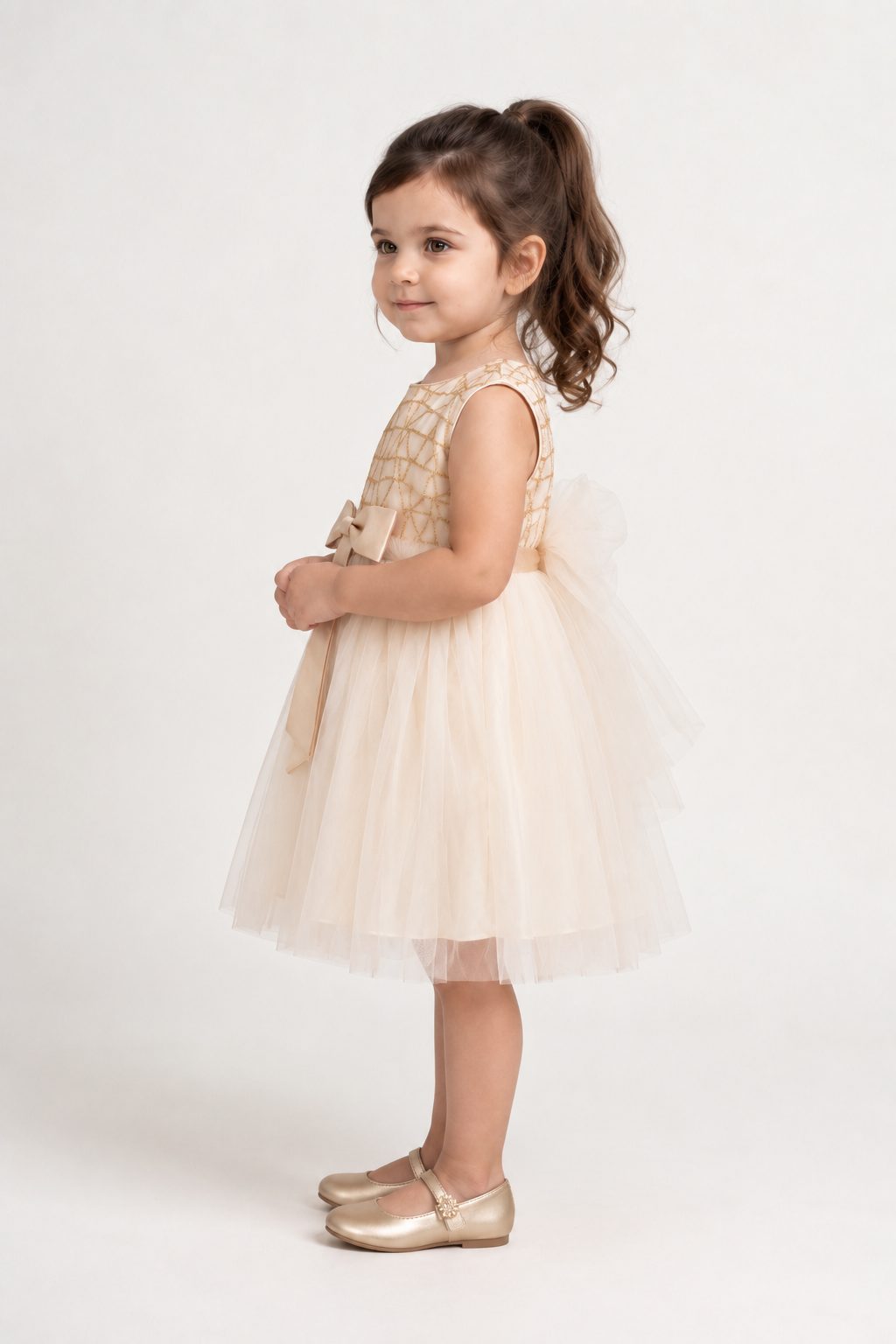
MRP
₹3,199.00
Sale
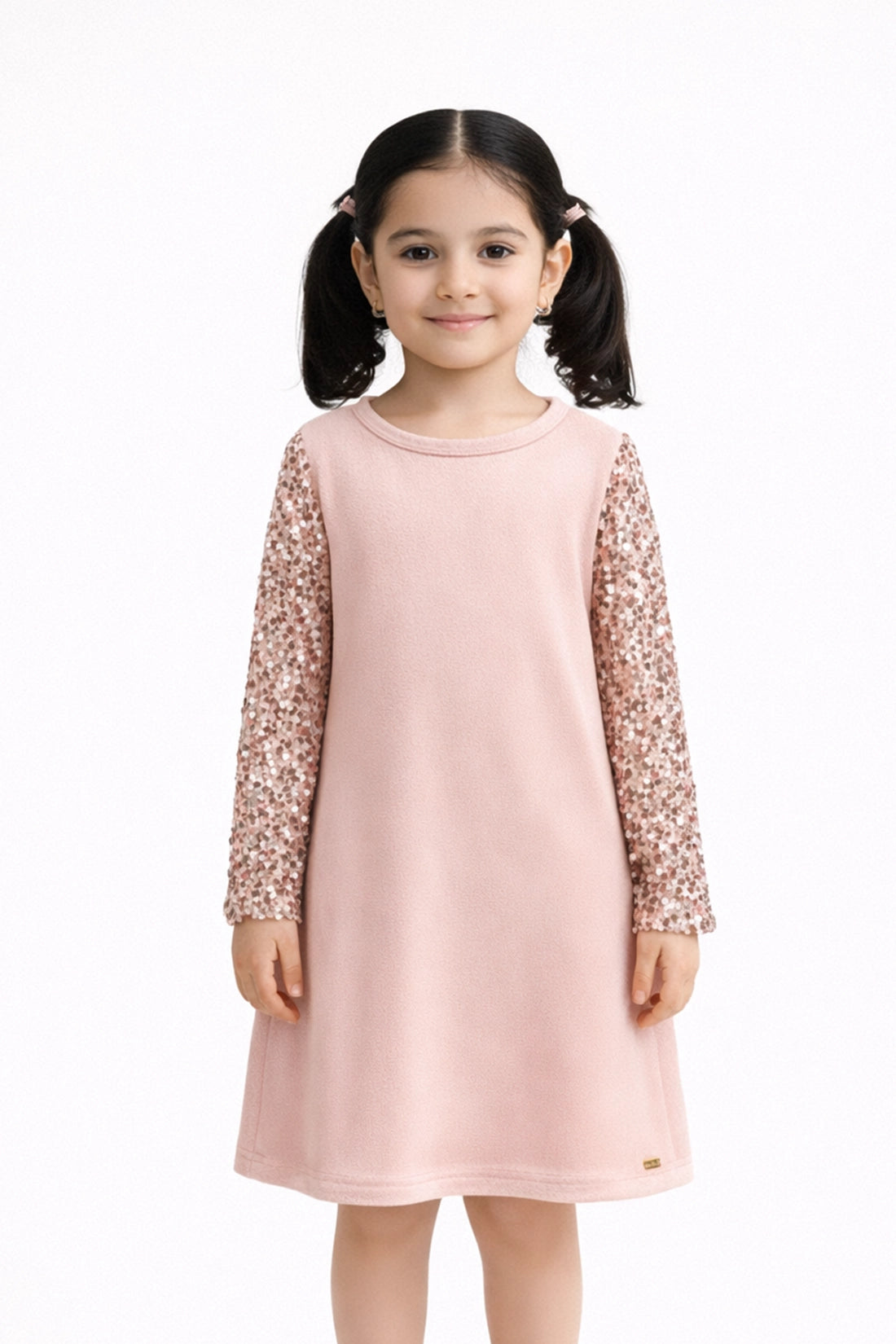
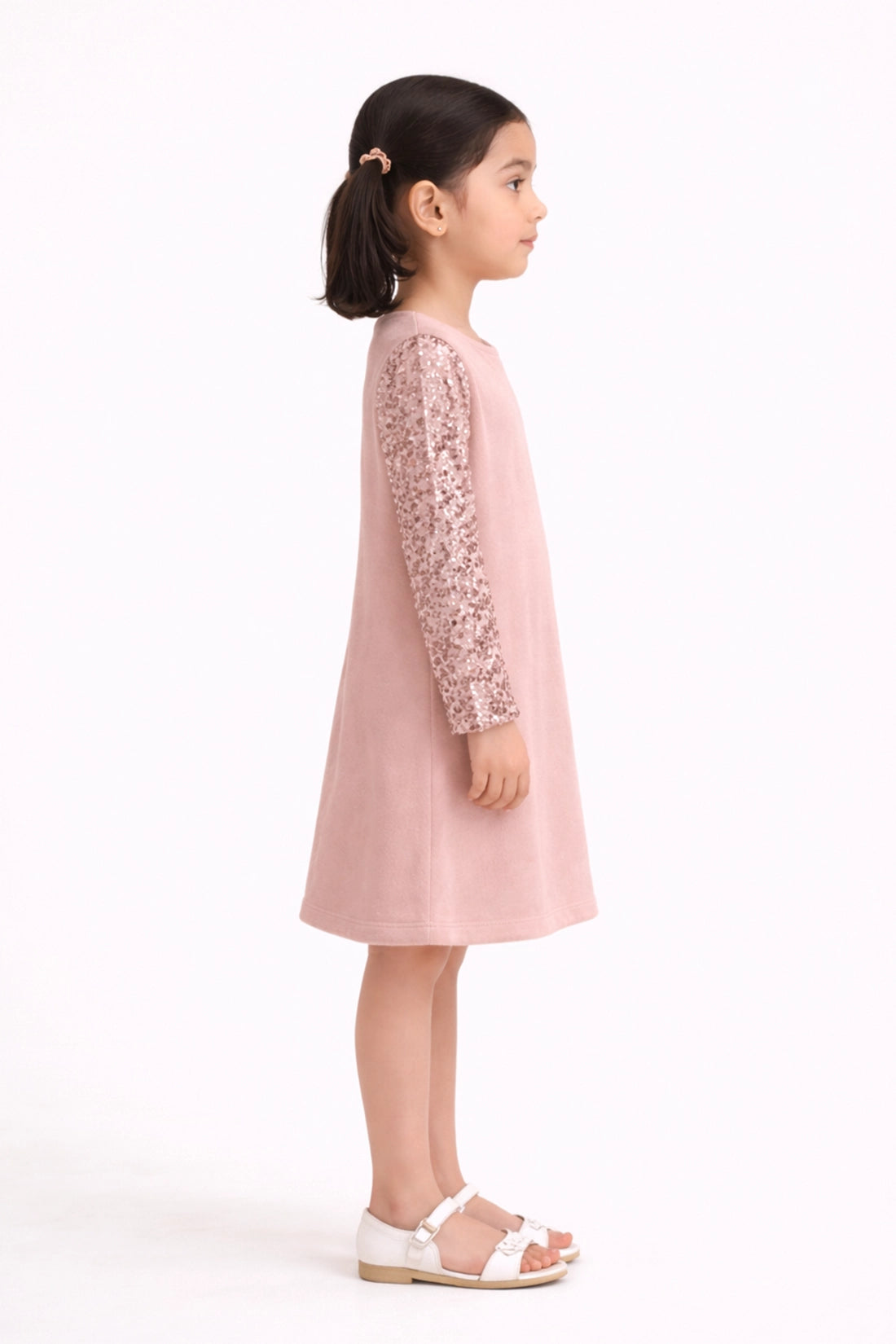
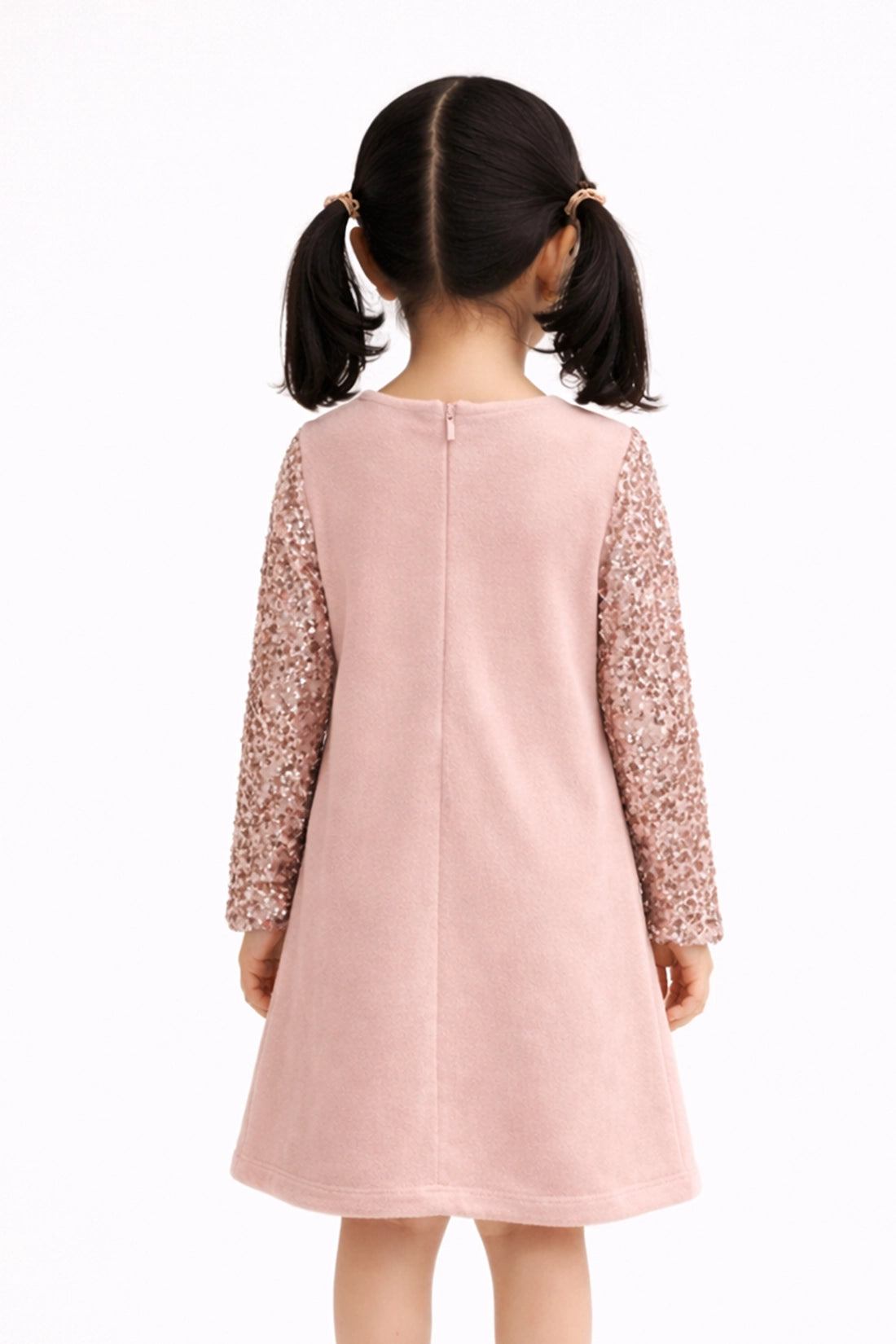

Sale price
₹1,889.00Regular price
MRP ₹2,699.00
30% OFF
Sale
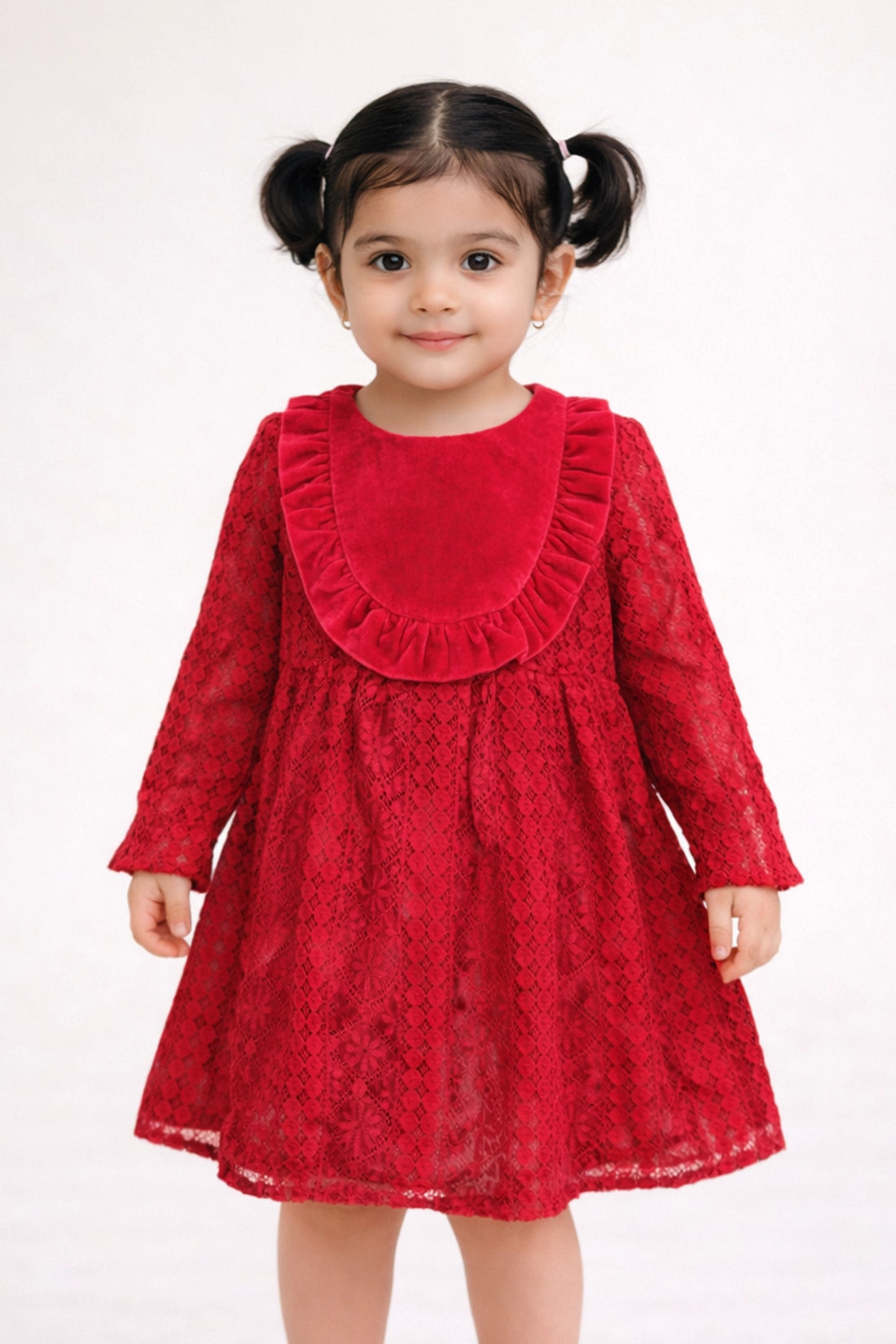
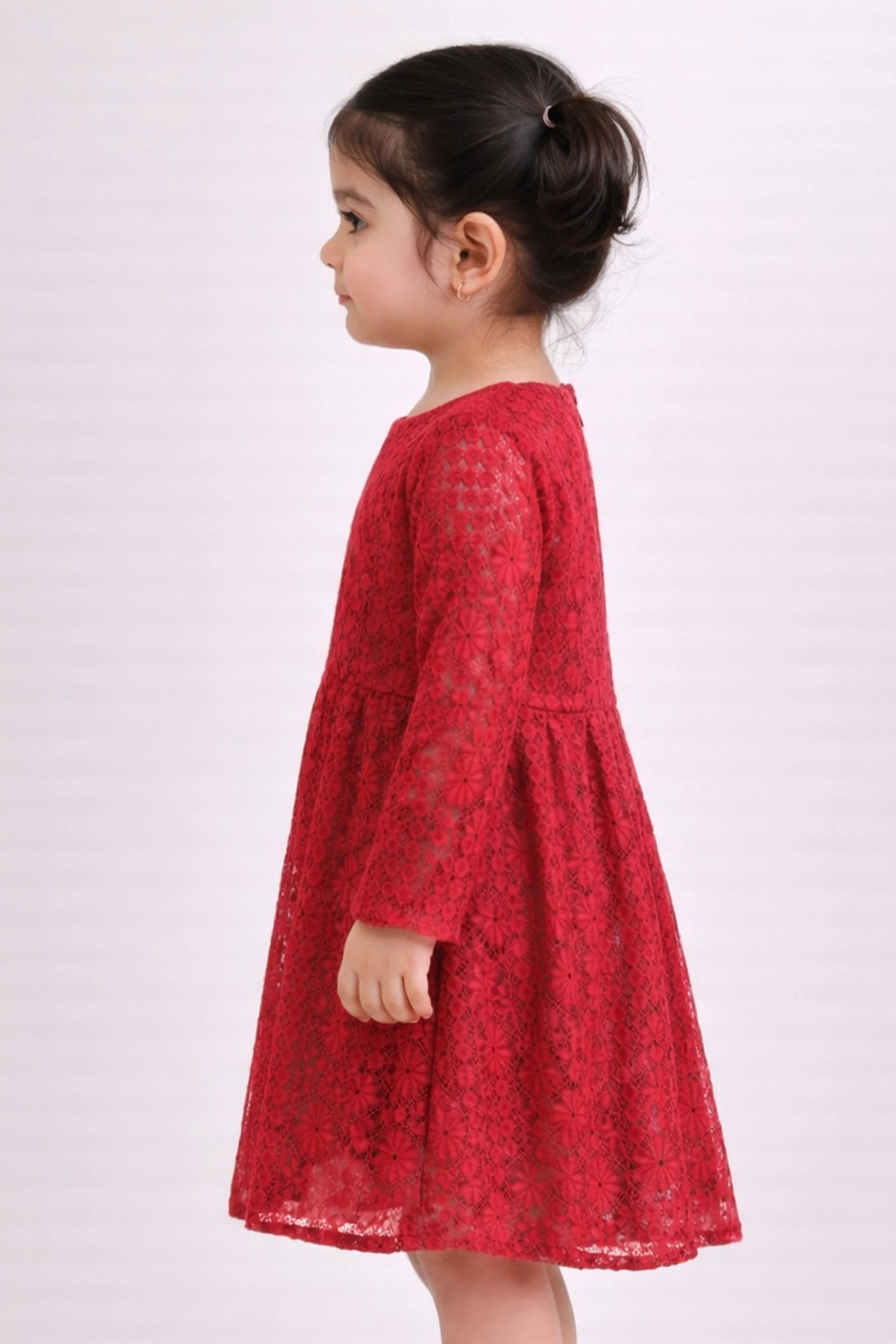
Sale price
₹1,999.00Regular price
MRP ₹2,499.00
20% OFF
Sale
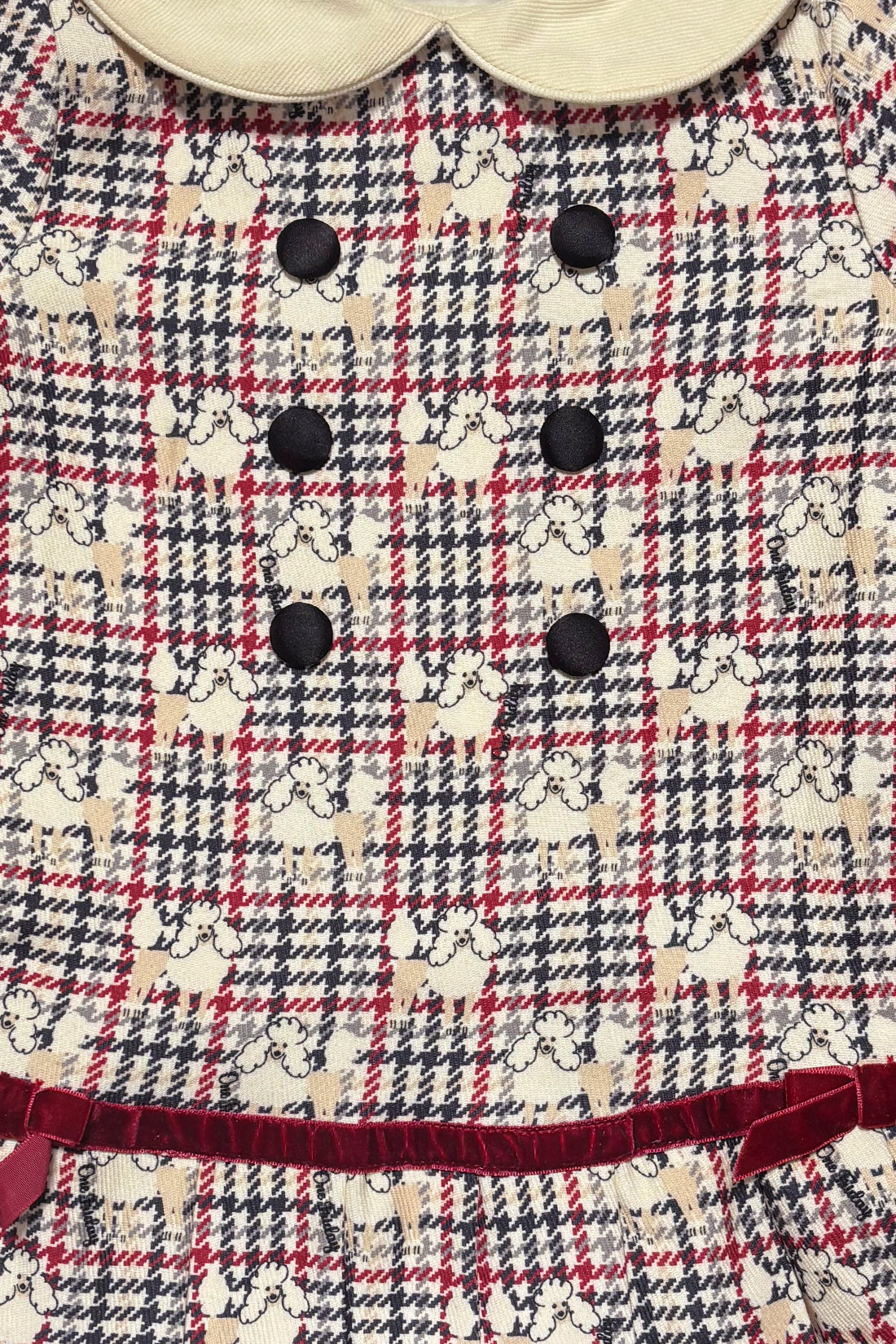
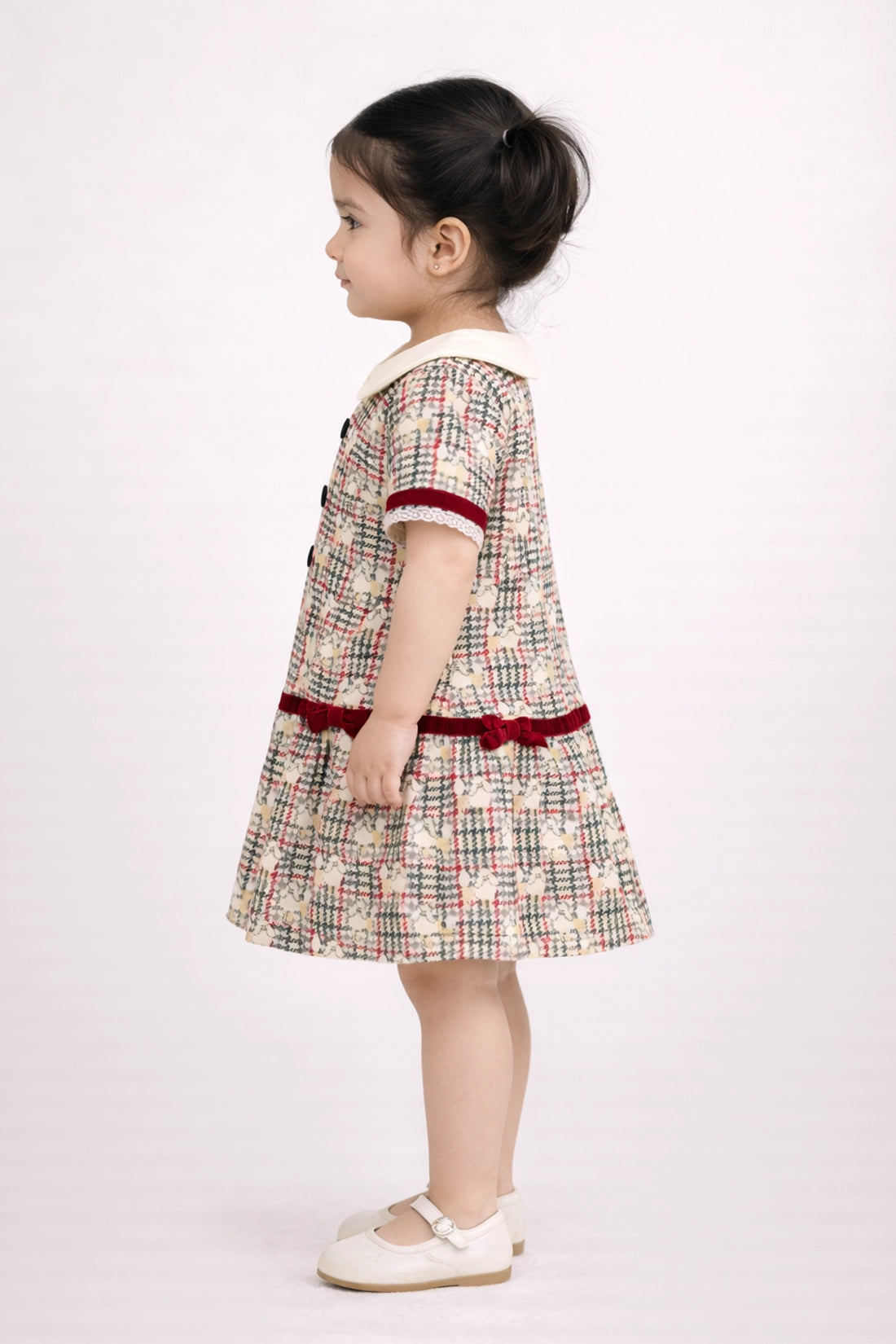
Sale price
₹1,199.00Regular price
MRP ₹1,999.00
40% OFF
New
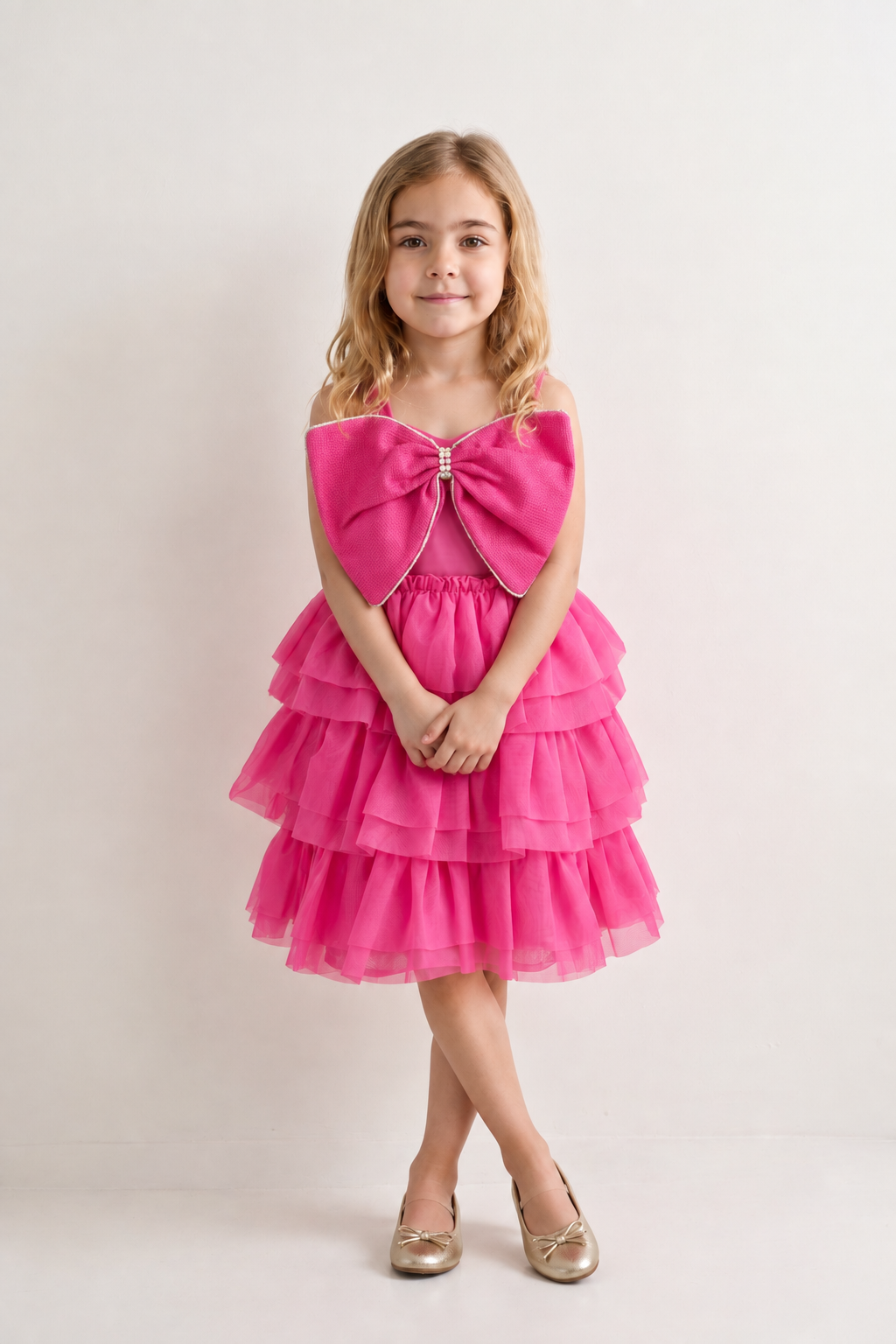
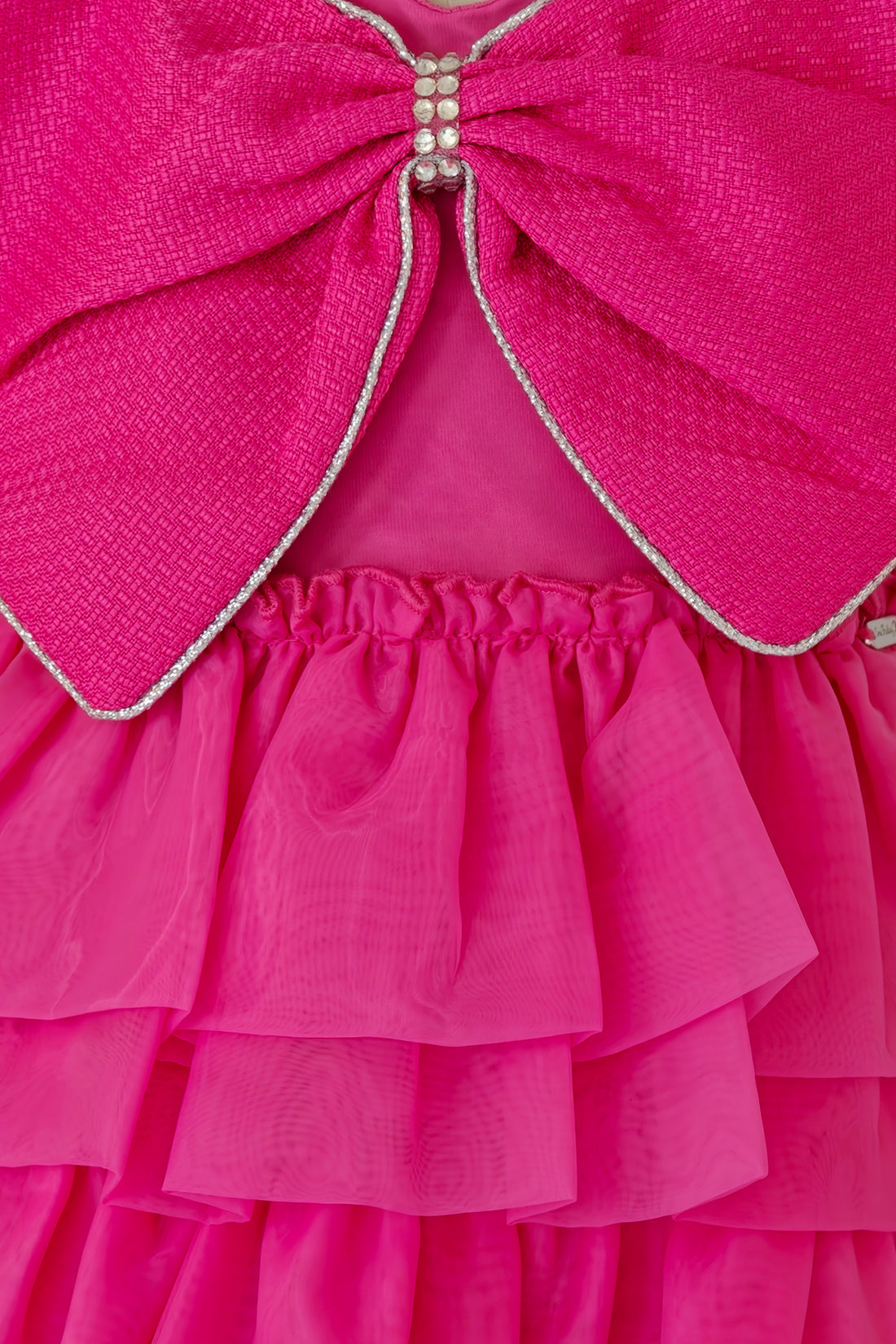
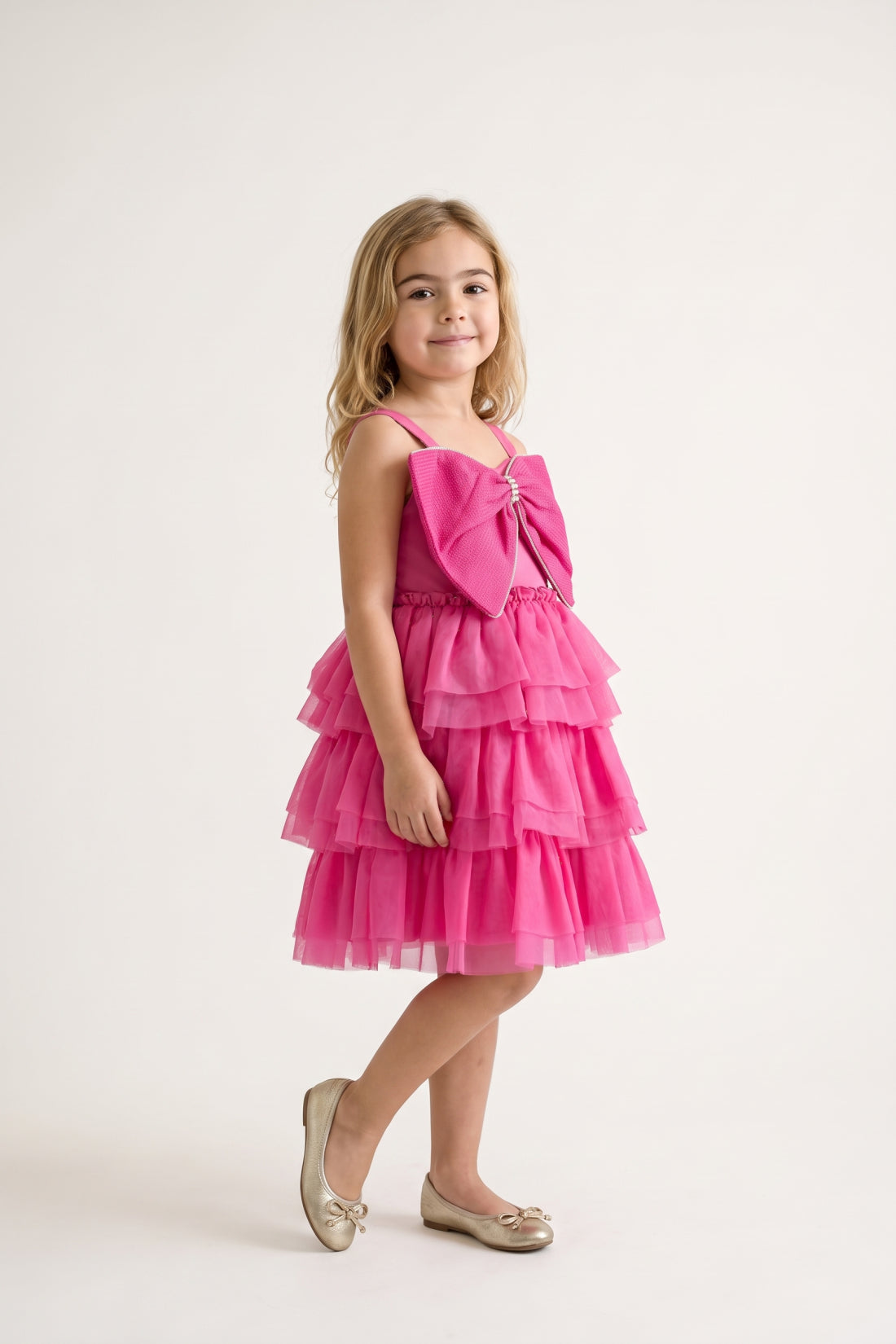
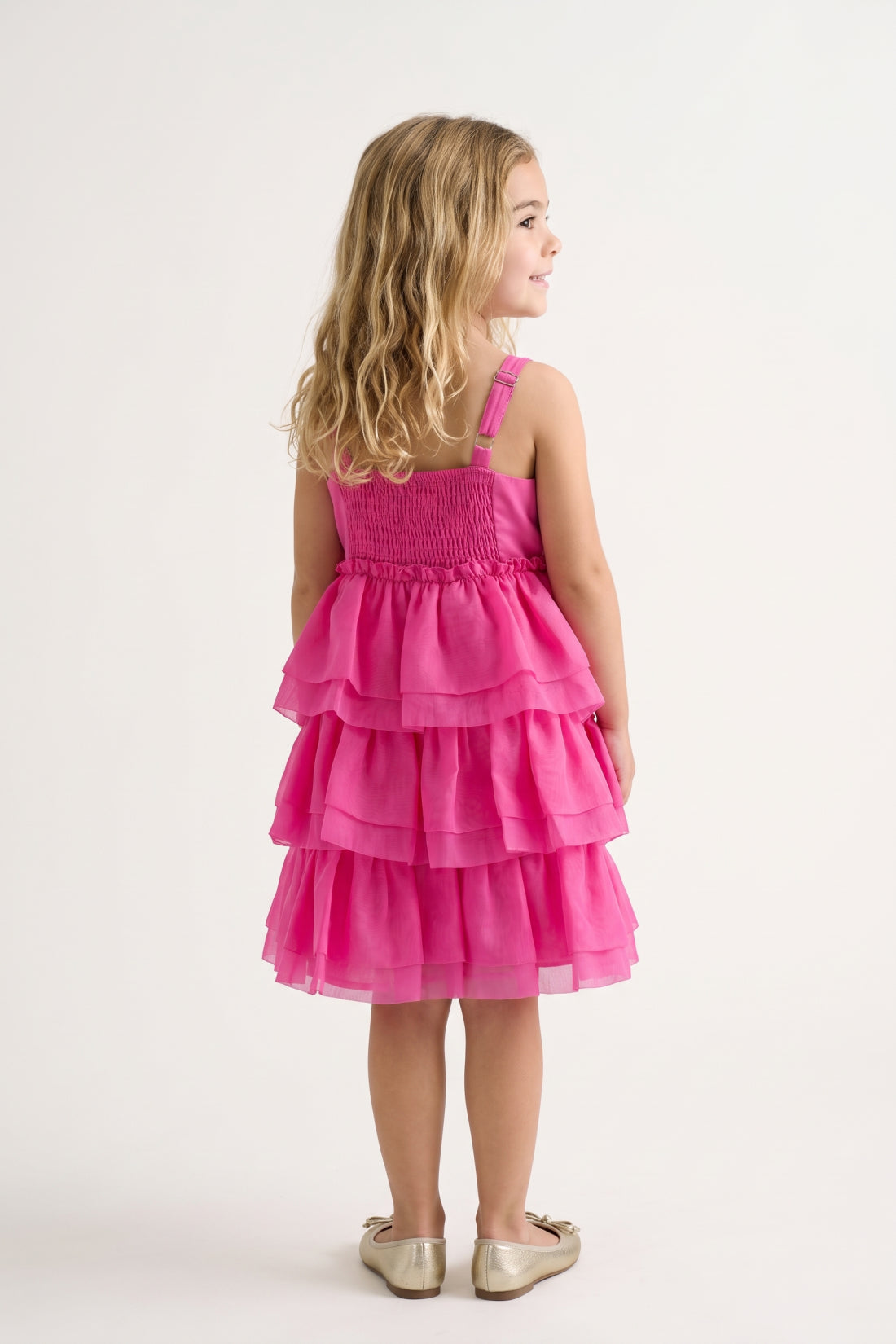
MRP
₹3,299.00
Winter Dresses for Kids
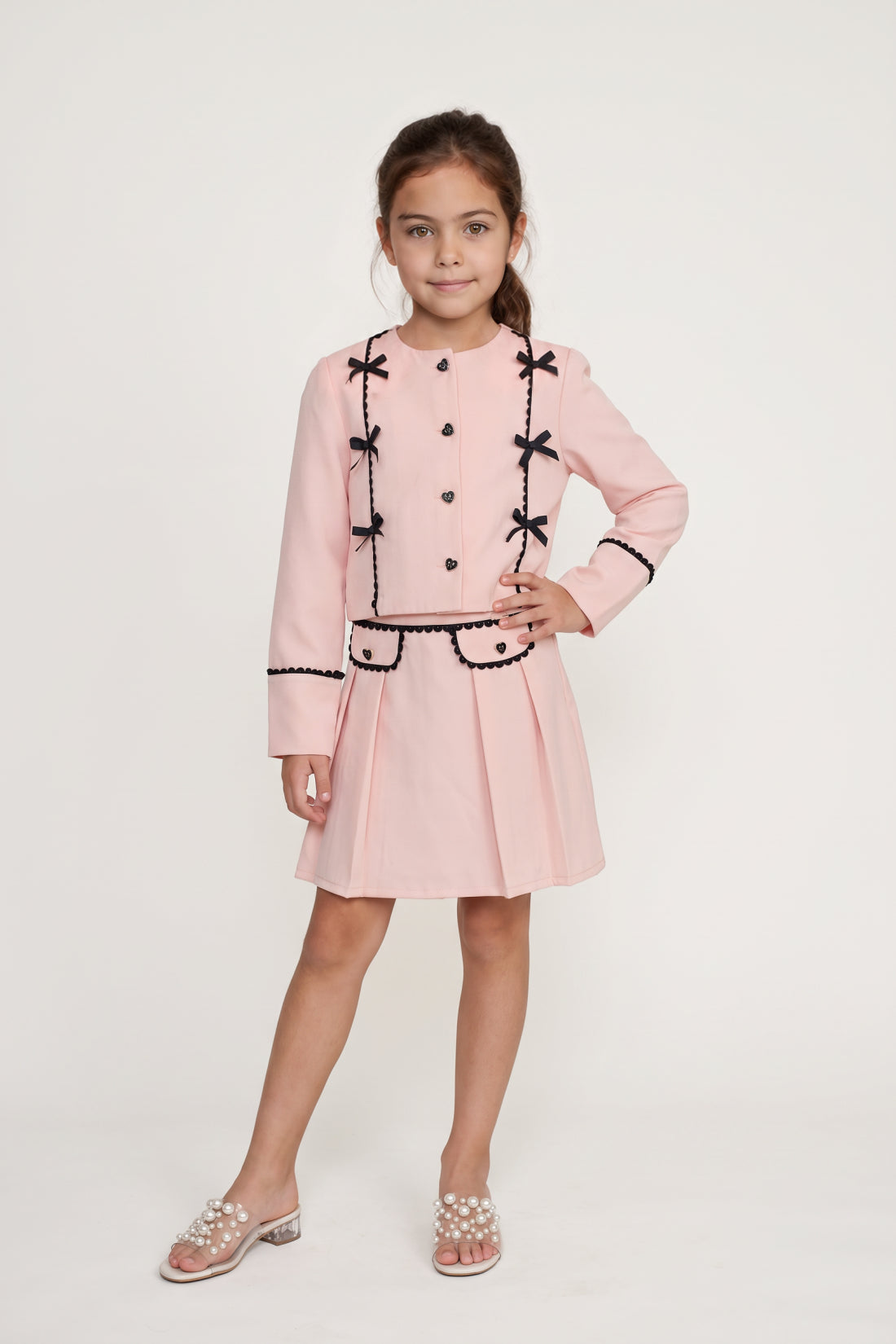
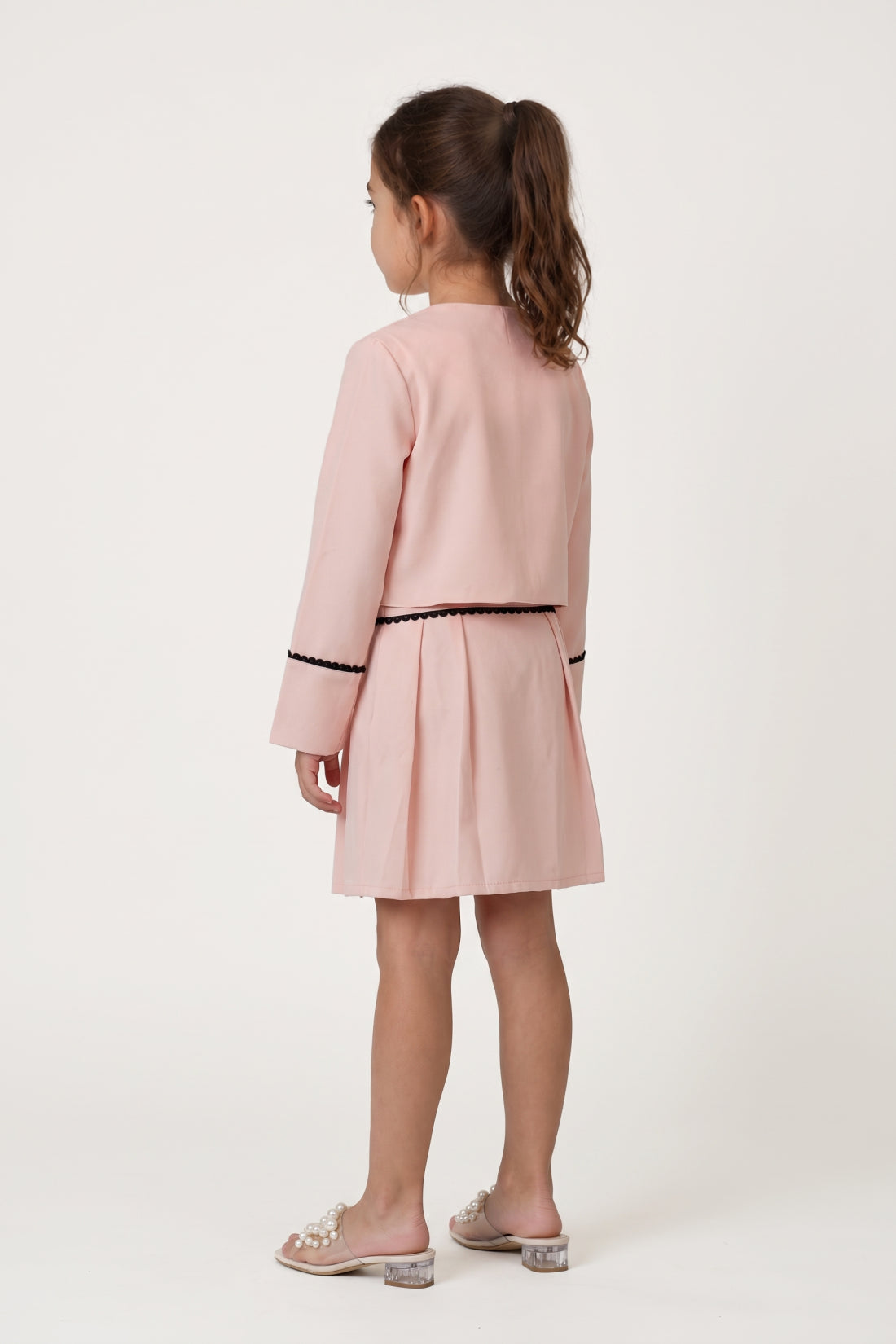
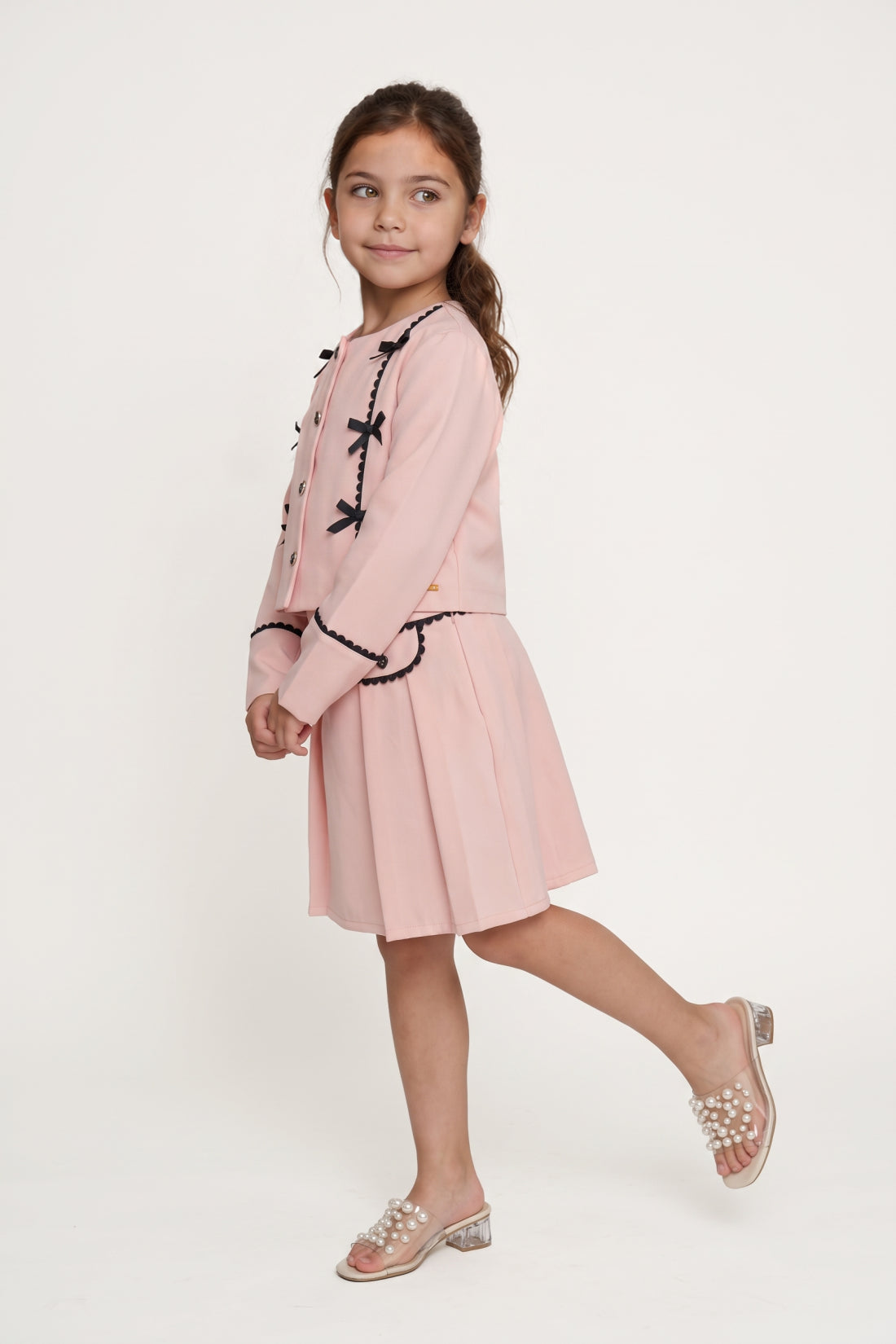
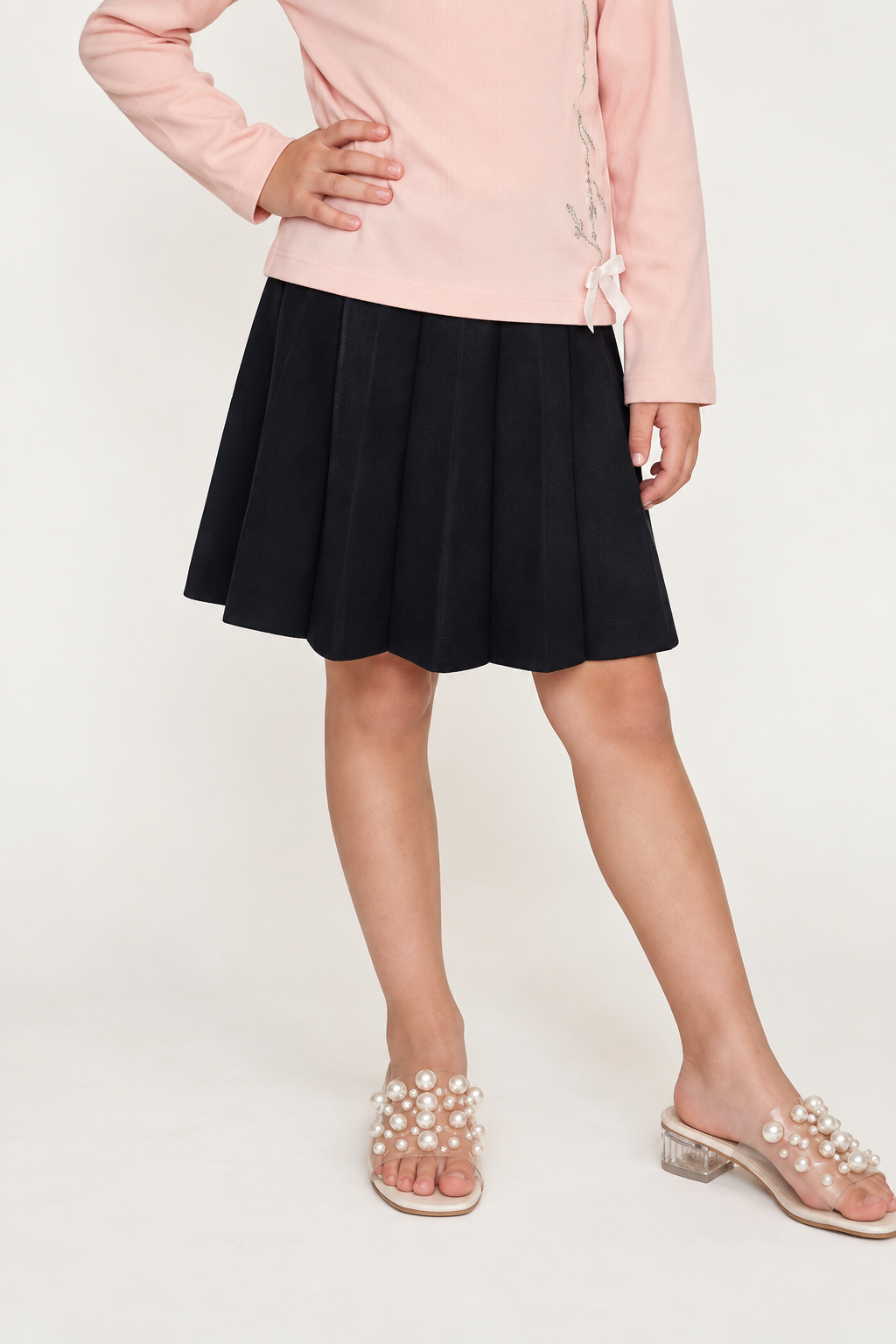
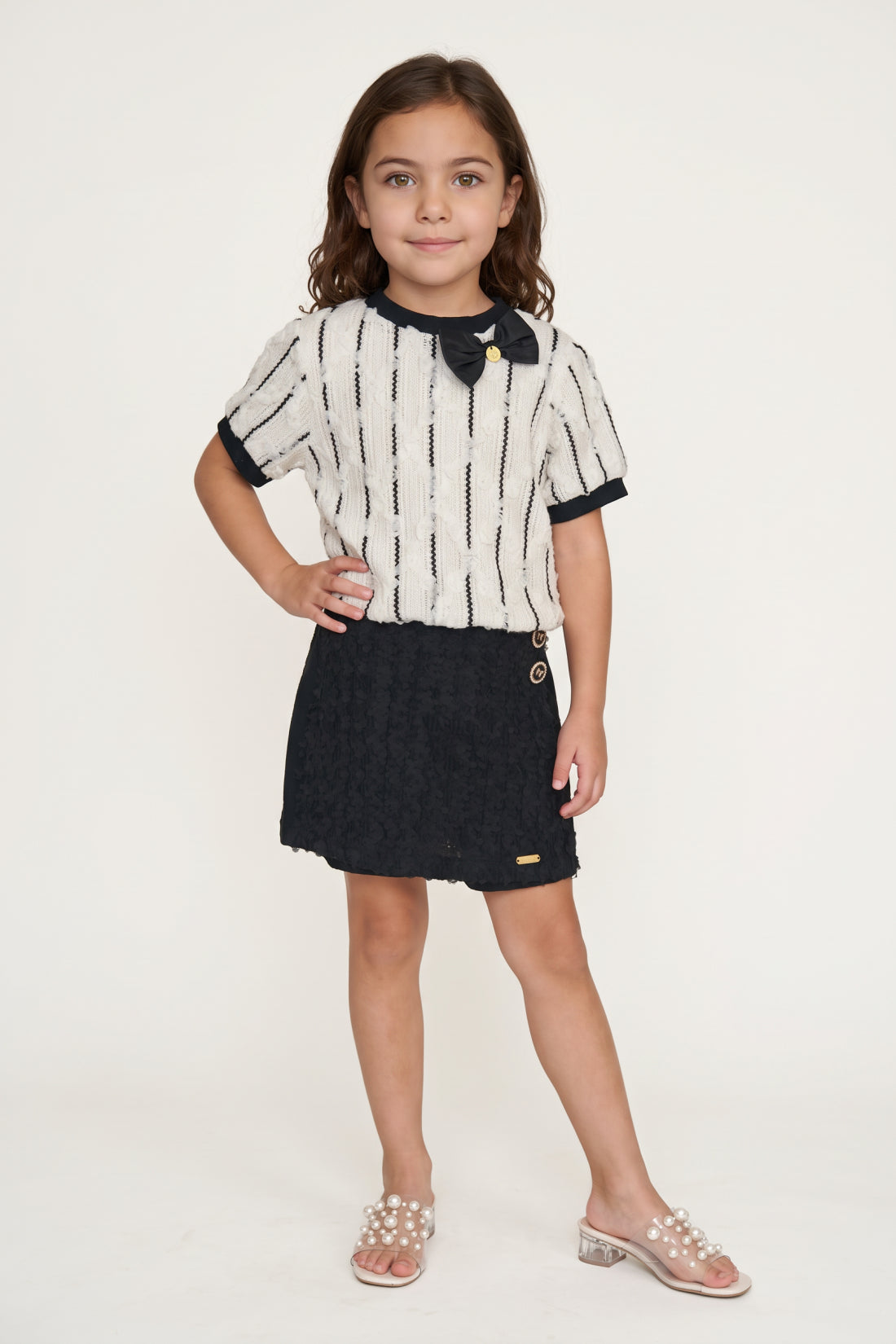
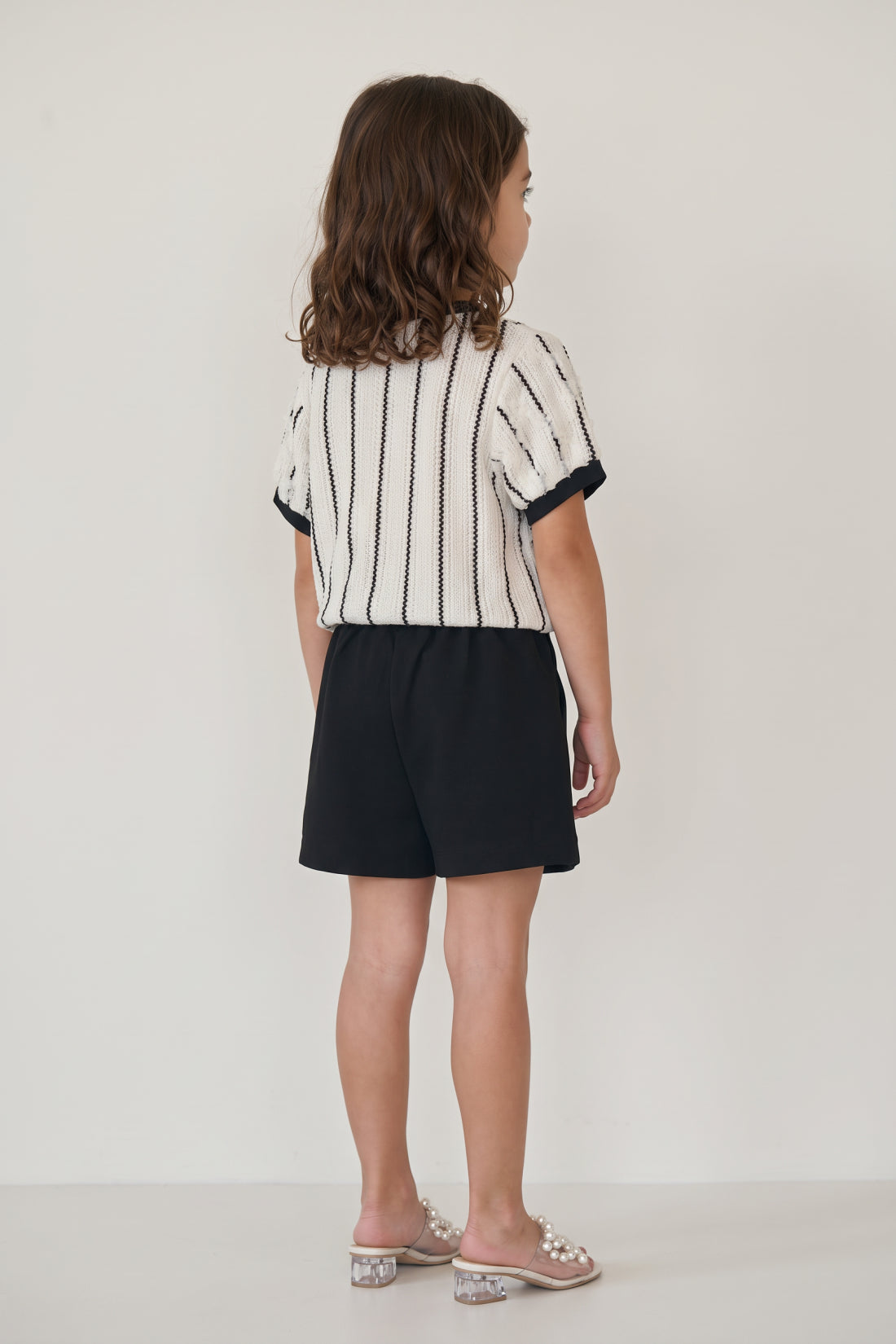
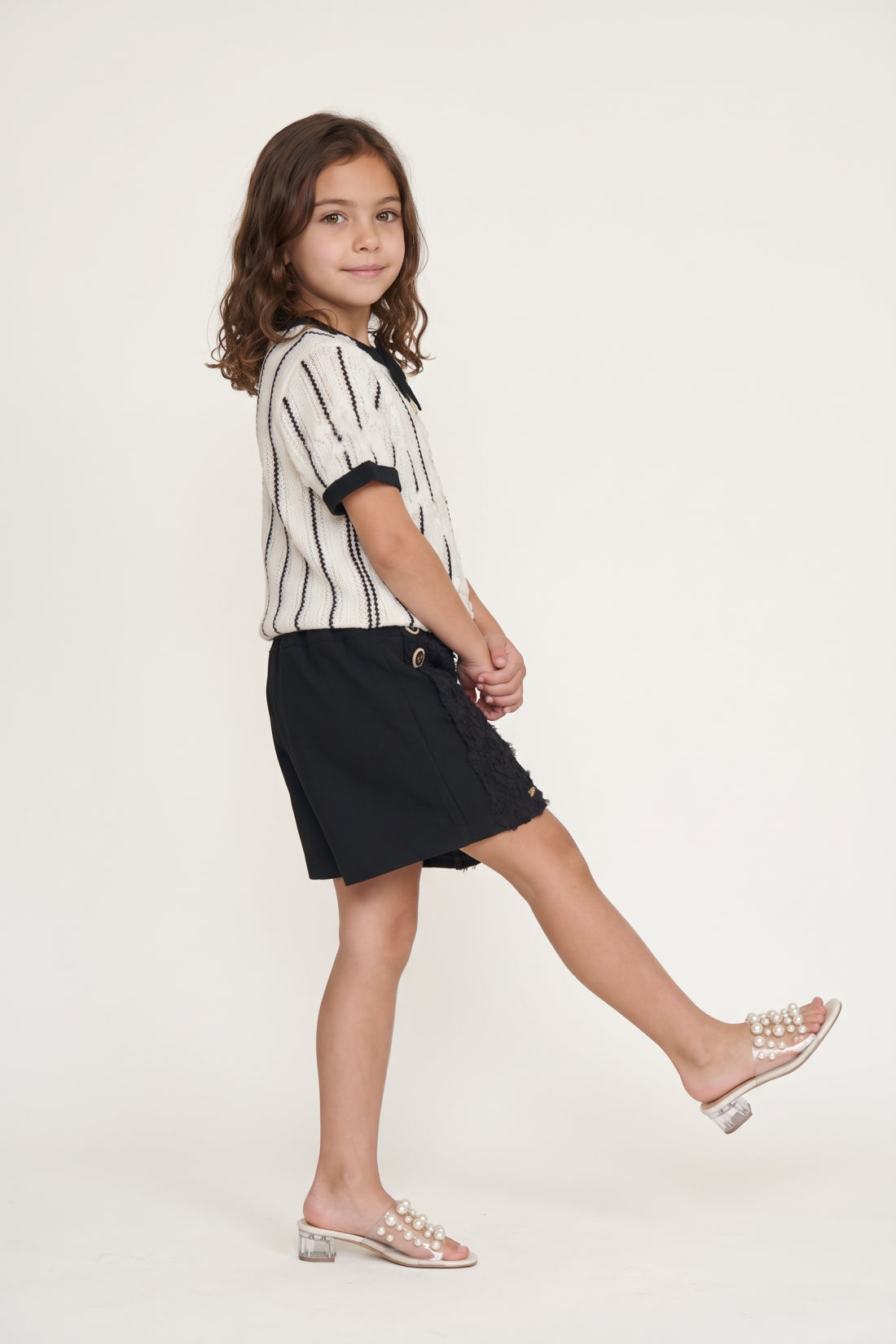
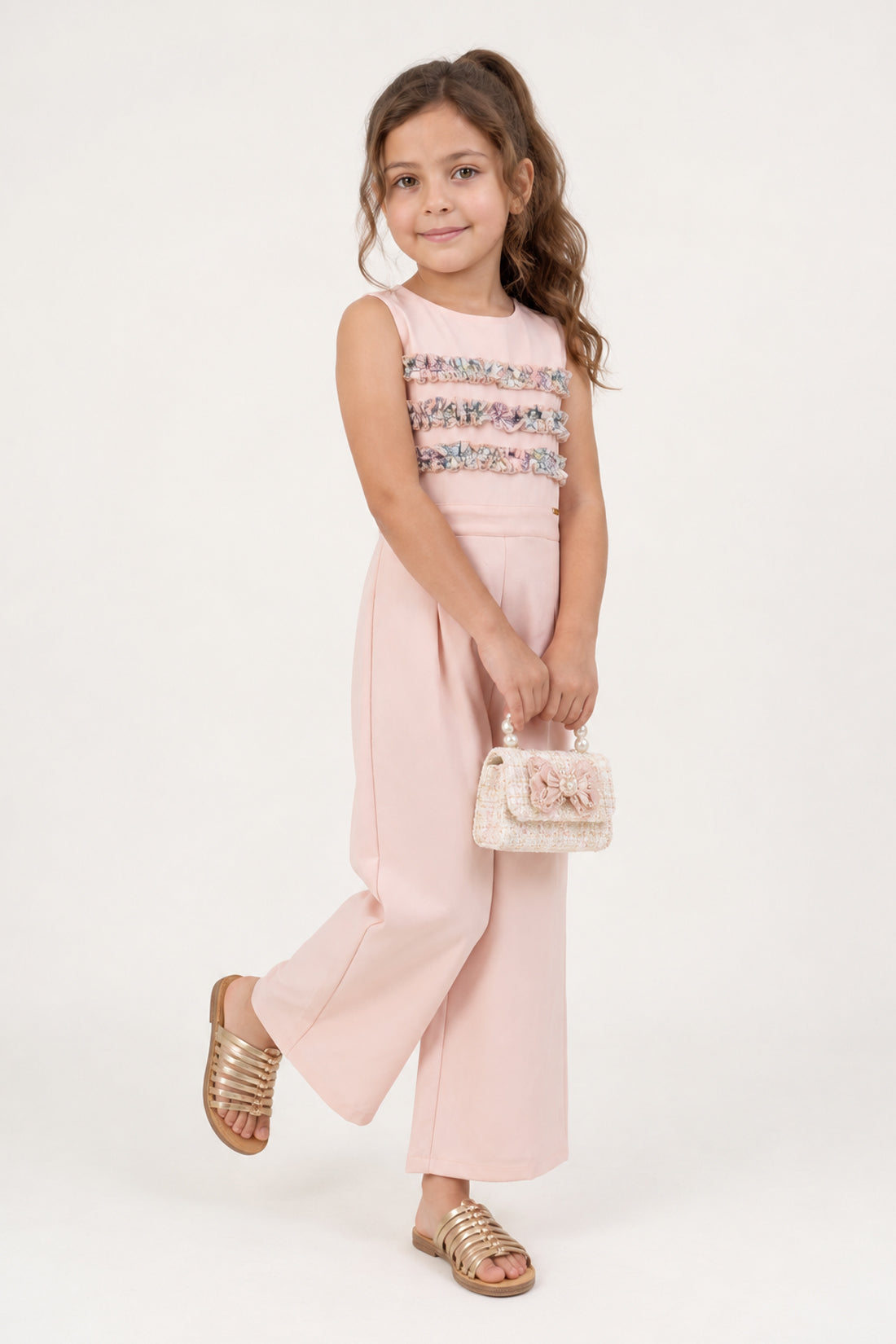
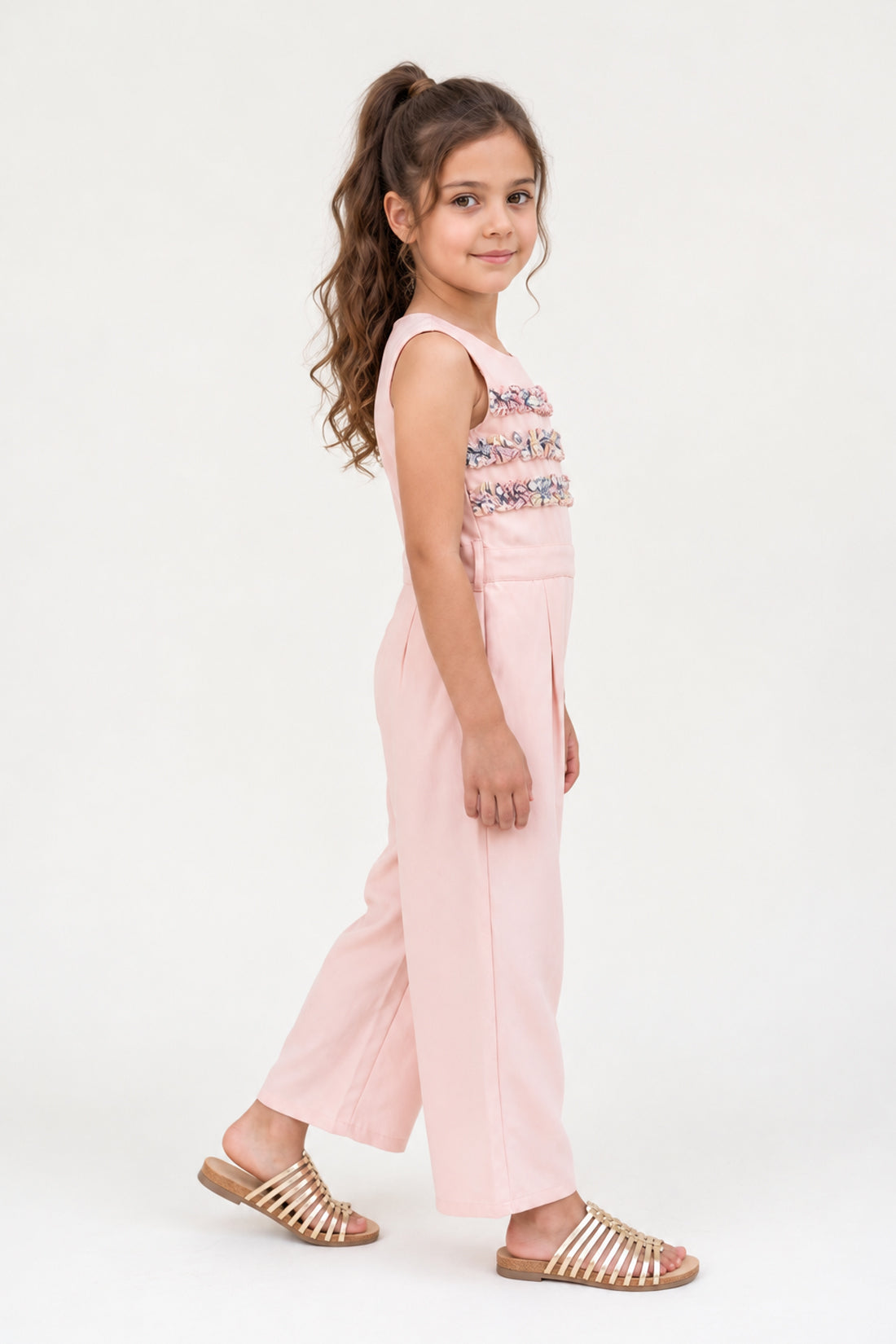
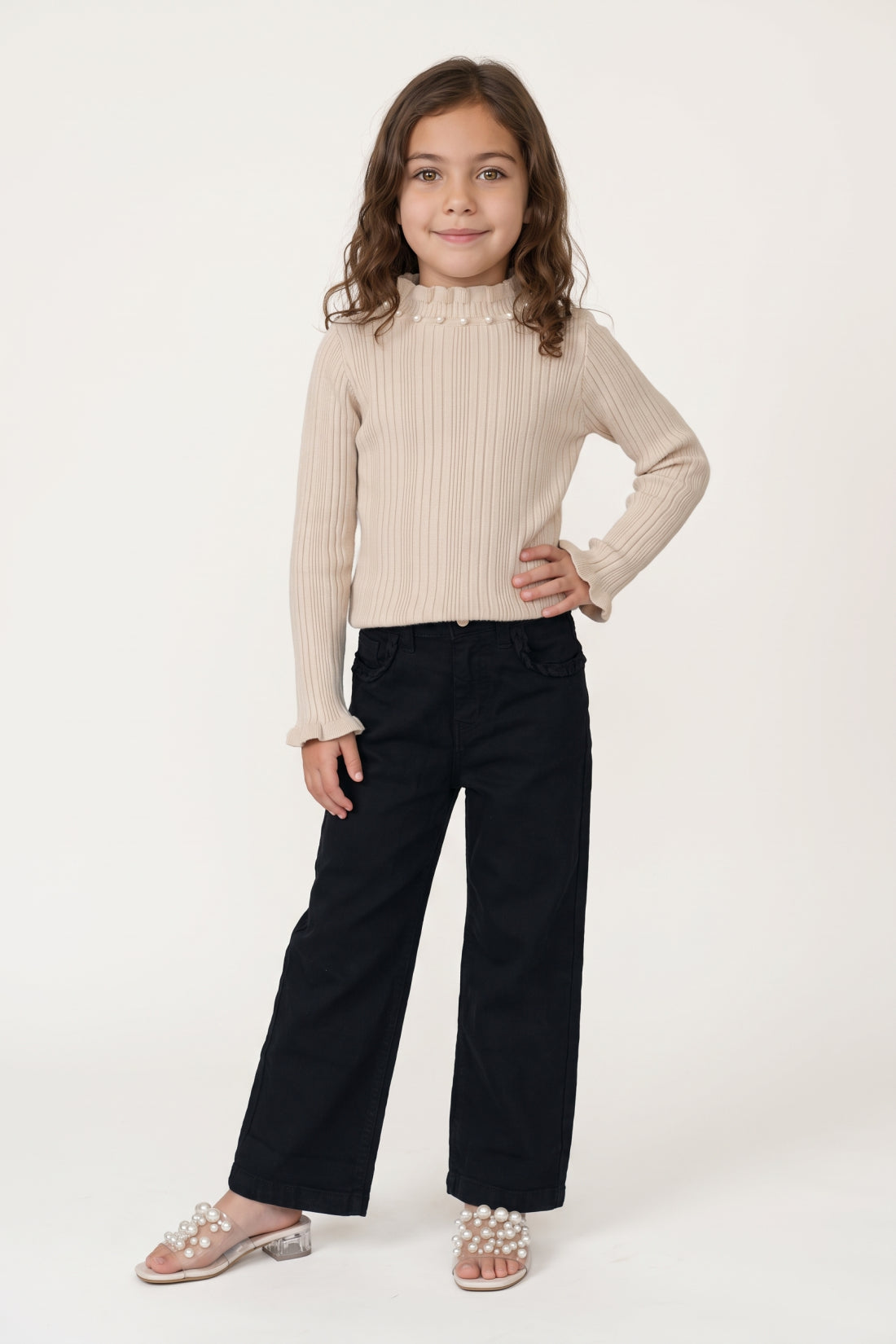
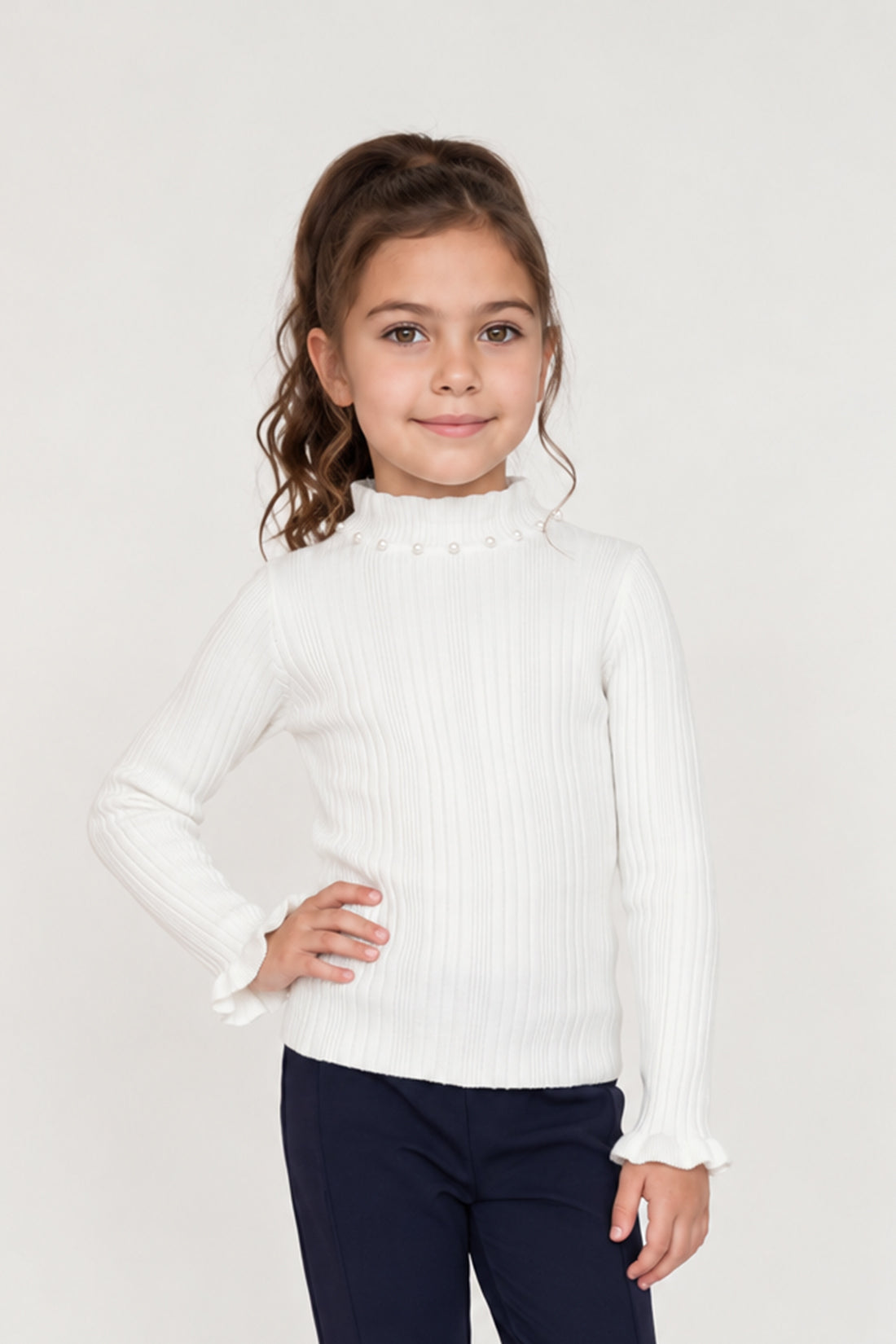
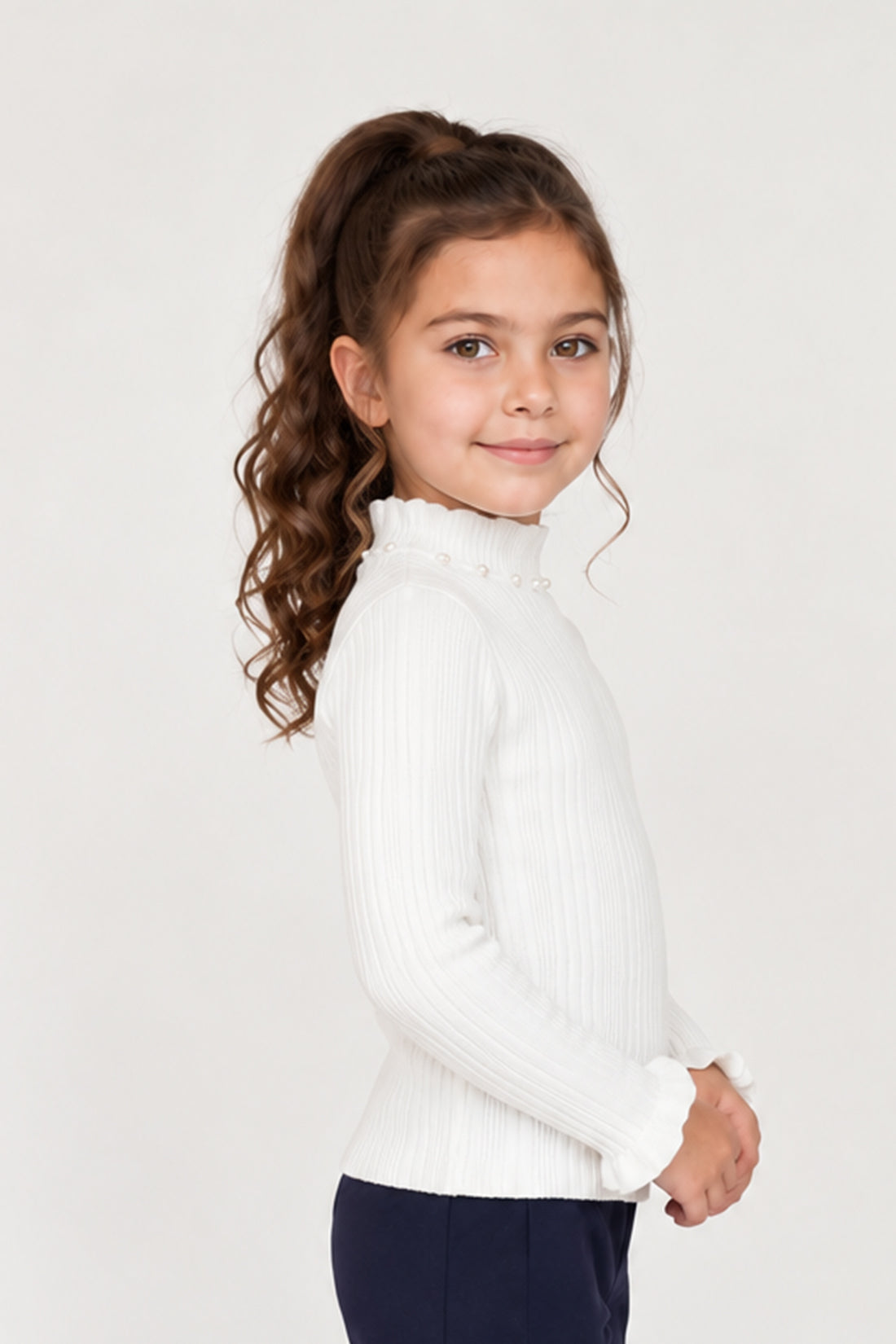
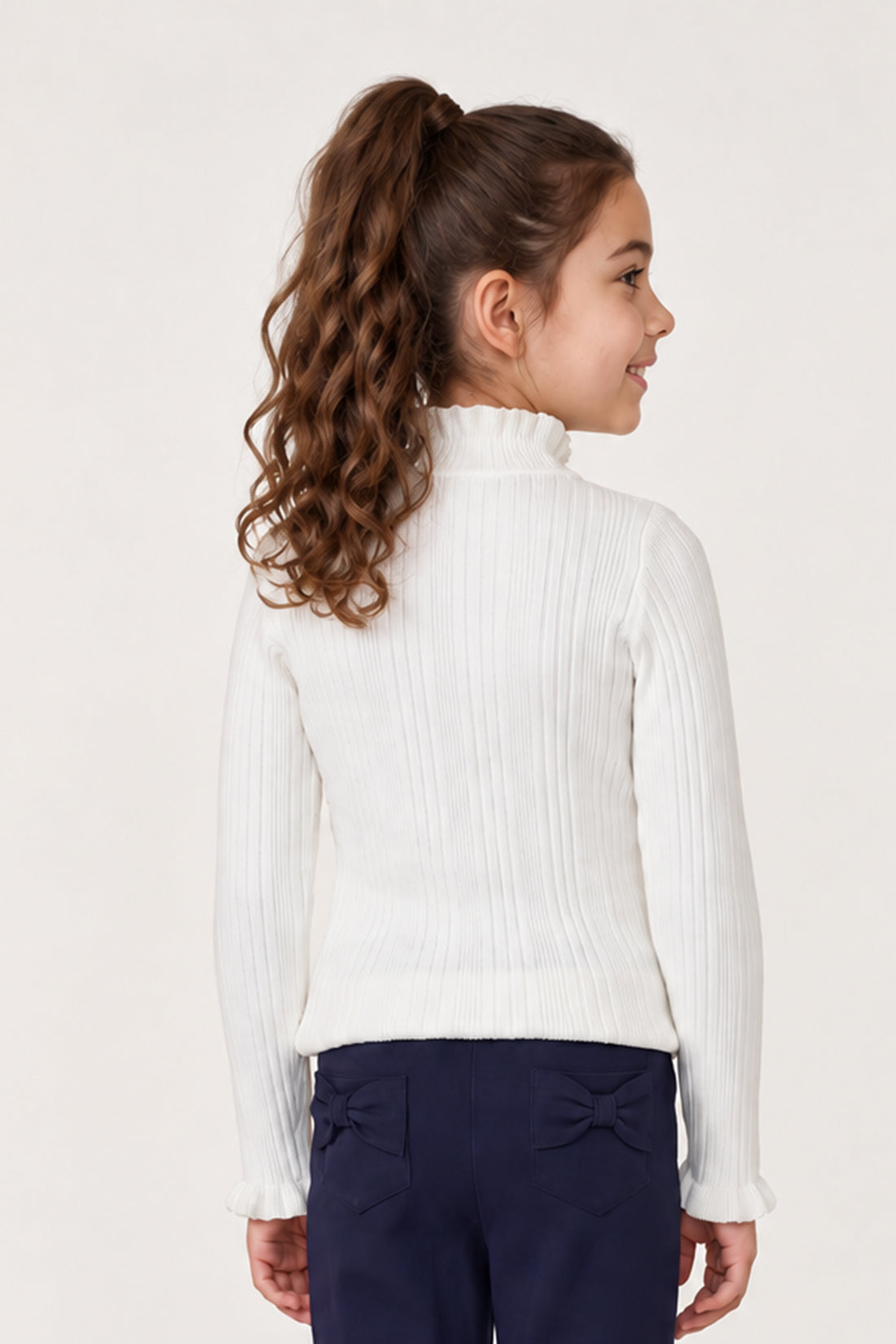
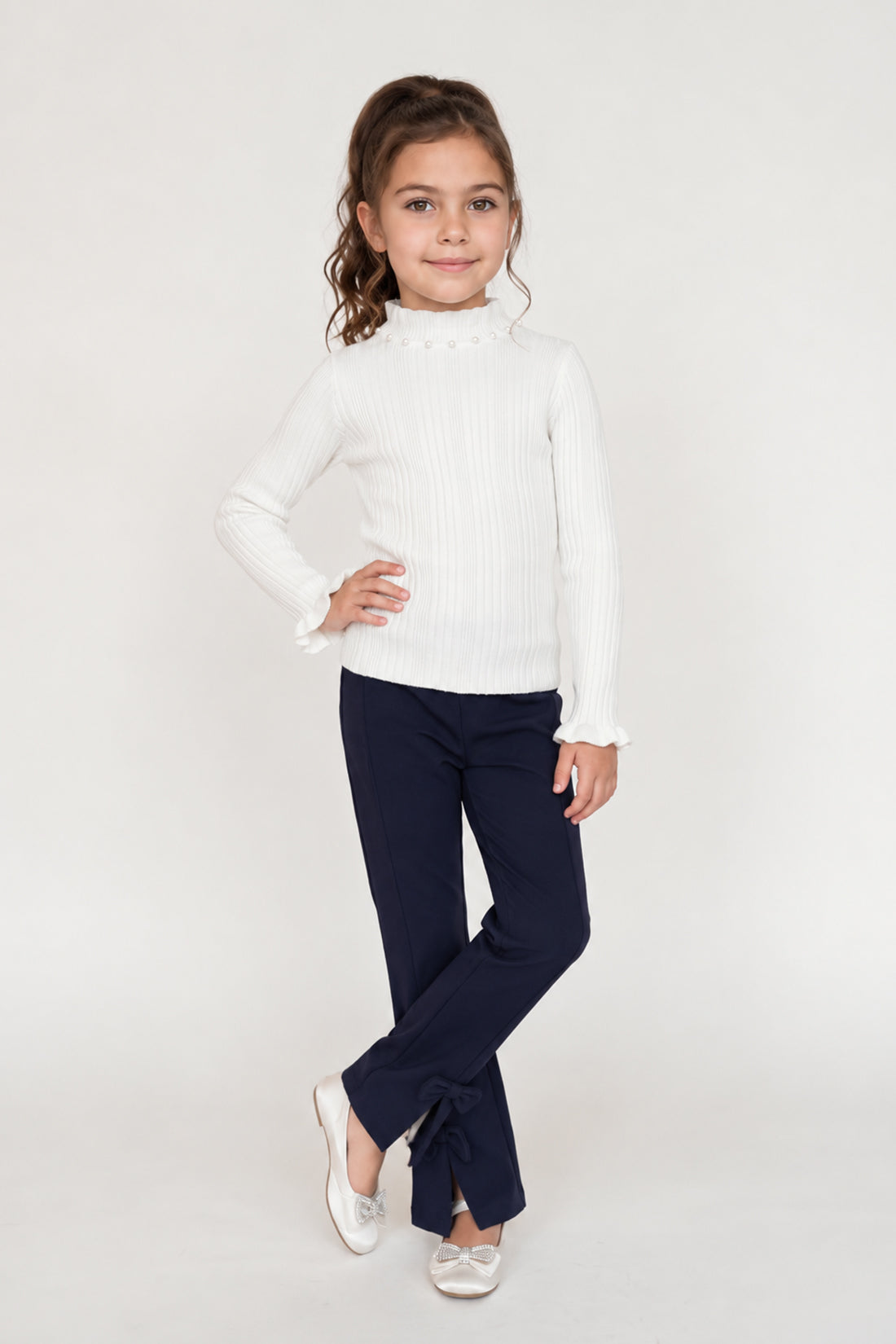
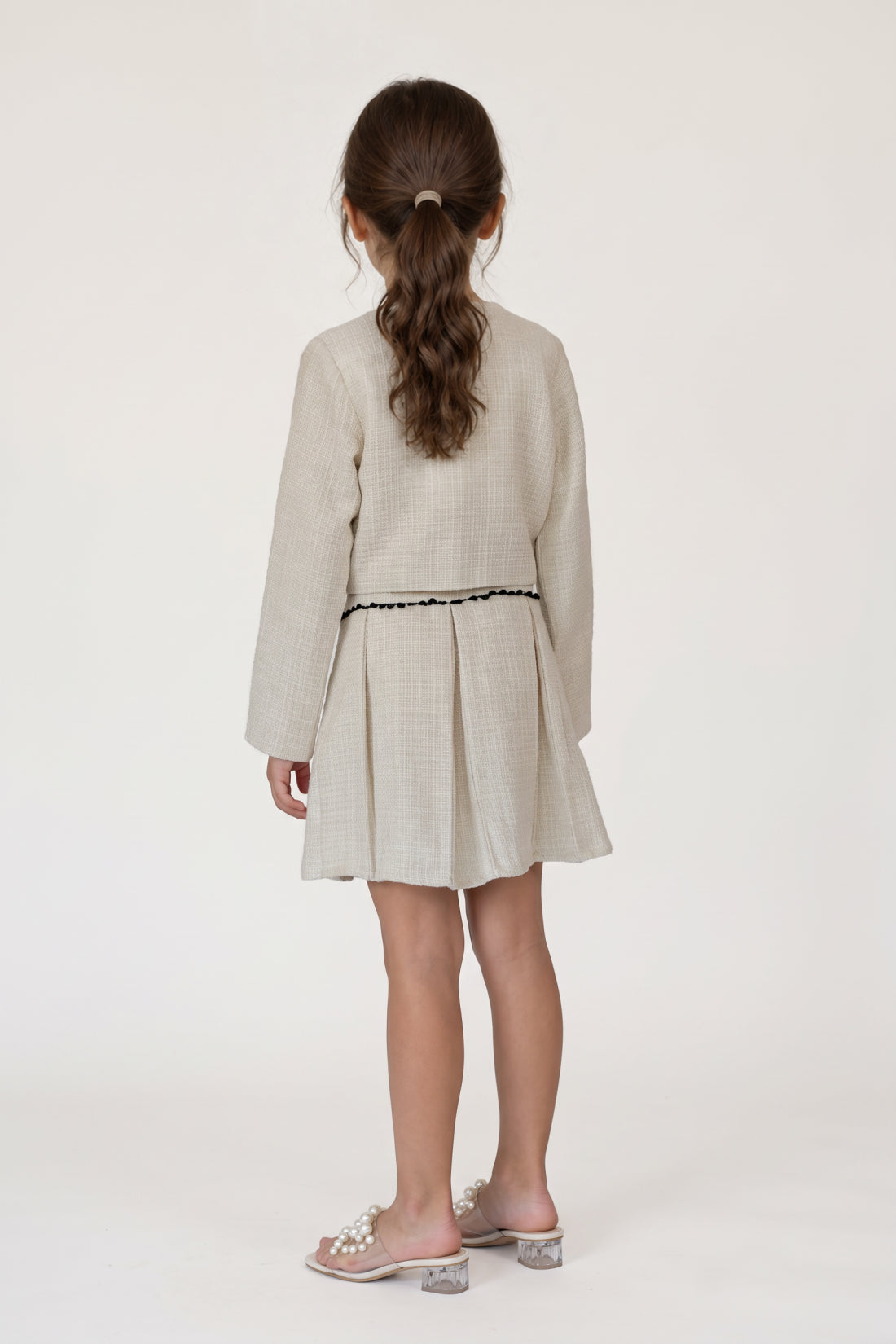
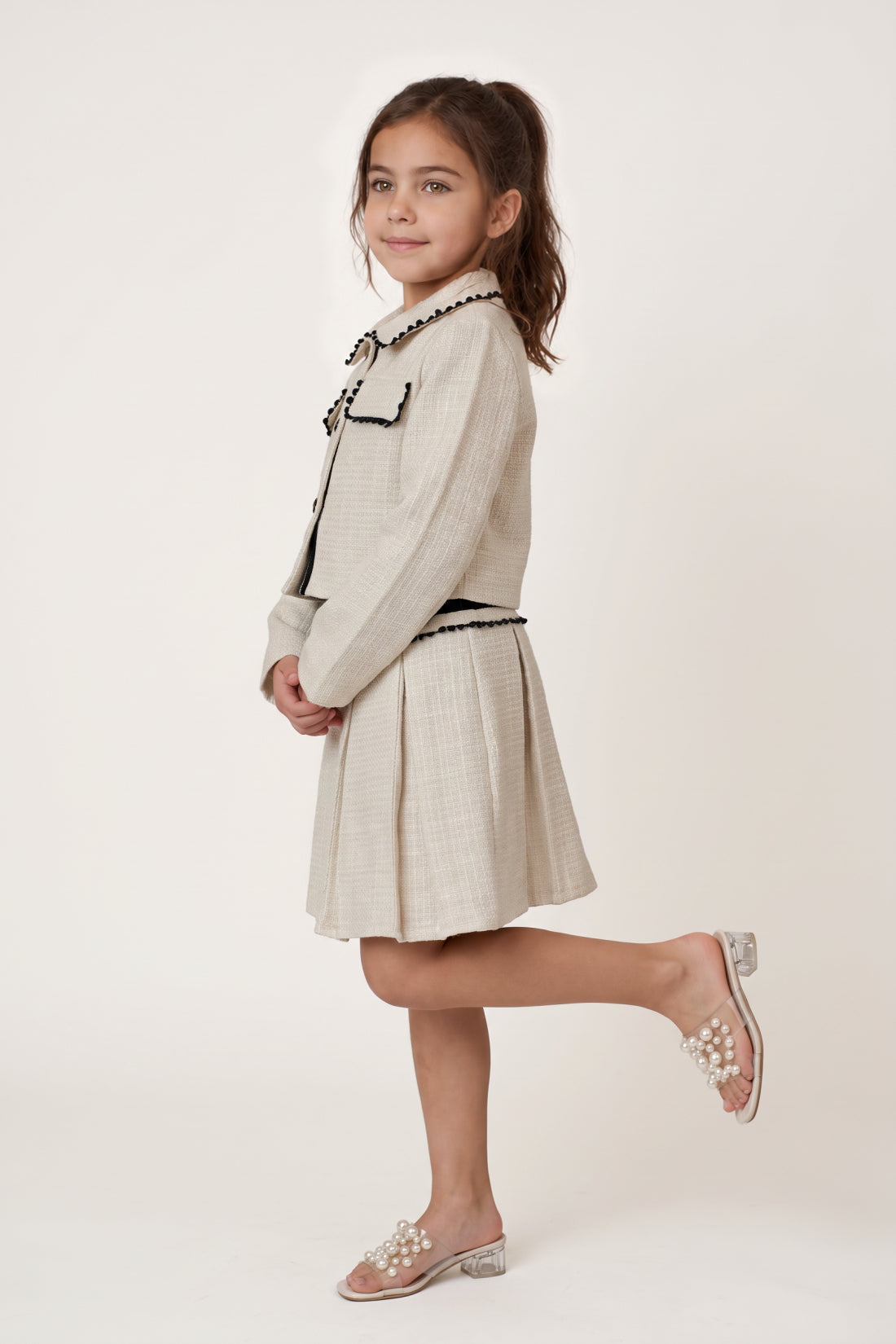
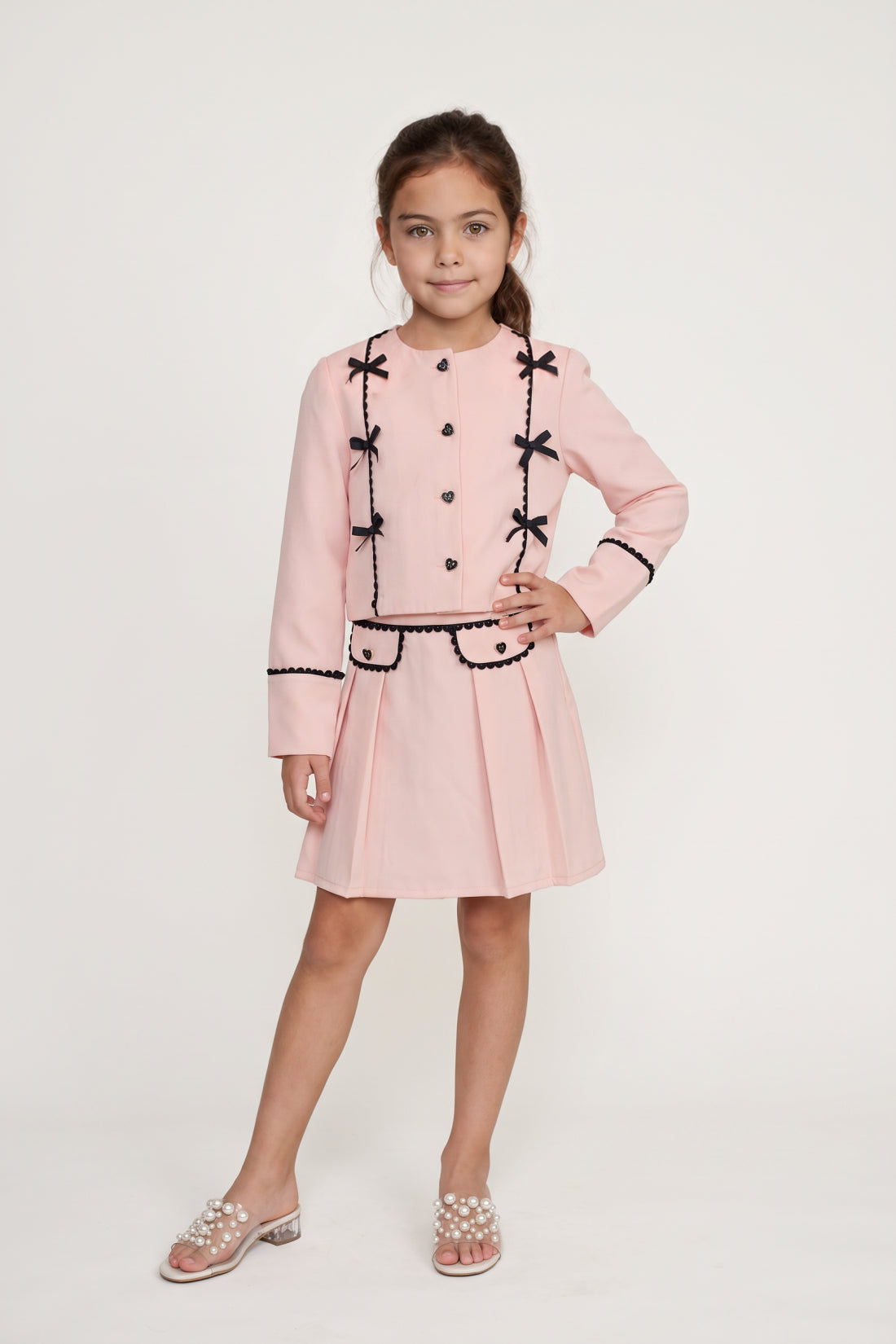
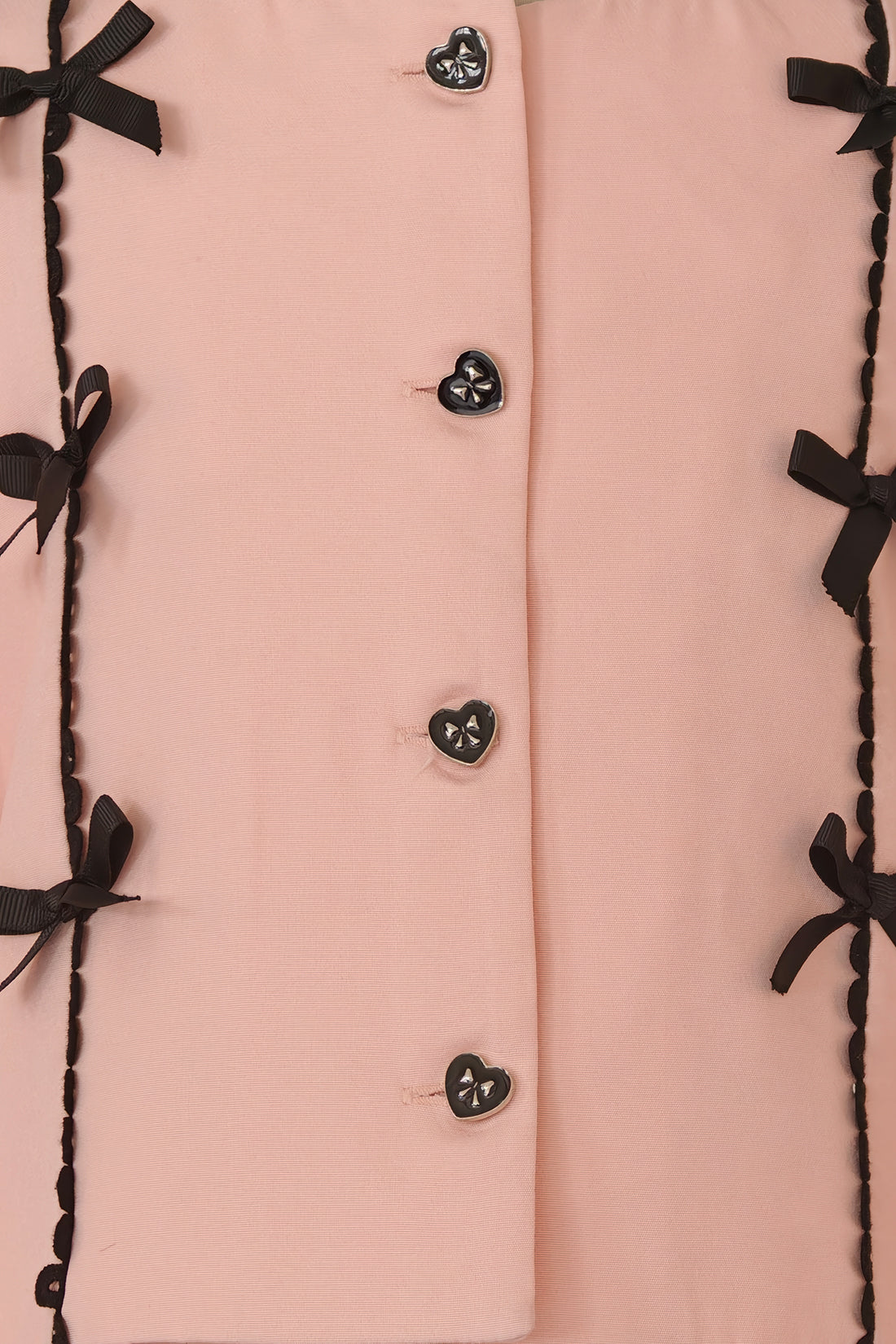
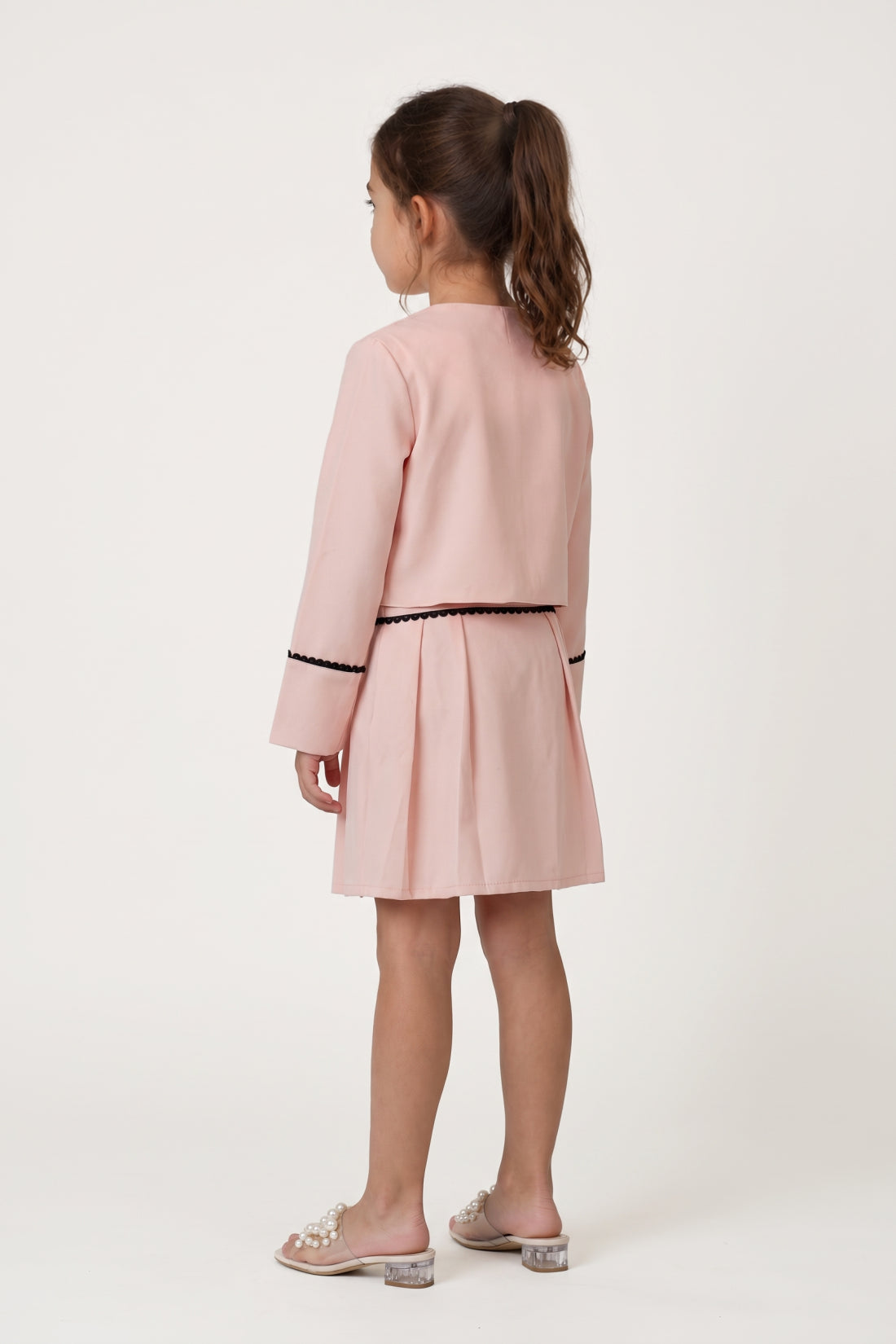
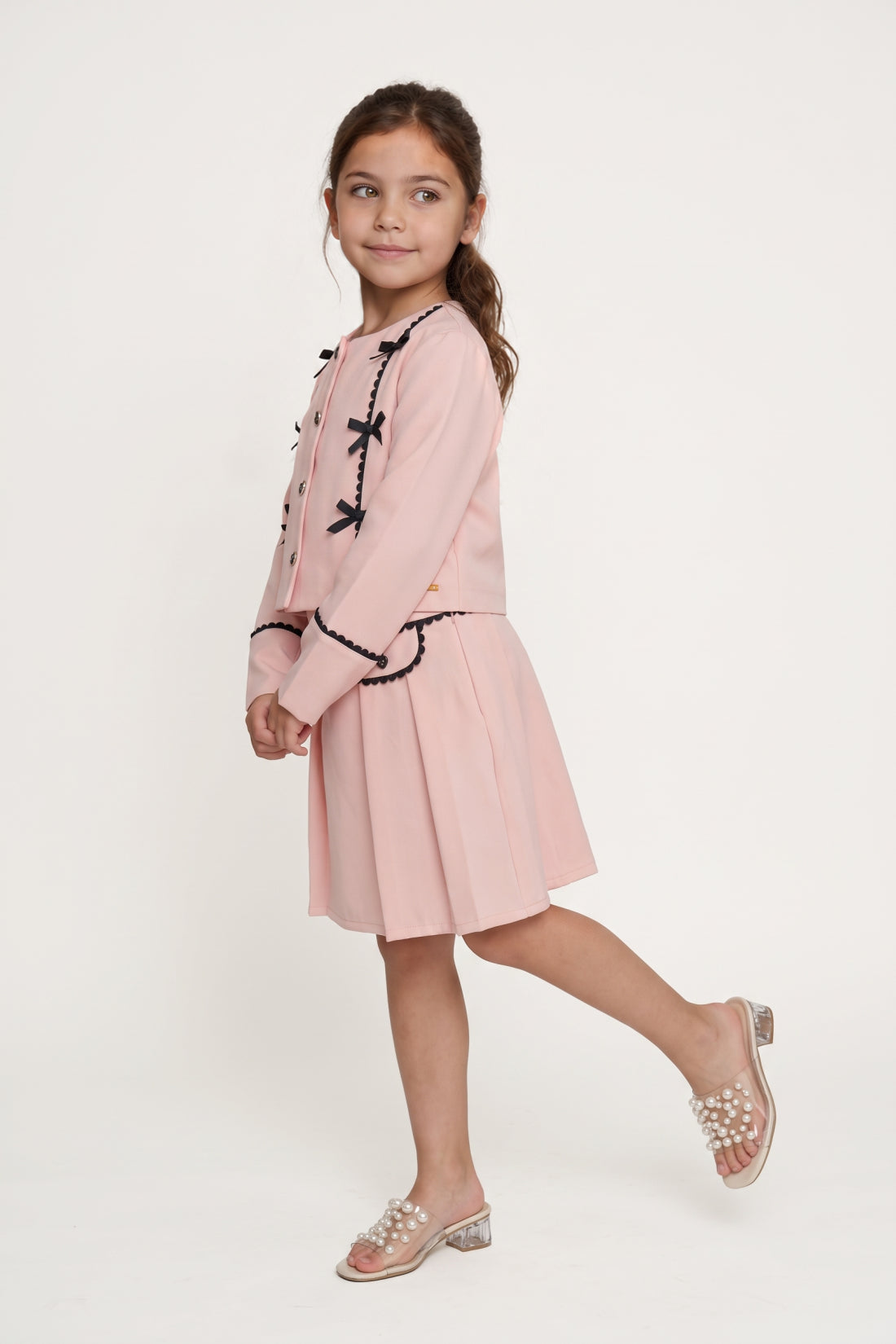
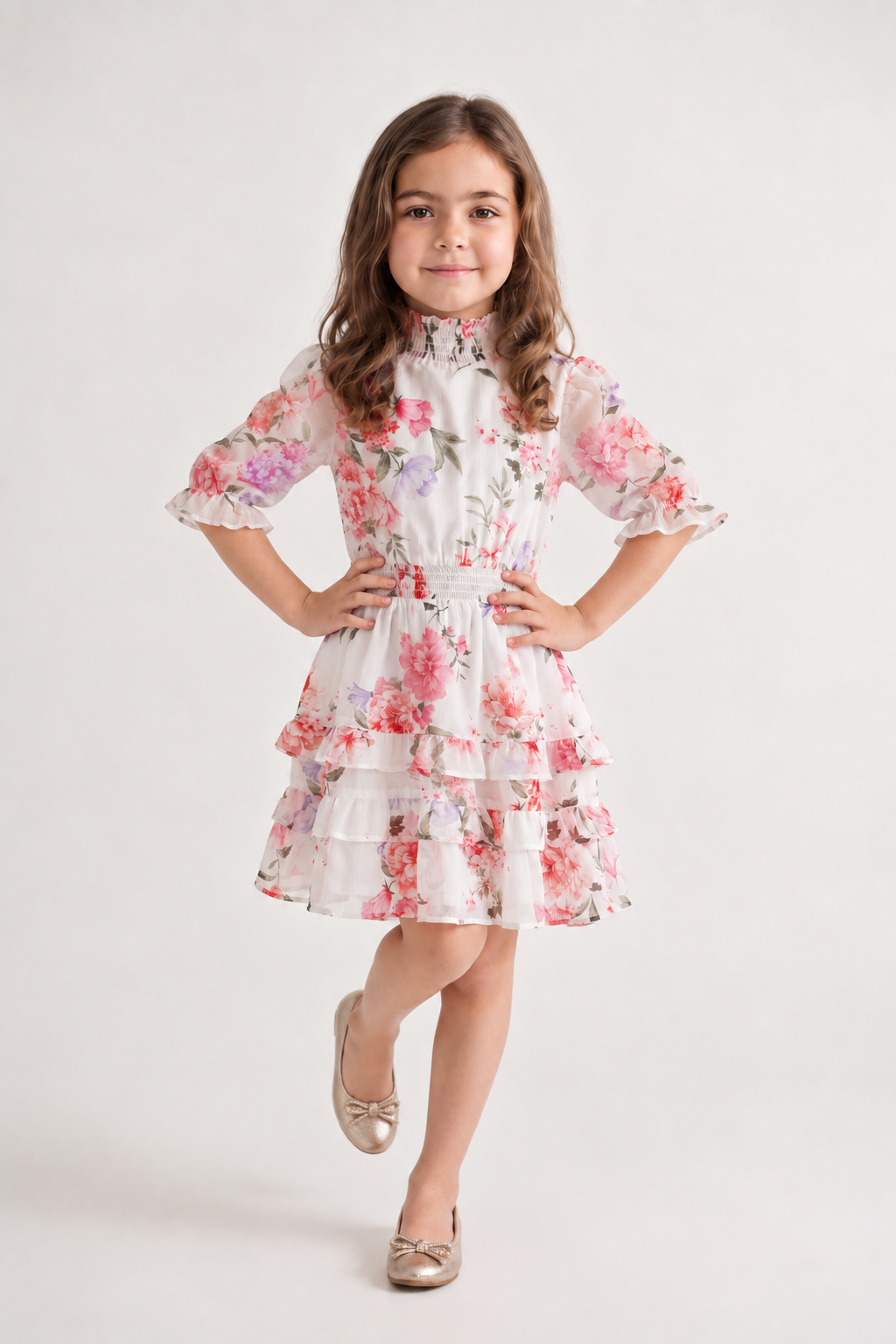
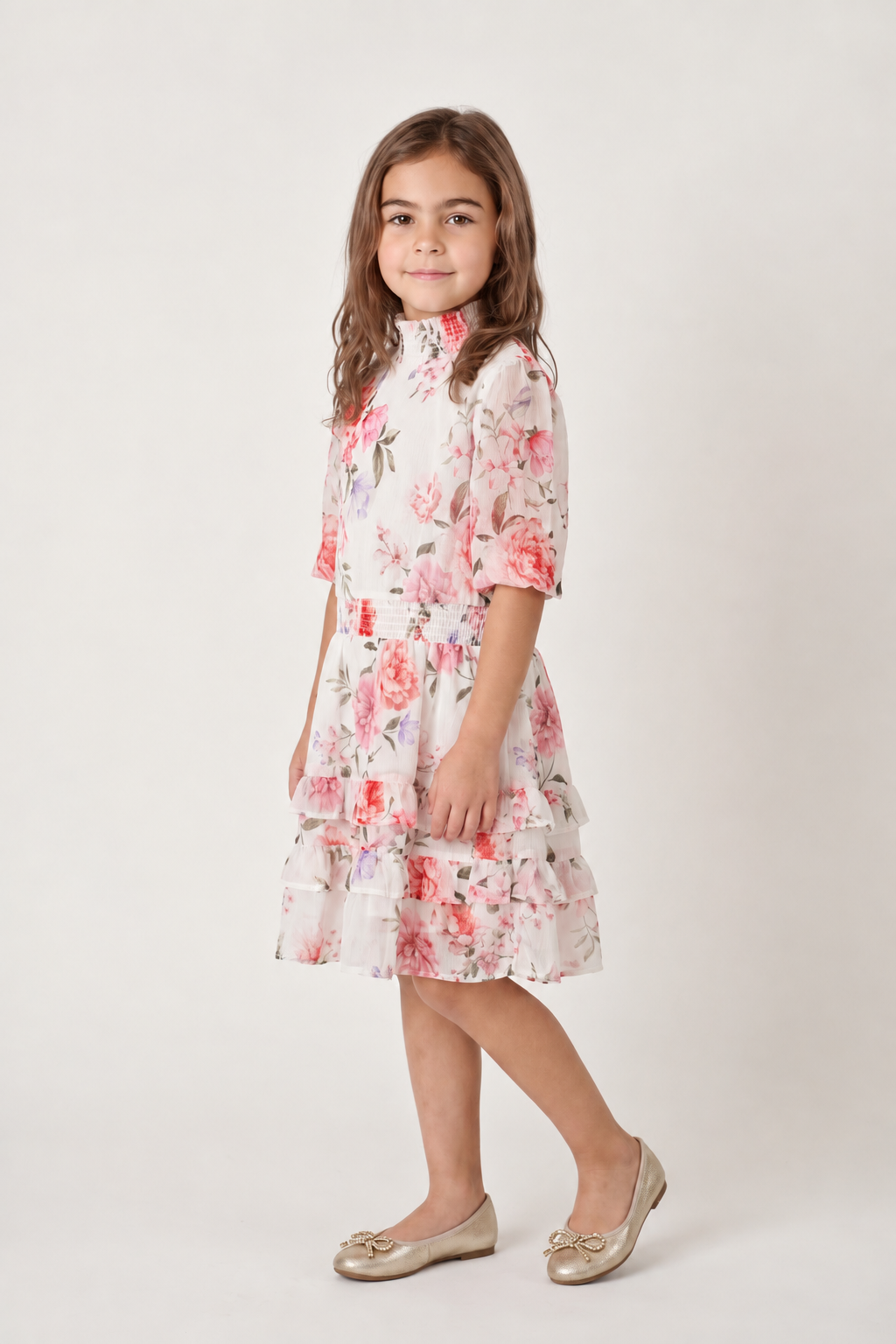
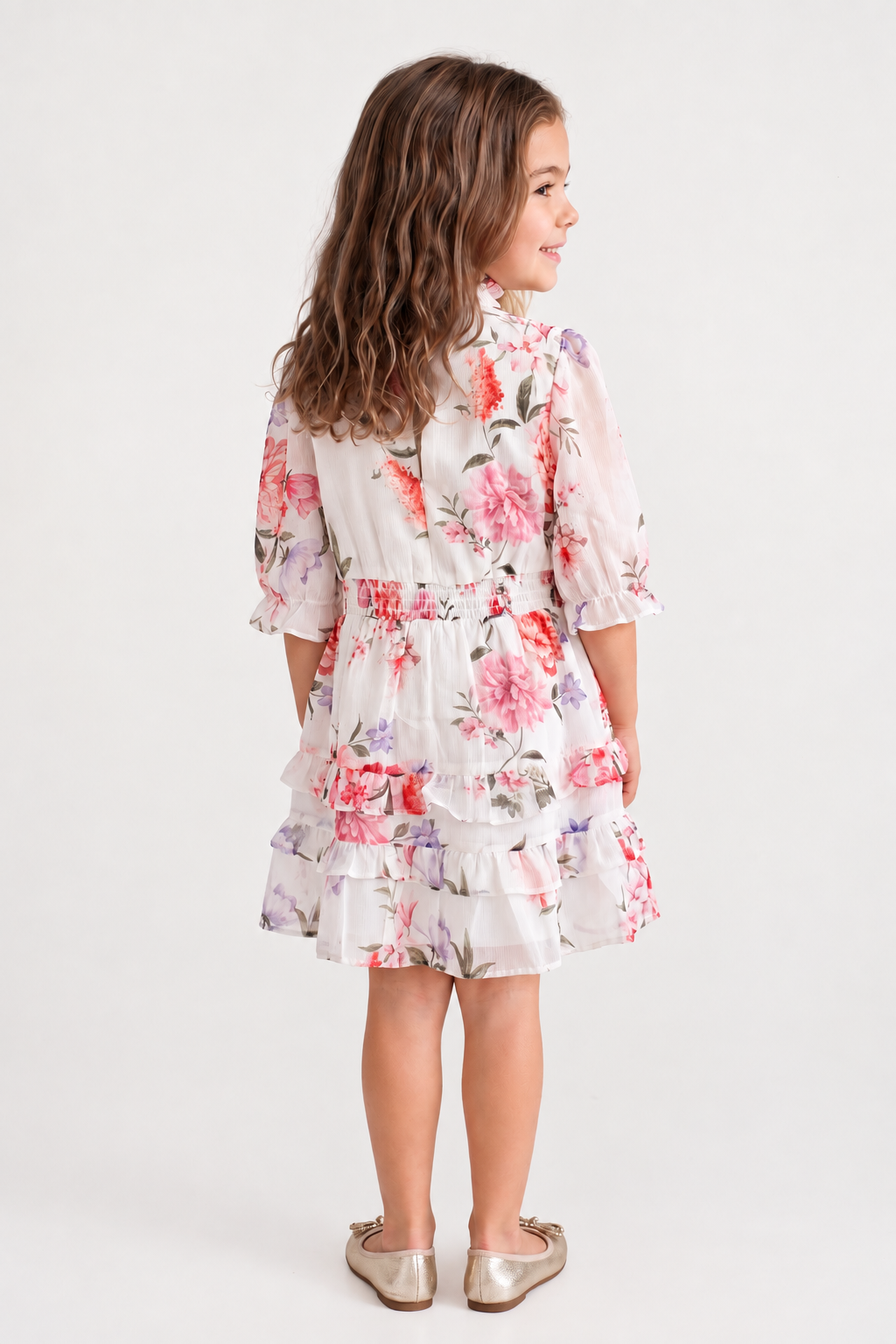
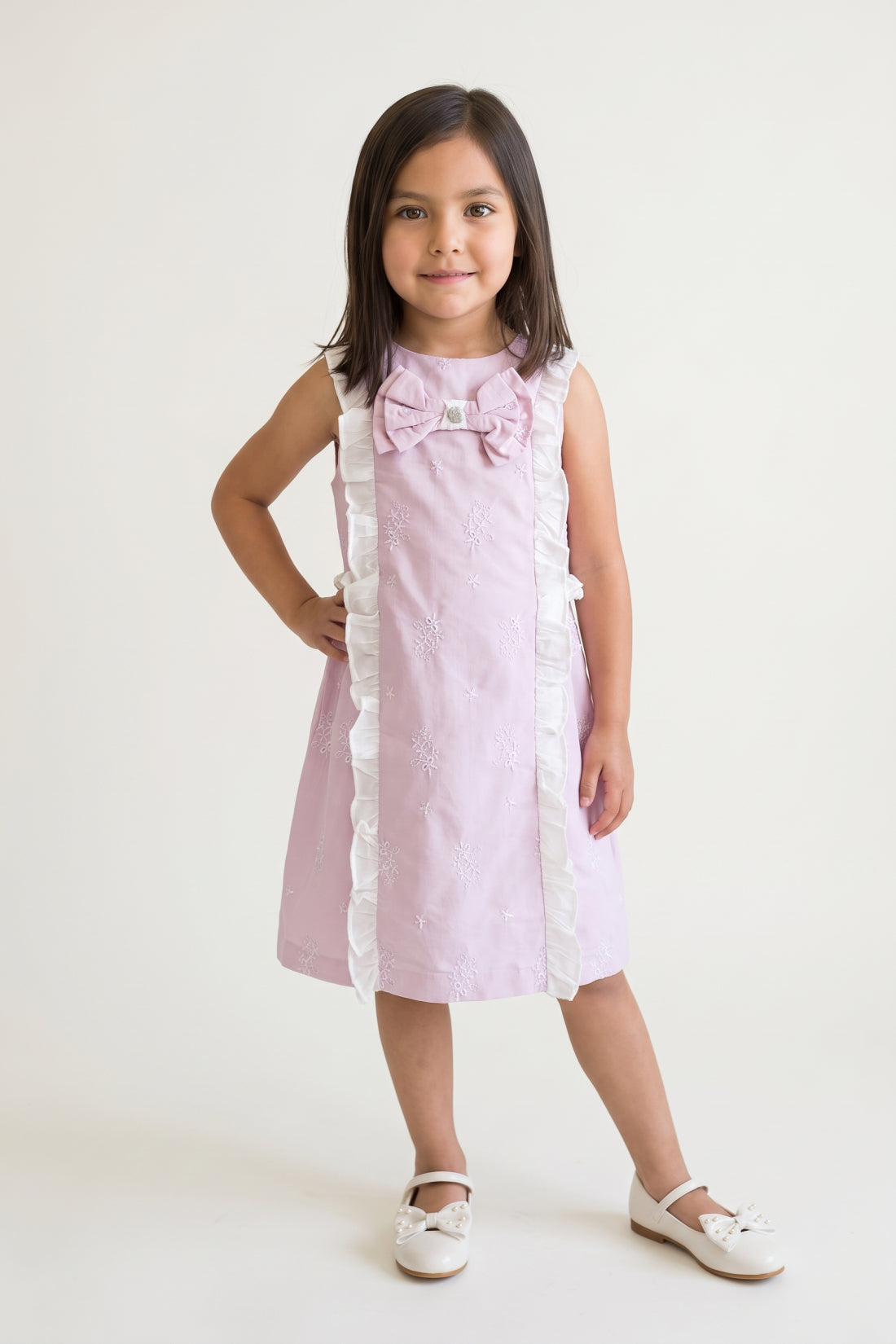
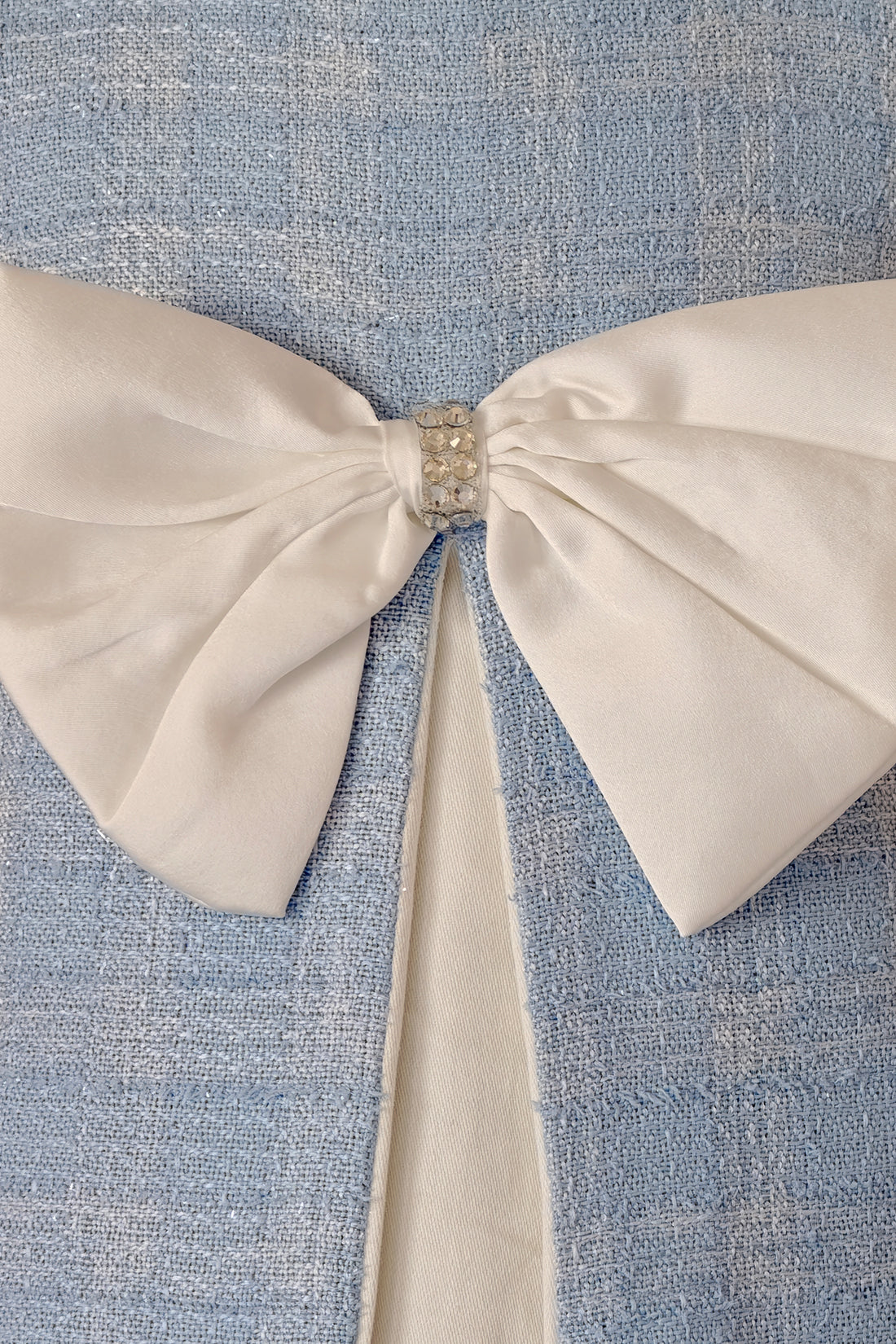
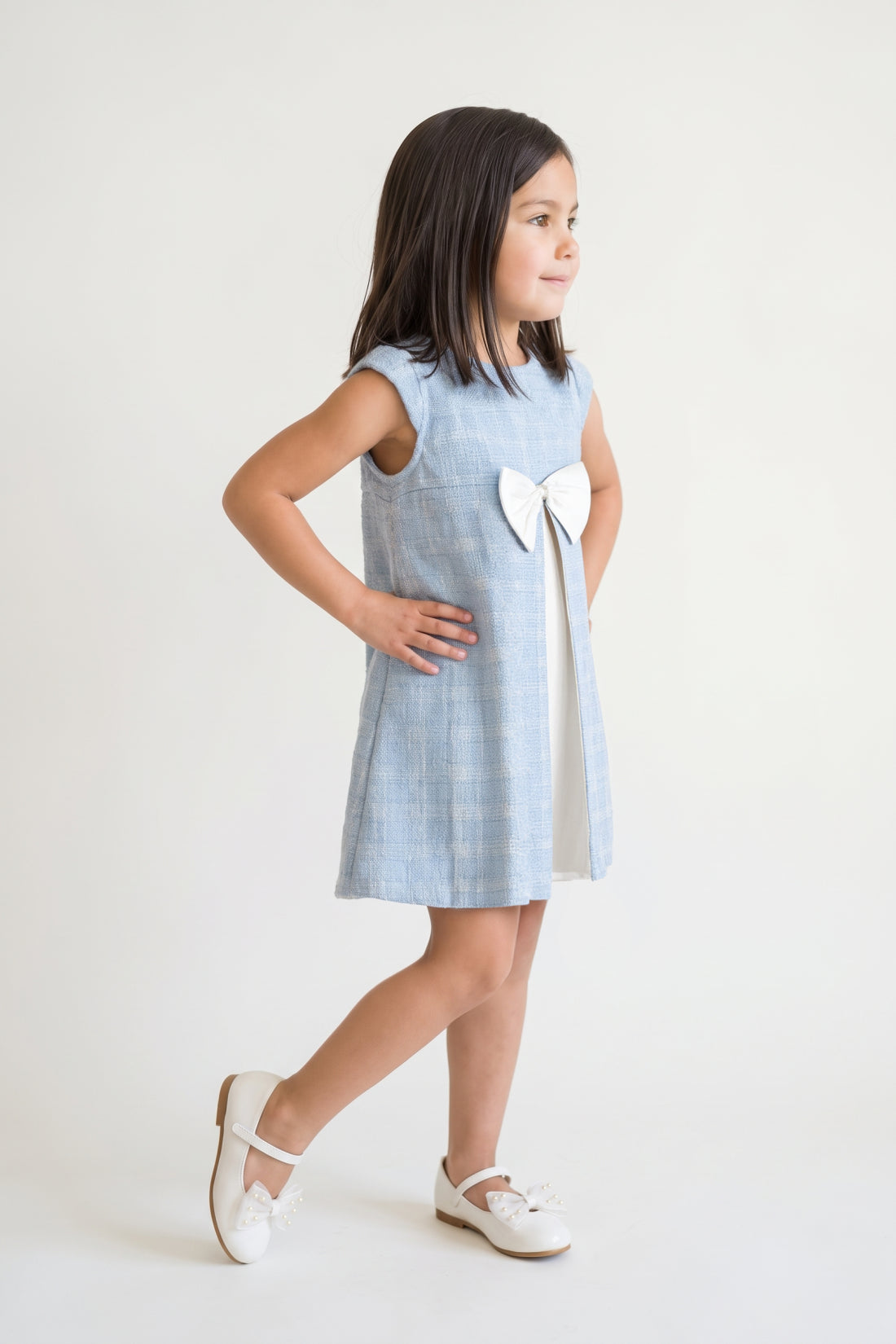
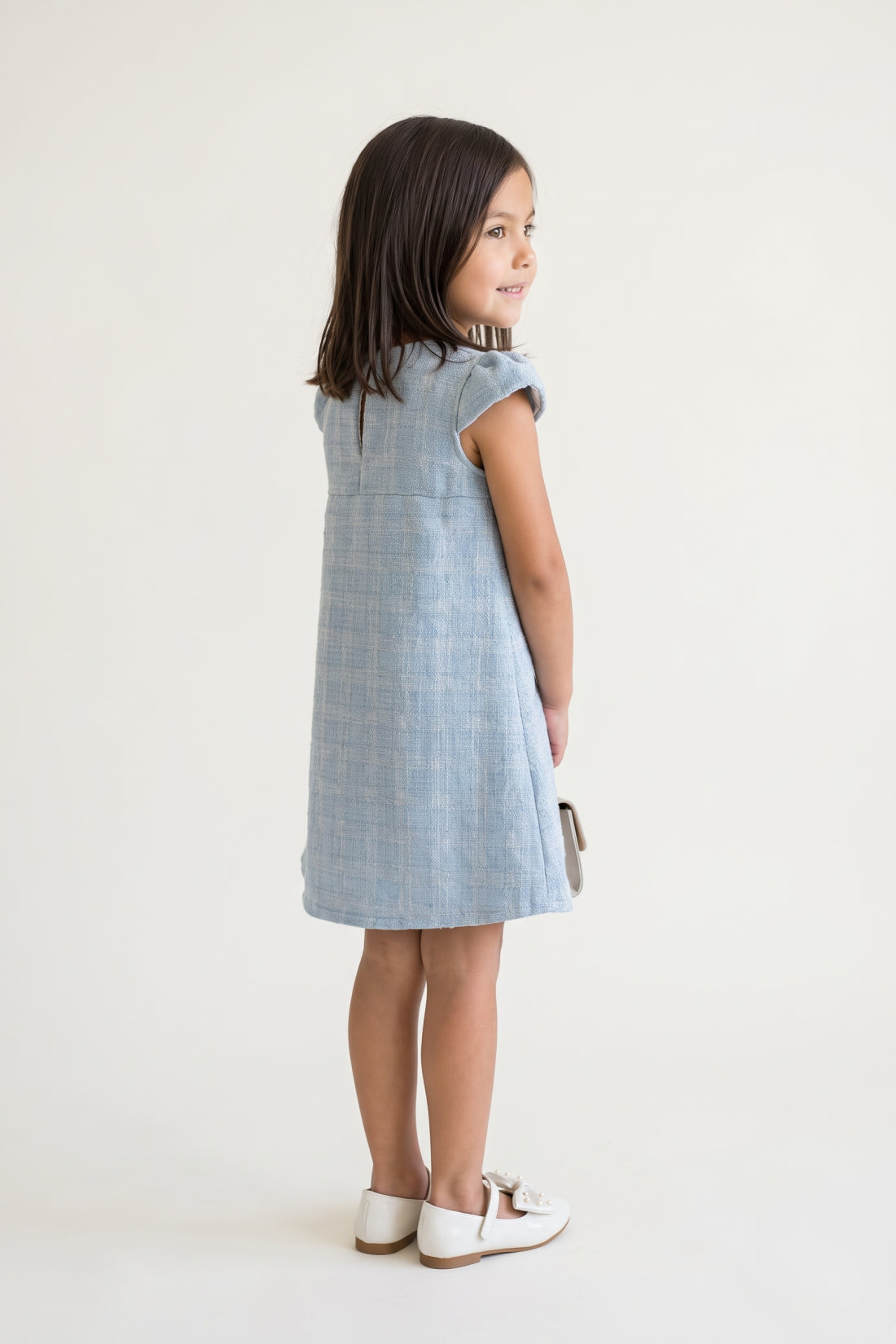
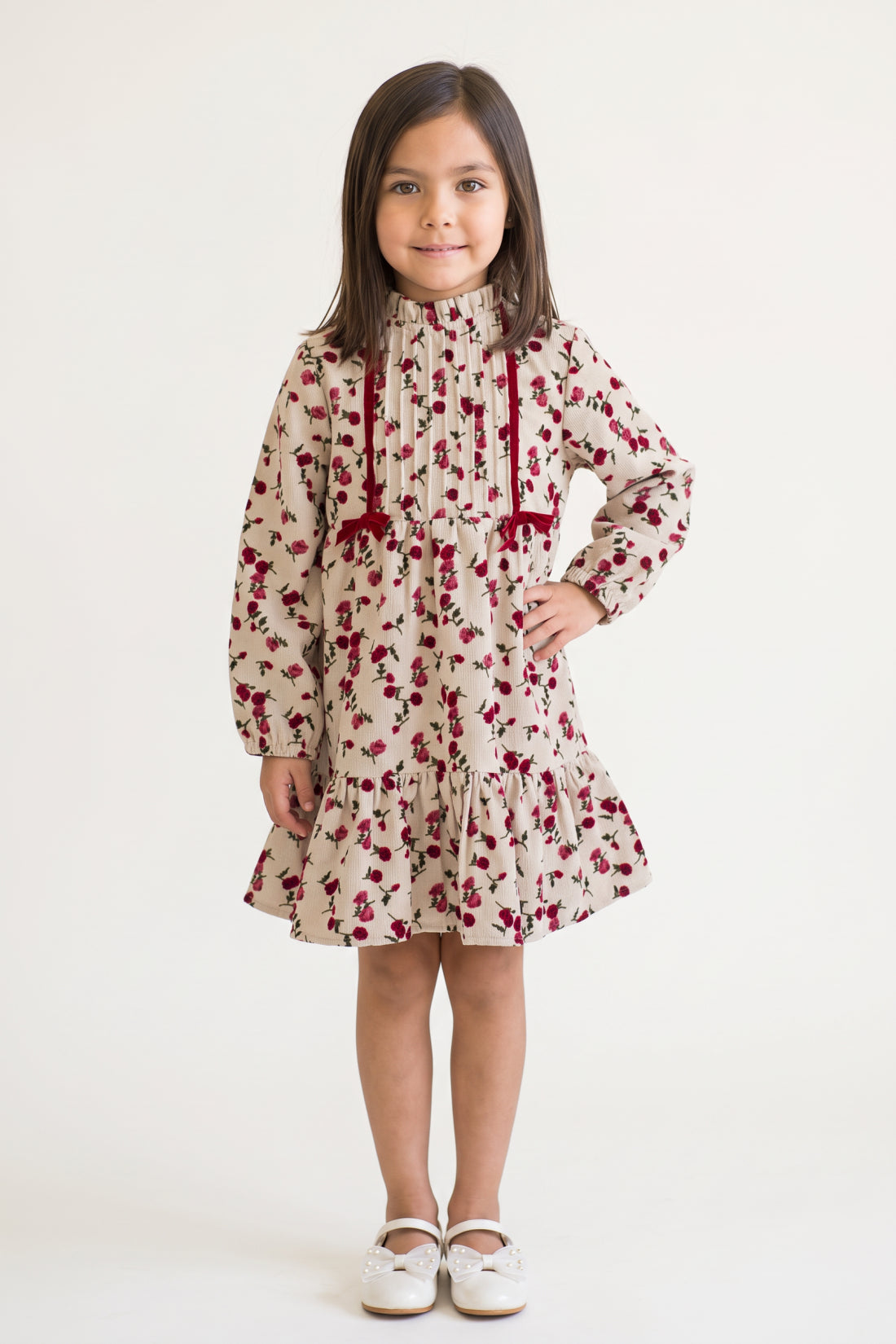
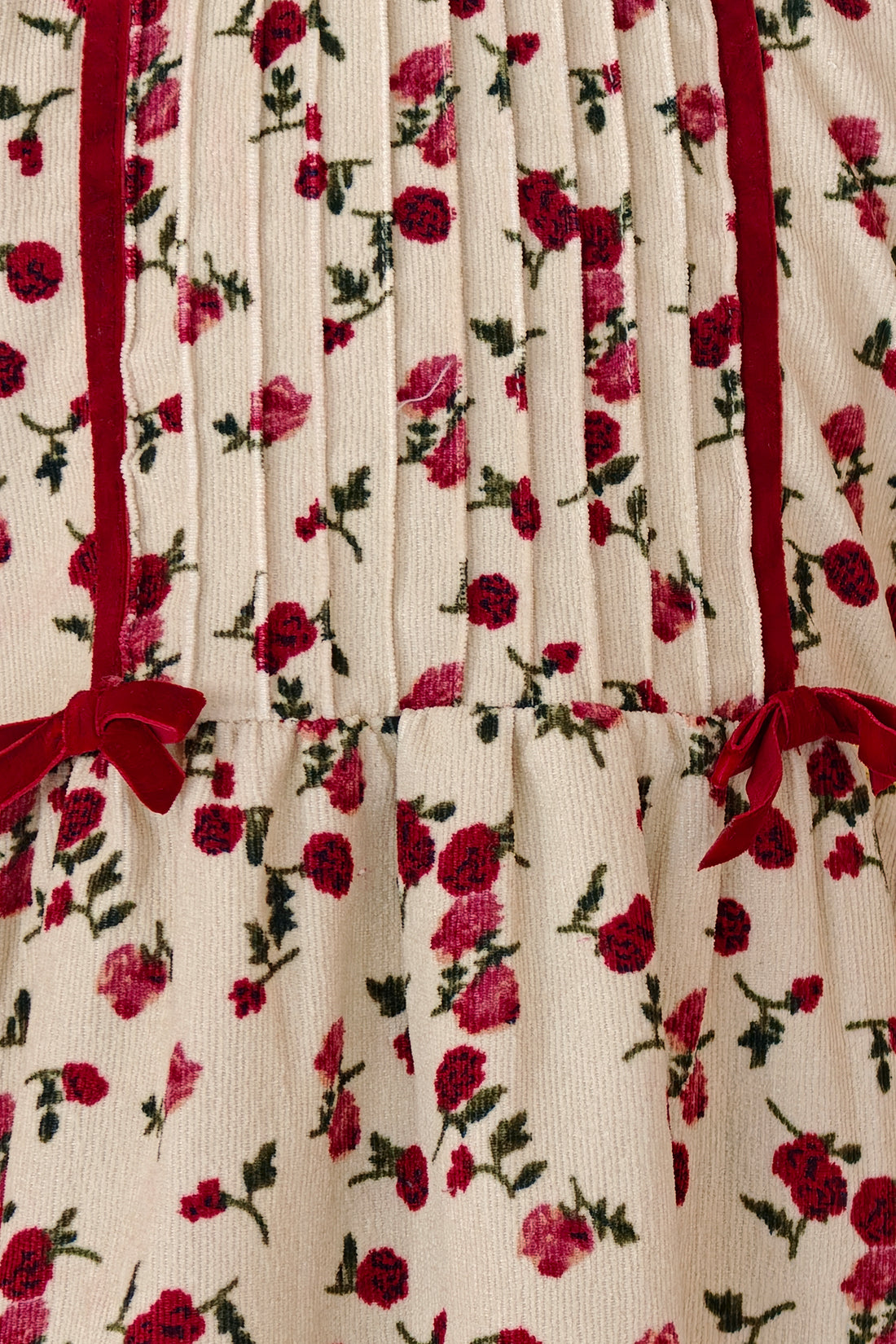
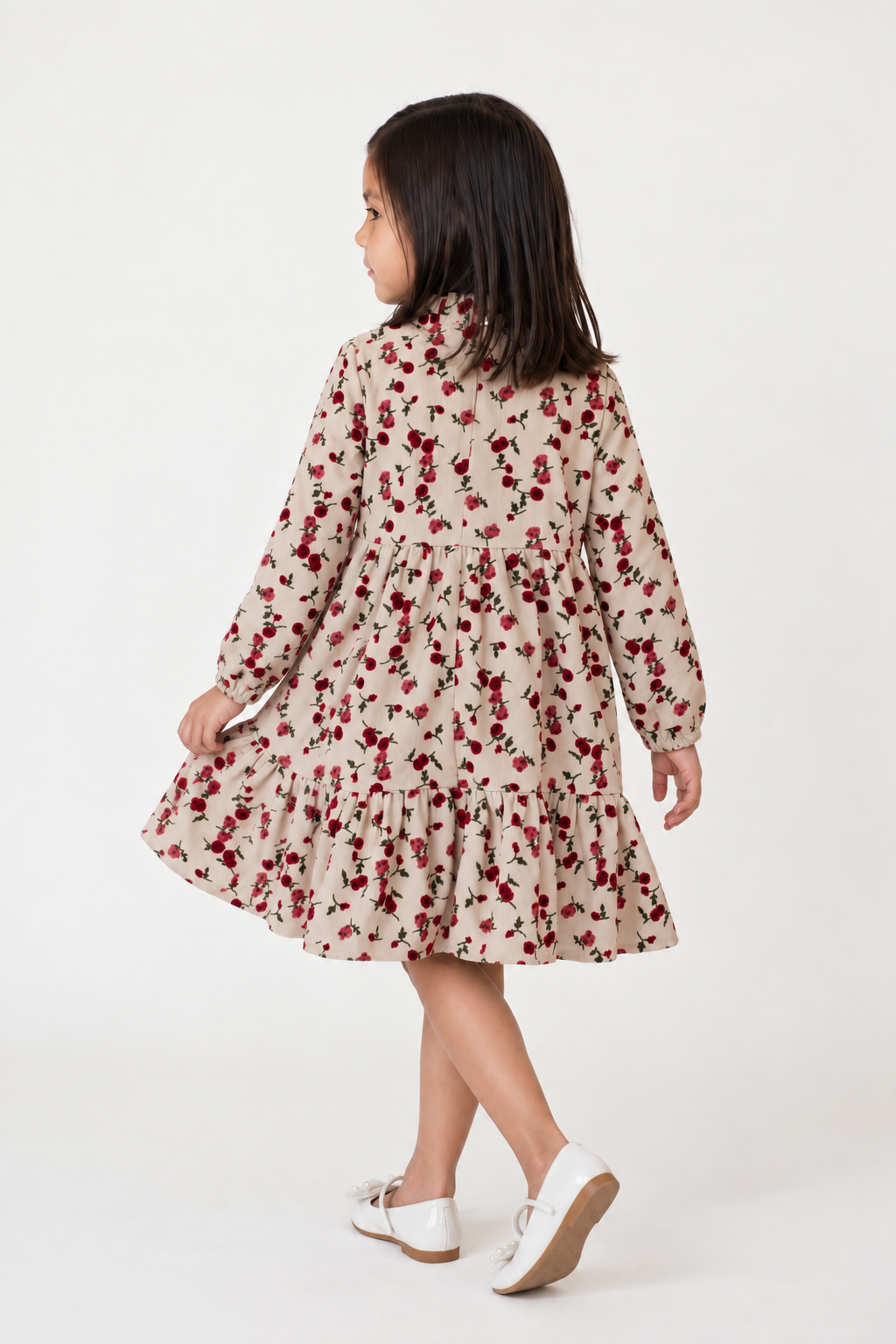
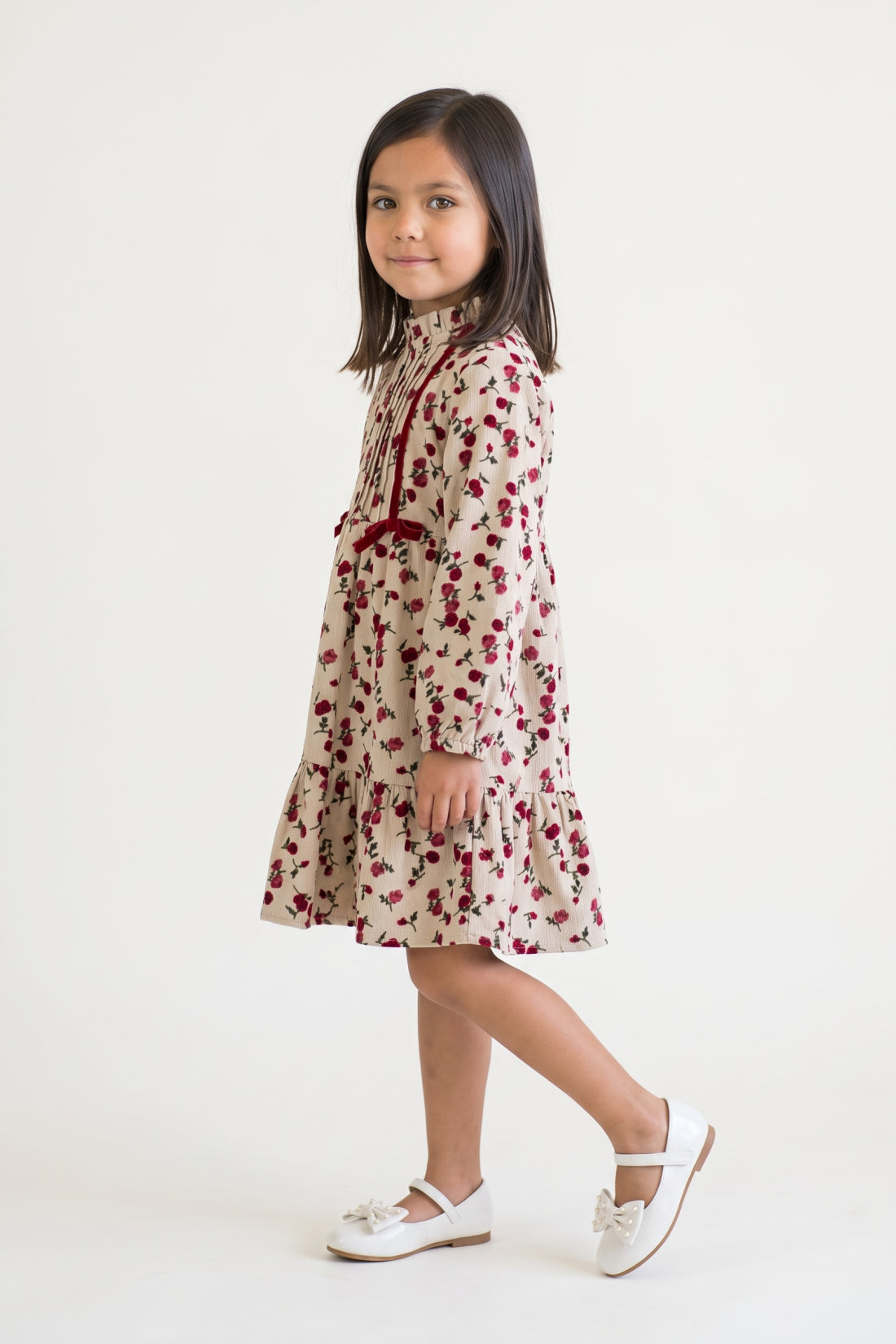
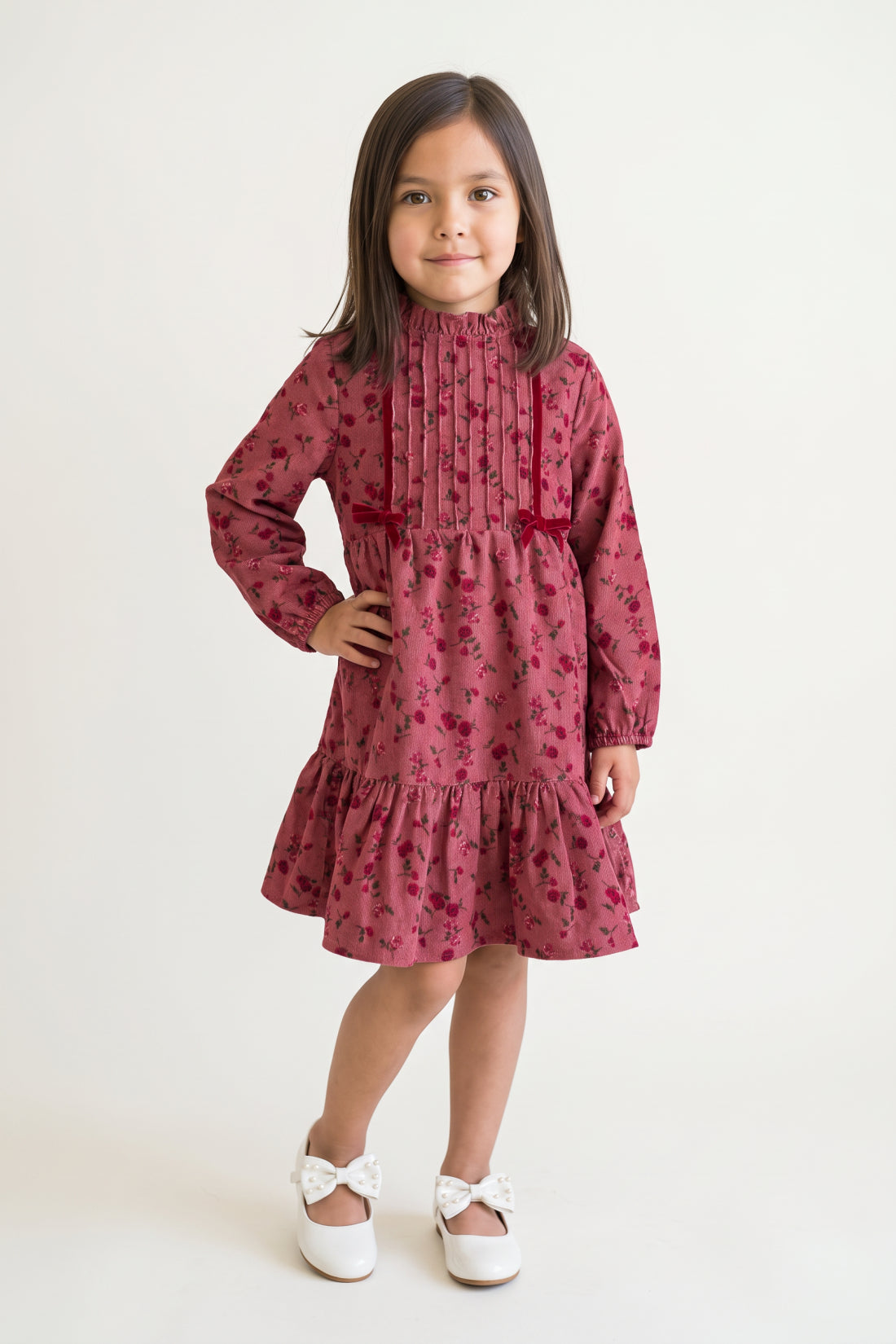
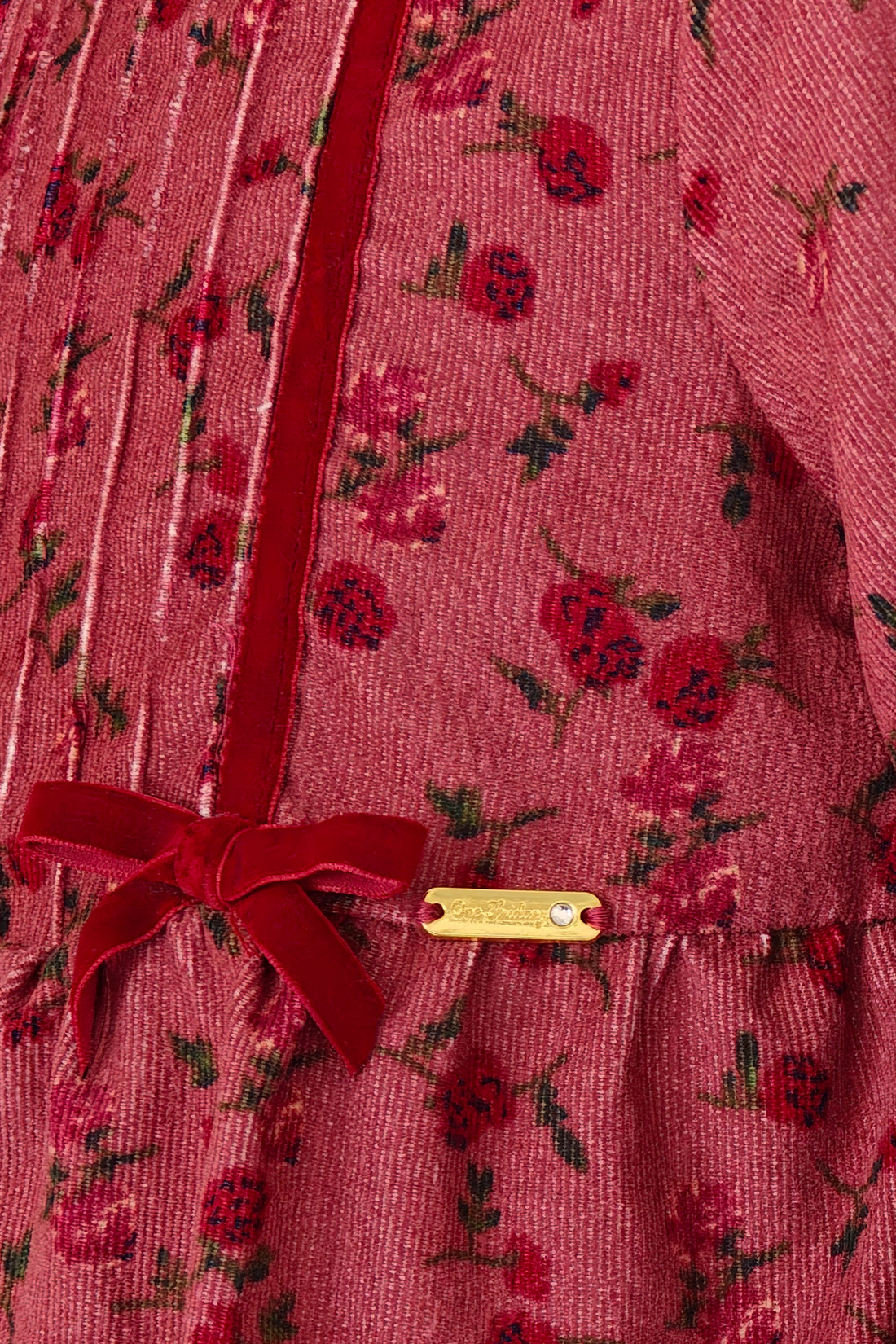
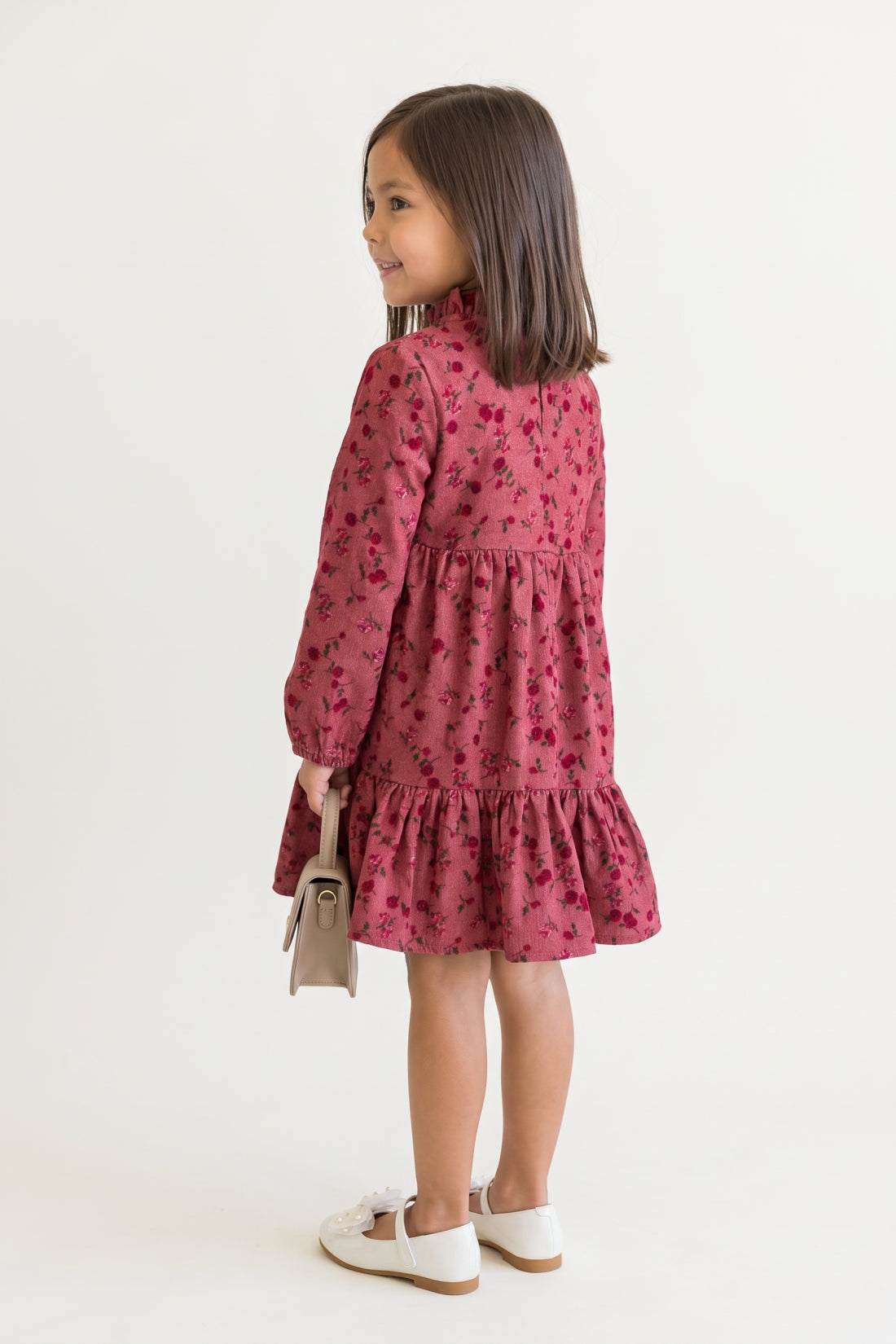
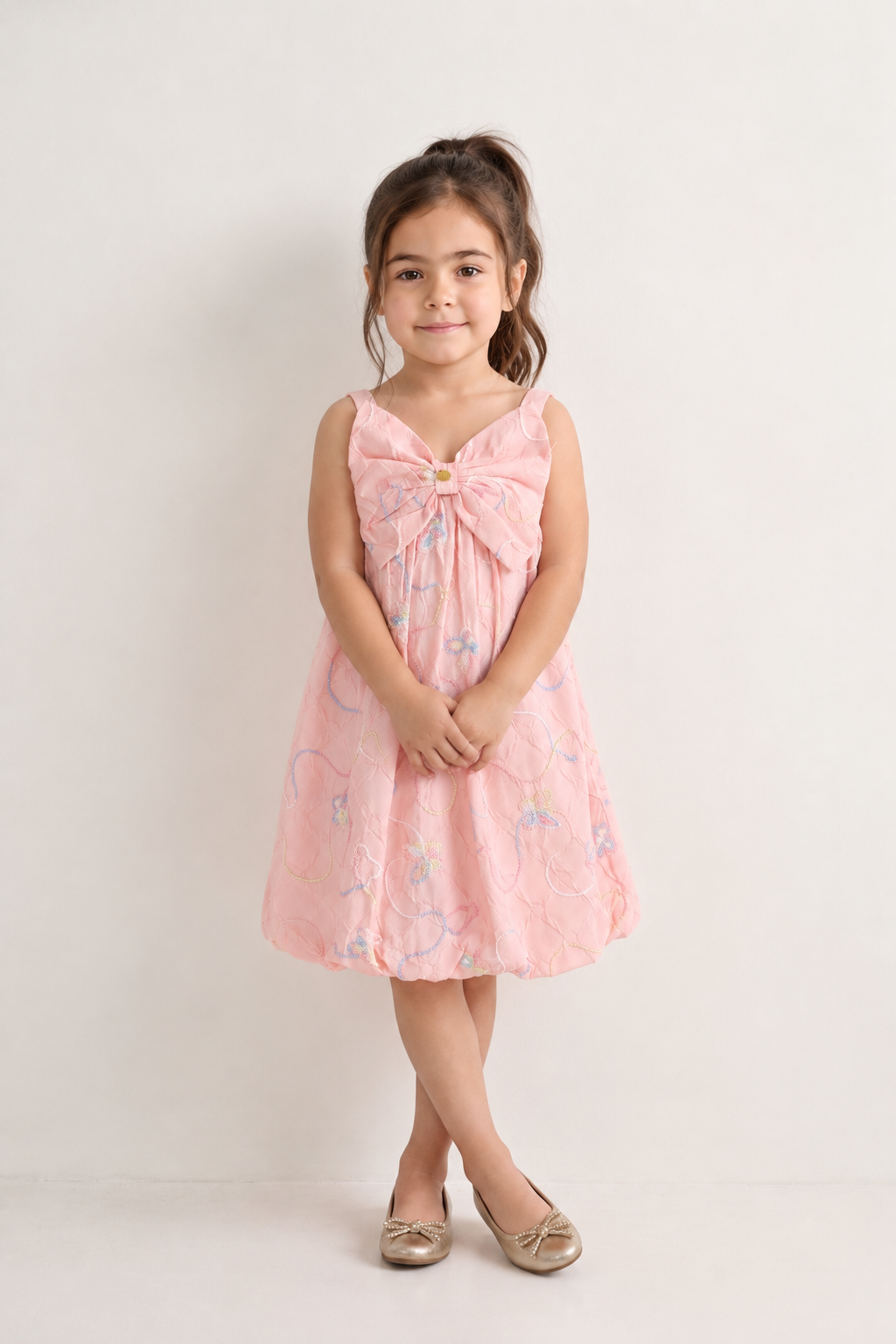
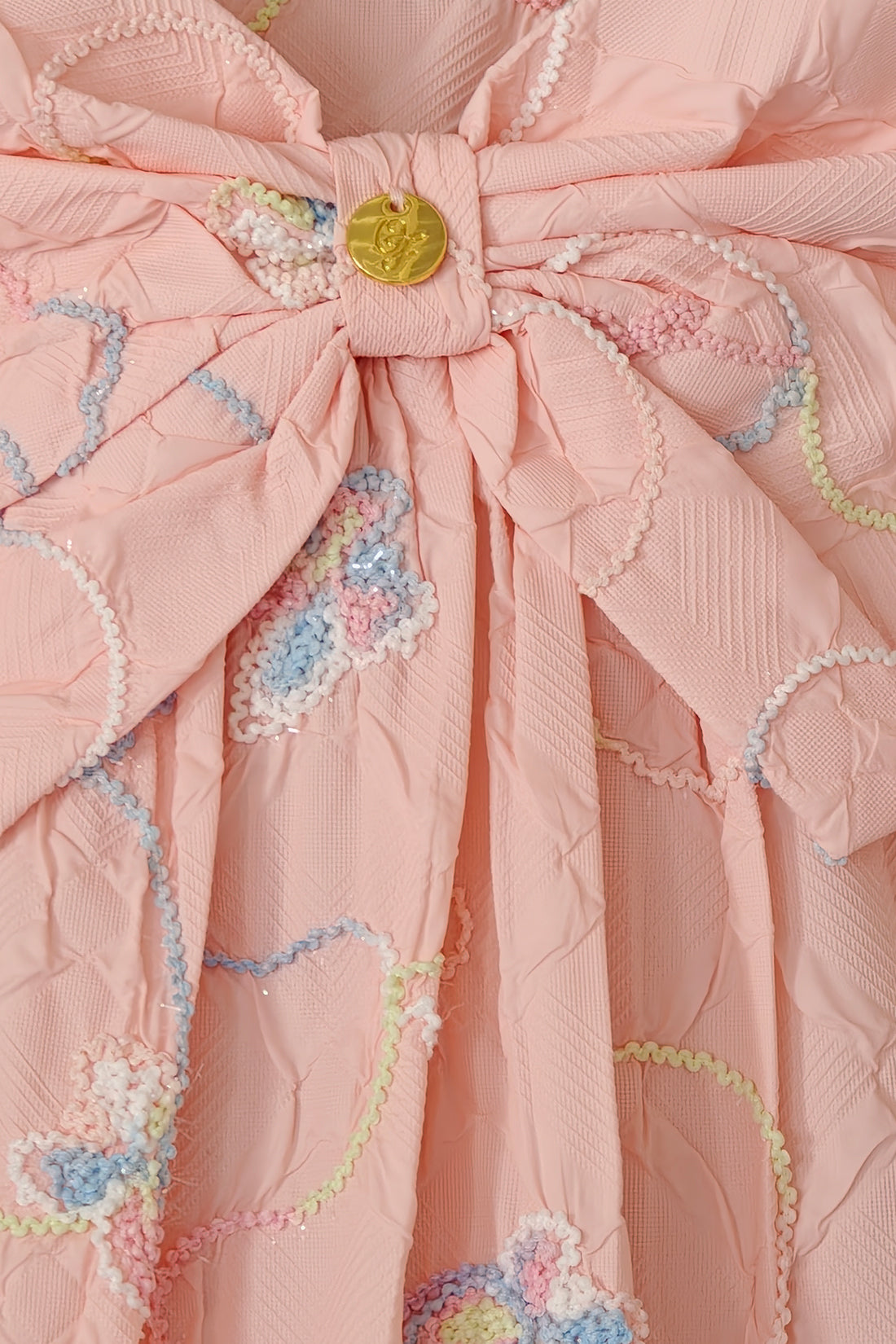
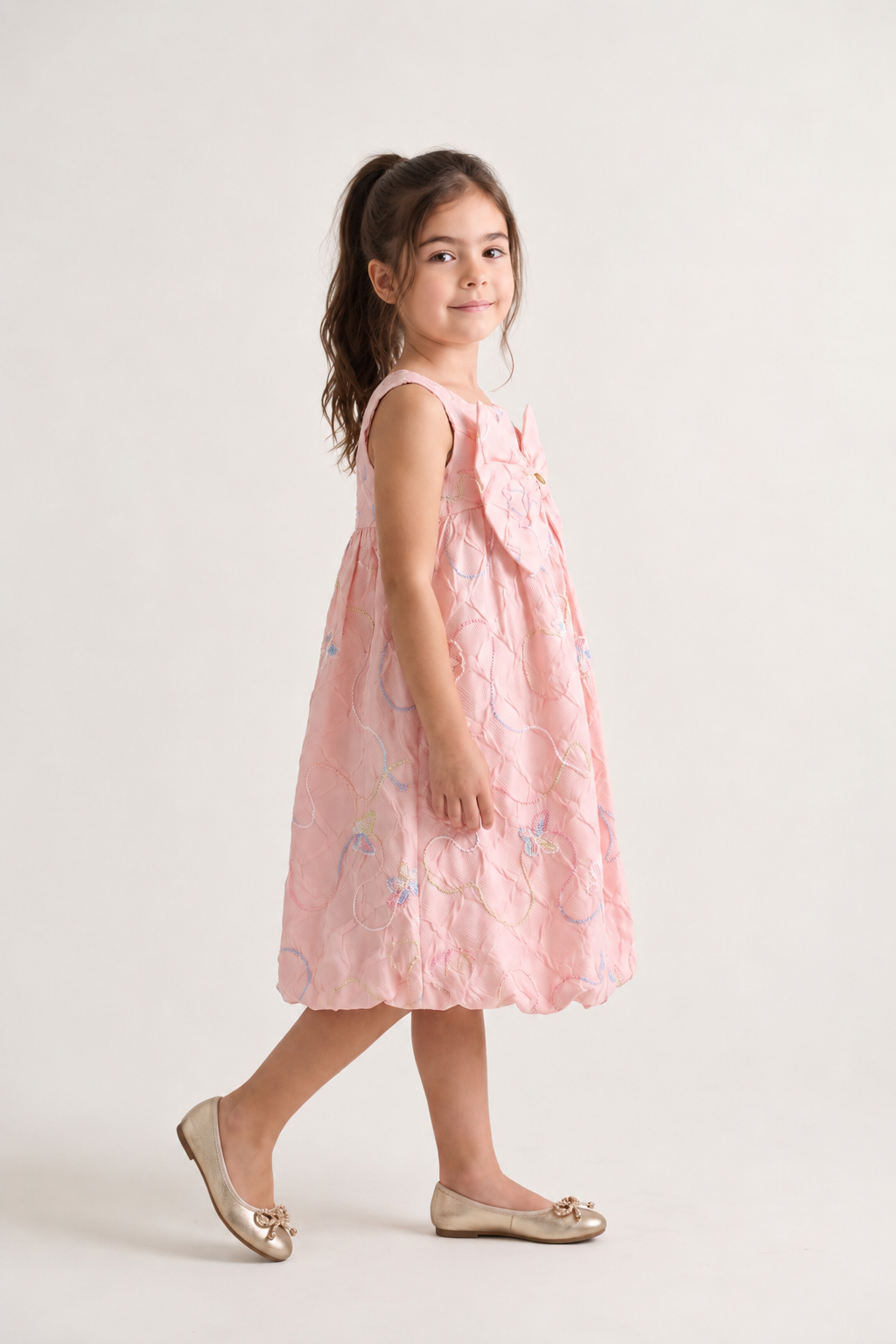
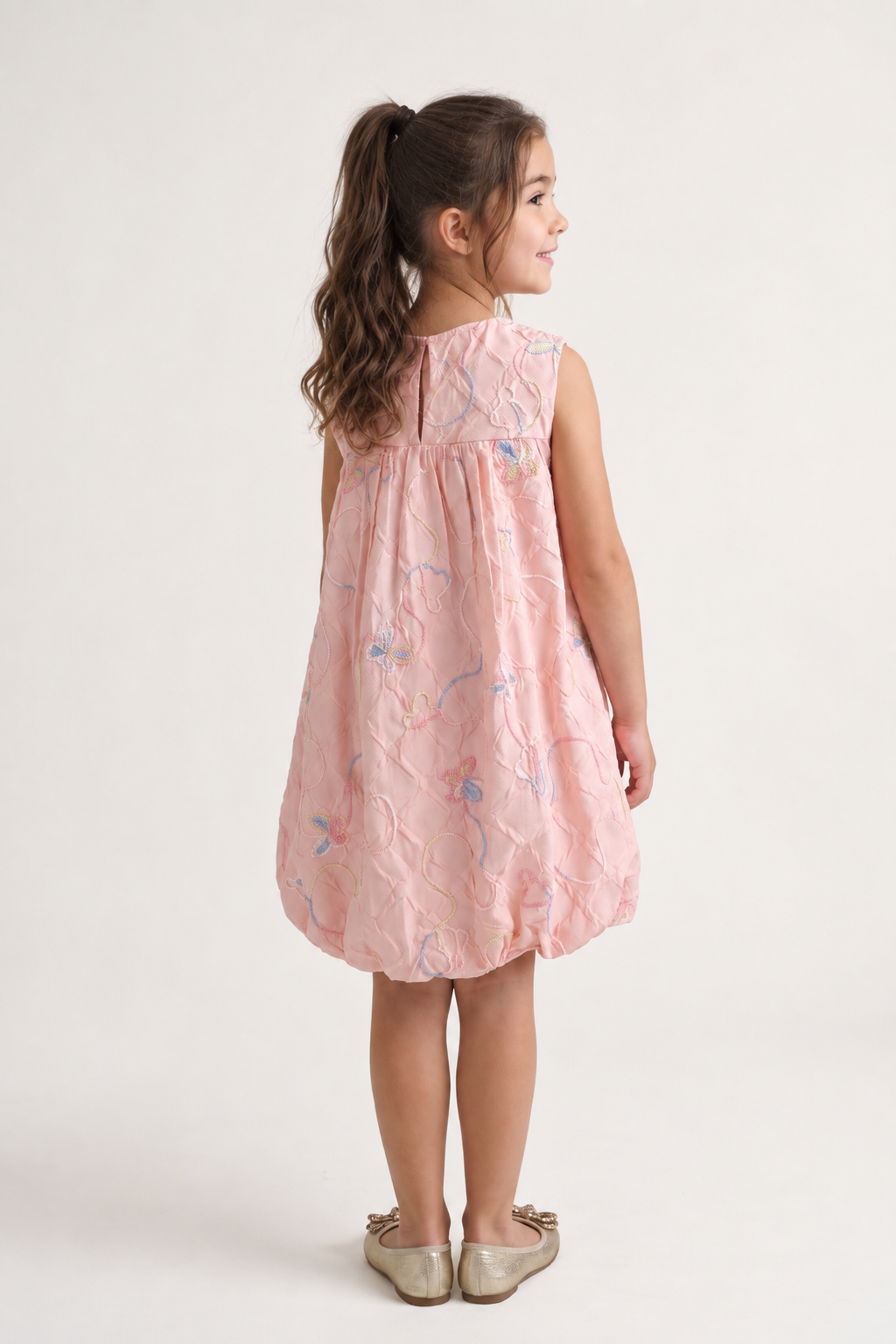
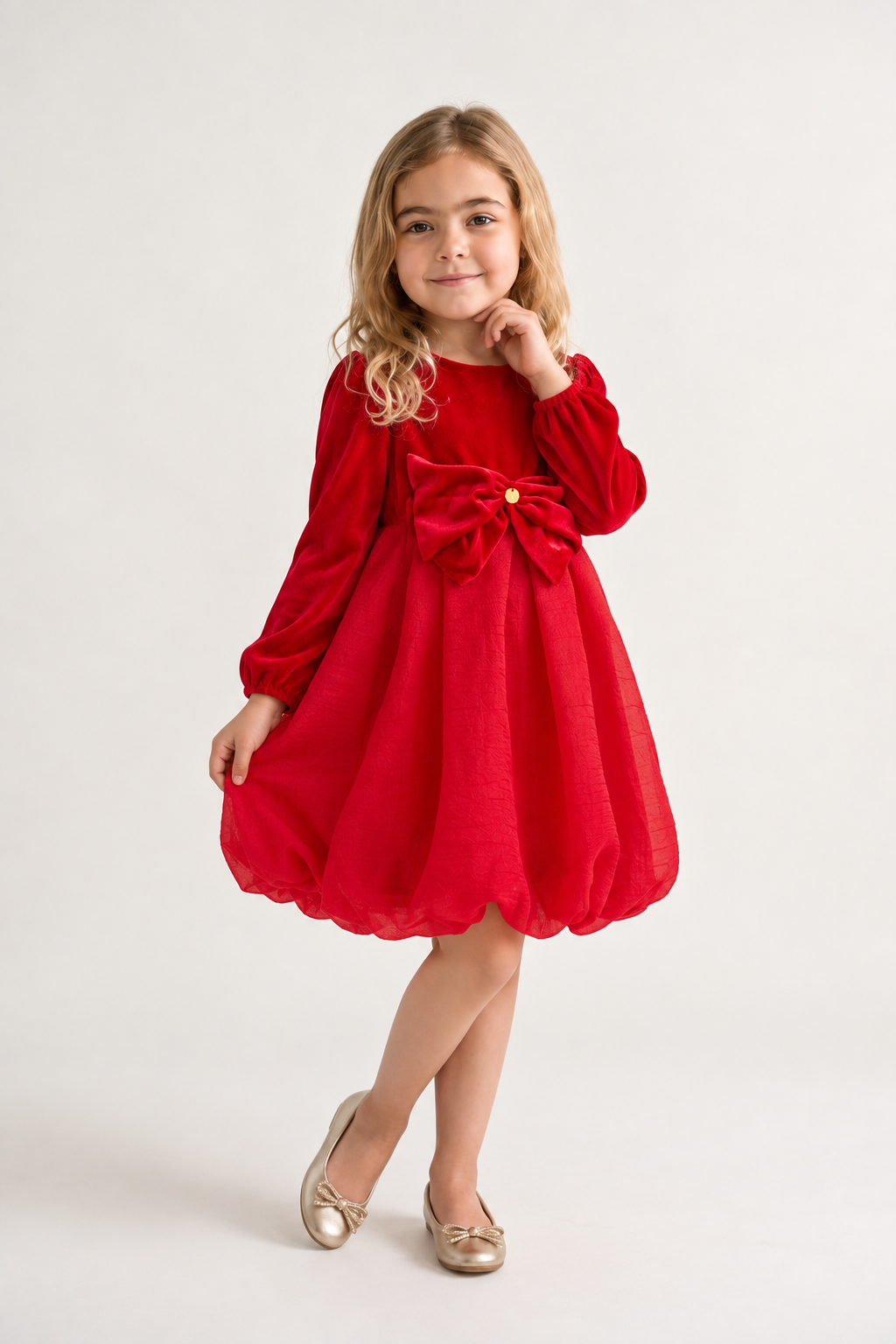
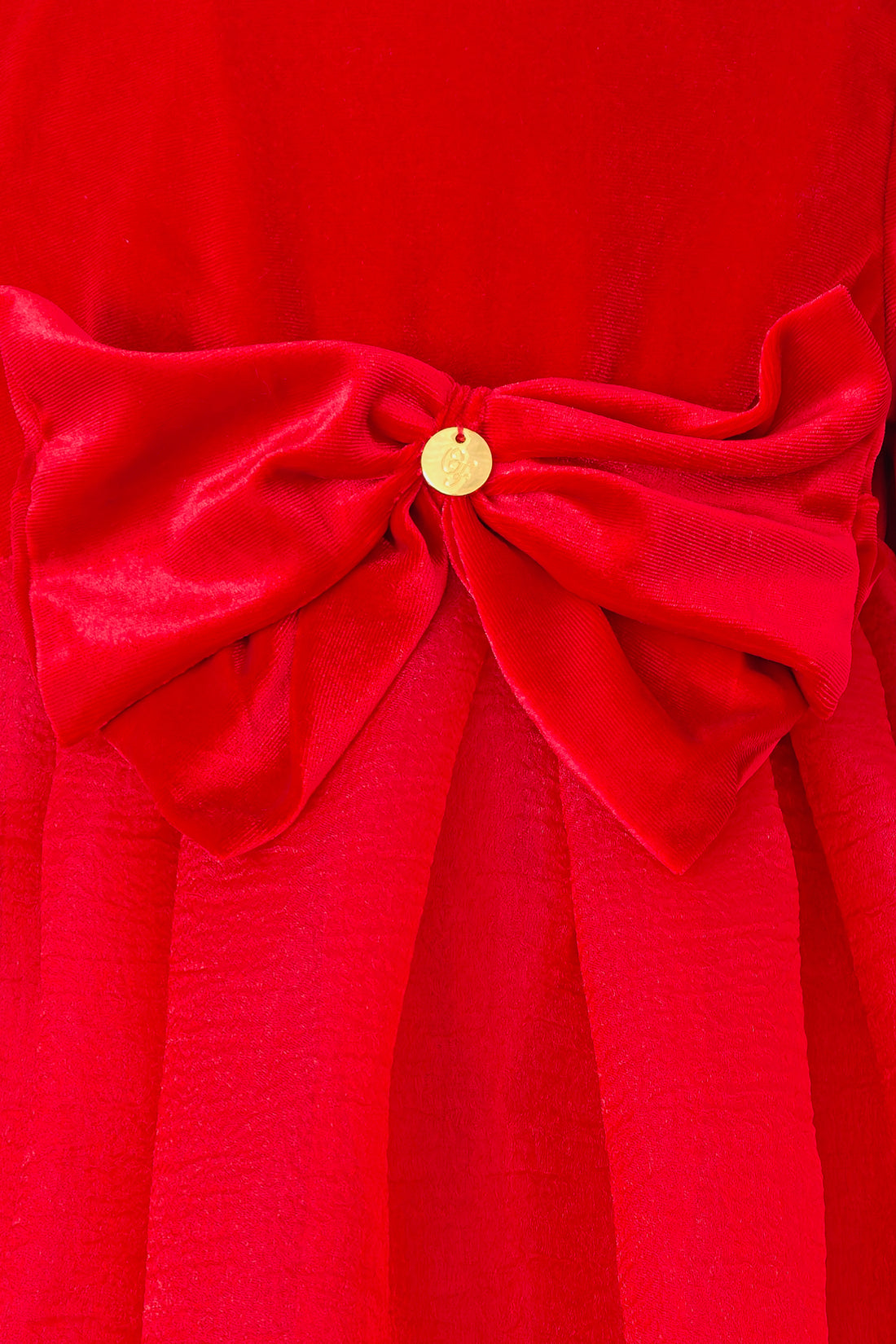
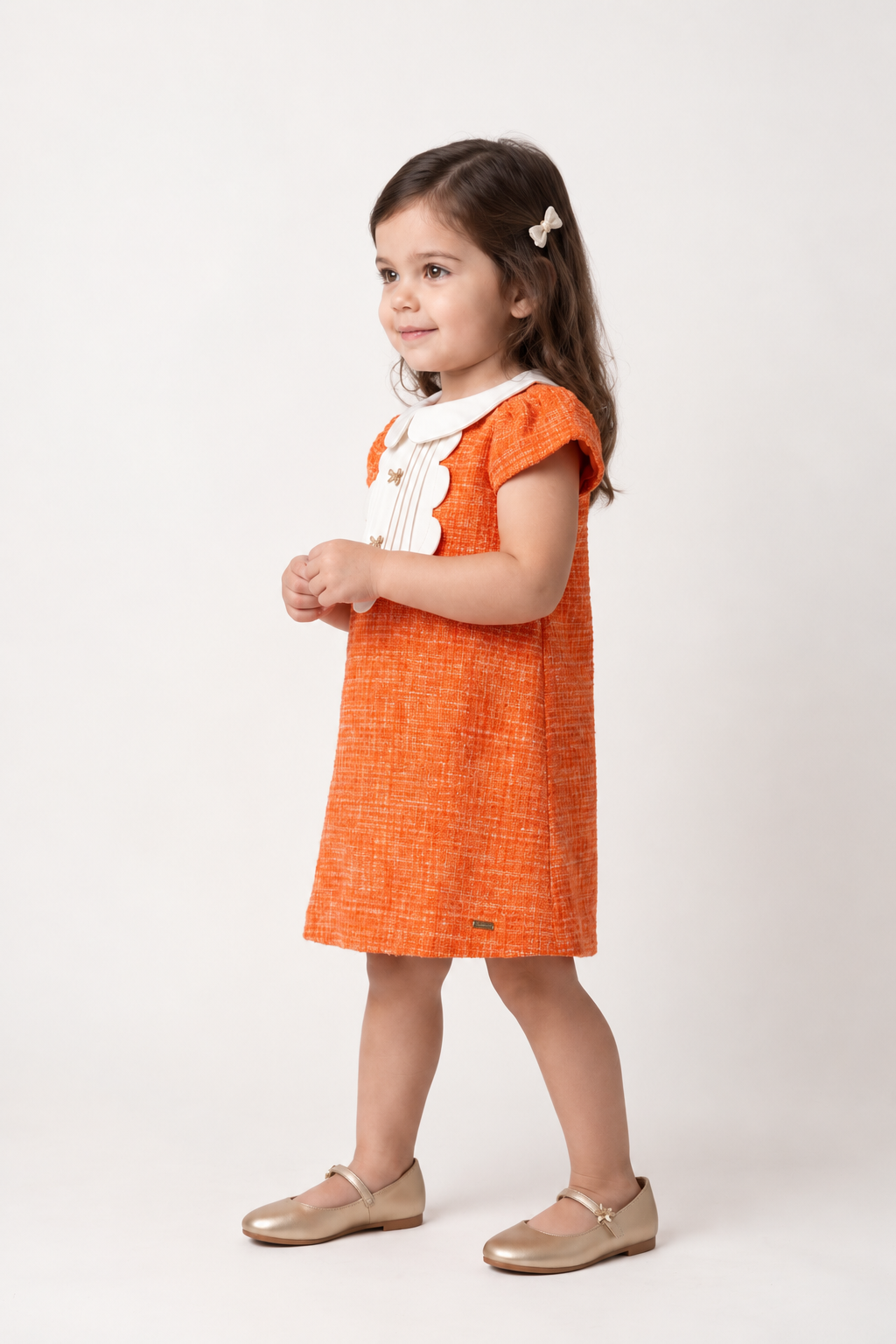
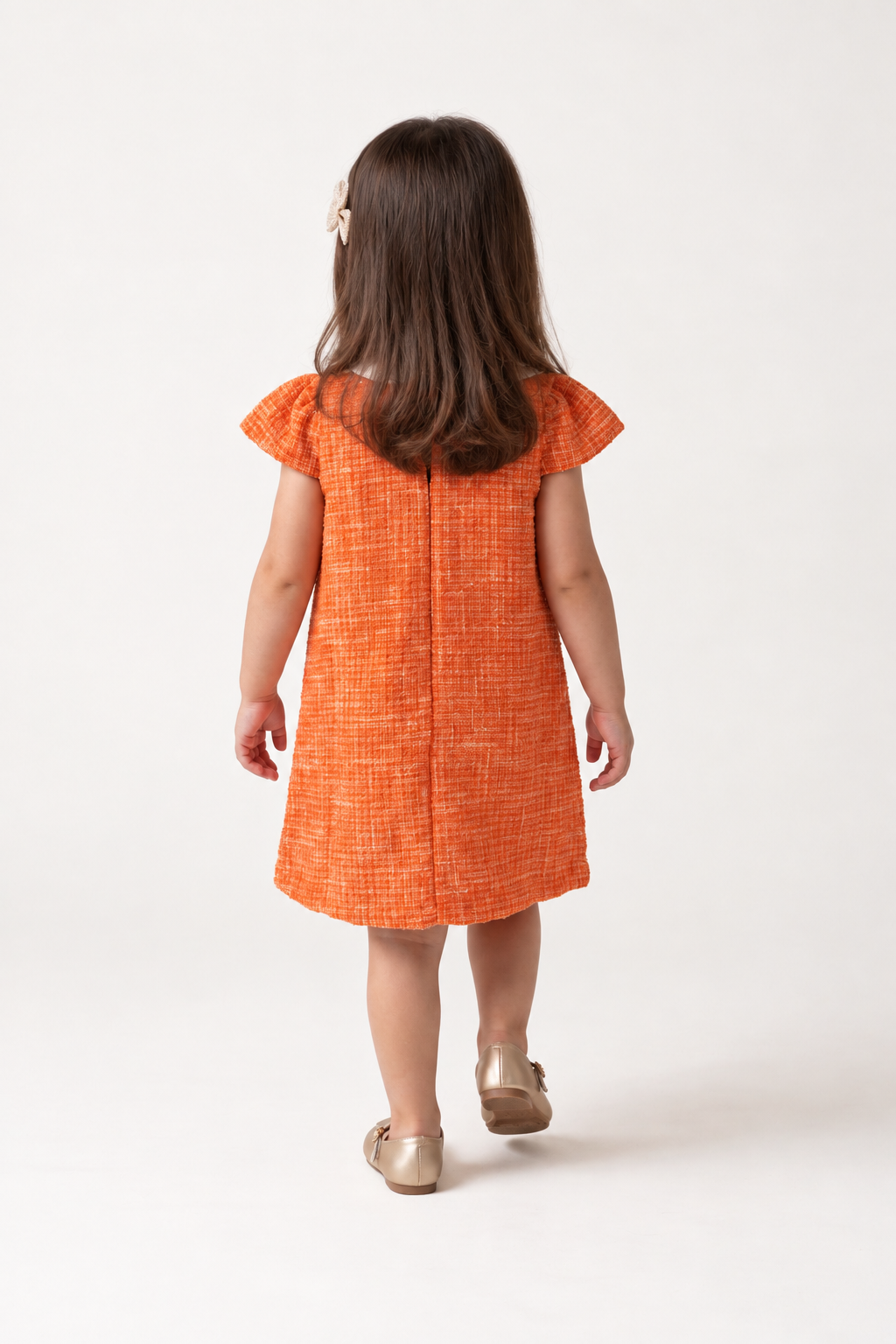
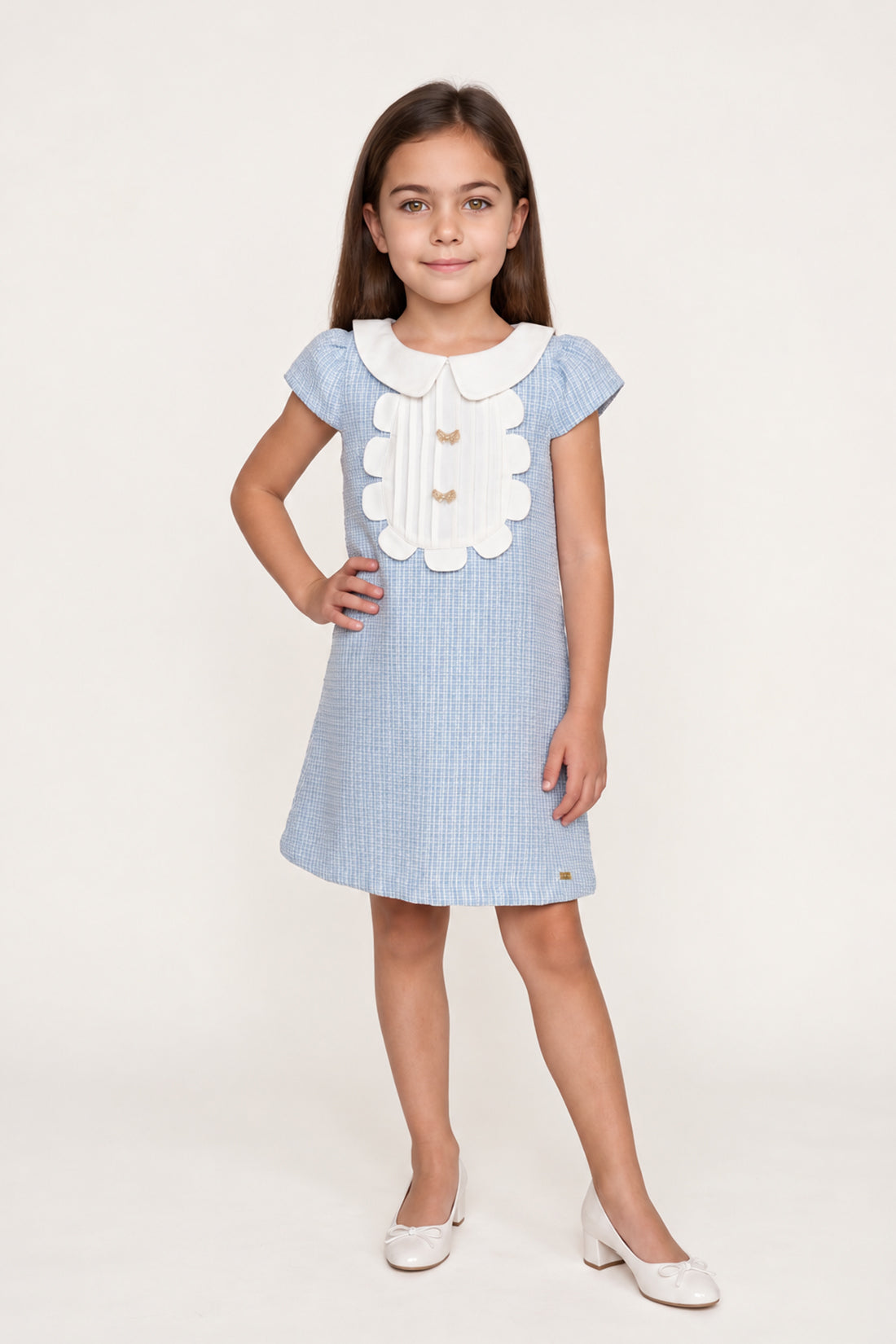
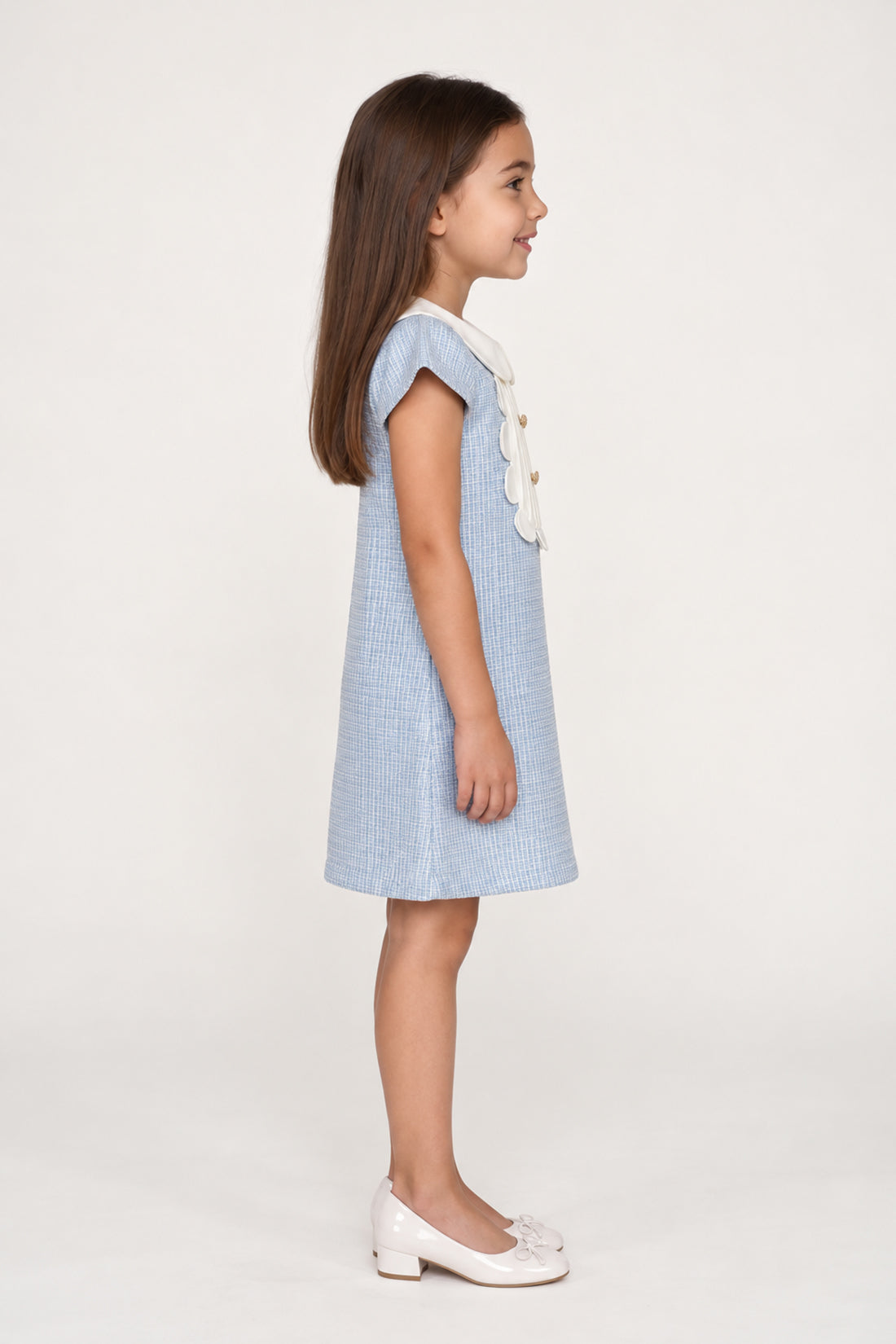
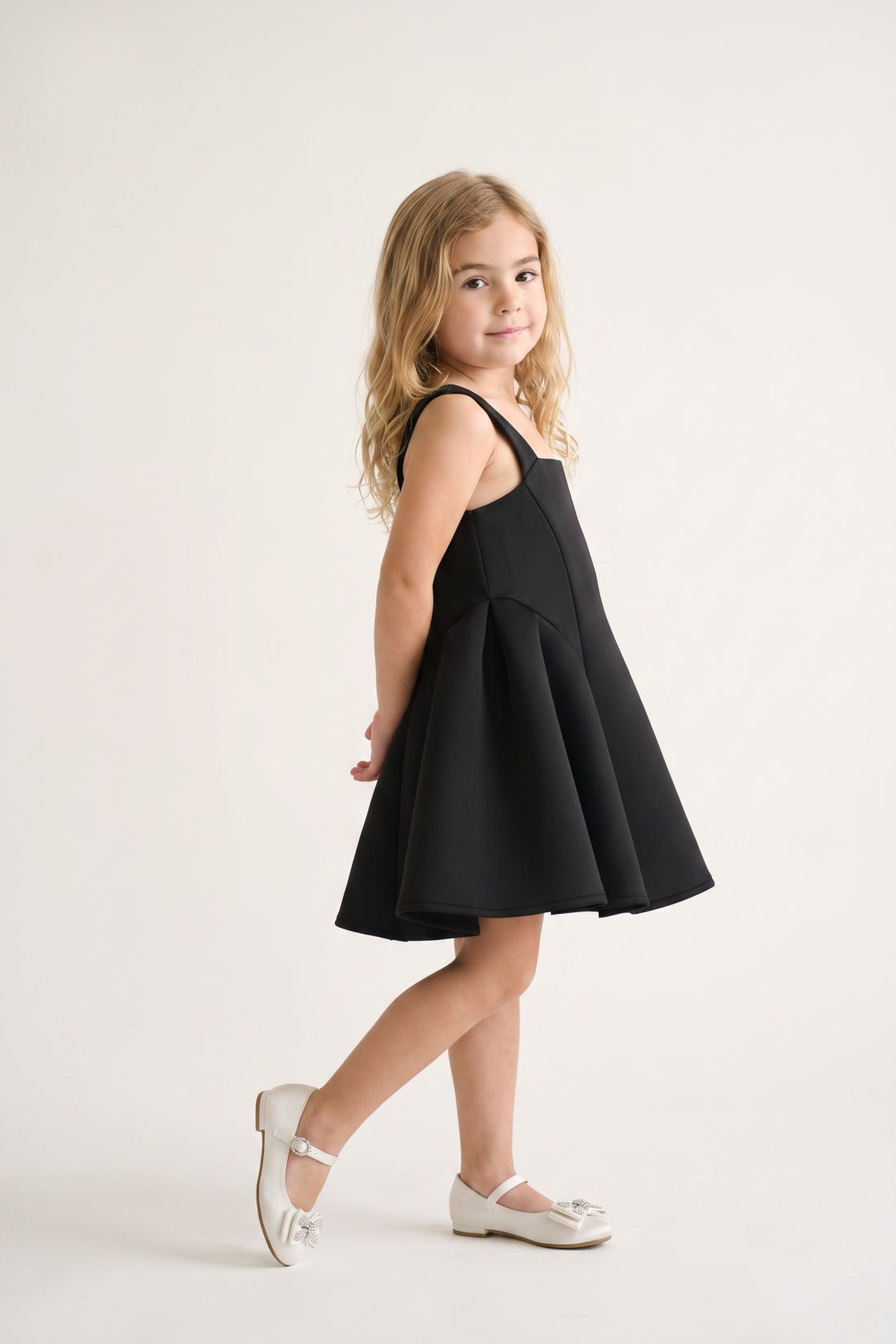
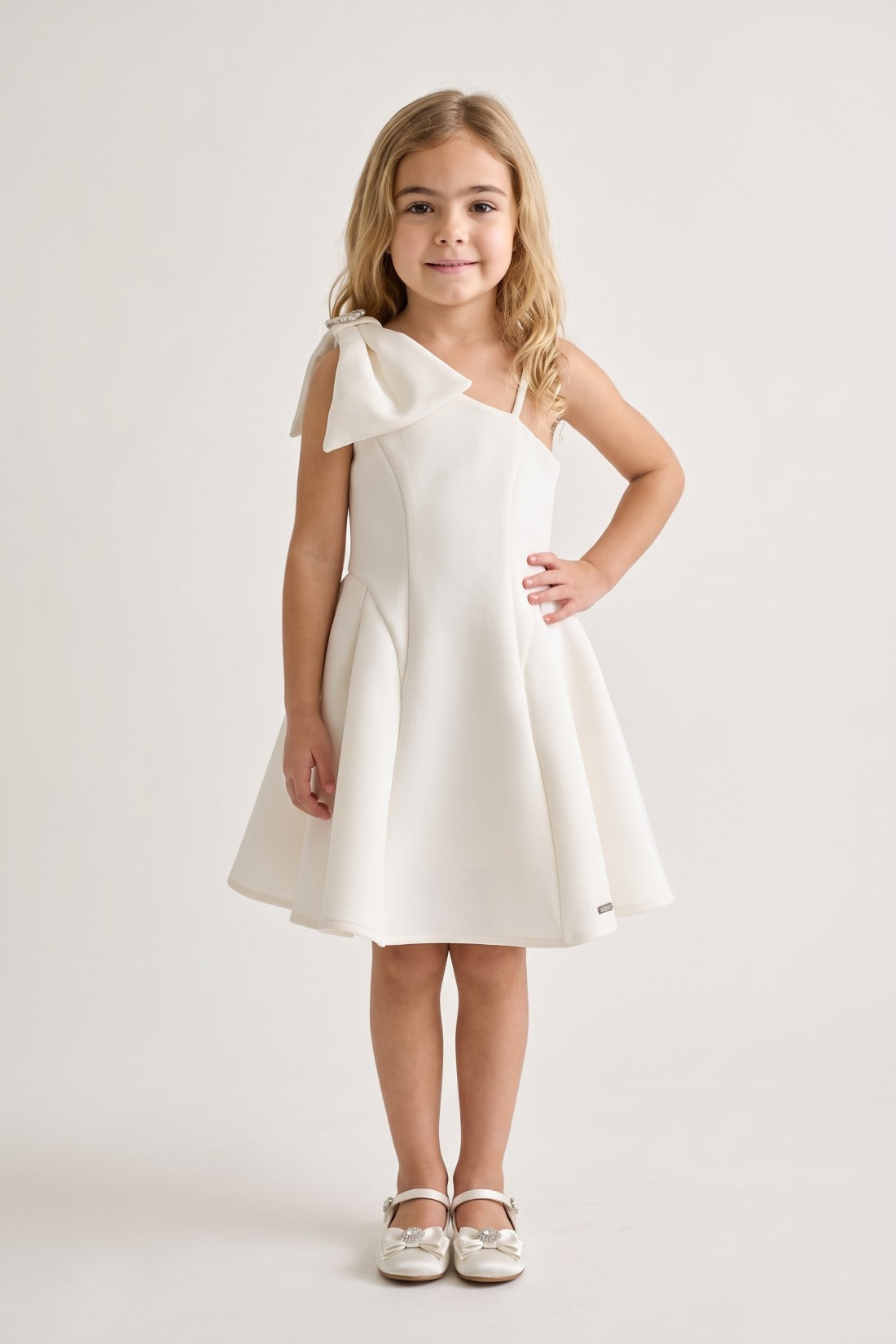
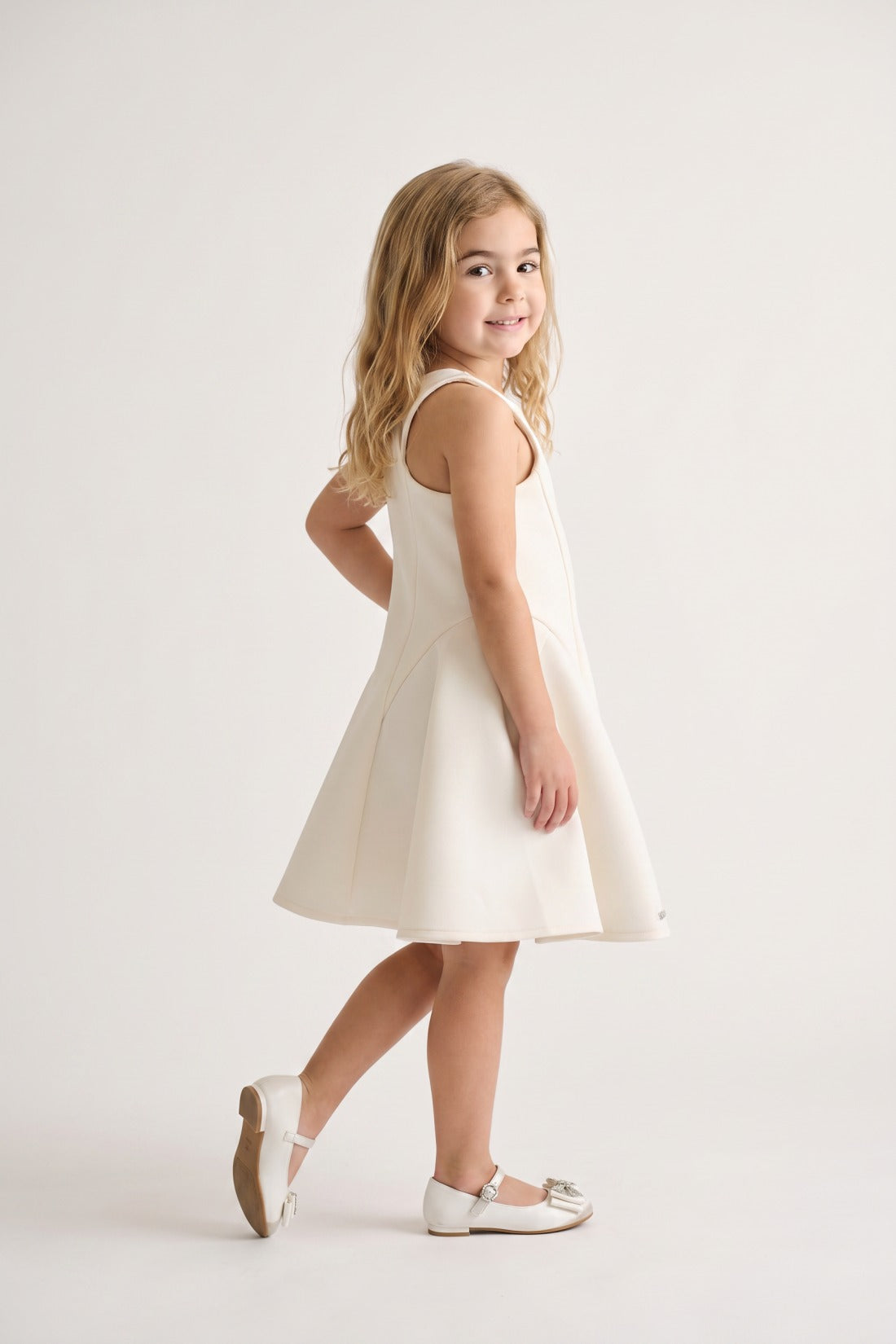
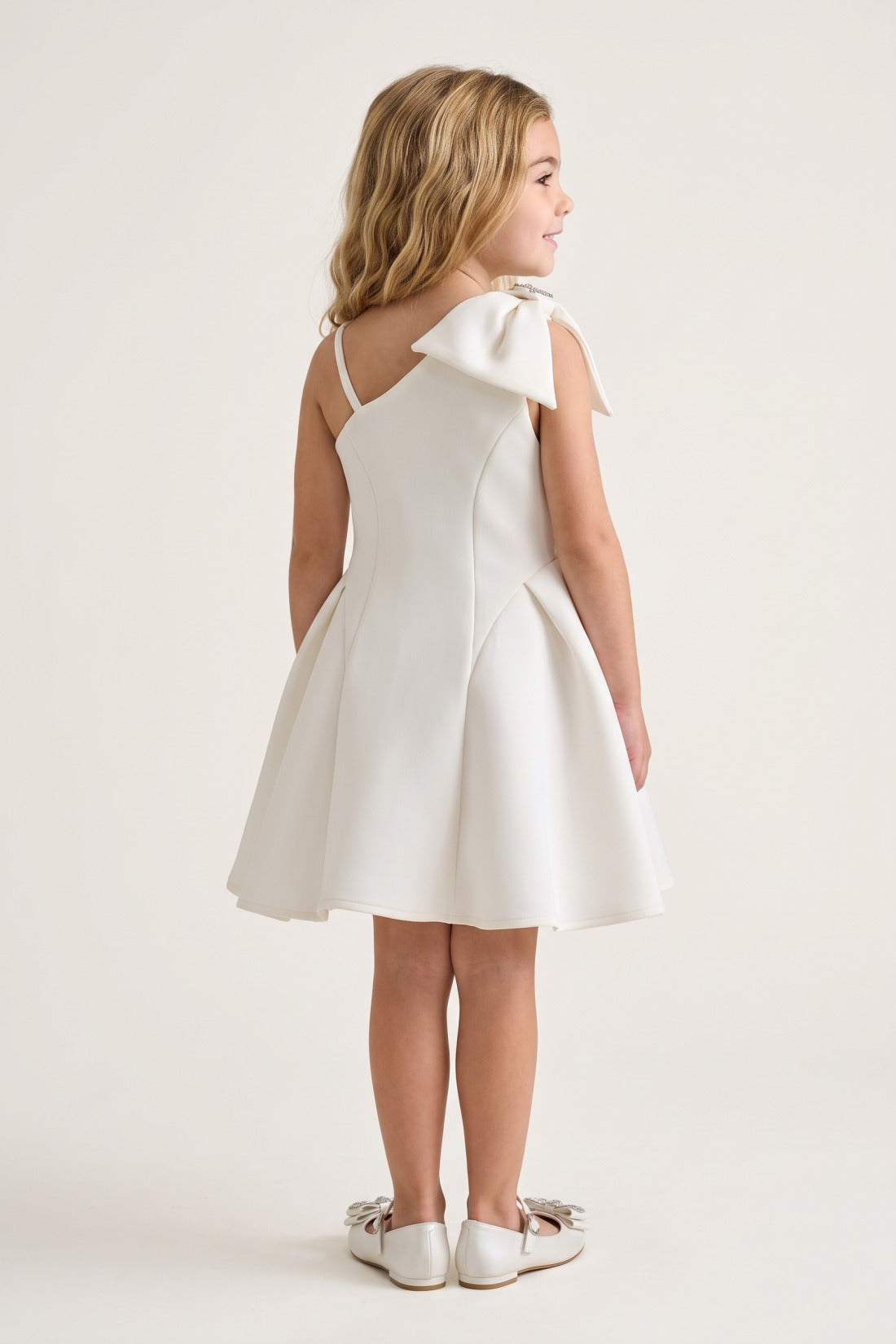
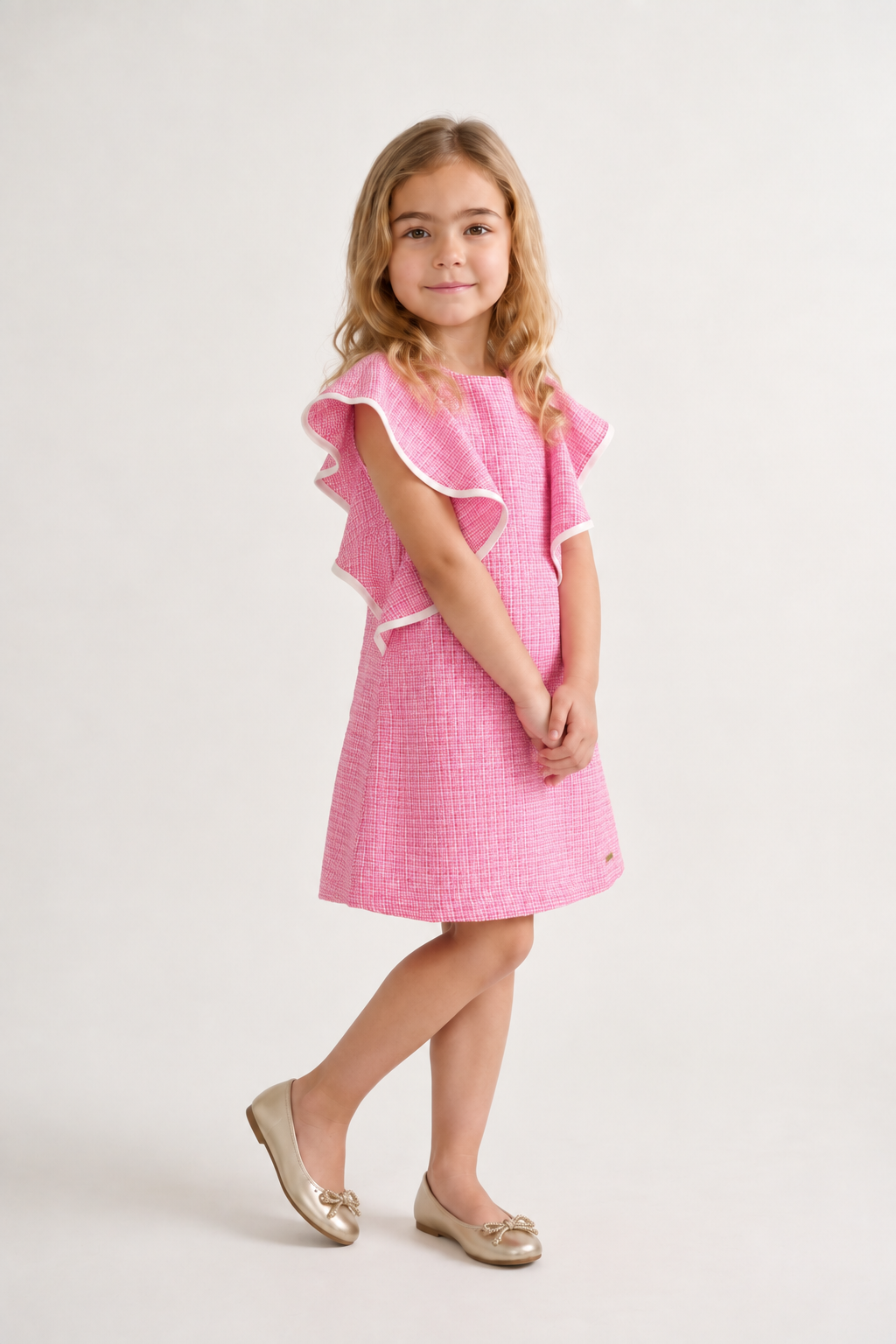
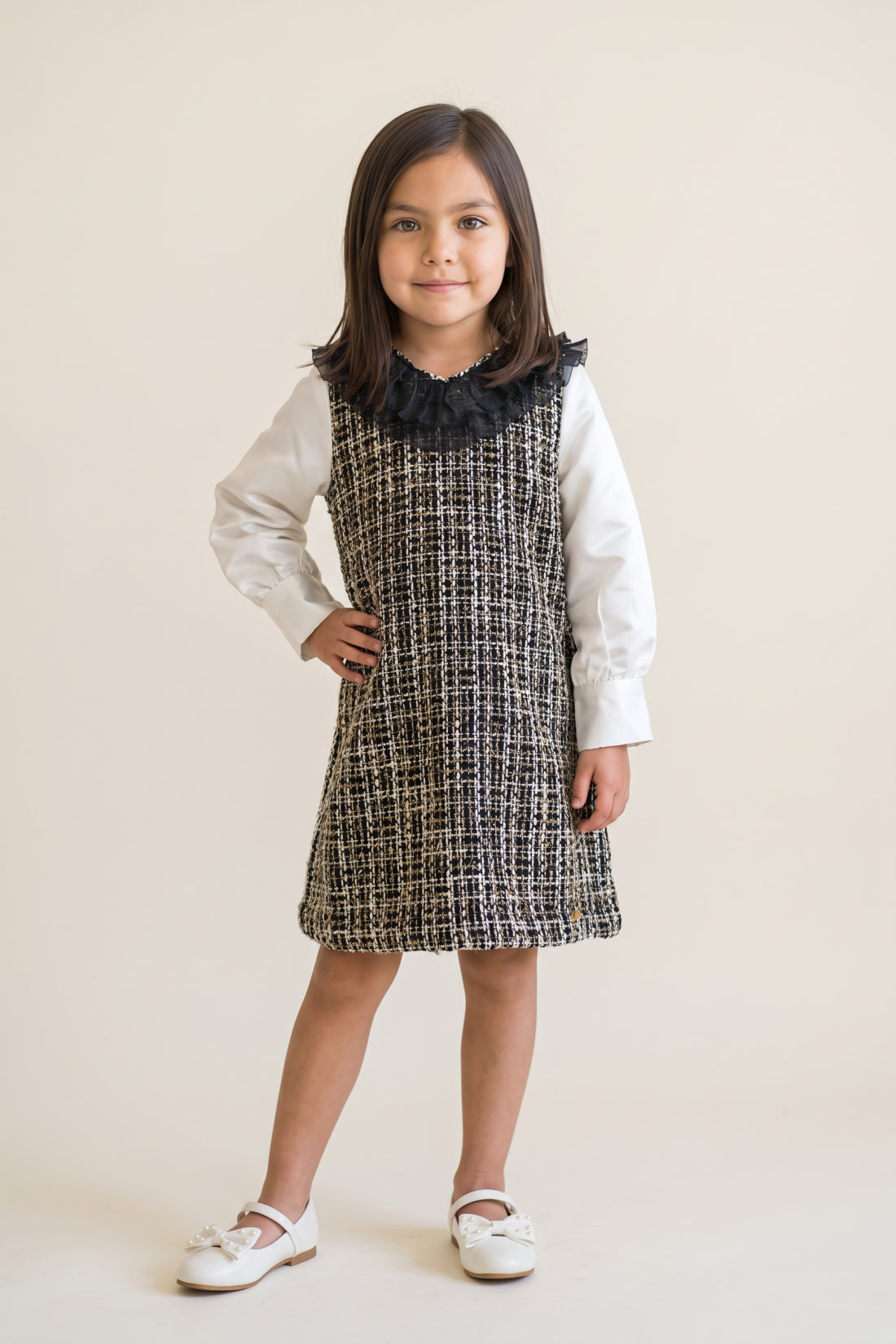
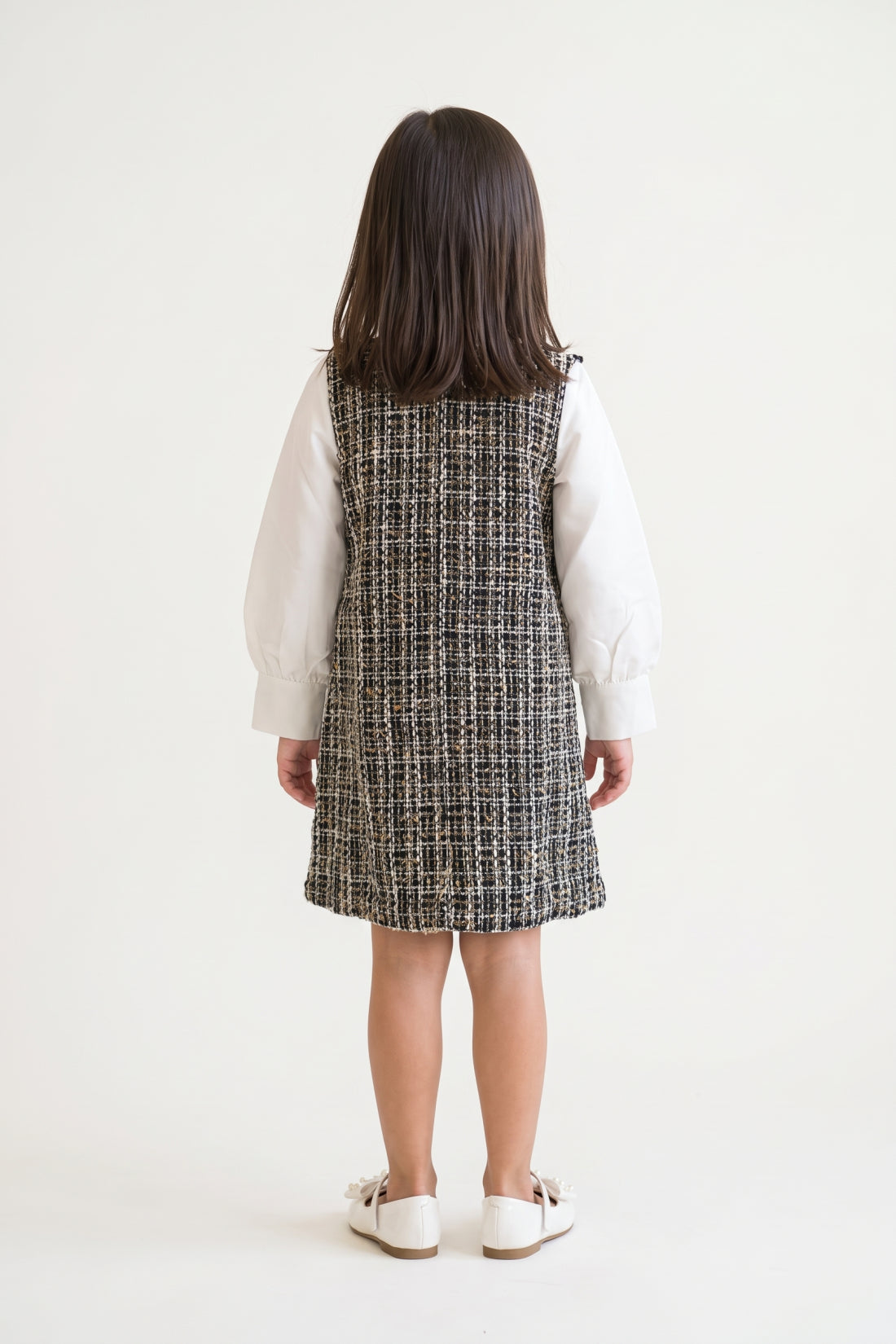
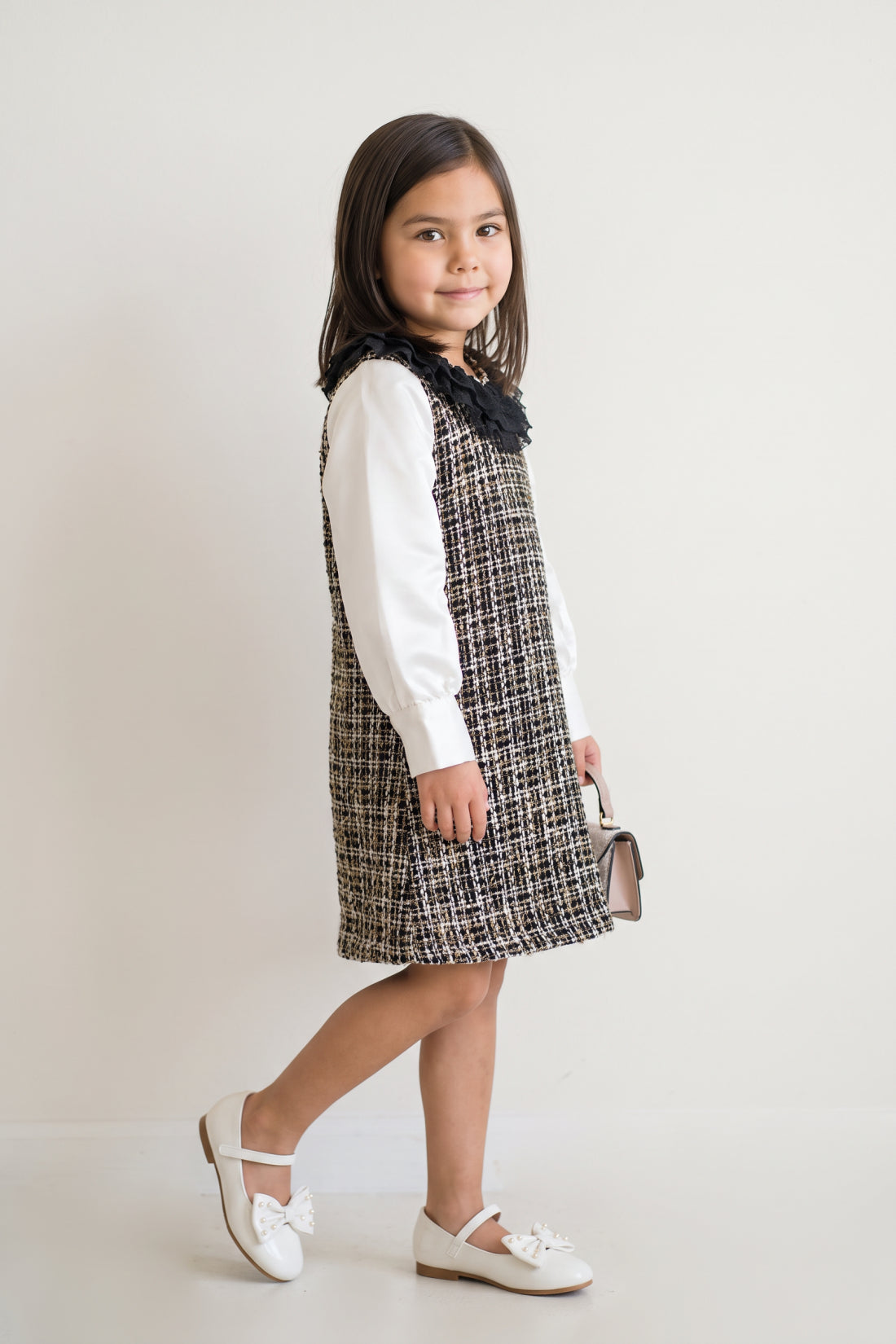
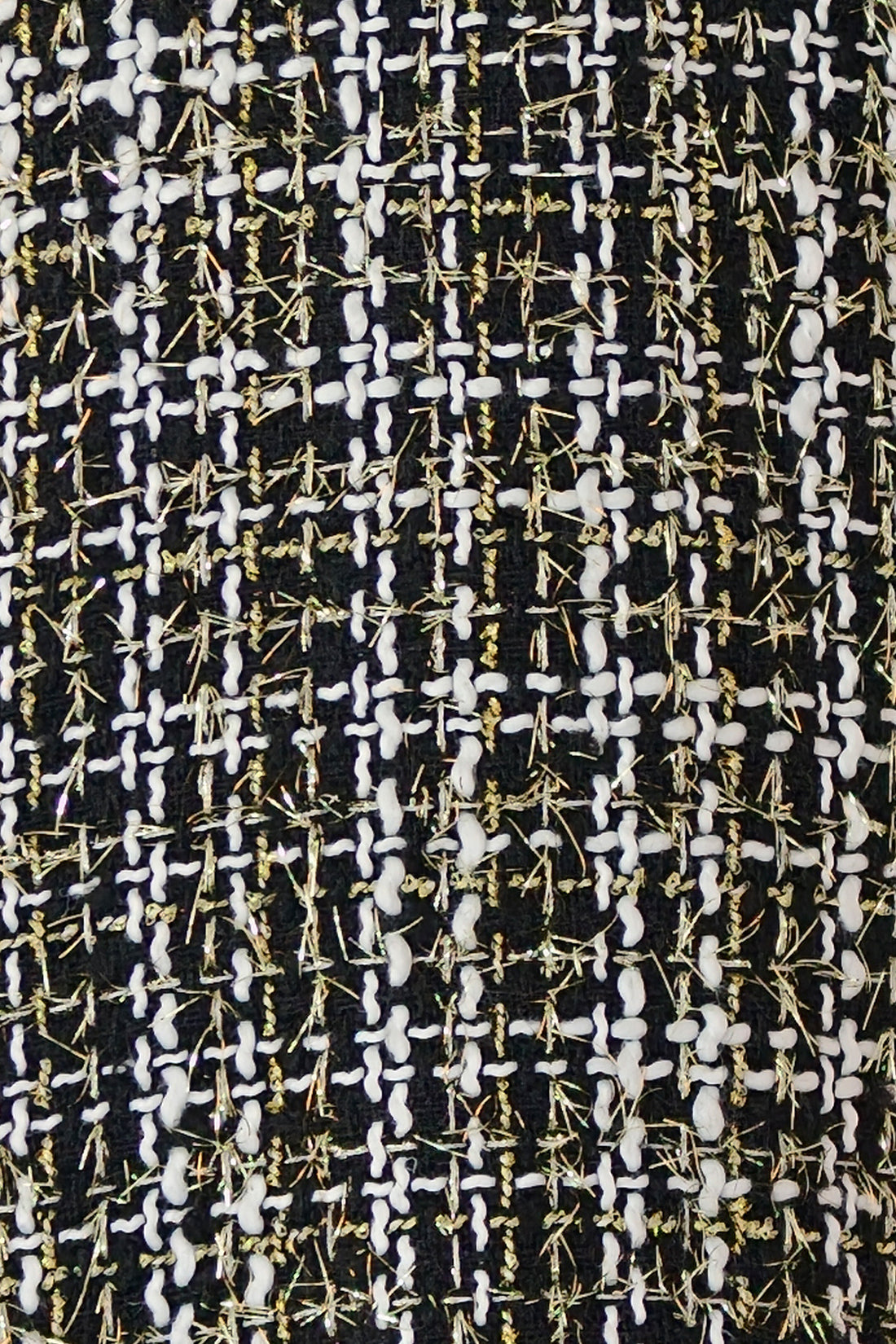
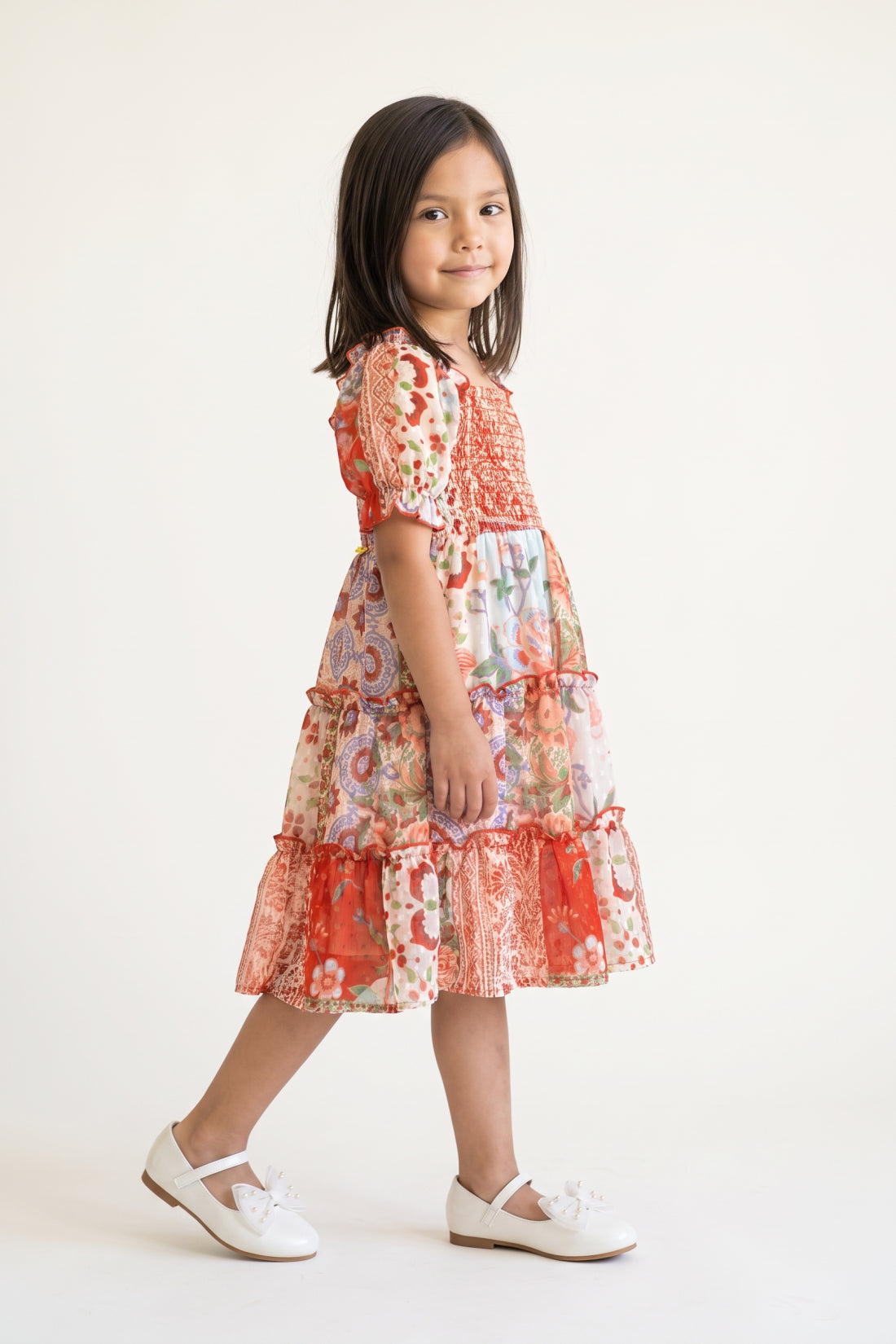
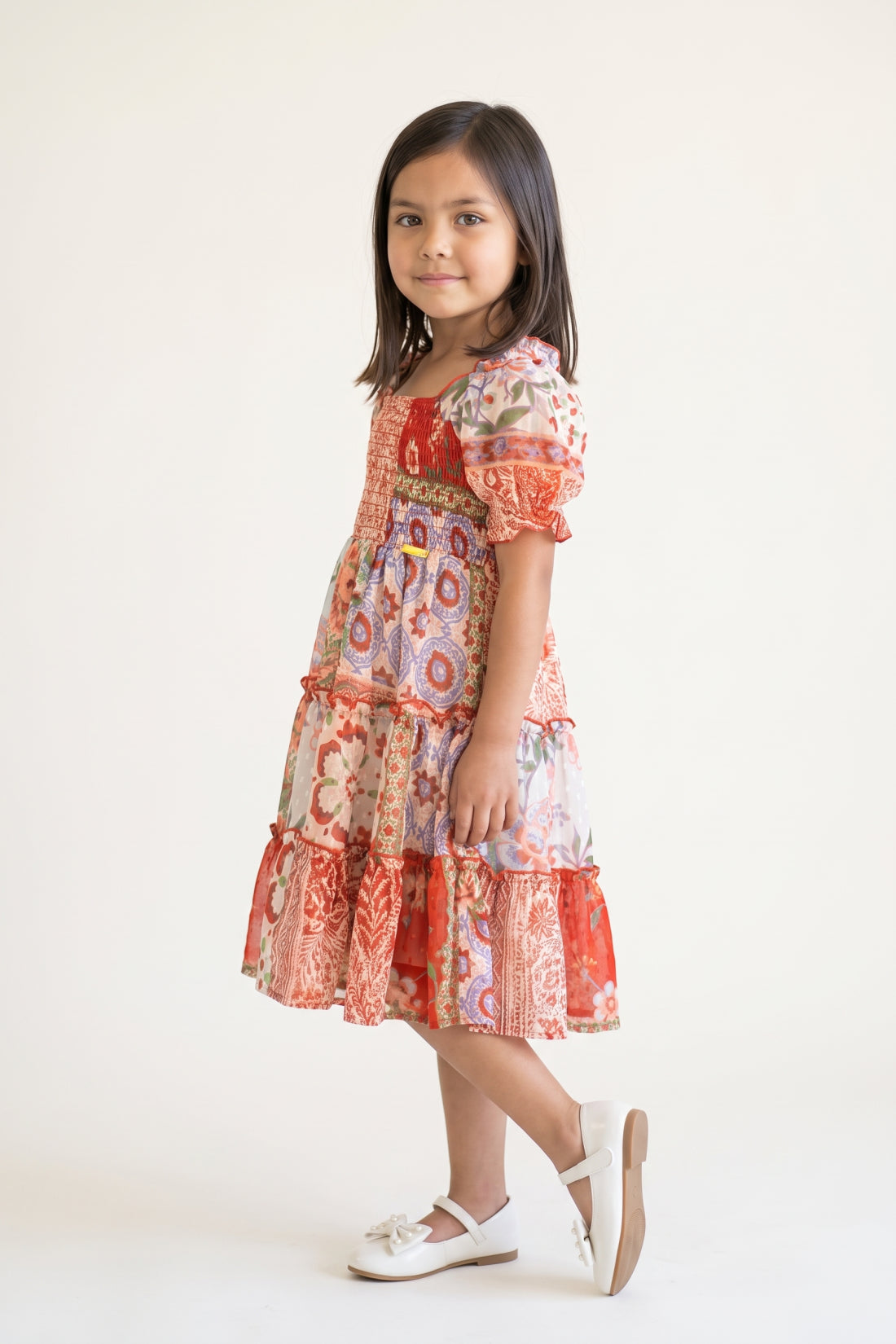
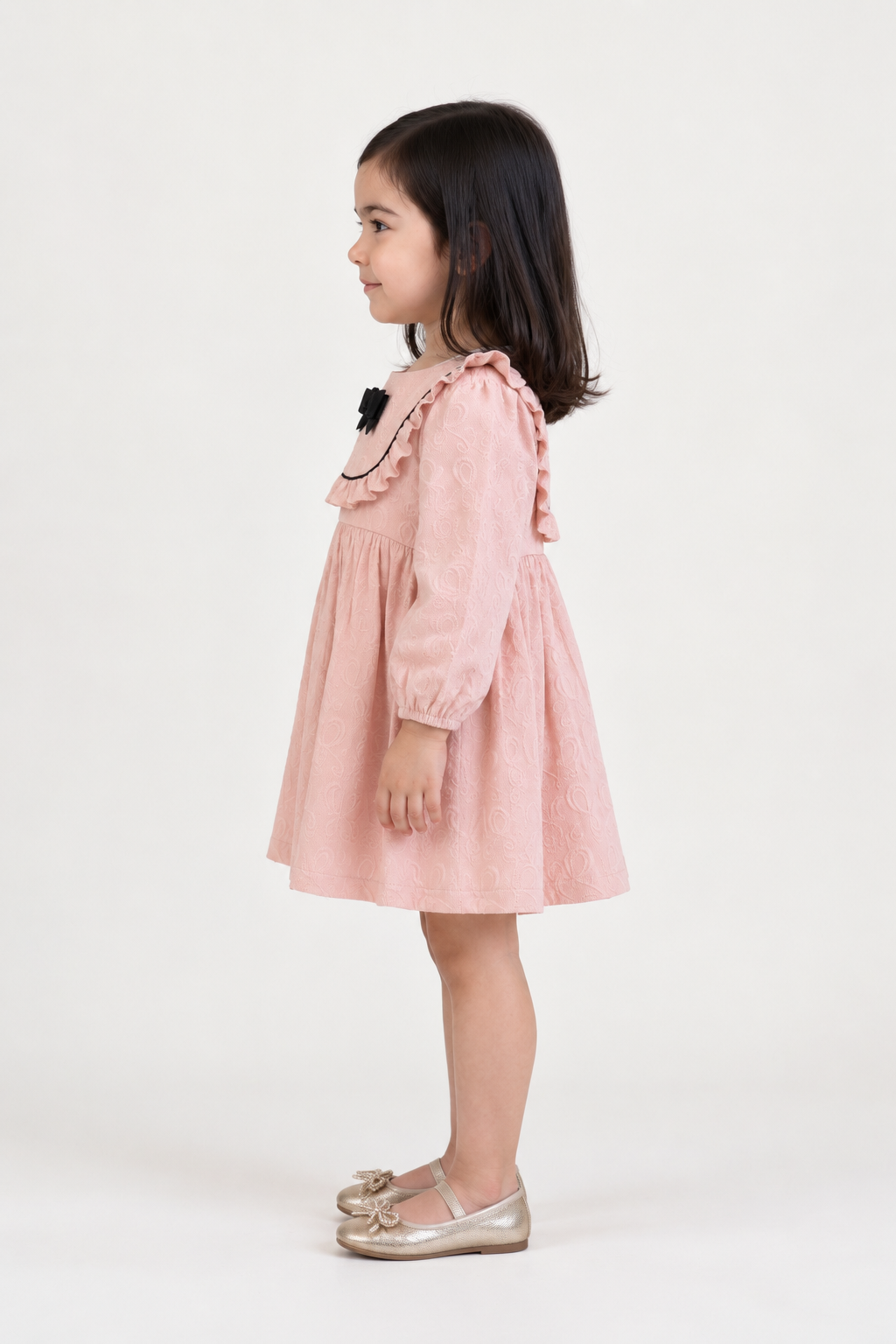
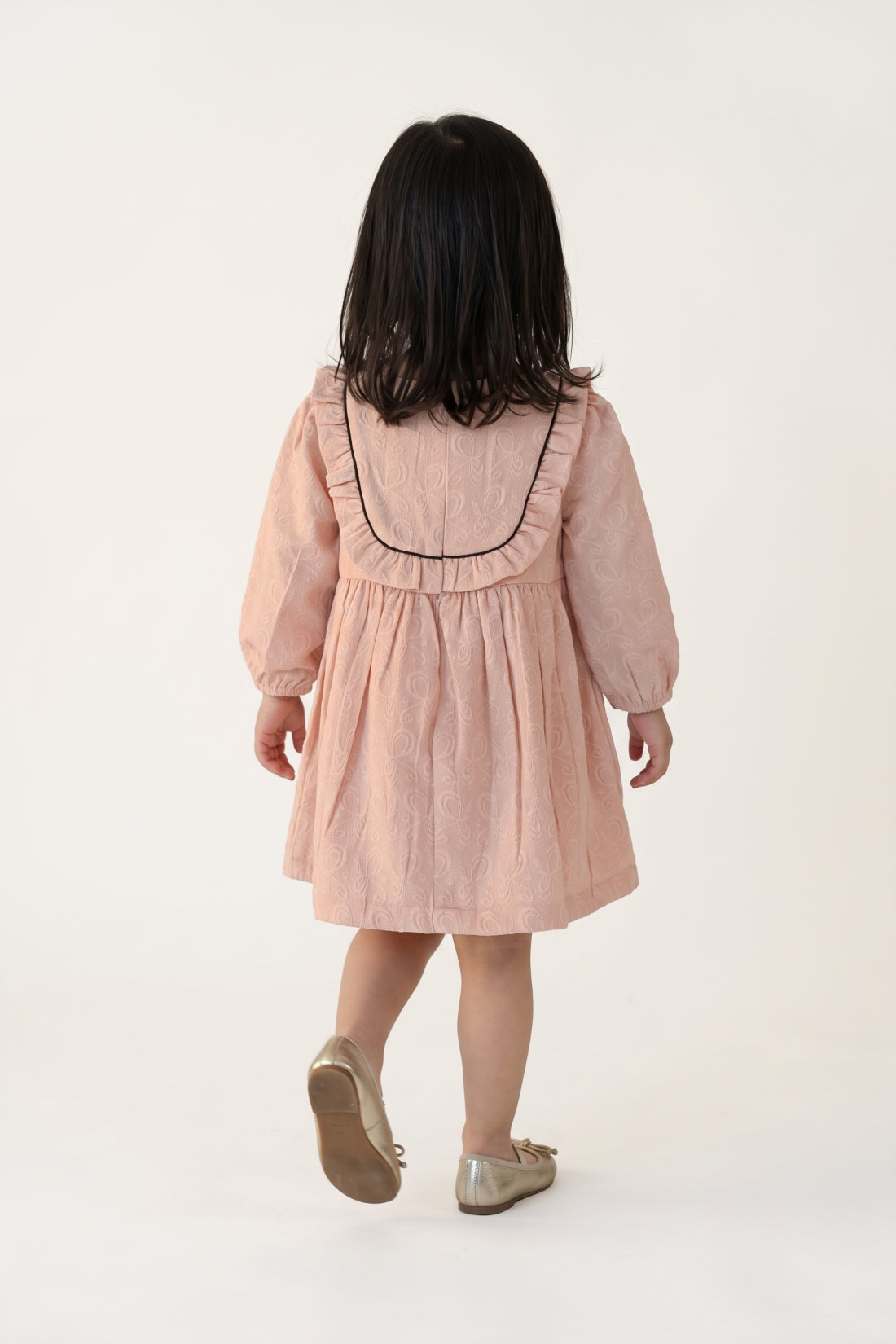
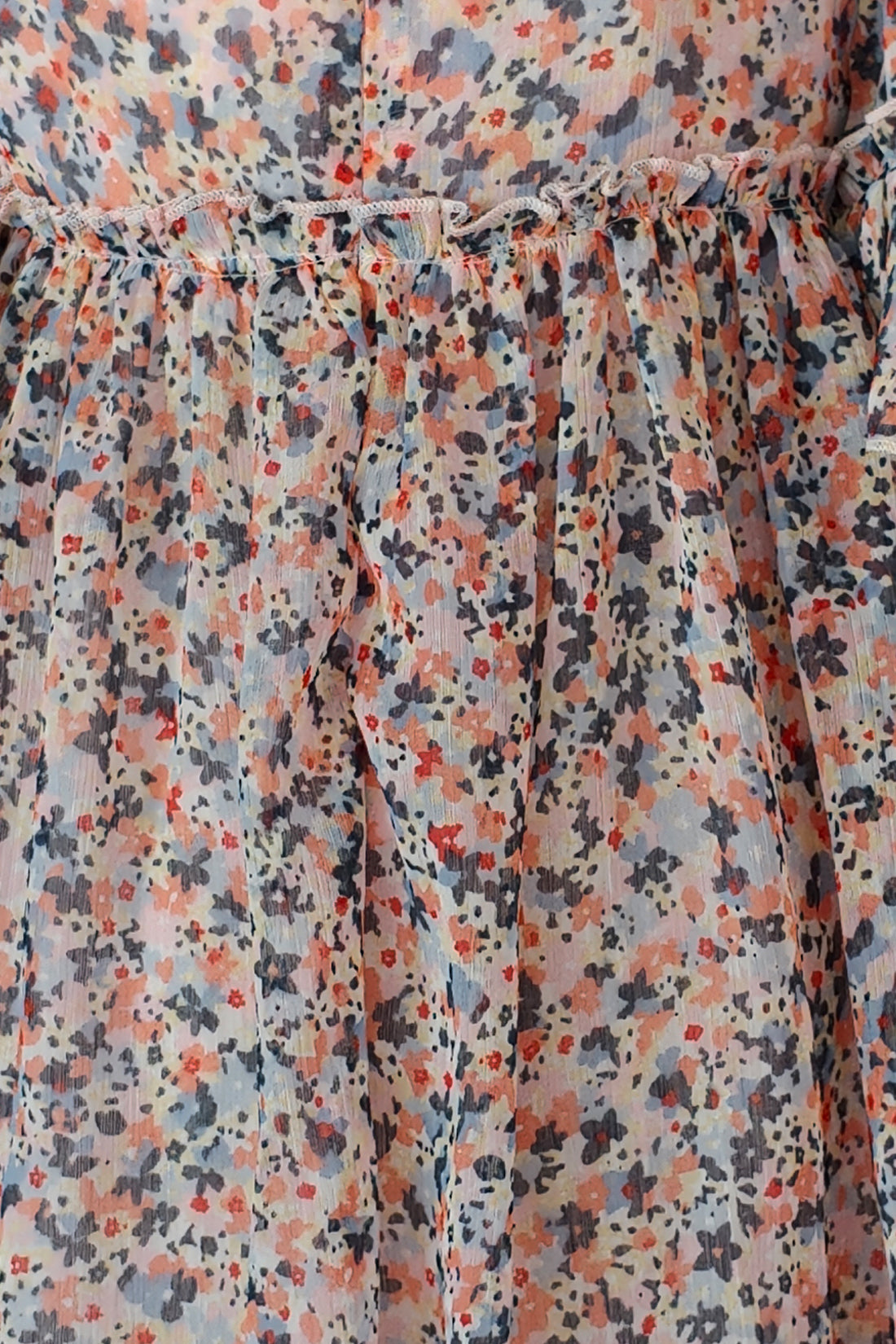
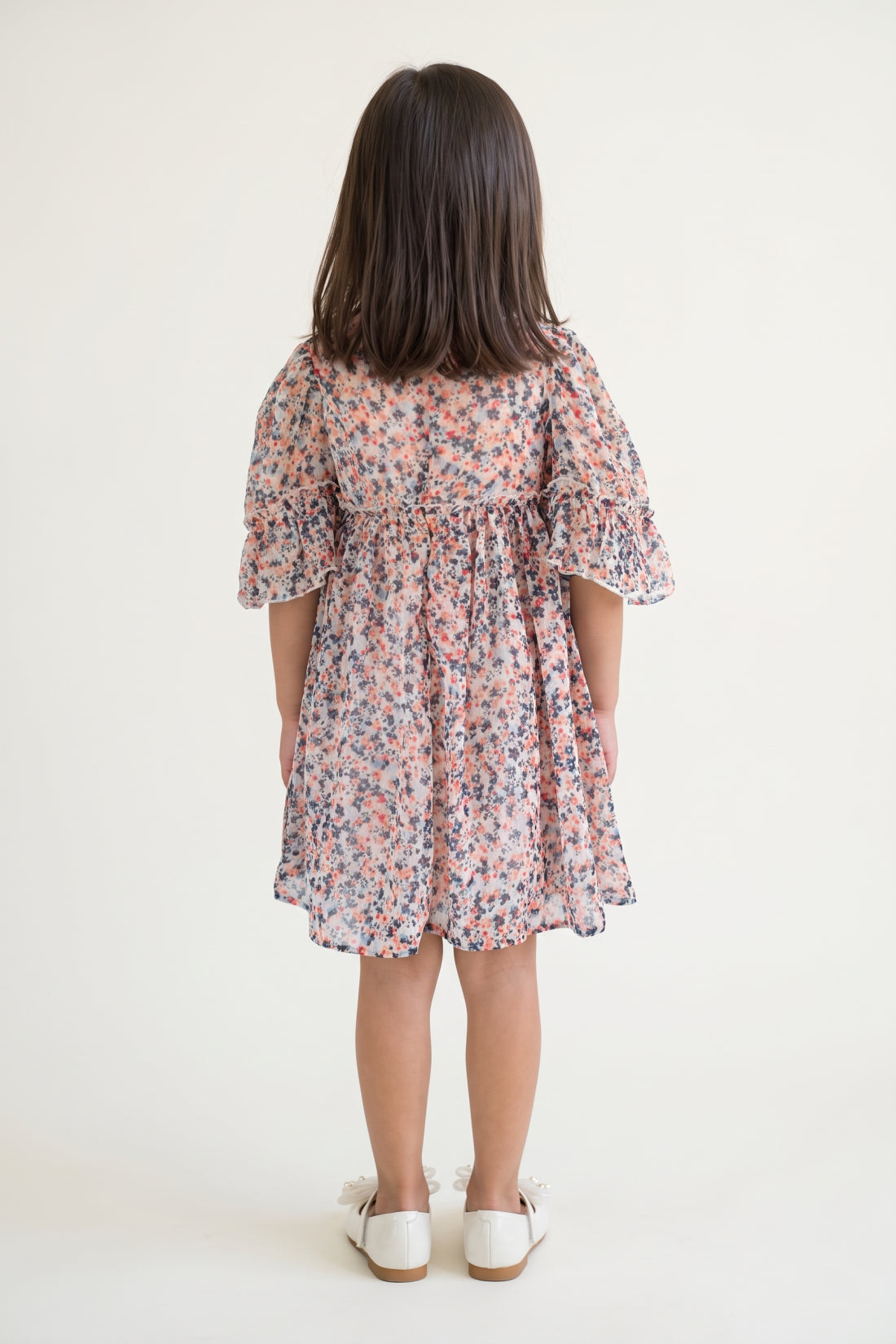
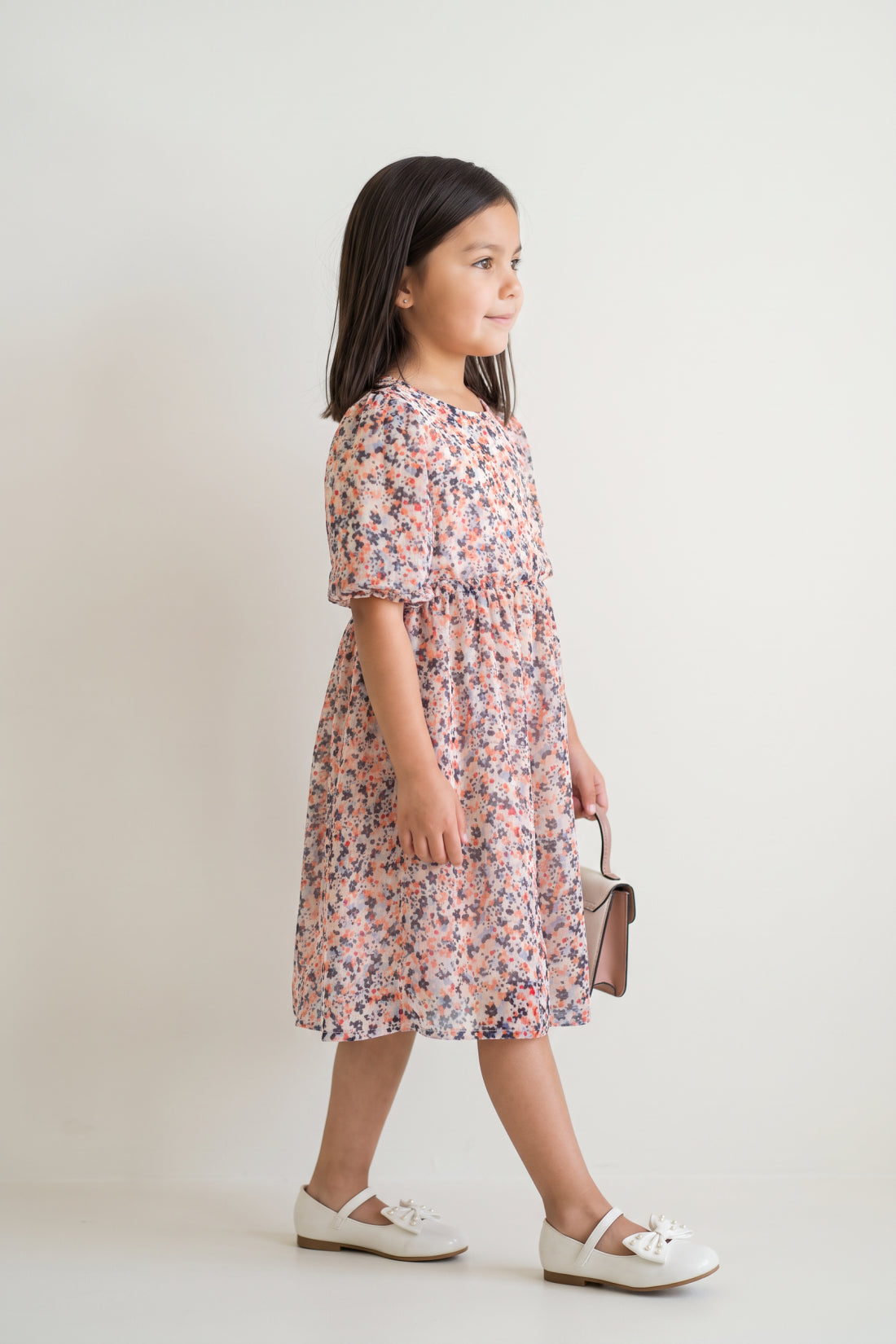
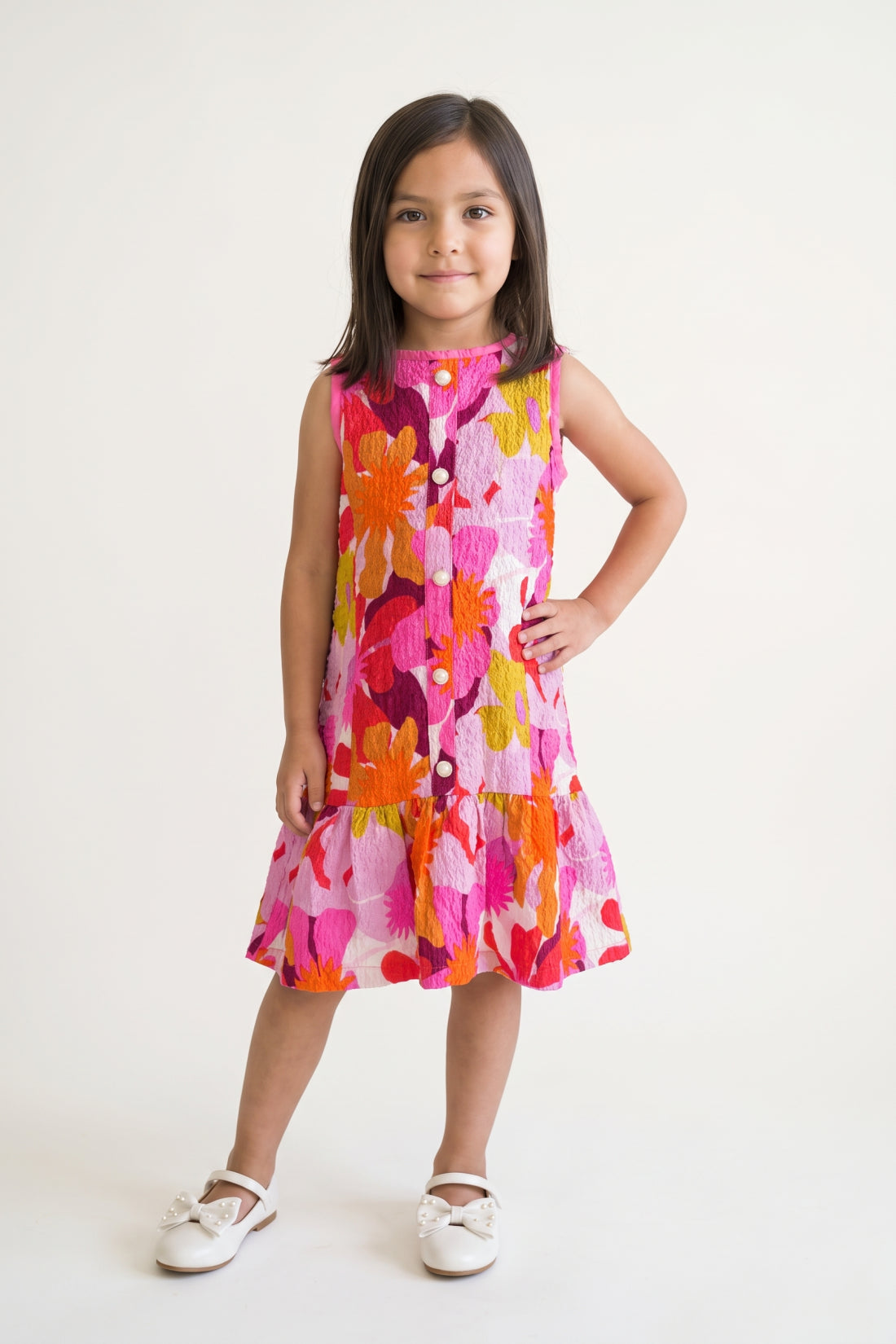
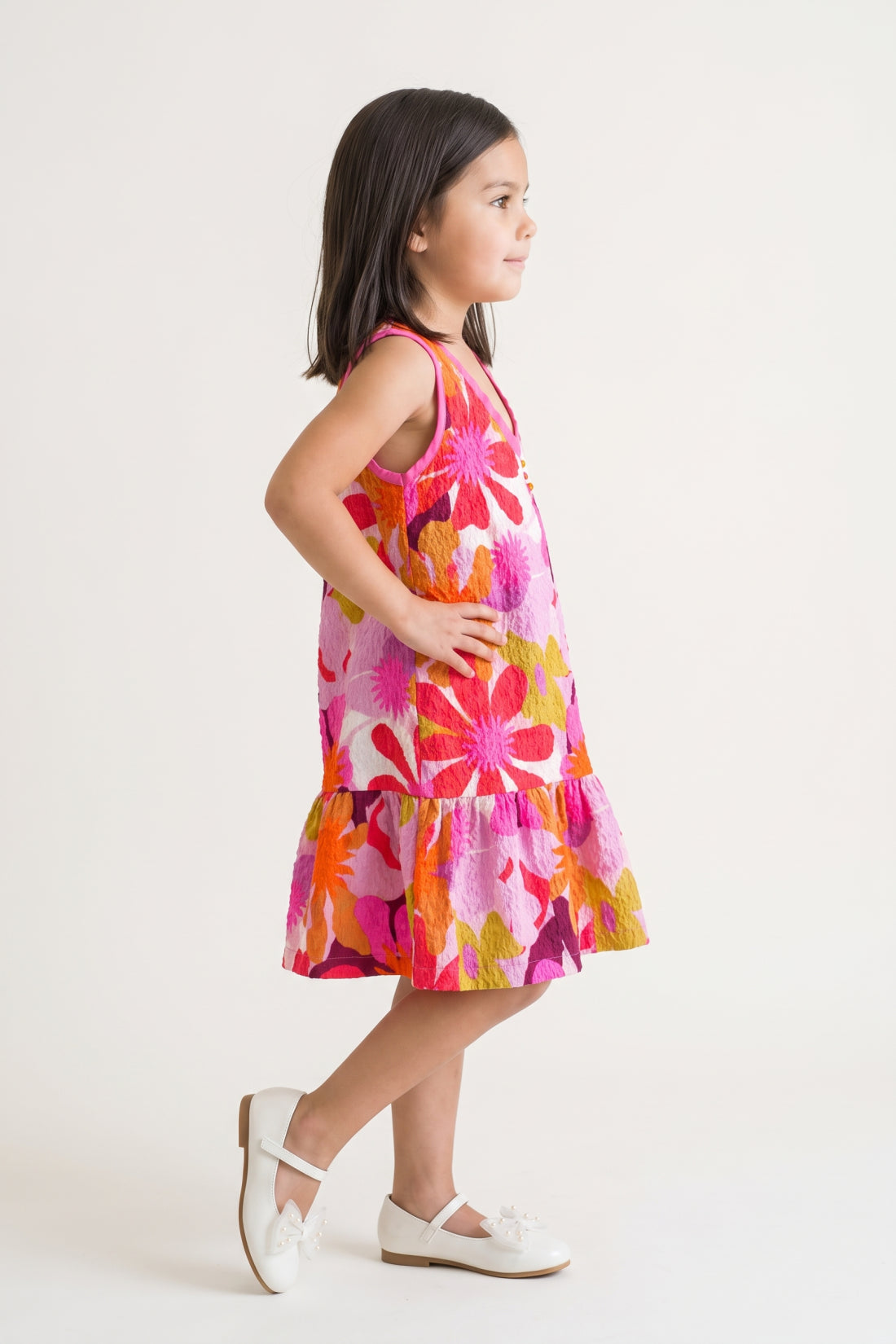
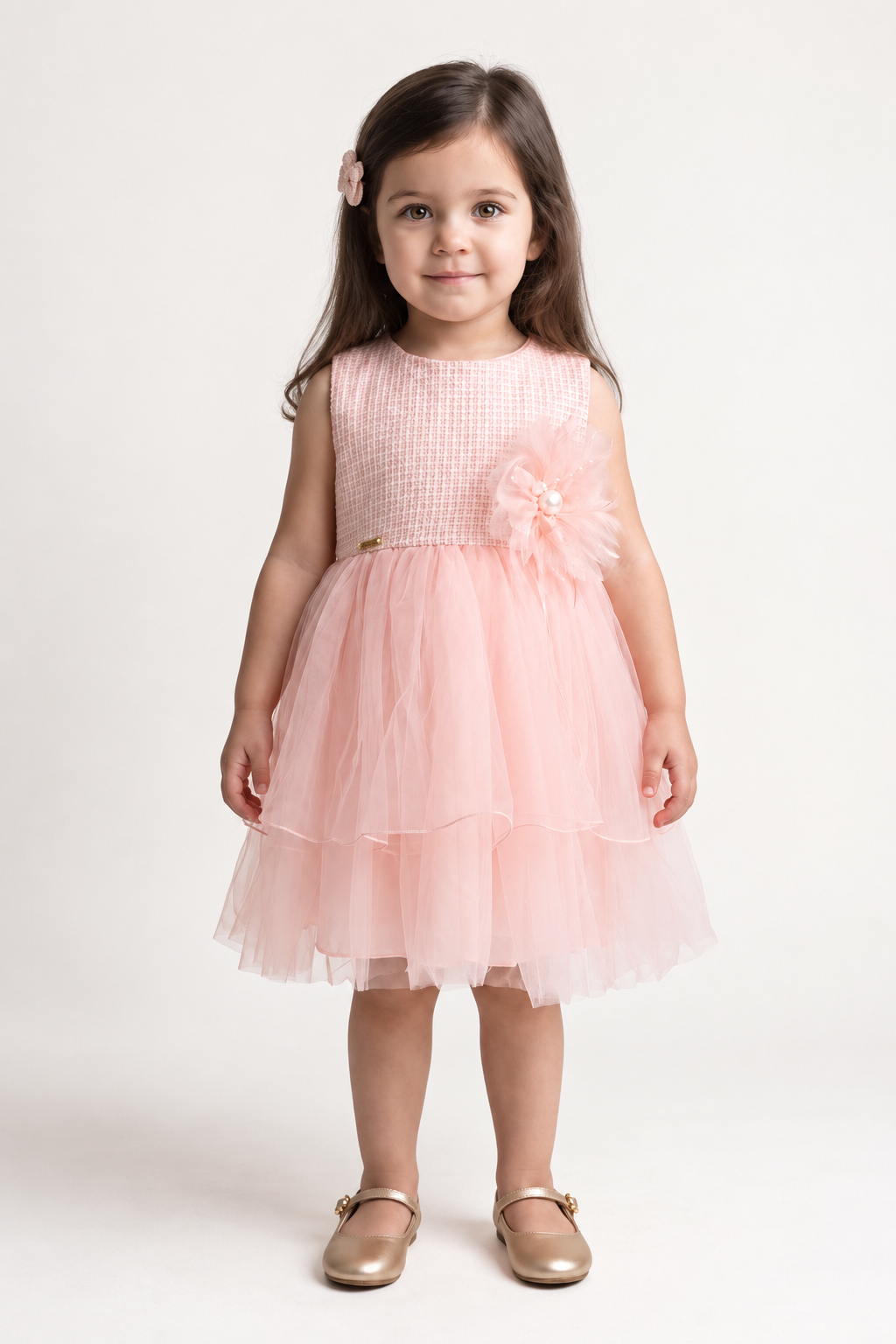
Cold weather shouldn't mean uncomfortable layers. Our winter dresses for kids combine warmth with softness, using insulated fabrics that keep your child cosy without feeling bulky or restrictive. This collection includes girls winter dresses, kids winter jackets, and everyday winter clothes for kids, all designed for easy movement so play and comfort never take a back seat to warmth. Whether you need a warm winter frock for daily wear or a jacket for chillier mornings, every piece is built from skin-friendly fabrics suited to real Indian winters. Shop the full winter wear collection online today.
Winter dressing for kids means balancing warmth with breathability, and our winter dresses for kids are built exactly for that. Soft, insulated fabrics trap warmth without overheating active children, while stretchable knits allow full freedom of movement, whether your child is running around at home or bundled up for a school day.
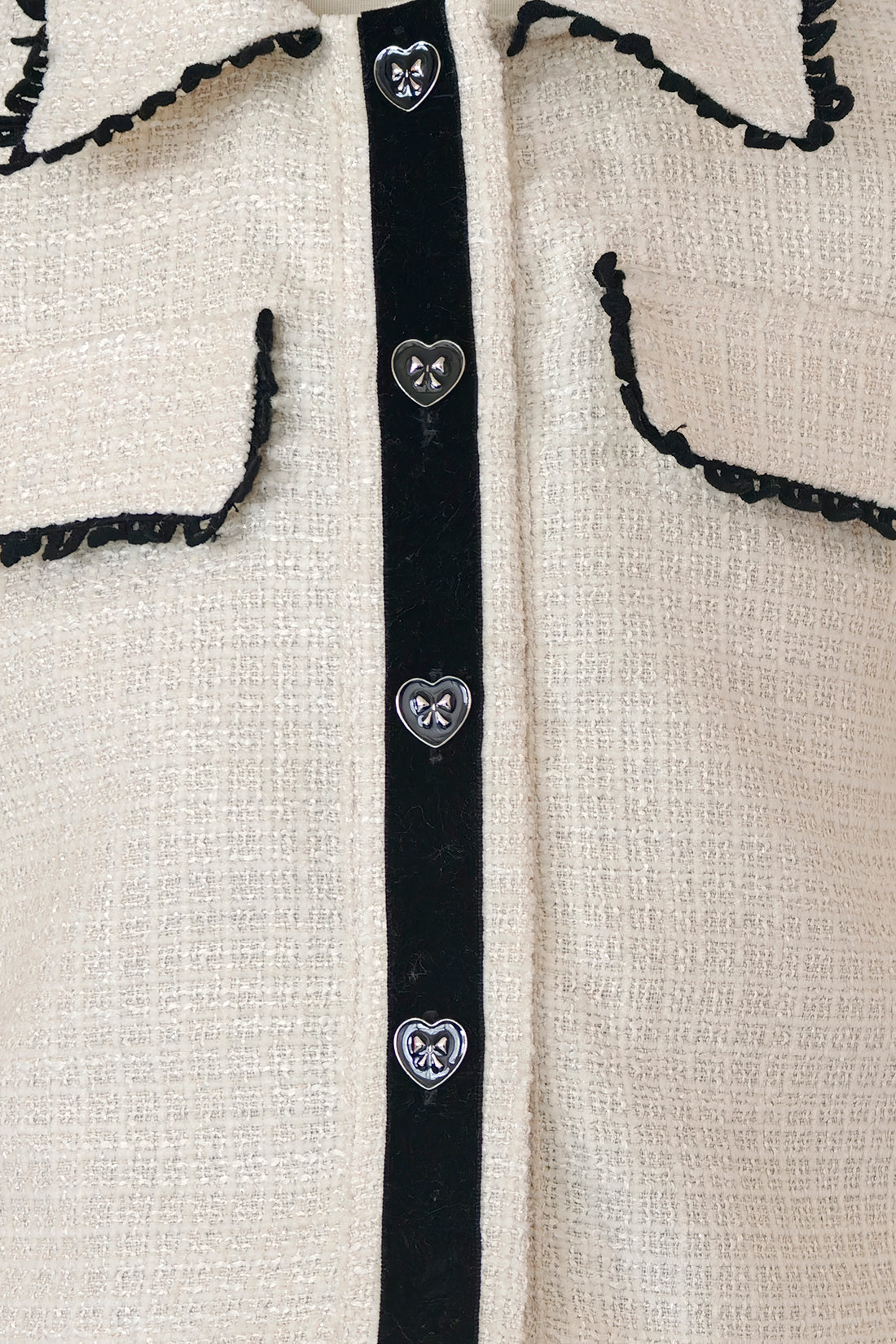
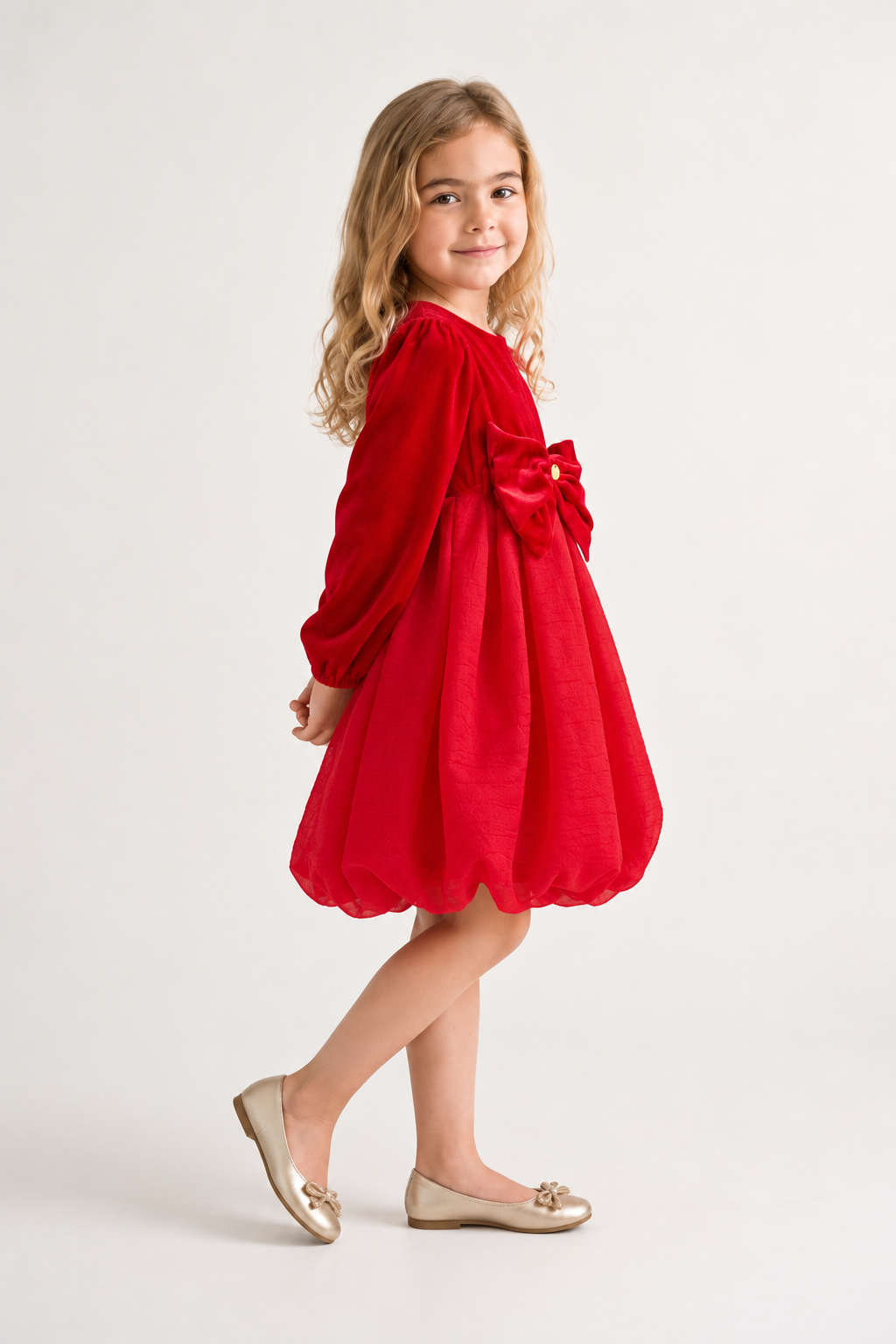
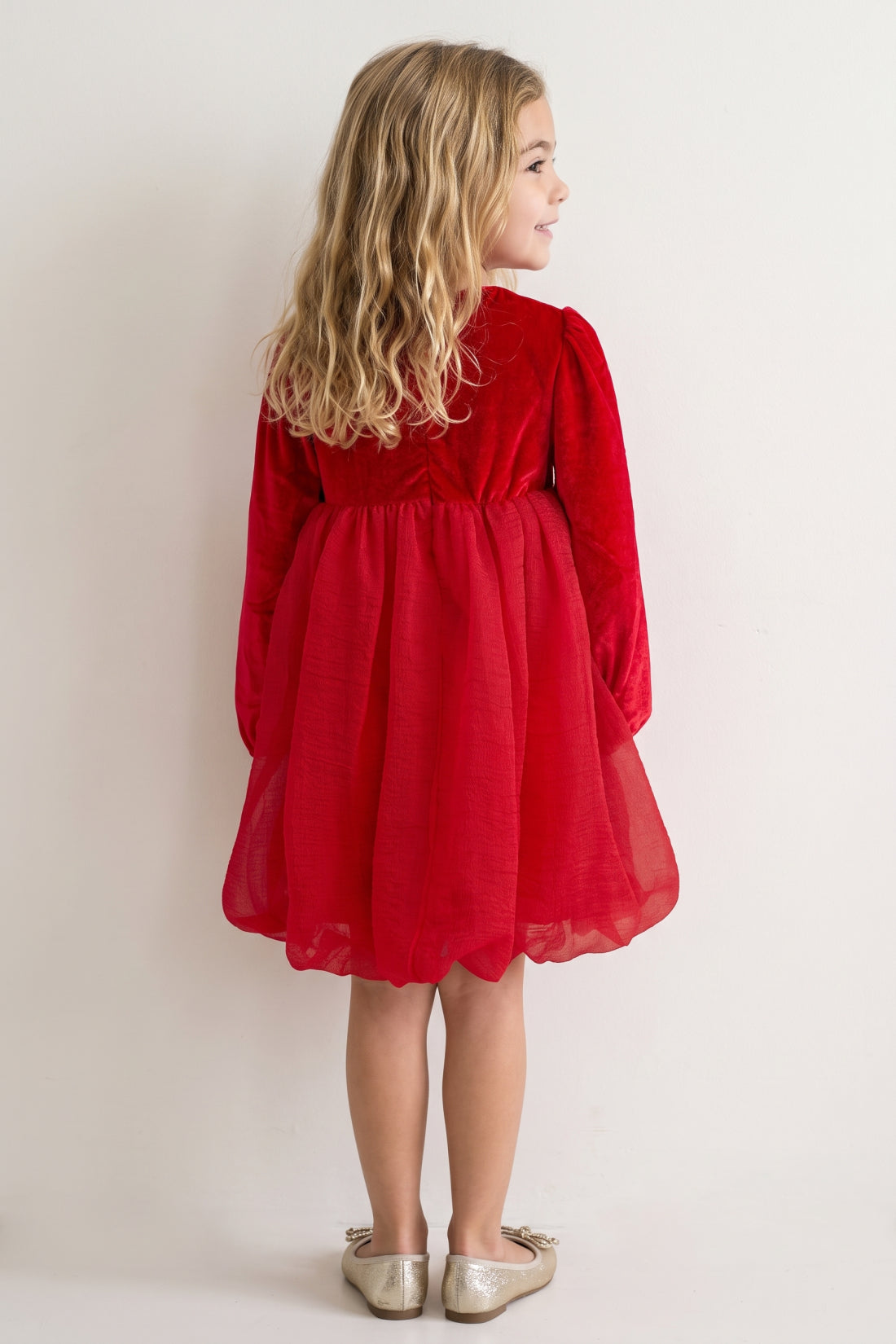
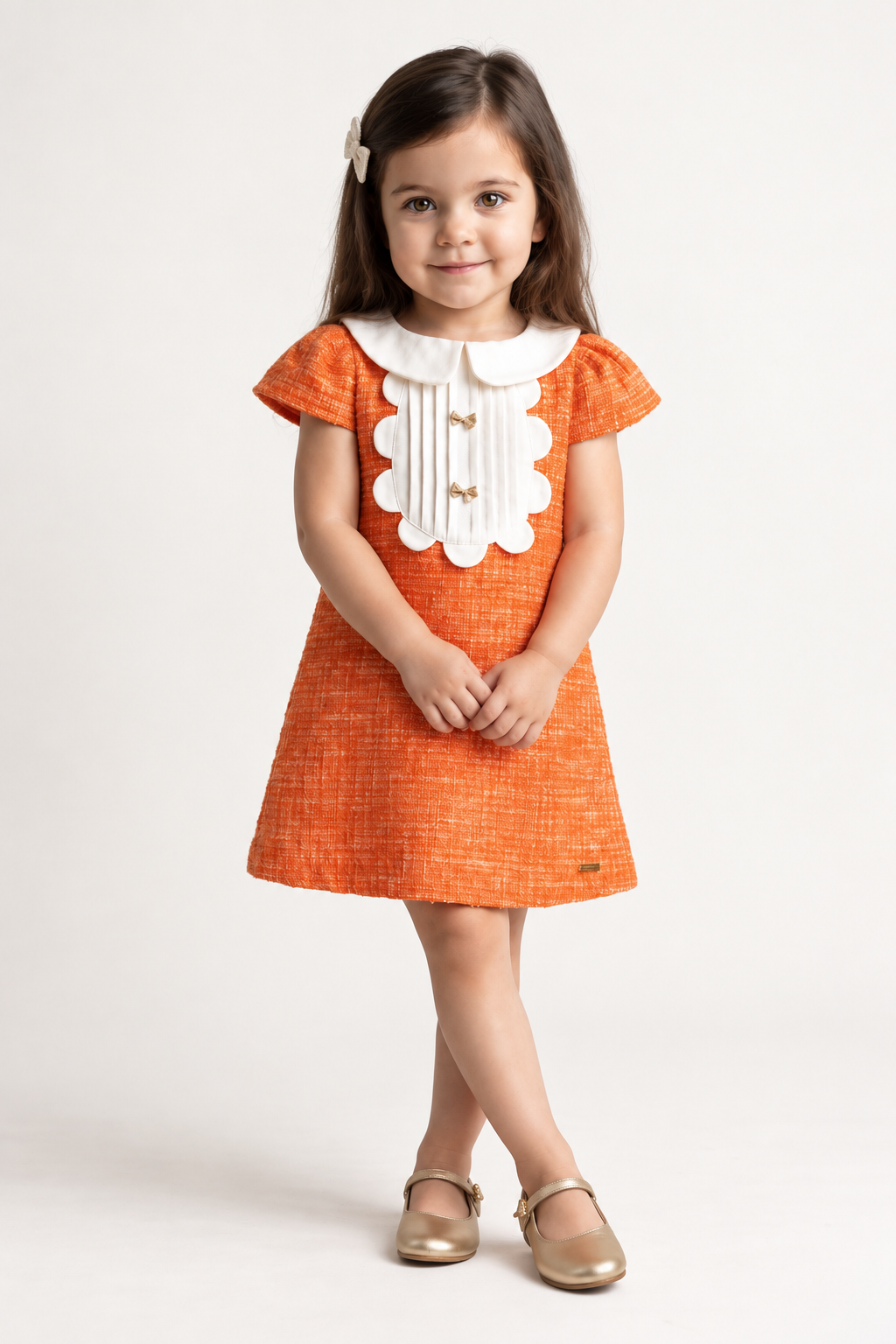
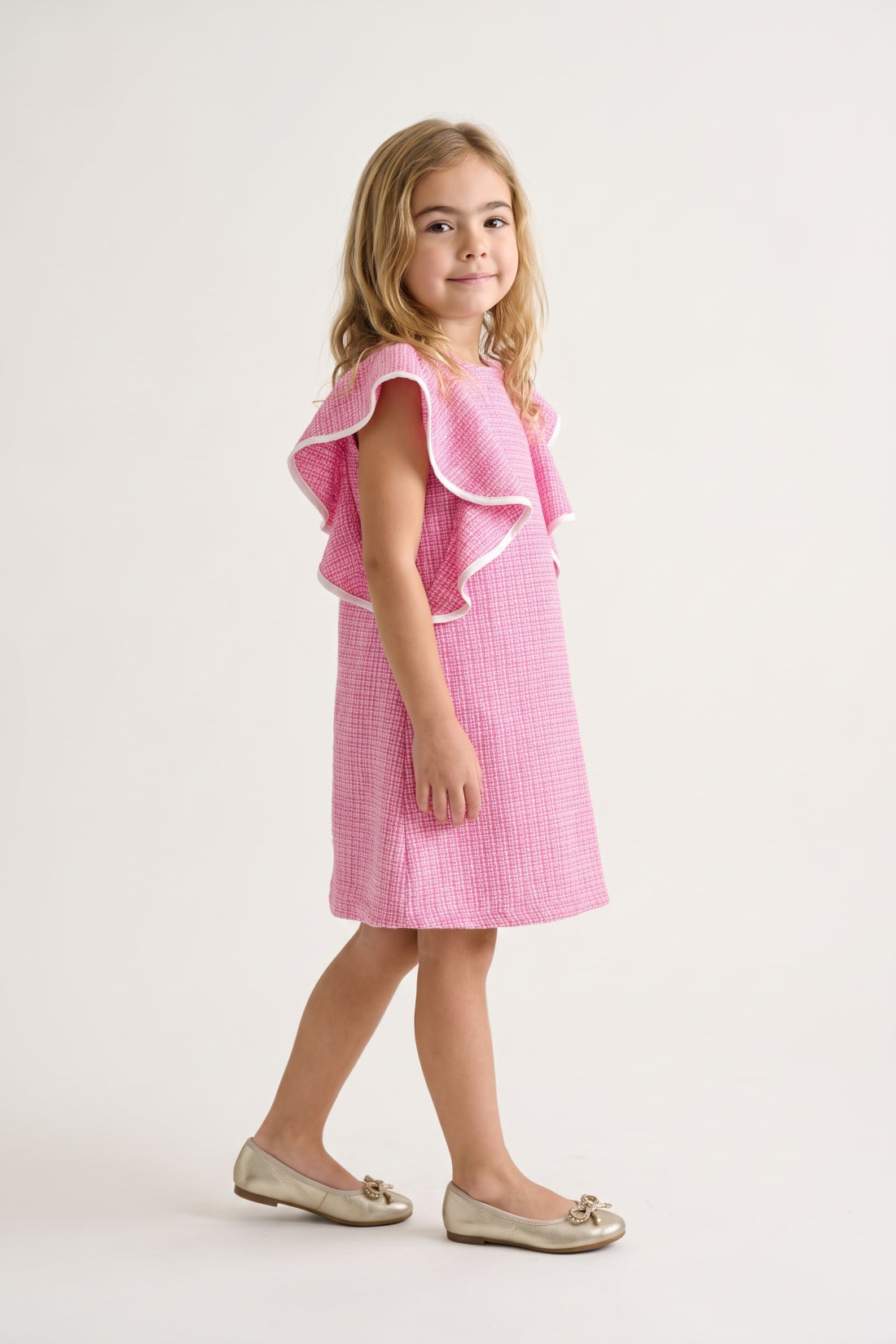
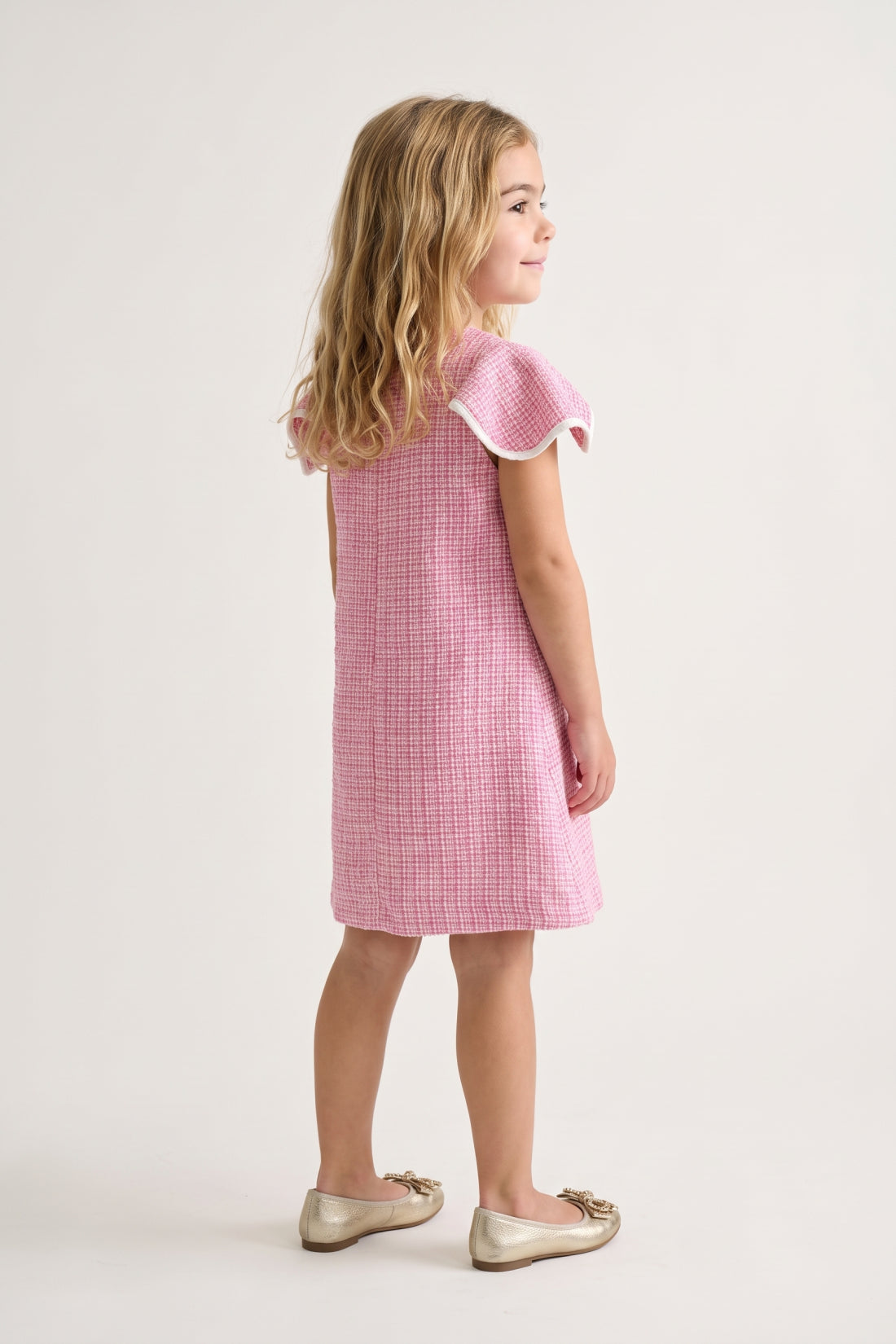
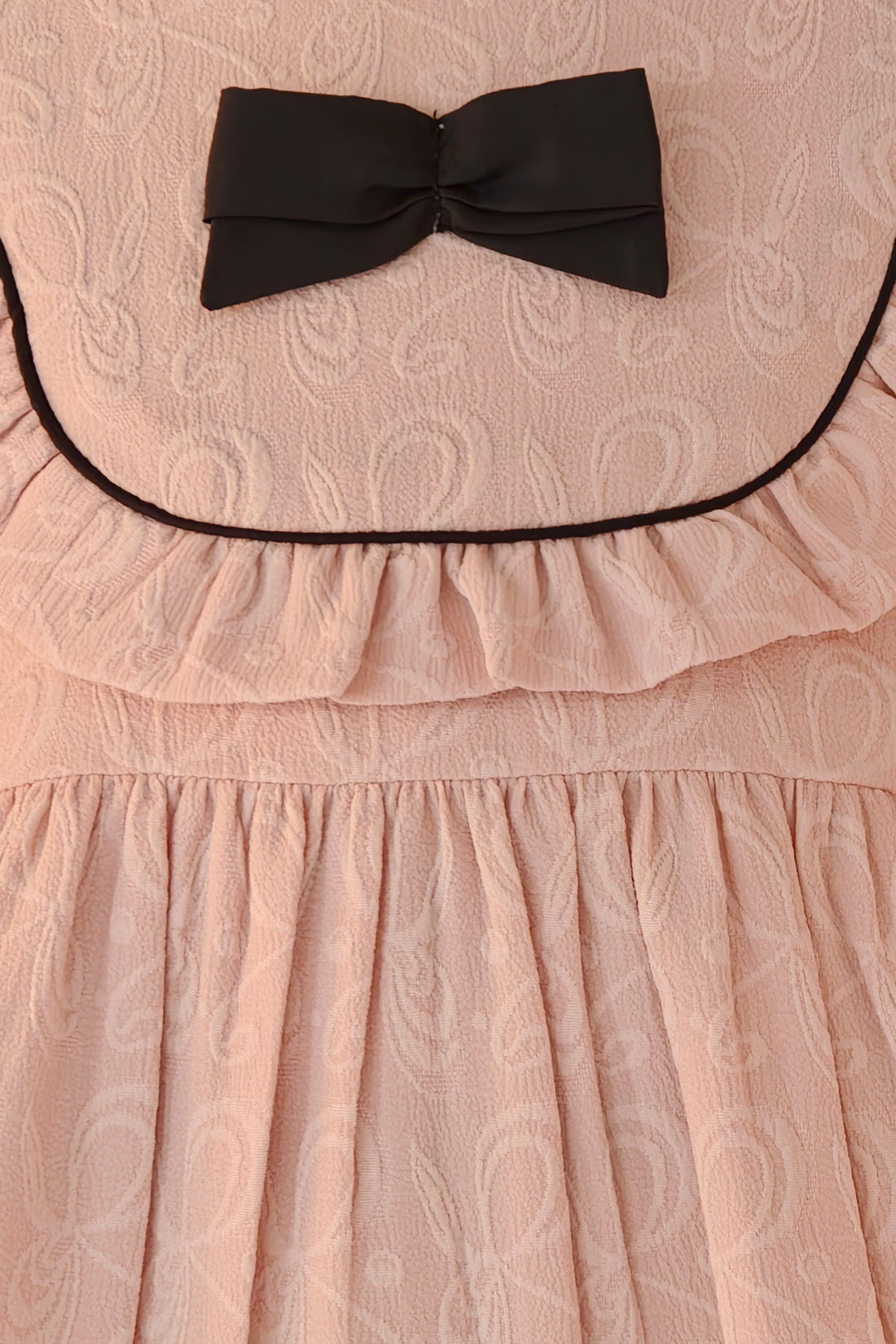
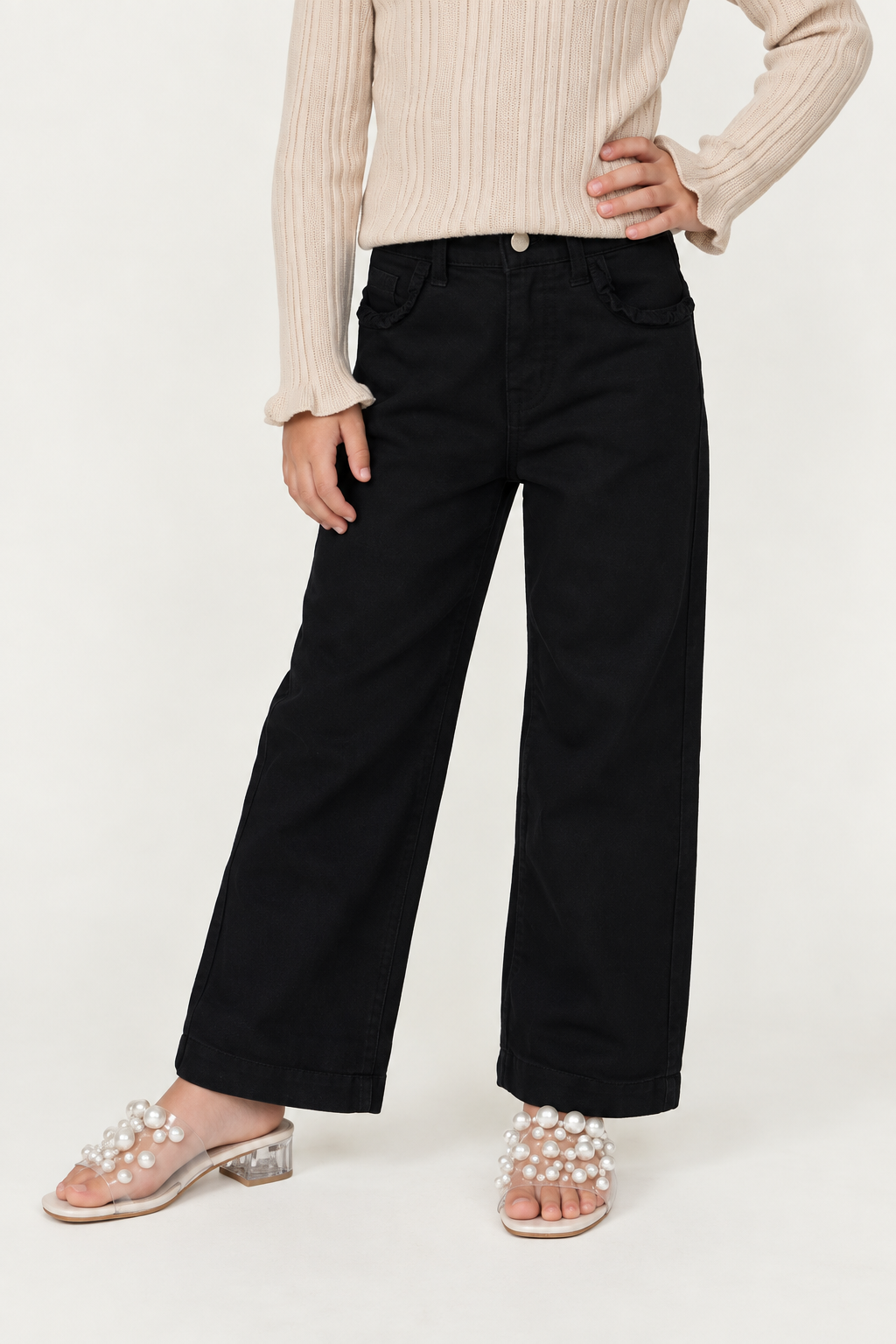
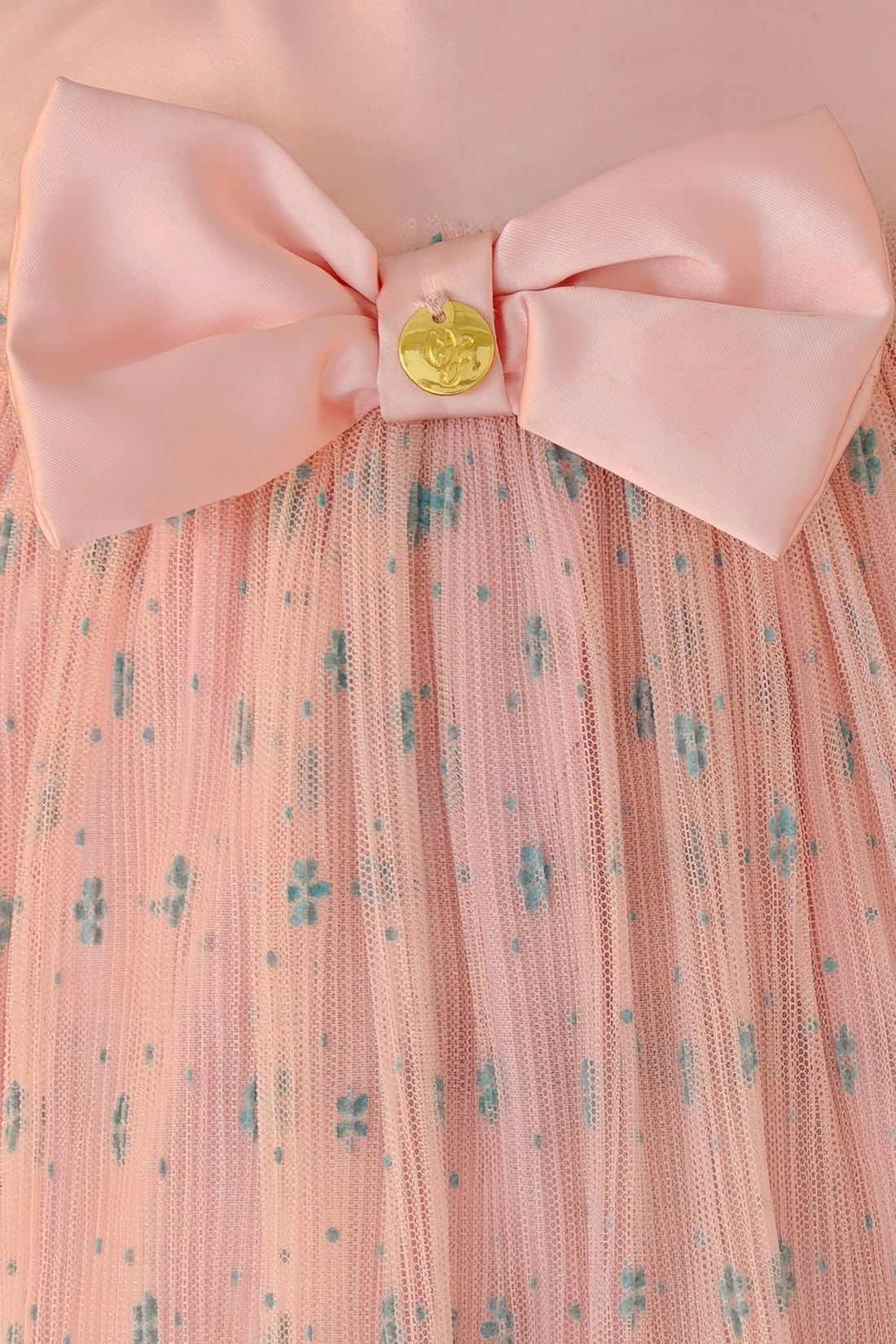
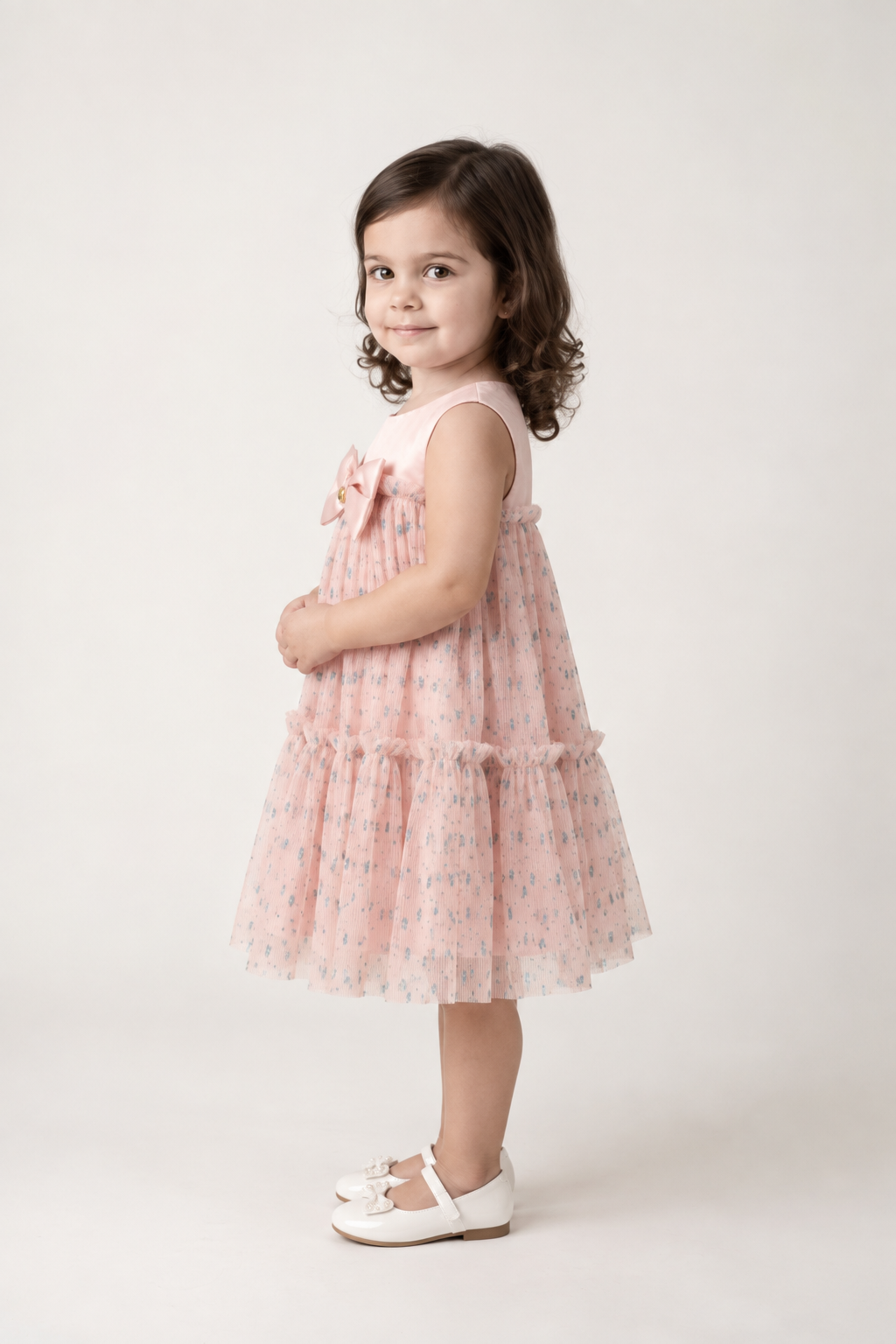
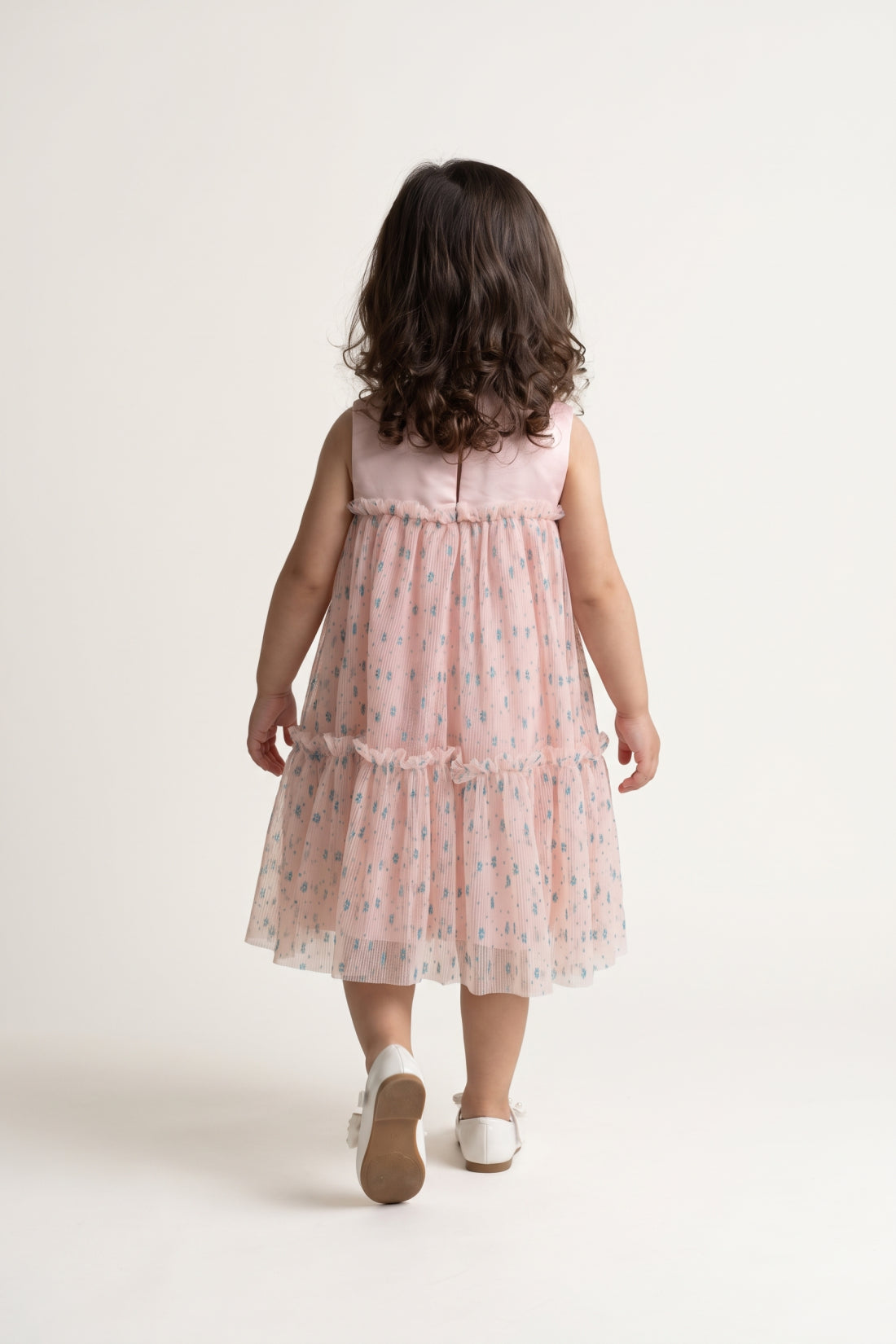
This collection covers a full range of winter clothes for kids, from cosy dresses and frocks to jackets and layering pieces. Girls winter dresses come in playful prints and solid colours suited for both daily wear and small family gatherings, while our kids winter jackets are cut for easy layering over everyday outfits. Every piece features soft seams, tag-free or printed labels, and secure stitching that holds up through a full winter of wear and washing.
For the best fit, size winter pieces slightly looser than summer basics to allow room for a light layer underneath, especially for jackets and sweaters worn over regular clothes. Check the size chart against your child's current measurements, since winter styles are often cut differently from lighter seasonal wear. Machine wash on a gentle, cold cycle to preserve insulation and colour, and air dry heavier pieces like jackets to maintain their shape through the season.
Keep your child warm without compromising on comfort or style. Explore the full range of winter dresses, jackets, and everyday winter wear for kids at One Friday World today.
FAQs
What fabric are the winter dresses made from?
Our winter dresses for kids use soft, insulated fabric blends designed to trap warmth while remaining breathable. This keeps children comfortable indoors and outdoors without the bulk or scratchiness of heavier winter materials.
How should I size winter jackets for layering?
We recommend sizing winter jackets slightly looser than your child's regular size to allow room for a light sweater or shirt underneath. Check our size chart against your child's current measurements for the most accurate fit.
Are these winter clothes suitable for very cold regions?
Our winter wear is designed primarily for typical Indian winters, offering solid warmth for moderate to cold temperatures. For extremely cold regions, we recommend layering our pieces with additional thermal wear underneath.
Can girls winter dresses be worn for special occasions?
Yes, many of our girls winter dresses work well for family gatherings and small celebrations, alongside everyday wear. Look for our more embellished frocks and pair with our footwear collections for a complete festive winter look.
How do I wash and store winter clothes properly?
Machine wash on a gentle, cold cycle and avoid high heat when drying to preserve fabric shape and insulation. Store folded rather than hung for heavier knitwear, and keep in a dry place between wears to maintain freshness.
